Depth of Field showcases UMBC’s spectacular photo collections
UMBC’s photography collection includes more than two million works, including rare and historic prints showcasing a range of formats, processes, genres, and technologies. Among these are the approximately one hundred images chosen for Depth of Field, an exhibit showcasing work acquired over the past decade.
Featured artists in the exhibition at the Albin O. Kuhn Library Gallery through December 19 include Albert Arthur Allen, Laurie Brown, Kristin Capp, Clarence Carvell BFA ’93, Chim (David Seymour), William Eggleston, Donna Ferrato, Robert Fichter, Todd Forsgren, Peggy Fox, Sally Gall, Ralph Gibson, Penny Harris, Sam Holden, Irina Ionesco, Walter Iooss, Lotte Jacobi, N. Jay Jaffee, Brian Jones, Nate Larson, David S. Lavine, Alen MacWeeney, Mary Ellen Mark, Fred McDarrah, Dorothy Norman, David Seltzer, Steve Szabo, Barbara Traub, Peter Turnley, and Robert VonSternberg. Additionally, the exhibition features daguerreotypes, painted photographs, and post-mortem photographs. Depth of Field is curated by Emily Hauver, curator of exhibitions for the Albin O. Kuhn Library Gallery.
 Robert Fichter, Dürer with Red Flowers, from the series Florida Photogenesia, 1984, silver-dye bleach print. Collection 132, © Robert Fichter, used with permission
“The photography collections are really a treasure trove,” says Beth Saunders, the new curator and head of special collections and the gallery at the Albin O. Kuhn Library & Gallery. “I can’t think of another university collection with the depth and breadth of UMBC’s; it is truly remarkable.” Saunders, previously assistant curator in the Department of Photographs at the Metropolitan Museum of Art, oversees the management, preservation, and exhibition of UMBC’s photography, rare book, and archival collections.
An Enviable Collection
The Photography Collections at UMBC were established in the early 1970s, propelled by the purchase of over 5,000 photographs by pioneering social documentary photographer Lewis Hine. Today the collections contain more than two million photographs by Ansel Adams, Diane Arbus, Berenice Abbott, A. Aubrey Bodine, Bill Brandt, Eileen Cowin, Barbara Crane, Judy Dater, William Eggleston, Robert Frank, Roland Freeman, Lotte Jacobi, Alfred Cheney Johnston, Stephen Marc, David Plowden, Albert Renger-Patzsch, Walter Rosenblum, Jaromir Stephany (professor of visual arts, deceased), Steve Szabo, James Van Der Zee, Edward Weston, Minor White, members of the Photo-Secession, and hundreds of other artists.
 Steve Szabo, Interior, Christ M. E. Church, 1976, from the series Eastern Shore, platinum print. Collection 254 © Steve Szabo, used with permission
“I’m really looking forward to working with and promoting UMBC’s Special Collections, and hope to increase engagement among students as well as the local Baltimore and wider scholarly communities,” says Saunders.
Depth of Field will continue on display through December 19. The Library Gallery is open Monday through Friday from 10 a.m. to 4:30 p.m., with extended hours on Thursday until 8 p.m., and Saturday and Sunday from noon to 5 p.m. Admission is free. Additional information about the exhibition can be found here.
 Lotte Jacobi, Marlene Dietrich, 1929, Platinum print, Accession no. P2013-31-014, gift of Louis Klaitman
 Todd Forsgren, Adelaide’s Warbler (Setophaga adelaidae), 2009, from the series Ornithological Photographs, Inkjet print, Accession no. P2016-07-001, gift of the artist
![Sam Holden, [Iggy Pop], 2001, chromogenic color print, gelatin silver negatives, cross processed. Collection 255, © Sam Holden Archive, UMBC; Mina and Todd Holden, and Donna Sherman, used with permission](/wp-content/uploads/2018/11/iggy.jpg) Sam Holden, [Iggy Pop], 2001, chromogenic color print, gelatin silver negatives, cross processed. Collection 255, © Sam Holden Archive, UMBC; Mina and Todd Holden, and Donna Sherman, used with permission
Sam Holden, [Iggy Pop], 2001, chromogenic color print, gelatin silver negatives, cross processed. Collection 255, © Sam Holden Archive, UMBC; Mina and Todd Holden, and Donna Sherman, used with permission
 Studio of R. Yamamoto, Yokohama, Japan, U.S. Sailor Earnest Estens, of the U.S.S. South Dakota, early 20th Century Cabinet card, Accession no. P2016-01-014
* * * * *
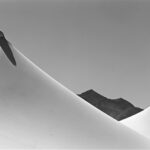
Header Image: Barbara Traub, Twin Peaks, 1994, gelatin silver print. Accession no. 2013-02-022, © Barbara Traub, used with permission
* * * * *
Related Stories
UMBC welcomes Beth Saunders as the new curator and head of Special Collections
Library Gallery displays recent acquisitions in “Depth of Field” exhibition
]]>
UMBC’s photography collection includes more than two million works, including rare and historic prints showcasing a range of formats, processes, genres, and technologies. Among these are the...
https://umbc.edu/stories/depth-of-field-showcases-umbcs-spectacular-photo-collections/
https://my3.my.umbc.edu/api/v0/pixel/news/120264/guest@my.umbc.edu/cbee16dedc52751e6aeaeceae4aa65bb/api/pixel
aok-library-gallery
discovery
photography
UMBC News & Magazine
https://my3.my.umbc.edu/groups/umbc-news-magazine
https://assets1-my.umbc.edu/system/shared/avatars/groups/000/001/943/24435aa6207c452e7bc15cc74b42c7bb/xsmall.png?1748556657
https://assets1-my.umbc.edu/system/shared/avatars/groups/000/001/943/24435aa6207c452e7bc15cc74b42c7bb/original.png?1748556657
https://assets2-my.umbc.edu/system/shared/avatars/groups/000/001/943/24435aa6207c452e7bc15cc74b42c7bb/xxlarge.png?1748556657
https://assets2-my.umbc.edu/system/shared/avatars/groups/000/001/943/24435aa6207c452e7bc15cc74b42c7bb/xlarge.png?1748556657
https://assets3-my.umbc.edu/system/shared/avatars/groups/000/001/943/24435aa6207c452e7bc15cc74b42c7bb/large.png?1748556657
https://assets1-my.umbc.edu/system/shared/avatars/groups/000/001/943/24435aa6207c452e7bc15cc74b42c7bb/medium.png?1748556657
https://assets2-my.umbc.edu/system/shared/avatars/groups/000/001/943/24435aa6207c452e7bc15cc74b42c7bb/small.png?1748556657
https://assets1-my.umbc.edu/system/shared/avatars/groups/000/001/943/24435aa6207c452e7bc15cc74b42c7bb/xsmall.png?1748556657
https://assets2-my.umbc.edu/system/shared/avatars/groups/000/001/943/24435aa6207c452e7bc15cc74b42c7bb/xxsmall.png?1748556657
UMBC News & Magazine
0
0
false
Fri, 30 Nov 2018 17:20:02 -0500
Friendly Competition

Many observers will point to March 16, 2018, as the date that UMBC Athletics came of age. But there are numerous, more subtle signals that #RetrieverNation is maturing in intercollegiate athletics.
In short order this past spring, UMBC doubled the number of former student-athletes who have risen to the pinnacle of the coaching ranks and become Division I head coaches. Temple University hired Brian Rowland ’03, economics, as its head men’s soccer coach, while America East rival Binghamton University tapped Bethann (Shapiro) Ord ’89, psychology, (pictured above) as its head women’s basketball coach.
The duo joins Michael Casper ’00, psychology, and Jen (Kasper) O’Brien ’05, psychology, who have previously directed their charges against their alma mater. (Ord will when Binghamton plays at UMBC on February 13, 2019.)
Pride and Competitive Spirit
For all of them, coming back to coach against their own team brings a mix of pride and competitive spirit.
Casper, who played for head soccer coach Pete Caringi, Jr., led his St. Francis Pennsylvania side against UMBC in September 2009, dropping a 3-1 decision to the Retrievers. O’Brien, who scored 86 goals as a fouryear starter for UMBC women’s lacrosse, brought a first-year program from Virginia Commonwealth University into UMBC Stadium in February 2016, and the more experienced Retrievers prevailed, 20-5.
Rowland made his head coaching debut against his former mentors in the 2018 season opener for both squads. UMBC scored a late goal to prevail over Temple, 1-0.
“It was nice that [my debut] was here. It was familiar,” said Rowland, who starred as a goalkeeper for UMBC from 1999 to 2002, and was inducted into the UMBC Athletics Hall of Fame in 2014. “[The UMBC staff] are great coaches, great examples. Pete was always a fantastic players’ coach. I’ve always remembered that and try to emulate it as much as possible — the understanding of the player.”
Ord returns to her home state of New York after serving as head coach at Weber State for the past seven years. “I’m excited to be [coming] back and see all the changes on campus, including the new gym,” she said. “It has been a long time and I look forward to seeing a lot of my [former] teammates and people that still work at school.”
 Brian Rowland ’03, economics (center) visits with UMBC soccer coaching staff (L-R): Sam DeBone, head men’s soccer coach Pete Caringi, Jr., Anthony Adams, Pete Caringi III.
Feeling Connected
O’Brien and Casper both vividly recall how they dealt with their emotions in those games versus UMBC.
“Every time I face UMBC, at home or away, I am filled with an immense amount of pride, appreciation, and love,” O’Brien said. “I am so proud to be a Retriever. I am grateful for the opportunity [head coach] Monica [Yeakel] gave me and I absolutely loved my time at UMBC with teammates that became family.”
Casper said he really wanted to win against UMBC — for a variety of reasons.
“I was excited to bring our team [St. Francis] to campus and compete against my alma mater,” he said. “I really wanted to show Coach Caringi, and Coach Anthony Adams [’97, history], who I have a ton of respect for, that we were a good team, and that I was a good coach.
“I was disappointed we lost, but at the same time, had we won the game, I think it would have been hard to really be excited about the win. I remember leaving [and] thinking, unless we play in the NCAA tournament, or I get a job in the same conference, I never wanted to play [UMBC] again. It is hard to compete against a school, a coaching staff, and a team that you love, that you still feel connected to, and really respect.”
— Steve Levy ’85
Image: Casey Staff, Binghamton University
]]>
Many observers will point to March 16, 2018, as the date that UMBC Athletics came of age. But there are numerous, more subtle signals that #RetrieverNation is maturing in intercollegiate...
https://umbc.edu/stories/friendly-competition/
https://my3.my.umbc.edu/api/v0/pixel/news/120265/guest@my.umbc.edu/2d6b5ff3eee9b5e49a28601e32ce9d13/api/pixel
alumni
fall-2018
UMBC News & Magazine
https://my3.my.umbc.edu/groups/umbc-news-magazine
https://assets1-my.umbc.edu/system/shared/avatars/groups/000/001/943/24435aa6207c452e7bc15cc74b42c7bb/xsmall.png?1748556657
https://assets1-my.umbc.edu/system/shared/avatars/groups/000/001/943/24435aa6207c452e7bc15cc74b42c7bb/original.png?1748556657
https://assets2-my.umbc.edu/system/shared/avatars/groups/000/001/943/24435aa6207c452e7bc15cc74b42c7bb/xxlarge.png?1748556657
https://assets2-my.umbc.edu/system/shared/avatars/groups/000/001/943/24435aa6207c452e7bc15cc74b42c7bb/xlarge.png?1748556657
https://assets3-my.umbc.edu/system/shared/avatars/groups/000/001/943/24435aa6207c452e7bc15cc74b42c7bb/large.png?1748556657
https://assets1-my.umbc.edu/system/shared/avatars/groups/000/001/943/24435aa6207c452e7bc15cc74b42c7bb/medium.png?1748556657
https://assets2-my.umbc.edu/system/shared/avatars/groups/000/001/943/24435aa6207c452e7bc15cc74b42c7bb/small.png?1748556657
https://assets1-my.umbc.edu/system/shared/avatars/groups/000/001/943/24435aa6207c452e7bc15cc74b42c7bb/xsmall.png?1748556657
https://assets2-my.umbc.edu/system/shared/avatars/groups/000/001/943/24435aa6207c452e7bc15cc74b42c7bb/xxsmall.png?1748556657
UMBC News & Magazine
0
0
false
Wed, 28 Nov 2018 20:13:01 -0500
UMBC partners with Blackboard, VitalSource on research to support student success

UMBC’s Division of Information Technology has made headlines for innovative research collaborations aimed at boosting student success through analyzing how students utilize digital resources. Recently, UMBC researchers have continued this work with education technology companies Blackboard and VitalSource, the university’s learning management system and e-textbook providers. The goal of this research partnership is to better understand connections between how students use course tools and their class performance, and to use that knowledge to support student learning and success.
Leading this work for UMBC are CIO and Vice President of IT Jack Suess ‘81, mathematics, M.S. ‘95, operations analysis; Associate Vice President of Instructional Technology John Fritz Ph.D. ‘16, language, literacy, and culture; and Robert Carpenter, deputy CIO and associate provost for analytics. An early pilot study focused on anonymized data reflecting the performance of nearly 1,000 undergraduates in seven sections of five UMBC courses across a range of disciplines in Fall 2017. Success was defined as earning a C or higher final grade.
Among other things, the UMBC, Blackboard and VitalSource researchers found that by combining data from a wide range of sources, they were able to develop a model that was 70-98 percent accurate in predicting, by week four in the semester, which students would go on to earn a C or higher final grade. Their findings were shared in a Blackboard blog post and then reported by Campus Technology this past summer.
Providing help in time
“This project is important because it focuses on early intervention—offering help in time for a student to improve their trajectory,” explains Fritz. Ideally, he notes, that extra level of support could kick in by week four of the semester. “We want to reach out to and support students earlier in a term,” he says, “when a change in their awareness and behavior could make a difference in outcomes.”
 John Fritz.
Although the study did not test specific interventions, the researchers believe they have found actionable, concrete evidence that could make a difference in student achievement, to help boost grades and decrease the number of students who need to repeat a course. They are now working to replicate the study, refine the model, and explore relevant interventions, which Carpenter has been developing in complementary analytics studies using Blackboard.
Data-driven collaborations
“UMBC has a long history of innovation as a data-driven institution,” says Suess, who is chair of the board for IMS Global, which defines and supports the standards for the Caliper framework that was used in the study. In addition to resulting in interesting findings, this study “was a solid analytics infrastructure proof-of-concept,” he notes.
The research partners also reflect that this project highlights how so many different units across the university play essential roles in supporting student success. The UMBC bookstore’s Course Materials Initiative, for example, has worked to encourage faculty to use e-textbooks, giving students a more affordable, accessible textbook option and making this type of analytics-based research study possible.
“Our progress using analytics to design interventions for student success wouldn’t be possible without the strong partnerships we’ve developed with faculty and departments,” said Carpenter. “It’s a team effort.”
Additional information about how DoIT uses analytics at UMBC can be found on the DoIT Analytics website.
Banner image: John Fritz. Photo by Marlayna Demond ’11 for UMBC.
]]>
UMBC’s Division of Information Technology has made headlines for innovative research collaborations aimed at boosting student success through analyzing how students utilize digital resources....
https://umbc.edu/stories/umbc-partners-with-blackboard-vitalsource-on-research-to-support-student-success/
https://my3.my.umbc.edu/api/v0/pixel/news/120266/guest@my.umbc.edu/ec48fcfb51d0425b623f5111979a0f82/api/pixel
cahss
cnms
coeit
llc
mathstat
science-and-technology
staff
UMBC News & Magazine
https://my3.my.umbc.edu/groups/umbc-news-magazine
https://assets1-my.umbc.edu/system/shared/avatars/groups/000/001/943/24435aa6207c452e7bc15cc74b42c7bb/xsmall.png?1748556657
https://assets1-my.umbc.edu/system/shared/avatars/groups/000/001/943/24435aa6207c452e7bc15cc74b42c7bb/original.png?1748556657
https://assets2-my.umbc.edu/system/shared/avatars/groups/000/001/943/24435aa6207c452e7bc15cc74b42c7bb/xxlarge.png?1748556657
https://assets2-my.umbc.edu/system/shared/avatars/groups/000/001/943/24435aa6207c452e7bc15cc74b42c7bb/xlarge.png?1748556657
https://assets3-my.umbc.edu/system/shared/avatars/groups/000/001/943/24435aa6207c452e7bc15cc74b42c7bb/large.png?1748556657
https://assets1-my.umbc.edu/system/shared/avatars/groups/000/001/943/24435aa6207c452e7bc15cc74b42c7bb/medium.png?1748556657
https://assets2-my.umbc.edu/system/shared/avatars/groups/000/001/943/24435aa6207c452e7bc15cc74b42c7bb/small.png?1748556657
https://assets1-my.umbc.edu/system/shared/avatars/groups/000/001/943/24435aa6207c452e7bc15cc74b42c7bb/xsmall.png?1748556657
https://assets2-my.umbc.edu/system/shared/avatars/groups/000/001/943/24435aa6207c452e7bc15cc74b42c7bb/xxsmall.png?1748556657
UMBC News & Magazine
0
0
false
Mon, 26 Nov 2018 22:01:10 -0500
A Designed Life: Modernism as Propaganda

 Based on a decade of extensive archival research in Europe and the USA by curator Margaret Re, associate professor of graphic design, A Designed Life: Contemporary American Textiles, Wallpapers, and Containers & Packaging, 1951 – 1954 is a design history-focused exhibition on view at UMBC’s Center for Art, Design and Visual Culture (CADVC) through December 8, 2018. The exhibition will travel to the Center for Architecture in Sarasota, Florida in 2019.
The focus of Re’s research for the exhibition and a forthcoming book was three little-known traveling Department of State-sponsored art exhibits used “to connect consumer choice with political choice as well as the reception of European audiences to such cultural diplomacy in the post WWII years,” according to Re. The exhibits were part of a broader effort to promote American culture through art, which also included exhibits of Abstract Expressionist painting.
Some scholarship exists chronicling the outcome of these exhibitions, however, Re notes, “design exhibitions sent abroad that presented examples of consumer goods billed as readily available to American citizens are largely undocumented, especially those coordinated by the Smithsonian Institution and the Department of State.
American Goods on Display
A Designed Life (ADL) re-imagines, re-creates, and interprets three Cold War-era traveling displays of American-designed and manufactured goods commissioned by the U.S. Department of State that were circulated within West Germany in the early 1950s. ADL considers how the Department of State used “Contemporary American Textiles,” designed by Florence Knoll; “Contemporary American Wallpapers,” designed by Tom Lee; and “Containers and Packaging,” designed by Will Burtin, as part of a propaganda campaign to showcase the lifestyle choices, built environment, and affluence of the United States in order to promote the growth of democratic government in a divided Germany.
Each exhibit showcased the work of American and American émigré designers and manufacturers, many we now associate with modernism. Representative designers include Noémi Raymond and D.D. and Leslie Tillett (textiles); Ilonka Karasz and Ray Komei (wallpapers); and Walter Landor and Morton Goldsholl (containers and packaging). ADL also includes a stunning selection of Marshall Plan lithograph posters from the George C. Marshall Museum.
The exhibition and a forthcoming book (distribution via D.A.P./Distributed Art Publishers, Inc) have been made possible through support from the National Endowment for the Arts, ArtWorks, the Maryland State Arts Council, Baltimore County, The Coby Foundation, Ltd. and Knoll.
A gallery walk and meet-up with members the Society for History & Graphics is scheduled for Wednesday, November 28, 7 p.m. at the CADVC. Margaret Re will be available to discuss the objects on view and the research that lead to this installation.
* * * * *
Photos by Marlayna Demond ’11 for UMBC Magazine
Modernism Rediscovered (PRINT Magazine, October 29, 2018)
Steven Heller interview with Margaret Re
]]>
Based on a decade of extensive archival research in Europe and the USA by curator Margaret Re, associate professor of graphic design, A Designed Life: Contemporary American Textiles, Wallpapers,...
https://umbc.edu/stories/a-designed-life-modernism-as-propaganda/
https://my3.my.umbc.edu/api/v0/pixel/news/120267/guest@my.umbc.edu/e798c2f4590024825468c79b99965820/api/pixel
discovery
UMBC News & Magazine
https://my3.my.umbc.edu/groups/umbc-news-magazine
https://assets1-my.umbc.edu/system/shared/avatars/groups/000/001/943/24435aa6207c452e7bc15cc74b42c7bb/xsmall.png?1748556657
https://assets1-my.umbc.edu/system/shared/avatars/groups/000/001/943/24435aa6207c452e7bc15cc74b42c7bb/original.png?1748556657
https://assets2-my.umbc.edu/system/shared/avatars/groups/000/001/943/24435aa6207c452e7bc15cc74b42c7bb/xxlarge.png?1748556657
https://assets2-my.umbc.edu/system/shared/avatars/groups/000/001/943/24435aa6207c452e7bc15cc74b42c7bb/xlarge.png?1748556657
https://assets3-my.umbc.edu/system/shared/avatars/groups/000/001/943/24435aa6207c452e7bc15cc74b42c7bb/large.png?1748556657
https://assets1-my.umbc.edu/system/shared/avatars/groups/000/001/943/24435aa6207c452e7bc15cc74b42c7bb/medium.png?1748556657
https://assets2-my.umbc.edu/system/shared/avatars/groups/000/001/943/24435aa6207c452e7bc15cc74b42c7bb/small.png?1748556657
https://assets1-my.umbc.edu/system/shared/avatars/groups/000/001/943/24435aa6207c452e7bc15cc74b42c7bb/xsmall.png?1748556657
https://assets2-my.umbc.edu/system/shared/avatars/groups/000/001/943/24435aa6207c452e7bc15cc74b42c7bb/xxsmall.png?1748556657
UMBC News & Magazine
0
0
false
Mon, 26 Nov 2018 18:07:13 -0500
Supporting Artistic Talents
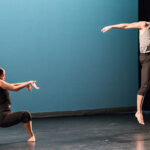
The Linehan Artist Scholars Reception is an annual event students have long enjoyed. This year, scholar alumni joined current students to meet with donors Earl and Darielle Linehan, and to thank them for their support. Students talked about their studies and plans while alumni shared their accomplishments with the Linehans. During the program, students and alumni displayed their talents in dance, music, theatre, and visual arts.
Learn more about the Linehan Artist Scholars Program.
See more photos from the reception. All images by Marlayna Demond ’11 for UMBC Magazine.
]]>
The Linehan Artist Scholars Reception is an annual event students have long enjoyed. This year, scholar alumni joined current students to meet with donors Earl and Darielle Linehan, and to thank...
https://umbc.edu/stories/supporting-artistic-talents/
https://my3.my.umbc.edu/api/v0/pixel/news/120268/guest@my.umbc.edu/26862eea7433e648cf26d1045e084b2d/api/pixel
impact
linehan
linehan-artist-scholars
UMBC News & Magazine
https://my3.my.umbc.edu/groups/umbc-news-magazine
https://assets1-my.umbc.edu/system/shared/avatars/groups/000/001/943/24435aa6207c452e7bc15cc74b42c7bb/xsmall.png?1748556657
https://assets1-my.umbc.edu/system/shared/avatars/groups/000/001/943/24435aa6207c452e7bc15cc74b42c7bb/original.png?1748556657
https://assets2-my.umbc.edu/system/shared/avatars/groups/000/001/943/24435aa6207c452e7bc15cc74b42c7bb/xxlarge.png?1748556657
https://assets2-my.umbc.edu/system/shared/avatars/groups/000/001/943/24435aa6207c452e7bc15cc74b42c7bb/xlarge.png?1748556657
https://assets3-my.umbc.edu/system/shared/avatars/groups/000/001/943/24435aa6207c452e7bc15cc74b42c7bb/large.png?1748556657
https://assets1-my.umbc.edu/system/shared/avatars/groups/000/001/943/24435aa6207c452e7bc15cc74b42c7bb/medium.png?1748556657
https://assets2-my.umbc.edu/system/shared/avatars/groups/000/001/943/24435aa6207c452e7bc15cc74b42c7bb/small.png?1748556657
https://assets1-my.umbc.edu/system/shared/avatars/groups/000/001/943/24435aa6207c452e7bc15cc74b42c7bb/xsmall.png?1748556657
https://assets2-my.umbc.edu/system/shared/avatars/groups/000/001/943/24435aa6207c452e7bc15cc74b42c7bb/xxsmall.png?1748556657
UMBC News & Magazine
0
0
false
Wed, 21 Nov 2018 18:40:11 -0500
Amy Bhatt shines light on gender and immigration policy in new book High-Tech Housewives

“I am interested in the human face of policy,” says UMBC’s Amy Bhatt. “I want to share the personal narratives of immigrants few people hear about—highly skilled workers—and help us understand their experience as they face questions of citizenship, belonging, and community.”
Bhatt, an associate professor of gender and women’s studies, and affiliate associate professor in the language, literacy, and culture, and Asian studies programs, has made headlines nationwide by providing research-based expertise on contemporary U.S. immigration policy. She’s bringing the conversation to UMBC through a Humanities Forum talk on her new book, High-Tech Housewives: Indian IT Workers, Gendered Labor, and Transmigration, on Wednesday, December 5, 2018, 4 – 5:30 p.m., in the Albin O. Kuhn Library Gallery.
“Now more than ever, Professor Bhatt’s research is crucial in helping all of us understand the everyday impact of high-skilled immigration,” shares Jessica Berman, professor of English and director of the Dresher Center for the Humanities, which organizes the Humanities Forum. “Thriving academic research communities are enriched by the knowledge and expertise highly-skilled international faculty, staff, and students bring and share.”
H-1B and H-4 visa programs allow skilled workers from South Asian countries to travel with their families to the U.S. to fill needed temporary positions in corporations, hospitals, and universities. Bhatt explains, “U.S. consumers depend on the global flow of goods and services in the tech, healthcare, and higher education sectors.” She notes, “In a global high-tech economy it is important to acknowledge the value that immigrants bring to our lives and how they are being threatened by immigration policy.”
Bhatt’s work focuses on gender as an important and understudied factor at the intersection of immigration law and global economy. She notes that 85 percent of H-1B visa holders are men. Their spouses can join them in the U.S. under the H-4 visa program, but, even if those spouses are themselves highly skilled, they are unable to apply their expertise in the paid workforce. Instead, they often become “high-tech housewives” due to the constraints of immigration law, rather than choice.
“People tend to think about H-1B visa issues as problems that only affect men,” failing to consider the often highly skilled spouses who come with them to the U.S.,” says Bhatt.
“Women’s abilities to migrate—flexibility in foregoing their own careers at times, and work to manage family demands, cultural transmission, connection to home country, and building local relationships—allow their spouses to take highly skilled jobs in the United States,” explains Bhatt. Her research explores how the current visa system not only limits the employment of highly skilled women, but also impacts their identities and day-to-day experiences in other significant ways.
In addition to her recent book, Amy Bhatt has recently published three widely read articles on U.S. and international policy issues and gender through The Conversation, including “Why Trump’s plan to forbid spouses of H-1B visa holders to work is a bad idea.” In that article, Bhatt writes, “H-4 women face a triple burden if they are able to start working again, particularly in technology: race, gender and long gaps in their resumes.”
Whether sharing her work through academic publications or news media like the Seattle Times, Bhatt’s overall message is the same.
“It is an urgent call for all of to pay attention,” she says, “to changes in immigration trends, globalization, how businesses are thinking about labour pools, and how we think of gender and women in the family in these economic and political processes.”
Banner image: Amy Bhatt. Photo courtesy of Amy Bhatt.
]]>
“I am interested in the human face of policy,” says UMBC’s Amy Bhatt. “I want to share the personal narratives of immigrants few people hear about—highly skilled workers—and help us understand...
https://umbc.edu/stories/amy-bhatt-shines-light-on-gender-and-immigration-policy-in-new-book-high-tech-housewives/
https://my3.my.umbc.edu/api/v0/pixel/news/120269/guest@my.umbc.edu/36db12c56a07a85238af8ad9ba9981b7/api/pixel
asianstudies
cahss
dreshercenter
gwst
llc
policy-and-society
UMBC News & Magazine
https://my3.my.umbc.edu/groups/umbc-news-magazine
https://assets1-my.umbc.edu/system/shared/avatars/groups/000/001/943/24435aa6207c452e7bc15cc74b42c7bb/xsmall.png?1748556657
https://assets1-my.umbc.edu/system/shared/avatars/groups/000/001/943/24435aa6207c452e7bc15cc74b42c7bb/original.png?1748556657
https://assets2-my.umbc.edu/system/shared/avatars/groups/000/001/943/24435aa6207c452e7bc15cc74b42c7bb/xxlarge.png?1748556657
https://assets2-my.umbc.edu/system/shared/avatars/groups/000/001/943/24435aa6207c452e7bc15cc74b42c7bb/xlarge.png?1748556657
https://assets3-my.umbc.edu/system/shared/avatars/groups/000/001/943/24435aa6207c452e7bc15cc74b42c7bb/large.png?1748556657
https://assets1-my.umbc.edu/system/shared/avatars/groups/000/001/943/24435aa6207c452e7bc15cc74b42c7bb/medium.png?1748556657
https://assets2-my.umbc.edu/system/shared/avatars/groups/000/001/943/24435aa6207c452e7bc15cc74b42c7bb/small.png?1748556657
https://assets1-my.umbc.edu/system/shared/avatars/groups/000/001/943/24435aa6207c452e7bc15cc74b42c7bb/xsmall.png?1748556657
https://assets2-my.umbc.edu/system/shared/avatars/groups/000/001/943/24435aa6207c452e7bc15cc74b42c7bb/xxsmall.png?1748556657
UMBC News & Magazine
0
0
false
Wed, 21 Nov 2018 15:30:47 -0500
The Power of a Shared Meal

This time of year, students, faculty, and staff are rushing about preparing travel plans to meet with friends and loved ones. Kitchens are brimming with the scents of family recipes and the sounds of laughter as sneaky hands try to taste the Thanksgiving dishes before they debut on the table. Coming together to sit around a table with family and friends is a simple but very powerful way of making a pure human connection we try to recreate all year long.
The act is so powerful, it becomes an act of thanks in itself as we indulge in loving company, conversation, and familiar (and sometimes new) dishes.
It was through this extending of hands and pulling together as a community that on Saturday, November 10th our UMBC family, represented by the Shriver Center, Transportation Services, Off-Campus Student Services/Veteran Services, and alumni, joined forces with Tabrizi’s Restaurant, and a myriad of community partners to serve more than 220 military veterans experiencing homelessness. All came together to share the power of a community meal to value each others’ experiences, stories, and memories. Because in the end, it is not what we share or how we share, but more importantly that we take the time to share with as many at the table as possible.
Turning a meal into a movement
 Volunteers from UMBC and the community prepare to serve more than 220 homeless veterans Thanksgiving dinner.
Michael Tabrizi, owner of Tabrizi’s Restaurant and wedding venue in Baltimore’s Inner Harbor, understood the power of this exchange year-round from interactions with the vast number of homeless people around his place of business. Thinking about how he could provide the power of a shared meal, three years ago Tabrizi hosted a “Homeless Restaurant Week,” inviting those experiencing homelessness to the restaurant in lieu of hosting traditional restaurant week meals. He then started A Chef’s Table Foundation with an aim of one day opening a restaurant that provides training opportunities for homeless individuals. Last year, he hosted a Thanksgiving meal for military veterans experiencing homelessness. He served 162 veterans with limited transportation.
“All I wanted is to make the homeless people feel some dignity, hope, and believe that there is still much good in the world. The homeless feel forgotten; not acknowledged as a person, a life, a human being, and that is very sad,” said Tabrizi to Food Newsfeed. “I hope this will restore some respect and dignity. I owe that to them.”
When Hannah Schmitz, assistant director of applied learning and community engagement at the Shriver Center, heard about this vision she knew that it was an opportunity to do what the Shriver Center does best – leverage the resources of the university to connect with the community.
“I was speaking with Michael Tabrizi one night while I was at his restaurant and he mentioned these events and that transportation is the greatest barrier for getting people in poverty to come to the dinners. I kicked into work mode and thought about the resources that UMBC has and how we could potentially partner,” says Schmitz. Over the past two years she has volunteered as the event coordinator, managed volunteers, worked with organizations serving military veterans who are homeless, and spearheaded fundraising for gifts and raffle prize donations.
Serving humanity
The call was heard far and wide. Along with other members of the Shriver Center, Daniel Teage ’09, health administration and policy, associate director of transportation services, and Joe Regier, executive director of UMBC transit and community connections, provided UMBC shuttles to transport veterans from various locations. “Many people assume that UMBC Transit is just about buses and shuttles but they are really committed to community engagement and bridging the campus and community through transit,” explains Schmitz.
Antonio Silas, director of off-campus student services/veteran services, was also on board to engage UMBC’s student veterans and students from military families to greet, serve, and dine with the guests. And Winston Zhou ‘19, visual arts, volunteered his talents as a photographer.
“My mom is a retired Marine and my dad and step-dad are both former Marines, as well,” reflects Donnya Stagg ’19, global studies, who volunteered as a server. “Military personnel give up a lot and often don’t get much in return. I wanted to help veterans see how appreciative people are of their sacrifices. Giving my time at the dinner was one small way I could do that.”
Mary Slicher ’73, sociology, executive director and co-founder of Project PLASE (People Lacking Ample Shelter & Employment), was happy to participate in this special Thanksgiving meal. The Maryland Center for Veterans Education and Training; The Baltimore Station; and Loch Raven VA Community Living and Rehabilitation Center also participated. Under Armour donated hundreds of clothes, hats, and shoes, making it possible for each guest could choose up to three items.
“There are vets who did not have a great transition out of the military. There are some who did not retire but who did a tour in Iraq but did not finish or finished and did not have the support, resources, and help that we have today,” Donovan S. Garrett ’19, business technology administration; undergraduate assistant for Veterans Student Services and the Adult Learner Network; and six- year active duty Air Force veteran, currently in the reserves., “It was so nice to be able to sit with another vet and have the time to connect and to listen to their experience and reestablish a human element, a bond, build understanding — that is the most important thing about a shared meal.”
Photos by Winston Zhou ‘19 for UMBC Magazine.
]]>
This time of year, students, faculty, and staff are rushing about preparing travel plans to meet with friends and loved ones. Kitchens are brimming with the scents of family recipes and the sounds...
https://umbc.edu/stories/the-power-of-a-shared-meal/
https://my3.my.umbc.edu/api/v0/pixel/news/120270/guest@my.umbc.edu/91fa37b1c1420991b24a1c8ccb999591/api/pixel
impact
shriver-center
thanksgiving
UMBC News & Magazine
https://my3.my.umbc.edu/groups/umbc-news-magazine
https://assets1-my.umbc.edu/system/shared/avatars/groups/000/001/943/24435aa6207c452e7bc15cc74b42c7bb/xsmall.png?1748556657
https://assets1-my.umbc.edu/system/shared/avatars/groups/000/001/943/24435aa6207c452e7bc15cc74b42c7bb/original.png?1748556657
https://assets2-my.umbc.edu/system/shared/avatars/groups/000/001/943/24435aa6207c452e7bc15cc74b42c7bb/xxlarge.png?1748556657
https://assets2-my.umbc.edu/system/shared/avatars/groups/000/001/943/24435aa6207c452e7bc15cc74b42c7bb/xlarge.png?1748556657
https://assets3-my.umbc.edu/system/shared/avatars/groups/000/001/943/24435aa6207c452e7bc15cc74b42c7bb/large.png?1748556657
https://assets1-my.umbc.edu/system/shared/avatars/groups/000/001/943/24435aa6207c452e7bc15cc74b42c7bb/medium.png?1748556657
https://assets2-my.umbc.edu/system/shared/avatars/groups/000/001/943/24435aa6207c452e7bc15cc74b42c7bb/small.png?1748556657
https://assets1-my.umbc.edu/system/shared/avatars/groups/000/001/943/24435aa6207c452e7bc15cc74b42c7bb/xsmall.png?1748556657
https://assets2-my.umbc.edu/system/shared/avatars/groups/000/001/943/24435aa6207c452e7bc15cc74b42c7bb/xxsmall.png?1748556657
UMBC News & Magazine
0
0
false
Wed, 21 Nov 2018 14:17:45 -0500
UMBC joins innovative ACE Internationalization Lab, expanding commitment to global engagement

UMBC is expanding and deepening its long-term commitment to internationalization as a member of the American Council on Education (ACE) Internationalization Laboratory program. UMBC is one of just 12 higher education institutions nationwide to participate in the 16th cohort of this selective program, which supports universities in broadening internationally-focused strategies.
“This is a tremendous, unmatched opportunity for these institutions to share lessons and challenges as they undergo a cultural transformation over the coming months,” said Robin Matross Helms, director of ACE’s Center for Internationalization and Global Engagement.
Over the next 16 months, faculty and staff will work in leadership teams to develop strategic plans for the future of research, learning, working, and living in a fully global campus. UMBC will share its unique perspective with other universities in the cohort and take part in a series of opportunities to gain insight into how other institutions are implementing their strategic plans for internationalization.
Each participating institution’s strategic process will be led by an ACE lab advisor and coach. UMBC will work with Anthony Pinder, assistant vice president of academic affairs, internationalization and global engagement, at Emerson College. His first visit to UMBC will be on December 13.
“UMBC’s participation in this year’s cohort of the ACE Internationalization Laboratory is a key component in our work to create the university’s first-ever internationalization roadmap,” shares Tony Moreira, vice provost for academic affairs. “Given today’s global landscape for higher education, universities need to implement international, intercultural, and global elements in all areas of the institution to ensure that they stay relevant and continue to provide a high-quality education to all students.”
]]>
UMBC is expanding and deepening its long-term commitment to internationalization as a member of the American Council on Education (ACE) Internationalization Laboratory program. UMBC is one of just...
https://umbc.edu/stories/umbc-joins-innovative-ace-internationalization-lab-expanding-commitment-to-global-engagement/
https://my3.my.umbc.edu/api/v0/pixel/news/120271/guest@my.umbc.edu/44308df5e33ad883a279ea5fa8687588/api/pixel
cahss
cnms
coeit
community
international
UMBC News & Magazine
https://my3.my.umbc.edu/groups/umbc-news-magazine
https://assets1-my.umbc.edu/system/shared/avatars/groups/000/001/943/24435aa6207c452e7bc15cc74b42c7bb/xsmall.png?1748556657
https://assets1-my.umbc.edu/system/shared/avatars/groups/000/001/943/24435aa6207c452e7bc15cc74b42c7bb/original.png?1748556657
https://assets2-my.umbc.edu/system/shared/avatars/groups/000/001/943/24435aa6207c452e7bc15cc74b42c7bb/xxlarge.png?1748556657
https://assets2-my.umbc.edu/system/shared/avatars/groups/000/001/943/24435aa6207c452e7bc15cc74b42c7bb/xlarge.png?1748556657
https://assets3-my.umbc.edu/system/shared/avatars/groups/000/001/943/24435aa6207c452e7bc15cc74b42c7bb/large.png?1748556657
https://assets1-my.umbc.edu/system/shared/avatars/groups/000/001/943/24435aa6207c452e7bc15cc74b42c7bb/medium.png?1748556657
https://assets2-my.umbc.edu/system/shared/avatars/groups/000/001/943/24435aa6207c452e7bc15cc74b42c7bb/small.png?1748556657
https://assets1-my.umbc.edu/system/shared/avatars/groups/000/001/943/24435aa6207c452e7bc15cc74b42c7bb/xsmall.png?1748556657
https://assets2-my.umbc.edu/system/shared/avatars/groups/000/001/943/24435aa6207c452e7bc15cc74b42c7bb/xxsmall.png?1748556657
UMBC News & Magazine
0
0
false
Tue, 20 Nov 2018 15:58:57 -0500
From Apple to Tesla to … Bumblebee

Experiences with big companies leads Sankarshan Murthy, M.S. ’06, to become an entrepreneur of more livable spaces
By Tom Kertscher
After Sankarshan Murthy got his master’s in mechanical engineering at UMBC, and then a master’s in technology management from the Wharton School at University of Pennsylvania, it was on to Apple and then Tesla and then to his current endeavor: Using technology to create more living space — mostly by storing furnishings and belongings up near the ceiling, until you need it.
The big-company experiences helped create the entrepreneur.
 At Apple, where he was a product manager for the iPhone and Apple Watch from 2012 to 2016, Murthy learned the importance of thinking big — something he eventually hopes to achieve with his new company, Bumblebee Spaces.
“The power of Apple — everything is based to scale,” he said. “Some of the factories they work with are like cities. So, the impact you can have on Apple products, financially speaking, is so massive. Some of the people working at Apple control in their business units more money than most Fortune 500 CEOs.
“So, I learned about design thinking, but still ready-to-scale mentality. Whenever something’s designed, right from the time it’s sketched, people are thinking about how to make a million of one of these in one day.”
Then it was on to Tesla Motors, the electric car maker, and a different way of thinking.
Tesla co-founder Elon Musk “has set up the organization in such a way that there are no information blockers,” Murthy said. “So, if you find something inspirational to work on, or you find a problem that needs to be fixed, you get to jump on it and take it. That gives a certain level of empowerment to the people working there.”
Murthy said that approach caused him to think more entrepreneurially himself. And the contrasts between Apple and Tesla also led him to believe he could succeed on his own.
“The challenges that the Tesla team works on are pretty massive,” he said. “At Apple, I feel like they’re set up not to fail, because they have lots of money, they have time, there’s the power to wait and see, and then going to the market. Tesla has like 1/20th the number of engineers that Apple has and about 1/100th, or whatever the amount, of cash that Apple has. But, they are a lot more scrappy bunch and the things that they take on are much more ambitious.“
After a year as a staff product technologist at Tesla, Murthy left in 2017 to start Bumblebee Spaces. Already, his San Francisco Bay Area company was been featured in Inc. and the New York Times. Bumblebee says it is “creating a new way to live by unlocking the third dimension — using smart robots and an AI (Artificial Intelligence) stack, we increase usable space and reduce your footprint by storing, managing and retrieving objects on-demand in your ceiling.”
Imagine yourself in tiny apartment in the super-expensive Bay Area. After you wake up in the morning, you don’t really need your bed and your nightstand for awhile, right? So, after a couple of taps on a computer screen, up they go to the ceiling, freeing up space for daytime activities.
The inspiration came, in part, from Murthy’s move from Baltimore to the Bay Area. A mortgage for a three-bedroom house in Baltimore was less than rent for a one-bedroom house, less well constructed, near San Francisco.
“The only way to make housing affordable, without doing big suburban sprawl, is to make the best use of space possible,” Murthy said.
“The thing that we want to unlock is space.”
* * * * *
Tom Kertscher is a PolitiFact Wisconsin reporter for the Milwaukee Journal Sentinel. His reporting on Steven Avery was featured in Making a Murderer. He’s the author of sports books on Brett Favre and Al McGuire. Follow him at TomKertscher.com and on Twitter: @KertscherNews and @KertscherSports.
Images provided by Sankarshan Murthy.
]]>
Experiences with big companies leads Sankarshan Murthy, M.S. ’06, to become an entrepreneur of more livable spaces By Tom Kertscher After Sankarshan Murthy got his master’s in mechanical...
https://umbc.edu/stories/from-apple-to-tesla-to-bumblebee/
https://my3.my.umbc.edu/api/v0/pixel/news/120272/guest@my.umbc.edu/80f9b94d539c21f659c6fba412904821/api/pixel
alumni
coeit
graduateschool
mecheng
UMBC News & Magazine
https://my3.my.umbc.edu/groups/umbc-news-magazine
https://assets1-my.umbc.edu/system/shared/avatars/groups/000/001/943/24435aa6207c452e7bc15cc74b42c7bb/xsmall.png?1748556657
https://assets1-my.umbc.edu/system/shared/avatars/groups/000/001/943/24435aa6207c452e7bc15cc74b42c7bb/original.png?1748556657
https://assets2-my.umbc.edu/system/shared/avatars/groups/000/001/943/24435aa6207c452e7bc15cc74b42c7bb/xxlarge.png?1748556657
https://assets2-my.umbc.edu/system/shared/avatars/groups/000/001/943/24435aa6207c452e7bc15cc74b42c7bb/xlarge.png?1748556657
https://assets3-my.umbc.edu/system/shared/avatars/groups/000/001/943/24435aa6207c452e7bc15cc74b42c7bb/large.png?1748556657
https://assets1-my.umbc.edu/system/shared/avatars/groups/000/001/943/24435aa6207c452e7bc15cc74b42c7bb/medium.png?1748556657
https://assets2-my.umbc.edu/system/shared/avatars/groups/000/001/943/24435aa6207c452e7bc15cc74b42c7bb/small.png?1748556657
https://assets1-my.umbc.edu/system/shared/avatars/groups/000/001/943/24435aa6207c452e7bc15cc74b42c7bb/xsmall.png?1748556657
https://assets2-my.umbc.edu/system/shared/avatars/groups/000/001/943/24435aa6207c452e7bc15cc74b42c7bb/xxsmall.png?1748556657
UMBC News & Magazine
0
0
false
Mon, 19 Nov 2018 19:44:59 -0500
The equivalence test: A new way for scientists to tackle so-called negative results

by Evangeline Rose, Kevin E. Omland, and Thomas Mathew, UMBC
A paleontologist returns to her lab from a summer dig and sets up a study comparing tooth length in two dinosaur species. She and her team work meticulously to avoid biasing their results. They remain blind to the species while measuring, the sample sizes are large, and the data collection and the analysis are rigorous.
The scientist is surprised to find no significant difference in canine tooth length between the two species. She realizes that these unexpected results are important and sends a paper off to the appropriate journals. But journal after journal rejects the paper, since the results aren’t significantly different. Eventually, the scientist gives up, and the paper with its so-called negative results is placed in a drawer and buried under years of other work.
This scenario and many others like it have played out across all scientific disciplines, leading to what has been dubbed “the file drawer problem.” Research journals and funding agencies are often biased toward research that shows “positive” or significantly different results. This unfortunate bias contributes to many other issues in the scientific process, such as confirmation bias, in which data are interpreted incorrectly to support a desired outcome.
A new method: Equivalence
Unfortunately, publication bias issues have been prevalent in science for a long time. Due to the structure of the scientific method, scientists often focus only on differences between groups – like the dinosaur teeth from two different species, or a public health comparison of two different neighborhoods. This leaves studies that focus on similarities completely hidden.
However, pharmaceutical trials have found a solution for this problem. In these trials, researchers sometimes use a test known as TOST, two one sided test, to look for equivalence between treatments.
For example, say a company develops a generic drug that is cheaper to produce than the name-brand drug. Researchers need to demonstrate that the new drug functions in a statistically equivalent manner to the name brand before selling it on the market. That’s where equivalence testing comes in. If the test shows equivalence between the effects of the two drugs, then the FDA can approve the new drug’s release on the market.
While traditional equivalence testing is very helpful for preplanned and controlled pharmaceutical tests, it isn’t versatile enough for other types of studies. The original TOST cannot be used to test equivalence in experiments where the same individuals are in multiple treatment groups, nor does it work if the two tests groups have different sample sizes.
Additionally, the TOST used in pharmaceutical testing does not typically address multiple variables simultaneously. For example, a traditional TOST would be able to analyze similarities in biodiversity at several river locations before and after a temperature change. However, our new TOST would allow to test for similarities in multiple variables – such as biodiversity, water pH, water depth and water clarity – at all of the river sites simultaneously.
The limitations of the traditional TOST and the pervasiveness of the “file drawer problem” led our team to develop a multivariate equivalence test, capable of addressing similarities in systems with repeated measures and unequal sample sizes.
Our new equivalence test, published in October, flips the traditional null hypothesis framework on its head. Now, rather than assuming similarity, a researcher starts with the assumption that the two groups are different. The burden of proof now lies with evaluating the degree of similarity, rather than the degree of difference.
Our test also allows researchers to set their own acceptable margin for declaring similarity. For example, if margin were set to 0.2, then the results would tell you if the means of the two groups were similar within plus or minus 2 percent.
A step in the right direction
Our modification means that equivalence testing can now be applied across a wide range of disciplines. For example, we used this test to demonstrate equivalent acoustic structure in the songs of male and female eastern bluebirds. Equivalence testing has also already been used in some areas of engineering and psychology.
The method could be applied even more broadly. Imagine a group of researchers who want to examine two different teaching methods. In one classroom there is no technology, and in another all of the students’ assignments are done online. Equivalence testing might help an school district decide if they should invest more in technology or if the two methods of teaching are equivalent.
The development of a broadly applicable equivalence test represents what we think will be a huge step forward in scientists’ long struggle to present real and unbiased results. This test provides another avenue for exploration and allows researchers to examine and publish the results from studies on similarities that have not been published or funded in the past.
The prevalence of publication bias, including the file drawer problem, confirmation bias and accidental false positives, is a major stumbling block for scientific progress. In some fields of research, up to half of results are missing from the published literature.
Equivalence testing provides another tool in the toolbox for scientists to present “positive” results. If the scientific community takes hold of this test and utilizes it to its full potential, we think it may help mitigate one of the major limitations in the way science is currently practiced.
* * * * *
Evangeline Rose, Ph.D Candidate in Biological Sciences, University of Maryland, Baltimore County; Kevin E. Omland, Professor of Biological Sciences, University of Maryland, Baltimore County, and Thomas Mathew, Professor of Mathematics and Statistics, University of Maryland, Baltimore County
Header image: © Yerbolat Shadrakhov | Dreamstime.com
This article is republished from The Conversation under a Creative Commons license. Read the original article.
]]>
by Evangeline Rose, Kevin E. Omland, and Thomas Mathew, UMBC A paleontologist returns to her lab from a summer dig and sets up a study comparing tooth length in two dinosaur species. She and her...
https://umbc.edu/stories/the-equivalence-test-a-new-way-for-scientists-to-tackle-so-called-negative-results/
https://my3.my.umbc.edu/api/v0/pixel/news/120273/guest@my.umbc.edu/ab8d6cfd9562865964eca3e7df91e372/api/pixel
cnms
discovery
the-conversation
UMBC News & Magazine
https://my3.my.umbc.edu/groups/umbc-news-magazine
https://assets1-my.umbc.edu/system/shared/avatars/groups/000/001/943/24435aa6207c452e7bc15cc74b42c7bb/xsmall.png?1748556657
https://assets1-my.umbc.edu/system/shared/avatars/groups/000/001/943/24435aa6207c452e7bc15cc74b42c7bb/original.png?1748556657
https://assets2-my.umbc.edu/system/shared/avatars/groups/000/001/943/24435aa6207c452e7bc15cc74b42c7bb/xxlarge.png?1748556657
https://assets2-my.umbc.edu/system/shared/avatars/groups/000/001/943/24435aa6207c452e7bc15cc74b42c7bb/xlarge.png?1748556657
https://assets3-my.umbc.edu/system/shared/avatars/groups/000/001/943/24435aa6207c452e7bc15cc74b42c7bb/large.png?1748556657
https://assets1-my.umbc.edu/system/shared/avatars/groups/000/001/943/24435aa6207c452e7bc15cc74b42c7bb/medium.png?1748556657
https://assets2-my.umbc.edu/system/shared/avatars/groups/000/001/943/24435aa6207c452e7bc15cc74b42c7bb/small.png?1748556657
https://assets1-my.umbc.edu/system/shared/avatars/groups/000/001/943/24435aa6207c452e7bc15cc74b42c7bb/xsmall.png?1748556657
https://assets2-my.umbc.edu/system/shared/avatars/groups/000/001/943/24435aa6207c452e7bc15cc74b42c7bb/xxsmall.png?1748556657
UMBC News & Magazine
0
0
false
Mon, 19 Nov 2018 18:47:39 -0500


