Ada Glaser ’25—An emerging social worker with a passion for youth development
Ada Glaser ’25, social work and individualized study (INDS), is following in her mother’s footsteps with career pursuits in social work. Growing up, Glaser’s family supported children who were placed into foster care, an experience that informed her passion for helping children and families who’re navigating challenging circumstances. Upon completing her undergraduate studies a year early, the Sondheim Public Affairs Scholar is excited to continue her social work education with a goal of one day supporting young children in their development.
Q: What led you to UMBC, and what motivated your decision to major in social work?
A: As a Baltimore County native, I wanted to stay close to my family. When I went through the college selection process, I didn’t know much about UMBC, but as I looked more into the school, I came across the Sondheim Public Affairs Scholars program, which seemed awesome. I applied and ended up getting into the program. As the oldest of six, the program’s financial support made it really realistic for me to go to college. It was great to see all of the different angles for approaching the general idea of public service as a Sondheim scholar.
My mom is a social worker and has her own private practice. When I was in high school, my family started supporting children in foster care. Getting to see all the work that social workers were doing with foster families opened my eyes to the profession. I started doing research on my own and thought social work seemed like a great field for me. My time in the Baccalaureate Social Work program reaffirmed that decision for me because I loved the classes, the professors, and my peers. I know it’s the right field for me.
Q: As an INDS student, what went into designing your major?
A: I always knew I wanted to work with kids. It’s something I’ve loved for a really long time. As a social work major, you need a second area of concentration. I originally came to UMBC wanting to study psychology, and I realized after my first year that there was so much else that I wanted to learn and do beyond the scope of psychology. I reached out to INDS advisor Holly Cudzilo and she explained the process of creating your own major. Cudzilo was instrumental in helping me develop my INDS concentration and making sure I stayed on track. The program allows you to put together the areas of concentration you want to do, define what the overall focus of the course is, and how to put the threads together that connect everything. That process helped me refine what I care about and what I’m passionate about.
Q: Who has helped you along your academic journey?
A: I met Jayshree Jani, associate professor of social work, during my first year when she was my advisor. During our first advising appointment, she was aware of my plan of wanting to graduate early and wrote out the three-year plan that I’ve followed. She’s shown me how much she cares and how much she wants me to succeed. She’s given me good advice about how to make my senior capstone project come to life and gave me good ideas to try. She encouraged me to feel confident to do difficult things.
 Glaser presenting the findings from her senior capstone project, titled “Goals and Motivations of Baltimore Early Intervention Providers,” at UMBC’s 2025 Undergraduate Research and Creative Achievement Day (URCAD) event. (Photo by Adriana Fraser)
Q: What experiential learning opportunities have you been a part of?
A: My senior year social work field placement was at the Furman Templeton Preparatory Academy elementary school in West Baltimore as a social work intern. I worked with the kids on things like emotional awareness and regulation and goal setting. Some of the students are experiencing a lot of interpersonal conflicts, so I helped them think about how they can address those conflicts. I’ve done lessons in the classroom, such as working with kindergarteners on how to be a good friend. I also worked with my supervisor on school-wide initiatives such as managing testing anxiety for fifth graders and attendance initiatives. It’s been a very intense and emotional experience, but also a great learning experience.
Q: What are some of the things you’ve learned from your experience as a social work intern?
A: I learned just how much there is that I don’t know and sometimes you don’t always know how you’re going to react to something until you’re in the moment. In some of the more intense situations, I thought I would be okay handling them and then I realized those moments affected me a lot more than I thought it would. That’s one of the benefits of why social work has this practicum element to it because you have to practice these skills and get used to being in intense situations. I’ve built up my resilience and learned about my own style as a social worker.
Q: How do you find time to take care of yourself and reset after those intense moments?
A: I’m big on journaling—I’ve been that way since middle school. It’s such a good way to dump all of my feelings and sort through them. I feel lucky to have good friends in my circle so when I’m going through something I talk it through with them and my sister as well. In the last year and a half, because of UMBC, I’ve gotten more into yoga. I took a lot of the free yoga classes at the Retrievers Activities Center, and now I do it at least three times a week. With that physical motion, I can get out of my head a little bit.
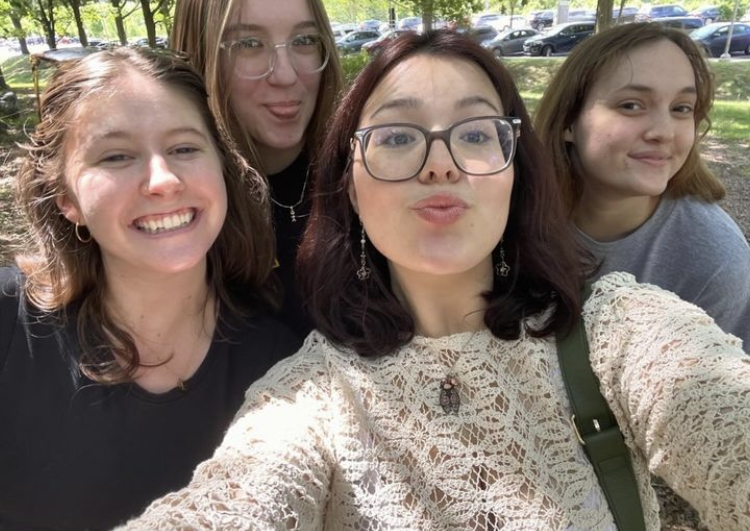 Glaser (left) with fellow UMBC classmates and friends in Summer 2024.
Q: What other activities did you participate in outside of your studies?
A: The Social Work Student Association (SWSA) has been such a big part of my time at UMBC. I was worried about being in a human services field at a more STEM-focused school, but I have found so much support, inspiring people, and encouragement through that group. Getting to be on the SWSA’s executive board and seeing this community develop has been so special. I’m also a part of UMBC’s Symphony Orchestra, which I’ve been involved in since my sophomore year. I play the upright bass. I started playing the bass in the fifth grade and continued through middle and high school. I love playing, growing my skills, and being able to connect with other people outside of my major. I love the end of the semester concerts that we do.
 Glaser (in gray, second to last on the right) with fellow members of the Social Work Student Association during a volunteering event with UMBC’s Retriever Essentials program in Spring 2025.
Q: What are some memorable highlights from your time at UMBC?
A: The people that I’ve met and the friends I’ve made have been highlights for me. Studying abroad in Cape Town, South Africa, in 2023 was also monumental. It was something I didn’t initially think I would have been able to do, but thanks to the Sondheim program, I got to experience community-engaged learning in South Africa as well as learning about the history of the country, the Apartheid movement, and a lot of the political movements that are happening now and how South Africa is dealing with that history. My college experience would have been so different had I not been at UMBC. I credit the university for a lot, and I’m glad that I went here.

 (left) Glaser in Cape Town, South Africa. (right) Glaser (left, second row) and fellow Sondheim Public Affairs scholars during the program’s study abroad trip to Cape Town in 2023.
Q: What are your aspirations for the future?
A: After graduation, my plan is to pursue a master’s degree in social work that focuses on working with children and families. I’m hoping to be placed in a Head Start program for my master’s because I learned during my internship that I love working with kids within the preschool age range. I also learned that I have a passion for working with kids with disabilities and I’m interested in exploring more of that.
Read more Commencement 2025 stories.
]]>
Ada Glaser ’25, social work and individualized study (INDS), is following in her mother’s footsteps with career pursuits in social work. Growing up, Glaser’s family supported children who were...
https://umbc.edu/stories/class-of-2025-ada-glaser/
https://my3.my.umbc.edu/api/v0/pixel/news/149588/guest@my.umbc.edu/1b0c4c5fba86e4f05896594d572f8caf/api/pixel
cahss
class-of-2025
inds
news
social-work
story
UMBC News & Magazine
https://my3.my.umbc.edu/groups/umbc-news-magazine
https://assets1-my.umbc.edu/system/shared/avatars/groups/000/001/943/24435aa6207c452e7bc15cc74b42c7bb/xsmall.png?1748556657
https://assets1-my.umbc.edu/system/shared/avatars/groups/000/001/943/24435aa6207c452e7bc15cc74b42c7bb/original.png?1748556657
https://assets2-my.umbc.edu/system/shared/avatars/groups/000/001/943/24435aa6207c452e7bc15cc74b42c7bb/xxlarge.png?1748556657
https://assets2-my.umbc.edu/system/shared/avatars/groups/000/001/943/24435aa6207c452e7bc15cc74b42c7bb/xlarge.png?1748556657
https://assets3-my.umbc.edu/system/shared/avatars/groups/000/001/943/24435aa6207c452e7bc15cc74b42c7bb/large.png?1748556657
https://assets1-my.umbc.edu/system/shared/avatars/groups/000/001/943/24435aa6207c452e7bc15cc74b42c7bb/medium.png?1748556657
https://assets2-my.umbc.edu/system/shared/avatars/groups/000/001/943/24435aa6207c452e7bc15cc74b42c7bb/small.png?1748556657
https://assets1-my.umbc.edu/system/shared/avatars/groups/000/001/943/24435aa6207c452e7bc15cc74b42c7bb/xsmall.png?1748556657
https://assets2-my.umbc.edu/system/shared/avatars/groups/000/001/943/24435aa6207c452e7bc15cc74b42c7bb/xxsmall.png?1748556657
UMBC News & Magazine
27
0
false
Tue, 29 Apr 2025 11:40:00 -0400
Tue, 29 Apr 2025 11:40:00 -0400
Following the siren’s call to the food and beverage industry

When you walk into Kupcakes & Co. in Elkridge, Maryland, you are met with the welcoming aroma of fresh baked goods—cookies, cakes, cinnamon rolls, and, of course, cupcakes. Drawn in by the scents and scenes in front of you, you’ll soon meet the proprietor, Michelle Kupiec ’89, interdisciplinary studies. She wasn’t always an award-winning baker though. In 2007, Kupiec was a teacher and a mom, just trying to get her young son to eat food again after a series of difficult surgeries.
Without knowing it, Kupiec was traveling a well-trod path by other UMBC alumni who pivoted their careers to start their own food businesses. “The only thing stopping you is the belief that you can’t,” says Donta Henson ’13, M.P.S. ’17, Navy veteran and co-owner of Los Hermanos 1978 Tequila. This mentality led Henson out of the healthcare industry to start a tequila company with his brother in the middle of the COVID-19 pandemic. Likewise, John Williams ’04, financial economics, owner of Good Karma Creamery, flipped his life upside down (like a good pineapple cupcake) to follow his passion.
When life gives you lemons… make cupcakes
 A platter of sweet treats made by the bakery.
(Marlayna Demond ’11)
A platter of sweet treats made by the bakery.
(Marlayna Demond ’11)
For seven years,Kupiec taught for Howard County Public Schools while raising her twins, Adam and Allison. Her husband, Bill Kupiec ’89, interdisciplinary studies, worked as an IT manager at the Carnegie Institution for Science. Then, Adam started getting sick. He was in and out of the hospital 15 times over three years with severe pneumonia. Doctors couldn’t figure out what was going on until they noticed that Adam’s spine was curving at a rapid rate, putting pressure on his lungs. In 2007, Adam underwent spinal fusion surgery that left him with two 20-inch rods and 18 screws in his back. Then came the painful recovery.
“Adam wasn’t eating. Nothing was appealing to him,” remembers Kupiec. “So, Adam’s doctors encouraged us to watch shows involving food.”
Kupiec and Adam started watching the Food Network and Adam quickly fell in love with the bakers. As soon as he was physically able, Adam was in the kitchen experimenting, which helped keep his mind off the pain. “He was able to get off his pain meds because of his newfound passion for baking,” says Kupiec.
Throughout his recovery, Kupiec homeschooled Adam and the two continued to bake, sharing their creations with friends and family. It wasn’t long before a food truck entrepreneur approached Kupiec about baking for Curbside Cupcakes.
“I was like, ‘Wow! This could become a small business,’” says Kupiec.
For Donta Henson, a health administration and policy major, the transition from a full-time health IT professional for the Centers for Medicare and Medicaid Services to tequila purveyor took a slightly different route. During the COVID-19 pandemic, in lieu of other activities, Henson’s brother William would regularly visit with a bottle of tequila. With nowhere else to go, the brothers started trying different tequila brands to pass the time.
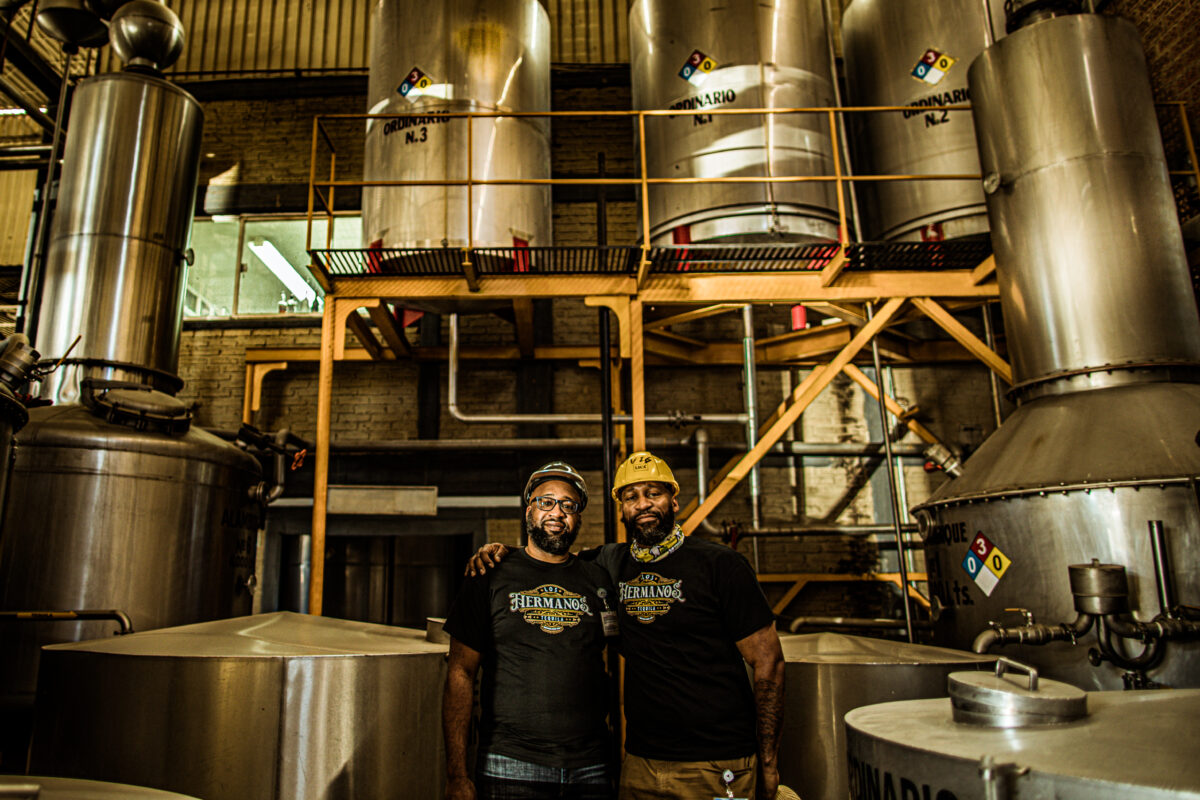 Donta and William Henson on a tour of the Casa Maestri Brewery. Photo courtesy of the Hensons.
“We probably tried 20 different tequila brands,” recalls Henson. “We started feeling like we were tequila experts.” Henson noticed that when his brother posted tequila recommendations online, people would regularly respond positively. The brothers not only knew what they were talking about when it came to good tequila, but they had influence.
“I told my brother, ‘You know what? We could probably start our own brand,’” says Henson. “If other people are doing it, then we can figure it out too. We’re doing this!”
The pandemic offered many people the chance to pivot, but John Williams, a vice president at T. Rowe Price, already knew that he wanted more than an office job, especially with a young family.“It was a very good job in a lot of ways,” says Williams, who worked there for 10 years, “intellectually stimulating, financially rewarding, but it was a high-pressure type of job.” Fortunately, Williams learned an important lesson during his time at UMBC. “I figured out the value of saving while I was in college,” he recalls. So he put money away, lived below his means, and put himself in a position to control his future at a very young age.
“The question really became, ‘What do I want to do with my time?’” says Williams. “Buying my time and the freedom to do what I want was more valuable to me than continuing to work at T. Rowe.”
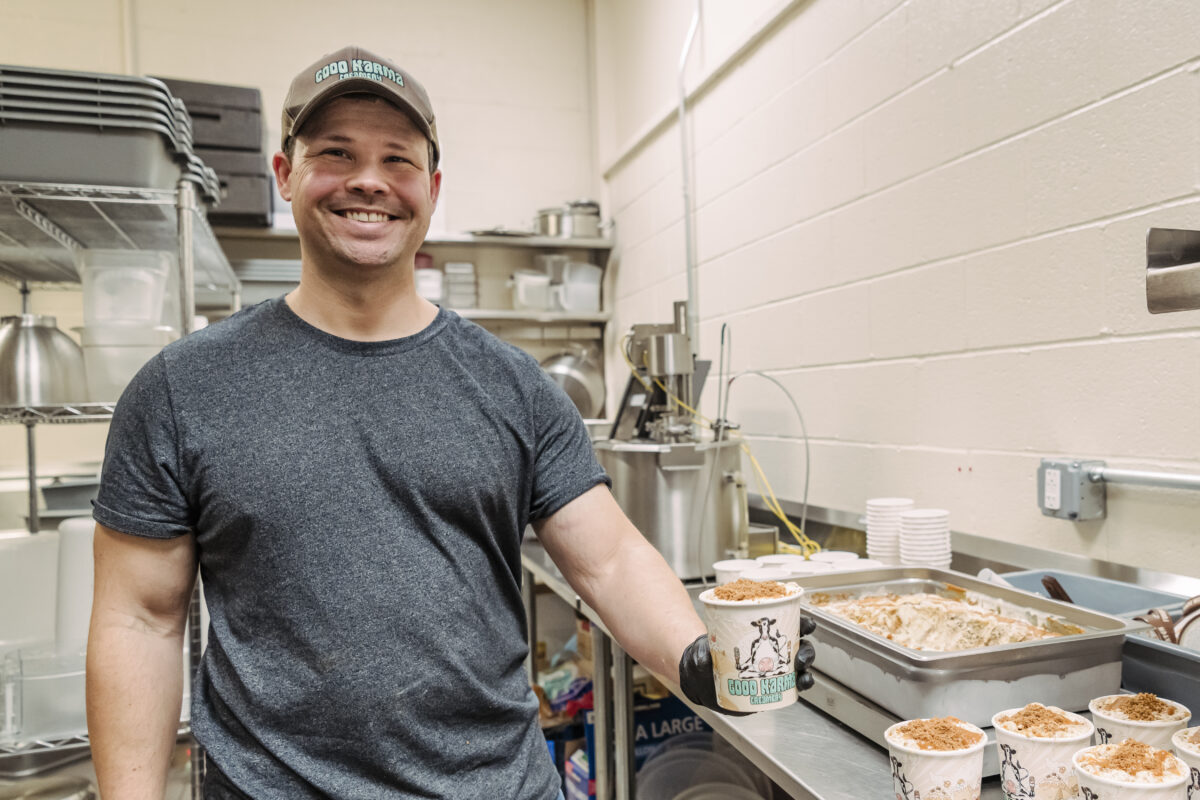 Williams packs pints of Good Karma ice cream in his business’s kitchen. (Marlayna Demond ’11/UMBC)
Williams left T. Rowe Price in 2020 to spend more time with his family and figure out his next step. “I stumbled on it a lot faster than I expected,” says Williams. “I was sitting in my driveway one day thinking about ice cream and realized I was kind of getting bored with what was at the grocery store when it just hit me. I should make ice cream.”
When the pivot pays off
To start baking for Curbside Cupcakes, Kupiec and Adam needed a commercial kitchen and to get licensed. That was the easy part. From there, the dynamic duo started baking 800 cupcakes a day, seven days a week—on top of homeschooling. Then, Curbside Cupcakes added a second truck and 800 cupcakes became 1,600. Kupiec quickly realized that she needed a kitchen of her own. In 2011, she hired additional help, and Kupcakes & Co. was born.
Eventually, with her own business growing, Kupiec cut ties with the food truck and focused her attention on Kupcakes & Co. After 14 years, business is strong and Kupiec offers a rotating assortment of 110 different flavors of cupcakes, along with other baked goods. “We turned our passion into a purpose,” says Kupiec.
To prove to his brother William that they too could turn their passion into a legitimate business, Henson started cold-calling other brands to learn more about their relationships with distilleries. That’s when Henson learned that tequila had to be made in Mexico. “I didn’t know that,” says Henson.
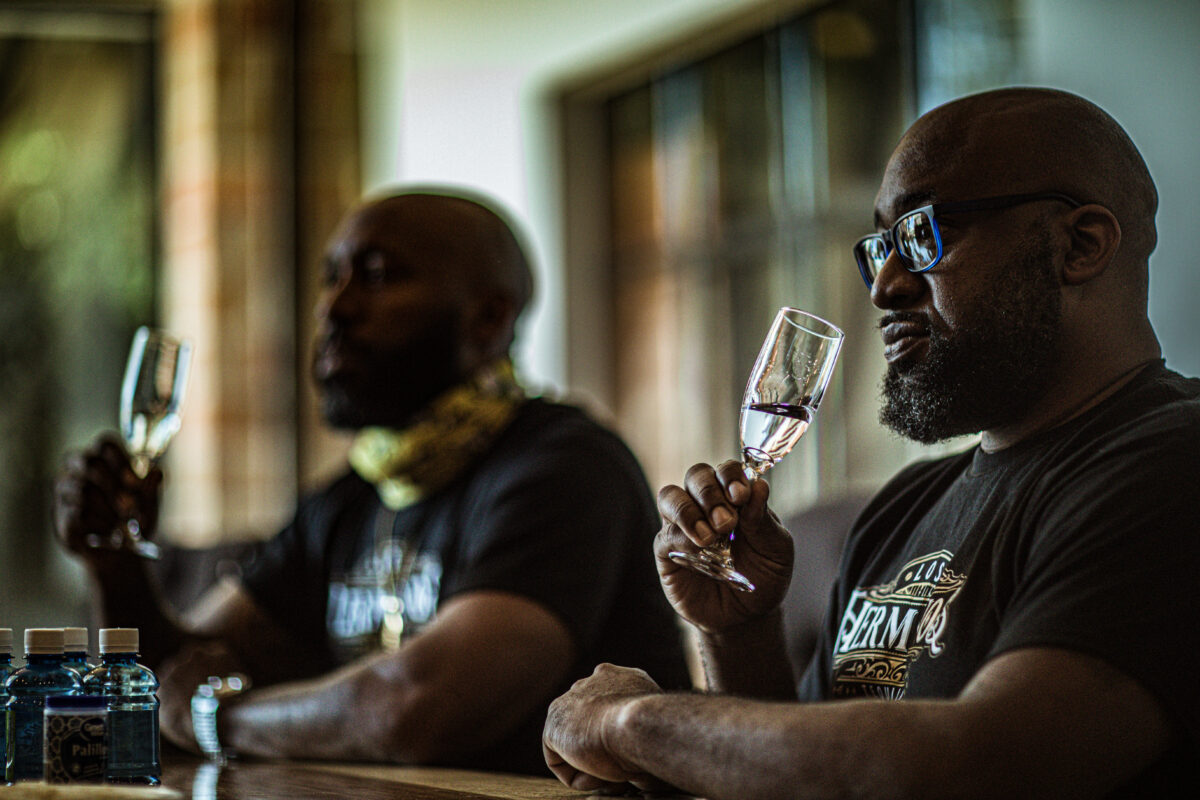 Donta Henson, right, and his brother, William, taste tequila in Mexico. Photo courtesy of the Hensons.
The brothers eventually landed on Casa Maestri, a third-generation, family-owned, full-service distillery. In November 2020, Henson and his brother traveled to Guadalajara to tour the distillery, meet with farmers, and learn what it takes to make tequila. The brothers then began working with the distiller to choose the flavor profiles for their blanco and reposado tequilas, and then it was time to design the bottles and labels. What about a name?
“I wanted a name that captured the whole familial thing,” says Henson. “That’s the whole reason we even got into tequila.” After some research to see what was already taken, Henson and William agreed on “Los Hermanos,” which means “the brothers” in Spanish.
Three years later, Los Hermanos 1978 Tequila can be found in over 300 stores across six states and has won 24 awards. “Everything hinged on the mindset that we could do it,” says Henson. “We didn’t know anything.”
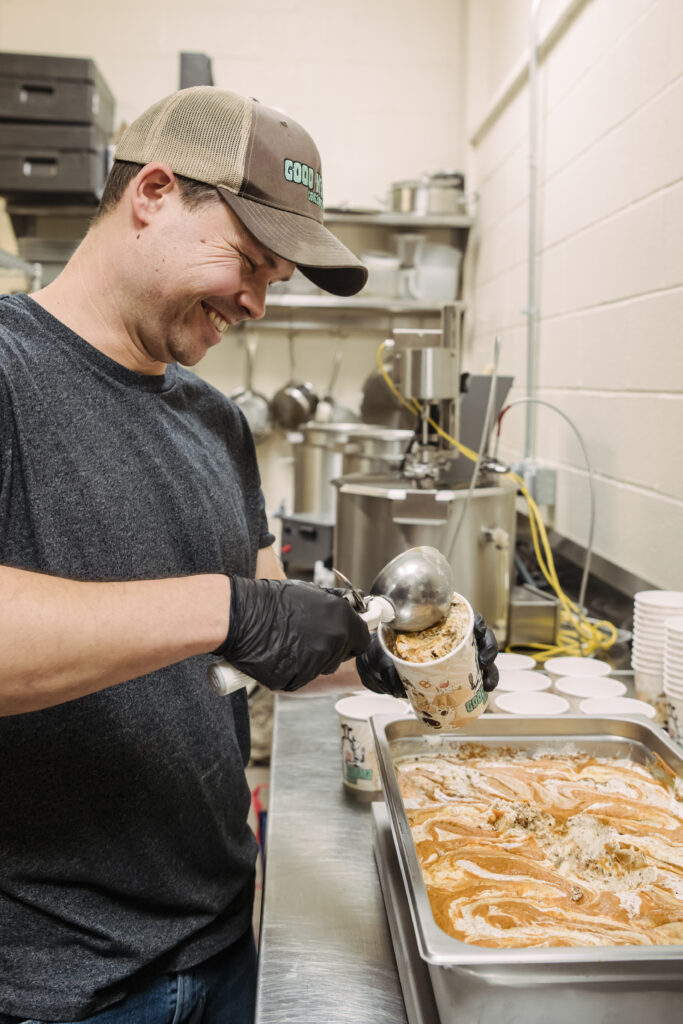 Williams scoops out one his signature flavorful pints. (Marlayna Demond ’11/UMBC)
Williams can relate. “I had never made ice cream in my life,” he jokes. So, he ordered a tabletop ice cream maker from Amazon and began experimenting. “While I was watching my young daughter, I was probably spending 10 to 15 hours a week making ice cream,” says Williams. After a year of experimenting, Williams upgraded to a slightly more sophisticated machine and began sharing his ice cream creations with his neighbors, along with anonymous surveys.
“I was getting brutally honest feedback,” says Williams.
Once Williams had a better understanding of what people liked, and his daughter was off to kindergarten, he was ready to churn out his ice cream hobby into a full-fledged business.
“I make my base from scratch,” says Williams, “which is a lot more work, but allows me to do more things with the flavors.” Williams also makes every chunk and swirl that goes into his ice cream—and there’s a lot. “I really load things up,” says Williams.
Today, Good Karma Creamery sells ice cream by the pint online, with a drop every two weeks—the pints selling out within minutes. It’s not the grind of a financial job, and he gets to taste-test a lot of delicious flavors. From Williams’ seat, he thinks he made the right decision. “I decided to take my passion for finding the best premium ice cream into my own hands,” says Williams.
]]>
When you walk into Kupcakes & Co. in Elkridge, Maryland, you are met with the welcoming aroma of fresh baked goods—cookies, cakes, cinnamon rolls, and, of course, cupcakes. Drawn in by the...
https://umbc.edu/stories/sirens-call-to-the-food-and-beverage-industry/
https://my3.my.umbc.edu/api/v0/pixel/news/146074/guest@my.umbc.edu/d991bd6333793830b4958836723fc2ae/api/pixel
alumni
at-play
fall-2024
financial-economics
health-administration-and-policy
inds
magazine
mps
story
UMBC News & Magazine
https://my3.my.umbc.edu/groups/umbc-news-magazine
https://assets1-my.umbc.edu/system/shared/avatars/groups/000/001/943/24435aa6207c452e7bc15cc74b42c7bb/xsmall.png?1748556657
https://assets1-my.umbc.edu/system/shared/avatars/groups/000/001/943/24435aa6207c452e7bc15cc74b42c7bb/original.png?1748556657
https://assets2-my.umbc.edu/system/shared/avatars/groups/000/001/943/24435aa6207c452e7bc15cc74b42c7bb/xxlarge.png?1748556657
https://assets2-my.umbc.edu/system/shared/avatars/groups/000/001/943/24435aa6207c452e7bc15cc74b42c7bb/xlarge.png?1748556657
https://assets3-my.umbc.edu/system/shared/avatars/groups/000/001/943/24435aa6207c452e7bc15cc74b42c7bb/large.png?1748556657
https://assets1-my.umbc.edu/system/shared/avatars/groups/000/001/943/24435aa6207c452e7bc15cc74b42c7bb/medium.png?1748556657
https://assets2-my.umbc.edu/system/shared/avatars/groups/000/001/943/24435aa6207c452e7bc15cc74b42c7bb/small.png?1748556657
https://assets1-my.umbc.edu/system/shared/avatars/groups/000/001/943/24435aa6207c452e7bc15cc74b42c7bb/xsmall.png?1748556657
https://assets2-my.umbc.edu/system/shared/avatars/groups/000/001/943/24435aa6207c452e7bc15cc74b42c7bb/xxsmall.png?1748556657
UMBC News & Magazine
0
0
false
Wed, 04 Dec 2024 16:34:49 -0500
Wed, 04 Dec 2024 16:34:49 -0500
Renaissance woman: Khadijah Ali-Coleman ’95 lends her varied voice to the Maryland humanities

Early mentorship at UMBC, layered with her continued education and formative life experiences, has shaped Ali-Coleman’s voice and purpose. From her transformative years at UMBC—where she wrangled her array of interests into a self-designed major—to her current varied roles, Ali-Coleman’s commitment to the arts, education, and advocacy is clear. Her most recent project was launching the nonprofit Black Writers for Peace and Social Justice, which emerged from her experiences and inspirations gathered from a recent trip to Cuba.
Ali-Coleman’s entrepreneurial spirit is evident in her earlier work as well. In 2008, she founded an arts organization called Liberated Muse, driven by a passion for artistic expression and community engagement rather than immediate financial gain. Her leadership roles in various nonprofits provided her with the skills to formalize her initiatives with integrity and a systems mindset, she says. Collaborations with fellow UMBC alum Maceo Thomas ’93, biochemistry and molecular biology, arose from her desire to create spaces for artistic expression.
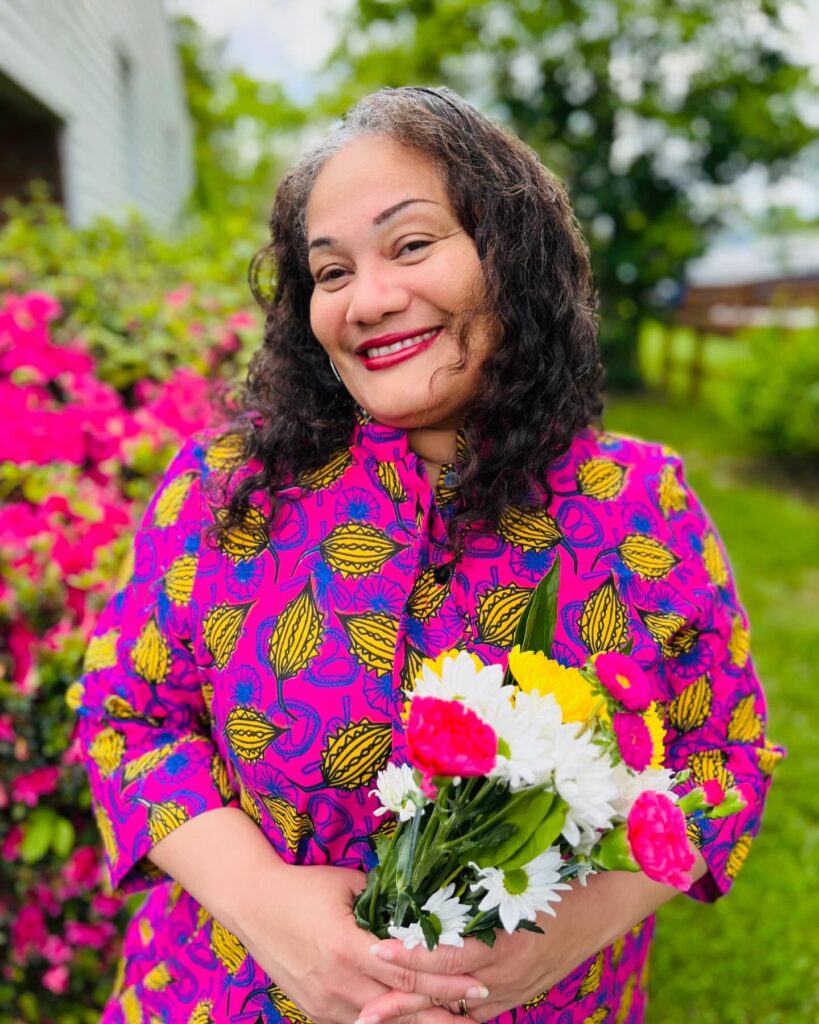 Ali-Coleman stops the smell the roses (and a few other flowers). Photo courtesy of Ali-Coleman.
As the second poet laureate of Prince George’s County, Maryland, Khadijah Z. Ali-Coleman embodies the role’s commitment to both the arts and community. She describes the work as an ambassador for literature and writing, creating courses and spaces for writers to share their voices. “What I’ve found the greatest joy in,” says Ali-Coleman ’95, interdisciplinary studies , “is partnering with local libraries and schools to share the different literary eras that have impacted our world.” Through this position, she has launched a symposium series, focusing on the Black Arts Movement, with plans for an exploration of the Harlem Renaissance in 2025.
Listening to her mother’s voice
Ali-Coleman’s path to UMBC was heavily influenced by her mother, who encouraged her to stay local, despite initially being set on applying to schools across the country. However, during a family tour of UMBC, she felt an unexpected connection. It was, as she describes it, “love at first sight,” enamored by the warmth of the campus community and the support from then admissions counselor Yvette Mozie-Ross ’88.
Now the vice provost for enrollment management and planning, Mozie-Ross was present when Ali-Coleman won the UMBC 2024 Outstanding Alumni Award. “It’s great to see that the same passion and compassion for the genuine well-being of others that ignited and drove Khadijah as a student leader has not waned a bit,” says Mozie-Ross. “Her work in our communities continues to reflect her deep sense of humanity. We (UMBC) couldn’t be more proud of her.”
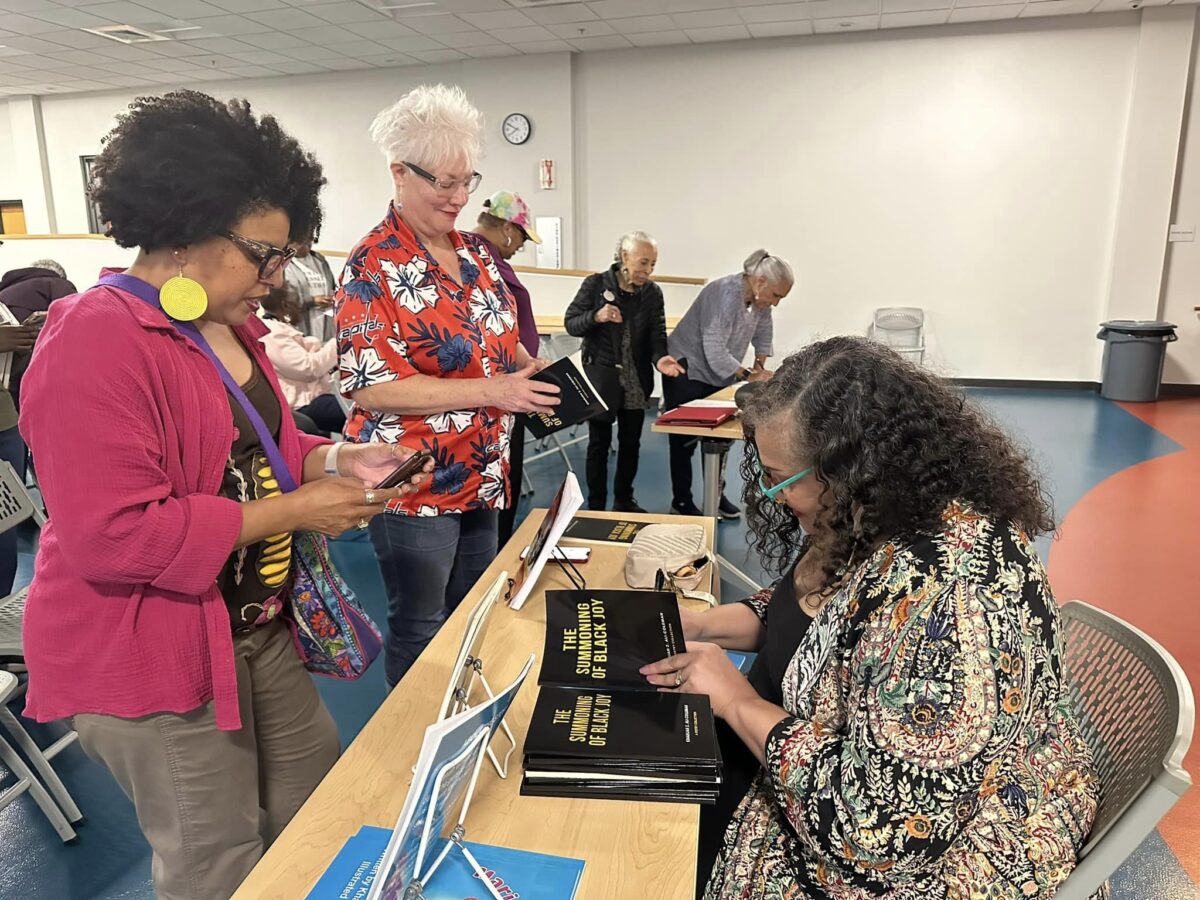 Ali-Coleman signs a copy of her poetry book The Summoning of Black Joy. Photo courtesy of Ali-Coleman.
Once at UMBC, Ali-Coleman faced the challenge of narrowing down her diverse academic interests—ranging from social work and mass media to African American history and English. She quickly realized that a traditional major wouldn’t fit her needs, and after reading the entire course catalog, she discovered the interdisciplinary studies (INDS) program, which allowed her to create a personalized curriculum. This flexibility enabled her to weave courses from African American studies, American studies, and English into a unique educational path that laid the groundwork for her future in communications and education.
Key figures at UMBC also played a significant role in shaping her journey. One of her favorite classes was Acklyn Lynch’s course on the Black Experience, where Ali-Coleman formed a lasting friendship with William Honablew ’95. This course not only stimulated intellectual discussions but also fostered ongoing connections among both students and Lynch long after graduation. Another influential mentor was Jamie Washington, who taught Ali-Coleman during her time as a student peer advisor. Washington’s ability to facilitate difficult conversations around racial tolerance during pivotal moments—such as the Rodney King trial verdict—left a lasting impression on Ali-Coleman. She often finds herself wishing she could emulate his approach as a facilitator and teacher. “Jamie Washington is by far the most impacting role model and person that I think of,” she says.
Making herself at home
Ali-Coleman draws on her inspiring mentors in her own classrooms as an associate professor of English at Coppin State University. “Baltimore is really my second home,” she shares, which started with her time at UMBC, followed by earning her master’s from Towson University, and her doctorate from Morgan State University. As someone familiar with area institutions, Ali-Coleman calls UMBC a “gem.” Aside from having high academic standards, she said it was also ahead of its time.
“Many aspects we now take for granted—like diversity, equity, and inclusion—were already being prioritized at UMBC,” says Ali-Coleman. “The university created a culture around inclusion, which was evident during my time as both an employee and a student.” As a member of the second cohort of UMBC McNair Scholars, Ali-Coleman experienced firsthand UMBC’s commitment to supporting underrepresented students in pursuing doctoral degrees. “I realized how ahead of the curve UMBC was,” said Ali-Coleman. “It didn’t sacrifice academics or cultural experiences. I don’t think people fully appreciate that.”
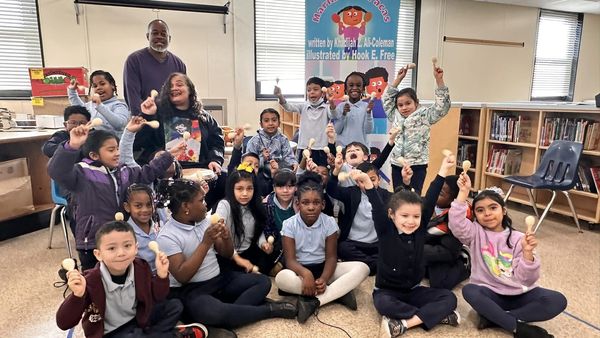 Ali-Coleman gathers with students at Chillum Elementary. Photo courtesy of Ali-Coleman.
Ali-Coleman, who was named an Outstanding Alumni at the 2024 Alumni Awards, says that her career trajectory reflects her experiences at UMBC, where she honed skills that would later serve her in various opportunities. After defending her dissertation on African American homeschool students who were dual enrolled just days before the onset of the COVID-19 pandemic, she recognized an urgent need for support among families navigating homeschooling for the first time. This led her to found Black Family Homeschool Educators and Scholars in 2020, an organization created to assist parents struggling with the transition to remote learning.
As she continues to navigate her role as poet laureate, professor, and nonprofit leader, her story showcases how pivotal moments, resilience, and a little bit of serendipity have shaped her path. “UMBC was one of the best experiences I’ve ever had, and it has been incredibly impactful,” Ali-Coleman reflects. “I’ve drawn from my time there in countless ways in all different areas of my life.”
]]>
Early mentorship at UMBC, layered with her continued education and formative life experiences, has shaped Ali-Coleman’s voice and purpose. From her transformative years at UMBC—where she wrangled...
https://umbc.edu/stories/khadijah-ali-coleman-lends-voice-to-humanities/
https://my3.my.umbc.edu/api/v0/pixel/news/145943/guest@my.umbc.edu/43d3827fa73be53f4ebb9c6f7fc98965/api/pixel
alumni
alumni-awards
alumni-profile
american-studies
english
fall-2024
inds
magazine
story
UMBC News & Magazine
https://my3.my.umbc.edu/groups/umbc-news-magazine
https://assets1-my.umbc.edu/system/shared/avatars/groups/000/001/943/24435aa6207c452e7bc15cc74b42c7bb/xsmall.png?1748556657
https://assets1-my.umbc.edu/system/shared/avatars/groups/000/001/943/24435aa6207c452e7bc15cc74b42c7bb/original.png?1748556657
https://assets2-my.umbc.edu/system/shared/avatars/groups/000/001/943/24435aa6207c452e7bc15cc74b42c7bb/xxlarge.png?1748556657
https://assets2-my.umbc.edu/system/shared/avatars/groups/000/001/943/24435aa6207c452e7bc15cc74b42c7bb/xlarge.png?1748556657
https://assets3-my.umbc.edu/system/shared/avatars/groups/000/001/943/24435aa6207c452e7bc15cc74b42c7bb/large.png?1748556657
https://assets1-my.umbc.edu/system/shared/avatars/groups/000/001/943/24435aa6207c452e7bc15cc74b42c7bb/medium.png?1748556657
https://assets2-my.umbc.edu/system/shared/avatars/groups/000/001/943/24435aa6207c452e7bc15cc74b42c7bb/small.png?1748556657
https://assets1-my.umbc.edu/system/shared/avatars/groups/000/001/943/24435aa6207c452e7bc15cc74b42c7bb/xsmall.png?1748556657
https://assets2-my.umbc.edu/system/shared/avatars/groups/000/001/943/24435aa6207c452e7bc15cc74b42c7bb/xxsmall.png?1748556657
UMBC News & Magazine
1
0
false
Wed, 27 Nov 2024 09:53:23 -0500
Wed, 27 Nov 2024 09:53:23 -0500
UMBC and MSDE launch admissions pathway for high school students aspiring to become teachers

Thanks to award-winning education faculty and UMBC’s research-based teacher preparation programs, hundreds of Retriever alumni lead pre-k through 12-grade classrooms across the state, meeting the need for highly qualified teachers. Maryland’s high school students now have a unique opportunity to join their ranks by beginning their teacher training early in preparation for applying to UMBC’s teaching programs. This fall, UMBC joined an existing network of higher education institutions across Maryland that partner with the Maryland State Department of Education (MSDE) and the Teacher Academy of Maryland (TAM) to offer Maryland-high-school students interested in teaching a direct admissions pathway to UMBC’s undergraduate teacher education programs.
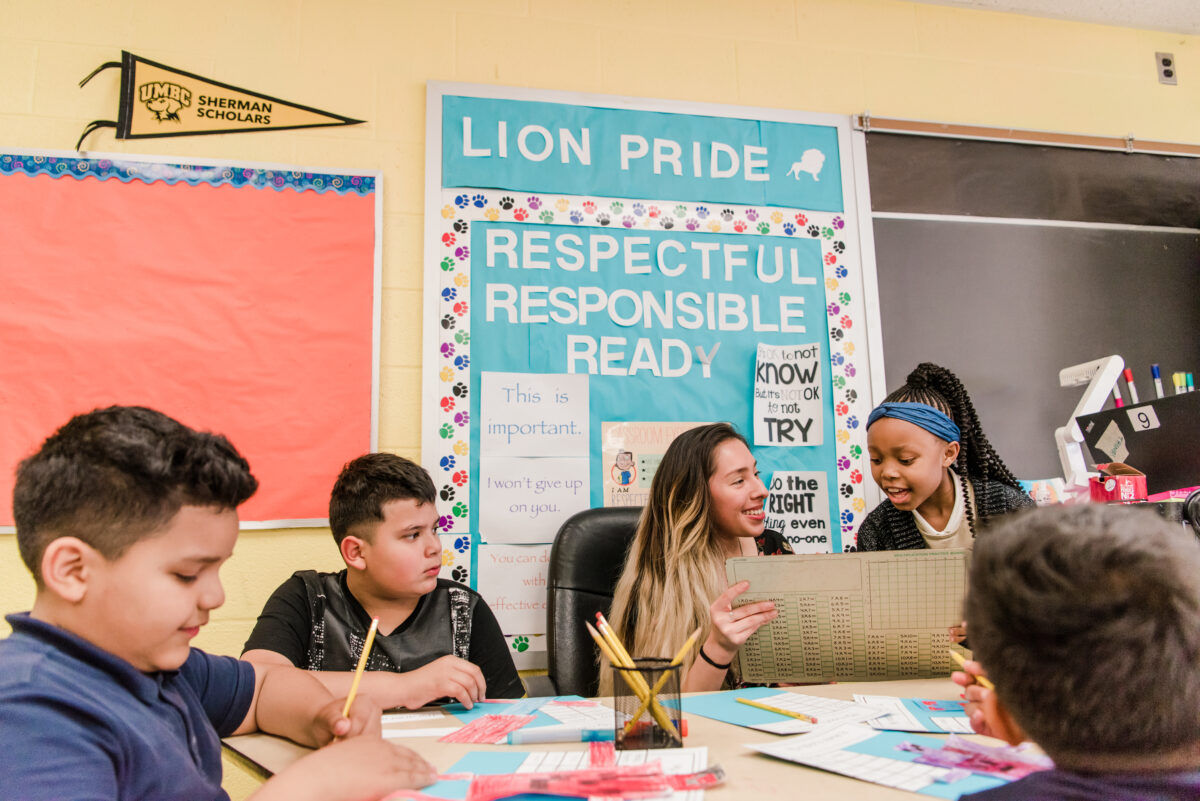 Sherman Teacher Scholars Program alumna, Vanessa Gonzalez ’19, American studies, during her first year teaching at Lakeland Elementary/Middle School in 2019. (Marlayna Demond ’11/UMBC)
UMBC awarded its first TAM scholarship and academic credit this fall to three first-year students, Layla Bugarini, Alna Thekkiniath, and Sofia Driver.“Once the word gets out that UMBC is a TAM-participating institution offering not only great benefits for TAM students but also a high quality and unique teacher education program, we anticipate many more aspiring educators will see UMBC as a destination institution for teacher education,” says Vickie Williams, director of student services and certification officer for UMBC’s Department of Education and a member of the organizing committee
TAM’s mission is to grow and diversify the teaching field by igniting high school students’ passion for teaching. The program provides them with foundational knowledge and skills essential for success as educators, learners, and leaders. Through a partnership with a higher education institution, participants gain valuable experience in a university setting which helps them prepare for their transition to education majors.
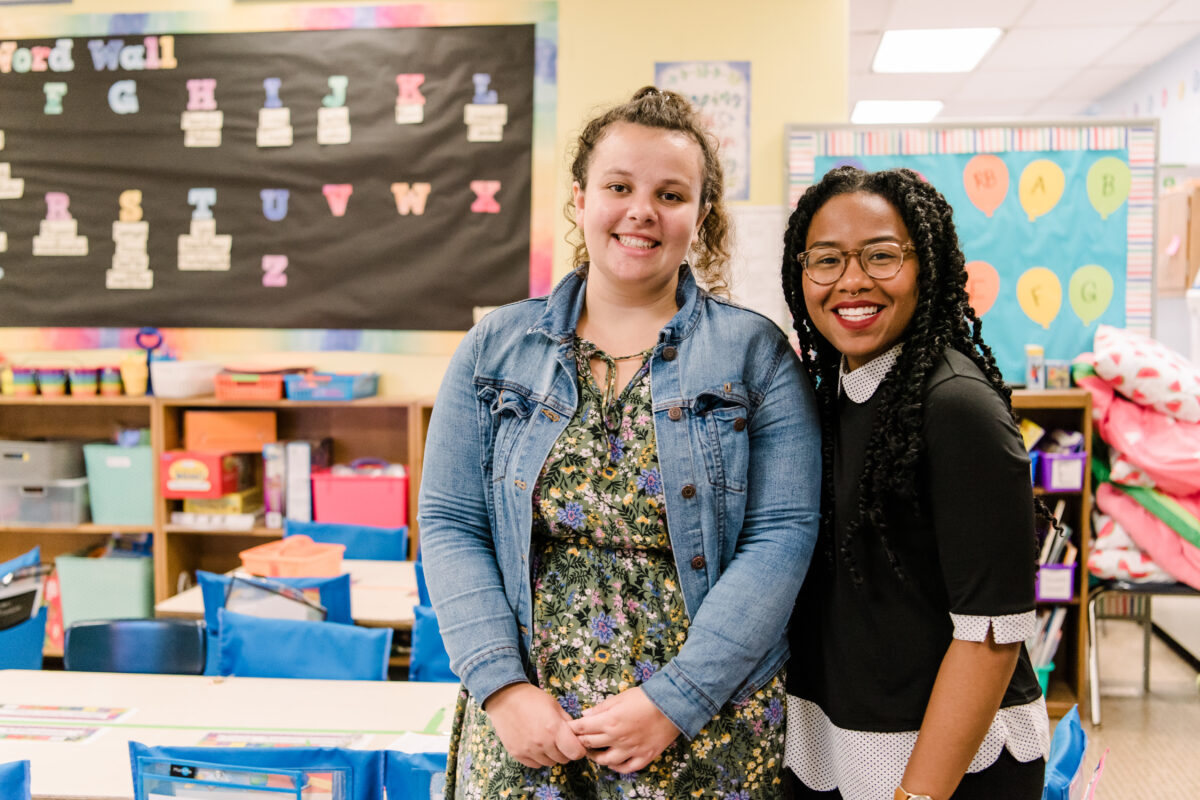 (l-r): Sherman Teacher Scholars Program alumni, Olivia Grimes ’19, individualized study, and Lydia Coley ’20, American studies, in 2020 during Grimes’s first year of teaching and Coley’s first semester as a student-teacher at Maree G. Farring Elementary/Middle School. (Marlayna Demond ’11/UMBC)
Participating high schoolers develop a portfolio that includes three high school courses: Human Growth and Development through Adolescence, Teaching as a Profession, and Foundations of Curriculum and Instruction. Students are also required to complete an internship in a classroom setting under the supervision of a TAM mentor. After fulfilling all the TAM requirements, students submit their portfolio for review and feedback to the university they plan to attend. Each university offers students different benefits.
UMBC is providing students who successfully complete the TAM program, with several incentives:
- a $75 application fee waiver
- three lower-level education elective credits that can be applied towards the 120-minimum credit graduation requirement
- for those who matriculate directly from high school, a $1,000 merit scholarship from the Homer and Martha Gudelsky and the Maggie Geeter Hrabowski Scholarship, to be applied directly to their UMBC account to assist with tuition, fees, and other educational expenses
- an opportunity to interview for UMBC’s Sherman Teacher Scholars Program.
“Our undergraduate students enter classrooms equipped with pedagogical knowledge, field experience, and expertise from their academic major. This prepares them for their teacher certification exams in their chosen grade level and subject area,” says Williams. “Collaborating with TAM provides high school students with exposure to rigorous education research and practice, along with guidance, financial support, and mentorship.”
“My journey with TAM began back in my freshman year at Eastern Technical High School [Baltimore County], where I had the opportunity to intern in a third-grade classroom at Rossville Elementary in Baltimore County Public Schools,” says Bugarini. She notes that the experience led her to enroll in UMBC’s education program and major in psychology. “TAM didn’t just introduce me to teaching in a classroom, it also gave me a glimpse of what education courses at college would be like. This head start has been invaluable as I pursue my education certification and the required classes to complete it.”
To learn more about UMBC’s teacher preparation programs, contact Vickie Williams, director of student services and certification officer.
]]>
Thanks to award-winning education faculty and UMBC’s research-based teacher preparation programs, hundreds of Retriever alumni lead pre-k through 12-grade classrooms across the state, meeting the...
https://umbc.edu/stories/umbc-msde-launched-pathway-for-aspiring-teachers/
https://my3.my.umbc.edu/api/v0/pixel/news/145533/guest@my.umbc.edu/5972d9f2def66dbf0d41a81aabf214bb/api/pixel
american-studies
cahss
community
education
inds
news
sherman-scholars
story
UMBC News & Magazine
https://my3.my.umbc.edu/groups/umbc-news-magazine
https://assets1-my.umbc.edu/system/shared/avatars/groups/000/001/943/24435aa6207c452e7bc15cc74b42c7bb/xsmall.png?1748556657
https://assets1-my.umbc.edu/system/shared/avatars/groups/000/001/943/24435aa6207c452e7bc15cc74b42c7bb/original.png?1748556657
https://assets2-my.umbc.edu/system/shared/avatars/groups/000/001/943/24435aa6207c452e7bc15cc74b42c7bb/xxlarge.png?1748556657
https://assets2-my.umbc.edu/system/shared/avatars/groups/000/001/943/24435aa6207c452e7bc15cc74b42c7bb/xlarge.png?1748556657
https://assets3-my.umbc.edu/system/shared/avatars/groups/000/001/943/24435aa6207c452e7bc15cc74b42c7bb/large.png?1748556657
https://assets1-my.umbc.edu/system/shared/avatars/groups/000/001/943/24435aa6207c452e7bc15cc74b42c7bb/medium.png?1748556657
https://assets2-my.umbc.edu/system/shared/avatars/groups/000/001/943/24435aa6207c452e7bc15cc74b42c7bb/small.png?1748556657
https://assets1-my.umbc.edu/system/shared/avatars/groups/000/001/943/24435aa6207c452e7bc15cc74b42c7bb/xsmall.png?1748556657
https://assets2-my.umbc.edu/system/shared/avatars/groups/000/001/943/24435aa6207c452e7bc15cc74b42c7bb/xxsmall.png?1748556657
UMBC News & Magazine
0
0
false
Mon, 11 Nov 2024 11:50:17 -0500
Mon, 11 Nov 2024 11:50:17 -0500
A Journey of Growth
International travel offers ample opportunities to stretch yourself—one minute you may be the expert and the next, completely clueless about how something works. Retrievers currently in the Fulbright U.S. Student Program—teaching English or researching around the globe—find themselves oscillating between their teaching and student roles on a daily or hourly basis. By engaging their host communities through openness and cultural humility (and many shared cups of tea or coffee), these Fulbrighters are finding their balance along the way.
All eyes are on Milan Richardson ’23 as she helps her co-teacher keep score in a Jeopardy-like game her students are playing. Richardson teaches English to several classes of first through sixth-grade students at Jinsha Elementary School in Kinmen County, Taiwan. As she completes the Mandarin character for the numeral 5, a wave of giggles and chatter flows through the room.
Similar to a U.S. tally—four strokes and a strike though, the Mandarin character has 5 strokes total and needs to be written a certain way to represent 1, 2, 3, 4, or 5. “The students were so confused because I wrote the character strokes in the wrong order,” says Richardson, who is used to solving complex math as a Meyerhoff Scholar having earned a bachelor’s degree in bioinformatics and computational biology and minors in computer science and modern, languages, linguistics, and intercultural communication.
“I wanted to write the character correctly. I asked, and they showed me the proper order to write the strokes,” says Richardson, a Fulbright English Teaching Assistant (ETA). “They started clapping once I got it right. This was one of the many cool moments where my students were able to teach me.”
While she may be new to teaching in Taiwan, Richardson brings with her four years as an English and math tutor and a minor in Mandarin. “Taiwan was so different from any place I’ve ever been to. I was overwhelmed at first,” says Richardson. “I like it a lot, now. In my second month, I applied for a scooter license. Now I ride around the island and have taken my scooter other places on trips.”
Diplomas earned. Visas in hand. Vaccines completed. Luggage packed. Destination confirmed. Last summer, UMBC’s eight participants in the 2023 – 2024 Fulbright U.S. Student Program checked off all the important items on their to-do lists. The only thing left was to get to their placements on islands and in landlocked countries, cities, and countrysides across East Asia and Eastern Europe. It’s easier written than done. To adapt well to a new community, job, language, and culture, they must practice the art of humility and flexibility as their roles shift regularly from teacher to student.
Leading the Fulbright charge
All technicalities aside, the Fulbright experience is the beginning of building an international network of teachers and researchers who share the diversity and possibility of the U.S. with the world. In return, across the globe, communities welcome the next generation of leaders into their cities, neighborhoods, schools, and homes to share their country’s history, innovations, and culture. Since Fulbright’s inception in 1946, these reciprocal acts of kindness have created multiple paths forward to lifelong worldwide collaboration and understanding based on the simple act of giving someone different than yourself a chance.
“The Fulbright Program truly demonstrates public diplomacy in action,” says Brian Souders, M.A.’19, TESOL, and Ph.D. ’09, language, literacy, and culture, the associate director of global learning at UMBC’s Center for Global Engagement. In this role, Souders, who received a 2023 Fulbright International Education Administrator award to Germany, has led hundreds of Retrievers through the Fulbright application process as UMBC’s Fulbright Program advisor. “Whether in the classroom as teachers, students, or researchers, recipients learn about the world as much as they share what it means to be from the U.S. and UMBC alumni,” says Souders.
Thanks to Souders’ guidance, UMBC is one of 57 doctoral universities nationwide and three in Maryland to receive a Fulbright Top Producing Institution designation for 2023 – 2024, for the third time in the last five years. In the last decade, more than 80 UMBC alumni have received Fulbright awards. Out of the 10 Retrievers who received a 2023 – 2024 Fulbright, eight are currently placed internationally, seven are ETAs and one is on a research grant.
The hard work of play
There are U.S. Fulbright student scholars in more than 100 countries worldwide. Three Retrievers were placed in Taiwan—they keep in touch regularly, see each other at ETA trainings, and are planning to travel together during their Fulbright year. But they all arrived in Taiwan separately and faced different challenges settling in.
“I arrived in Taiwan and immediately changed my plans because the airline lost my luggage,” says Humanities Scholar Kara Gavin ’20, English. She was grateful to have a carry-on. “It was chaotic. I was taking it all in,” says Gavin. A day and a 50-minute plane ride later, she arrived in Penghu County, Taiwan, an archipelago of about 90 islands between China and the main island of Taiwan. “The little beach town is in its own little world,” says Gavin. “The smell of the sand gave me comfort.”
Gavin teaches beginner English at two local junior high schools. New to Asia and Mandarin, Gavin’s thinking cap is on 24 – 7, including learning Mandarin in between teaching classes. “Living independently for the first time is hard on its own, but doing it in a foreign country is a whole other ball game,” says Gavin. “I’m acquiring many new life skills that will last me a lifetime.”
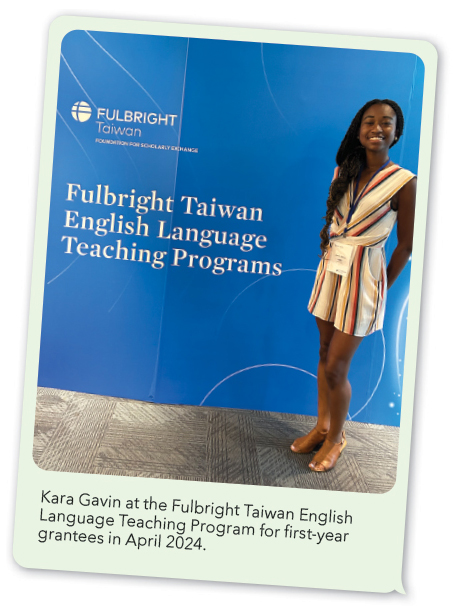
One of those is sympathizing with her students and anyone learning a new language and culture. “I teach the English pronunciation and spelling of a word,” says Gavin. “Then, they like to share the Mandarin equivalent with me. It’s all about patience, balance, and trust.” She also models intercultural teamwork by developing and teaching lessons with her bilingual (Mandarin/English) Taiwanese co-teacher to foster student engagement and enrichment.
For Fulbright Scholars, it is equally important to engage with communities beyond the classroom. When they apply for the grant, the Fulbright Program asks them to develop ideas to share their passions and skills in a community project. For Gavin, this meant adding a little drama to have a lot of fun. As a performing artist, Gavin knows the theatre can be a powerful community-building outlet. “I wanted to encourage students and other community members to express themselves and share their culture with me and others,” says Gavin.
She found a kindred spirit in a professor at a local university. They formed a drama club at the university for English language learners at all levels to explore American play formats with Taiwanese traditions and histories.“Writing original bilingual plays, in English and Mandarin, based on folktales about island traditions is creating an artistic and fun cultural exchange and understanding outside of my ETA duties,” says Gavin.
Finding the right pace
For fellow Humanities Scholar Nailah-Benā Chambers ’23, global studies, a Fulbright award to Taiwan was a natural next step. Chambers began learning Mandarin and all things Taiwanese in sixth grade at a Taiwanese Mandarin language immersion school in her hometown of Richmond, Virginia. As her Mandarin improved, she tutored other English speakers. This oscillating pattern of being a student and a teacher makes Chambers adaptable and persistent, she says.
But it hasn’t always been easy. When she first visited Taipei, Taiwan, in the spring of 2023 on a Mandarin language-intensive study abroad program, “I was so confident. I walked into a 7-Eleven to shop. No one could understand me,” says Chambers. “It was a bit embarrassing. Even with my language and cultural skills, I had a long way to go to mastering Mandarin.”
Now on her Fulbright ETA grant, Chambers arrived on solid ground, both culturally and linguistically. “I felt such a sense of calm and familiarity. Taiwan is so welcoming,” says Chambers. “It calms you down. Things are much slower here than in the U.S.” Soon enough, Chambers was balancing classrooms at Huludun Elementary and Fu Chun Elementary in Taichung City, on the main island of Taiwan, with students at both schools on the extreme spectrum of English proficiency.
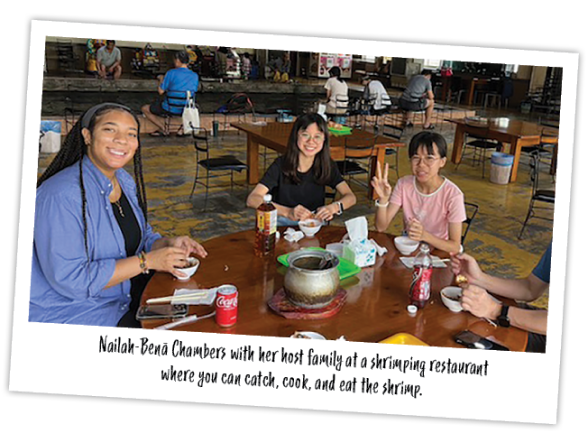
The upside of working with proficient English language learners is connecting on more advanced topics and sticking to Fulbright’s English-only immersion model. At one of her schools, the students are beginning English language learners, and the administrators only speak Mandarin. “My experience as a bilingual teacher and learner with a high level of understanding of the local language and culture has helped with classroom management and fostering powerful connections with students and administrators,” says Chambers. “It also helps to advance their grasp of the nuances of American English, especially when there are gray areas or misunderstandings.”
Keeping your ears open
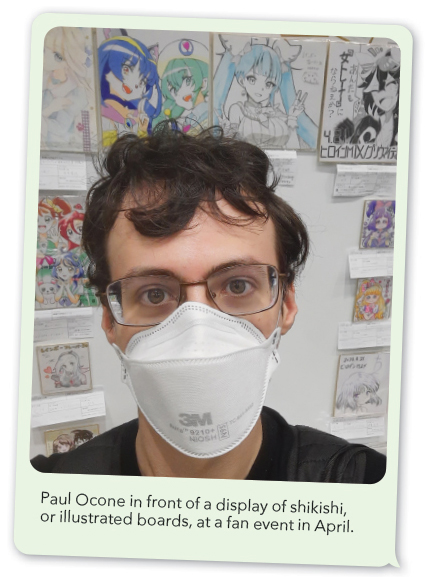
Watching anime, reading manga, (Japanese graphic novels), and participating in their fandom inspired Paul Ocone ’22, individualized study, a Linehan Artist Scholar, to research these subjects and learn Japanese. “I have deeply engaged in fan social life and communities—from leading an anime club to participating in and running conventions to moderating online communities—my affinity for and interest in anime fan spaces runs deep,” says Ocone. Part of Ocone’s observations include witnessing how some fan subcultures limit their membership in fear that a broader fanbase would weaken their subculture identity. In contrast, he says, other fan subcultures are more flexible while maintaining their identity.
Interested in adding to his initial research in U.S. fan spaces, Ocone is now at the epicenter of anime and manga culture as a Fulbright Student Researcher doing anthropological research with Morikawa Kaichirō, a leading scholar in this field at Meiji University’s School of Global Japanese Studies in Tokyo, also home to the Yoshihiro Yonezawa Memorial Library of Manga and Subcultures.
“I have had some amazing experiences participating in anime pilgrimage or anime tourism, including learning much from other fans and benefitting from their generosity,” says Ocone. “My Japanese is conversational—sometimes it’s challenging to understand specialized topics, but this has not deterred me from adding anime and manga tourism as a second research project.” In January, Ocone presented his work at the Popular Culture Tourism Stakeholders Summit in Japan.
Ocone is a sort of tourist himself, enjoying various aspects of Japanese pop culture. The daily musicality of Tokyo teaches him about enjoying the rhythm of the day. “Each train station plays a unique melody when the train departs,” says Ocone. These melodies or “hassha merodii,” are catchy and echo around in his brain like the convenience store jingles that also greet customers. “I was happily surprised when I heard a loudspeaker playing a symphony in my neighborhood,” says Ocone. “Another one played the following day and the next. I learned this was a daily sunset ritual.” He knows these sound experiences will play in his head long after returning to the U.S.
Learning new languages
This is not the first time David Bullman ’22, ancient studies, visited North Macedonia. He first went in 1995 as a performing musician and public affairs representative for the U.S. Army.
“North Macedonia was very different coming out of the Cold War,” says Bullman. “The infrastructure and general state of repair of public spaces and businesses is much better than I recall from that time.”
Now, as an ETA, Bullman teaches British civilization and American civilization in addition to three different levels of English at the University of Totovo in the Republic of North Macedonia, a landlocked country north of Greece. In Totovo, students begin learning English in elementary school and are fluent by the time they reach college. “I thought I would be teaching English basics,” says Bullman, “but it’s been great to teach a complex subject in the context of where my students live.”
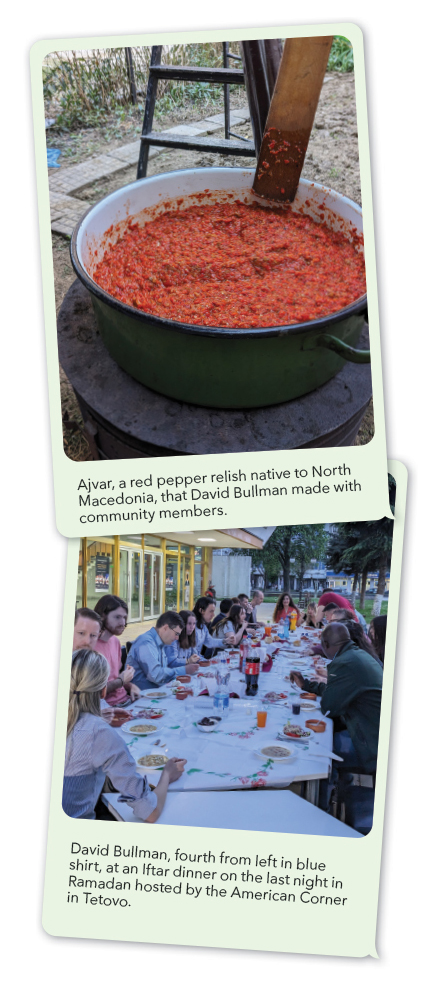
His students are equally glad to help him with the local language. Macedonian and Albanian are the country’s two official languages. Bullman began learning some key Macedonian phrases in preparation for his trip. However, Albanian is the preferred language in Tetovo. After traveling with the Army to more than 15 countries on three continents, Bullman is used to rapidly switching gears and accepting help.
He eagerly takes on the student role when it comes to learning about new foods. Bullman’s apartment faces the Hapësira Socio-Kulturore Tetovë, a community center where locals and the nearby Peace Corps Volunteers sometimes organize activities, like an ajvar-making gathering. Ajvar is a delicacy across the Balkans made every fall. It’s a tradition passed down through centuries with many recipe variations. “Ajvar is made by charring red bell peppers that are then peeled, minced, seasoned, and cooked for hours,” says Bullman. It boils down to a relish that can be preserved for months, but locals tell Bullman that’s rare because it’s too good to keep for even one week. After participating in the preparation and getting to take home a few jars, Bullman agrees with the locals. Ajvar is now his go-to condiment on eggs, pasta, toast—anything goes.
Albanian and cooking are not the only languages Bullman tapped into while in Tetovo. As a lifelong clarinet player, Bullman hoped to create a musical exchange with local musicians. The opportunity presented itself when the dean of the Faculty of Art wanted to celebrate Thanksgiving. Bullman collaborated with the music faculty, the orchestra director, and students to create a concert of six songs. “I’m glad I returned to North Macedonia. The people are as warm and friendly as I remembered them to be,” says Bullman. “I wanted to come back and experience it myself again.”
Tapping into curiosity
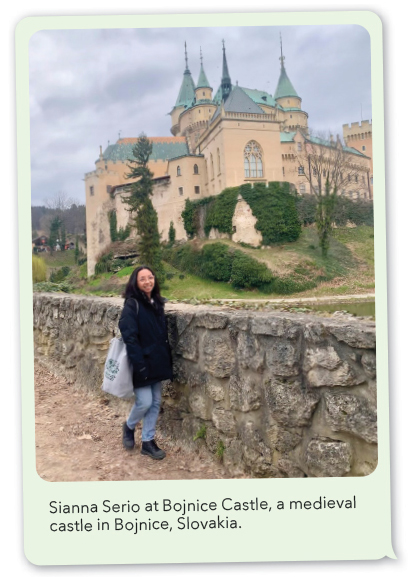
On her way to her Fulbright placement, Sianna Serio ’23, computer science, went city hopping. “I was headed to Žilina, Slovakia, east of Austria and south of Poland,” says Serio. “I flew into Vienna, Austria, then I took a one-hour bus ride crossing Austria’s eastern border into Slovakia to get to Bratislava, the capital.“ There she met other ETAs for orientation. “A week later, I hopped on a two-hour train ride to my teaching placement in Žilina and I met my wonderful mentor, Maria Veršova, who became my second mom.”
Serio teaches at the Hotel Academy, Žilina. The academy focuses on hotel management, gastronomy, and tourism. “My students are beginning English language learners,” says Serio. “I teach what the class is interested in, like American pop culture, because they rarely meet a native English speaker.” During outings with her students, they ask about a wide range of topics. “There are many topics that I would not have thought to cover if it were not for time spent outside of the classroom,” says Serio, “Some of those conversations became formal lessons, like the lesson on the three branches of the U. S. government.”
Serio appreciates her students’ curiosity. She tapped into her love of website development and design to improve her students’ confidence in writing and speaking English and prepare for their Maturita exam, a national high school exit exam. “Some of my students are helping me design a class webpage for them where I will showcase their class and post some of their practice writing in English,” says Serio. “These posts will include topics covered in the Maturita exam, information about their school, and answers to questions about Slovakia.”
Serio’s mentor Maria Veršova, head of the English department, is her motivation. She guides her through lesson planning, class schedules, and the challenges of relocating to a new country. “When my original housing plans fell through, Maria found housing for me five minutes from her house,” says Serio. “She helped me find health insurance and open a bank account. Her husband set up my internet.” They have welcomed Serio almost daily into their home for dinner, tea, coffee, or wine. Serio is a gracious guest and lent her graphic design expertise to help Veršova design invitation cards for her 50th birthday party. Veršova tells Serio she will always have a place to stay in Žilina.
Fulbright: The next generation
Teaching has defined the last decade for Tiffany Powell, a master’s student in UMBC’s TESOL program, a passion she invested in as an English language learner teacher in Seoul and in Miryang City, South Korea, for five years, and in Florida this past year. Now, she is in Iași, Romania, southwest of Ukraine, at the Alexandru Ioan Cuza University teaching American studies. Powell is committed to bridging culture, community, and belonging by bringing technology into the classroom.
Powell also decided to bring the research and cultural understanding closer to home by partnering with Romanian teachers to develop a five-part series on African American women’s history. “We talked about Black women in science in the context of the movie Hidden Figures and discussed Hollywood’s portrayal of Black life,” says Powell. The class is now creating a series on Romanian women. Helping students better understand the similarities and differences between U.S. and Romanian cultures has been an eye-opening experience for Powell.
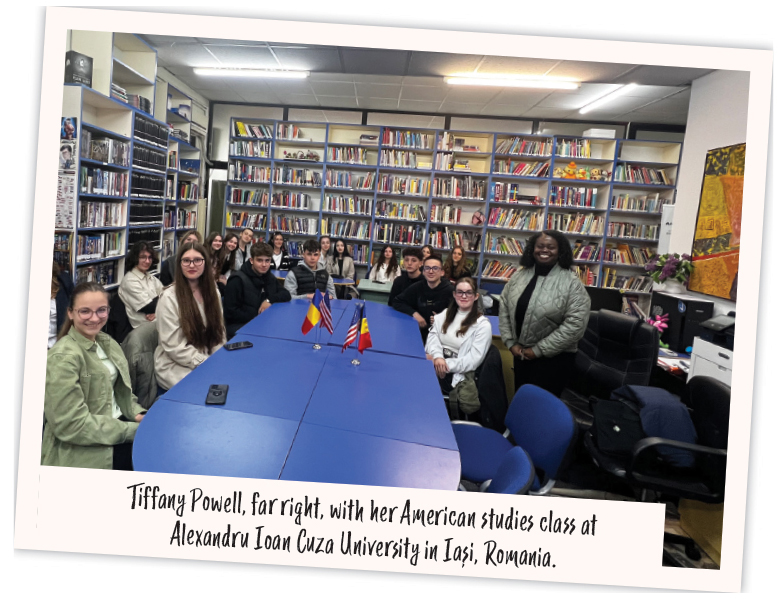
She sees the impact of a country formerly under communism. In Iași, sometimes the internet doesn’t work and, in her school, there are no clubs or student organizations to gain the skills needed to earn a Fulbright award. “My students have given me a new perspective. You may want to come in and make changes, but you must understand where they’re coming from. There is a saying in Iași, ‘It’s not impossible. It’s just difficult,’” says Powell. She is trying to help with the difficult part by leading Fulbright application and leadership workshops.
Powell, like the other Fulbrighters, will bring her experiences home with her and wherever she ends up teaching English next. When their Fulbright year ends, these Retriever ambassadors will find themselves as emissaries yet again, returning to their hometowns, sharing the good news of ajvar made in community, the freedom of a scooter ride along a Taiwanese beach, or the correct stroke order for writing the Mandarin number five. The lessons their students and host families passed along—including pausing to take a breath and appreciate their international successes small and large—will continue to form and shape the way they see the world.
“Having a flexible mindset and under-standing the historical context of your placement is key,” says Powell. “I carry myself as a U.S. representative. Living abroad teaches humility, adaptability, and open-mindedness to press on through challenging times.”
]]>
International travel offers ample opportunities to stretch yourself—one minute you may be the expert and the next, completely clueless about how something works. Retrievers currently in the...
https://umbc.edu/stories/a-journey-of-growth/
https://my3.my.umbc.edu/api/v0/pixel/news/142391/guest@my.umbc.edu/429a43e449ef9d4187b1ae1d4e63ca4e/api/pixel
alumni
ancient-studies
bioinformatics-and-computational-biology
cahss
cge
computer-science
education-abroad
english
feature
fulbright
global-studies
humanities
inds
linehan
llc
magazine
meyerhoff
spring-2024
story
UMBC News & Magazine
https://my3.my.umbc.edu/groups/umbc-news-magazine
https://assets1-my.umbc.edu/system/shared/avatars/groups/000/001/943/24435aa6207c452e7bc15cc74b42c7bb/xsmall.png?1748556657
https://assets1-my.umbc.edu/system/shared/avatars/groups/000/001/943/24435aa6207c452e7bc15cc74b42c7bb/original.png?1748556657
https://assets2-my.umbc.edu/system/shared/avatars/groups/000/001/943/24435aa6207c452e7bc15cc74b42c7bb/xxlarge.png?1748556657
https://assets2-my.umbc.edu/system/shared/avatars/groups/000/001/943/24435aa6207c452e7bc15cc74b42c7bb/xlarge.png?1748556657
https://assets3-my.umbc.edu/system/shared/avatars/groups/000/001/943/24435aa6207c452e7bc15cc74b42c7bb/large.png?1748556657
https://assets1-my.umbc.edu/system/shared/avatars/groups/000/001/943/24435aa6207c452e7bc15cc74b42c7bb/medium.png?1748556657
https://assets2-my.umbc.edu/system/shared/avatars/groups/000/001/943/24435aa6207c452e7bc15cc74b42c7bb/small.png?1748556657
https://assets1-my.umbc.edu/system/shared/avatars/groups/000/001/943/24435aa6207c452e7bc15cc74b42c7bb/xsmall.png?1748556657
https://assets2-my.umbc.edu/system/shared/avatars/groups/000/001/943/24435aa6207c452e7bc15cc74b42c7bb/xxsmall.png?1748556657
UMBC News & Magazine
5
0
false
Wed, 29 May 2024 14:32:52 -0400
A Journey of Growth
International travel offers ample opportunities to stretch yourself—one minute you may be the expert and the next, completely clueless about how something works. Retrievers currently in the Fulbright U.S. Student Program—teaching English or researching around the globe—find themselves oscillating between their teaching and student roles on a daily or hourly basis. By engaging their host communities through openness and cultural humility (and many shared cups of tea or coffee), these Fulbrighters are finding their balance along the way.
All eyes are on Milan Richardson ’23 as she helps her co-teacher keep score in a Jeopardy-like game her students are playing. Richardson teaches English to several classes of first through sixth-grade students at Jinsha Elementary School in Kinmen County, Taiwan. As she completes the Mandarin character for the numeral 5, a wave of giggles and chatter flows through the room.
Similar to a U.S. tally—four strokes and a strike though, the Mandarin character has 5 strokes total and needs to be written a certain way to represent 1, 2, 3, 4, or 5. “The students were so confused because I wrote the character strokes in the wrong order,” says Richardson, who is used to solving complex math as a Meyerhoff Scholar having earned a bachelor’s degree in bioinformatics and computational biology and minors in computer science and modern, languages, linguistics, and intercultural communication.
“I wanted to write the character correctly. I asked, and they showed me the proper order to write the strokes,” says Richardson, a Fulbright English Teaching Assistant (ETA). “They started clapping once I got it right. This was one of the many cool moments where my students were able to teach me.”
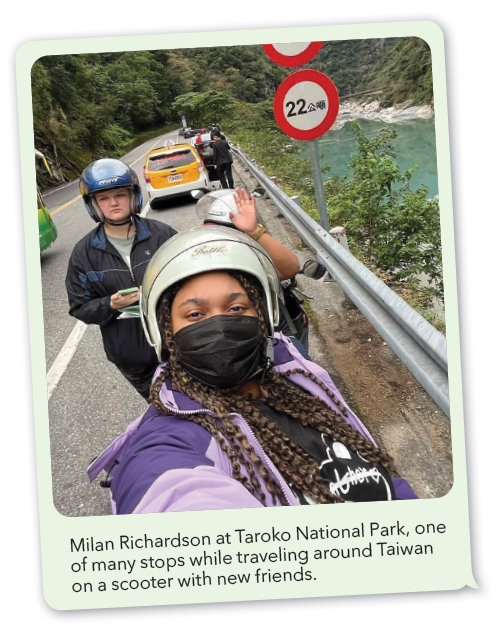
While she may be new to teaching in Taiwan, Richardson brings with her four years as an English and math tutor and a minor in Mandarin. “Taiwan was so different from any place I’ve ever been to. I was overwhelmed at first,” says Richardson. “I like it a lot, now. In my second month, I applied for a scooter license. Now I ride around the island and have taken my scooter other places on trips.”
Diplomas earned. Visas in hand. Vaccines completed. Luggage packed. Destination confirmed. Last summer, UMBC’s eight participants in the 2023 – 2024 Fulbright U.S. Student Program checked off all the important items on their to-do lists. The only thing left was to get to their placements on islands and in landlocked countries, cities, and countrysides across East Asia and Eastern Europe. It’s easier written than done. To adapt well to a new community, job, language, and culture, they must practice the art of humility and flexibility as their roles shift regularly from teacher to student.
Leading the Fulbright charge
All technicalities aside, the Fulbright experience is the beginning of building an international network of teachers and researchers who share the diversity and possibility of the U.S. with the world. In return, across the globe, communities welcome the next generation of leaders into their cities, neighborhoods, schools, and homes to share their country’s history, innovations, and culture. Since Fulbright’s inception in 1946, these reciprocal acts of kindness have created multiple paths forward to lifelong worldwide collaboration and understanding based on the simple act of giving someone different than yourself a chance.
“The Fulbright Program truly demonstrates public diplomacy in action,” says Brian Souders, M.A.’19, TESOL, and Ph.D. ’09, language, literacy, and culture, the associate director of global learning at UMBC’s Center for Global Engagement. In this role, Souders, who received a 2023 Fulbright International Education Administrator award to Germany, has led hundreds of Retrievers through the Fulbright application process as UMBC’s Fulbright Program advisor. “Whether in the classroom as teachers, students, or researchers, recipients learn about the world as much as they share what it means to be from the U.S. and UMBC alumni,” says Souders.
Thanks to Souders’ guidance, UMBC is one of 57 doctoral universities nationwide and three in Maryland to receive a Fulbright Top Producing Institution designation for 2023 – 2024, for the third time in the last five years. In the last decade, more than 80 UMBC alumni have received Fulbright awards. Out of the 10 Retrievers who received a 2023 – 2024 Fulbright, eight are currently placed internationally, seven are ETAs and one is on a research grant.
The hard work of play
There are U.S. Fulbright student scholars in more than 100 countries worldwide. Three Retrievers were placed in Taiwan—they keep in touch regularly, see each other at ETA trainings, and are planning to travel together during their Fulbright year. But they all arrived in Taiwan separately and faced different challenges settling in.
“I arrived in Taiwan and immediately changed my plans because the airline lost my luggage,” says Humanities Scholar Kara Gavin ’20, English. She was grateful to have a carry-on. “It was chaotic. I was taking it all in,” says Gavin. A day and a 50-minute plane ride later, she arrived in Penghu County, Taiwan, an archipelago of about 90 islands between China and the main island of Taiwan. “The little beach town is in its own little world,” says Gavin. “The smell of the sand gave me comfort.”
Gavin teaches beginner English at two local junior high schools. New to Asia and Mandarin, Gavin’s thinking cap is on 24 – 7, including learning Mandarin in between teaching classes. “Living independently for the first time is hard on its own, but doing it in a foreign country is a whole other ball game,” says Gavin. “I’m acquiring many new life skills that will last me a lifetime.”
One of those is sympathizing with her students and anyone learning a new language and culture. “I teach the English pronunciation and spelling of a word,” says Gavin. “Then, they like to share the Mandarin equivalent with me. It’s all about patience, balance, and trust.” She also models intercultural teamwork by developing and teaching lessons with her bilingual (Mandarin/English) Taiwanese co-teacher to foster student engagement and enrichment.
For Fulbright Scholars, it is equally important to engage with communities beyond the classroom. When they apply for the grant, the Fulbright Program asks them to develop ideas to share their passions and skills in a community project. For Gavin, this meant adding a little drama to have a lot of fun. As a performing artist, Gavin knows the theatre can be a powerful community-building outlet. “I wanted to encourage students and other community members to express themselves and share their culture with me and others,” says Gavin.
She found a kindred spirit in a professor at a local university. They formed a drama club at the university for English language learners at all levels to explore American play formats with Taiwanese traditions and histories.“Writing original bilingual plays, in English and Mandarin, based on folktales about island traditions is creating an artistic and fun cultural exchange and understanding outside of my ETA duties,” says Gavin.
Finding the right pace
For fellow Humanities Scholar Nailah-Benā Chambers ’23, global studies, a Fulbright award to Taiwan was a natural next step. Chambers began learning Mandarin and all things Taiwanese in sixth grade at a Taiwanese Mandarin language immersion school in her hometown of Richmond, Virginia. As her Mandarin improved, she tutored other English speakers. This oscillating pattern of being a student and a teacher makes Chambers adaptable and persistent, she says.
But it hasn’t always been easy. When she first visited Taipei, Taiwan, in the spring of 2023 on a Mandarin language-intensive study abroad program, “I was so confident. I walked into a 7-Eleven to shop. No one could understand me,” says Chambers. “It was a bit embarrassing. Even with my language and cultural skills, I had a long way to go to mastering Mandarin.”
Now on her Fulbright ETA grant, Chambers arrived on solid ground, both culturally and linguistically. “I felt such a sense of calm and familiarity. Taiwan is so welcoming,” says Chambers. “It calms you down. Things are much slower here than in the U.S.” Soon enough, Chambers was balancing classrooms at Huludun Elementary and Fu Chun Elementary in Taichung City, on the main island of Taiwan, with students at both schools on the extreme spectrum of English proficiency.
The upside of working with proficient English language learners is connecting on more advanced topics and sticking to Fulbright’s English-only immersion model. At one of her schools, the students are beginning English language learners, and the administrators only speak Mandarin. “My experience as a bilingual teacher and learner with a high level of understanding of the local language and culture has helped with classroom management and fostering powerful connections with students and administrators,” says Chambers. “It also helps to advance their grasp of the nuances of American English, especially when there are gray areas or misunderstandings.”
Keeping your ears open
Watching anime, reading manga, (Japanese graphic novels), and participating in their fandom inspired Paul Ocone ’22, individualized study, a Linehan Artist Scholar, to research these subjects and learn Japanese. “I have deeply engaged in fan social life and communities—from leading an anime club to participating in and running conventions to moderating online communities—my affinity for and interest in anime fan spaces runs deep,” says Ocone. Part of Ocone’s observations include witnessing how some fan subcultures limit their membership in fear that a broader fanbase would weaken their subculture identity. In contrast, he says, other fan subcultures are more flexible while maintaining their identity.
Interested in adding to his initial research in U.S. fan spaces, Ocone is now at the epicenter of anime and manga culture as a Fulbright Student Researcher doing anthropological research with Morikawa Kaichirō, a leading scholar in this field at Meiji University’s School of Global Japanese Studies in Tokyo, also home to the Yoshihiro Yonezawa Memorial Library of Manga and Subcultures.
“I have had some amazing experiences participating in anime pilgrimage or anime tourism, including learning much from other fans and benefitting from their generosity,” says Ocone. “My Japanese is conversational—sometimes it’s challenging to understand specialized topics, but this has not deterred me from adding anime and manga tourism as a second research project.” In January, Ocone presented his work at the Popular Culture Tourism Stakeholders Summit in Japan.
Ocone is a sort of tourist himself, enjoying various aspects of Japanese pop culture. The daily musicality of Tokyo teaches him about enjoying the rhythm of the day. “Each train station plays a unique melody when the train departs,” says Ocone. These melodies or “hassha merodii,” are catchy and echo around in his brain like the convenience store jingles that also greet customers. “I was happily surprised when I heard a loudspeaker playing a symphony in my neighborhood,” says Ocone. “Another one played the following day and the next. I learned this was a daily sunset ritual.” He knows these sound experiences will play in his head long after returning to the U.S.
Learning new languages
This is not the first time David Bullman ’22, ancient studies, visited North Macedonia. He first went in 1995 as a performing musician and public affairs representative for the U.S. Army.
“North Macedonia was very different coming out of the Cold War,” says Bullman. “The infrastructure and general state of repair of public spaces and businesses is much better than I recall from that time.”
Now, as an ETA, Bullman teaches British civilization and American civilization in addition to three different levels of English at the University of Totovo in the Republic of North Macedonia, a landlocked country north of Greece. In Totovo, students begin learning English in elementary school and are fluent by the time they reach college. “I thought I would be teaching English basics,” says Bullman, “but it’s been great to teach a complex subject in the context of where my students live.”
His students are equally glad to help him with the local language. Macedonian and Albanian are the country’s two official languages. Bullman began learning some key Macedonian phrases in preparation for his trip. However, Albanian is the preferred language in Tetovo. After traveling with the Army to more than 15 countries on three continents, Bullman is used to rapidly switching gears and accepting help.
He eagerly takes on the student role when it comes to learning about new foods. Bullman’s apartment faces the Hapësira Socio-Kulturore Tetovë, a community center where locals and the nearby Peace Corps Volunteers sometimes organize activities, like an ajvar-making gathering. Ajvar is a delicacy across the Balkans made every fall. It’s a tradition passed down through centuries with many recipe variations. “Ajvar is made by charring red bell peppers that are then peeled, minced, seasoned, and cooked for hours,” says Bullman. It boils down to a relish that can be preserved for months, but locals tell Bullman that’s rare because it’s too good to keep for even one week. After participating in the preparation and getting to take home a few jars, Bullman agrees with the locals. Ajvar is now his go-to condiment on eggs, pasta, toast—anything goes.
Albanian and cooking are not the only languages Bullman tapped into while in Tetovo. As a lifelong clarinet player, Bullman hoped to create a musical exchange with local musicians. The opportunity presented itself when the dean of the Faculty of Art wanted to celebrate Thanksgiving. Bullman collaborated with the music faculty, the orchestra director, and students to create a concert of six songs. “I’m glad I returned to North Macedonia. The people are as warm and friendly as I remembered them to be,” says Bullman. “I wanted to come back and experience it myself again.”
Tapping into curiosity
On her way to her Fulbright placement, Sianna Serio ’23, computer science, went city hopping. “I was headed to Žilina, Slovakia, east of Austria and south of Poland,” says Serio. “I flew into Vienna, Austria, then I took a one-hour bus ride crossing Austria’s eastern border into Slovakia to get to Bratislava, the capital.“ There she met other ETAs for orientation. “A week later, I hopped on a two-hour train ride to my teaching placement in Žilina and I met my wonderful mentor, Maria Veršova, who became my second mom.”
Serio teaches at the Hotel Academy, Žilina. The academy focuses on hotel management, gastronomy, and tourism. “My students are beginning English language learners,” says Serio. “I teach what the class is interested in, like American pop culture, because they rarely meet a native English speaker.” During outings with her students, they ask about a wide range of topics. “There are many topics that I would not have thought to cover if it were not for time spent outside of the classroom,” says Serio, “Some of those conversations became formal lessons, like the lesson on the three branches of the U. S. government.”
Serio appreciates her students’ curiosity. She tapped into her love of website development and design to improve her students’ confidence in writing and speaking English and prepare for their Maturita exam, a national high school exit exam. “Some of my students are helping me design a class webpage for them where I will showcase their class and post some of their practice writing in English,” says Serio. “These posts will include topics covered in the Maturita exam, information about their school, and answers to questions about Slovakia.”
Serio’s mentor Maria Veršova, head of the English department, is her motivation. She guides her through lesson planning, class schedules, and the challenges of relocating to a new country. “When my original housing plans fell through, Maria found housing for me five minutes from her house,” says Serio. “She helped me find health insurance and open a bank account. Her husband set up my internet.” They have welcomed Serio almost daily into their home for dinner, tea, coffee, or wine. Serio is a gracious guest and lent her graphic design expertise to help Veršova design invitation cards for her 50th birthday party. Veršova tells Serio she will always have a place to stay in Žilina.
Fulbright: The next generation
Teaching has defined the last decade for Tiffany Powell, a master’s student in UMBC’s TESOL program, a passion she invested in as an English language learner teacher in Seoul and in Miryang City, South Korea, for five years, and in Florida this past year. Now, she is in Iași, Romania, southwest of Ukraine, at the Alexandru Ioan Cuza University teaching American studies. Powell is committed to bridging culture, community, and belonging by bringing technology into the classroom.
Powell also decided to bring the research and cultural understanding closer to home by partnering with Romanian teachers to develop a five-part series on African American women’s history. “We talked about Black women in science in the context of the movie Hidden Figures and discussed Hollywood’s portrayal of Black life,” says Powell. The class is now creating a series on Romanian women. Helping students better understand the similarities and differences between U.S. and Romanian cultures has been an eye-opening experience for Powell.
She sees the impact of a country formerly under communism. In Iași, sometimes the internet doesn’t work and, in her school, there are no clubs or student organizations to gain the skills needed to earn a Fulbright award. “My students have given me a new perspective. You may want to come in and make changes, but you must understand where they’re coming from. There is a saying in Iași, ‘It’s not impossible. It’s just difficult,’” says Powell. She is trying to help with the difficult part by leading Fulbright application and leadership workshops.
Powell, like the other Fulbrighters, will bring her experiences home with her and wherever she ends up teaching English next. When their Fulbright year ends, these Retriever ambassadors will find themselves as emissaries yet again, returning to their hometowns, sharing the good news of ajvar made in community, the freedom of a scooter ride along a Taiwanese beach, or the correct stroke order for writing the Mandarin number five. The lessons their students and host families passed along—including pausing to take a breath and appreciate their international successes small and large—will continue to form and shape the way they see the world.
“Having a flexible mindset and under-standing the historical context of your placement is key,” says Powell. “I carry myself as a U.S. representative. Living abroad teaches humility, adaptability, and open-mindedness to press on through challenging times.”
]]>
International travel offers ample opportunities to stretch yourself—one minute you may be the expert and the next, completely clueless about how something works. Retrievers currently in the...
https://umbc.edu/stories/a-journey-of-growth-retriever-fulbright/
https://my3.my.umbc.edu/api/v0/pixel/news/142404/guest@my.umbc.edu/ed280c216f570c718be808f58bf7c55a/api/pixel
alumni
ancient-studies
bioinformatics-and-computational-biology
cahss
cge
computer-science
education-abroad
english
feature
fulbright
global-studies
humanities
inds
linehan
llc
magazine
meyerhoff
spring-2024
story
UMBC News & Magazine
https://my3.my.umbc.edu/groups/umbc-news-magazine
https://assets1-my.umbc.edu/system/shared/avatars/groups/000/001/943/24435aa6207c452e7bc15cc74b42c7bb/xsmall.png?1748556657
https://assets1-my.umbc.edu/system/shared/avatars/groups/000/001/943/24435aa6207c452e7bc15cc74b42c7bb/original.png?1748556657
https://assets2-my.umbc.edu/system/shared/avatars/groups/000/001/943/24435aa6207c452e7bc15cc74b42c7bb/xxlarge.png?1748556657
https://assets2-my.umbc.edu/system/shared/avatars/groups/000/001/943/24435aa6207c452e7bc15cc74b42c7bb/xlarge.png?1748556657
https://assets3-my.umbc.edu/system/shared/avatars/groups/000/001/943/24435aa6207c452e7bc15cc74b42c7bb/large.png?1748556657
https://assets1-my.umbc.edu/system/shared/avatars/groups/000/001/943/24435aa6207c452e7bc15cc74b42c7bb/medium.png?1748556657
https://assets2-my.umbc.edu/system/shared/avatars/groups/000/001/943/24435aa6207c452e7bc15cc74b42c7bb/small.png?1748556657
https://assets1-my.umbc.edu/system/shared/avatars/groups/000/001/943/24435aa6207c452e7bc15cc74b42c7bb/xsmall.png?1748556657
https://assets2-my.umbc.edu/system/shared/avatars/groups/000/001/943/24435aa6207c452e7bc15cc74b42c7bb/xxsmall.png?1748556657
UMBC News & Magazine
0
0
false
Wed, 29 May 2024 14:32:52 -0400
The long shot—4-time Olympian Cleopatra Borel ’02 inducted to Athletics Hall of Fame
Cleopatra Borel had no athletic aspirations when she arrived in Baltimore from Trinidad and Tobago in 1997. She enrolled at what was then Coppin State College on the advice of her high school math teacher, a Coppin alum. Powerfully built and an eager learner, Borel quickly developed in the throwing events and broke Coppin’s shot put record early in her tenure there.
After the Eagles’ coach left the program, UMBC offered Borel an athletic scholarship and she made the move to Hilltop Circle.
 Borel at a competition when she was a student. Photo courtesy of Borel.
Borel ’02, interdisciplinary studies, flourished both academically and athletically at UMBC. She earned All-America honors (top eight) in the shot put both indoors and outdoors in the 2000 – 01 season. However, she would have only one more crack at the NCAAs, with one year of indoor track and field eligibility remaining.
On March 9, 2002, Cleo, as she was known at UMBC, took to the shot put circle at the University of Arkansas. On her next-to-last throw, she uncorked a personal best of 17.50 meters (57’5”), putting her in first place. When the last shot had landed, the black-and-gold clad Retriever had outdistanced the field and captured UMBC’s first Division I national title.
In her first year of eligibility (2006 – 07), the UMBC Athletic Hall of Fame Committee tabbed Borel for induction. However, some events on her calendar kept getting in the way of her returning to campus—namely the 2004, 2008, 2012, and 2016 Olympics. At 37 years old, she produced her best finish, placing seventh at the 2016 Rio Games. Her final Olympic moment occurred as she served as Trinidad and Tobago’s flag bearer at the closing ceremonies.
Borel returned to the United States in January 2022 to coach the throwers at the University of Texas Rio Grande Valley. And, in October 2023, she finally made the journey back to Hilltop Circle to be inducted into the UMBC Athletics Hall of Fame.
We asked Borel to reflect on her incredible journey.
Q: You arrived at UMBC under unusual circumstances and remain the only Retriever to win an individual NCAA Championship. Reflecting on your time here, what did it mean for you to be a Retriever and how did your UMBC experience assist you in all of your endeavors?
Borel: I walked away from a very good situation at Coppin State College, not knowing how things would evolve at UMBC. However, I have to say, taking a chance on UMBC is still among the top three best decisions I have made thus far. My UMBC student-athlete experience prepared me for life as an Olympic athlete, essentially taking on the world.
I believe I was prepared to navigate life on the professional track and field circuit because of [UMBC Athletics Director] Dr. Charles Brown’s sports management class and because my event Coach Brian King and track and field Head Coach David Bobb ’97 taught me to work hard, be confident, and play to my strengths.
 Left to right, David Bobb ’97, Borel, and Brian King. Photo by Max Franz for UMBC.
UMBC’s academic accomplishments, artistic expressions, community outreach initiatives, and of course athletic triumphs reflect the unwavering commitment we all share in making our school a truly exceptional place—a special place where a young person can take a chance and, through hard work and dedication, rise to the top of their field.
Q: What did it mean for you to represent Trinidad and Tobago in international competitions, including four Olympic Games?
Borel: Trinidad and Tobago is a small, developing nation in the Caribbean with a population of less than 1.4 million individuals on two islands. As a result, I felt like one of a few sporting ambassadors representing my country. I am proud to have been responsible for the playing of my national anthem at stadiums across the globe.
UMBC’s academic accomplishments, artistic expressions, community outreach initiatives, and of course athletic triumphs reflect the unwavering commitment we all share in making our school a truly exceptional place.
Cleopatra Borel ’02
Q: What prompted you to develop the Cleopatra Borel Foundation and what is its mission?
Borel: The mission of the Cleopatra Borel Foundation is to facilitate the development of youth through sport and education. We believe this can be accomplished at the grassroots level in Trinidad and Tobago by assisting with coaches’ education, gear, and equipment distribution.
Q: Anything else you would like to share with the UMBC community?
Borel: It was indeed an honor to represent you at the NCAAs and on a global level. I am a proud Retriever, excited to see how UMBC will continue to positively influence Maryland and the world.
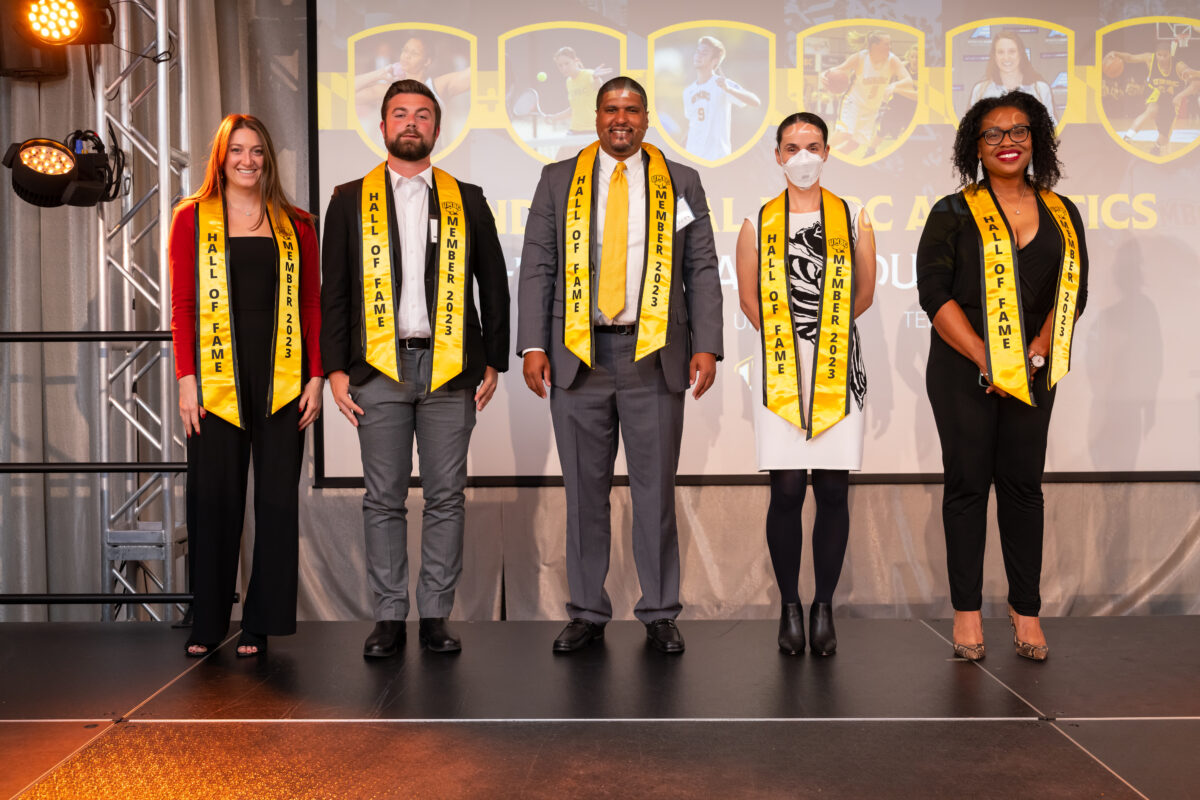 The 2023 Hall of Fame inductees included (left to right) Emily Escobedo, ’17, women’s swimming and diving; Pete Caringi III, ’15, men’s soccer; Brian Hodges, ’07, men’s basketball; Cornelia Carapcea, ’09, tennis and Cleopatra Borel, ’02 , track and field. Carlee Cassidy Dewey ’10, women’s basketball, could not attend for personal reasons and will be formally inducted in 2024. Photo by Max Franz for UMBC.
By Steve Levy ’85
]]>
Cleopatra Borel had no athletic aspirations when she arrived in Baltimore from Trinidad and Tobago in 1997. She enrolled at what was then Coppin State College on the advice of her high school math...
https://umbc.edu/stories/olympian-shot-put-cleopatra-borel-hall-of-fame/
https://my3.my.umbc.edu/api/v0/pixel/news/137085/guest@my.umbc.edu/be0c6305c621b5c05fcc162d2e4b26a5/api/pixel
alumni
at-play
athletics
fall-2023
inds
magazine
UMBC News & Magazine
https://my3.my.umbc.edu/groups/umbc-news-magazine
https://assets1-my.umbc.edu/system/shared/avatars/groups/000/001/943/24435aa6207c452e7bc15cc74b42c7bb/xsmall.png?1748556657
https://assets1-my.umbc.edu/system/shared/avatars/groups/000/001/943/24435aa6207c452e7bc15cc74b42c7bb/original.png?1748556657
https://assets2-my.umbc.edu/system/shared/avatars/groups/000/001/943/24435aa6207c452e7bc15cc74b42c7bb/xxlarge.png?1748556657
https://assets2-my.umbc.edu/system/shared/avatars/groups/000/001/943/24435aa6207c452e7bc15cc74b42c7bb/xlarge.png?1748556657
https://assets3-my.umbc.edu/system/shared/avatars/groups/000/001/943/24435aa6207c452e7bc15cc74b42c7bb/large.png?1748556657
https://assets1-my.umbc.edu/system/shared/avatars/groups/000/001/943/24435aa6207c452e7bc15cc74b42c7bb/medium.png?1748556657
https://assets2-my.umbc.edu/system/shared/avatars/groups/000/001/943/24435aa6207c452e7bc15cc74b42c7bb/small.png?1748556657
https://assets1-my.umbc.edu/system/shared/avatars/groups/000/001/943/24435aa6207c452e7bc15cc74b42c7bb/xsmall.png?1748556657
https://assets2-my.umbc.edu/system/shared/avatars/groups/000/001/943/24435aa6207c452e7bc15cc74b42c7bb/xxsmall.png?1748556657
UMBC News & Magazine
0
0
false
Tue, 14 Nov 2023 15:11:49 -0500
Tue, 14 Nov 2023 15:11:49 -0500
Putting the principles of education to work

There are some people who you meet, and it’s obvious: They’re natural leaders—seemingly born to the role. Derek Anderson ’03, interdisciplinary studies, is one of those people.
He went right from UMBC to the front of the classroom as a teacher in the highly regarded Howard County Public School System, earning a master’s degree in school administration and supervision from Johns Hopkins University at the same time.
But in talking with Anderson, it becomes apparent that he wasn’t born a leader—he became one. And he says UMBC was a big reason why he did.
After nearly a decade of classroom leadership, Anderson became an assistant principal, then principal at Longfellow Elementary School in Columbia, Maryland, winning recognition as Howard County’s 2023 Principal of the Year.
And now he’s been tapped by Maryland’s state superintendent of schools to be the state’s new executive director of community schools, overseeing more than 450 schools with the goal of better connecting schools with the families they serve.
From imposter syndrome to educator
As improbable as it sounds, this rising star in education leadership remembers that as a first-year student, he wasn’t sure at first that he even belonged in college.
“I struggled mightily in my first semester,” he remembers—in large part because his secondary school hadn’t fully prepared him for college-level academics. “There was a point where I said to myself, ‘Am I cut out for this? This is a lot.’”
Anderson says UMBC’s academic advising and his own inner determination to persevere helped, but what set him firmly on the path to his future was The Shriver Center, an organization at UMBC that connects students with applied learning, civic engagement, and community-based service opportunities. He began volunteering weekly at a local elementary school not too far from campus.
“I really realized how excited the kids were when we came to visit,” Anderson says. “And it was mutual—I would start looking forward to that particular day of the week. That was the first time I really started to consider a career in education.”
Building a major to match his passion
That realization, he says, galvanized him: It not only gave him a career goal to help shape his studies, it motivated him to work toward the day when he could help students prepare better than he had been for postsecondary academics.
“I thought about my own experience, and I questioned: Could I have been better prepared?” Anderson says. “What would have better prepared me so that I did not struggle the way I did in college? So that really reinforced the idea of, ‘I want to go into education so that I can help and support [students] so that they don’t have some of those experiences.’”
Anderson, on the left, with two of his closest UMBC friends, Eddie Freeman ’03, M.S. ’06, and Marc Haskins ’01 at Freeman’s wedding.
UMBC didn’t offer an education major at the time, but Anderson followed his inspiration, juggling a steady load of challenging coursework with his athletic obligations as captain of the track and field team, responsibilities as a dorm resident advisor, and eventually student teaching in Baltimore City schools as he pursued his teaching certificate.
Along with his teacher-certification track, Anderson’s interdisciplinary studies focused on psychology and Africana studies, and one of his professors in the latter field gave him first-hand insight into the power of effective teaching.
He remembers vividly the classes he took with Christel N. Temple, then an assistant professor of Africana studies at UMBC.
“She’s an African American woman, and I believe at the time she was relatively new to the position, but she was very good—not just in disseminating the content, but in the passion she showed for it. That was a big motivator for me,” Anderson says.
Because of that passion for teaching, he remembers: “I really enjoyed her class. I wanted to learn. I wanted to grow. I wanted to enhance my knowledge for no other reason than to become brighter and better.”
Temple, now a full professor of Africana studies at the University of Pittsburgh, isn’t surprised that her former student’s leadership qualities have attracted attention.
“I am so proud of his career,” she says. “His success is a reminder of the contribution that Africana studies makes—not just our field’s orientation to subjects such as culture, communication and sociology, but also to education studies.”
Understanding the personal dimensions of education
Anderson landed a job in Howard County Public Schools soon after graduation by way of his teaching certification and graduation from UMBC. He taught at an elementary school for seven years, then served as an elementary school instructional team leader before becoming an assistant principal. He served in that role for four years before becoming principal at Longfellow Elementary School in 2017.
Kathy Nuemann ’06, American studies, remembers meeting Anderson the year before he became principal. Neumann, a math specialist at Longfellow, was excited to meet another Retriever at her school and struck by his genuine personality. For the next six years, as they worked together, she says, “Derek was always available. Whether I was seeking advice, sharing an idea, or just needed someone to lend an ear. His sincerity extended to students as well.”
She recounts a recent story where her students wrote a proposal to Anderson as part of a social studies project. After identifying a problem (trash on the recess field), the students brainstormed a solution by requesting a recycling bin out on the playground. Neumann invited Anderson to visit her class and the students read the proposal to him. “Not only did Derek listen to the proposal, but he fulfilled the request within a week. My students were thrilled!”
All told, Anderson served nearly 20 years in Howard County’s elementary schools—long enough to see two of his three his own children pass through Longfellow Elementary while he was principal there. (He met his wife of 16 years, Jonae Anderson ’02, psychology, M.P.P. ’05, at UMBC.)
Anderson was named 2023 Principal of the Year for Howard County Public Schools. He’s pictured here with his wife and children, and mother and brother.
Indeed, Anderson says, parenthood helped underline the personal dimension of education, and not just for the obvious reasons.
“It makes me that much more passionate about the work” of education, he says. “Parents send us their kids—they send us the best they have, Monday through Friday, with the expectation that they’re going to come back safely, happy and enjoying that [school] experience. That is a responsibility I carry with me every day.”
Bringing energy to the executive position
In fact, it turned out that that sense of greater responsibility made him the perfect candidate for his new role as executive director of Maryland’s growing portfolio of community schools.
The expansion is part of the state’s 2019 Blueprint for Maryland’s Future legislation, which dedicates almost $4 billion per year in state and local funding over the next decade to a set of reforms aimed at improving public schools in the state.
The intent of community schools is to better connect schools with the families they serve. Particulars of that connection can include addressing daycare deficiencies in schools that educate a disproportionate proportion of teenage mothers, or creating a weekend food pantry with fresh groceries at a school situated in a food desert.
“Leadership has always been something that I’ve aspired to,” Anderson says. “For a long time, I never thought past the principalship,” and he admits that there’s a special energy to being in a school building that he may well miss in his new job as executive director.
But when he weighed the one school he was leaving against the difference he could make in overseeing more than 450 schools, he says he found himself thinking about his own educational journey.
“I went from, ‘I’m not confident about being a student in college’ to ‘This is something I want to pursue,’ because along the way people were providing opportunities, providing guidance, providing insight, and it’s led to a very fulfilling career for me,” Anderson says.
And with his new role’s wider scope, he has the opportunity to be just such a helping hand in the lives and education of many more students.
“I still get up excited about coming to work [in education] because I know it’s meaningful work,” Anderson says. “What better way to serve kids?”
]]>
There are some people who you meet, and it’s obvious: They’re natural leaders—seemingly born to the role. Derek Anderson ’03, interdisciplinary studies, is one of those people. He went right...
https://umbc.edu/stories/putting-the-principles-of-education-to-work/
https://my3.my.umbc.edu/api/v0/pixel/news/134703/guest@my.umbc.edu/14bdc2b3afd109b607e9e561d1091dc2/api/pixel
africana-studies
alumni
american-studies
cahss
feature
inds
magazine
the-shriver-center
UMBC News & Magazine
https://my3.my.umbc.edu/groups/umbc-news-magazine
https://assets1-my.umbc.edu/system/shared/avatars/groups/000/001/943/24435aa6207c452e7bc15cc74b42c7bb/xsmall.png?1748556657
https://assets1-my.umbc.edu/system/shared/avatars/groups/000/001/943/24435aa6207c452e7bc15cc74b42c7bb/original.png?1748556657
https://assets2-my.umbc.edu/system/shared/avatars/groups/000/001/943/24435aa6207c452e7bc15cc74b42c7bb/xxlarge.png?1748556657
https://assets2-my.umbc.edu/system/shared/avatars/groups/000/001/943/24435aa6207c452e7bc15cc74b42c7bb/xlarge.png?1748556657
https://assets3-my.umbc.edu/system/shared/avatars/groups/000/001/943/24435aa6207c452e7bc15cc74b42c7bb/large.png?1748556657
https://assets1-my.umbc.edu/system/shared/avatars/groups/000/001/943/24435aa6207c452e7bc15cc74b42c7bb/medium.png?1748556657
https://assets2-my.umbc.edu/system/shared/avatars/groups/000/001/943/24435aa6207c452e7bc15cc74b42c7bb/small.png?1748556657
https://assets1-my.umbc.edu/system/shared/avatars/groups/000/001/943/24435aa6207c452e7bc15cc74b42c7bb/xsmall.png?1748556657
https://assets2-my.umbc.edu/system/shared/avatars/groups/000/001/943/24435aa6207c452e7bc15cc74b42c7bb/xxsmall.png?1748556657
UMBC News & Magazine
2
0
false
Tue, 15 Aug 2023 13:19:02 -0400
Tue, 15 Aug 2023 13:19:02 -0400
UMBC’s 2023-2024 Fulbright Student Program recipients announced
This year, the U.S. Fulbright Student Program, the U.S. government’s flagship international exchange program, has awarded nine UMBC students and alumni top research and teaching placements in countries such as Japan, Taiwan, and North Macedonia.
Each year, more than 10,000 students apply with just over 2,000 selected from hundreds of colleges and universities across the U.S. In the last decade, UMBC students and alumni have received more than 85 Fulbright U.S. Student Program awards for research and teaching placements in Africa, Asia and the Pacific, the Middle East, South America, and Europe. UMBC was named a Fulbright Top Producing Institution in 2019 – 2020.
This year’s class includes research award recipient Paul Ocone ’22, individualized study, who will be conducting research at Meiji University School of Global Japanese Studies in Japan. Fulbright research awards provide funding for research and training efforts overseas with a focus on non-Western foreign languages and area studies. Additionally, there are eight UMBC recipients of the English Teaching Assistant (ETA) award. ETA’s develop their own language skills and knowledge of their host country while working with student in elementary through college to strengthen their English-language abilities and knowledge of the U.S.
Three alumni will be headed to Taiwan to further their passion for global languages and communities: Nailah-Benā Chambers ’23, global studies, Kara Gavin ’20, English, and Milan Richardson ’23, bioinformatics.
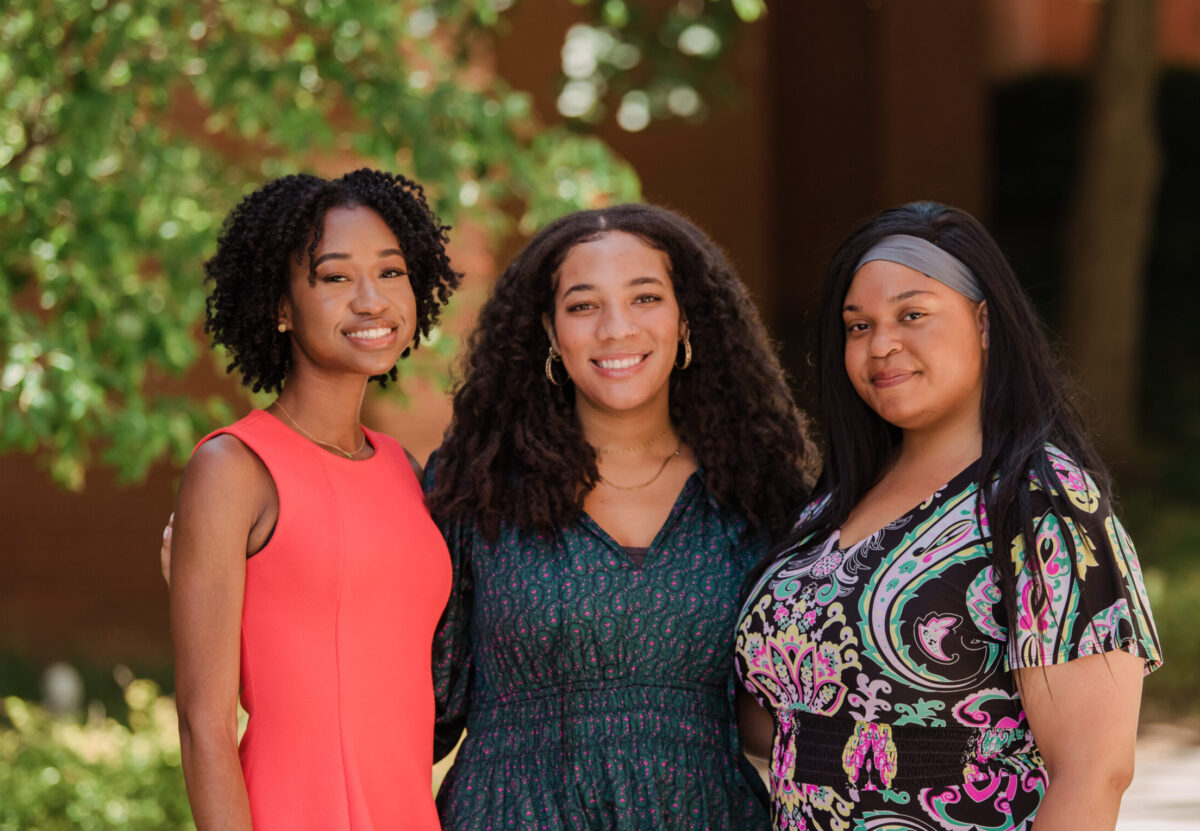 Kara Gavin, Nailah-Benā Chambers, and Milan Richardson. (Marlayna Demond ’11/UMBC)
Gavin brings experience as a Teaching of English as a Second Language (TESOL) volunteer which she completed during her study abroad program at the University of Brighton in the U.K. Chambers began learning how to move between different languages early in life as a student in a Chinese-language skills course. She later became a tutor, a skill she continued at UMBC’s English Language Institute (ELI). Teaching Baltimore Public City School’s diverse student population inspired Richardson to apply to the Fulbright program where she will continue working with students from all backgrounds.
David Bullman ’22, ancient studies, served in the U.S. Army as a musician and public diplomat. He will be returning to North Macedonia, one of the countries he previously served in.
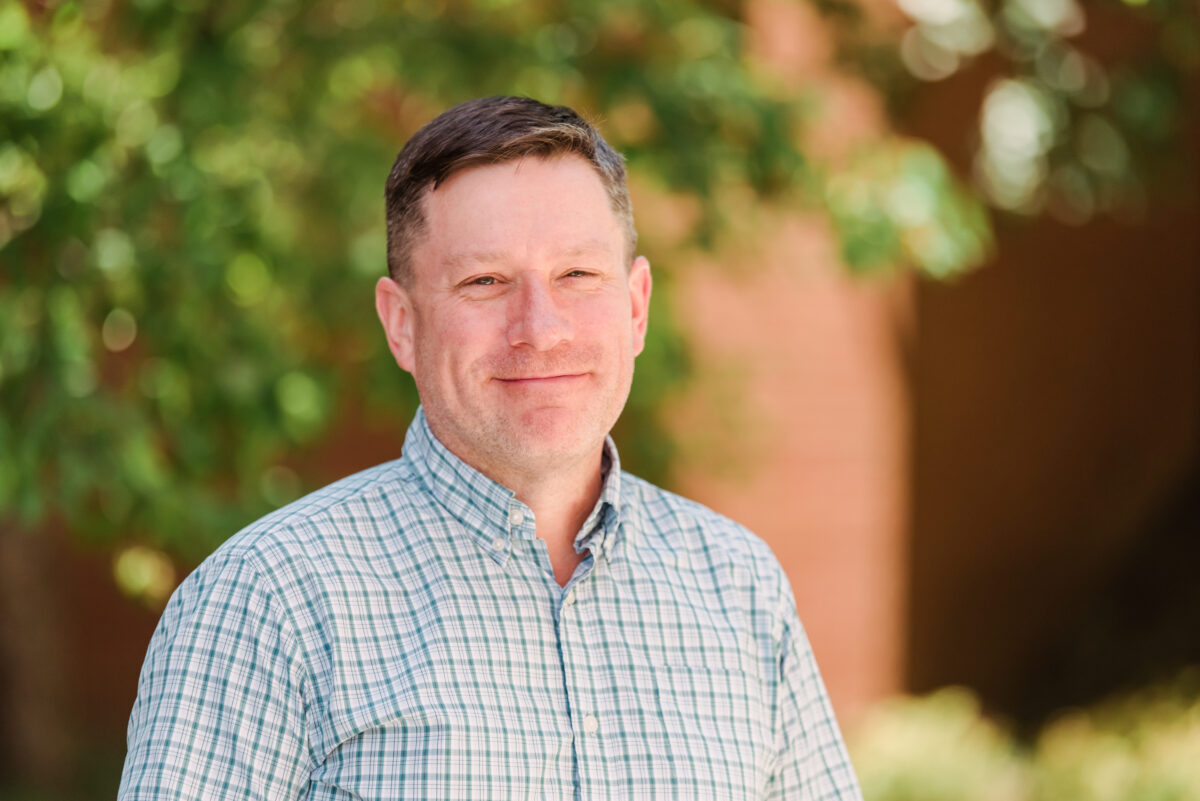 David Bullman. (Marlayna Demond ’11/UMBC)
In addition to teaching English, Leah Michaels, M.F.A ’21, intermedia and digital arts, will be conducting research for two films and teaching film workshops for the community in Piła, Poland.
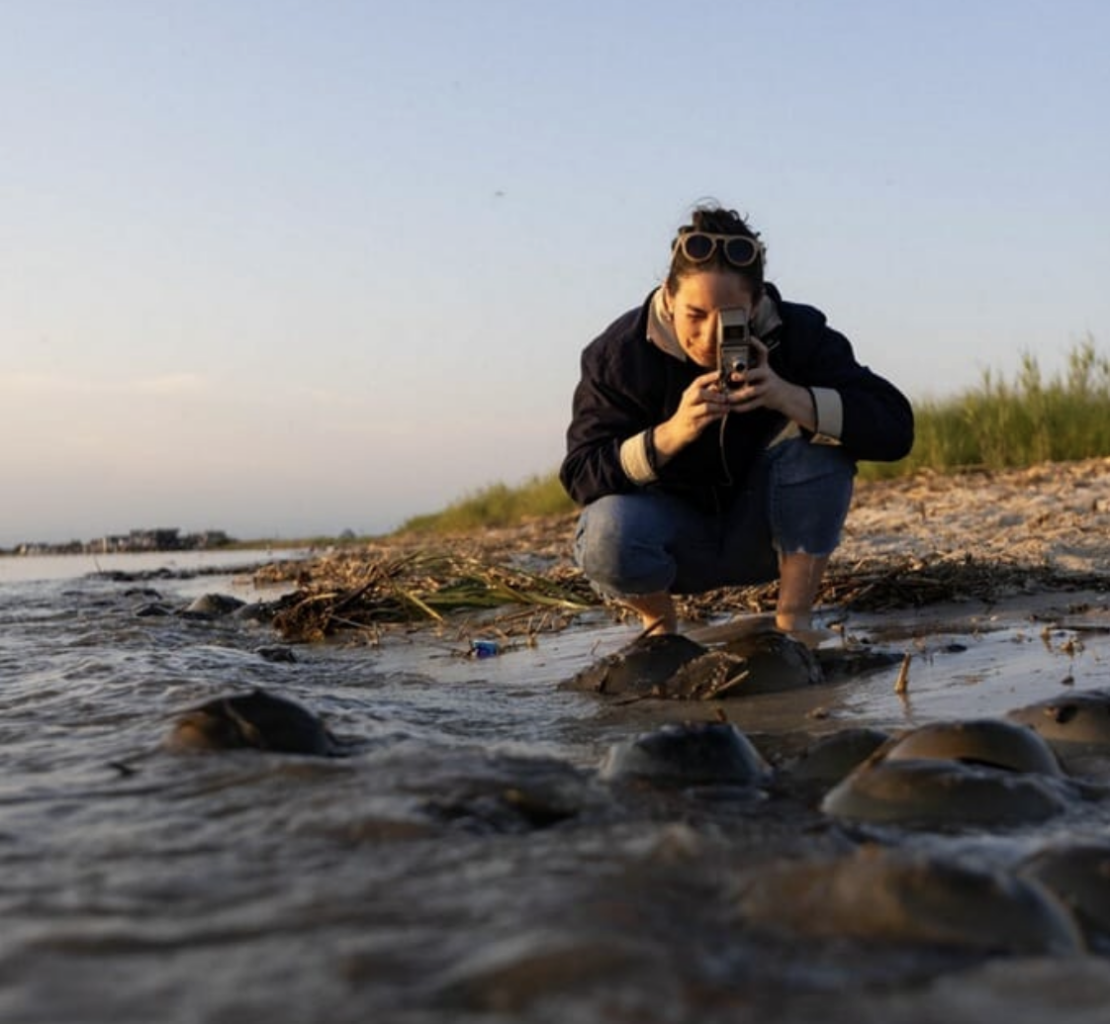 Leah Michaels in Cape May shooting the horseshoe crab mating period for a film she’s working on. (Image courtesy of Leah Michaels)
Tiffany Powell ’23, TESOL, spent three years teaching English in Seoul, Korea and will continue teaching in Romania after she graduates in December.
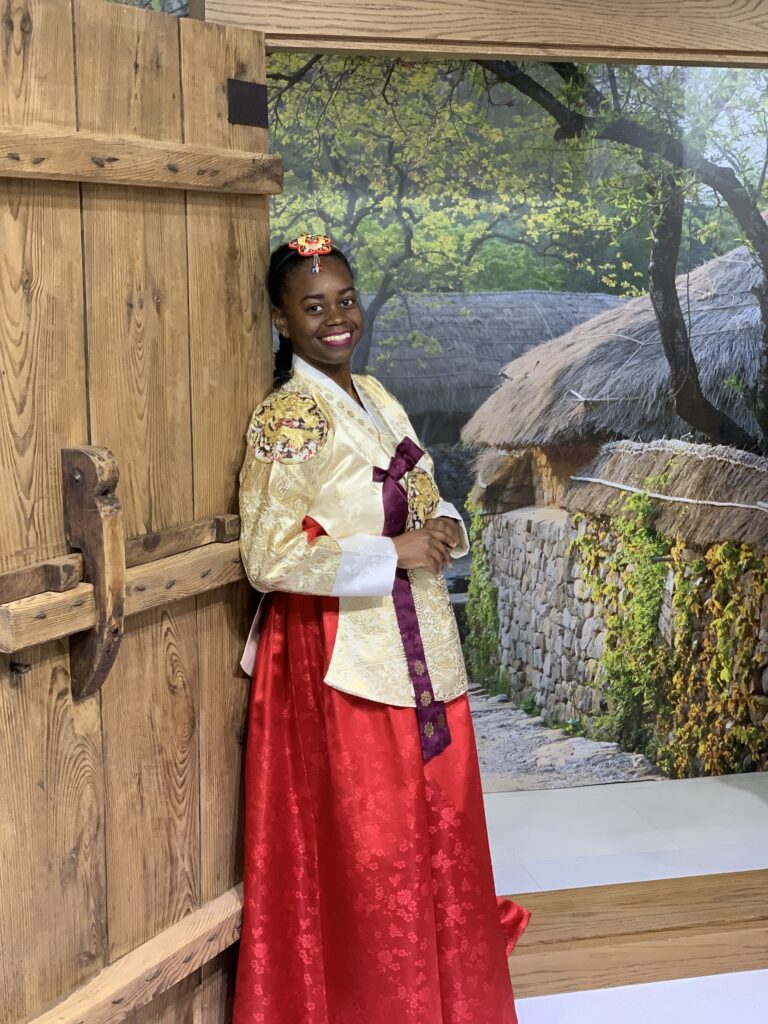 Tiffany Powell in Seoul wearing a hanbok, South Korean traditional clothing. (Image courtesy of Tiffany Powell)
Sianna Serio ’23, computer science, who studied abroad in France, Spain, and the U.K., will head to the Slovak Republic to teach high school students.
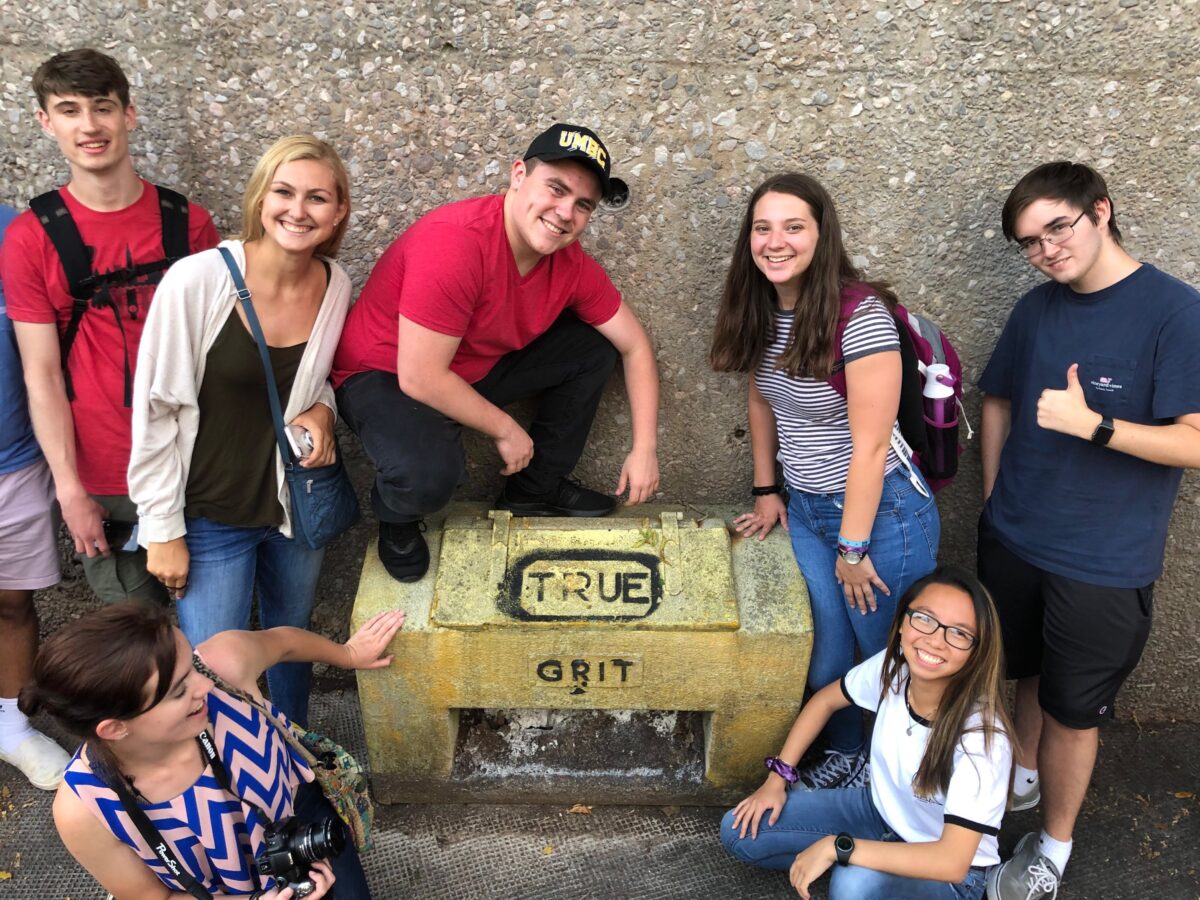 Sianna Serio, kneeling on right, in Bristol, U.K. (Image courtesy of Sianna Serios)
As a former marketing assistant at the ELI, Tasneem Mansour ’20, modern languages, linguistics and intercultural communication, supported visiting students from Peru, Nagoya and Tokyo, Japan. Mansour will head to South Korea.
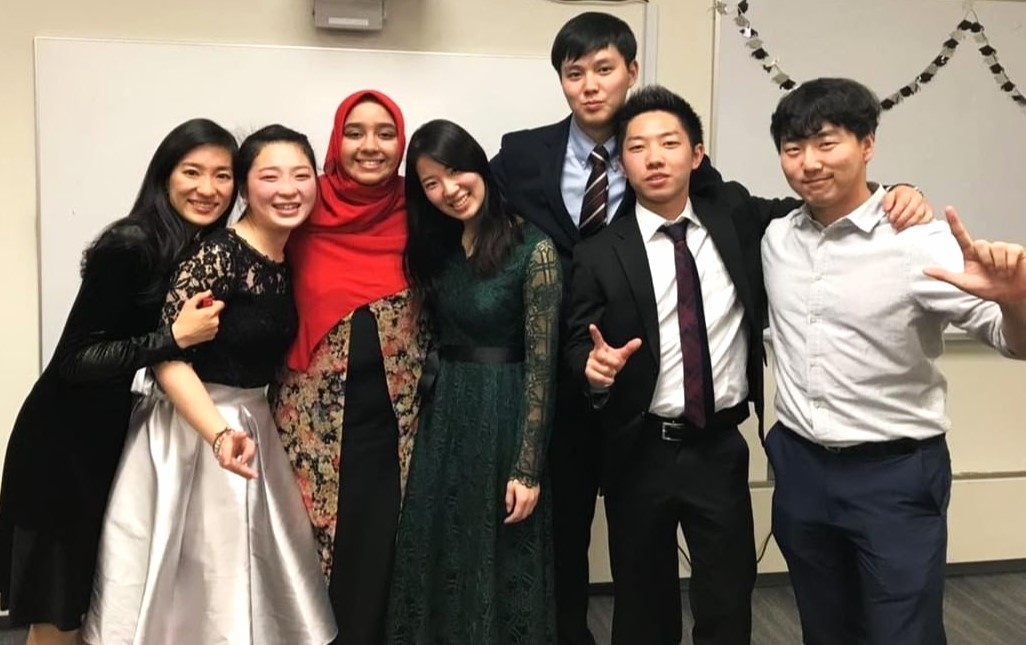
Tasneem Mansour, third from the left, with students from Nippon Sport-Science University in Tokyo, Japan. (Image courtesy of Tasneem Mansour)
UMBC’s global outlook
UMBC’s commitment to international collaboration and research begins at the Center for Global Engagement, which connects students and faculty from the U.S. with students and distinguished faculty from more than 100 countries with unique international academic opportunities. Together, they further the research and skills needed to address long-standing and new global challenges.
Brian Souders, M.A.’19, TESOL and Ph.D. ’09, language, literacy and culture, the associate director of global learning of the Center for Global Engagement, has led students through the Fulbright application process, as UMBC’s Fulbright Program advisor, for the last decade. “Our students are high achievers, the application process is a place for them to share their story,” says Souders. “Faculty and staff are there to ensure each student’s application reflects their years of hard work and the skills they have developed to collaborate with partners across the world.”
Research at home and abroad
With the vast network of Fulbright alumni at UMBC and across the U.S., it’s always helpful to get tips on how to conduct research in a new country and in a new language. Fulbright recipient Ocone, a long time fan of all things anime, began developing his ethnographic research skills with the support of Bambi Chapin, associate professor of anthropology. Chapin, a 1999 – 2000 Fulbright recipient, taught Ocone the theoretical and practical aspects of ethnographic research which he will now use to research the politics of inclusion and exclusion in otaku (anime/manga fan) spaces.
Chapin, along with Julie Christ Oakes, the assistant director of curriculum and retention of the Honors College and a 2001 – 2002 Fulbright research award recipient to Japan, also workshopped Ocone’s research proposal and Fulbright application. Oakes also shared her insights on the Fulbright experience.
“I went to Japan to do research for my dissertation research,” says Oakes. “I have a good idea of what [Ocone] will face as a relative “newbie” abroad and a non-native Japanese speaker and reader.”
The Fulbright experience is also about nurturing relationships with faculty abroad. Ocone said he feels honored for the opportunity to further his research with Kaichiro Morikawa, an associate professor at Meiji University and author of one of the foundational books on otaku spaces. Morikawa will help Ocone navigate the various resources on otaku culture. He wrote in Ocone’s recommendation letter that his “research is highly original as well as effectively focused,” and says he looks forward to supporting Ocone during his time at the university and in Japan.
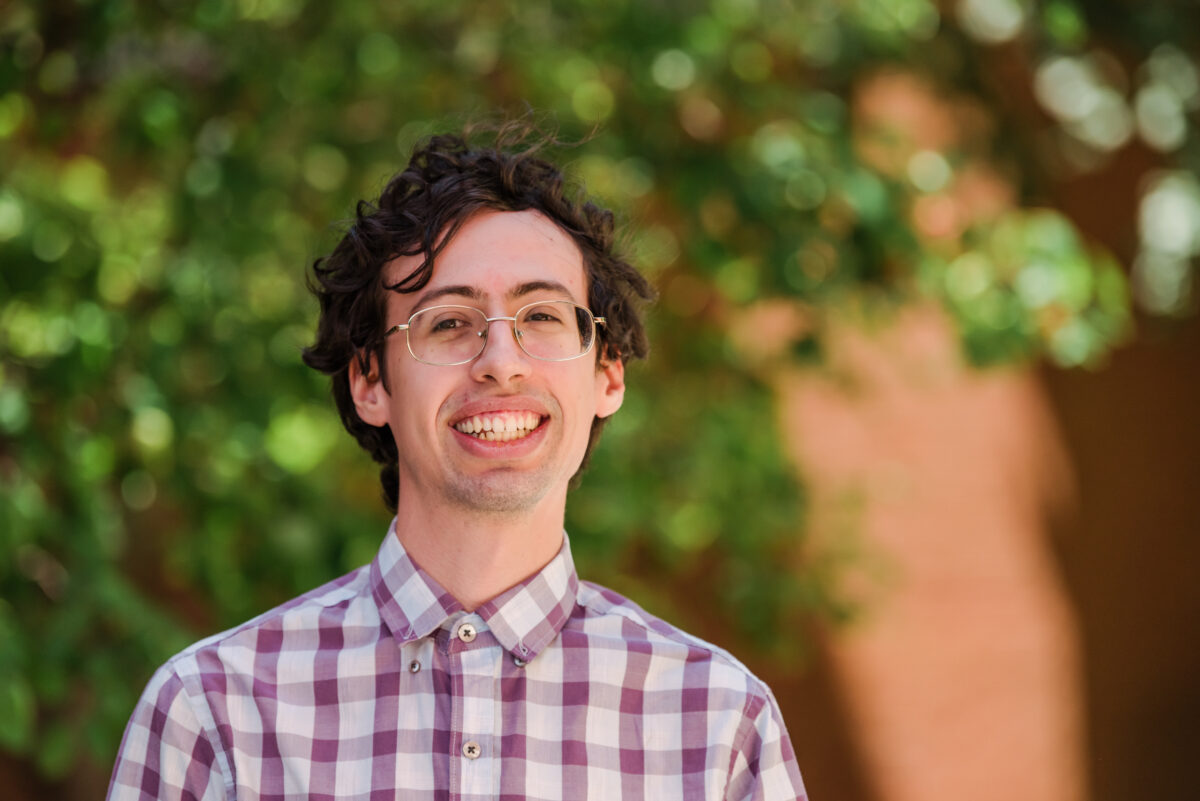 Paul Ocone. (Marlayna Demond ’11/UMBC)
“I am immensely grateful to all of my mentors for guiding me on my journey through my undergraduate degree—from my earliest fuzzy and broad ideas of what I wanted to do, to the more specific research plans, and to the rewarding thesis that eventually emerged,” says Ocone. “I’ll be continuing research on topics that I care deeply about, research that I will likely build upon in graduate school and beyond.”
Fulbright support network
The road to being a Fulbright recipient begins day one students’ UMBC experience as they explore majors, create a network of mentors, and hone their research skills. At the end of their junior year, students develop their initial application at the Fulbright Base Camp led by Souders, who is a 2023 – 2024 Fulbright International Education Administrator award recipient. “The camp helps elevate and support students to reach their Fulbright goals,” says Souders. “Students share drafts of their essays with me for feedback prior to the campus deadline, the first day of the fall semester. They participate in a campus evaluation process with UMBC faculty and staff to receive feedback on their applications.”
Souders, Chapin, and Maryam Elhabashy ’21, anthropology, a research assistant at Rutgers University and a 2022 Fulbright recipient to Kuwait City, discuss this process on the Retrieving the Social Science podcast, produced by UMBC’s Center for Social Science Scholarship.
“The panel gives students advice about how to craft a project, like how to take it apart and re-put it back together, what we see as strengths,” says Chapin. “We support them and encourage them as they go through that really difficult intellectual work, emotional work of figuring out how to make their strong projects even stronger.”
Learn more about the UMBC’s international education opportunities.
]]>
This year, the U.S. Fulbright Student Program, the U.S. government’s flagship international exchange program, has awarded nine UMBC students and alumni top research and teaching placements in...
https://umbc.edu/stories/2023-fulbright-recipients/
https://my3.my.umbc.edu/api/v0/pixel/news/134370/guest@my.umbc.edu/516ede6d25c349e81ae689cbf97868dc/api/pixel
ancientstudies
anthropology
cahss
coeit
computer-science
english
globalstudies
honorscollege
inds
intermedia-and-digital-arts
international-stories
llc
mlli
news
policy-and-society
rca-2
tesol
UMBC News & Magazine
https://my3.my.umbc.edu/groups/umbc-news-magazine
https://assets1-my.umbc.edu/system/shared/avatars/groups/000/001/943/24435aa6207c452e7bc15cc74b42c7bb/xsmall.png?1748556657
https://assets1-my.umbc.edu/system/shared/avatars/groups/000/001/943/24435aa6207c452e7bc15cc74b42c7bb/original.png?1748556657
https://assets2-my.umbc.edu/system/shared/avatars/groups/000/001/943/24435aa6207c452e7bc15cc74b42c7bb/xxlarge.png?1748556657
https://assets2-my.umbc.edu/system/shared/avatars/groups/000/001/943/24435aa6207c452e7bc15cc74b42c7bb/xlarge.png?1748556657
https://assets3-my.umbc.edu/system/shared/avatars/groups/000/001/943/24435aa6207c452e7bc15cc74b42c7bb/large.png?1748556657
https://assets1-my.umbc.edu/system/shared/avatars/groups/000/001/943/24435aa6207c452e7bc15cc74b42c7bb/medium.png?1748556657
https://assets2-my.umbc.edu/system/shared/avatars/groups/000/001/943/24435aa6207c452e7bc15cc74b42c7bb/small.png?1748556657
https://assets1-my.umbc.edu/system/shared/avatars/groups/000/001/943/24435aa6207c452e7bc15cc74b42c7bb/xsmall.png?1748556657
https://assets2-my.umbc.edu/system/shared/avatars/groups/000/001/943/24435aa6207c452e7bc15cc74b42c7bb/xxsmall.png?1748556657
UMBC News & Magazine
3
0
false
Sat, 22 Jul 2023 01:43:12 -0400
Sat, 22 Jul 2023 01:43:12 -0400
Broadcasting Retriever Success

Eli Eisenberg came into the world of Retriever sports not as a recruited athlete or a walk-on but from a completely different angle—broadcasting. Capturing the energy of the fans, the maneuvers on the court or field, and the cheers and camaraderie of UMBC Athletics hooked Eisenberg early on.
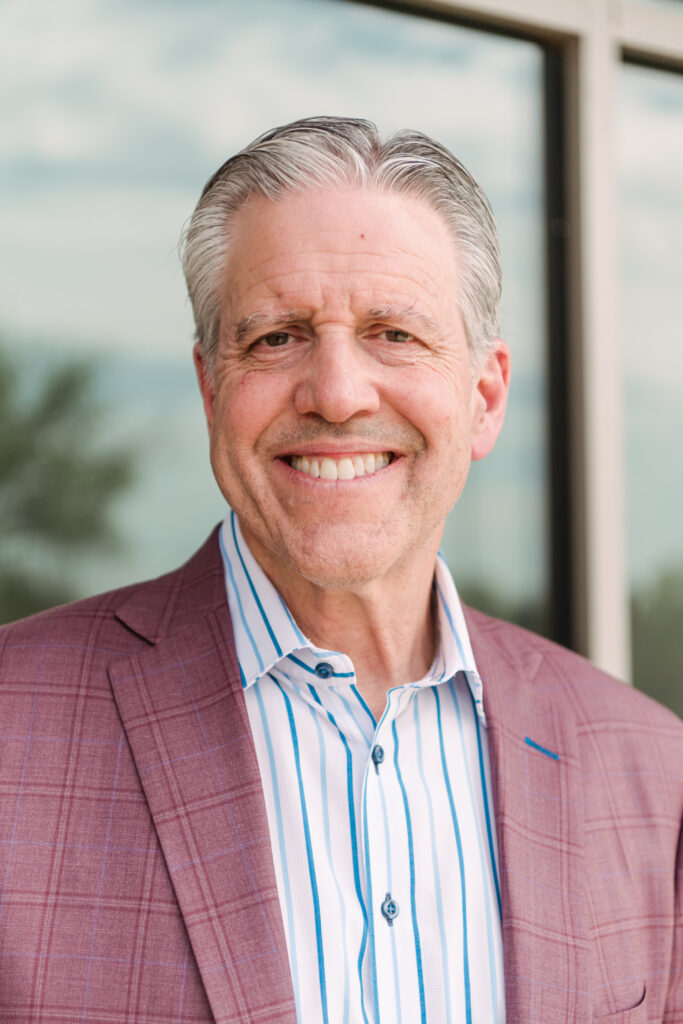 Headshot of Eli Eisenberg by Marlayna Demond ’11/UMBC.
When Eisenberg enrolled at UMBC in the 1980s, he used his interdisciplinary studies (INDS) major to develop a curriculum that primarily focused on broadcasting, American culture, and business and economics. To this day, he credits UMBC for his success and it’s something he’s been adamant about returning tenfold to the Retriever community.
“I knew at a young age that I wanted to be a television producer and director,” says Eisenberg ’86, INDS, who is now the CEO of VPC, an award-winning, full-service boutique production and broadcasting agency. VPC provided production services for UMBC Commencements as early as 1996 and was instrumental in the university’s momentous 50th anniversary celebration in 2016.
Through VPC, Eisenberg has created a successful working model where real-world training and education intersect. In 2016, America East signed a deal with ESPN to have conference basketball games on ESPN+.
And in the past seven broadcast seasons, VPC has partnered with UMBC—training more than 100 Retriever interns along the way—to put UMBC Athletics on television. Alumni from the program have gone on to work for the Baltimore Ravens, Baltimore Orioles, Philadelphia Eagles, CBS Sports, and many other freelance video and sports productions.
“Although the university doesn’t have a broadcasting major,” says Eisenberg, “through our ESPN initiative, students are trained to televise sporting events and are placed on the path to broadcasting careers.”
In 2022 Eisenberg sought to address another perennial need among student-athletes—he and his wife Patricia M. Vitale made a gift to support students’ mental health amid the pressures of navigating academic and athletic performances.
“We want to ensure that we always have a safety net and strong system in place for our athletes,” says Brian Barrio, UMBC’s director of Athletics. “Which is why Eli’s endowment is so generous and so important.”
The intersection of sports and mental health
While sports and journalism are at the heart of Eisenberg’s endowment, the real root of his generosity is his desire to see mental health be nurtured and prioritized for students, particularly athletes.
When the pandemic hit, the sports world experienced a great shift in how games were played and consumed by the audience (or lack thereof), and that extended to college sports. VPC began to experience firsthand the challenges of athletes playing in front of empty seats; it not only changed the dynamic of how athletes performed, but it also affected physical—and mental—endurance.
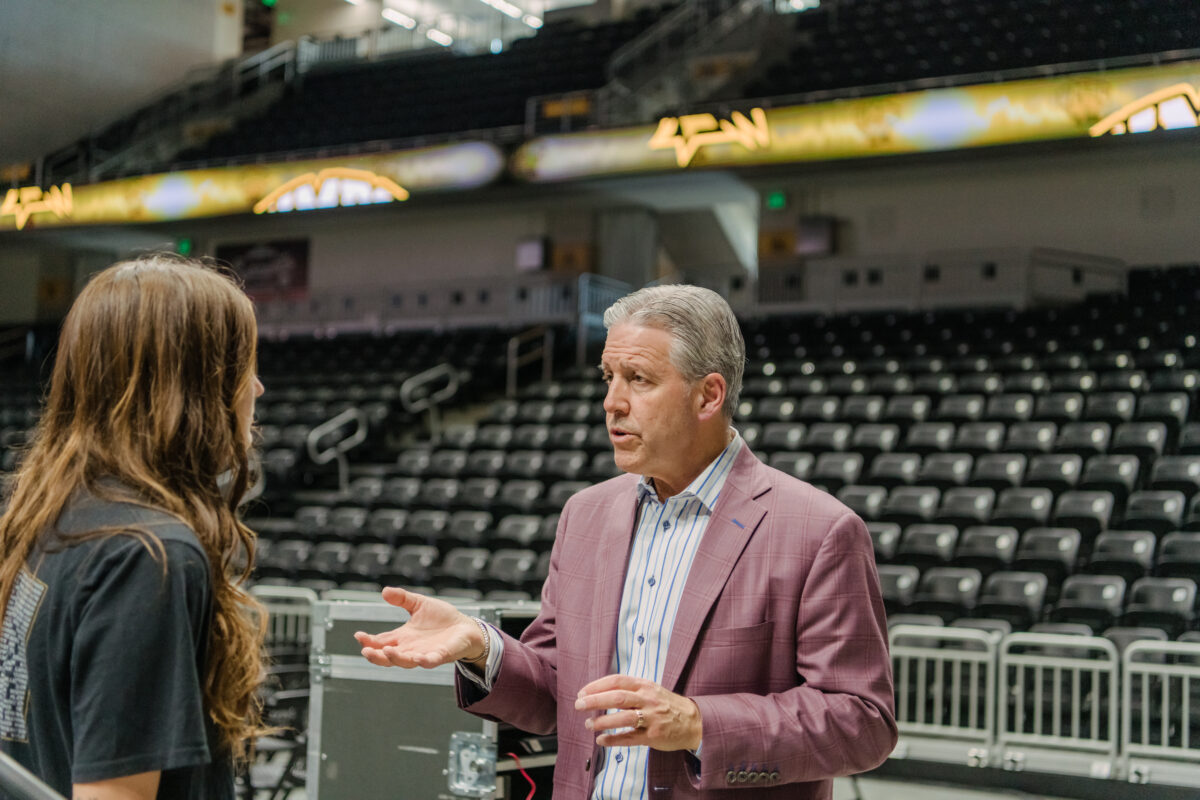 Top: Eisenberg chats with volleyball player Emily Genau ’26
in the CEI Arena about her entrepreneurial goals. (Marlayna
Demond ’11/UMBC)
Top: Eisenberg chats with volleyball player Emily Genau ’26
in the CEI Arena about her entrepreneurial goals. (Marlayna
Demond ’11/UMBC)
“It’s difficult enough for students to balance their athletic career with their academic one both pre- and post-pandemic. It’s very rigorous,” says Eisenberg. “It’s that much easier to become unmotivated when adding the challenge of playing in an empty arena or stadium after long bus trips.”
To expand on the other ways he supports UMBC students, Eisenberg established the Retriever Athletic Wellness Endowment, dedicated to supporting UMBC’s Division I athletes. The anticipated initiatives include nutrition, mental health programming, and sports medicine, among others.
Students reap the benefits
Austin Hood, a media and communication studies senior, who has interned with VPC since last semester, says the experience has provided him with mentors “who want to see me learn and step into different roles like hand-on camera work, replay, audio, director, technical director, utility, and much more.”
 VPC interns, including Austin Hood, center in the white sweatshirt, gather in the production corridor to go over their tasks. Photo courtesy of Eisenberg.
The internship has been invaluable, says Hood. “Eli has been transparent about what it took for him to get where he is. Working alongside him and others has shown me just how much work goes into what you see when you turn on a live sporting event. These experiences, to say the least, have me feeling eager and confident to take on a position anywhere in the production/broadcasting industry.”
The America East Conference, which UMBC is a part of, together with its ESPN partnership, is required to broadcast 300 or more events annually. On average, a conference school broadcasts 30 to 40 games annually and the number is expected to increase to 50—so, having students trained and available to help has been and will continue to be crucial.
“Since the onset of both broadcasting relationships—the conference and UMBC, as well as UMBC with VPC—the Retriever broadcasts have set the bar in production value, execution, and storytelling,” says Eisenberg.
A significant impact
 VPC interns work in the production corridor. Photo courtesy of Eisenberg.
Much like how Eisenberg developed his own hybrid curriculum as a UMBC student, he hopes that the school uses the money to establish whatever programs the student-athletes would need, ranging from nutrition to mental health services.
As a result of their gift, the Chesapeake Employers Insurance Arena backstage production corridor and loading dock will be named in recognition and honor of Eisenberg and his wife. The significance of the space is not lost on him.
“It’s where VPC trains students to be in sports broadcast,” he says with a smile.
By Nikoletta Gjoni ’09
]]>
Eli Eisenberg came into the world of Retriever sports not as a recruited athlete or a walk-on but from a completely different angle—broadcasting. Capturing the energy of the fans, the maneuvers on...
https://umbc.edu/stories/broadcasting-retriever-success-healthy-athletes/
https://my3.my.umbc.edu/api/v0/pixel/news/133821/guest@my.umbc.edu/8d723e80237e118c75a95983fe1377b9/api/pixel
alumni
athletics
giving
impact
inds
magazine
spring-2023
UMBC News & Magazine
https://my3.my.umbc.edu/groups/umbc-news-magazine
https://assets1-my.umbc.edu/system/shared/avatars/groups/000/001/943/24435aa6207c452e7bc15cc74b42c7bb/xsmall.png?1748556657
https://assets1-my.umbc.edu/system/shared/avatars/groups/000/001/943/24435aa6207c452e7bc15cc74b42c7bb/original.png?1748556657
https://assets2-my.umbc.edu/system/shared/avatars/groups/000/001/943/24435aa6207c452e7bc15cc74b42c7bb/xxlarge.png?1748556657
https://assets2-my.umbc.edu/system/shared/avatars/groups/000/001/943/24435aa6207c452e7bc15cc74b42c7bb/xlarge.png?1748556657
https://assets3-my.umbc.edu/system/shared/avatars/groups/000/001/943/24435aa6207c452e7bc15cc74b42c7bb/large.png?1748556657
https://assets1-my.umbc.edu/system/shared/avatars/groups/000/001/943/24435aa6207c452e7bc15cc74b42c7bb/medium.png?1748556657
https://assets2-my.umbc.edu/system/shared/avatars/groups/000/001/943/24435aa6207c452e7bc15cc74b42c7bb/small.png?1748556657
https://assets1-my.umbc.edu/system/shared/avatars/groups/000/001/943/24435aa6207c452e7bc15cc74b42c7bb/xsmall.png?1748556657
https://assets2-my.umbc.edu/system/shared/avatars/groups/000/001/943/24435aa6207c452e7bc15cc74b42c7bb/xxsmall.png?1748556657
UMBC News & Magazine
0
0
false
Thu, 01 Jun 2023 12:25:05 -0400

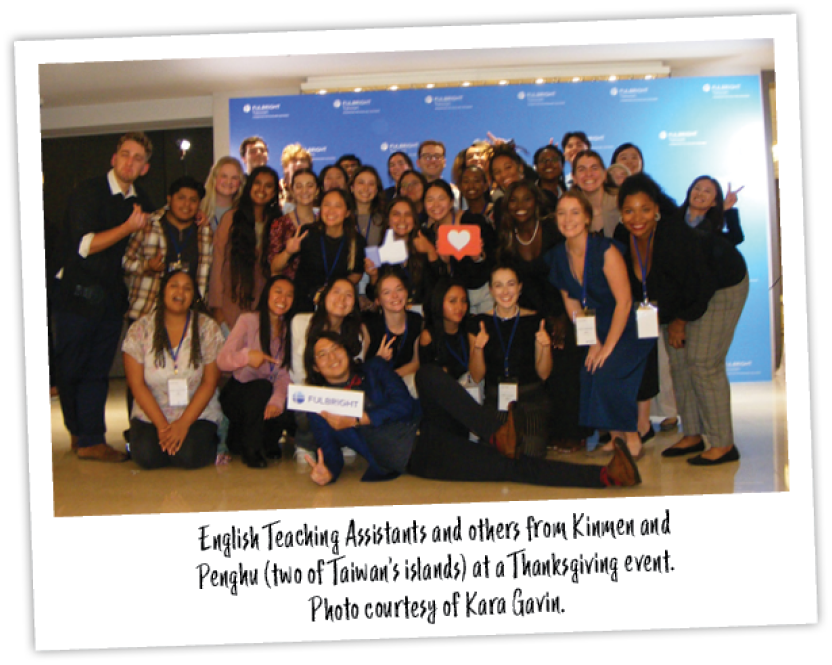
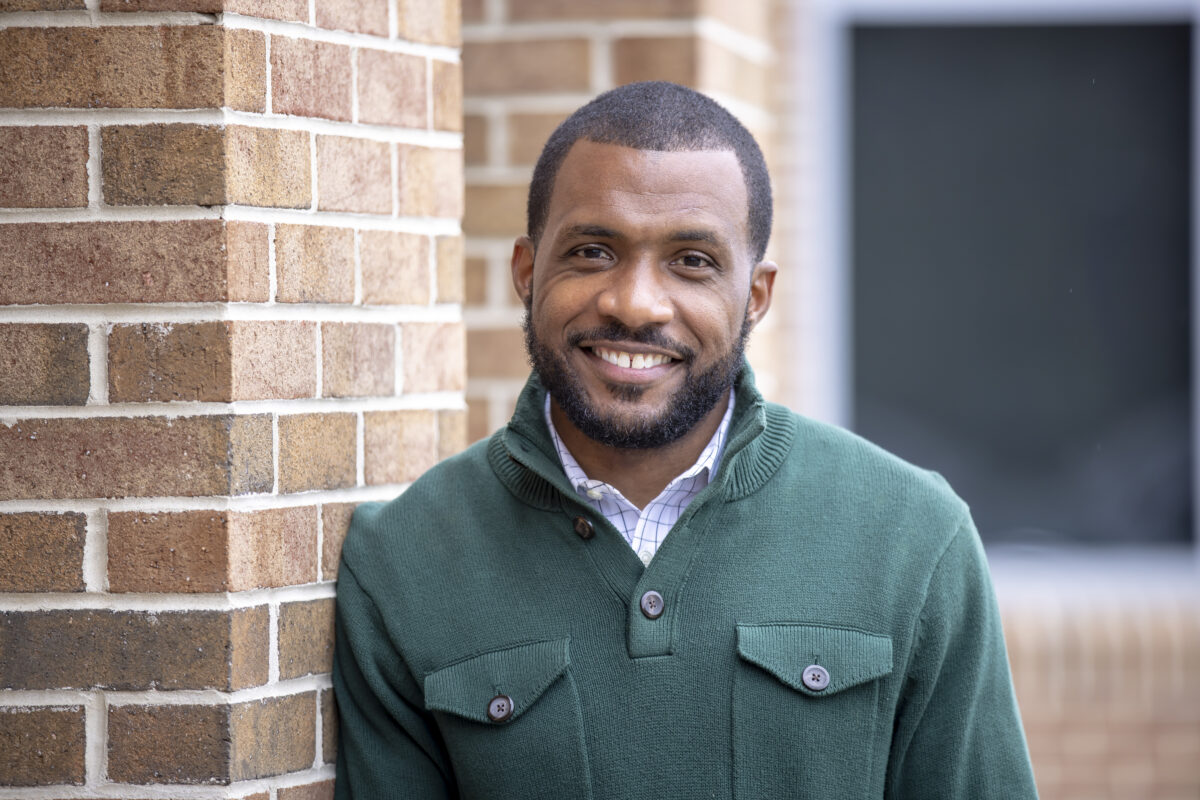
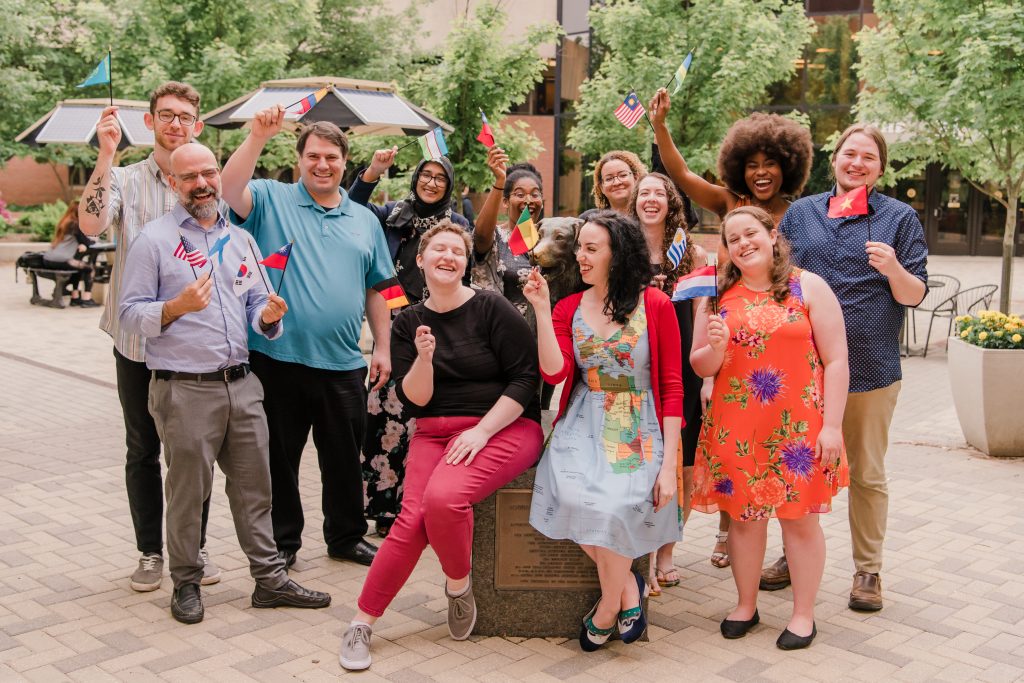 Souders (front left)with UMBC’s