Transforming the future of healthy aging: UMBC event highlights leading practices, research from Kanagawa and Maryland

UMBC recently partnered with the government of Japan’s Kanagawa prefecture to host the seminar “New Frontiers in Healthcare Management,” examining innovative approaches to an aging society. The UMBC organizers included the department of sociology, anthropology, and public health (SAPH), Erickson School of Aging Studies, and doctoral program in gerontology. The event brought together researchers, government leaders, and practitioners to discuss leading practices and new research on the management of healthy aging in Kanagawa and in Maryland.
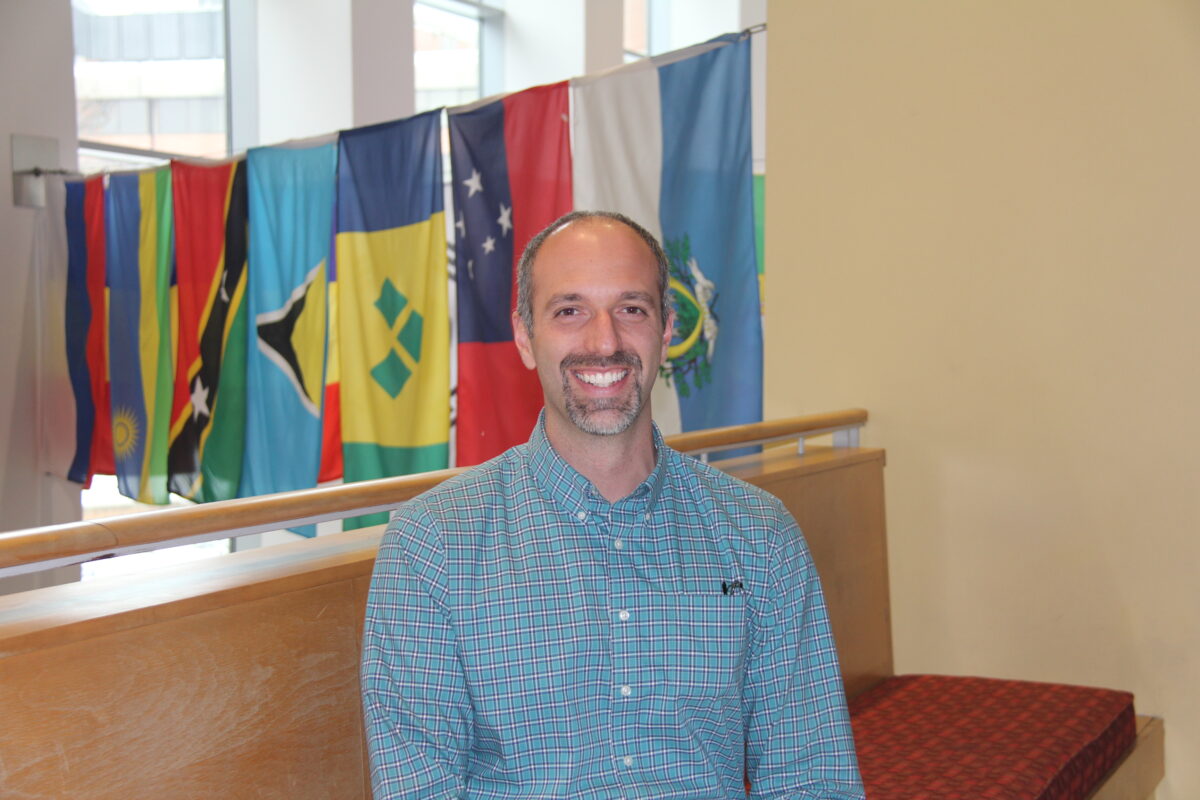
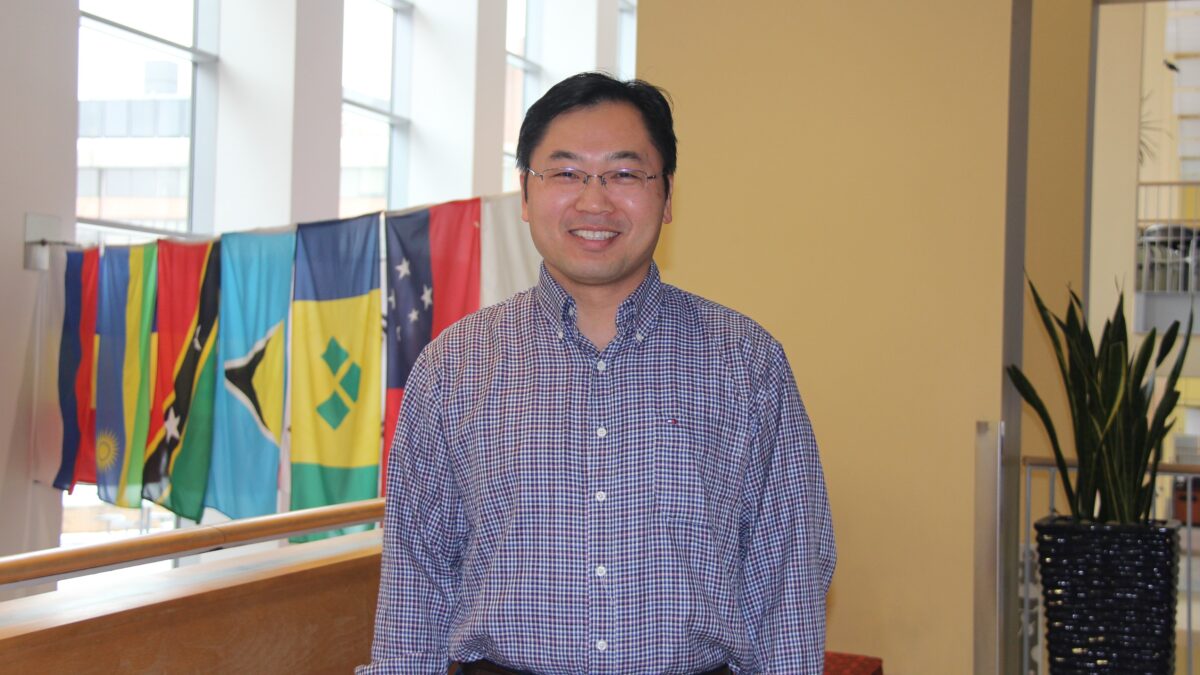
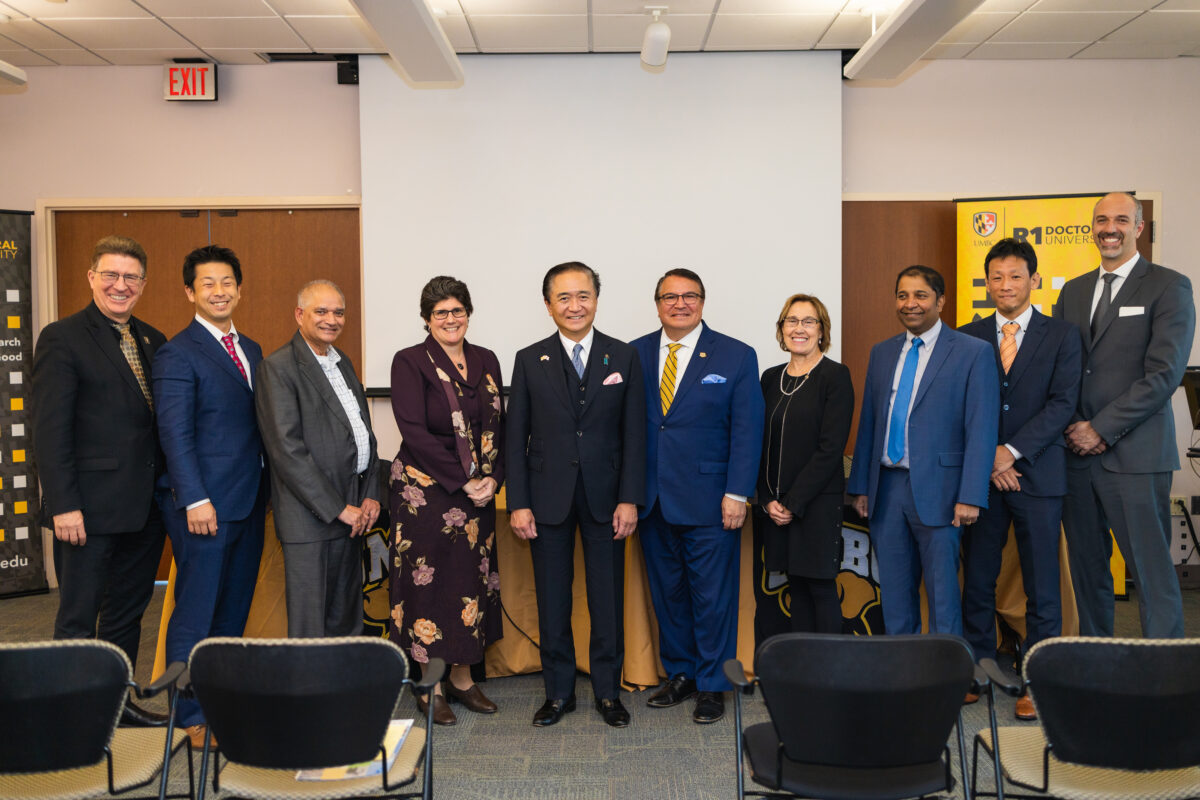 Speakers for the “New Frontiers in Healthcare Management” international seminar. (Photo by Kiirstn Pagan ’11)
Kanagawa has a population of over nine million people and is known as a “super-aging society,” with the largest aging population in the world and the highest number of centenarians. In 2017, Kanagawa Governor Yūji Kuroiwa developed and implemented the Kanagawa Prefecture’s Healthcare New Frontier health policy package to address the myriad needs of this population by embracing past and present methods of proactive healthcare management.
The seminar’s participants from Japan shared how these policies can inform the future management of aging societies and the development of impactful life science technologies across the world, with Maryland as a leading partner.
“This event has been a wonderful opportunity to celebrate the 40th anniversary of our partnership as a sister state with the Kanagawa Prefecture,” said Luis E. Borunda, the Maryland Deputy Secretary of State, at the event. “Yūji Kuroiwa, governor of Kanagawa Prefecture, has always been at the forefront of what it means to age well. He is transforming the world to be a better place to grow older with the concept ‘ME-BYO.’”
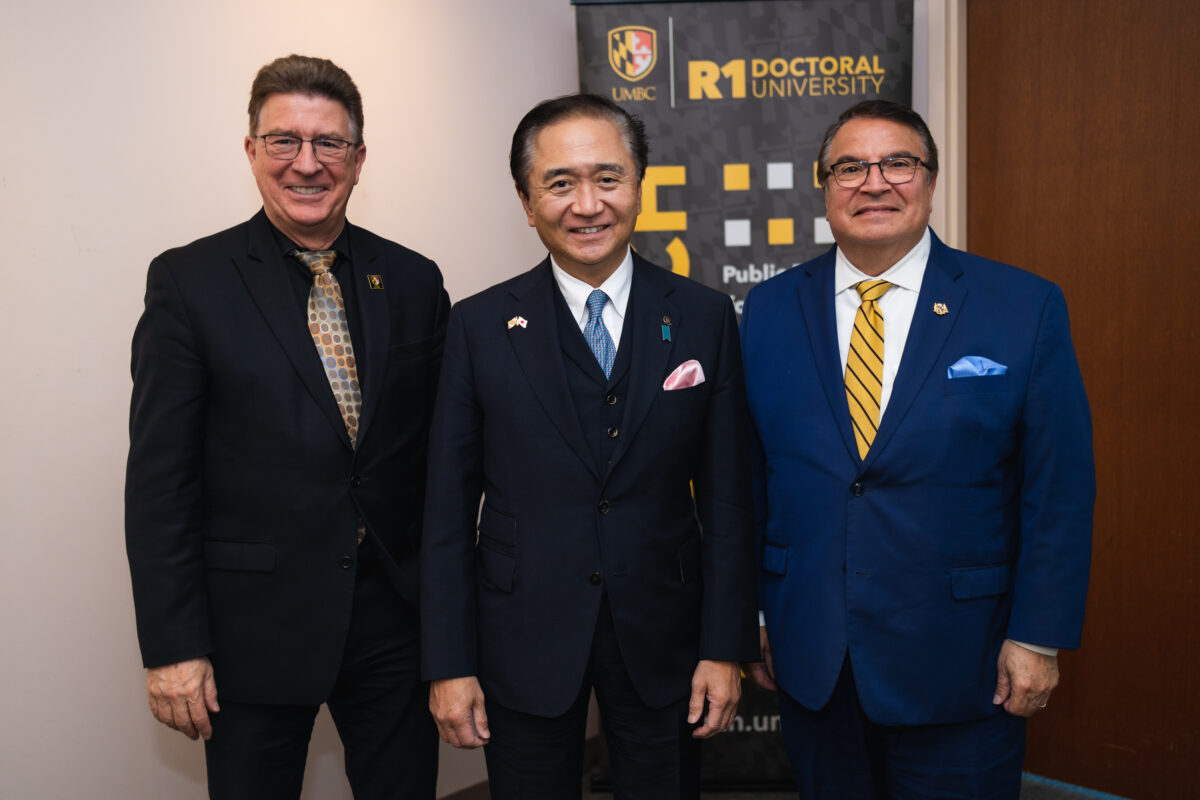 (l-r): Steiner, Kuroiwa, Borunda. (Photo by Kiirstn Pagan ’11)
ME-BYO meets medical technologies
ME-BYO is a state of being where a person is defined as neither sick nor healthy, but living in a continual state of maintaining good health wherever they are in the spectrum of personal wellbeing. Governor Kuroiwa’s Healthcare New Frontier health policy combines the traditional concept of ME-BYO with advanced technology, regenerative medicine, robotics, and information and communication technologies.
“When we think of our health, we think that we are either healthy or sick, but in reality, there is no cut line. Our state of health gradually changes between healthy and sick every day. This is the state of ME-BYO,” said Governor Kuroiwa. “To manage and improve our health is to manage ME-BYO.”
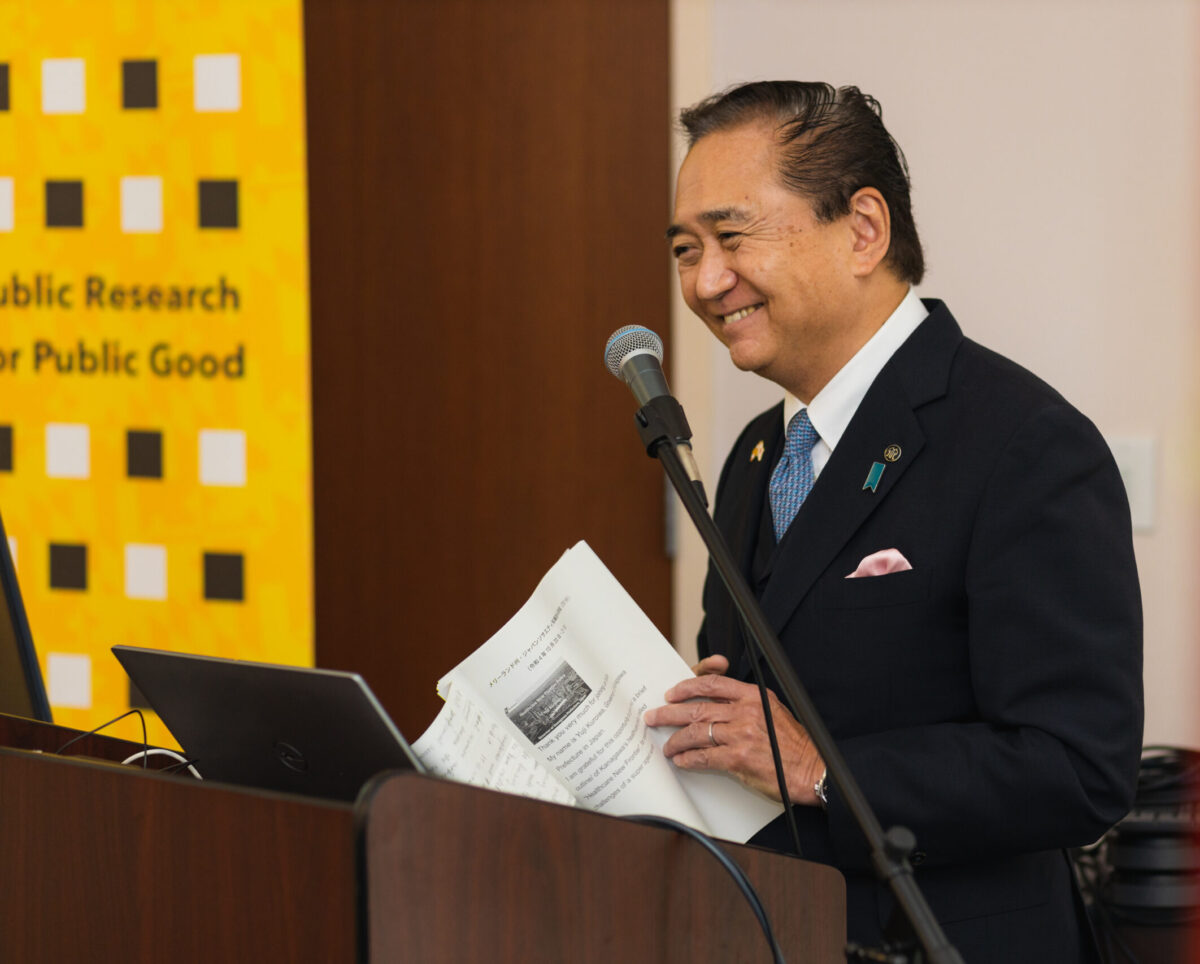 Yūji Kuroiwa, governor of Kanagawa Prefecture. (Photo by Kiirstn Pagan ’11)
The purpose of the prefecture’s new health policy is to prevent illness and minimize illness progression through programs that promote healthy behaviors such as a balanced diet, exercise, and social activities. This includes fostering age-friendly living communities that can improve physical and mental health. The ME-BYO approach also encourages monitoring vital signs using biomedical life science technologies.
“By integrating the ME-BYO concept with advanced medical technologies we aim for healthy longevity as well as create new industries and markets,” said Governor Kuroiwa. “We hope to strengthen partnerships between Maryland and Kanagawa Prefecture to further the development of the life science industry in both.”
Benefits of lifelong learning
At UMBC, aging research can be found across a broad range of disciplines, using different approaches. Some faculty focus on lifelong learning and education or trauma-centered care. Others take novel approaches to data collection, management, and analysis to develop insights on healthy aging and the life course and the social determinants of health, such as access to quality healthcare, living environments, social networks, and economic forces.
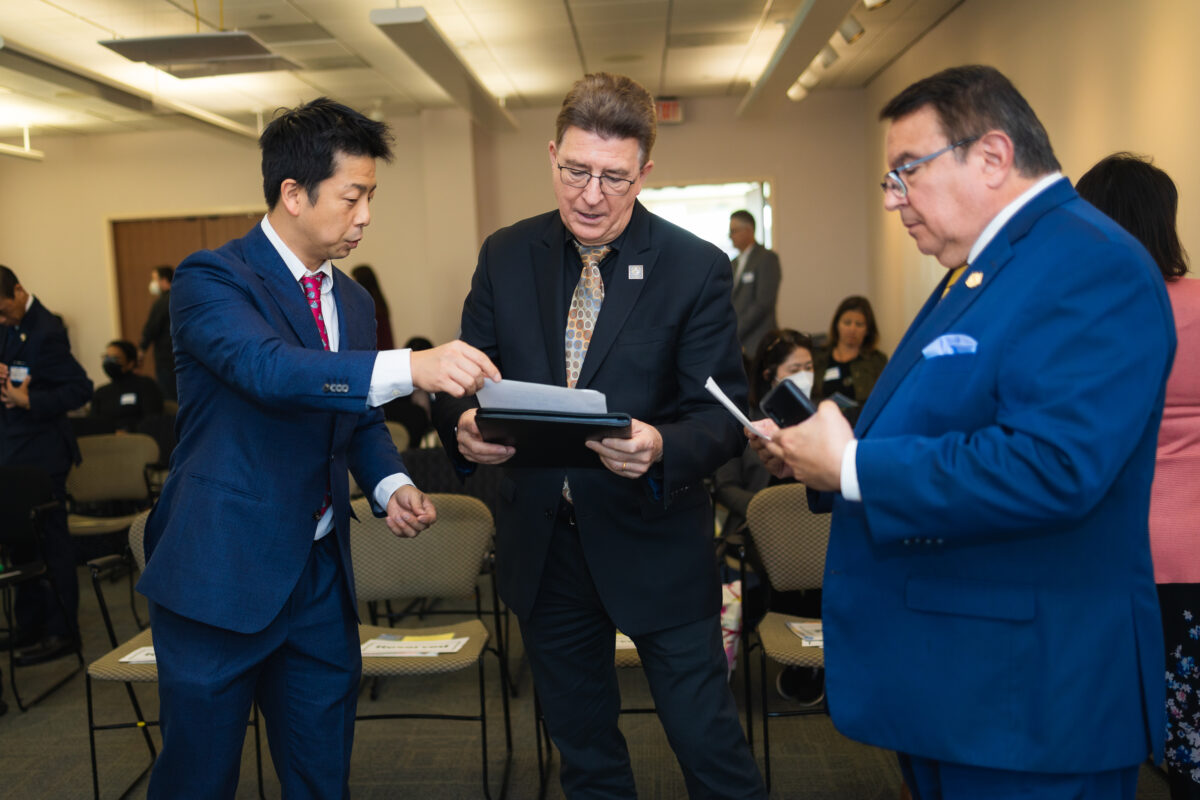 (l-r): Yamashita, Steiner, Borunda. (Photo by Kiirstn Pagan ’11)
Research by UMBC’s Taka Yamashita, a professor of SAPH, has revealed that individuals with high educational attainment are more likely to pursue education activities later in life. Preliminary findings have found that lifelong learning has a strong correlation to long-term health and wellbeing. However, further research is needed to understand why this link exists.
“The optimal goal of my research is to create a situation where we can actually prescribe lifelong learning just like we do physical activities today, to maintain and promote health and wellbeing later in life,” says Yamashita.
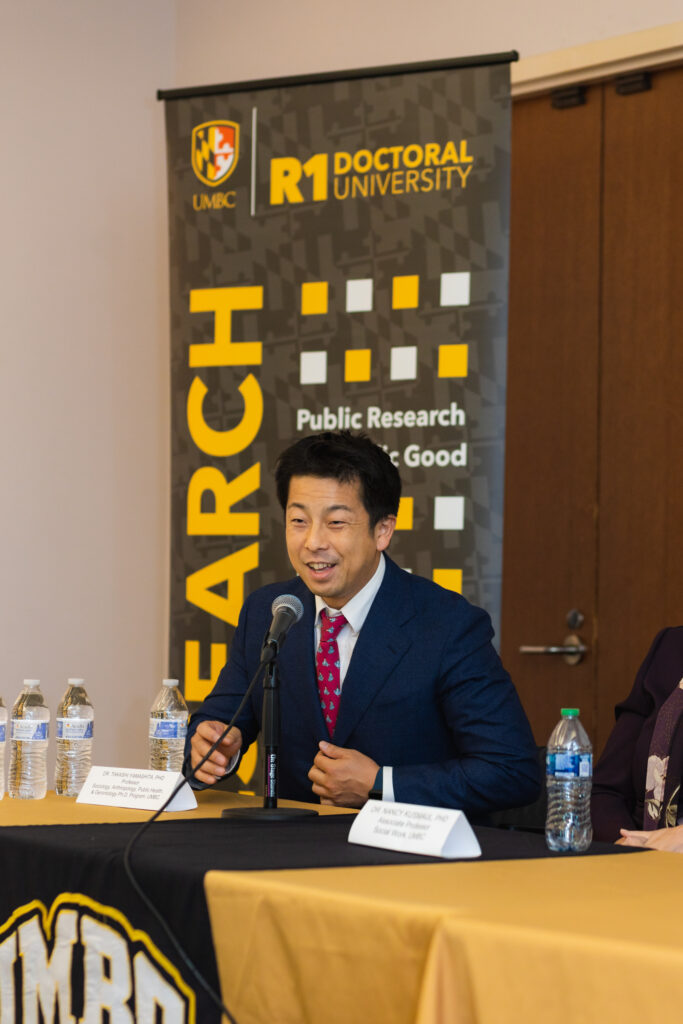 Taka Yamashita. (Photo by Kiirstn Pagan ’11)
Statistical models to improve health outcomes
In order to engage more people in lifelong learning and other activities that promote well-being, communities need help to prevent or minimize their risks of adverse health events, the speakers also noted. Ian Stockwell, an associate professor of information systems, spoke about the potential of statistical models to support healthy aging and the ongoing community engagement of older adults.
Stockwell is the associate director of healthcare research in UMBC’s College of Engineering and Information Technology and also a liaison to The Hilltop Institute at UMBC, which develops predictive analytics related to healthcare. Stockwell was previously chief data scientist at Hilltop and his current research focuses on the use of data to improve healthcare systems.
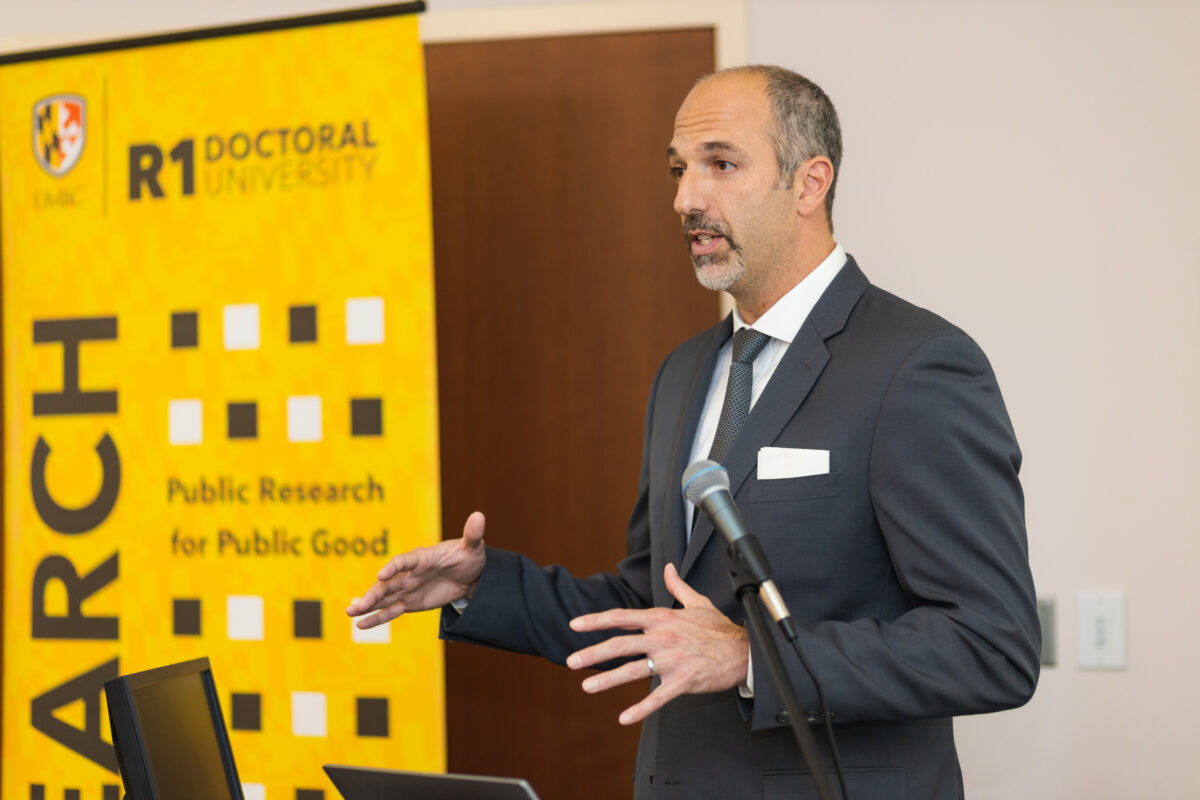 Ian Stockwell. (Photo by Kiirstn Pagan ’11)
For the last three years, Stockwell and a team of Hilltop researchers have been building statistical models incorporating the characteristics that influence the health and wellbeing of a person, like chronic conditions and access to food, transportation, and housing. Their models can measure not only the risk of a population for adverse health events—such as avoidable hospital visits, complications due to diabetes, or premature death—but also the role of factors and characteristics associated with their daily environment.
Often, people who are most at risk of negative health outcomes are not able to seek care. One goal of this research is to use the information from the models to inform the creation of an intervention outreach team that can identify those individuals with the highest risk and get them the services that they need.
“These models currently predict avoidable hospitalization, avoidable long-term admission to nursing homes, complications due to diabetes, and opioid overdoses,” says Stockwell. “I love helping people and these models have served two-million Marylanders who are covered by Medicare and Medicaid.”
Trauma-informed care
Trauma is an important event in the life course that can impact health and health outcomes for people in any population. For residents of long-term care and nursing homes, trauma-informed care is essential to psychosocial well-being, UMBC researchers shared. UMBC’s Nancy Kusmaul, an associate professor of social work, and Brandy Wallace, an associate professor of SAPH, are working to help nursing homes implement trauma-informed care practices.
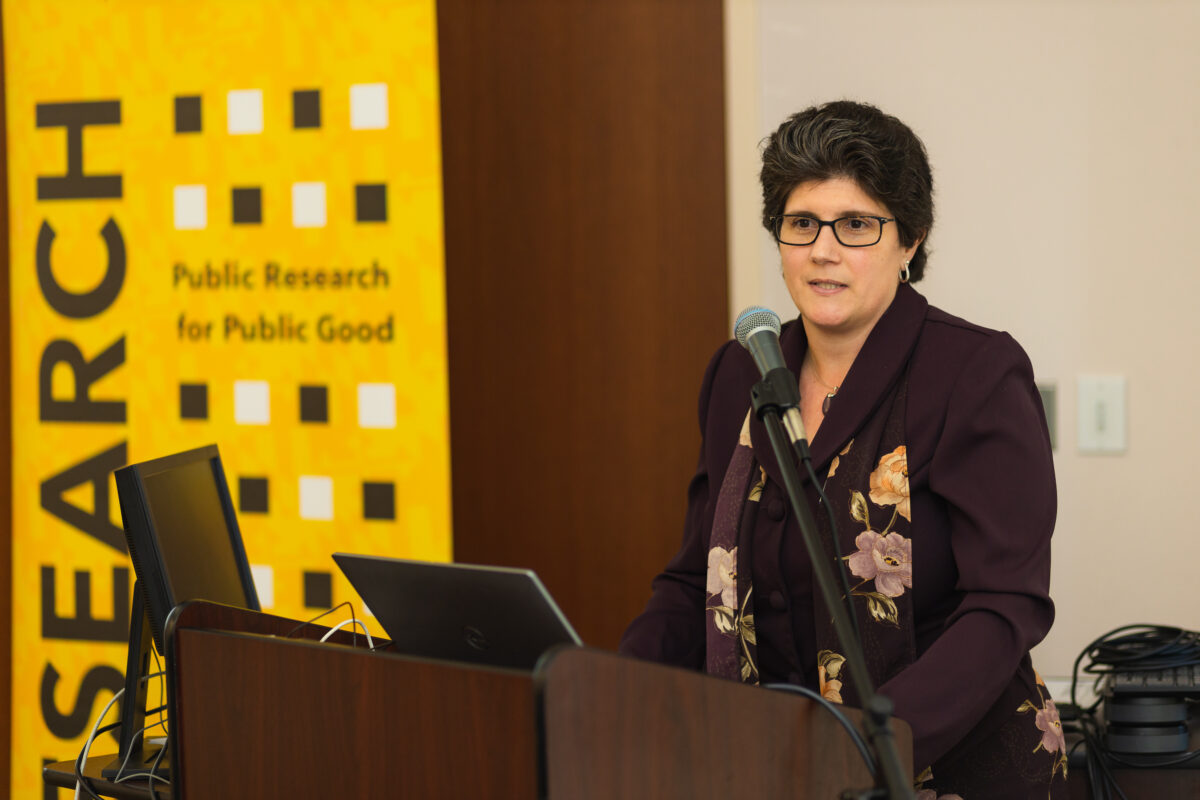 Nancy Kusmaul. (Photo by Kiirstn Pagan ’11)
“Trauma-informed care is a perspective and organizational model that presumes residents, staff, caregivers, family members, and anyone who might be at the nursing home, might have experienced some kind of trauma that we might not know,” said Kusmaul at the event.
Traumas that people experience because of gender, age, location, discrimination, and oppression can be perceived differently around the world, she explained. Trauma-informed care increases the compassion and empathy that caregivers can provide and helps them focus their care in a way that reduces retraumatization for everyone, supporting wellbeing.
Trauma-informed practices may look different across cultures, but they are important to explore deeply whether someone is in Maryland or Kanagawa, noted Kusmaul. “They are part of the human experience,” she said. “No matter who you are, where you are, or your nationality, trauma-informed care is essential to the wellbeing of all populations.”
A vision for healthy aging
Madhav Thambisetty, a senior clinical investigator at the National Institute of Aging, also spoke at the seminar, sharing research on pharmaceutical advances in aging care. Manabu Seo, chief executive officer at Elixirgen Scientific, and Rama Modali, chief executive officer of Reprocell USA, discussed advances in drug discovery and regenerative medicine.
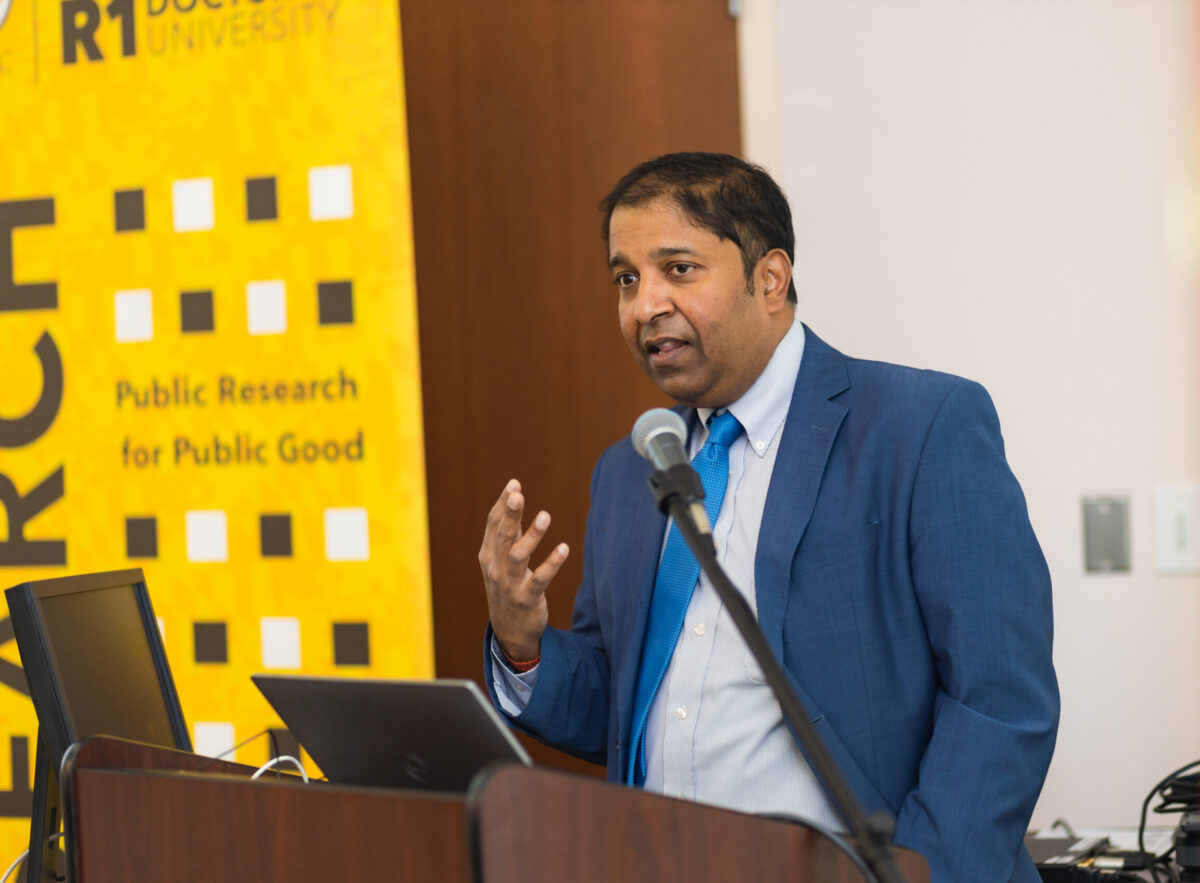 Madhav Thambisetty. (Photo by Kiirstn Pagan ’11)
The seminar concluded with a panel including Yamashita, Kusmaul, Stockwell, and Governor Kuroiwa, led by Dana Bradley, dean of the Erickson School, as well as a poster presentation featuring work by doctoral students from the UMB/UMBC Doctoral Program in Gerontology and the UMB School of Social Work .
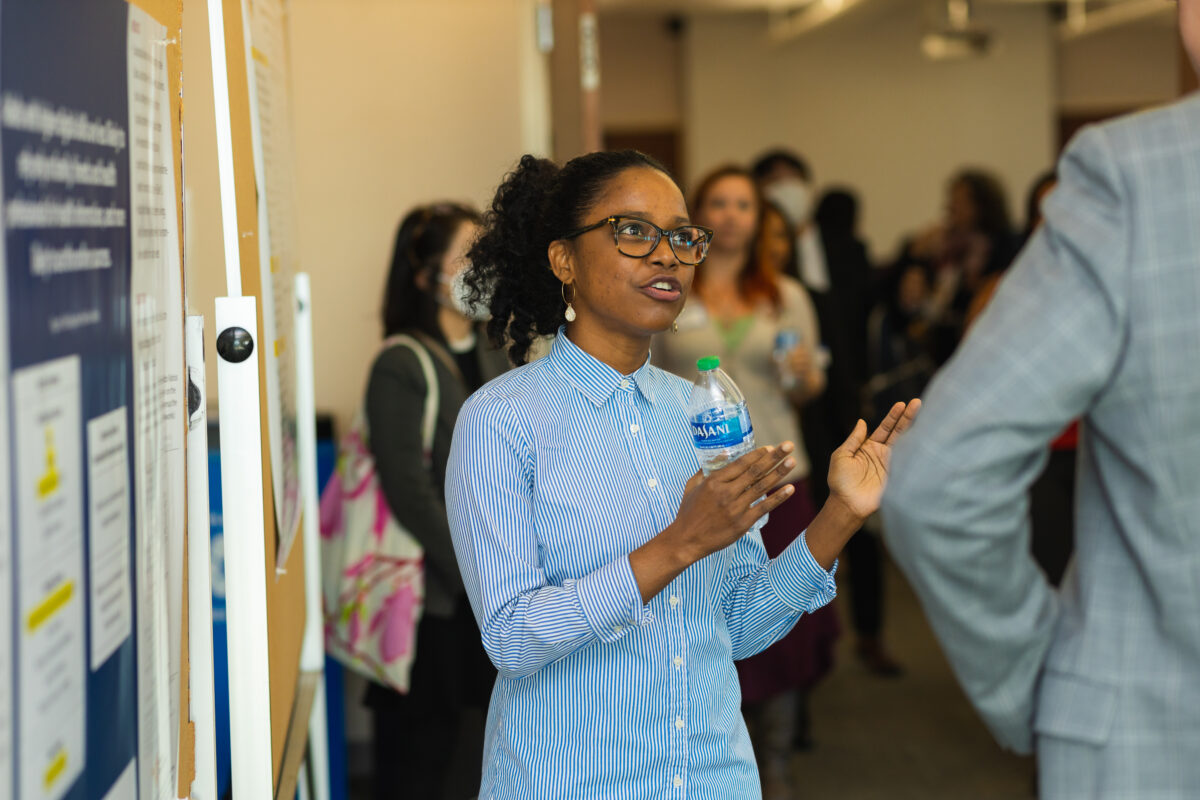 Donnette Narine, a gerontology doctoral student, discusses her poster with Stockwell.
(Photo by Kiirstn Pagan ’11)
The consensus for the future of healthy aging was that no single perspective or narrow approach will be successful. Supporting the health and wellbeing of the aging population depends on international innovation and collaboration in life science biotechnologies, novel clinical approaches, effective data management and analysis, and thoughtful approaches to care and wellbeing centered on human experiences.
“UMBC played an important role in connecting Kanagawa and Maryland, through education and research, to develop this unique international seminar,” said Yamashita. “I hope that this seminar inspired policymakers, researchers, and students to critically examine how the ME-BYO concept and policy may contribute to our current views on aging and healthcare.”
]]>
UMBC recently partnered with the government of Japan’s Kanagawa prefecture to host the seminar “New Frontiers in Healthcare Management,” examining innovative approaches to an aging society. The...
https://umbc.edu/stories/transforming-the-future-of-healthy-aging-umbc-event-highlights-leading-practices-research-from-kanagawa-and-maryland/
https://my3.my.umbc.edu/api/v0/pixel/news/129491/guest@my.umbc.edu/c1038a8e5726562cd2f7ff6575f2779a/api/pixel
cahss
cahssresearch
ericksonschool
information-systems
international
news
policy-and-society
research
saph
science-and-tech
socialwork
UMBC News & Magazine
https://my3.my.umbc.edu/groups/umbc-news-magazine
https://assets1-my.umbc.edu/system/shared/avatars/groups/000/001/943/24435aa6207c452e7bc15cc74b42c7bb/xsmall.png?1748556657
https://assets1-my.umbc.edu/system/shared/avatars/groups/000/001/943/24435aa6207c452e7bc15cc74b42c7bb/original.png?1748556657
https://assets2-my.umbc.edu/system/shared/avatars/groups/000/001/943/24435aa6207c452e7bc15cc74b42c7bb/xxlarge.png?1748556657
https://assets2-my.umbc.edu/system/shared/avatars/groups/000/001/943/24435aa6207c452e7bc15cc74b42c7bb/xlarge.png?1748556657
https://assets3-my.umbc.edu/system/shared/avatars/groups/000/001/943/24435aa6207c452e7bc15cc74b42c7bb/large.png?1748556657
https://assets1-my.umbc.edu/system/shared/avatars/groups/000/001/943/24435aa6207c452e7bc15cc74b42c7bb/medium.png?1748556657
https://assets2-my.umbc.edu/system/shared/avatars/groups/000/001/943/24435aa6207c452e7bc15cc74b42c7bb/small.png?1748556657
https://assets1-my.umbc.edu/system/shared/avatars/groups/000/001/943/24435aa6207c452e7bc15cc74b42c7bb/xsmall.png?1748556657
https://assets2-my.umbc.edu/system/shared/avatars/groups/000/001/943/24435aa6207c452e7bc15cc74b42c7bb/xxsmall.png?1748556657
UMBC News & Magazine
0
0
false
Wed, 30 Nov 2022 15:22:28 -0500
Wed, 30 Nov 2022 15:22:28 -0500
The Hilltop Institute at UMBC revolutionizes data analytics to advance health and wellbeing

Two researchers from The Hilltop Institute at UMBC just received a National Science Foundation (NSF) grant to investigate hospital price transparency. With the nearly $300,000 award funded by the Build and Broaden initiative, Morgan Henderson, principal data scientist and affiliate professor of economics, and Morgane Mouslim, policy analyst, will collect and synthesize prices for common health services now being posted by hospitals in response to a 2021 federal mandate intended to help patients “shop” for lower-priced care. Henderson and Mouslim will use the data to study hospital pricing behavior, and they will also make the data available to other researchers.
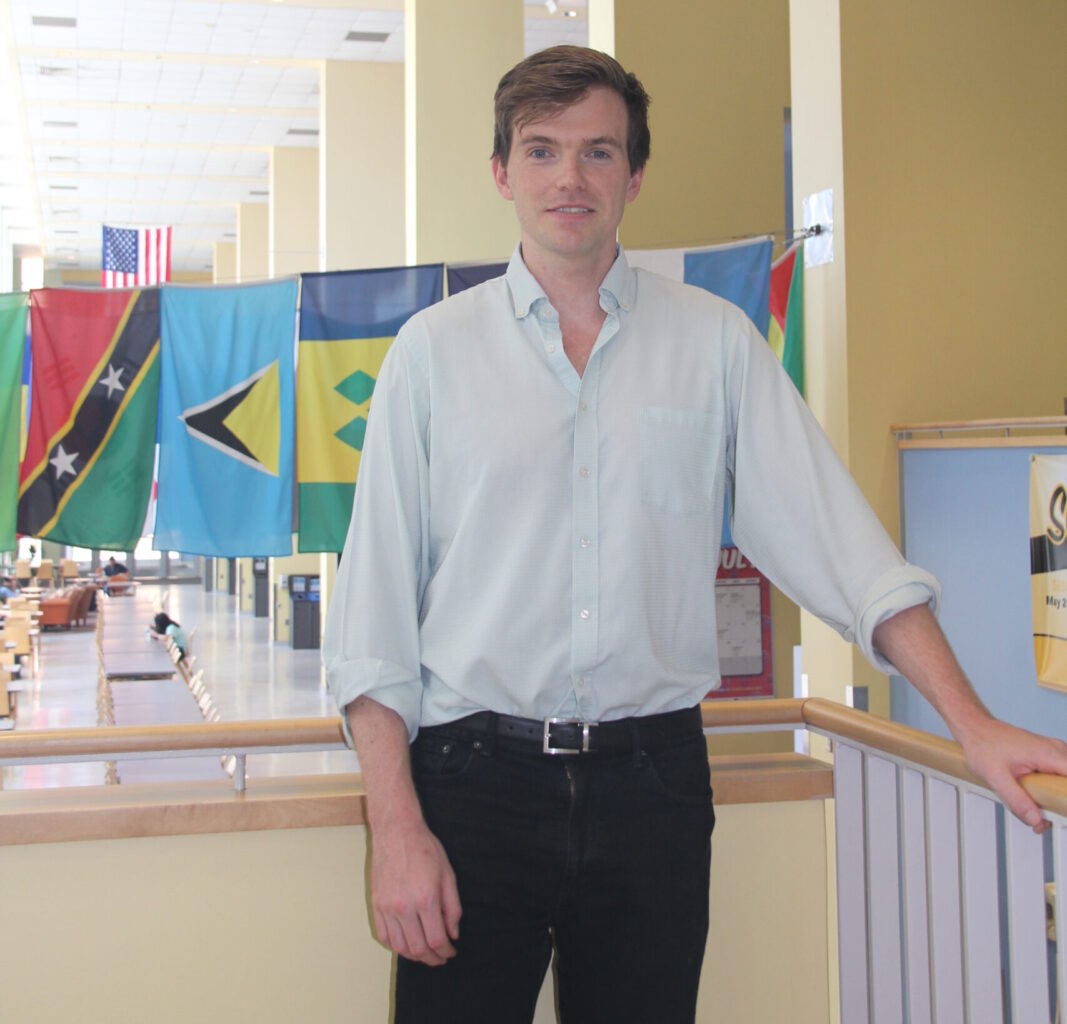 Morgan Henderson. (Image courtesy of Hilltop)
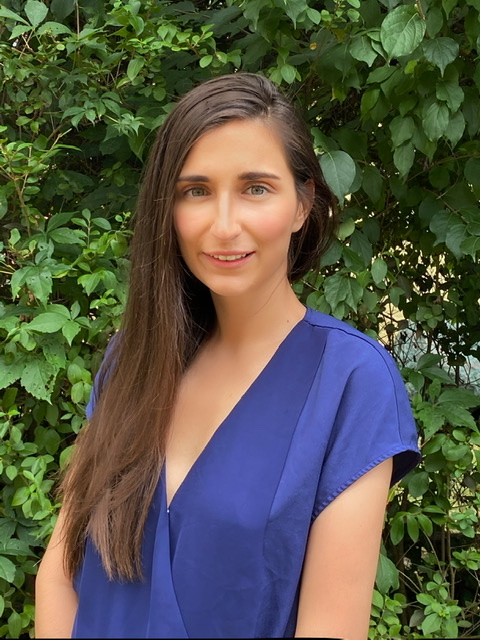 Morgane Mouslim. (Image courtesy of Hilltop)
Hospital care is a major driver of spiraling health care costs and this work has the potential to refocus the conversation among policymakers, practitioners, and consumers. It’s also just one of Hilltop’s numerous high-impact research projects from a nearly 30-year history at UMBC. A hallmark of that research is partnership.
Collaboration from day one
Hilltop launched at UMBC in 1994, in partnership with the Maryland Department of Health. One of Hilltop’s first tasks was to design HealthChoice, the state’s Medicaid managed care program that now serves more than 1.7 million Marylanders.
More than a quarter of a century later, the partnership has grown to advance access to high-quality health care by providing Maryland policymakers and state agencies with the information they need to make well-informed, evidence-based decisions about health care delivery and financing.
This collaborative work has garnered Hilltop national recognition as a model public university-state agency partnership. State officials and university researchers from across the country turn to Hilltop for advice on forming productive partnerships. Hilltop is also a founding member of a national network of partnerships representing 27 states that are a leading force in advancing sophisticated analytics to inform state health policy.
Advancing Medicaid
Hilltop pairs novel problem-solving and big data to address pressing issues related to access to health care and the delivery and financing of services. A major piece of this involves working with the Maryland Department of Health to advance the health of Marylanders with low incomes and disabilities in the Medicaid program. Hilltop’s interagency agreement with the Department for policy analysis and analytical support for the Medicaid program—renewed annually since 1994—topped $10 million in 2022.
Hilltop maintains an extensive data repository to house Maryland Medicaid data. Using this data, Hilltop calculates the fixed monthly payments the state pays to health plans for each of its members participating in HealthChoice, totaling more than $7 billion in 2022. The repository also houses Maryland hospital discharge data, Medicare data, nursing home assessment data, data on commercially insured individuals, and more. Hilltop is building interactive data dashboards and visualizations that the Department can use daily to guide decision-making on programs and services.
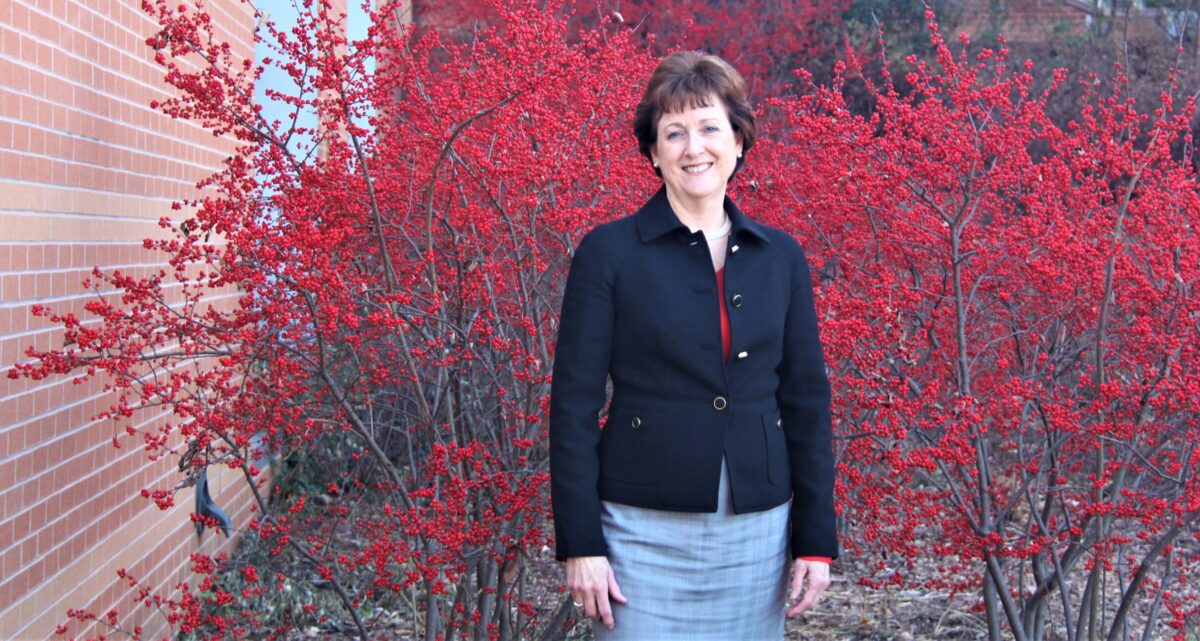 Cynthia Woodcock. (Image courtesy of Hilltop)
“Hilltop has expanded and solidified its role as a vital resource for high-quality data analytics for Maryland’s Medicaid program,” says Cynthia H. Woodcock, executive director of Hilltop and an adjunct professor at UMBC’s Erickson School of Aging Studies.
Tools for the health system
In addition to its Medicaid-related work, Hilltop has developed a series of innovative analytical tools that are supporting Maryland’s state-of-the-art health care system, called the Total Cost of Care Model.
Maryland hospitals use Hilltop’s web-based tool to report community benefit activities and expenditures. The tool streamlines data collection and enables statewide longitudinal analysis of community benefit data. The findings inform efforts to improve population health under the Total Cost of Care Model.
 Ian Stockwell, an associate professor in information systems and former chief data scientist at Hilltop, worked with Hilltop senior data scientists Fei Han and Morgan Henderson for over a year. Then, in October 2019, they launched the Hilltop Pre-AH Model
 . (Image courtesy of Hilltop)
Hilltop launched the Hilltop Pre-AH Model to help identify patients in the Maryland Primary Care Program—part of Maryland’s Total Cost of Care Model—who would benefit most from intensive primary care coordination, which can help to prevent unnecessary hospitalizations. Innovations like these are designed to simultaneously improve the health care patients receive and decrease unnecessary costs to the health care system.
 Fei Han, principal data scientist at Hilltop and affiliate assistant professor of computer science and electrical engineering, received a COVID-19 Accelerated Translational Incubator Pilot (ATIP) award to further develop the Hilltop Pre-AH Model, to help predict and reduce patients’ risk of being hospitalized due to COVID-19. (Image courtesy of Hilltop)
Rapid response to COVID-19
Thanks to its strong relationships with the Department of Health and other state agencies, when the coronavirus pandemic began, Hilltop was able to quickly respond to requests for data on COVID-19 testing, hospitalizations, and vaccinations. They also provided daily support to the Department on implementing data-informed emergency measures and guidance for health care providers.
Now in the third year of the pandemic, Hilltop continues to support the state with COVID-related analytics to inform a wide range of infrastructure and service needs. Hilltop researchers also expanded the groundbreaking Pre-AH Model to predict a patient’s risk of being hospitalized for COVID-19, funded by a COVID-19 Accelerated Translational Incubator Pilot (ATIP).
Public health impact
Hilltop continues to address long-standing critical public health concerns, from HIV to tobacco use to the opioid epidemic.
Hilltop is a member of the Maryland HIV Medicaid Affinity Group and the Greater Baltimore HIV Health Services Planning Committee and provides technical support and analytics for HIV services offered to Medicaid participants.
In collaboration with the Center for Mississippi Health Policy, Hilltop researchers quantified the financial impact of tobacco use on Mississippi’s Medicaid program and estimated the economic impact on the state budget and hospitals if the state were to expand Medicaid as the Affordable Care Act allows.
With funding from the National Institute on Drug Abuse, Hilltop and twelve other states’ university partners are assessing the quality of opioid use disorder treatment and its outcomes for Medicaid participants.
Another project includes researchers at Virginia Commonwealth University. This study examines the effect of new Medicaid programs in Maryland and Virginia that increase access to the full continuum of addiction treatment services, seeking to reduce overdose deaths.
Hilltop’s visionary work continues to set the bar for health care data analytics. It illustrates how the emerging field of data science can tangibly improve health care access and affordability and can reshape the understanding of the social determinants of health.
Woodcock reflects, “The Hilltop Institute epitomizes the spirit of UMBC’s mission to integrate teaching, research and engaged scholarship, and service to benefit communities in Maryland and beyond.”
]]>
Two researchers from The Hilltop Institute at UMBC just received a National Science Foundation (NSF) grant to investigate hospital price transparency. With the nearly $300,000 award funded by the...
https://umbc.edu/stories/the-hilltop-institute-at-umbc-revolutionizes-data-analytics/
https://my3.my.umbc.edu/api/v0/pixel/news/127155/guest@my.umbc.edu/d7fc2d1860b6d439d3f0c7bf2226c77e/api/pixel
computer-science
covidresearch
economics
electrical-engineering
ericksonschool
hilltopinstitute
information-systems
majoraward
news
policy-and-society
rca-2
research
science-and-tech
UMBC News & Magazine
https://my3.my.umbc.edu/groups/umbc-news-magazine
https://assets1-my.umbc.edu/system/shared/avatars/groups/000/001/943/24435aa6207c452e7bc15cc74b42c7bb/xsmall.png?1748556657
https://assets1-my.umbc.edu/system/shared/avatars/groups/000/001/943/24435aa6207c452e7bc15cc74b42c7bb/original.png?1748556657
https://assets2-my.umbc.edu/system/shared/avatars/groups/000/001/943/24435aa6207c452e7bc15cc74b42c7bb/xxlarge.png?1748556657
https://assets2-my.umbc.edu/system/shared/avatars/groups/000/001/943/24435aa6207c452e7bc15cc74b42c7bb/xlarge.png?1748556657
https://assets3-my.umbc.edu/system/shared/avatars/groups/000/001/943/24435aa6207c452e7bc15cc74b42c7bb/large.png?1748556657
https://assets1-my.umbc.edu/system/shared/avatars/groups/000/001/943/24435aa6207c452e7bc15cc74b42c7bb/medium.png?1748556657
https://assets2-my.umbc.edu/system/shared/avatars/groups/000/001/943/24435aa6207c452e7bc15cc74b42c7bb/small.png?1748556657
https://assets1-my.umbc.edu/system/shared/avatars/groups/000/001/943/24435aa6207c452e7bc15cc74b42c7bb/xsmall.png?1748556657
https://assets2-my.umbc.edu/system/shared/avatars/groups/000/001/943/24435aa6207c452e7bc15cc74b42c7bb/xxsmall.png?1748556657
UMBC News & Magazine
0
0
false
Wed, 31 Aug 2022 10:23:51 -0400
Wed, 31 Aug 2022 10:23:51 -0400
URCAD 2021 showcases creativity, resilience of UMBC student researchers
UMBC’s Undergraduate Research and Creative Achievement Day (URCAD) has burst out of the ballroom and onto computer screens around the world. For the second year in a row, the popular undergraduate research forum will be entirely online due to the pandemic, using a video presentation and online discussion tool called VoiceThread. But unlike 2020, no rapid shift is needed. After over a year of largely online learning and research, everyone involved is ready to take full advantage of the virtual medium.
“This event has gone global,” says April Householder ’95, director of undergraduate research and prestigious scholarships. Being online means URCAD leapt from about 2,500 people attending in person in 2019 to 8,000 virtual visits in 2020. “Viewers were coming in from as far away as the U.K., Korea, and South America,” says Householder. She expects that trend will continue this year.
 April Householder, 2018. Photo by Michael Mower.
Having a full week to explore URCAD this year also means viewers will have ample time to browse the available sessions, rather than “rushing from one thing to another,” says Householder, as they used to do at the in-person event. They’ll be able to explore, at their own pace, research on a vast array of topics, from the effects of anti-Asian discrimination during the COVID-19 pandemic to the Black Lives Matter movement, to cancer treatment, skateboarding culture, and online sneaker sales.
Connecting beyond boundaries
In lieu of face-to-face chats, visitors will be able to participate in online discussions with student presenters. Last year a research group in UMBC’s Asian studies department received feedback from researchers in Korea, says Householder. She hopes that this year, opportunities for these kinds of connections will increase with a new feature that enables users who aren’t from UMBC to comment through URCAD’s VoiceThread interface.
Within the UMBC community itself, Householder hopes students, faculty, and staff will take advantage of the opportunity to explore “things outside their disciplinary box.” Artists, scientists, humanists, social scientists, and engineers can all benefit from each others’ feedback, she explains.
Constraints generate creativity
Last year, when students had to quickly pivot from in-person presentations to using VoiceThread, “they had to learn an additional skill on the fly,” says Householder. This year, students are more prepared to take full advantage of all that the online format offers.
Further, due to the constraints of COVID, student researchers have become even more creative in using technology not just to display their research, but to pursue their research at a time when in-person interviews, fieldwork, and traditional performances aren’t possible. Students learned to do interviews online, adjusted their sample sizes, and navigated lab research within physical distancing guidelines. They also responded to the pandemic by examining the changes in society and in themselves.
One advantage of the online format is that the presentations are available to view in perpetuity. “We now have an archive of the event so we can use it as a teaching tool for future generations of URCAD presenters and mentors,” Householder says.
She finds this addition of an expanded archive and URCAD’s global reach to be fitting developments as the event marks its 25th anniversary. To celebrate the milestone, URCAD will feature a special video “fireside chat” with founders Diane Lee, Kathy Sutphin, Elizabeth Pennington, and Janet McGlynn.

Klaudine Wakasa. Image courtesy of Wakasa.
Viewers will also hear a keynote by Klaudine Wakasa ‘08, financial economics, who serves as a strategy advisor for clean technology ecosystems, consulting with international governments.
UMBC students, faculty, staff, and alumni, and the general public, are invited to view these special sessions, and hundreds of available students presentations at urcad.umbc.edu, April 19-25, 2021. Featured below are a few student presentations that give a glimpse into the range of what will be available. Each has been shaped in some way by the COVID-19 pandemic—in topic, approach, or format.
“COVID-19 telehealth and telerehabilation reflections: Understanding the stroke survivor and caregiver perspectives”
Frances Watson ‘21, computer science, conducted research on telehealth and telerehabilitation services during COVID-19 through UMBC’s Bodies in Motion Lab. “I am investigating the stroke survivor and caregiver perspectives to understand how socioeconomic disparities affect this population,” Watson explains.

Frances Watson. Photo courtesy of Watson.
Watson has so far conducted 20 interviews with rehabilitation specialists about their experience with telehealth appointments, alongside her graduate mentor, human-centered computing Ph.D. student Adegboyega Akinsiku. She is also currently interviewing stroke survivors and caregivers.
“The COVID-19 pandemic not only changed how we conduct these interviews, but also the analysis of them,” says Watson. “We conducted and continue to conduct these interviews on teleconferencing platforms such as Cisco Webex and Zoom, allowing us to video-record them. In comparison, when we were in person we would have an audio recording device present. Now we can rewatch the video recordings for our data analysis.”
The fact that her research technique adjusted to match the format of the telehealth appointments themselves “has proven very useful” in surfacing insights, she says.
Watson was previously able to gain research experience through the Stanford SURF program. As a Center for Women in Technology Scholar and Undergraduate Research Award (URA) Scholar, she also knows the power of research opportunities in developing an identity and career pathway as a STEM researcher, as well as the value of peer support. This has motivated her leadership on campus, including as Student Government Association president in spring 2020.
“this is it: A poetic response to the anti-Asian racism during the COVID-19 pandemic”
Just after the pandemic started last March, Calista Ogburn ’21, health administration and policy, felt hurt and angry as she heard about rising anti-Asian hate crimes and racism. Then she herself had an upsetting encounter at a Home Depot. “In that moment, standing in the Home Depot aisle next to the grills, I knew I had to write a poetry collection,” she says.
It was a process that involved many nights of tears, processing heavy emotions. “Reliving past experiences of racism and microaggressions in addition to writing responses to news headlines of anti-Asian racism was utterly exhausting,” she says. She wrote around the clock, and after publication she was gratified to learn “how my poetry has supported others during this turbulent time.”
 Poetry collection “this is it.” Image courtesy of Ogburn.
Ogburn does not intend to pursue a career in poetry, but she says, “I hope it remains my best friend.” Ogburn will present poetry from her collection “this is it” at URCAD. “My hope,” she previously shared with UMBC Magazine, “is that these poems can touch those who are feeling loss, loneliness, or the combined grief and rage of experiencing racism.”
 Calista Ogburn poses with her books of poetry. Photo from calista-ogburn.com.
“Modeling radio emission from tidal disruption events”
Omar French ’21, physics and mathematics, came to UMBC to become a theoretical physicist and he will be leaving soon to do just that. He found COVID-19 increased demands on his faculty mentors’ time, requiring him to move forward with his work more independently than before.
“I’m sure most people can agree that controlling one’s work is much more gratifying than the contrary, but of course, it’s a bit like being in the wilderness,” says French. “It forces you to think for yourself and to be confident in what you’re doing.”
 Omar French. Photo courtesy of French
French’s research on supermassive black holes has yielded insights. “Perhaps the most remarkable technical thing I’ve learned is that the mass of supermassive black holes central to inactive galaxies can be estimated reasonably from measuring only a few factors,” he explains.
After graduating, French will begin a physics Ph.D. program at University of Colorado Boulder. He describes the past year challenging, but also as a period that helped him grow as a scientist more than any other time of his life. As a result, he is heading off to graduate skill with new skills and a critical eye.
“The obedient body: Researching trained and culturally informed movement biases”
It was during a gender and women’s studies course that URA Scholar Gretta Zinski ’22, dance, read something that rocked her world. She says it was fascinating to learn about how the different social conditioning that men and women experience is reflected in how each gender moves. “The excerpt inspired me to assess my own habits, interests, and biases in an attempt to figure out what were my own thoughts and what I had been taught about my own femininity and beliefs,” she says.
Unfortunately, COVID kept the scope of Zinski’s project smaller than she would have liked, but she was still able to access fascinating findings. “Biases do affect our behavior, which translates into movement,” she says. “The physiological connections between the body and the mind were so interesting to me.”
 Still image from Zinski’s dance film project, courtesy of Zinski.
Zinski plans to continue her research and use it to plan bias deconstruction workshops. Of her pandemic research experience, she says, “I learned so much about myself and how to work on my own. This is going to be a very important skill for me and my future career as a self-employed artist.”
“Performing traditional Chinese folk songs”
International travel may have been largely shut down this year, but that didn’t stop URA Scholar Mark Beachy ’21, Asian studies, from exploring China. “When I sing traditional Chinese folk songs I am transported to China and I am experiencing the stories from long ago that are told through the lyrics and music. And it brings me great joy to do that and to share it with others,” he says.
 Mark Beachy. Photo courtesy of Beachy.
Beachy’s URCAD presentation features a video performance of the folk song “Jasmine.” He painstakingly edited together his vocal performance with accompaniment from a pianist in Illinois and a guzheng player in China. Beachy found both musicians online. “When singing traditional Chinese folk songs or any song it is important to connect with the other musicians in order to give the audiences an authentic performance of music that deserves respect,” he says.
Beachy returned to college in his 40s after a career as a professional actor and a writer of musicals, wanting to learn something new. Though not of Chinese descent, he has a passion for Chinese culture, language, and history.
His eventual goal is to teach English to Chinese speakers, and he hopes music can be a helpful teaching tool. “Music is a great way to learn a language,” he says. After graduating, he plans to earn a master’s degree at UMBC in Teaching English as a Second Language.
“Interpretation of models of care in residential communities for older adults”
“I am passionate about working with an underserved population and providing elders with quality care,” says Sydney Siegel ‘20, management of aging services. Siegel graduated in Fall 2020 from UMBC’s Erickson School and now works in an assisted living community. Her URCAD project is an analysis of models of care that older adults can experience. “The models of care I studied are about enhancing quality of life and quality of care, something I hope all aging services strive for,” she says.
Interviewing older people proved to be a challenge during the COVID-19 pandemic. In addition to many care facilities being inaccessible, staff members caring for older adults were incredibly busy. However, Siegel found ways to complete interviews online. “I made great connections and heard wonderful stories from participants,” she shares.
Siegel, a URA scholar, credits Erickson School faculty mentor Louise M. Murray with helping her grow in the field. “I definitely felt imposter syndrome when I started the research, but I learned to see my inexperience as a good thing, Siegel says. “Learning is so powerful and I feel grateful to have learned so much.” She looks forward to continuing to use research to inform care she provides for older adults.
“Optimizing in-situ longevity of silver nanoplates”
As a first-year student who started college in the midst of a pandemic, Dariush Aligholizadeh ‘24, biochemistry and computer science, did not have a typical introduction to UMBC. He didn’t want that to affect his ability to get started with research right away, but it was a lot to manage. “I was trying to adjust to college life while also trying to conduct research safely and securely within COVID-19 restrictions,” he says.

Dariush Aligholizadeh. Image courtesy of Aligholizadeh.
Aligholizadeh was able to find a compelling in-person research opportunity in a lab that employed strict physical distancing. His project involved synthesizing silver nanoplates “for their ability to reflect radiation and light to very high degrees.” He explains, “Basically, I make tiny triangles that kill cancer.” And his research experience proved highly gratifying.
“Every aspect of chemistry is in its own way beautiful, and watching these textbook principles come to life in my project is like watching magic happen. I take simple grains of silver salts and they come together in these beautiful sharp triangular structures, almost as if they were put together by hand,” he explains.
 Electron microscope image of nanoplates. Courtesy of the Devadas Lab.
Aligholizadeh believes his research experience has already improved his skills in calculus, biology, and organic chemistry, and helped solidify his plans to eventually become a medical doctor. He has also found that the challenges of COVID have required him to improve his time-management and online communication skills. Still, he looks forward to learning in-person again when it’s safe to do so.
The UMBC community and general public can see these presentations and many more at urcad.umbc.edu, April 19-25, 2021.
Featured image: Calista Ogburn, 2018. Photo by Marlayna Demond ’11 for UMBC.
Article written by Karen Stysley for UMBC News.
]]>
UMBC’s Undergraduate Research and Creative Achievement Day (URCAD) has burst out of the ballroom and onto computer screens around the world. For the second year in a row, the popular undergraduate...
https://umbc.edu/stories/urcad-2021-showcases-creativity-resilience-of-umbc-student-researchers/
https://my3.my.umbc.edu/api/v0/pixel/news/119658/guest@my.umbc.edu/b0fdbef5295bf80807456fdcff41891f/api/pixel
arts-and-culture
asianstudies
cahss
chembiochem
cnms
coeit
community
csee
dance
ericksonschool
mathstat
page1
physics
policy-and-society
saph
science-and-technology
undergradresearch
UMBC News & Magazine
https://my3.my.umbc.edu/groups/umbc-news-magazine
https://assets1-my.umbc.edu/system/shared/avatars/groups/000/001/943/24435aa6207c452e7bc15cc74b42c7bb/xsmall.png?1748556657
https://assets1-my.umbc.edu/system/shared/avatars/groups/000/001/943/24435aa6207c452e7bc15cc74b42c7bb/original.png?1748556657
https://assets2-my.umbc.edu/system/shared/avatars/groups/000/001/943/24435aa6207c452e7bc15cc74b42c7bb/xxlarge.png?1748556657
https://assets2-my.umbc.edu/system/shared/avatars/groups/000/001/943/24435aa6207c452e7bc15cc74b42c7bb/xlarge.png?1748556657
https://assets3-my.umbc.edu/system/shared/avatars/groups/000/001/943/24435aa6207c452e7bc15cc74b42c7bb/large.png?1748556657
https://assets1-my.umbc.edu/system/shared/avatars/groups/000/001/943/24435aa6207c452e7bc15cc74b42c7bb/medium.png?1748556657
https://assets2-my.umbc.edu/system/shared/avatars/groups/000/001/943/24435aa6207c452e7bc15cc74b42c7bb/small.png?1748556657
https://assets1-my.umbc.edu/system/shared/avatars/groups/000/001/943/24435aa6207c452e7bc15cc74b42c7bb/xsmall.png?1748556657
https://assets2-my.umbc.edu/system/shared/avatars/groups/000/001/943/24435aa6207c452e7bc15cc74b42c7bb/xxsmall.png?1748556657
UMBC News & Magazine
0
0
false
Mon, 12 Apr 2021 03:46:42 -0400
Academy for Gerontology in Higher Education honors UMBC’s innovative leadership in the field of aging
Dana Bradley, dean of UMBC’s Erickson School of Aging Studies, recently recognized President Freeman Hrabowski with a prominent honor from the nation’s preeminent organization devoted to research, education, and practice in the field of aging.
Bradley is incoming chair of the Academy for Gerontology in Higher Education (AGHE), the educational unit of the Gerontological Society of America (GSA). The AGHE’s Administrative Leadership Honor recognizes twenty international leaders in the field of gerontology. This year there were representatives from countries like the United States, Canada, and Japan.
“The award is about helping an international audience understand the impact that our scientific researchers and educators have in the field of aging,” shares Bradley. Honorees’ outstanding work represents milestones in the history and development of gerontology.
Bradley nominated Hrabowski for the award in collaboration with John Schumacher, associate professor of sociology, anthropology, and public health (SAPH), and Leslie Morgan, professor emerita of SAPH. Schumacher is the graduate program director of the gerontology Ph.D. program. This doctoral program is jointly offered by UMBC and the University of Maryland, Baltimore (UMB). These are complementary to the Erickson School’s bachelor’s and master’s degrees and certificate programs.
 L-to-R: Bradley; Amy Berman, RN, LHD, FAAN; Schumacher; and Nicole Brandt (UMB).
National leadership in aging studies
Bradley’s work in aging research has created avenues and networks for scientists, educators, and students to investigate, advocate, research, and innovate in the fields of aging and longevity. This, in turn, has had a positive impact on housing, health services, community wellbeing, and lifelong learning for older adults.
Bradley is a GSA and AGHE fellow. She has long served as an elected leader within the GSA and Southern Gerontological Society. She was drawn to become dean of UMBC’s Erickson School in 2018 because of its focus “on leading and being on the edge through engaged scholarship with endless possibilities.” Hrabowski, she says, has cultivated and supported the Erickson School’s leadership in the field.
Over the last three years, Bradley has collaborated with Hrabowski, faculty, campus, other universities within the University System of Maryland, and community partners on interdisciplinary initiatives to broaden and diversify UMBC’s research in the field of aging services. Last year she and Hrabowski served on a steering committee to support UMBC joining the Age-Friendly University Global Network.
The “age-friendly” designation is a commitment to innovate advances in gerontology, health research, and community initiatives to support older adults in higher education. The group, led by Dublin City University in Ireland, includes fifty-eight institutions worldwide.
A model for teaching, learning, and research
“Dr. Hrabowski has been at the forefront of creating and promoting a vision of how we think and talk about aging and longevity,” shares Bradley. And the inclusive, forward-looking vision that he and the Erickson School emphasize has had notable impacts, including on the student experience.
At the same time, Hrabowski shares that he sees his AGHE honor as “a reflection of the Erickson School’s innovative approach to teaching, learning, and research.” He shares, “I’m so proud of the work being done at the school. It has had great success preparing alumni who are now leaders in the field of aging.”
Erickson School alumni likeLauren Mortimer ‘19, and Malgorzata Bondyra ‘20, management of aging services, exemplify the type of innovation that UMBC fosters, in their work to reach older adults in creative ways. Mortimer designed a comfort book that provides tools for people with dementia to soothe themselves during periods of confusion and irritability. Bondyra’s internship in senior housing inspired her to create a virtual cooking class for the older members of her Polish community senior center.

Bondyra cooking pierogi for Seven Oaks Senior Center’s online cooking class.
Photo courtesy of Bondyra.
The Erickson School has become a place where students equip themselves with the skills and knowledge to address issues in longevity care. Students are then able to enter the workforce with skills that are inclusive and holistic.
The school is now developing a certificate in inclusion and diversity in aging services. Says Bradley, “Dr. Hrabowski inspires me to continue to envision possibilities for what the future of aging services can look like.”
Banner image: UMBC students gather at the sculpture “Forum” by Thomas Sayre in 2016. Photo by Marlayna Demond ’11 for UMBC.
]]>
Dana Bradley, dean of UMBC’s Erickson School of Aging Studies, recently recognized President Freeman Hrabowski with a prominent honor from the nation’s preeminent organization devoted to research,...
https://umbc.edu/stories/academy-for-gerontology-in-higher-education-honors-umbcs-innovative-leadership-in-the-field-of-aging-2/
https://my3.my.umbc.edu/api/v0/pixel/news/119688/guest@my.umbc.edu/13ffda400314ca9ab1048279e1ec9045/api/pixel
cahss
ericksonschool
gerontology
policy-and-society
saph
UMBC News & Magazine
https://my3.my.umbc.edu/groups/umbc-news-magazine
https://assets1-my.umbc.edu/system/shared/avatars/groups/000/001/943/24435aa6207c452e7bc15cc74b42c7bb/xsmall.png?1748556657
https://assets1-my.umbc.edu/system/shared/avatars/groups/000/001/943/24435aa6207c452e7bc15cc74b42c7bb/original.png?1748556657
https://assets2-my.umbc.edu/system/shared/avatars/groups/000/001/943/24435aa6207c452e7bc15cc74b42c7bb/xxlarge.png?1748556657
https://assets2-my.umbc.edu/system/shared/avatars/groups/000/001/943/24435aa6207c452e7bc15cc74b42c7bb/xlarge.png?1748556657
https://assets3-my.umbc.edu/system/shared/avatars/groups/000/001/943/24435aa6207c452e7bc15cc74b42c7bb/large.png?1748556657
https://assets1-my.umbc.edu/system/shared/avatars/groups/000/001/943/24435aa6207c452e7bc15cc74b42c7bb/medium.png?1748556657
https://assets2-my.umbc.edu/system/shared/avatars/groups/000/001/943/24435aa6207c452e7bc15cc74b42c7bb/small.png?1748556657
https://assets1-my.umbc.edu/system/shared/avatars/groups/000/001/943/24435aa6207c452e7bc15cc74b42c7bb/xsmall.png?1748556657
https://assets2-my.umbc.edu/system/shared/avatars/groups/000/001/943/24435aa6207c452e7bc15cc74b42c7bb/xxsmall.png?1748556657
UMBC News & Magazine
0
0
false
Wed, 03 Feb 2021 17:09:12 -0500
Academy for Gerontology in Higher Education honors UMBC’s innovative leadership in the field of aging

Dana Bradley, dean of UMBC’s Erickson School of Aging Studies, has presented President Freeman Hrabowski with a prominent honor from the nation’s preeminent organization devoted to research, education, and practice in the field of aging.
Bradley is incoming chair of the Gerontological Society of America (GSA). The 2020 Administrative Leadership Honor award she presented to Hrabowski is granted through the Academy for Gerontology in Higher Education (AGHE), a section of the GSA. The award recognizes twenty leaders in the field of gerontology across the United States, British Columbia, and Japan. Their outstanding work represents milestones in the history and development of gerontology.
“The award is about helping an international audience understand the impact that our scientific researchers and educators have in the field of aging,” shares Bradley.
She nominated Hrabowski for the award in collaboration with John Schumacher, associate professor of sociology, anthropology, and public health (SAHP), and Leslie Morgan, professor emerita of SAPH. Schumacher is the graduate program director of the gerontology Ph.D. program. The program is jointly offered by UMBC and the University of Maryland, Baltimore (UMB). It is complementary to the Erickson School’s bachelor’s and master’s degrees and certificate programs.
(L to R) Dana Bradley, Amy Berman,John Schumacher, and Nicole Brandt, executive director of the Lamy Center at UMB.
National leadership in aging studies
Bradley’s work in the gerontology community has created avenues and networks for scientists, educators, and students to investigate, advocate, research, and innovate in the fields of aging and longevity. This, in turn, has had a positive impact on housing, health services, community wellbeing, communication, and lifelong learning for older adults.
Bradley is a former GSA and AGHE fellow. She has long served as an elected leader within the GSA and Southern Gerontological Society. She was drawn to become dean of UMBC’s Erickson School in 2018 because of its focus “on leading and being on the edge through engaged scholarship with endless possibilities.” Hrabowski, she says, has cultivated and supported the Erickson School’s leadership in the field.
Over the last three years, Bradley has collaborated with Hrabowski, faculty, campus, and community partners to broaden and diversify UMBC’s aging services research. Last year she and Hrabowski served on a steering committee that built a partnership between UMBC and UMB to become Maryland’s first “age-friendly” universities.
They joined fifty-eight institutions worldwide that make up the Age-Friendly University Global Network, led by Dublin City University in Ireland. The “age-friendly” designation is a commitment to innovate advances in gerontology, health research, and community initiatives to support older adults in higher education.
A model for teaching, learning, and research
“Dr. Hrabowski has been at the forefront of creating and promoting a vision of how we think and talk about aging and longevity,” shares Bradley. And the inclusive, forward-looking vision that he and the Erickson School emphasize has had notable impacts, including on the student experience.
At the same time, Hrabowski shares that he sees his AGHE honor as “a reflection of the Erickson School’s innovative approach to teaching, learning, and research. I’m so proud of the work being done at the school. It has had great success preparing alumni who are now leaders in the field of aging.”
Erickson School alumni likeLauren Mortimer ‘19, and Malgorzata Bondyra ‘20, management of aging services, exemplify the innovation that UMBC fosters in their work to reach older adults in creative ways. Mortimer designed a comfort book. It provides tools for people with dementia to soothe themselves during periods of confusion and irritability. Bondyra’s internship experience in senior housing inspired her to create a virtual cooking class for the older members of her Polish community senior center.
The Erickson School has become a place where students equip themselves with the skills and knowledge to address issues in longevity care inclusively and holistically, and it continues to grow. The school is now developing a certificate in inclusion and diversity in aging services. Says Bradley, “Dr. Hrabowski inspires me to continue to envision possibilities for what the future of aging services can look like.”
Banner image: UMBC and UMB Age-Friendly University steering committee. All images by Matthew D’agostino for UMB.
]]>
Dana Bradley, dean of UMBC’s Erickson School of Aging Studies, has presented President Freeman Hrabowski with a prominent honor from the nation’s preeminent organization devoted to research,...
https://umbc.edu/stories/academy-for-gerontology-in-higher-education-honors-umbcs-innovative-leadership-in-the-field-of-aging/
https://my3.my.umbc.edu/api/v0/pixel/news/119753/guest@my.umbc.edu/c3234591b28cdd68df448bfb955e6697/api/pixel
cs3
ericksonschool
gerontology
graduateschool
hrabowski
policy-and-society
UMBC News & Magazine
https://my3.my.umbc.edu/groups/umbc-news-magazine
https://assets1-my.umbc.edu/system/shared/avatars/groups/000/001/943/24435aa6207c452e7bc15cc74b42c7bb/xsmall.png?1748556657
https://assets1-my.umbc.edu/system/shared/avatars/groups/000/001/943/24435aa6207c452e7bc15cc74b42c7bb/original.png?1748556657
https://assets2-my.umbc.edu/system/shared/avatars/groups/000/001/943/24435aa6207c452e7bc15cc74b42c7bb/xxlarge.png?1748556657
https://assets2-my.umbc.edu/system/shared/avatars/groups/000/001/943/24435aa6207c452e7bc15cc74b42c7bb/xlarge.png?1748556657
https://assets3-my.umbc.edu/system/shared/avatars/groups/000/001/943/24435aa6207c452e7bc15cc74b42c7bb/large.png?1748556657
https://assets1-my.umbc.edu/system/shared/avatars/groups/000/001/943/24435aa6207c452e7bc15cc74b42c7bb/medium.png?1748556657
https://assets2-my.umbc.edu/system/shared/avatars/groups/000/001/943/24435aa6207c452e7bc15cc74b42c7bb/small.png?1748556657
https://assets1-my.umbc.edu/system/shared/avatars/groups/000/001/943/24435aa6207c452e7bc15cc74b42c7bb/xsmall.png?1748556657
https://assets2-my.umbc.edu/system/shared/avatars/groups/000/001/943/24435aa6207c452e7bc15cc74b42c7bb/xxsmall.png?1748556657
UMBC News & Magazine
0
0
false
Mon, 16 Nov 2020 15:01:55 -0500
Acting locally and globally: Four UMBC students embark on community-engaged careers

Community-engaged work has been integral to the UMBC experience for Joseph Mayhew, M.A. ‘20, TESOL; Kiplyn Jones, M.A. ‘20, public policy; Malgorzata Bondyra ‘20, management of aging services; and Thao “Rosemary” Do ‘20, biological sciences. Despite coming from such different academic programs, they have all been able to connect in meaningful ways with local and international communities. And after graduating this week, they’ll each apply their talents, skills, and sense of commitment to community-engaged careers.
Using Peace Corps skills at home
Joseph Mayhew, a Catonsville local, left Baltimore over ten years ago for the University of South Carolina. After studying political science, he worked for the Federal Emergency Management Agency (FEMA) as an AmeriCorps volunteer. Mayhew helped set up shelters for refugees and immigrant youth and helped manage FEMA’s news desk hotline. He decided to follow his AmeriCorps service with the Peace Corps in San Bernardino, Paraguay.
Mayhew was excited to improve his Spanish skills and immerse himself in Paraguay’s culture. He taught English, leadership, and entrepreneurial skills to San Bernardino’s youth.
“We were sharing strategies for the community to do their own development work based on their needs and identity as a community,” he shares. “It wasn’t about us staying and directing what needed to happen. It was about us stepping back so communities could move forward in the direction they wanted with new tools.”

Jones (front row, center, in yellow) and Mayhew (back row, third from left) with their Shriver Peaceworker cohort.
Photo courtesy of Jones.
After the Peace Corps, Mayhew searched for a graduate program that would build on the skills he gained there. He didn’t know it would take him back home to Baltimore. The more he learned about UMBC’s Shriver Peaceworker Fellows Program, the more he knew it fit his career goals, integrating graduate study, community service, social change leadership, and ethical reflection.
Seeing Baltimore through fresh eyes
The Peaceworker program reintroduced Mayhew to Baltimore, including the history of local communities and the disparities they experience, which he had not learned growing up. Mayhew began to dedicate his time working with Baltimore’s refugee and immigrant communities.
“After his Peace Corps service in Paraguay, Joe was eager to return and connect his grad studies to work that supported our region’s newcomer communities,” explains Joby Taylor Ph.D. ’05, language, literacy, and culture, director of UMBC’s Shriver Peaceworker Program.
 Mayhew (blue shirt) and Kiplyn Jones (first on right in back row) on a Peaceworker Baltimore history tour with Taylor (right, with beard and glasses). Photo courtesy of Jones.
Mayhew worked at a refugee and immigrant shelter. He also used the Spanish skills he learned in Paraguay to support the English Speakers of Other Languages (ESOL) program and to develop high school and college readiness programs for the Latino youth at Commodore John Rodgers Elementary/Middle School (CJR).
“Chances are that if you saw young kids and families touring UMBC in the past two years, you saw Joe with his CJR students,” shares Taylor. “He’s led literally hundreds of families on their first ever college visit—that all-important first step to college access and a sense of belonging for newcomers and first-generation students.”
Bridging the language gap
Mayhew’s work with Baltimore’s Southeast community helped him to define a new career path. There, he witnessed first-hand how bridging the language gap helps English language learners access educational opportunities. He decided that the best way for him to help create positive social change was to become an ESOL teacher.
 Mayhew (on stage) with CJR students at an end of the year Collegiates Program celebration event at UMBC. Photo courtesy of Taylor.
“I’m a language learner also,” says Mayhew. “Being able to move through multiple worlds and using all of your linguistic repertoire to express yourself is powerful. There are certain things that I can say in Spanish that I can’t express in English.”
“I want students who live anywhere in Baltimore to be able to speak English while preserving their culture and language,” Mayhew shares. “They should be able to hang on to their identity and not have to live with this hierarchy that English is a language above other languages.”
Mayhew will teach ESOL full-time in Baltimore City’s John Ruhrah Elementary/Middle School, working with another Peaceworker alum, Newcomer Center Lead Kevin Okun, M.A. ‘09, TESOL.
Building relationships in Java
Kiplyn Jones grew up in Florida surrounded by a diverse international community that inspired her to broaden her linguistic and cultural knowledge. During high school she worked at a restaurant and began to learn Turkish and about Islam from the family that owned the business. This led her to learn Arabic and earn a B.A. in linguistics from the University of Florida.
The next step on Jones’s journey was the Peace Corps, which placed her with a linguistically diverse (Javanese, Sundanese, and Indonesian ) speaking Muslim community in Java, Indonesia where she taught English, leadership, and teamwork skills to teens. “Anything I do, I try to do it meaningfully,” explains Jones. She was committed to having a positive impact and to learning as much as she could.
 Jones with at home with her host family in Pangandaran, Indonesia.
Photo courtesy of Jones.
“In Indonesia personal relationships are very important for developing professional relationships,” Jones says. Both her host mother and co-teachers at a local high school helped her connect with the community.

Jones with fellow co-teachers from SMA1 school in Pangandaran, Java. Photo courtesy of Jones.
“I was the first Peace Corps volunteer in this part of Java. The closest volunteer was six hours away,” remembers Jones. “Being the first one meant I had the unique responsibility of learning how to be a part of the community and collaborate on creating programs for future Peace Corps volunteers to build upon.”

Jones facilitating an after school English Club.
Photo courtesy of Jones.
Envisioning positive change in the world
Jones’s Peace Corps experience strengthened her desire to pursue a career in international development. She knew the Peaceworker Program would help her meet these goals.
“We have seen Kiplyn grow as a researcher as she dived into the public policy master’s program,” shares Charlotte Keniston, M.F.A ’14, intermedia and digital art, associate director of the Peaceworker Program. “Kiplyn discovered a love for program evaluation and data analysis as she completed each step of the program.”
Building on the skills she learned in Indonesia, Jones also learned to support the students in UMBC’s Grand Challenge Scholars Program (GCSP). The program is designed for undergraduate students interested in developing solutions to global challenges in areas such as sustainability, security, and health.
 Jones (third from left) with GCSP director Maria Sanchez, mechanical engineering, (second from right) and mentees at GCSP meeting in Washington, DC. Photo courtesy of Jones.
“Initially, Kiplyn was apprehensive about working with students from STEM fields, as that was very different from her own background in linguistics,” remembers Keniston. “She was able to find a common ground of working together to envision positive change in the world. She’s really helped to grow and shape that program and has been a fantastic mentor to those students.”
 Jones (first on left) and Sanchez (first on right) with graduating GCSP scholars.
Jones’s dedication to international development work earned her a Fulbright U.S. Student Program award to Jordan. Fulbright programs are now on pause due to the COVID-19 pandemic, but she looks forward to having the chance to travel again, and to supporting communities wherever she finds herself.
Touring Polish violinist finds home at UMBC
Malgorzata Bondyra came to the United States as a violinist in a Polish folk band. Before she returned to Poland to finish her degree in economics, a friend asked her to replace her in a nanny position in Maryland. Bondyra accepted. She worked and enrolled as an international student in Dundalk Community College, where she earned her associate’s degree.
 Malgorzata Bondyra’s original UMBC ID. Photo courtesy of Bondyra.
Bondyra next pursued a degree in music performance at UMBC, but during her sophomore year decided to take time off to raise her daughter.
Eighteen years later, she returned to complete her undergraduate degree in the management of aging services. And this time she had company. Bondyra’s daughter, Dominika Bondyra ‘21, computer science, was already a student at UMBC.
 Bondyra’s three children. Photo courtesy of Bondyra.
Finding a career within the Polish community
Just as Bondyra’s Polish culture inspired her pursuit of a career in the performing arts when she was younger, the local Polish community in Baltimore inspired her more recent interest in working with older adults.
While raising her daughter, Bondyra had various jobs and volunteered to translate medical forms for older community members. She then began accompanying them to doctor’s visits and helping them ask questions about their healthcare. She enjoyed the experience so much she became a certified Polish language medical translator.
“I really enjoyed working with the Polish seniors,” shared Malgorzata. “When I learned about UMBC’s Erickson School of Aging Studies I was excited to finally complete my degree in this new career path to better serve the elderly in my community.”
An internship with a twist
This spring Bondyra was to begin her final internship at Seven Oaks Senior Center in Baltimore County, home to a large Polish community. There she would help with recreation activities to help members bond with each other and support continued learning and mobility.
After the facility temporarily closed due to COVID-19, the center continued to support its members by providing some services online. And they had a special idea for their intern. “The center asked me to finish my internship by having an online cooking class,” says Bondyra. “I really had to think about it because I am very shy.” In the end, she agreed.
 Bondyra cooking pierogi for Seven Oaks Senior Center’s online cooking class.
Photo courtesy of Bondyra.
“Cooking with Gosia” (short for Malgorzata) quickly became a hit with the members of the senior center. Bondyra drew on her knowledge of traditional Polish recipes she had grown up eating and cooking. She began with the more familiar recipes, like stuffed cabbage and pierogi, then moved on to lesser known dishes. The online classes drew not only the local Polish community, but also other viewers from around the world interested in Polish cooking.
While the internship offered an entirely new way for Bondyra to support others, her success in the position also reflects two decades of connection to Baltimore’s Polish community. Bondyra plays the violin for a Polish church, serves as vice president of the Baltimore chapter of the Polish National Alliance, and is the artistic director and choreographer for a local Polish folk dancing group.
This spring, in addition to her bachelor’s degree from UMBC, she’ll earn a bachelor’s degree in Polish folk dancing from University of Rzeszow in Poland.
 Bondyra (with violin) with a Polish folk dancing group at her church in Baltimore. Photo courtesy of Bondyra.
“I work very hard in everything I am passionate about,” says Bondrya. Next, she’ll pursue a master’s degree through the Erickson School. “I look forward to graduate school at UMBC,” she shares. “Who knows where this next adventure will take me.”
Holistic medicine from Vietnam to UMBC
Rosemary Do chose to attend UMBC at the recommendation of her brother, Duy Do ‘07, biochemistry. UMBC gave him the strong STEM foundation he needed to then attend the Harvard School of Dental Medicine and later Columbia University College of Dental Medicine to specialize as an endodontist. Rosemary heeded his advice and moved from Vietnam to the United States to also pursue a career in dentistry.

This illustration by Rosemary Do depicts Vietnam and Vietnamese geographic and cultural icons within an eye. Features include Hạ Long Bay (a UNESCO World Heritage Site) and the Thiên Mụ Pagoda (a historic temple).
Image courtesy of Rosemary Do.
Rosemary Do’s interest in dentistry comes from a very personal experience. “My father had periodontal disease and diabetes,” she shares. “Dentists in Vietnam did not take into consideration his diabetes limiting the effectiveness of his periodontal surgeries. I want to be able to practice dentistry from a holistic point of view to help the most people.”
Finding a lab and a band
Do’s first trip from Vietnam to Virginia was quite a journey, but she had family in Virginia, so it went smoothly. More daunting was traveling from Virginia to UMBC, Do explains. UMBC meant the beginning of an independent journey with no quick access to family. She made a conscious decision to get out of her comfort zone and find community.
Do knew that she wanted to enrich her academic experience through lab research. She reached out to Jeff Leips, biological sciences, who invited her to support his lab’s developmental biology research with fruit flies. During her three years with the lab, she learned the importance of being meticulous as well as the value of learning from mistakes.
“My attention to detail grew, which is very important in dentistry,” explains Do. “Dr. Leips created a safe environment to learn and be innovative by encouraging us to explore, lead experiments, and make mistakes.”
 Rosemary Do (right) with her band The Leips and the Flies. Photo courtesy of Do.
Leips’s lab also gave Do meaningful social connections. This past December, Leips and the students created a band, The Leips and the Flies, with Do on guitar. Their first performance was at the department’s end of the year party.
“Rosemary is one of the most impressive students I’ve had the pleasure of working with,” shares Leips. “She is an amazing student, an impressive young scientist, and an awesome rhythm guitar player in the lab band. We are really going to miss her but wish her well in the next step of her career.”
A better version of myself
Always focused on new opportunities to grow, Do also joined UMBC’s Aikido Club. Before joining she had never played a sport or studied a martial art, but she wanted to try. Eventually, she became the vice president of the club and helped run Women’s Self Defense Seminars.
With a fulfilling and balanced campus experience, Do sought ways in which to engage with UMBC’s surrounding community. She began volunteering in the oncology department at Saint Agnes Hospital in Southwest Baltimore, delivering food to patients. Later she worked with UMBC’s Shriver Center to volunteer in the Multiple Sclerosis Aquatics Program at the Catonsville YMCA.
“I have been a very privileged person all of my life. My mother is a doctor and my father is an engineer. I’ve never had to worry about anything,” shares Do. “My experience with the Shriver Center helped me learn a sense of responsibility to be a better version of myself for the betterment of others.”
Every weekend for six semesters Do assisted patients with stretches in the pool to alleviate their pain and increase their range of motion. Two years ago, she became the student coordinator.
 Do (wearing UMBC T-shirt) with the Multiple Sclerosis Aquatics Program at the Catonsville YMCA. Photo courtesy of Do.
As she transitions to the University of Pennsylvania School of Dental Medicine, Rosemary Do knows she made the right decision following her brother’s advice. “Looking back from when I left Vietnam to now, it has been a great journey,” she shares. “Everyone here at UMBC has shaped who I am today and I am grateful for that.”
Banner image: Malgorzata Bondyra (center of first row) at a folk dance festival in Poland. Photo courtesy of Bondyra.
]]>
Community-engaged work has been integral to the UMBC experience for Joseph Mayhew, M.A. ‘20, TESOL; Kiplyn Jones, M.A. ‘20, public policy; Malgorzata Bondyra ‘20, management of aging services; and...
https://umbc.edu/stories/acting-locally-and-globally-four-umbc-students-embark-on-community-engaged-careers/
https://my3.my.umbc.edu/api/v0/pixel/news/119880/guest@my.umbc.edu/579bc110b7f17aaef234c3fb891500ef/api/pixel
biology
classof2020
education
ericksonschool
policy-and-society
politicalscience
science-and-technology
shrivercenter
UMBC News & Magazine
https://my3.my.umbc.edu/groups/umbc-news-magazine
https://assets1-my.umbc.edu/system/shared/avatars/groups/000/001/943/24435aa6207c452e7bc15cc74b42c7bb/xsmall.png?1748556657
https://assets1-my.umbc.edu/system/shared/avatars/groups/000/001/943/24435aa6207c452e7bc15cc74b42c7bb/original.png?1748556657
https://assets2-my.umbc.edu/system/shared/avatars/groups/000/001/943/24435aa6207c452e7bc15cc74b42c7bb/xxlarge.png?1748556657
https://assets2-my.umbc.edu/system/shared/avatars/groups/000/001/943/24435aa6207c452e7bc15cc74b42c7bb/xlarge.png?1748556657
https://assets3-my.umbc.edu/system/shared/avatars/groups/000/001/943/24435aa6207c452e7bc15cc74b42c7bb/large.png?1748556657
https://assets1-my.umbc.edu/system/shared/avatars/groups/000/001/943/24435aa6207c452e7bc15cc74b42c7bb/medium.png?1748556657
https://assets2-my.umbc.edu/system/shared/avatars/groups/000/001/943/24435aa6207c452e7bc15cc74b42c7bb/small.png?1748556657
https://assets1-my.umbc.edu/system/shared/avatars/groups/000/001/943/24435aa6207c452e7bc15cc74b42c7bb/xsmall.png?1748556657
https://assets2-my.umbc.edu/system/shared/avatars/groups/000/001/943/24435aa6207c452e7bc15cc74b42c7bb/xxsmall.png?1748556657
UMBC News & Magazine
0
0
false
Wed, 20 May 2020 15:51:30 -0400
UMBC and UMB partner to become Maryland’s first “age-friendly” universities

The University of Maryland, Baltimore County (UMBC) and the University of Maryland, Baltimore (UMB) are partnering to become Maryland’s first “age-friendly” universities. They join fifty-eight institutions worldwide that make up the Age-Friendly University (AFU) Global Network, led by Dublin City University in Ireland.
Universities earn the “age-friendly” designation by committing to ten guiding principles related to opportunities and resources that support active and healthy aging. The initiative is inspired by the World Health Organization’s age-friendly cities movement.
“What I love about the UMB and UMBC connection is that we draw many people together for a greater good. This is an interdisciplinary journey to address aging through a policy, business management, life sciences, entrepreneurship, and technology lens,” said UMBC President Freeman Hrabowski at a kickoff event for the partnership.
“This is about mindset,” he continued. “It is a challenge that we face in our society to rethink how we think about aging and pull people into the work to listen to those perspectives. The more we grapple with these challenges, the more joy we will have in our societies.”
UMB Interim President Bruce Jarrell, said, “This worthy endeavor amplifies the many ways our institutions work separately and in collaboration to support healthy aging.” For example, UMB is developing an Academy of Lifelong Learning and, together, UMBC and UMB offer a gerontology doctoral program.
(L to R) Bradley; Amy Berman, John Schumacher, director of the gerontology graduate program, and Brandt.
The launch event included representatives from UMBC’s Erickson School of Aging Studies and the Peter Lamy Center on Drug Therapy and Aging at UMB’s School of Pharmacy, as well as UMB’s campus-wide Center for Research on Aging. Joining President Hrabowski were Jay A. Perman (then UMB president, and now the chancellor of the University System of Maryland) and Robert L. Caret (then USM chancellor).
Today I was pleased to join @UMBaltimore Pres. @JayPerman & @UMBC Pres. Freeman Hrabowski to kick-off the Age Friendly University Initiative. As the U.S. median age is increasing, universities should promote intergenerational learning & focus research on needs of an aging society pic.twitter.com/S6V9vBZoGP
— Robert Caret (@rcaret) November 21, 2019
Members of the UMBC-UMB steering committee for this project also participated in the announcement. These include faculty, staff, and student ambassadors who will help move this work forward on each campus.
Building on each other’s strengths
UMBC and UMB are the first universities in the State of Maryland to receive the AFU distinction. Each is positioned to implement the ten principles of the program in unique ways.
Together, UMBC and UMB offer a geriatrics and gerontology education and research doctoral program through UMBC’s Center for Aging Studies. UMBC’s Erickson School of Aging Studies also offers bachelor’s and master’s degrees and certificate programs educating the next generation of leaders in the business of longevity.
At UMB, students and faculty focus on the needs of older adults through medicine, nursing, pharmacy, social work, and other fields. Nicole Brandt, executive director of the Lamy Center and a professor of pharmacy practice and science, says, “UMB, with its six professional schools and graduate school, addresses real-world health and social issues affecting the human condition and has a strong history of teaching, research, and service activities related to aging.”
The principles of an Age-Friendly University are also embodied through the activities of UMB centers such as the Center for Research on Aging, based at the UM School of Medicine; the Biology and Behavior Across the Lifespan Organized Research Center, based at the UM School of Nursing; and the Lamy Center. And UMB’s interprofessional education efforts, such as the Aging in Place program and Stepping On fall prevention program, will continue to engage older residents of West Baltimore while also educating the future workforce.
“Being part of the Age-Friendly Global University Network is the perfect opportunity for UMBC and the State of Maryland to put a fresh lens on how society perceives aging in a population that is growing at rates we have never seen before,” shares Dana Bradley, dean of UMBC’s Erickson School of Aging Studies.
“I am excited to be at the forefront of preparing students to develop innovative products and services across all industries in the longevity economy,” says Bradley. “Together, we can support a healthier and stronger society.”
Banner image: UMBC and UMB Age-Friendly University steering committee. All images by Matthew D’agostino for UMB.
]]>
The University of Maryland, Baltimore County (UMBC) and the University of Maryland, Baltimore (UMB) are partnering to become Maryland’s first “age-friendly” universities. They join fifty-eight...
https://umbc.edu/stories/umbc-and-umb-partner-to-become-marylands-first-age-friendly-universities/
https://my3.my.umbc.edu/api/v0/pixel/news/119971/guest@my.umbc.edu/9ec6af0290ff583d5764719b9b82d6ab/api/pixel
cahss
ericksonschool
gerontology
policy-and-society
UMBC News & Magazine
https://my3.my.umbc.edu/groups/umbc-news-magazine
https://assets1-my.umbc.edu/system/shared/avatars/groups/000/001/943/24435aa6207c452e7bc15cc74b42c7bb/xsmall.png?1748556657
https://assets1-my.umbc.edu/system/shared/avatars/groups/000/001/943/24435aa6207c452e7bc15cc74b42c7bb/original.png?1748556657
https://assets2-my.umbc.edu/system/shared/avatars/groups/000/001/943/24435aa6207c452e7bc15cc74b42c7bb/xxlarge.png?1748556657
https://assets2-my.umbc.edu/system/shared/avatars/groups/000/001/943/24435aa6207c452e7bc15cc74b42c7bb/xlarge.png?1748556657
https://assets3-my.umbc.edu/system/shared/avatars/groups/000/001/943/24435aa6207c452e7bc15cc74b42c7bb/large.png?1748556657
https://assets1-my.umbc.edu/system/shared/avatars/groups/000/001/943/24435aa6207c452e7bc15cc74b42c7bb/medium.png?1748556657
https://assets2-my.umbc.edu/system/shared/avatars/groups/000/001/943/24435aa6207c452e7bc15cc74b42c7bb/small.png?1748556657
https://assets1-my.umbc.edu/system/shared/avatars/groups/000/001/943/24435aa6207c452e7bc15cc74b42c7bb/xsmall.png?1748556657
https://assets2-my.umbc.edu/system/shared/avatars/groups/000/001/943/24435aa6207c452e7bc15cc74b42c7bb/xxsmall.png?1748556657
UMBC News & Magazine
0
0
false
Thu, 16 Jan 2020 16:15:52 -0500
UMBC’s Erickson School celebrates new grads as innovators in aging services
Lauren Mortimer ‘19, management of aging services, remembers visiting a nursing home for the first time during middle school. What she saw deeply saddened her. “It was the first time I had been in a nursing home,” she recalls. “All I could see were disregarded senior citizens who were lonely and being talked to like children.” Mortimer knew at that moment that she needed to change the senior care experience.
This year, a decade after she found her career path, the Centreville local earned an Erickson School alumni pin, marking her graduation from UMBC’s aging services program. At the end-of-year Erickson School ceremony, students also presented their capstone projects on research designed to inform and improve aging services. Topics included strategies for working with patients with dementia, workforce development, combating financial exploitation, exercise and sports, and communication between health care providers.
Joining the longevity economy
“Our ceremony provides an opportunity to reflect upon the tremendous personal growth of each of our graduates,” explains Dana Bradley, dean of the Erickson School. “We celebrate the amazing opportunities our graduates have as leaders in aging services to ensure that our society is ready to embrace the longevity economy.”
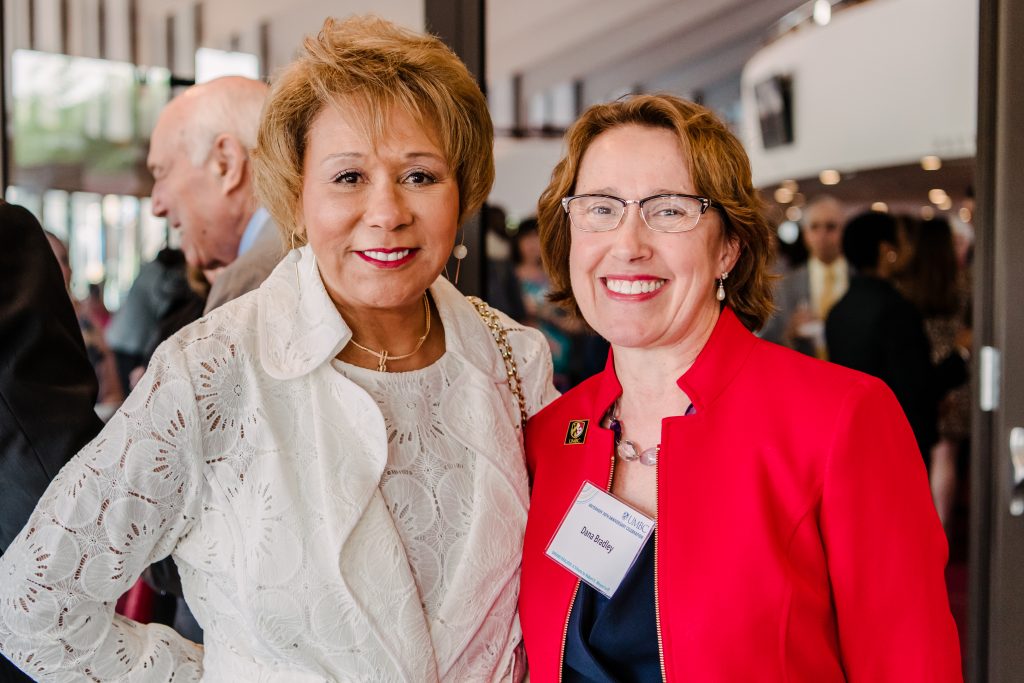 Jackie Hrabowski with Dean Bradley at the Meyerhoff 30th anniversary.
At UMBC’s Erickson School, Mortimer developed leadership skills through internships in aging care focusing on dementia, transitional housing, assisted living care, and independent living. Her last internship, at Brightwood Senior Living in Severna Park, evolved into a full-time staff position.
Her new role with the facility is enabling her to move forward on her career plan. Rather than provide direct care, she shares, “I wanted to be in health administration to help influence policy and improve the care of senior citizens” more broadly.
With this in mind, Mortimer has focused on growing as a leader. As a student, she served as president of the aging services council of majors, where she organized service activities to support local older adults. And while pursuing her new role at Brightwood, she’ll also begin a master’s in healthcare administration at the University of Maryland University College.
Path to innovation
Diane Tichnell ’70, political science, a member of UMBC’s first graduating class, shared advice with the program’s graduating students at the celebration event. She encouraged them to stay connected to UMBC as they launch their careers, to help open doors for future innovators. Tichnell recalled, “Even in the earliest days, UMBC was about innovation. Stay innovative and stay connected to UMBC.”
 Diane Tichnell at a UMBC event.
Tichnell’s emphasis on UMBC’s innovative and community-oriented spirit struck a chord with Mortimer. She used her capstone project as an opportunity to create a new support for people with dementia. Mortimer’s “Comfort Book” (currently going through the patent process) provides tools for people with dementia to soothe themselves during periods of confusion and irritability. Filled with familiar sounds, sights, and materials, it’s designed to de-stress and empower people with dementia who are experiencing challenging moments.
This is the type of creative thinking that John C. Erickson, founder of Erickson Retirement Services, had in mind when he gave a $5 million gift to establish the UMBC Erickson School in 2004. “UMBC’s forward thinking is the pathway to new products, service development, and delivery” in the field of aging, Erickson shared at the event. “It influences better aging policy, and is the foundation for innovative uses of technology to improve the quality of life for all seniors.”
Banner image: 2018 commencement mortarboards. All photos by Marlayna Demond ’11 for UMBC. Video, “Why MAgs,” courtesy of the Erickson School of Aging Services.
]]>
Lauren Mortimer ‘19, management of aging services, remembers visiting a nursing home for the first time during middle school. What she saw deeply saddened her. “It was the first time I had been in...
https://umbc.edu/stories/umbcs-erickson-school-celebrates-new-grads-as-innovators-in-aging-services/
https://my3.my.umbc.edu/api/v0/pixel/news/120087/guest@my.umbc.edu/e28f84f1c40eba748561d0bf2e1d39e7/api/pixel
ericksonschool
policy-and-society
UMBC News & Magazine
https://my3.my.umbc.edu/groups/umbc-news-magazine
https://assets1-my.umbc.edu/system/shared/avatars/groups/000/001/943/24435aa6207c452e7bc15cc74b42c7bb/xsmall.png?1748556657
https://assets1-my.umbc.edu/system/shared/avatars/groups/000/001/943/24435aa6207c452e7bc15cc74b42c7bb/original.png?1748556657
https://assets2-my.umbc.edu/system/shared/avatars/groups/000/001/943/24435aa6207c452e7bc15cc74b42c7bb/xxlarge.png?1748556657
https://assets2-my.umbc.edu/system/shared/avatars/groups/000/001/943/24435aa6207c452e7bc15cc74b42c7bb/xlarge.png?1748556657
https://assets3-my.umbc.edu/system/shared/avatars/groups/000/001/943/24435aa6207c452e7bc15cc74b42c7bb/large.png?1748556657
https://assets1-my.umbc.edu/system/shared/avatars/groups/000/001/943/24435aa6207c452e7bc15cc74b42c7bb/medium.png?1748556657
https://assets2-my.umbc.edu/system/shared/avatars/groups/000/001/943/24435aa6207c452e7bc15cc74b42c7bb/small.png?1748556657
https://assets1-my.umbc.edu/system/shared/avatars/groups/000/001/943/24435aa6207c452e7bc15cc74b42c7bb/xsmall.png?1748556657
https://assets2-my.umbc.edu/system/shared/avatars/groups/000/001/943/24435aa6207c452e7bc15cc74b42c7bb/xxsmall.png?1748556657
UMBC News & Magazine
0
0
false
Mon, 01 Jul 2019 14:19:18 -0400
UMBC welcomes Dana Bradley as new dean of the Erickson School for Aging Studies
Dana Bradley, the new dean of the Erickson School for Aging Studies, considers herself an accidental gerontologist. Many leaders in aging services are inspired to work in the field through personal experiences with family members aging, but Bradley’s interest emerged in the classroom. She began to pursue research on programs and services for older adults and their families as a graduate student through curiosity about big questions and a passion for innovation across disciplines.
“I knew I would always find an interesting job in the field of aging,” says Bradley. “I came to UMBC because the Erickson School’s focus is on leading and being on the edge through engaged scholarship with endless possibilities.”
Bradley holds a Ph.D. in applied history and public policy from Carnegie Mellon University and has served in faculty and leadership positions at the University of North Carolina-Charlotte and Western Kentucky University, where she directed the Center for Gerontology. At UMBC, in addition to serving as dean of the Erickson School, she is a professor of sociology, anthropology, and health administration and policy, and serves on the advisory board The Hilltop Institute, which focuses on healthcare policy.
Addressing the process of aging
Throughout her career, Bradley’s goal has been to help people understand the process of aging. “We are all aging,” she explains. “The better we understand how people manage life as they age the better products, services, and living environments we can create, with a lasting impact for our families and communities.”
This spirit of empowerment about how we think of aging led Bradley to become a founding member of the Global Aging Research Network and leader in the Age-Friendly Cities movement. In recognition of her decades of contributions to the field, she was elected a fellow of the Gerontological Society of America and the Academy for Gerontology in Higher Education.
Bradley is energized by the breadth of expertise in the Erickson School, and the opportunities available through UMBC ’s entrepreneurial and collaborative culture, and close proximity to Washington D.C. “The Erickson School covers a lot of policy issues and issues that are not related to long-term care,” she shares. “We are developing programs and research collaborations looking at how we support and maintain people as they age in the workforce, whether that may be out of choice or because they may not be able to afford retirement. We want to innovate solutions for a workforce that is engaged much longer than ever before.”
Calling all innovators
Innovation, engaged research, and collaboration all have one thing in common, Bradley points out — questions. “The questions are mind-boggling,” she says. It isn’t just how to serve an aging workforce that keeps her busy but looking beyond. Bradley believes, “This is a world where engineers, designers, coders, visual artists, musicians, writers, mathematicians, economists—you name it—they are all needed to design living, working, and transportation spaces that are responsive to how humans age. This is a collective question that needs answers from all fields.”
For the year ahead, Bradley is particularly excited about the Erickson School’s annual summit for leading researchers in memory care at Disney World. Even in the “Happiest Place on Earth,” Dr. Bradley is applying research to help create inclusive experiences. “This year we are focusing on creating environments which are supportive for people with dementia,” she says. “We are spending some time behind the scenes at Disney World, understanding how they as a company think about that issue with their guests.”
Whether it’s in the classroom, at an academic conference, or working with a company or a community, Bradley explains, “Our work is always about supporting engaged conversations to discuss aging given the resources and tools to plan and act accordingly, to be responsible and ethical citizens, to be engaged with people of many different ages in their lifetime.”
Banner image: Dean Bradley outside of the Performing Arts and Humanities Building. Photo by Marlayna Demond ’11 for UMBC.
]]>
Dana Bradley, the new dean of the Erickson School for Aging Studies, considers herself an accidental gerontologist. Many leaders in aging services are inspired to work in the field through...
https://umbc.edu/stories/umbc-welcomes-dana-bradley-as-new-dean-of-the-erickson-school-for-aging-services/
https://my3.my.umbc.edu/api/v0/pixel/news/120293/guest@my.umbc.edu/867b0e183e648cedaa257a951d2618c7/api/pixel
cahss
cnms
coeit
community
ericksonschool
UMBC News & Magazine
https://my3.my.umbc.edu/groups/umbc-news-magazine
https://assets1-my.umbc.edu/system/shared/avatars/groups/000/001/943/24435aa6207c452e7bc15cc74b42c7bb/xsmall.png?1748556657
https://assets1-my.umbc.edu/system/shared/avatars/groups/000/001/943/24435aa6207c452e7bc15cc74b42c7bb/original.png?1748556657
https://assets2-my.umbc.edu/system/shared/avatars/groups/000/001/943/24435aa6207c452e7bc15cc74b42c7bb/xxlarge.png?1748556657
https://assets2-my.umbc.edu/system/shared/avatars/groups/000/001/943/24435aa6207c452e7bc15cc74b42c7bb/xlarge.png?1748556657
https://assets3-my.umbc.edu/system/shared/avatars/groups/000/001/943/24435aa6207c452e7bc15cc74b42c7bb/large.png?1748556657
https://assets1-my.umbc.edu/system/shared/avatars/groups/000/001/943/24435aa6207c452e7bc15cc74b42c7bb/medium.png?1748556657
https://assets2-my.umbc.edu/system/shared/avatars/groups/000/001/943/24435aa6207c452e7bc15cc74b42c7bb/small.png?1748556657
https://assets1-my.umbc.edu/system/shared/avatars/groups/000/001/943/24435aa6207c452e7bc15cc74b42c7bb/xsmall.png?1748556657
https://assets2-my.umbc.edu/system/shared/avatars/groups/000/001/943/24435aa6207c452e7bc15cc74b42c7bb/xxsmall.png?1748556657
UMBC News & Magazine
0
0
false
Mon, 29 Oct 2018 14:14:40 -0400
Alumni Awards highlight profound impact, drive, and commitment of UMBC alumni and faculty
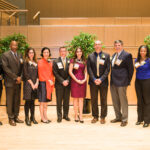
The UMBC community gathered in the Linehan Concert Hall on October 6 for a moving ceremony to honor the profound impacts and achievements of nine outstanding Retrievers at the 2016 UMBC Alumni Awards.
“This year’s awardees truly capture the depth of our community,” said John Becker ’01, president of the alumni association. Irina Vishnevetsky ’99, chair of the alumni awards committee, shared, “Each year the number of submitted nominations grows, and each year I am amazed by the incredible accomplishments of UMBC alumni.”
Tulay Adlai, electrical engineering, introduced awardee Vincent Calhoun ’02, Ph.D. electrical engineering, as an excellent teacher and mentor, cutting-edge brain researcher, and “a truly genuine human being.”
 Vince Calhoun, Ph.D. ’02, accepts the award for Outstanding Alumnus in Engineering and Information Technology.
Today, Calhoun serves as one of the youngest distinguished professors at the University of New Mexico. His primary appointment is in electrical and computer engineering, and, known for his interdisciplinary work, he maintains affiliate appointments with biology, computer science, neuroscience, and psychiatry. In accepting the award, Calhoun emphasized the importance of imagination in scientific research and told the students in the audience, “honesty and integrity in your work will make it endure over the long term.”
Award recipient Ian Ralby ’02, modern languages, linguistics, and intercultural communication (MLLI) and M.A. intercultural communication, was a Humanities Scholar and varsity diver at UMBC, and graduated as valedictorian. He went on to earn a law degree at the College of William and Mary and M.Phil. and Ph.D. degrees at the University of Cambridge, before founding I.R. Consilium, a consultancy that advises governments on international law and policy.
Ralby credits his UMBC humanities education for much of his success in international negotiation, remarking, “I learned to pick up on the subtleties of human interaction, in my own culture and across cultures.” He noted that those skills have “frequently been the deciding factor in whether my work has been merely technically proficient or truly successful.” Thomas Field, MLLI, presented Ralby’s remarks, as he was in Finland at an international maritime security conference and unable to return to the U.S. for the ceremony.
Philip Farabaugh, biological sciences, introduced natural sciences awardee Henry Baker ’78, Ph.D. ’84, biological sciences, who serves as Hazel Kitzman Professor of Genetics, professor of surgery, and chair of molecular genetics and microbiology at the University of Florida College of Medicine, and associate director of the University of Florida Genetics Institute. Farabaugh praised Baker for making the “courageous decision” to change the course of his research when “he recognized the clue to understanding human disease lay in determining how people’s genes change during disease.”
Baker, a Catonsville native, has been proud to watch UMBC grow over the years. “UMBC has truly excelled since its beginning in 1966 up to today, and is headed on to an even higher trajectory,” he shared. “From UMBC, you can get anywhere.”
 Left to right: President Hrabowski, Ruby Lu ’94, David Mitch, John Becker ’01.
Social and behavioral sciences awardee Ruby Lu ’94, economics, traveled from Beijing to attend the awards ceremony. After earning a master’s degree in international economics from Johns Hopkins, she co-founded DCM China, a Beijing-based venture capital firm. She has been named one of the top 50 venture capitalists in China by Forbes magazine, 2011–15. Her approach to venture capital is “to invest in companies she thinks will use technology to bring about positive change to society,” shared her nominator, David Mitch, professor and chair of economics. Lu, who came to study at UMBC from China, was a member of the university’s first class of McNair Scholars and reflected on how faculty profoundly impacted her life as teachers, mentors, and friends, at a time when she was far from home and working hard to learn English while preparing for a career.
LaMar Davis, director of The Choice Program at UMBC, referred to this year’s alumni award winner in social work as “a legend.” “If you don’t know who Joe Jones is,” he said, “you’re likely from out of town.”
 Joe Jones ’06 (right), recipient of the award for Outstanding Alumnus in Social Work, shakes hands with LaMar Davis.
Joseph Jones, Jr., ’06, social work, founded the Center for Urban Families in Baltimore City in 1999. The organization has served more than 26,000 Baltimore residents through workforce development and other initiatives, and has placed more than 6,400 in full-time jobs. Jones didn’t intend to get a college degree, but that changed when he met President Hrabowski. At UMBC, Jones shared, he developed “the ability to think about how do we create institutions, how do we move systems forward, how do we agitate in a way that creates change?” That reflection has dramatically benefited the people of Baltimore, shard Davis, noting that through his “steadfast belief and unrelenting drive” Jones has “transformed tens of thousands of lives with impacts that will be felt for generations.”
Tiffany Holmes, MFA ’99, this year’s awardee in visual and performing arts, is now the dean of undergraduate studies at the School of the Art Institute of Chicago. Holmes began her career as a middle school art teacher in Baltimore City and brought her students to tour UMBC’s Imaging Research Center. There, she recalled, “I quickly realized that I was interested in using technology to make art.” After over a decade in the field, she has made a “permanent mark on the canon of this once marginalized and little-understood discipline” and she is known for her “commitment to art that poses unique social challenges,” shared her nominator, Lisa Moren, professor of visual arts.
 Tiffany Holmes, MFA ’99, receives the award in visual and performing arts.
Ellen Hemmerly, executive director of bwtech@UMBC, was thrilled to introduce Tom Sadowski ’89, political science, as the 2016 Distinguished Service awardee. Sadowski, vice chancellor for economic development for the University System of Maryland, “has always valued relationships and supported partnerships, and has a knack for bringing people together and making things happen,” says Hemmerly. “I believe with Tom at the helm, UMBC and other system campuses will lead the nation in supporting innovation and creating knowledge jobs of the future.”
Accepting his award, Sadowski shared that he’s “just a guy who likes to…help solve problems, help people work as a team and achieve collective goals, or simply help people find that better part of themselves and grow.” Sadowski said that he’s particularly valued his relationship with the university over the past three decades because “UMBC leads its students to believe in themselves, and further, to believe there is nothing they cannot accomplish within themselves and within their communities by working together, with passion, and a deep, heartfelt purpose.”
 Galina Madjaroff ’08, M.A. ’11, accepts the Rising Star award from Judah Ronch.
Judah Ronch, dean of the Erickson School, introduced Galina Madjaroff ’08, psychology, M.A. ’11, aging studies, as the Rising Star awardee. Madjaroff serves as undergraduate program director and clinical assistant professor in the Erickson School, whose undergraduate program has grown from almost 400 in 2011 to almost 1,900 today. Ronch noted, “This is really due to the passion, hard work, leadership, and vision that Galina has brought to the program.” In particular, “Her passion is to help society and our students understand the major issues in cybersecurity and tech use for older people,” which has led her to pursue a Ph.D. in human-centered computing at UMBC. Madjaroff says UMBC is special because of the “faculty who are so nurturing, who reach out and take that extra step,” and she is driven to be that supportive mentor to current and future students.
The alumni association honored Kimberly Moffitt, professor of American studies, with the outstanding faculty award for 2016. “Everyone deserves a Dr. Moffitt—someone who shows them the goodness of the world while asking essential follow-up questions to ensure that they never get complacent,” shared her student, Ngeri Nnachi ’11, American studies. “I consider myself blessed to have such a strong, gifted, beautiful woman as my role model.” Accepting her award, Moffit emphasized, “I want to make sure my students know they have voice. And no matter what space they walk into, their voice matters. They matter.”
 Kimberly Moffitt, American studies, accepts the Outstanding Faculty Award.
This focus on impact, commitment, and connection emerged again and again throughout the evening, and for good reason, shared President Freeman Hrabowski. “One measures the impact of a university by the research it produces, the questions it asks, the people who are graduates, and what they do,” Hrabowski said. “People you see on this stage are not just amazingly talented, they are good people who have done great work. I can’t think of anything an educator would want more than that: People who care about others, who strive for excellence, and who never, never, never give up.”
Banner image: From left to right: Freeman Hrabowski, Joseph Jones, Tiffany Holmes, Ruby Lu, Tom Sadowski, Galina Madjaroff, Vince Calhoun, Henry Baker, Kimberly Moffitt, John Becker; all photos by Marlayna Demond ’11 for UMBC.
]]>
The UMBC community gathered in the Linehan Concert Hall on October 6 for a moving ceremony to honor the profound impacts and achievements of nine outstanding Retrievers at the 2016 UMBC Alumni...
https://umbc.edu/stories/alumni-awards-highlight-profound-impact-drive-and-commitment-of-umbc-alumni-and-faculty/
https://my3.my.umbc.edu/api/v0/pixel/news/120983/guest@my.umbc.edu/4c516aaec7dfa6c6826615366831aef1/api/pixel
alumni
americanstudies
arts-and-culture
biology
bwtech
cahss
choiceprogram
cnms
coeit
community
csee
economics
ericksonschool
gerontology
hrabowski
mlli
policy-and-society
psychology
science-and-technology
visualarts
UMBC News & Magazine
https://my3.my.umbc.edu/groups/umbc-news-magazine
https://assets1-my.umbc.edu/system/shared/avatars/groups/000/001/943/24435aa6207c452e7bc15cc74b42c7bb/xsmall.png?1748556657
https://assets1-my.umbc.edu/system/shared/avatars/groups/000/001/943/24435aa6207c452e7bc15cc74b42c7bb/original.png?1748556657
https://assets2-my.umbc.edu/system/shared/avatars/groups/000/001/943/24435aa6207c452e7bc15cc74b42c7bb/xxlarge.png?1748556657
https://assets2-my.umbc.edu/system/shared/avatars/groups/000/001/943/24435aa6207c452e7bc15cc74b42c7bb/xlarge.png?1748556657
https://assets3-my.umbc.edu/system/shared/avatars/groups/000/001/943/24435aa6207c452e7bc15cc74b42c7bb/large.png?1748556657
https://assets1-my.umbc.edu/system/shared/avatars/groups/000/001/943/24435aa6207c452e7bc15cc74b42c7bb/medium.png?1748556657
https://assets2-my.umbc.edu/system/shared/avatars/groups/000/001/943/24435aa6207c452e7bc15cc74b42c7bb/small.png?1748556657
https://assets1-my.umbc.edu/system/shared/avatars/groups/000/001/943/24435aa6207c452e7bc15cc74b42c7bb/xsmall.png?1748556657
https://assets2-my.umbc.edu/system/shared/avatars/groups/000/001/943/24435aa6207c452e7bc15cc74b42c7bb/xxsmall.png?1748556657
UMBC News & Magazine
0
0
false
Fri, 14 Oct 2016 20:36:06 -0400


