To You – Fall 2016
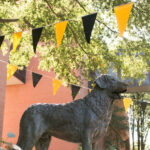

Could you get UMBC President (and head Retriever) Freeman A. Hrabowski, III, to say “Woof! Woof! Woof!?”
Dan Bailey and Lee Boot, the visionaries behind the Imaging Research Center (IRC), did it early in UMBC’s 50th anniversary campaign.
Bailey is a professor of Visual Arts who recently retired as director of the IRC. Boot is an affiliate associate professor of visual arts who became the new director of the center this past fall. Together, they lent their talents to creating a video that challenged UMBC alumni, students, faculty, and staff to be one of the hundreds of Retrievers who would reach out to the more than 70,000 UMBC alumni and spread the word about the university’s anniversary.
When the two men got UMBC’s president in front of the camera last year, they asked him about one of the university’s call-and-response athletic cheers: “UM! BC! UM! BC! UM! BC! Woof! Woof! Woof!”
Bailey managed to get Hrabowski to say it. Just as a warm up. But the warm up made the cut, and ended up being one of the highlights of the video. And UMBC’s president has led the cheer often in the months that have followed.
The video also proved to be a success. UMBC found the hundreds of volunteers it needed to attract the thousands of alumni who have turned up at numerous events to celebrate UMBC’s 50th anniversary – especially the daylong celebration on September 17, 2016 that we chronicle in this commemorative issue of UMBC Magazine.
The IRC has been one of the key partners in the UMBC50 effort from beginning to end, from their work on a new campus storytelling portal Retriever Stories, through the video shoot, and even in dazzling time-lapse video work by Bailey to document the construction of the stage for the 50th anniversary celebration and the delightful mix of sounds from the UMBC Symphony. It is a sample of Bailey’s work that you see on the cover of this issue.
The IRC is one of the most-celebrated engines of research innovation on UMBC’s campus. Among its many projects are collaborations with renowned Baltimore political cartoonist Kevin “Kal” Kallaugher, (“US Democrazy”) and UMBC professor of history Anne Rubin (“Sherman’s March”). They have also created important (and deeply researched) three-dimensional digital windows into the history of early Baltimore and Washington, DC.
Their latest project is MUSE: Mapping UMBC’s Social Engagement – a visual mapping of UMBC’s engaged scholarship and service activity in the Baltimore area, built with a new IRC software called MapTu, which combines geographic mapping, concept diagramming, and media hosting.
Bailey and Boot were among the hundreds who answered the call to help tell UMBC’s story to thousands of alumni. This issue of the magazine shows the impact that the work of these hundreds had over the past few years of planning and preparation for the 50th anniversary celebration.
The reward? All the stories from UMBC alumni you will read in these pages about how, together, we built a university on a hilltop that shines brightly through our region, our state, and far beyond.
— Richard Byrne ’86
]]>
Could you get UMBC President (and head Retriever) Freeman A. Hrabowski, III, to say “Woof! Woof! Woof!?” Dan Bailey and Lee Boot, the visionaries behind the Imaging Research Center (IRC), did it...
https://umbc.edu/stories/to-you-fall-2016/
https://my3.my.umbc.edu/api/v0/pixel/news/120923/guest@my.umbc.edu/24acbd6f52e5a2797eeb2d84f4587bc2/api/pixel
fall-2016
perspectives
to-you
UMBC News & Magazine
https://my3.my.umbc.edu/groups/umbc-news-magazine
https://assets1-my.umbc.edu/system/shared/avatars/groups/000/001/943/24435aa6207c452e7bc15cc74b42c7bb/xsmall.png?1748556657
https://assets1-my.umbc.edu/system/shared/avatars/groups/000/001/943/24435aa6207c452e7bc15cc74b42c7bb/original.png?1748556657
https://assets2-my.umbc.edu/system/shared/avatars/groups/000/001/943/24435aa6207c452e7bc15cc74b42c7bb/xxlarge.png?1748556657
https://assets2-my.umbc.edu/system/shared/avatars/groups/000/001/943/24435aa6207c452e7bc15cc74b42c7bb/xlarge.png?1748556657
https://assets3-my.umbc.edu/system/shared/avatars/groups/000/001/943/24435aa6207c452e7bc15cc74b42c7bb/large.png?1748556657
https://assets1-my.umbc.edu/system/shared/avatars/groups/000/001/943/24435aa6207c452e7bc15cc74b42c7bb/medium.png?1748556657
https://assets2-my.umbc.edu/system/shared/avatars/groups/000/001/943/24435aa6207c452e7bc15cc74b42c7bb/small.png?1748556657
https://assets1-my.umbc.edu/system/shared/avatars/groups/000/001/943/24435aa6207c452e7bc15cc74b42c7bb/xsmall.png?1748556657
https://assets2-my.umbc.edu/system/shared/avatars/groups/000/001/943/24435aa6207c452e7bc15cc74b42c7bb/xxsmall.png?1748556657
UMBC News & Magazine
0
0
false
Wed, 07 Dec 2016 19:36:02 -0500
A Lens on UMBC History
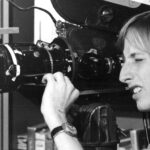
Richard Chisolm ’82, interdisciplinary studies, has a unique vantage point on UMBC’s history. He lived on the edge of campus as the university grew. In this essay, the award-winning documentary filmmaker and recipient of UMBC’s Alumnus of the Year award in 2001 explains how his career path was influenced by proximity to the university.
“How did you get into filmmaking?”
For over three decades, I’ve been working as an independent cinematographer and documentary filmmaker, travelling the world, interacting with remarkable humans on both sides of the camera, and being a messenger of information, education, and entertainment. It is an unpredictable, financially sporadic, and sometimes dangerous profession. But it is life affirming, personally rewarding, and at times amazingly impactful.
Sometimes my assignments are highly creative and involve collaboration with a large professional crew and talented actors. Others are humble affairs with a small team observing and recording lives and events to be shared with a wide audience. I feel very fortunate to love what I do and be able to make a living doing it. Someone recently suggested I use the term ‘funemployment’ to describe my lifestyle and it fits me perfectly. Over time I’ve learned to fully enjoy a balance of workdays and days in between.
I’ve answered the “How did you get into filmmaking?” question a thousand times, a thousand ways, and with a thousand variations. But I have never been able to answer it without including the story of my time at UMBC.
For many years, people I met outside of Maryland had no knowledge of my alma mater. If rushed, I’d just say “University of Maryland” and not worry about the imprecision. Happily, the conversation has changed over the years. Now when I mention UMBC to the outer world, people often already know about it and usually have a high regard for its “rock star” president. (If the situation allows, I relish in boasting that I have repeatedly “hung out” with Freeman Hrabowski in person!)
For me, the University of Maryland, Baltimore County is much more than the place I went to college. It is literally where I grew up, from ages 9 to 22. My late father, Guy Chisolm, an architect and builder, was hired to help plan and construct the new campus. He stayed on as director of the physical plant until retirement. The state provided our family with an old existing house on the grounds in which to live.
For me as a kid, UMBC was a huge wild landscape in my back yard, surrounded by a perpetual construction site. By the time I was a teenager attending Catonsville High School, it was a surreal, six building treeless ‘set’ for my early experimental films. (As a childhood artist, I had turned to filmmaking when my older brother gave me a Super-8 camera system that I believe was a re-gifted wedding present.)
When the issue of my higher education arose, a fortuitous event took place in my life. I came home from school one afternoon to find my sister Susie (a UMBC freshman at the time) chatting with a long-haired hippie standing next to a shiny and vastly expensive 16mm film camera on a tripod. Right there at the intersection of Wilkens Avenue and Hilltop Road was the intersection of my boyhood and my vocation! I may have blacked out temporarily, but I do remember learning that my sister’s friend was a UMBC film major who was working on his class project. The very idea that I could possibly attend this university with access to state-of-the-art equipment instantly became an obsessional goal. I applied to no other college, graduated high school, and entered UMBC in 1975.
I chose to live with my parents while attending college, mostly for economic reasons, but partly because our house was closer to the Fine Arts Building than the actual dorms. (Yes, I measured it.) It was awkward when one of my professors recognized my last name and asked if I was related to that man he or she had been complaining to about air conditioning, lighting, or carpet issues.
But UMBC was a paradise of creativity and professional career development. The film/video area was new, endowed with the best gear available, and supported an eclectic mix of prestigious faculty. We all thrived in a communal atmosphere of unprecedented freedom and experimentation. My filmmaking cohort would easily spend forty to sixty hours in Fine Arts, sometimes sleeping on couches or afloat the screening room’s king-sized waterbed (eventually removed by more prudish leadership in the 1980s).
As a sophomore, I began to get occasional day work as a production assistant on this or that commercial, documentary, or educational film out in the real world. For my senior thesis project, I made a half-hour documentary about what goes on behind the walls of an art museum (shot at what was then called the Walters Art Gallery) that somehow managed to air nationally on PBS. I was far from exceptional, but rather I was in the company of many other students who were also able to flourish there in all sorts of motion picture media.
The department was considered the best in the mid-Atlantic south of New York and – to this day – I run across dozens of UMBC alumni working on professional film and TV production crews. And this was also the place where I would meet and fall in love with my wife of thirty plus years. Meg graduated in 1981 with a B.A. in Visual Arts/Film, declined acceptance to New York University’s prestigious graduate program in Cinema Studies, and attended the University of Maryland Medical School. (She is now an associate professor of psychiatry and behavioral sciences at the Johns Hopkins University School of Medicine.)
See more about Richard Chisolm at www.richardchisolm.com.
You may also enjoy:
The Alumni Awards
The Visual Arts Golden Ball
]]>
Richard Chisolm ’82, interdisciplinary studies, has a unique vantage point on UMBC’s history. He lived on the edge of campus as the university grew. In this essay, the award-winning documentary...
https://umbc.edu/stories/a-lens-on-umbc-history/
https://my3.my.umbc.edu/api/v0/pixel/news/120924/guest@my.umbc.edu/89d982c41d81e2dd861433cb3a13a6bb/api/pixel
50th-anniversary
fall-2016
perspectives
richard-chisolm
UMBC News & Magazine
https://my3.my.umbc.edu/groups/umbc-news-magazine
https://assets1-my.umbc.edu/system/shared/avatars/groups/000/001/943/24435aa6207c452e7bc15cc74b42c7bb/xsmall.png?1748556657
https://assets1-my.umbc.edu/system/shared/avatars/groups/000/001/943/24435aa6207c452e7bc15cc74b42c7bb/original.png?1748556657
https://assets2-my.umbc.edu/system/shared/avatars/groups/000/001/943/24435aa6207c452e7bc15cc74b42c7bb/xxlarge.png?1748556657
https://assets2-my.umbc.edu/system/shared/avatars/groups/000/001/943/24435aa6207c452e7bc15cc74b42c7bb/xlarge.png?1748556657
https://assets3-my.umbc.edu/system/shared/avatars/groups/000/001/943/24435aa6207c452e7bc15cc74b42c7bb/large.png?1748556657
https://assets1-my.umbc.edu/system/shared/avatars/groups/000/001/943/24435aa6207c452e7bc15cc74b42c7bb/medium.png?1748556657
https://assets2-my.umbc.edu/system/shared/avatars/groups/000/001/943/24435aa6207c452e7bc15cc74b42c7bb/small.png?1748556657
https://assets1-my.umbc.edu/system/shared/avatars/groups/000/001/943/24435aa6207c452e7bc15cc74b42c7bb/xsmall.png?1748556657
https://assets2-my.umbc.edu/system/shared/avatars/groups/000/001/943/24435aa6207c452e7bc15cc74b42c7bb/xxsmall.png?1748556657
UMBC News & Magazine
0
0
false
Wed, 07 Dec 2016 18:59:50 -0500
Back Story – Fall 2016
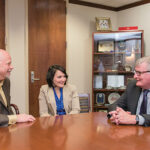
UMBC’s 50th anniversary coincided with the release of Our UMBC: A Strategic Plan for Advancing Excellence. It is a road map for UMBC’s future in key areas including academic research and scholarship, student experience, innovative curriculum, and how the university connects with the world outside it. UMBC Magazine talked about Our UMBC with Provost Philip Rous, who led the effort, and with two alumni – former alumni board President Bennett Moe ’88, visual and performing arts, and UMBC’s coordinator for student organizations Romy Hübler ’15, Ph.D., language, literacy, and culture – involved in creating the plan.
What principles in drafting the plan created the circumstances for its successful launch?
Bennett Moe: Inclusion was a big part of the plan. The plan from the very beginning was largely based on including a wider array of constituents than ever before.
Romy Hübler: It was three year long process, but it was necessary to figure out what – at the core – people care about. And then come back and share important developments. Share the mission statement. It felt like a constant loop of feedback that was not only collected but then also acted upon.
Philip Rous: What I wanted – and what the community wanted – was a vision for the university that was the community’s vision…. Sometimes strategic plans fail because they are siloed. We wanted to think about the interest of the entire community. One thing about the plan that sometimes people don’t notice is, that when you look at the plan, there is almost zero mention of a specific unit or division…. It reflects the fact that this is a community vision. It also reflects the fact that we understand that to accomplish almost all of our goals, we are going to have to work together across divisions, and units, and traditional lines. That is a very contemporary view of an academic institution. Most places don’t have that view. To do the things we want to do, say, student success, we have to involve everyone.
What should alumni look for as they read the plan? How can they become involved in pushing it forward?
Moe: A lot of our alumni stay in the area. A big focus of the plan is our regional impact. And that’s where our alumni work…. There’s also a sense of pride in how the university has progressed among alumni.
Hübler: Building relationships. It’s a commitment that will become the roots of the change we want to see at UMBC. Mentorship relationships, or creating ways for students to meet with alumni on a regular basis.
Moe: What brought me back to campus was exactly that. It wasn’t just about connecting with students. It was connecting with fellow professionals in my field.
Rous: Typically there are two parts to strategic planning. The plan itself, and then actually moving forward. This plan has recommendations and goals, but it is not explicit in a tactical sense. We know where we want to go, and what is essential to get us there. But this is not exactly a linear process… So there’s still a lot to talk about and to think about as we move along. We’re going to have to bring in a lot of people as we move those conversations forward. Alumni have a very special perspective on the institution, which is why I am glad so many people wanted join us in this process. They have invested years of their lives in our institution, embedded in our fundamental mission of the university. Those are perspectives we would never get if we did not include alumni in the discussion.
Moe: When we started, [the Alumni Association] wanted alumni to have a stronger voice in the direction of the university. The participation of alumni in this process shows that the university wants that as well.
Rous: At UMBC, our alumni are very invested in the same set of shared values of the university – the most important of which is student success – through their experience with the university…. Our alumni have a very great stake in this institution. How this institution evolves, and its reputation, has a huge impact on our alumni.
Hübler: This idea of the university as a community is in a way unique to UMBC…. People who work here and go to school here really feel invested. They don’t only think of themselves but of the community as a whole, and how we can work beyond our silos so everyone can thrive here.
Rous: The title of the plan is “Our UMBC.” It’s ours. It’s our vision of the institution. It’s not the vision of one person, or an outside force telling us what to be…. There’s a sense of a confidence in our own vision and our own path.
— Richard Byrne ’86
Read Our UMBC: A Strategic Plan for Advancing Excellence at strategicplan.umbc.edu
]]>
UMBC’s 50th anniversary coincided with the release of Our UMBC: A Strategic Plan for Advancing Excellence. It is a road map for UMBC’s future in key areas including academic research and...
https://umbc.edu/stories/back-story-fall-2016/
https://my3.my.umbc.edu/api/v0/pixel/news/120925/guest@my.umbc.edu/effad63ad23a25ffec04ae7a423550f5/api/pixel
50th-anniversary
campus-life
fall-2016
UMBC News & Magazine
https://my3.my.umbc.edu/groups/umbc-news-magazine
https://assets1-my.umbc.edu/system/shared/avatars/groups/000/001/943/24435aa6207c452e7bc15cc74b42c7bb/xsmall.png?1748556657
https://assets1-my.umbc.edu/system/shared/avatars/groups/000/001/943/24435aa6207c452e7bc15cc74b42c7bb/original.png?1748556657
https://assets2-my.umbc.edu/system/shared/avatars/groups/000/001/943/24435aa6207c452e7bc15cc74b42c7bb/xxlarge.png?1748556657
https://assets2-my.umbc.edu/system/shared/avatars/groups/000/001/943/24435aa6207c452e7bc15cc74b42c7bb/xlarge.png?1748556657
https://assets3-my.umbc.edu/system/shared/avatars/groups/000/001/943/24435aa6207c452e7bc15cc74b42c7bb/large.png?1748556657
https://assets1-my.umbc.edu/system/shared/avatars/groups/000/001/943/24435aa6207c452e7bc15cc74b42c7bb/medium.png?1748556657
https://assets2-my.umbc.edu/system/shared/avatars/groups/000/001/943/24435aa6207c452e7bc15cc74b42c7bb/small.png?1748556657
https://assets1-my.umbc.edu/system/shared/avatars/groups/000/001/943/24435aa6207c452e7bc15cc74b42c7bb/xsmall.png?1748556657
https://assets2-my.umbc.edu/system/shared/avatars/groups/000/001/943/24435aa6207c452e7bc15cc74b42c7bb/xxsmall.png?1748556657
UMBC News & Magazine
0
0
false
Wed, 07 Dec 2016 18:58:49 -0500
House (of Grit) Party
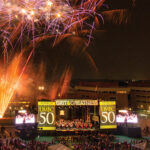
UMBC celebrates its 50 years in style
Saturday, September 17, 2016 was a day to remember for any Retriever who made it to campus to join in the biggest celebration of black and gold pride ever.
Over 3,300 alumni, students, faculty and staff from across the campus community came together to attend the event – which included a puppy parade, storytelling, hands-on demonstrations and lectures across disciplines, athletics events, and a dazzling display of fireworks to cap it off. We wanted to share that day – including some of the best stories from faculty and alumni – with our readers.
Also in this feature:
 Enjoying the sunshine and ale crafted by alumni founded Suspended Brewing Company in the beer garden.
 The UMBC community gathers in the House of Grit.
 UMBC a cappella group the Cleftomaniacs performs.
 Science demonstration in the Thinkers Tent at the House of Grit.

Members of UMBC’s first graduating class share memories at the Class of 1970 happy hour on Friday night.
 Kids find the plush life with Retriever memorabilia at the House of Grit.

President Hrabowski celebrates philanthropy with alumni at the Alpha Kappa Alpha/Lamda Phi Reunion Friday night.
 Future UMBC alumni get hands-on experiences with gaming and prototyping at the Makers Tent in the House of Grit.
 Alumni sign a beam that will be placed in UMBC’s new state-of-the-art Events Center.
 Mascots meet at the Puppy Parade, as True Grit gets a grip on some of the Chesapeake Bay Retrievers in attendance.
 The UMBC community counts its syllables creatively at UMBC Haiku in the Thinkers Tent.
 Imaging Research Center director Lee Boot talks about “Putting Humpty Together Again” at Grit-X.
 UMBC’s varsity cheerleaders help get alumni into the black and gold spirit at the Dawg Pound.
 Alumni from the Honors College gather to celebrate one of the key programs in UMBC’s academic excellence.
 A chance to get behind the wheel of Baja SAE off-road vehicle was on offer at the Makers Tent in the House of Grit.
 UMBC took shape plastic brick by plastic brick in a Lego display of campus.
 Rebecca Adelman, associate professor of media and communications studies, talks about citizenship and surveillance at Grit-X.
 Doggone! UMBC canines strut their stuff at the Puppy Parade.
 Really Really Big Breakfast and Bingo were on the menu at the RAC on Friday night.
 Student and alumni performers make a joyful noise all day long on the House of Grit Community Festival stage.
]]>
UMBC celebrates its 50 years in style Saturday, September 17, 2016 was a day to remember for any Retriever who made it to campus to join in the biggest celebration of black and gold pride ever....
https://umbc.edu/stories/house-of-grit-party/
https://my3.my.umbc.edu/api/v0/pixel/news/120926/guest@my.umbc.edu/3bba341c7960d3a57ffdf5f44f303be8/api/pixel
50th-anniversary
fall-2016
umbc-history
UMBC News & Magazine
https://my3.my.umbc.edu/groups/umbc-news-magazine
https://assets1-my.umbc.edu/system/shared/avatars/groups/000/001/943/24435aa6207c452e7bc15cc74b42c7bb/xsmall.png?1748556657
https://assets1-my.umbc.edu/system/shared/avatars/groups/000/001/943/24435aa6207c452e7bc15cc74b42c7bb/original.png?1748556657
https://assets2-my.umbc.edu/system/shared/avatars/groups/000/001/943/24435aa6207c452e7bc15cc74b42c7bb/xxlarge.png?1748556657
https://assets2-my.umbc.edu/system/shared/avatars/groups/000/001/943/24435aa6207c452e7bc15cc74b42c7bb/xlarge.png?1748556657
https://assets3-my.umbc.edu/system/shared/avatars/groups/000/001/943/24435aa6207c452e7bc15cc74b42c7bb/large.png?1748556657
https://assets1-my.umbc.edu/system/shared/avatars/groups/000/001/943/24435aa6207c452e7bc15cc74b42c7bb/medium.png?1748556657
https://assets2-my.umbc.edu/system/shared/avatars/groups/000/001/943/24435aa6207c452e7bc15cc74b42c7bb/small.png?1748556657
https://assets1-my.umbc.edu/system/shared/avatars/groups/000/001/943/24435aa6207c452e7bc15cc74b42c7bb/xsmall.png?1748556657
https://assets2-my.umbc.edu/system/shared/avatars/groups/000/001/943/24435aa6207c452e7bc15cc74b42c7bb/xxsmall.png?1748556657
UMBC News & Magazine
0
0
false
Wed, 07 Dec 2016 18:58:24 -0500
Alumni Awards – October 6, 2016
Student and alumni performers make a joyful noise all day long on the House of Grit Community Festival stage.
]]>
UMBC celebrates its 50 years in style Saturday, September 17, 2016 was a day to remember for any Retriever who made it to campus to join in the biggest celebration of black and gold pride ever....
https://umbc.edu/stories/house-of-grit-party/
https://my3.my.umbc.edu/api/v0/pixel/news/120926/guest@my.umbc.edu/3bba341c7960d3a57ffdf5f44f303be8/api/pixel
50th-anniversary
fall-2016
umbc-history
UMBC News & Magazine
https://my3.my.umbc.edu/groups/umbc-news-magazine
https://assets1-my.umbc.edu/system/shared/avatars/groups/000/001/943/24435aa6207c452e7bc15cc74b42c7bb/xsmall.png?1748556657
https://assets1-my.umbc.edu/system/shared/avatars/groups/000/001/943/24435aa6207c452e7bc15cc74b42c7bb/original.png?1748556657
https://assets2-my.umbc.edu/system/shared/avatars/groups/000/001/943/24435aa6207c452e7bc15cc74b42c7bb/xxlarge.png?1748556657
https://assets2-my.umbc.edu/system/shared/avatars/groups/000/001/943/24435aa6207c452e7bc15cc74b42c7bb/xlarge.png?1748556657
https://assets3-my.umbc.edu/system/shared/avatars/groups/000/001/943/24435aa6207c452e7bc15cc74b42c7bb/large.png?1748556657
https://assets1-my.umbc.edu/system/shared/avatars/groups/000/001/943/24435aa6207c452e7bc15cc74b42c7bb/medium.png?1748556657
https://assets2-my.umbc.edu/system/shared/avatars/groups/000/001/943/24435aa6207c452e7bc15cc74b42c7bb/small.png?1748556657
https://assets1-my.umbc.edu/system/shared/avatars/groups/000/001/943/24435aa6207c452e7bc15cc74b42c7bb/xsmall.png?1748556657
https://assets2-my.umbc.edu/system/shared/avatars/groups/000/001/943/24435aa6207c452e7bc15cc74b42c7bb/xxsmall.png?1748556657
UMBC News & Magazine
0
0
false
Wed, 07 Dec 2016 18:58:24 -0500
Alumni Awards – October 6, 2016
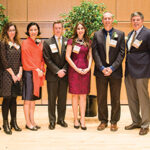
The 2016 Alumni Awards recipients were honored at the Linehan Concert Hall, UMBC. Learn more about our past award winners
 Ian Ralby ’02
 Galina Madjaroff ’08
 Joseph Jones ’06
 Ruby Lu ’94
 Thomas Sadowski ’89
 Dr. Tiffany Holmes, M.F.A. ’99
 Kimberly Moffitt
 Henry Baker ’78, Ph.D. ’84 (center), with his UMBC mentor, Dr. Richard E. Wolf, Jr., and Dr. Baker’s wife, Susan.
 2016 winners with President Freeman Hrabowski and Alumni Board President John Becker ’01
]]>
The 2016 Alumni Awards recipients were honored at the Linehan Concert Hall, UMBC. Learn more about our past award winners Ian Ralby ’02 Galina Madjaroff ’08 Joseph Jones ’06 Ruby Lu ’94 Thomas...
https://umbc.edu/stories/alumni-awards-october-6-2016/
https://my3.my.umbc.edu/api/v0/pixel/news/120927/guest@my.umbc.edu/2e992929dd2e9e5de6bcae299a8fc0dd/api/pixel
50th-anniversary
alumni
alumni-awards
fall-2016
UMBC News & Magazine
https://my3.my.umbc.edu/groups/umbc-news-magazine
https://assets1-my.umbc.edu/system/shared/avatars/groups/000/001/943/24435aa6207c452e7bc15cc74b42c7bb/xsmall.png?1748556657
https://assets1-my.umbc.edu/system/shared/avatars/groups/000/001/943/24435aa6207c452e7bc15cc74b42c7bb/original.png?1748556657
https://assets2-my.umbc.edu/system/shared/avatars/groups/000/001/943/24435aa6207c452e7bc15cc74b42c7bb/xxlarge.png?1748556657
https://assets2-my.umbc.edu/system/shared/avatars/groups/000/001/943/24435aa6207c452e7bc15cc74b42c7bb/xlarge.png?1748556657
https://assets3-my.umbc.edu/system/shared/avatars/groups/000/001/943/24435aa6207c452e7bc15cc74b42c7bb/large.png?1748556657
https://assets1-my.umbc.edu/system/shared/avatars/groups/000/001/943/24435aa6207c452e7bc15cc74b42c7bb/medium.png?1748556657
https://assets2-my.umbc.edu/system/shared/avatars/groups/000/001/943/24435aa6207c452e7bc15cc74b42c7bb/small.png?1748556657
https://assets1-my.umbc.edu/system/shared/avatars/groups/000/001/943/24435aa6207c452e7bc15cc74b42c7bb/xsmall.png?1748556657
https://assets2-my.umbc.edu/system/shared/avatars/groups/000/001/943/24435aa6207c452e7bc15cc74b42c7bb/xxsmall.png?1748556657
UMBC News & Magazine
0
0
false
Wed, 07 Dec 2016 18:58:04 -0500
Grit & Greekness
2016 winners with President Freeman Hrabowski and Alumni Board President John Becker ’01
]]>
The 2016 Alumni Awards recipients were honored at the Linehan Concert Hall, UMBC. Learn more about our past award winners Ian Ralby ’02 Galina Madjaroff ’08 Joseph Jones ’06 Ruby Lu ’94 Thomas...
https://umbc.edu/stories/alumni-awards-october-6-2016/
https://my3.my.umbc.edu/api/v0/pixel/news/120927/guest@my.umbc.edu/2e992929dd2e9e5de6bcae299a8fc0dd/api/pixel
50th-anniversary
alumni
alumni-awards
fall-2016
UMBC News & Magazine
https://my3.my.umbc.edu/groups/umbc-news-magazine
https://assets1-my.umbc.edu/system/shared/avatars/groups/000/001/943/24435aa6207c452e7bc15cc74b42c7bb/xsmall.png?1748556657
https://assets1-my.umbc.edu/system/shared/avatars/groups/000/001/943/24435aa6207c452e7bc15cc74b42c7bb/original.png?1748556657
https://assets2-my.umbc.edu/system/shared/avatars/groups/000/001/943/24435aa6207c452e7bc15cc74b42c7bb/xxlarge.png?1748556657
https://assets2-my.umbc.edu/system/shared/avatars/groups/000/001/943/24435aa6207c452e7bc15cc74b42c7bb/xlarge.png?1748556657
https://assets3-my.umbc.edu/system/shared/avatars/groups/000/001/943/24435aa6207c452e7bc15cc74b42c7bb/large.png?1748556657
https://assets1-my.umbc.edu/system/shared/avatars/groups/000/001/943/24435aa6207c452e7bc15cc74b42c7bb/medium.png?1748556657
https://assets2-my.umbc.edu/system/shared/avatars/groups/000/001/943/24435aa6207c452e7bc15cc74b42c7bb/small.png?1748556657
https://assets1-my.umbc.edu/system/shared/avatars/groups/000/001/943/24435aa6207c452e7bc15cc74b42c7bb/xsmall.png?1748556657
https://assets2-my.umbc.edu/system/shared/avatars/groups/000/001/943/24435aa6207c452e7bc15cc74b42c7bb/xxsmall.png?1748556657
UMBC News & Magazine
0
0
false
Wed, 07 Dec 2016 18:58:04 -0500
Grit & Greekness
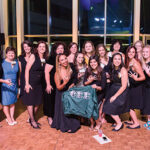
Sorority and fraternity memories shone out at the Grit & Greekness Event held at the Columbus Center on October 15, 2016.


]]>
Sorority and fraternity memories shone out at the Grit & Greekness Event held at the Columbus Center on October 15, 2016.
https://umbc.edu/stories/grit-greekness/
https://my3.my.umbc.edu/api/v0/pixel/news/120928/guest@my.umbc.edu/2879336f5553d6ab4825eed67ea71d23/api/pixel
50th-anniversary
alumni
derek-musgrove
fall-2016
UMBC News & Magazine
https://my3.my.umbc.edu/groups/umbc-news-magazine
https://assets1-my.umbc.edu/system/shared/avatars/groups/000/001/943/24435aa6207c452e7bc15cc74b42c7bb/xsmall.png?1748556657
https://assets1-my.umbc.edu/system/shared/avatars/groups/000/001/943/24435aa6207c452e7bc15cc74b42c7bb/original.png?1748556657
https://assets2-my.umbc.edu/system/shared/avatars/groups/000/001/943/24435aa6207c452e7bc15cc74b42c7bb/xxlarge.png?1748556657
https://assets2-my.umbc.edu/system/shared/avatars/groups/000/001/943/24435aa6207c452e7bc15cc74b42c7bb/xlarge.png?1748556657
https://assets3-my.umbc.edu/system/shared/avatars/groups/000/001/943/24435aa6207c452e7bc15cc74b42c7bb/large.png?1748556657
https://assets1-my.umbc.edu/system/shared/avatars/groups/000/001/943/24435aa6207c452e7bc15cc74b42c7bb/medium.png?1748556657
https://assets2-my.umbc.edu/system/shared/avatars/groups/000/001/943/24435aa6207c452e7bc15cc74b42c7bb/small.png?1748556657
https://assets1-my.umbc.edu/system/shared/avatars/groups/000/001/943/24435aa6207c452e7bc15cc74b42c7bb/xsmall.png?1748556657
https://assets2-my.umbc.edu/system/shared/avatars/groups/000/001/943/24435aa6207c452e7bc15cc74b42c7bb/xxsmall.png?1748556657
UMBC News & Magazine
0
0
false
Wed, 07 Dec 2016 18:57:40 -0500
Visual Arts Golden Ball
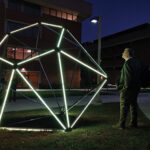
Creative costumes were all the rage at the Golden Ball hosted by the Visual Arts program and its alumni on October 15, 2016.


]]>
Creative costumes were all the rage at the Golden Ball hosted by the Visual Arts program and its alumni on October 15, 2016.
https://umbc.edu/stories/visual-arts-golden-ball/
https://my3.my.umbc.edu/api/v0/pixel/news/120929/guest@my.umbc.edu/6ef0fa11397b352adce4cfac4edb3875/api/pixel
50th-anniversary
discovery
fall-2016
UMBC News & Magazine
https://my3.my.umbc.edu/groups/umbc-news-magazine
https://assets1-my.umbc.edu/system/shared/avatars/groups/000/001/943/24435aa6207c452e7bc15cc74b42c7bb/xsmall.png?1748556657
https://assets1-my.umbc.edu/system/shared/avatars/groups/000/001/943/24435aa6207c452e7bc15cc74b42c7bb/original.png?1748556657
https://assets2-my.umbc.edu/system/shared/avatars/groups/000/001/943/24435aa6207c452e7bc15cc74b42c7bb/xxlarge.png?1748556657
https://assets2-my.umbc.edu/system/shared/avatars/groups/000/001/943/24435aa6207c452e7bc15cc74b42c7bb/xlarge.png?1748556657
https://assets3-my.umbc.edu/system/shared/avatars/groups/000/001/943/24435aa6207c452e7bc15cc74b42c7bb/large.png?1748556657
https://assets1-my.umbc.edu/system/shared/avatars/groups/000/001/943/24435aa6207c452e7bc15cc74b42c7bb/medium.png?1748556657
https://assets2-my.umbc.edu/system/shared/avatars/groups/000/001/943/24435aa6207c452e7bc15cc74b42c7bb/small.png?1748556657
https://assets1-my.umbc.edu/system/shared/avatars/groups/000/001/943/24435aa6207c452e7bc15cc74b42c7bb/xsmall.png?1748556657
https://assets2-my.umbc.edu/system/shared/avatars/groups/000/001/943/24435aa6207c452e7bc15cc74b42c7bb/xxsmall.png?1748556657
UMBC News & Magazine
0
0
false
Wed, 07 Dec 2016 18:57:15 -0500
Accomplishment & Aspirations
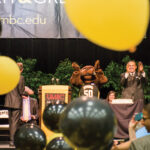
The UMBC campus unites on Founders Day to take stock of the past and look boldly into the future.
September 19, 2016 was the official anniversary of UMBC’s founding in 1966, and the university held a ceremony including students, faculty, staff, and alumni that celebrated a number of qualities that had helped it grow over five decades into a major public research university: talented students, shared governance of the campus, and visionary leadership.
Among the highlights of the ceremony included an address to the campus by UMBC President Freeman A. Hrabowski, III, and a letter from UMBC’s first graduate, Robin Mayne ’69, American Studies, to the UMBC students of 2066. (The letter will be placed in a time capsule celebrating campus life in 2016.) Plus: Lots of black and gold pride, including balloons.
 Founders Day Speakers (from left): Bentley Corbett-Wilson ’17, president, Student Government Association; Damian Doyle ’99, president, Professional Staff Senate; Matt Baker, vice president, Faculty Senate; Robin Mayne ’69; Greg Simmons ’04, MPP, vice president, Office of Institutional Advancement; Provost Philip Rous; President Freeman A. Hrabowski; Deanna Cerquetti, president, Graduate Student Association; Dottie Caplan, president, Non-Exempt Staff Senate; John Becker ’01, president, Alumni Board of Directors; Vrinda Deshpande, UMBC Class of 2020.
Founders Day Speech
by UMBC President Freeman A. Hrabowski, III
Good Afternoon!
Welcome to all – alumni, students, faculty, staff, and friends! This is such a special moment for UMBC – one of twelve institutions in the University System of Maryland, led by Chancellor Robert Caret and the Board of Regents, chaired by James Brady.
The Maryland General Assembly authorized a new campus for Baltimore County in 1963, and it was 50 years ago today that UMBC opened in 1966 on what had recently been 432 acres of farmland. That day, we had 750 students, 45 faculty members, 35 support staff, 3 new buildings, and 500 parking spaces. Staff had literally been sweeping floors and assembling desks the night before students arrived.
Albin O. Kuhn – the University of Maryland’s VP for Baltimore Campuses and later appointed UMBC’s first Chancellor – called opening day his most personally satisfying experience. “We opened on the day we were supposed to, right on schedule,” said. “Buildings were ready to be occupied; sidewalks were installed; the faculty was here. There were blackboards and even chalk.”
This is a moment that allows us to consider what our aspirations have been over the years; reflect on 50 years of growth, grit and greatness; celebrate all that we have achieved together; and aspire yet again – as success is never final.
UMBC in the National Context
We can better understand UMBC’s growth over the last halfcentury if we consider the national context in which our campus was founded and subsequently grew.
Most people today are surprised when they learn that in 1940, on the brink of World War II, just five percent of whites and only 1 percent of blacks in America had earned a college degree. Many people would also be astonished to learn that, at that time, most of the prestigious universities in the world were in Europe. Only a handful of American universities could be called “research universities.”
After World War II, all of this changed, quite dramatically. The GI Bill provided the opportunity for many young people—mainly white men—to go to college. Spurred to action by launch of the Sputnik satellite by the Soviet Union in 1957, Congress passed the National Defense Education Act of 1958 – which provided the federal funding for students in the sciences, area studies, and foreign languages. The Higher Education Act of 1965, a key piece of Great Society legislation, was passed under President Lyndon B. Johnson, further expanded federal postsecondary support. The Pell Grant program, which today provides extensive need-based federal student aid, was created in the Higher Education Act Amendments of 1972 under
President Richard Nixon.
And it worked. The percentage of Americans with a college degree increased to six percent in 1950, and then to about 10 percent by the mid-1960s, when UMBC was founded.
Other forces also created positive change in society and in higher education. Together, the landmark 1954 Supreme Court case of Brown vs. Board of Education of Topeka, and the passage of the Civil Rights Act of 1964, ensured that the expansion of access to higher education could be inclusive, extending beyond just whites to African Americans, and to other minorities.
So UMBC was founded at a time of great expansion in access to higher education. We were created to play a key role in facilitating that growth in Maryland, and we had a special place in this expansion. We were the first university in Maryland that welcomed students of all races and backgrounds from the moment we opened our doors.
And look at us now. From our modest beginnings, we have built a foundation for excellence, and solidified our place as Doctoral University with Higher Research Activity, as designated by the current Carnegie Classification.
We have attracted national attention for what we have done well in our first 50 years. Our academic strengths in research and teaching have been celebrated in the New York Times, and in U.S. News and World Report, and featured on 60 Minutes. We’ve also been acknowledged for providing excellence for value by publications including the Princeton Review and Kiplinger’s. And The Chronicle of Higher Education has ranked us as a “Great Place to Work” seven years in a row.
Yet as we reach this milestone, it is imperative that we acknowledge the important work UMBC and other institutions of higher education must still do. Just 56 percent of students who start a bachelor’s degree nationally complete within six years. Raising that number is a task made more challenging by income inequality. More than half of students from families in the highest income quartile earn a bachelor’s degree by age 24, while only about one in 10 of those from the lowest income quartile do so.
America is failing these lower-income students. We must continue to elevate not just college readiness, but push forward on the work we do on campuses to ensure these students succeed when they get here.
The good news is that more people of every race, ethnic group, and gender are educated today than ever before. And UMBC has played a significant role in its first 50 years by becoming a national model for inclusive excellence in a research university that others now look to emulate.
 UMBC Presidents (from top left): Albin O. Kuhn; Calvin Lee, Louis Kaplan; John Dorsey; and Michael Hooker.
Our Aspirations
At UMBC’s opening in 1966, Albin Kuhn said, “Just like a youngster, we don’t have all the answers, but we do want to develop our own personality and become part of the Baltimore metropolitan area.”
Over the next 20 years, after Dr. Kuhn had laid our solid foundation, the campus was steered through a challenging period of growth by Calvin Lee, UMBC’s second chancellor; Louis Kaplan, interim chancellor; and John Dorsey, our third chancellor.
Our fourth chancellor (and first president) Michael Hooker inspired UMBC to dream of reaching new heights.
At his installation in 1986, he said, “My [vision] …is for UMBC to be a model university for the 21st Century, and to be the best public university of its size in the country.”
Hooker argued that UMBC could capitalize on its potential and make this vision a reality by adopting four key principles:
- Be progressive — forward looking
- Be responsive — embracing our community and its needs
- Be selective — find key areas in which UMBC could grow to become excellent
- Be metropolitan — be a partner for the region, a force for addressing both its social problems and its economic development needs.
At my own installation as UMBC’s president in 1993, I remarked that at the founding of Stanford University – or even at its 25th anniversary – no one could have envisioned what it would one day become. The growth at Stanford – spurred on by the Second World War, the Cold War, and the rise of Silicon Valley – was still in its future.
At UMBC’s founding, no one could then have fully envisioned what the university might become. My point back then was that we needed to set our sights high:
“We are a university on the move. We know what we want to become and how to get there. We will work to become one of the best research universities of our size in the world, and we are determined that our dream will not be deferred.”
We still embrace this goal. Along with such great universities as Stanford, MIT, Carnegie-Mellon, Arizona State, Georgia Tech, and the University of Michigan, we rank highly on a nationally-recognized list of the most innovative national universities in the nation!
Our Growth
Our emergence as a model research university can be traced to many factors. We have an inclusive notion of leadership and shared governance. Many of our administrators today were once leaders in our faculty and professional senates. Our community is based on shared values. And, most of all, we believe in hard, sustained work for student success.
It has taken grit – and vision of what we could become – to achieve our goals. For our first 20 years, UMBC played its original allotted role as an institution whose students were primarily commuters. It was a wise bargain for a new university: commuters saved their money by living at home; the state saved money by forgoing the cost of residence halls. Only a small number of students lived on campus.
Yet this role did not give us the distinct identity we sought as a research university. Until the 1980s, the diplomas of our graduates did not yet say “University of Maryland, Baltimore County,” but simply “University of Maryland.” The omission reflected a particular mindset about who we were.
But as our campus matured, it was clear that we could become an even more valuable asset to the State of Maryland and the nation. Since the mid-1980s, we have grown into something else – an inclusive, student-focused, residential, research university.
We’ve had tremendous help from the State of Maryland and other sources, who have generously provided almost three quarters of a billion dollars in developing and building state-of-the-art facilities for instruction, research, and student life over a 20-year period from 2000 to 2020.
We have taken those investments in our physical campus and grown in all the ways that a public research university must grow to survive and thrive.
In 1976, we had less than $1 million in research and development expenditures. When UMBC reached its 25th anniversary in 1991, we had reached $6.8 million. Today, we have reached over $80 million. UMBC now ranks #151 in federal research and development expenditures – out of more than 3,000 four-year colleges or universities. And we have 25 major research centers on our campus to propel our efforts.
We have developed strengths in key research areas that are well-aligned with state and national priorities: environment, health, national security, education, and public policy. We are particularly strong in translational and applied research areas, ensuring that our work has direct impact on scientific and engineering fields, on our students, and on the many communities that we touch.
We also have a strong national reputation for integrating undergraduates in mentored research. And our most successful research efforts are frequently interdisciplinary and based on successful collaborations across the campus, with other academic institutions, and with external partners. These partnerships – including those with federal agencies and major corporations – have deepened and matured over the decades.
We have also found the resources to grow. This year, we have our largest budget ever, $440 million – a net increase of $10 million over last year. Of that $440 million, almost $250 million comes from the State of Maryland or tuition and fees.
We’re also developing the resources that will help us grow into our future. In the early 1990s, UMBC’s endowment stood at $1 million. Today, it has grown to more than $77 million – with almost $14 million raised this past year.
The results of all this growth are clear – not only in the impact our research has on our communities and our nation, but in the lives of our alumni and the contributions they make to our society.
We now have more than 70,000 alumni who are working in Maryland and beyond as artists, social workers, policy analysts, doctors, dentists, healthcare workers, teachers, lawyers, engineers, and computer scientists. We have educated more than one-quarter of the information technology graduates in Maryland. We have 2,000 alumni working for the Navy and another 1,000 at NSA. We have just launched the first Naval ROTC program in Maryland, with special support from Senator Mikulski. Our alumni have a strong impact.
We are sending our students to the most prestigious graduate and professional programs in the country and our doctoral graduates hold faculty positions at research and comprehensive universities across the nation. Our alumni also lead institutions such as the Johns Hopkins Applied Physics Laboratory and Clemson University.
Looking to the Future: Imagine What’s Next
This anniversary has coincided with intensive processes of strategic planning and self-assessment via our pursuit of Middle States Accreditation. This confluence of events has given us a chance to reflect on our growth and plot out a course to reach our aspirations for the future as a campus. We are not yet done. Success is never final. However good you are, you can always improve. We are now building on the foundation laid by our founding generation.
As we move forward as a university, we must ask ourselves:
What are our challenges? What are our goals? How can we address the great issues of our day?
We have shown a willingness as a campus to be honest with ourselves. For example, we know we must continue our work to develop a more diverse faculty and staff – particularly African Americans, Hispanics, and women – in selected areas.
Despite our growth, accolades, and achievements, we face other important challenges as a campus. We grapple with adequate funding per student given the higher costs associated with fields in the sciences and engineering that many of our students major in. We have had uneven progress across all disciplines in improving teaching and learning – a key component of our ongoing effort to improve student success. And another problem of our growing stature is reflected in other universities’ attempts to recruit away our excellent faculty.
We also have important strategic questions related to our goals: supporting students, expanding research and creative achievements, enriching the life of our campus, and extending our engagement with our surrounding communities.
How far can we extend the university’s enrollment – and with what resources? How can we better ensure degree completion? How can we extend the benefits of the practices pioneered in our scholars programs to all students? How can we deepen our innovation in teaching and learning, as we improve advising and mentoring, and more fully capitalize on student analytics and assessment? How do we better invest in faculty and staff as they pursue multidisciplinary research, scholarship, and creative activity?
We also must ask how our campus will grow in the future. Can we imagine a mixed use development on campus, with residential, commercial, entertainment, and other amenities? How can we develop closer connections with Catonsville and Arbutus and create a college town atmosphere? What opportunities are presented by potential development of the neighboring Spring Grove campus?
We must also examine our larger role in the region, state, and nation. How can we strengthen our position as an anchor institution for the region, building relationships from Baltimore to Washington? How do we advance our role and reputation as a vital stakeholder in Maryland’s innovation economy?
How can we continue to build our partnerships with other research universities within the system and beyond?
As we look ahead, we are inspired in two essential ways.
First, we seek to expand our work as a national model for others on approaches to helping students succeed, in not just a few disciplines but across the board, and to do so in ways that will impact the real world. We will continue to innovate in the classroom and on campus generally. We are providing academic initiatives, student affiliation opportunities, transfer student support, assistance for near-completers, and opportunities for real-world connections.
Second, using our research capacity we will intensify our efforts to tackle critical challenges faced by society and all of humanity in general. UMBC researchers have undertaken important work on AIDS, anti-cancer strategies, refinement of the aquaculture industry, environmental research, cybersecurity, climate change, the digital humanities, imaging and digital arts, and public policy.
America still faces major social challenges from economic inequality and the issues that divide us – race, ethnicity, religion, and sexuality – to criminal justice reform and heath disparities. Following the tragic death of Freddie Gray last year, we looked in the mirror to assess what we as a campus could do to reach out to Baltimore City. We have now created more than 140 programs, initiatives, partnerships, and organizations in which our students, faculty, and staff connect to the city and its residents. We
celebrate this energy and are working to support and expand it.
Across the university—across all of our colleges—we seek to educate our students and advance research in areas that meet national and global needs.
We continue to build an entrepreneurial climate for economic development. We continue to work with children and find ways to close the achievement gap among students of different racial and ethnic groups.
Conclusion
UMBC has been a 50-year experiment in higher education here in Catonsville. We have become an inclusive, selective, highly residential research university. We are forward-looking and responsive. We have a strong focus on inclusive excellence – teaching students how to live and work with people different from themselves.
We believe in high expectations and a passion for learning. We are seeking ways to advance knowledge and educate our students to make a difference in our society and our world. And, most of all, we still believe in hard work.
I continue to quote Aristotle: “Excellence is never an accident. It is always the result of high intentions, sincere effort, and intelligent execution. It represents the wisest choice of many alternatives—choice not chance, determines your destiny.”
It takes grit to achieve greatness!

Excerpts From a Letter
by Robin Mayne ’69
To UMBC Freshman Class of 2016
Back in 1966, the campus was a pretty wild and woolly place. On the first day of classes in September, new students were greeted with acres of pasture for parking, much of it muddy, and miles of wooden walkways. Workers rushed to put the finishing touches on the new campus, even as the students were rushing to avoid them on the way to class. The aura of excitement was palpable.
Birthed during the turbulent era of the 1960s, UMBC struggled, as many schools did, to redefine what education really meant. At its core was engagement, both of students and faculty, in studies, in creativity, in community, in political action, and in social awareness and responsibility.
In the fifty years since those beginnings, these commitments have not diminished, but only expanded and intensified. Like many of you, I came to UMBC with only the goal of a degree. But along the way, I developed new skills in critical thinking, and analytical problem solving, within the context of a liberal arts education. I have become a lifelong learner, and use those skills daily to meet the challenges our complex and shifting world.
In looking back over the years, UMBC has gloriously fulfilled its promise of becoming a world-class university. Its esteemed leaders have created a place where students from all backgrounds can come together and find inspiration and vision to craft their own educational experience. And so today I want to remind that you are joining this institution’s firmly established traditions of academic excellence, exceptional creativity, social commitment, community involvement, diversity, and inspiration. Be good stewards of those traditions, and of this campus, your home. They are in your hands to protect and cultivate. Embrace your time here, stay passionate, and I am confident you will discover your own unique path into an ever-brightening future.
]]>
The UMBC campus unites on Founders Day to take stock of the past and look boldly into the future. September 19, 2016 was the official anniversary of UMBC’s founding in 1966, and the university...
https://umbc.edu/stories/accomplishment-aspirations/
https://my3.my.umbc.edu/api/v0/pixel/news/120930/guest@my.umbc.edu/d9069014a116baa8c5a1ae762b653cd6/api/pixel
50th-anniversary
fall-2016
founders-day
robin-mayne
umbc-history
UMBC News & Magazine
https://my3.my.umbc.edu/groups/umbc-news-magazine
https://assets1-my.umbc.edu/system/shared/avatars/groups/000/001/943/24435aa6207c452e7bc15cc74b42c7bb/xsmall.png?1748556657
https://assets1-my.umbc.edu/system/shared/avatars/groups/000/001/943/24435aa6207c452e7bc15cc74b42c7bb/original.png?1748556657
https://assets2-my.umbc.edu/system/shared/avatars/groups/000/001/943/24435aa6207c452e7bc15cc74b42c7bb/xxlarge.png?1748556657
https://assets2-my.umbc.edu/system/shared/avatars/groups/000/001/943/24435aa6207c452e7bc15cc74b42c7bb/xlarge.png?1748556657
https://assets3-my.umbc.edu/system/shared/avatars/groups/000/001/943/24435aa6207c452e7bc15cc74b42c7bb/large.png?1748556657
https://assets1-my.umbc.edu/system/shared/avatars/groups/000/001/943/24435aa6207c452e7bc15cc74b42c7bb/medium.png?1748556657
https://assets2-my.umbc.edu/system/shared/avatars/groups/000/001/943/24435aa6207c452e7bc15cc74b42c7bb/small.png?1748556657
https://assets1-my.umbc.edu/system/shared/avatars/groups/000/001/943/24435aa6207c452e7bc15cc74b42c7bb/xsmall.png?1748556657
https://assets2-my.umbc.edu/system/shared/avatars/groups/000/001/943/24435aa6207c452e7bc15cc74b42c7bb/xxsmall.png?1748556657
UMBC News & Magazine
0
0
false
Wed, 07 Dec 2016 17:58:11 -0500
The Power of 50

Tracing the Impact of UMBC – and its Alumni – After Five Decades
In his Founders Day address, UMBC President Freeman A. Hrabowski, III, made the case for UMBC’s vitality and influence as a public research institution. But how do you quantify the university’s success and impact over its existence?
The university asked Sage Policy Group, a prominent economic analysis firm, to assess UMBC’s impact as a university and as an engine of fiscal growth in Maryland.
The group’s report – UMBC at 50: Momentum and Impact – makes a clear and compelling case for the university’s dynamic intellectual, social, and economic influence in its first five decades.
UMBC and Its Alumni Fuel Maryland’s Economy
 The earning power and contributions of UMBC’s graduates and employees to the state economy are a key element of the report.
The report pegs the total economic impact created in Maryland each year by UMBC in the billions – a figure derived from the employment produced by the university, its bwtech@UMBC research park, current students and alumni combined with the budgetary spending from those same sources.
Dig deeper – as the analysts did – and you will see that the more than 70,000 alumni who have graduated from UMBC since its doors opened in 1966 are the motor of that powerful impact. The positive economic benefits of obtaining an undergraduate degree are well documented. Sage analysts generated a range of annual household income for UMBC alumni with an undergraduate degree between $84,628 and $131,835. Those who held a graduate degree from UMBC saw even more benefits, with annual household income between $123,654 and $192,630.
And since many UMBC alumni stay in the region, these dollars are at work in the local and state economy. The Sage analysts found that, using mid-point annual income as a foundation, “UMBC alumni spend an estimated $1.2 billion in the regional economy and $1.9 billion in the state’s economy.”
How Did It Happen?
The Sage Policy Group analysts tracked a number of key factors in UMBC’s rise as a public research university that produces graduates with such immense impact.
ENROLLING AND RETAINING STUDENTS
UMBC’s student population had grown strongly over the past 50 years. The analysts observe that “the pace of UMBC’s enrollment growth was particularly rapid between the 10th anniversary [in 1976] and the 25th anniversary [in 1991],” and the university currently boasts almost 14,000 students.

Over the past 40 years, UMBC has made substantive progress in retaining students. The university’s progress has been more remarkable still in its support for student completion of undergraduate degrees. Since the university’s 10th anniversary, first-year retention rates for all students have climbed from 76 percent to 87 percent. By comparison, the recent national retention rate for four-year public universities and colleges was 78 percent, and Maryland’s rate was 81 percent. And 67 percent of first-time, full-time UMBC freshmen graduate from the university within six years, while 76 percent complete a postsecondary degree (associate or bachelor’s) at UMBC or some other institution. Including those enrolled now, 90 percent of the men and women who start their college careers at UMBC have either earned a postsecondary degree or are pursuing a degree six years after matriculation.

“In building [its] multifaceted student population,” the report concludes, “the university has also lifted its academic caliber while generating a rapidly expanding pool of financial support. This financial support has helped UMBC welcome an increasing number of students from low-income families for whom the education and experience the university offers is likely to fundamentally alter economic prospects.”
 [view larger]
AN ENGINE OF ECONOMIC INCLUSION
UMBC is an engine of economic opportunity for its students. This fact underpins the university’s growing excellence and diversity. The SAGE analysts observe that “[t]his is one of those areas in which UMBC really shines – generating remarkable academic prowess among students with humble financial backgrounds.”
UMBC has made startling leaps in the value and scope of its financial aid over the past 25 years. And while the growth in the amount of need-based aid and merit awards at UMBC are eye-catching, the university has also vastly increased the number of Pell grant recipients who attend the school. This is an important metric because most students who receive Pell grants have household incomes of less than $20,000 a year.

RESEARCH AND CAPITAL INVESTMENTS
Sage Policy Group noted that “UMBC has had remarkable success in capturing funds for research over the decades.” In 1976, the earliest year for which data are available, funds for research at the university totaled less than $1 million. This total grew to $6.8 million by 1991 and then to more than $68 million in 2015, the most recent year for which data are available.

The university has also made significant strides in attracting funding for capital growth that is necessary to consolidate its successes and grow along with its expanding mission. The analysts observe that support from the State of Maryland and steady increase in enrollment “have provided nearly $700 million towards the development and construction of state-of-the-art research, instruction, and student life facilities.” There has been an investment of more than $553 million in capital projects on the UMBC campus since 2000, with an additional sum of $110 million to develop the bwtech@UMBC Research and Technology Park. UMBC has budgeted an additional $144 million for facilities over the next four years – budgetary expenditures which will support nearly 4,400 jobs in the Baltimore region.
DOLLARS AND SENSE
The Sage Policy Group report also delves deeply into the economic impact of UMBC in terms of employment, income, taxation base, and overall effects on the state’s economy.
“Reflecting its growth in enrollment, faculty, and staff, UMBC has become an increasingly important economic presence in the Baltimore region and in Maryland,” the analysts write. “From a relatively modest $19 million operating budget in the 1976-1977 academic year, the university’s operating budget grew to $107 million by its 25th anniversary and then to $420 million at its 50th anniversary.” At its current budget levels, UMBC is “one of central Maryland’s economic anchors.”
INNOVATION CREATION
Sage’s analysts specifically mentioned bwtech@UMBC as a key to this impact. UMBC’s research park – established in 1989 – was the first university-based research park in Maryland, and the study’s authors conclude that it is “the most visible manifestation of UMBC’s commitment to translating intellectual capital into more broadly shared regional prosperity.” They add that bwtech@UMBC’s “total economic contribution to Maryland’s economy totals $340 million per annum,” and that it is “home to 1,450 jobs.”
]]>
Tracing the Impact of UMBC – and its Alumni – After Five Decades In his Founders Day address, UMBC President Freeman A. Hrabowski, III, made the case for UMBC’s vitality and influence as a...
https://umbc.edu/stories/the-power-of-50/
https://my3.my.umbc.edu/api/v0/pixel/news/120931/guest@my.umbc.edu/03ce0c83b97f8e17352e2c508c930e05/api/pixel
50th-anniversary
economic-impact
fall-2016
impact
sage-policy-group
UMBC News & Magazine
https://my3.my.umbc.edu/groups/umbc-news-magazine
https://assets1-my.umbc.edu/system/shared/avatars/groups/000/001/943/24435aa6207c452e7bc15cc74b42c7bb/xsmall.png?1748556657
https://assets1-my.umbc.edu/system/shared/avatars/groups/000/001/943/24435aa6207c452e7bc15cc74b42c7bb/original.png?1748556657
https://assets2-my.umbc.edu/system/shared/avatars/groups/000/001/943/24435aa6207c452e7bc15cc74b42c7bb/xxlarge.png?1748556657
https://assets2-my.umbc.edu/system/shared/avatars/groups/000/001/943/24435aa6207c452e7bc15cc74b42c7bb/xlarge.png?1748556657
https://assets3-my.umbc.edu/system/shared/avatars/groups/000/001/943/24435aa6207c452e7bc15cc74b42c7bb/large.png?1748556657
https://assets1-my.umbc.edu/system/shared/avatars/groups/000/001/943/24435aa6207c452e7bc15cc74b42c7bb/medium.png?1748556657
https://assets2-my.umbc.edu/system/shared/avatars/groups/000/001/943/24435aa6207c452e7bc15cc74b42c7bb/small.png?1748556657
https://assets1-my.umbc.edu/system/shared/avatars/groups/000/001/943/24435aa6207c452e7bc15cc74b42c7bb/xsmall.png?1748556657
https://assets2-my.umbc.edu/system/shared/avatars/groups/000/001/943/24435aa6207c452e7bc15cc74b42c7bb/xxsmall.png?1748556657
UMBC News & Magazine
0
0
false
Wed, 07 Dec 2016 10:32:13 -0500
Fab (Four) Storytellers

A collection of vivid vignettes from UMBC’s founding.
The Stoop Storytelling Series – created by Laura Wexler and Jessica Henkin – has become a fixture in Baltimore arts community, encouraging “ordinary” people to tell the extraordinary stories of their lives. So it was a natural for the Stoop Stories team to organize “Retrieve Your Memories: Stoop Stories with the ab Four and Friends” to tell stories of UMBC’s first students and faculty, with a special guest appearance by UMBC President Freeman A, Hrabowski, III. Each speaker stepped into the spotlight for a few moments and brought the early days of the university to life for a packed audience in the Linehan Concert Hall.
What follows are edited excerpts from the event.
– Laura Lefavor ’13
Mimi Dietrich ’70: On September 19, 1966, I came to UMBC as a student. I am a member of the Fab Four, which is the first four graduating classes. I want to set the stage a little bit by telling you a little bit about what it was like in 1966. Imagine. There were 750 freshman commuter students. There were no upperclassmen. There were three buildings. Everything that we did was in those three buildings.
We had professors that we had never heard of before. We had no idea what they were like, and we had no idea that they were really as new as we were to this whole thing. It was amazing. It was exciting. We came with notebooks. We did not have any computers. And the best thing of all is that everybody left their phone home, because it was hooked to the kitchen wall with a curly little line. So tonight we’re going to tell you some stories about those days, and take you back a little bit.
Louie (Linda) Sowers ’70: I came to UMBC in 1966, not really knowing what to expect, but I was hoping to play sports here. I had played volleyball in high school. I loved volleyball, so I was really hoping to play volleyball in college. But unfortunately, freshman year we didn’t have any intercollegiate women’s sports. There were men’s sports, but there were no women’s sports. So when sophomore year rolled around, there were still no women’s sports. And I was getting a little nervous, because I really wanted to play volleyball.
So I thought: “Well, I probably need to get a little proactive.” So I decided that I would go speak to Dick Watts, who was the Director of Athletics here. And he was a little bit gruff around the edges, and very intimidating to me anyway, a little shy sophomore. I had no idea what his reaction was going to be, but I went up into his office and I said to him, “What are the chances that we could have a volleyball team this year?” And he never smiled at me. He was very serious. Just stared at me, which seemed like forever.
And then finally he said, “I’ll tell you what. If you bring me a piece of paper with the signatures of the girls who are interested, and if there’s enough interest, I’ll hire you a coach.” So I said, “Okay, fair enough.” So I went out and I did my little recruiting thing, and evidently I was pretty good at begging people, because I came back with 66 names, and he hired us a coach. So this was about four years before Title IX, so we had no money. There was no budget….
We had no uniforms. We wore our gym uniforms that first year. And we had no away games because we didn’t have money for transportation…. [In] junior year, things got a lot better. He hired a woman named Joan Chenoweth, who was the Women’s Athletic Director, and she coached field hockey, basketball, and volleyball. Now, I played on all three of those sports, but please don’t be impressed by that. If you showed up the first day of practice, you were on the team….
By the time I was a senior, our basketball team had a nine and two record. We were invited to the State Championships. We were seeded second in that tournament, and I’m really proud of that. And I’m really proud to have been a part of women’s sports and the starting of it, and I loved every second of going to school here.
Ed Berlin ’70: We all showed up in tribes. There was the Calvert Hall tribe, and there was the Parkville High tribe. And even though we went to different classes, we all found each other back in the cafeteria – our tribe. I happen to be a member of the Jewish City College tribe. And there wasn’t a lot to do. There were some sports, but someone had this great idea that it’s fall, “Why not have a Halloween party?” And for some reason – I can’t remember how – I got to be the facilitator, or the student activity person putting it together.
The very first party in the history of UMBC: October, 1966. And I wanted to make it special, so I scrounged around. I found some pumpkins. I thought that would be great. It’s pumpkin time. And then I realized the pumpkins were rolling around in the cafeteria, and you couldn’t dance or anything like that with these pumpkins rolling around. So if we were going to have a party, we needed to do something about the pumpkins.
It was a facilities gentleman who offered me some old picket fences that looked like they had been here since the beginning of time, and he found me some whitewash to dress them up. And I put the fences around (if you remember) the columns in the old cafeteria, so there were these nice pumpkin patches. And I was feeling pretty darn good about myself.
So people start to show up, and they have amazing costumes. The music was terrible. I think someone had some 45s or something like that. The sound system in the cafeteria was, as you could expect, pretty awful. But I felt pretty good about it. It was packed. It was hot. People were dancing.
And then all of a sudden, I started to hear this shrieking, and people were turning around and pointing at each other’s costume, and there were white streaks all up and down everyone’s costume, right? And people were angry. Who was crazy enough to paint those picket fences, and they were still wet, right? So I didn’t really know what to say. In fact, I think I left early.
Simmona Simmons ’74: I came to UMBC in 1966 as a staff person. I was really, really young, and so was everybody else. I came from Bowie. I had been at Bowie for about two years. I worked there, and then I also was a student. I wasn’t able to finish my education, so I withdrew from school and decided to take the state test so that I could get a state job to fund my education. When I took the state test, the first job that came up was UMBC. I came for the interview with Mr. John Haskell, who was their librarian at that time.
I had just gotten married, so when he interviewed me, he said, “Just got married – you probably won’t be here very long.” So I got the job, and believe it or not, the library was at Hillcrest. Many of you probably don’t even know about that building. Hillcrest was a leftover from Spring Grove, and in the basement, I understand, there were bars. But I never went down there, because it was too spooky. I stayed on the main floor and did what I was supposed to do.
Later on, the library moved to the Biology building. We stayed there a few years. In 1968, the first phase was completed of the library, and I helped move into that phase. Then later on, Phase II was completed. We moved into Phase II, so I helped move that library. Then in 1994, we moved into the Tower, as we know it now, and I think that’s the last move for me.
During that whole time, as UMBC was growing, I decided I would start taking classes. I loved going to school, and I loved learning. I decided: “I will complete my education.” So I started to take classes. Early on, I was an English major. Then I decided I would switch over to American studies. I completed my B.A. in 1974. Then I went on to get my master’s in Library Science, so I’d be a certified librarian. And then I went on and got a second master’s in American studies.
The whole experience here at UMBC was gratifying, and I learned a lot. There weren’t that many people around early on that looked like me, so I was very shy…. Sometimes I felt a little invisible, but I hung in here, and I’m glad I stayed, because as UMBC grew, I grew with UMBC. This has been a wonderful experience. I’ve grown up with the university, and I have to say, some of my best experiences, some of my growth experiences, happened here.
Diane Tichnell ’70: On September 19, 1966, I came with a mission, and I came with an attitude. Now, my mission was I was going to get a cheap education, and I was going to hang around this little rinky-dink place for like two years, and go to the real University of Maryland at College Park. So that was my mission. Now, my attitude was that I was going to wow this campus and everybody else with my journalism
prowess. So the first year, as you’ve heard from our speakers, was kind of kludgy. We were freshmen. There were no upperclassmen…. But there was a newspaper, and second year,
I made my way into the newspaper office….
My first assignment, I was told to go out and count the parking spaces on campus, and then go to Facilities and find out how many more we would have that year. So that got about two inches published in the newspaper. My second assignment was to go and seek out a commissioned sculpture that had been placed on the campus (it was called Entropy Machine No. 7 and Micro Mantis) and find out about it. Well, this gentleman, this sculptor, had been paid $40,000 for this and yet another sculpture.
So I found it, and apparently it was all made out of big iron pipes, and there was a praying mantis for one end, and there was this big machine at the other end. It was to show that when UMBC was developed, we displaced thousands, apparently, of praying mantis colonies…. I actually had a picture put in the paper with that, and maybe four inches of copy that time. So I was so excited.
Finally, [the editor] called me in, and he said…. “There is a group coming on campus, and I would like you to go and interview their leader prior to a seminar they’re going give this afternoon…. It’s in the Student Union….”
So I walked through those doors, and two guys were standing in front of me in guerilla-style warfare outfits. They had boots. They had fatigues. They had berets, and they had bullets across their chest. And they just looked at me. So I [said], “I’d like to speak to the leader of your group….”
That moment was a life-changing experience for me, when Bobby Seale, the co-founder of the Black Panthers for Self-Defense, started talking to me. He was so articulate. He was so committed. He was bang, bang. I couldn’t write fast enough to get down everything he said….
After talking with him, I realized I got nothing. This man put his life on hold, put his family on hold, put everything on hold to walk out there, to come across-country, and to do a big sweep of the East Coast. He could’ve walked out of UMBC and been shot. He could’ve been arrested, as his co-founder was, on trumped-up charges, Huey Newton. It changed my life. Not only the way that I approached journalism, but it changed the way I thought about causes.
They are not abstract. They are people, putting themselves out there for the rest of us. When I finished my interview, I thought to myself – obviously, I didn’t make it to College Park. I changed my major to political science and stayed here. Where can you go and get an experience up-close and personal with the movers and shakers in the country at that time but here? Dr. Albin Kuhn must’ve had some kind of
vision of what was going to happen here, in this microcosm of America that we had. He must’ve known….
John Titchener, emeritus professor, philosophy: My name is John Titchener. I came in June of 1967, one of the hottest summers on record, and taught in the library, first floor, in the classroom facing the pond. The average temperature was between 100 and 110 [degrees].
The ’60s, late ’60s, these people have been saying, were the times of the troubles. Campus was in turmoil. We had all kinds of furor about censorship…. A threat to The Retriever, and the question of prior restraint, all that kind of stuff. I had the misfortune, I think – or fortune, I’m not sure which – to be the President of the UMBC Assembly, which was alleged to be a governing body composed of students, staff, and faculty, and to represent the interests of the entire community.
It fell to me to go to the Board of Regents and complain bitterly about this prior restraint and censorship. So I said to [founding chancellor] Albin O. Kuhn: “I have to go to the Board of Regents meeting, and I have to tell them how much we dislike what you’re doing.”
Now, this was not a very comfortable position to be in. But Albin Kuhn took me aside, and said: “Now look, I understand what you have to do, and I respect you for doing it. But you should know some things about these Regents. One of them is tone-deaf. Not tone deaf, totally deaf, so make sure you face him. He’s important. He’s the one you need to impress.”
He wanted to take me down in a limousine, and coach me, and I said, “I can’t do that.” I was too proud. I mean I represented the faculty; I couldn’t be seen with the administration. But he helped me there, and I did my testimonial. I can’t say it was because of me – I think it was Dr. Kuhn – but the cause was resolved.
I just want to join all the other people who thought about him, because he was an extraordinary person, and an extraordinary first president.
Allen Holtzman ’70: I was in the first UMBC class, 1966, and the first class that graduated, in 1970. I was on the lacrosse team….We went down to the University of Virginia, and we had some fairly good players. But the University of Virginia was a top-rate school, and my friend was the goalie. And he had just told me, when I told him we were going to come down and play (after he stopped laughing), “Oh, that’ll be an easy game for us.” And he predicted a shut-out, which is very unusual in lacrosse. And I said, “Well, we’ll see.”
[At] UMBC, there were no scholarships, so in order to go down, I had to get an okay from [a professor] to take a test before I left, so I did that. And we got on a bus on a Saturday morning really early, like about must’ve been 6 [a.m.], and we drove down there. It seemed like we were in the bus forever, and I remember getting a lot of homework done on the way down…. But we got out there, and we started playing. And it was an unusual game because it was very low-scoring, and we found ourselves playing just as well as they were.
All of a sudden, we were close. I didn’t play that much, but I was a midfielder, so I got in there ccasionally. And lo and behold, the game was over and we won four to two. So every time I see this guy, I don’t say anything. I just mouth the numbers: “Four to two.”
William Rothstein, emeritus professor of sociology: In the spring of 1966, I drove to Baltimore to find housing and visit the campus. I drove down Wilkens Avenue past the dairy farm and the cows, which made me wonder if this was really an urban university. I drove past the Beltway, took a right, and entered Spring Grove State Mental Hospital and saw the bars on the windows, raising more doubts about this new urban university. I eventually located the campus, got out of my car at the top of the hill above the campus, and looked down at UMBC.
The land had been dug up everywhere. None of the three buildings was finished and there were no roads. I had taken a job at a university and there was no university. Could they start classes in the fall? And more important, if not, would I have a job? The first years at UMBC were notable because practically all of the faculty were new Ph.D.s like myself, and not much older than the students, who were mostly freshmen. There were faculty-student basketball games and faculty-student softball games. A faculty colleague was playing basketball in the gym, and saw a student playing basketball who had told him earlier that he had missed class because he was sick….
So many things had to be decided in the early days that we were creating the university as well as teaching and doing research. I found it very exhilarating and collegial, not bureaucratic. At the end of my second year at UMBC, I was walking across the campus and thought to myself, “I think I’ll be a college professor.”
Donna Hekler ’70: I was another one of those commuter students. We all were. There wasn’t a dorm…. So the cafeteria was really a melting pot, as you’ve heard. And I was sitting there one day with my tray and it’s full, ’cause everybody ate lunch in the cafeteria because that was the only place to eat.
So I’m standing there with my tray, looking around, going, “Oh, geez, it’s full. Where am I going to eat?” And I saw my girlfriend, Maria Adams, and she was eating with this sort of nice, distinguished-looking man. And I figured since she was in American Studies, and I was in English, he was probably one of her professors that I hadn’t met yet. And that was normal for the professors to come down and eat
with the students.
So I’m standing there with my tray. I walk over and look at Maria and this gentleman, and said, “Can I sit here?” So I put my tray down, you know, I’m eating lunch. And this gentleman looks at Maria, and says, “Maria, I don’t believe I’ve met this young lady yet.” She said, “Donna, this is Dr. Kuhn.” I went, “Oh my God – I’m eating lunch with the Chancellor of the University.” And I kind of checked myself, and I thought, “Oh, please manners, don’t fail me now.”
Dr. Kuhn wanted to know what these two freshmen, who had only been at the school for a few weeks, thought of our experience. And he wasn’t asking for us to say things he wanted to hear; he really wanted to know what was working, and more importantly, what wasn’t working. What needed to be changed? What did we think really needed more oomph? And as I look back on it, I realize that this is probably the first person of stature that ever listened to me. Really listened, truly wanted my opinion, and heard everything we said, and was willing to act on it. It was quite an amazing luncheon…. It took some grit to open this school, and if the faculty and the students and the staff were the grit, my friend, Dr. Albin O. Kuhn, was the greatness.
Freeman A. Hrabowski, III, UMBC President: In 1992, Michael Hooker accepted a job in Massachusetts, and invited me to go with him. But somehow, UMBC was in my blood, and I knew I wanted to stay here in my role. And yet several faculty members came and said, “We’d like you to think about being our interim president.” I’ll never forget it. Came to my office and said, “You can do this.”
So I became the interim president, and it was a new role, and I felt very humble, but I was so excited. The economy, unfortunately, was in really bad shape. The resources got to the point where the regents decided they had to cut all budgets by millions and millions of dollars. And I’m thinking, “Oh my God, here I am president; what do I do?” Immediately, the regents had a major discussion about the future of each university. And what came through was that they decided which programs would be cut.
We, the presidents, had said, “Please let us make those decisions.” They said, “No.” They decided that a number of programs would be cut, including our fabulous theater program, our ancient studies program, our social work program….
What happened was this: the campus came together. They could’ve said, faculty against administrators, students against everybody else. Instead, when times are tough, and it’s about character, people come together. All of a sudden, social workers from all over the state were saying, “You cannot cut this program….” The faculty in ancient studies were able to get the head of the Greek Church of North
America to write a letter. And so when I went to talk to the regents, I was with God on my side. I want you to know that it was really powerful.
And I’ll never forget being fortified, because I kept thinking, “I wonder if what I say will determine whether I will keep this job?” Because I was so angry that we were treated that way. And I did say to the regents, some of whom I knew had children in very wealthy institutions. And I said to them, “Is it your thought that only rich kids should be exposed to Greek and Latin?” And faces turned red. You know, a lot of people turn red. I don’t, but a lot of people do, right? I said, “I am a strong believer that working-class people, middle-class people, should be exposed to the best, because they’re going to be the leaders, whether you like it or not.”
Amazingly, they listened to me. But then the most exciting part of all came. The [theatre] students took their creativity and decided to come before the Board of Regents. The students came in. All of a sudden it was quiet. They were all in black, and there was a coffin with Theater written on the side, and they put it down in front of the Board of Regents. And they just stood there in silence. It was the most powerful moment. But it said, “This is who we are. We come together as a community.”
The liberal arts are important. If it were not for what they did, we would not be sitting here today. Thank you.
Watch the entire “Retrieve Your Memories: Stoop Stories with the Fab Four and Friends” at 50.umbc.edu/weekendroundup.
]]>
A collection of vivid vignettes from UMBC’s founding. The Stoop Storytelling Series – created by Laura Wexler and Jessica Henkin – has become a fixture in Baltimore arts community, encouraging...
https://umbc.edu/stories/fab-four-storytellers/
https://my3.my.umbc.edu/api/v0/pixel/news/120932/guest@my.umbc.edu/e28fcf2b246980255be928b65e565464/api/pixel
50th-anniversary
fab-four
fall-2016
stoop-stories
umbc-history
UMBC News & Magazine
https://my3.my.umbc.edu/groups/umbc-news-magazine
https://assets1-my.umbc.edu/system/shared/avatars/groups/000/001/943/24435aa6207c452e7bc15cc74b42c7bb/xsmall.png?1748556657
https://assets1-my.umbc.edu/system/shared/avatars/groups/000/001/943/24435aa6207c452e7bc15cc74b42c7bb/original.png?1748556657
https://assets2-my.umbc.edu/system/shared/avatars/groups/000/001/943/24435aa6207c452e7bc15cc74b42c7bb/xxlarge.png?1748556657
https://assets2-my.umbc.edu/system/shared/avatars/groups/000/001/943/24435aa6207c452e7bc15cc74b42c7bb/xlarge.png?1748556657
https://assets3-my.umbc.edu/system/shared/avatars/groups/000/001/943/24435aa6207c452e7bc15cc74b42c7bb/large.png?1748556657
https://assets1-my.umbc.edu/system/shared/avatars/groups/000/001/943/24435aa6207c452e7bc15cc74b42c7bb/medium.png?1748556657
https://assets2-my.umbc.edu/system/shared/avatars/groups/000/001/943/24435aa6207c452e7bc15cc74b42c7bb/small.png?1748556657
https://assets1-my.umbc.edu/system/shared/avatars/groups/000/001/943/24435aa6207c452e7bc15cc74b42c7bb/xsmall.png?1748556657
https://assets2-my.umbc.edu/system/shared/avatars/groups/000/001/943/24435aa6207c452e7bc15cc74b42c7bb/xxsmall.png?1748556657
UMBC News & Magazine
0
0
false
Wed, 07 Dec 2016 03:05:12 -0500
 Deep Roots
 Pies, Nerds, and Frampton
 Fab (Four) Storytellers