Celebrating Returning Adult Learners and Their Unique Journeys
A post curated by the Women’s Center’s Program Coordinator, Jane DeHitta
At the end of every semester, the Women’s Center hosts a Graduation + End of the Year celebration for all of the Scholars + Affiliates in the Returning Adult Learners Program. (Read on to see a list of our graduating RAL Scholars) This event is a special tradition in the Women’s Center with its intentions rooted in creating celebratory space for both our continuing and graduating returning adult learners who are UMBC students seeking their first undergraduate degree.
These students are called “returning” because they often have various circumstances that have kept them from what our popular culture deems as a traditional college path and they are now “returning” to college to pursue their degree. Student scholars in this program not only receive scholarships to help financially supplement their tuition, but also benefit from tailored support and programming from Women’s Center staff through individualized meetings, programs, and events that meet the specific needs of older students on campus. Affiliate Scholars are also an important part of our program and community (and if you’re interested in joining, reach out to the Women’s Center!).
For the last few years, our pinning ceremony has been held over virtual calls, with graduating students receiving their pins in the mail prior to the event so that they can “pin” themselves on camera before sharing what it means to them to have reached their goal. This year, we had our first in-person RAL End of the Year Celebration since the lockdown, and it was a delight to welcome our scholars + affiliates into the Women’s Center space, joined by our newly inaugurated president, Dr, Sheares Ashby, and our new Women’s Center director, Lauren Allen, as well as representatives from the Newcombe Foundation and other campus members.
I have now had the honor of working with the RAL program for the last two years and it is always such a joy to come together and celebrate these students and to give them space to celebrate themselves. During our time, Dr. Sheares-Ashby eagerly asked each of our adult learners to share about themselves–What are you studying? What made you come back to school? What do you want to do after you have graduated? Hearing their stories always reminds me that no matter where you are in life or what you have been through, it is never too late to come back, change paths, or pursue something new. Adult Learners enrich our UMBC community and we are so happy for our students who are one step closer to completing their goal.

ID: Dr. Sheares-Ashby listening to RAL students sharing their stories
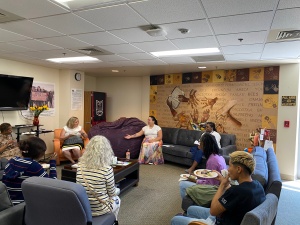
ID: RAL community gather in the Women’s Center Lounge to reflect on the past year
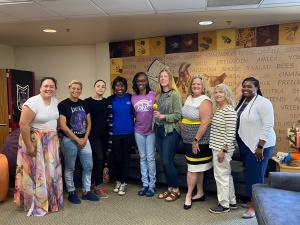
ID: RAL Scholars + Affiliates with Women’s Center Pro Staff and Newcombe Scholar Representatives stand together smiling
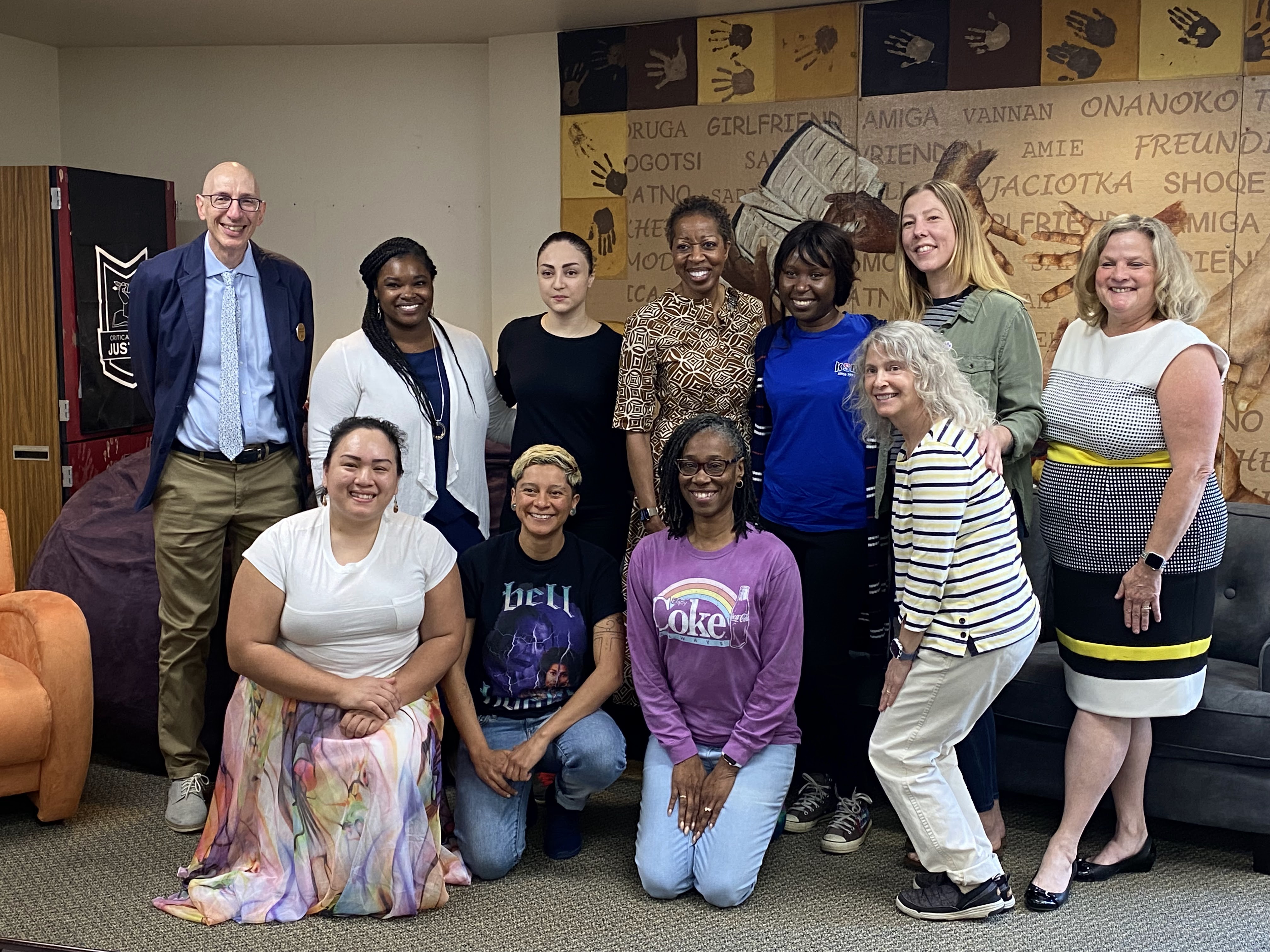 ID: RAL Scholars + Affiliates with Women’s Center Pro Staff, Dr. Sheares-Ashby, OIA and Newcombe Scholar Representatives gather together smiling at the camera
And now, it is with great joy and pride that I invite you to join me in celebrating these fantastic students and their accomplishments. Below are this year’s (Spring ’23 & Fall ’22) graduating Returning Adult Learner Scholars who in their own words* share what they were involved in at UMBC, what’s next for them after UMBC, and advice they wanted to share with other adult learners.
Megan Curtiss – Environmental Science & Geography BS, Spring ’23
What were you involved in at UMBC and/or what was your experience like as an adult learner? Working full time and going to school full time has certainly been a challenging experience. I was hopeful that as long as I continued to put one foot in front of the other and focus on what needed to be accomplished today, I could reach my goal of graduating. When I first transferred to UMBC, I had no idea what kind of resources were available to students or how to navigate the college experience as someone older than all of my classmates. There was a bit of a learning curve for me, but after talking to different people (classmates, professors, advisors, etc)about their own experiences I started to get a better idea of how I wanted to spend my time while at UMBC. A suggestion during an RAL mid-semester check-in prompted me to reach out to some of the professors in my department about possible research opportunities that I could become involved with. Sending a quick email and asking that question about research on campus allowed me to spend a lot of this time in my final semester before graduating gaining research and practical field experience that I can include on my resume. It has also given me the chance to develop my networking skills and strengthen my ability to represent myself professionally in my field.
What are your plans after graduation (grad school, work, etc.)? I don’t have concrete plans just yet. I am giving myself a little time to breath before really commiting to my next steps. I have considered grad school and have been applying to jobs and internships in my field. I am waiting to see what opportunities present themselves over the coming months instead of stressing myself out over timelines of when things SHOULD happen. However, to celebrate completing my undergraduate degree, I have two trips planned for the upcoming months! I am going to go to Nevada for a week in June and Costa Rica for 10 days in September. So, I am very excited to get to travel and just enjoy life for a moment.
Looking back on your experience, what is your advice for current Returning Adult Learners? My advice for current Returning Adult Learners is to utilize the resources within this program and at the university in general. I was intimidated by my lack of understanding when it came to how college ‘worked’. For example, I wasn’t sure how people got involved in research on campus and a conversation in my mid-semester check in provided the insight that it’s as simple as sending an email to a few people in your department and asking. Building relationships with professors and advisors is also a great asset. My experience has been that most of my professors want to see their students succeed. Cultivating those relationships helps in a lot of ways – from having academic references, letters of recommendation, or just being able to ask for help when you need it in a particular class.
What else do you want to share? It’s okay to work at your own pace. I struggled (and still do at times) with thinking I needed to rush through this process and that I am running out of time to accomplish my goals. By being so focused on reaching the finish line, it’s easy to miss out on the moments that can really shape and define the experience. Also, be patient with yourself! There were semesters where I knew the course load for specific classes would be heavier and going part time would be the best choice so I could devote the time I needed to be successful and maintain my responsibilities outside of school and my mental health. Everyone’s journey is different.
Kristy – Biological Sciences BA, Spring ’23
What were you involved in at UMBC and/or what was your experience like as an adult learner? I had a lot of worries and anxiety when stepping back into a classroom setting but knowing that there were programs like RAL and the Women’s Center made the reset so much easier. The support and friendships that I’ve had throughout my time at UMBC will always be so cherished!
What are your plans after graduation (grad school, work, etc.)? I’m in the interview process for a data scientist position for the DoD, so fingers crossed that pans out.
Looking back on your experience, what is your advice for current Returning Adult Learners? I think a lot of us are familiar with carrying more weight than we should. For me, branching out and asking for help is something I’ve always struggled with, especially when you feel like no one can relate or emphathize. At UMBC, the professors really are beyond supportive and there are countless resources to ensure that you’re getting the appropriate support to help you succeed. I hope future RALs don’t wait or hesitate to seek help when they need it.
What else do you want to share? To the entire Women’s Center staff who makes sure that the programs, physical office, and members are always up and running, there aren’t enough thank you’s to suffice. The financial support was a tremendous weight off my shoulders but the groups, check-ins, and discussions shared together are safe spaces and moments of peace for a lot of RALs who don’t otherwise get that chance. Forever grateful for everyone!
Erlinda – Modern Languages & Linguistics BA, Spring ’23
What are your plans after graduation (grad school, work, etc.)? This fall, I intend to work as a Spanish teacher at a public school. I plan to use my degree and knowledge of the Spanish language to work with students, helping them learn and understand the language better. I am passionate about teaching a second language and I believe that it is important for everyone to know more than one language. I also plan to complete a master’s degree in intercultural communication at UMBC with a concentration on language and culture. This will give me a foundation in the field and help me better understand different cultures as well as language learning. I will become more culturally aware, and it will help me a lot in my teaching career because there are ethnic groups of students, and it is important to be culturally aware. My future career after completing my master’s degree is to become a Spanish instructor at a community college.
Looking back on your experience, what is your advice for current Returning Adult Learners? My advice to current adult learners is to never give up on their studies; patience and persistence will pay off. It won’t always be easy, but it will be worth it in the end. Don’t forget to take care of yourself by getting plenty of rest and staying healthy. It’s important to remember that you are not alone in your journey and that there are many resources available to help support you throughout the process.
What else do you want to share? Thank you for letting me be part of this community and for supporting me financially and personally. I am motivated and excited to be able to keep learning and growing in my field as a Spanish teacher. With your help, my dreams of obtaining a bachelor’s degree have come true.
Cai – Social Work BA & Psychology BA, Spring ’23
What were you involved in at UMBC and/or what was your experience like as an adult learner? I did a lot of networking
What are your plans after graduation (grad school, work, etc.)? Work in the field and contemplate grad school!
Looking back on your experience, what is your advice for current Returning Adult Learners? Make use of the resources and always always ask for help
What else do you want to share? It’s been 10 years since I dropped out of school and got sober, so this is a hug achievement for me!
Ashley – Social Work BA & Psychology BA, Fall ’22
What were you involved in at UMBC and/or what was your experience like as an adult learner? As an adult learner at UMBC I tried my best to get involved as much as possible. I was the co-vice-president of the Phi Alpha Social Work honors society. I also had the opportunity to participate in research with a wonderful mentor, Dr. Kerri Evans, from the social work department. I was able to work as a research assistant, during which time I worked on a few academic publications. Additionally, I worked with a team to develop a board game to be used for cultural sensitivity training towards immigrant students in K-12 schools. I was able to present one research paper at URCAD 2022. I was able to co-present our game project at the CSWE Critical Conversations conference 2022.
What are your plans after graduation (grad school, work, etc.)? After graduating I plan to complete a masters degree in clinical social work. I’m not sure about which population I would like to work with yet!
Looking back on your experience, what is your advice for current Returning Adult Learners? My advice is to appreciate the kind community of people who offer support at the women’s center. Make as many friends as possible. Don’t be afraid to confide in them if you are struggling. This is a great place to be.
What else do you want to share? I am super appreciative of the team in the women’s center who have shown me nothing but kindness and support. It was a huge blessing in my life to be a part of this community. I have gone through so much during my time at school, but I knew I always had support with the RAL scholar staff members. Love them :).
Lejla Heric-Safadi – Public Health BA, Fall ’22
What you were involved in at UMBC and/or what was your experience like as an adult learner? My involvement was with the Women’s Center and as a member of AMWHO.
What are your plans after graduation (grad school, work, etc.)? I started a full-time position during my last semester, so I will continue working while applying to graduate programs.
Looking back on your experience, what is your advice for current Returning Adult Learners? Do not be afraid to challenge yourself. Ask for help because you are not alone. Build connections with the people in your classes as you might gain new friends like I did.
What else do you want to share? UMBC and Women’s Center were crucial to my success as a returning student. I could not have found a better place for me, as I felt supported and encouraged, even during struggles that Covid brought on. I fulfilled all my academic goals and then some, as I added two minors and a certificate to my major, which will not only be helpful to my career, but have also helped me clarify the focus of my further studies.
Jency Suresh – Social Work BA, Fall ’22
What you were involved in at UMBC and/or what was your experience like as an adult learner? As an adult learner, it was hard for me to find time for clubs or any other activities in the campus. Through, women’s center services I was able to meet with the students who were adult learners. I was able to talk to them and have conversations with them on so many topics. During COVID, the Women’s Center helped me to grow strong because I know they were there for me no matter what the situation was. Ms. Jess, Sandra and Jane were very supportive whenever I had a concern or a problem. They were there to listen to me and help me sort out my concerns. Ms. Jess always went beyond her role and helped me. I am very grateful for everything the women center has offered me!
What are your plans after graduation (grad school, work, etc.)? I am planning to pursue my Master’s degree in Social work
Looking back on your experience, what is your advice for current Returning Adult Learners? Please do not hold back your questions. The Women’s Center has answers for you!
What else do you want to share? I want to encourage all the hard working students to get out there and push hard to accomplish their dreams.
Jackie SJ Kim – Acting BFA, Fall ’22
What you were involved in at UMBC and/or what was your experience like as an adult learner? Acting BFA – professors needed to work more on learning different ethnic backgrounds of their students and how they’re being treated between their faculty and staff members.
What are your plans after graduation (grad school, work, etc.)? Move to ATL and eventually LA
Looking back on your experience, what is your advice for current Returning Adult Learners? Don’t give up. Age is just a number. Everyone’s journey and chapter is different. Do not compare yourself to others. You don’t know what they’ve gone through and they don’t know your story either. You deserve that much grace and love towards yourself.
What else do you want to share? We did it
]]>
A post curated by the Women’s Center’s Program Coordinator, Jane DeHitta At the end of every semester, the Women’s Center hosts a Graduation + End of the Year celebration for all of the...
https://womenscenteratumbc.wordpress.com/2023/05/31/celebrating-returning-adult-learners-and-their-unique-journeys/
https://my3.my.umbc.edu/api/v0/pixel/news/133809/guest@my.umbc.edu/719fd90ac288cec9b129d2770d50ab6e/api/pixel
adult-learners
end-of-the-year
events
graduation
returning-adult-learners
returning-women-students
umbc
women
Women's, Gender, & Equity Center
https://my3.my.umbc.edu/groups/womenscenter
https://assets2-my.umbc.edu/system/shared/avatars/groups/000/000/125/78272a4842689b30dbf74672182b78f8/xsmall.png?1750974263
https://assets1-my.umbc.edu/system/shared/avatars/groups/000/000/125/78272a4842689b30dbf74672182b78f8/original.png?1750974263
https://assets1-my.umbc.edu/system/shared/avatars/groups/000/000/125/78272a4842689b30dbf74672182b78f8/xxlarge.png?1750974263
https://assets1-my.umbc.edu/system/shared/avatars/groups/000/000/125/78272a4842689b30dbf74672182b78f8/xlarge.png?1750974263
https://assets1-my.umbc.edu/system/shared/avatars/groups/000/000/125/78272a4842689b30dbf74672182b78f8/large.png?1750974263
https://assets2-my.umbc.edu/system/shared/avatars/groups/000/000/125/78272a4842689b30dbf74672182b78f8/medium.png?1750974263
https://assets1-my.umbc.edu/system/shared/avatars/groups/000/000/125/78272a4842689b30dbf74672182b78f8/small.png?1750974263
https://assets2-my.umbc.edu/system/shared/avatars/groups/000/000/125/78272a4842689b30dbf74672182b78f8/xsmall.png?1750974263
https://assets3-my.umbc.edu/system/shared/avatars/groups/000/000/125/78272a4842689b30dbf74672182b78f8/xxsmall.png?1750974263
Women's Center
2
0
false
Wed, 31 May 2023 17:07:26 -0400
Wed, 31 May 2023 17:07:26 -0400
Celebrating Black History Month Intersectionally
Black and DisAbility history are intertwined: learn more...
Join Accessibility and Disability Service and Student Disability Services in honoring Black History Month.
Rediscover how some members of the Black Civil Rights Movement also played essential roles as activists in the US Disability Rights Movement, and paved the way for disability rights activists to influence social change and legislation. Many people with disabilities were part of both movements and continue to be today.
Dr. Sami Schalk is presenting on 504 and Beyond: Disability Politics and the Black Panther Party on February 23 at 4p (details and registration are linked) via the Dresher Center and co-sponsorship with ADS and I3B.
Some of the intersection of Crip Camp shows how intersectional being black and disabled can be - beyond the Black Panthers. Further back in history, learn new things about the famous Black figures who also had disabilities. For instance, Harriet Tubman lived with epilepsy and narcolepsy, a reminder that disability is both directly and indirectly linked to many forms of violence.
In the links described below, you may rediscover or learn for the first time about Black history being made in this moment, and there is so much to learn from the past. Research forays have been known to start at Brad Lomax, and end up at the Wild Zappers, a DC-based all black all deaf dance company - what new-to-you ancestral influencers and history-makers will become front-of-mind to you? Within the past month we learned of the research of Dr. Stephanie Keeney Parks via In A Different Key. In 2022 Megan Thee Stallion launched a website to support mental health.
Test your knowledge by taking this quiz with the National Black Disability Coalition (NBDC): (link)http://www.blackdisability.org/content/black-disabled-trivia
Important figures in Black History:
· Enter “Black History” plus any disability (i.e. "autism," "dyslexia," etc.) into a search engine and explore more about the intersectionality of disability.
Explore Black History and Disability Rights:
The National Center for Learning Disabilities (NCLD) has a great article about the integral role Black disability rights activists played in securing rights for all US citizens with disabilities. (link)https://www.ncld.org/news/honoring-black-history-month-unsung-heroes-of-the-disability-rights-movement/ For more on Brad Lomax, a leader in the 1977 protests that led to the implementation of section 504 of the rehabilitation act, see this NYT obituary (link) https:/www.nytimes.com/2020/07/08/obituaries/brad-lomax-overlooked.html
Black Disabled and Proud: College Students with Disabilities is a website by the HBCU Disability Consortium. Their page titled “Black Lives Matter and Disability” speaks to the recent and daily making of Black history as it intersects with disability. (link)https://www.blackdisabledandproud.org/black-lives-matter.html The page includes links to thoughtful articles as well as self-care info.
The Disability Visibility Project’s Black Lives Matter page has podcasts (with transcripts) that explore the individual experiences of people who are actively contributing individually and/or organizing to raise awareness about being Black and having a disability. (link)https://disabilityvisibilityproject.com/tag/black-lives-matter/ Click through on the posts and find things like Jen White Johnson’s Black Disability Lives Matter mural (link)https://jenwhitejohnson.com/Black-Disabled-Lives-Matter-Mural-Project
If you are looking for UMBC-based disability resources - use these links:
A photo of two black young women with their hair in white headbands at a 1960's era protest with one larger sign behind them reading "Martyr Medgar Evers" and a poem that begins "The Black Man Fell and helpless lay,/ A Gaping Wound upon his back,/ A Witness to the Savage Way,/ A Beast Had Made His Foul Attack...." accompanies this post. Photo credit: Unseen Histories downloaded from Unsplash.com
]]>
Join Accessibility and Disability Service and Student Disability Services in honoring Black History Month. Rediscover how some members of the Black Civil Rights Movement also played essential...
https://my3.my.umbc.edu/groups/dreshercenter/events/113876
https://my3.my.umbc.edu/api/v0/pixel/news/130588/guest@my.umbc.edu/0b4607be9f720361a747554afbbd437a/api/pixel
access
alice
art
black
blm
care
disability
evers
handicap
health
history
injury
intersectional
jen
johnson
lives
matter
medgar
musgrove
power
rights
white
women
wong
wound
Office of Disability Access and Resources
https://my3.my.umbc.edu/groups/accessibility
https://assets4-my.umbc.edu/system/shared/avatars/groups/000/001/480/1109171419a1b66ae0d9168429adfb61/xsmall.png?1565792941
https://assets1-my.umbc.edu/system/shared/avatars/groups/000/001/480/1109171419a1b66ae0d9168429adfb61/original.jpg?1565792941
https://assets1-my.umbc.edu/system/shared/avatars/groups/000/001/480/1109171419a1b66ae0d9168429adfb61/xxlarge.png?1565792941
https://assets4-my.umbc.edu/system/shared/avatars/groups/000/001/480/1109171419a1b66ae0d9168429adfb61/xlarge.png?1565792941
https://assets3-my.umbc.edu/system/shared/avatars/groups/000/001/480/1109171419a1b66ae0d9168429adfb61/large.png?1565792941
https://assets1-my.umbc.edu/system/shared/avatars/groups/000/001/480/1109171419a1b66ae0d9168429adfb61/medium.png?1565792941
https://assets1-my.umbc.edu/system/shared/avatars/groups/000/001/480/1109171419a1b66ae0d9168429adfb61/small.png?1565792941
https://assets4-my.umbc.edu/system/shared/avatars/groups/000/001/480/1109171419a1b66ae0d9168429adfb61/xsmall.png?1565792941
https://assets1-my.umbc.edu/system/shared/avatars/groups/000/001/480/1109171419a1b66ae0d9168429adfb61/xxsmall.png?1565792941
Office of Accessibility & Disability Services
https://assets2-my.umbc.edu/system/shared/thumbnails/news/000/130/588/e4cb6a6d0efa028bb4558bd1db94e164/xxlarge.jpg?1675352153
https://assets4-my.umbc.edu/system/shared/thumbnails/news/000/130/588/e4cb6a6d0efa028bb4558bd1db94e164/xlarge.jpg?1675352153
https://assets1-my.umbc.edu/system/shared/thumbnails/news/000/130/588/e4cb6a6d0efa028bb4558bd1db94e164/large.jpg?1675352153
https://assets3-my.umbc.edu/system/shared/thumbnails/news/000/130/588/e4cb6a6d0efa028bb4558bd1db94e164/medium.jpg?1675352153
https://assets3-my.umbc.edu/system/shared/thumbnails/news/000/130/588/e4cb6a6d0efa028bb4558bd1db94e164/small.jpg?1675352153
https://assets2-my.umbc.edu/system/shared/thumbnails/news/000/130/588/e4cb6a6d0efa028bb4558bd1db94e164/xsmall.jpg?1675352153
https://assets4-my.umbc.edu/system/shared/thumbnails/news/000/130/588/e4cb6a6d0efa028bb4558bd1db94e164/xxsmall.jpg?1675352153
6
0
false
Thu, 02 Feb 2023 14:53:06 -0500
Thu, 02 Feb 2023 16:28:11 -0500
A Further Reflection on Adoption and Ambiguous Loss
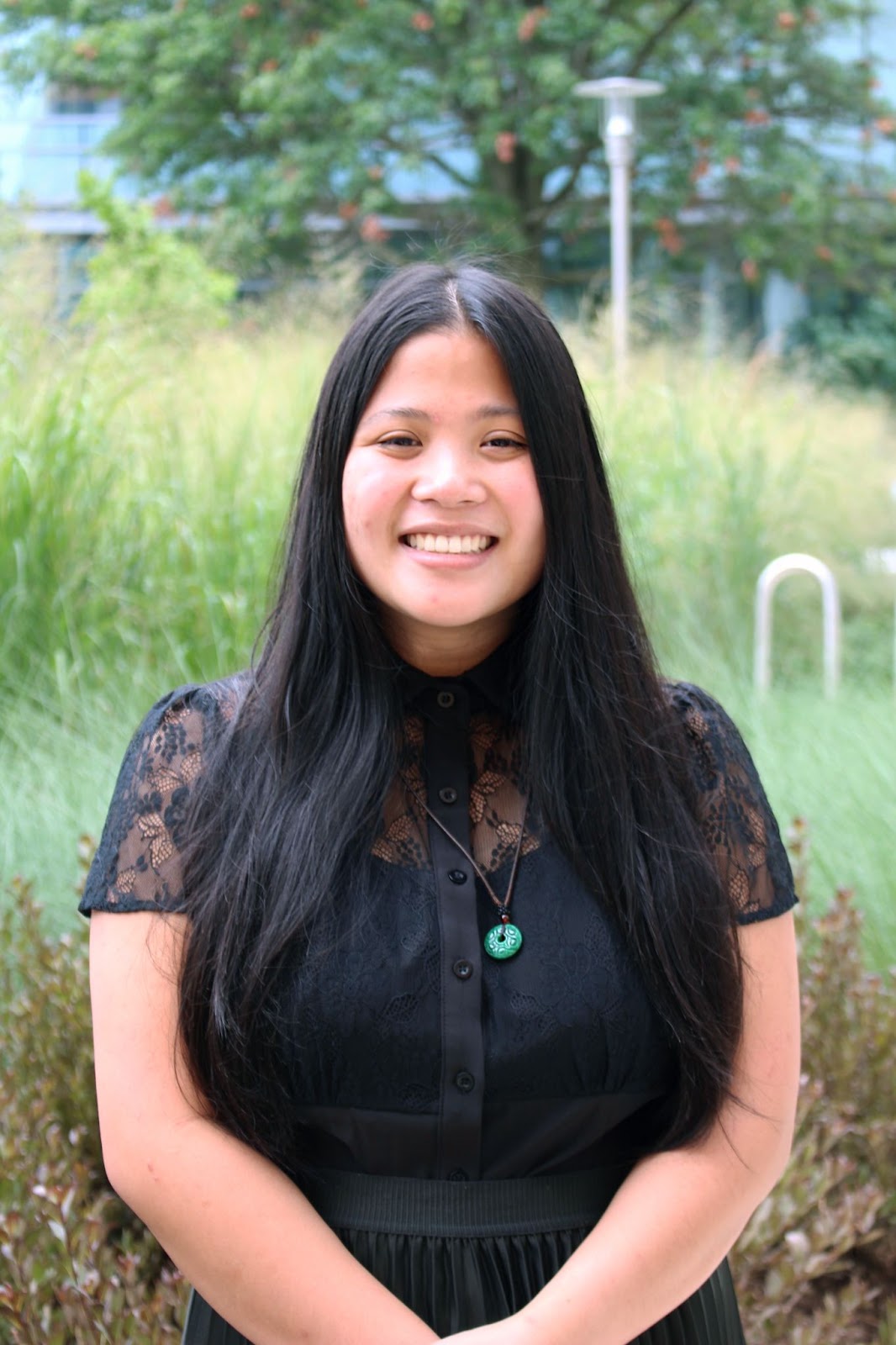
Content Note: This post is written by Rachael Joslow, a third-year student at UMBC. I am a transracial adoptee adopted from Vietnam who grew up in Georgia for most of my childhood and adolescent life. I hope to highlight my experience growing up as an adopted child discussing my personal feelings on adoption and the ambiguous loss that I experience. I would like you, as the reader, to acknowledge and learn the realities of adoption through my experiences.
In my previous blog, I discussed my personal experience with being adopted and included some other stories of adoptees (My Personal Experience with Being Adopted). Within that blog, I addressed common questions those would ask of me if I mentioned that I was adopted. These questions being: "What was it like being told that you were adopted?" or "Is it hard being adopted?" My focus from my last blog was to give awareness on the topic while being vulnerable about my own experiences and those of other adoptees who have shared their stories online.
I wanted to recap some aspects from my last blog, because many have come forward to ask me more about what it is like being adopted and how those experiences have shaped me. As it is touched on from my previous blog, many positive adoption experiences from adoptive parents overlook the negative and traumatizing experiences of many adoptees, specifically transracial adoptees. Some adoptees learn that their adoptive parents carry a savior complex over their adoptive children, especially for transracial adoptee cases where they are from foreign countries and the parents are a different nationality/ethnicity. Unfortunately, it does come up in adoption very often, especially when adoptive parents believe they are "saving us" from the situation that we're in. And to be clear, it's not that adoptees are not grateful-it is valid for us to feel uncomfortable being paraded as trophies for adoptive parents to receive a gold star on their "good deeds" list.
A quote from an article titled "What We Lost" resonated with me about the frustration adoptees feel towards society telling us that we should be grateful for everything and not express our sadness or negative feelings towards being adopted.
"Society's narrative of adoption tells adoptees, in no uncertain terms, that if we were given to a loving home, we shouldn't feel this pain, this chasm, this rip, this tear. We were saved, after all. We're so much better off. We're the lucky ones. Our parents must be such wonderful people. We must feel so grateful. How lucky. How special. We were meant to be together. Everything worked out just the way it was supposed to in the end."
This quote calls out people who don't take adoptees' feelings into consideration when we, adoptees, talk about our feelings on adoption. People tell us constantly how we should feel instead of giving us a moment to speak about our lived experiences. There is no time for us to pause or talk about it as a whole. In addition, these experiences contribute to this sense of loss that I've been bearing over the years that is specific to adoptees. It is constantly brought up in different ways how I'm adopted and I have no connection to my birth parents. Because this is an extremely vulnerable topic for me to discuss, I've had to take extensive time to write this blog in order to give myself space to take breaks until I felt ready to come back to it. However you feel about adoption, a common experience that many adoptees share would be the sense of loss from identity, as well as the relationships we have missed out on.
Ambiguous Loss Felt in the Adoptee Experience
Ambiguous loss is a type of grief that lacks closure and information regarding the loss of a loved one or the loss of a connection with a loved one. Ambiguous loss is common in cases when we have no contact with somebody even though we know where the person could be or what has happened to them. Examples include divorce, estrangement, immigration, a loved one who is incarcerated, and of course, adoption.
Thinking about my birth parents feels weird. I visited Vietnam back when I was eleven years old and struggled with finding my connections back to my culture, the country I was born in. From my perspective, I've experienced a lot of ambiguous loss ever since I was able to understand that I was adopted, as early as five or six years old. There are no names on my original birth certificate on who my biological parents are. I don't know the language nor have I experienced Vietnamese culture growing up. I considered myself white-washed for a long time because I did not have what others might consider key Asian experiences. It felt like I did not deserve to call myself Vietnamese because even though I was considered Vietnamese in appearance, I do not have those interpersonal connections to my ethnicity. I'm Asian but I'm also not Asian.
What I mean by that statement is that I lack the cultural background that a Vietnamese-American/Vietnamese person might experience normally. It was made apparent to me growing up through middle school and high school that I was different from other Asian peers. I don't know a lot of cultural foods and I did not grow up with the same household items. Even out in public, it is made apparent by strangers where people don't realize that I'm standing next to my mom. It's a weird paradox to be seen as Asian in some settings and not Asian in others. There's also an internal loss where I feel left out from being Asian.
From the same article, "What We Lost," this next quote resonates with me on what ambiguous loss feels like and expressing heavy feelings towards what it's like to not have a relationship with one's birth mother as an adoptee.
"Adoption loss is an ambiguous loss. While it changes shape over time, it is often life-long. It is without end. I have lost my entire family and yet, there are no bodies to bury, no socially acceptable ritual or process meant for me to understand this loss and how to live with it. My mother went on living, became someone else's mother, while I lived my young life with only the presence of her absence and the fracturing unknown. Maybe she's alive; maybe she's dead. Maybe she loves me; maybe she has forgotten me. Maybe anything."
It's difficult to put it into words. I have no idea where my biological parents are, if they are still in Vietnam or even alive. I'm constantly mourning over the loss of everything in those relationships that I never had with my birth parents. However, it's not like I'm sad-it feels empty. I have spent most of my life pondering whether or not I cross their minds. These feelings of mine are real and okay for me to feel. On this note, I can still be grateful to my mom and love my mom while appreciating her for everything. While she has given me so many opportunities throughout my life, she also does not hold it above my head that I should be grateful because she adopted me.
It feels nice to put these feelings into words and share them, because not many people are aware of what adoptees go through in their lives. This is my experience with adoption and ambiguous loss and I hope that I've left you as the reader with some things to think about. And as always, please make space where you can and listen to adoptees' feelings and voices when they share their experiences.
Recommended Readings
The article I attached is where I got the two quotes from. It is a heavy read as it talks about the writer's personal experience with being adopted and meeting her birth mother. It is important to be in a clear headspace before reading this story:
What We Lost: Undoing the Fairy Tale Narrative of Adoption
Articles that talk more on white saviorism:
A Savior No One Needs: Unpacking and Overcoming the White Savior Complex
What Is White Savior Complex-And Why Is It Harmful?
]]>
Content Note: This post is written by Rachael Joslow, a third-year student at UMBC. I am a transracial adoptee adopted from Vietnam who grew up in Georgia for most of my childhood and adolescent...
https://womenscenteratumbc.wordpress.com/?p=13533
https://my3.my.umbc.edu/api/v0/pixel/news/129741/guest@my.umbc.edu/184dc93b4f173989b71427d0c6fbe3fa/api/pixel
adoption
asian-and-pacific-islander-voices
bipoc-voices
diversity
diversity-and-inclusion-issues
intersectionality
transracial-adoptee
umbc
women
womens-center-staff
Women's, Gender, & Equity Center
https://my3.my.umbc.edu/groups/womenscenter
https://assets2-my.umbc.edu/system/shared/avatars/groups/000/000/125/78272a4842689b30dbf74672182b78f8/xsmall.png?1750974263
https://assets1-my.umbc.edu/system/shared/avatars/groups/000/000/125/78272a4842689b30dbf74672182b78f8/original.png?1750974263
https://assets1-my.umbc.edu/system/shared/avatars/groups/000/000/125/78272a4842689b30dbf74672182b78f8/xxlarge.png?1750974263
https://assets1-my.umbc.edu/system/shared/avatars/groups/000/000/125/78272a4842689b30dbf74672182b78f8/xlarge.png?1750974263
https://assets1-my.umbc.edu/system/shared/avatars/groups/000/000/125/78272a4842689b30dbf74672182b78f8/large.png?1750974263
https://assets2-my.umbc.edu/system/shared/avatars/groups/000/000/125/78272a4842689b30dbf74672182b78f8/medium.png?1750974263
https://assets1-my.umbc.edu/system/shared/avatars/groups/000/000/125/78272a4842689b30dbf74672182b78f8/small.png?1750974263
https://assets2-my.umbc.edu/system/shared/avatars/groups/000/000/125/78272a4842689b30dbf74672182b78f8/xsmall.png?1750974263
https://assets3-my.umbc.edu/system/shared/avatars/groups/000/000/125/78272a4842689b30dbf74672182b78f8/xxsmall.png?1750974263
Women's Center
4
0
false
Mon, 12 Dec 2022 17:01:52 -0500
To My Immigrant Parents
Fall Blog Post by Ojuswani Phogat

The following post was written by Ojuswani Phogat, a third-year student at UMBC.
Positionality Statement: The letter below is a message from me to my immigrant parents. It is reflective of only their experiences and mine but is being shared with you all with an understanding that the immigrant experience can be a wild, scary, intense, fulfilling, and beautiful one. And that someone, somewhere, may relate to this story on more than just the surface.
To My Immigrant Parents
Dear Mumma and Papa,
It is rare for me to think of the lives you led before I was born. To think of you as children, young adults, or parents of a singular daughter, instead of two. I cannot fathom a world where I do not exist, despite the remnants of your past lives that hide in the crevices of our home. The ones you pull out of dusted boxes underneath your bed and from the back of cabinet corners to show to me from time to time. The pictures of you both wearing school uniforms, eyes shining, and faces plastered with bright smiles showing off two missing front teeth. The sindhoor1 your mother gave to you the day of your wedding, tucked away into a patterned cloth nestled inside of our household mandir. The ceramic chai cups, lovely little things, adorned with arrangements of blue flowers your cousins gave to you on your 24th birthday. I do not consider these mementos of your life's most cherished moments until I do. Until I see them with my eyes, smell them in all their aged glory, feel the weathered edges of the containers that store them, and sip chai from them, and it dawns on me that there is a whole part of your story that I do not know the intricacies of. And yet it defines my very existence.
I can't imagine the courage it would take to leave behind...a culture, a language, a home.
To say farewell (or at the very least see you in a while)...
To the very khets2 of green that sustained your childhood, where you gulped down sugar cane juice and stole neighborhood fruit off of tall, lusciously beautiful trees as your grandmother called for you to return home.
To the patches of dirt where you gathered with your friends to play cricket and kabaddi3, laughing and bonding for hours.
To leave behind everything you have ever known.
To leave behind a community enriched with thousand-year-old traditions rooted in a fundamental understanding of what it means to be Brown and thrive in a place with people who look just like you.
The experience of leaving home must be undefinable. It seems, in a word: scary. In a few words: completely, utterly terrifying. An experience that I am almost certain you would never allow of me. And yet, here I am, existing in a land completely new to the both of us. One we navigate with excitement and curiosity but mostly caution for a hesitancy of the unknown.
In reflecting on my time in this place, I think of the hill just a few feet behind our old house, my own khet2 of radiant grass and luscious trees on which you took my sister and I to fly kites at the age of 4. The same one that I glared at through my bedroom window with my eyes stinging with tears as I spent my freshman year of college cooped inside a house that was wholly consuming my sanity. I think of the gravel-covered playground in our community that we went to each year on the last day of summer, spending hours swinging and playing games. The same park I watched with a feeling of despair as I sat in our green minivan packed to the brim with clothes, appliances, and toys. As we drove away from friends, family, and the community you created for us towards our new house in New Jersey, where a second such community would never be built.
In leaving your home, you have rendered me without a concrete one. I exist in this place but have not found the ability to claim it as my own. It is not mine, despite my residing within it. How can one belong to a place when their physicality, spirituality, and culture remain under speculation, only being accepted in bits and pieces when it suits the visions of the white man?
It is here in this environment that I exist within two distinct worlds. I am an American, born and raised, but what marks my presence in this place is my othered identity. It is the Desi part of me, the one defining my brownness, that I am legible through. It is here where I exist in limbo between the cultural and social markers of my two communities. It is in this middle ground is where I am accepted by neither community.
You would think then that in reconnecting with your home, I would be accepted as one of the pack. I would be revered as one of the community, a missing piece of the puzzle that renders it complete. However, the gap between you and me and, by extension, me and them is one that cannot be closed by sheer will. It is not solely a gap of distance; it is one of the mind: of experience, of speech, of perspective by which physicality is completely transcended. Such a gap, while marked physically by the Atlantic Ocean, is one that I am ridiculed for despite the role I did not play in its creation. My removal from my location and also the location of my ancestors is what renders me without a base. It leaves me without a place I can cherish and savor with my whole being.
It is understandable that your instinct is to protect those who you have created. That in lieu of favoring our exploration of this place, you have prioritized the notion of safety. A notion you then fed to us: it is not you we don't trust; it's others. This phrase, a manifestation of the fear you have undertaken to live within your reality. The fear that you have for your own safety and mine. And while that itself does not excuse the excessive control you have chosen to operationalize within our relationship, there can be an acknowledgment of the fact that you are more like me than I have ever thought before. That you are human, and your instinct to protect kept me alive in a way you found my instinct to build community and thrive in a place I considered my home never could.
1: vermillion-colored cosmetic powder made out of saffron and red sandalwood. Is worn in a long stroke on the top of the forehead and into the hair part by married South Asian women
2: plot of land typically with crops (a field or farm)
3: South Asian sport
]]>
The following post was written by Ojuswani Phogat, a third-year student at UMBC. Positionality Statement: The letter below is a message from me to my immigrant parents. It is reflective of...
https://womenscenteratumbc.wordpress.com/2022/12/09/to-my-immigrant-parents/
https://my3.my.umbc.edu/api/v0/pixel/news/129706/guest@my.umbc.edu/f84c196c64f80fd610ad2aad7f1236a4/api/pixel
asian-american-and-pacific-islander-stories
immigrant
women
women-of-color
Women's, Gender, & Equity Center
https://my3.my.umbc.edu/groups/womenscenter
https://assets2-my.umbc.edu/system/shared/avatars/groups/000/000/125/78272a4842689b30dbf74672182b78f8/xsmall.png?1750974263
https://assets1-my.umbc.edu/system/shared/avatars/groups/000/000/125/78272a4842689b30dbf74672182b78f8/original.png?1750974263
https://assets1-my.umbc.edu/system/shared/avatars/groups/000/000/125/78272a4842689b30dbf74672182b78f8/xxlarge.png?1750974263
https://assets1-my.umbc.edu/system/shared/avatars/groups/000/000/125/78272a4842689b30dbf74672182b78f8/xlarge.png?1750974263
https://assets1-my.umbc.edu/system/shared/avatars/groups/000/000/125/78272a4842689b30dbf74672182b78f8/large.png?1750974263
https://assets2-my.umbc.edu/system/shared/avatars/groups/000/000/125/78272a4842689b30dbf74672182b78f8/medium.png?1750974263
https://assets1-my.umbc.edu/system/shared/avatars/groups/000/000/125/78272a4842689b30dbf74672182b78f8/small.png?1750974263
https://assets2-my.umbc.edu/system/shared/avatars/groups/000/000/125/78272a4842689b30dbf74672182b78f8/xsmall.png?1750974263
https://assets3-my.umbc.edu/system/shared/avatars/groups/000/000/125/78272a4842689b30dbf74672182b78f8/xxsmall.png?1750974263
Women's Center
19
0
false
Fri, 09 Dec 2022 14:01:36 -0500
Fri, 09 Dec 2022 14:10:12 -0500
To My Immigrant Parents
The following post was written by Ojuswani Phogat, a third-year student at UMBC.
Positionality Statement: The letter below is a message from me to my immigrant parents. It is reflective of only their experiences and mine but is being shared with you all with an understanding that the immigrant experience can be a wild, scary, intense, fulfilling, and beautiful one. And that someone, somewhere, may relate to this story on more than just the surface.
To My Immigrant Parents
Dear Mumma and Papa,
It is rare for me to think of the lives you led before I was born. To think of you as children, young adults, or parents of a singular daughter, instead of two. I cannot fathom a world where I do not exist, despite the remnants of your past lives that hide in the crevices of our home. The ones you pull out of dusted boxes underneath your bed and from the back of cabinet corners to show to me from time to time. The pictures of you both wearing school uniforms, eyes shining, and faces plastered with bright smiles showing off two missing front teeth. The sindhoor1 your mother gave to you the day of your wedding, tucked away into a patterned cloth nestled inside of our household mandir. The ceramic chai cups, lovely little things, adorned with arrangements of blue flowers your cousins gave to you on your 24th birthday. I do not consider these mementos of your life’s most cherished moments until I do. Until I see them with my eyes, smell them in all their aged glory, feel the weathered edges of the containers that store them, and sip chai from them, and it dawns on me that there is a whole part of your story that I do not know the intricacies of. And yet it defines my very existence.
I can’t imagine the courage it would take to leave behind … a culture, a language, a home.
To say farewell (or at the very least see you in a while)…
To the very khets2 of green that sustained your childhood, where you gulped down sugar cane juice and stole neighborhood fruit off of tall, lusciously beautiful trees as your grandmother called for you to return home.
To the patches of dirt where you gathered with your friends to play cricket and kabaddi3, laughing and bonding for hours.
To leave behind everything you have ever known.
To leave behind a community enriched with thousand-year-old traditions rooted in a fundamental understanding of what it means to be Brown and thrive in a place with people who look just like you.
The experience of leaving home must be undefinable. It seems, in a word: scary. In a few words: completely, utterly terrifying. An experience that I am almost certain you would never allow of me. And yet, here I am, existing in a land completely new to the both of us. One we navigate with excitement and curiosity but mostly caution for a hesitancy of the unknown.
In reflecting on my time in this place, I think of the hill just a few feet behind our old house, my own khet2 of radiant grass and luscious trees on which you took my sister and I to fly kites at the age of 4. The same one that I glared at through my bedroom window with my eyes stinging with tears as I spent my freshman year of college cooped inside a house that was wholly consuming my sanity. I think of the gravel-covered playground in our community that we went to each year on the last day of summer, spending hours swinging and playing games. The same park I watched with a feeling of despair as I sat in our green minivan packed to the brim with clothes, appliances, and toys. As we drove away from friends, family, and the community you created for us towards our new house in New Jersey, where a second such community would never be built.
In leaving your home, you have rendered me without a concrete one. I exist in this place but have not found the ability to claim it as my own. It is not mine, despite my residing within it. How can one belong to a place when their physicality, spirituality, and culture remain under speculation, only being accepted in bits and pieces when it suits the visions of the white man?
It is here in this environment that I exist within two distinct worlds. I am an American, born and raised, but what marks my presence in this place is my othered identity. It is the Desi part of me, the one defining my brownness, that I am legible through. It is here where I exist in limbo between the cultural and social markers of my two communities. It is in this middle ground is where I am accepted by neither community.
You would think then that in reconnecting with your home, I would be accepted as one of the pack. I would be revered as one of the community, a missing piece of the puzzle that renders it complete. However, the gap between you and me and, by extension, me and them is one that cannot be closed by sheer will. It is not solely a gap of distance; it is one of the mind: of experience, of speech, of perspective by which physicality is completely transcended. Such a gap, while marked physically by the Atlantic Ocean, is one that I am ridiculed for despite the role I did not play in its creation. My removal from my location and also the location of my ancestors is what renders me without a base. It leaves me without a place I can cherish and savor with my whole being.
It is understandable that your instinct is to protect those who you have created. That in lieu of favoring our exploration of this place, you have prioritized the notion of safety. A notion you then fed to us: it is not you we don’t trust; it’s others. This phrase, a manifestation of the fear you have undertaken to live within your reality. The fear that you have for your own safety and mine. And while that itself does not excuse the excessive control you have chosen to operationalize within our relationship, there can be an acknowledgment of the fact that you are more like me than I have ever thought before. That you are human, and your instinct to protect kept me alive in a way you found my instinct to build community and thrive in a place I considered my home never could.
1: vermillion-colored cosmetic powder made out of saffron and red sandalwood. Is worn in a long stroke on the top of the forehead and into the hair part by married South Asian women
2: plot of land typically with crops (a field or farm)
3: South Asian sport
]]>
The following post was written by Ojuswani Phogat, a third-year student at UMBC. Positionality Statement: The letter below is a message from me to my immigrant parents. It is reflective of...
https://womenscenteratumbc.wordpress.com/2022/12/09/to-my-immigrant-parents/
https://my3.my.umbc.edu/api/v0/pixel/news/129707/guest@my.umbc.edu/6911a94ede76376f8bb5db56510514be/api/pixel
asian-and-pacific-islander-american-voices
bipoc-voices
diversity
diversity-and-inclusion-issues
intersectionality
social-justice
umbc
uncategorized
women
womens-center-staff
Women's, Gender, & Equity Center
https://my3.my.umbc.edu/groups/womenscenter
https://assets2-my.umbc.edu/system/shared/avatars/groups/000/000/125/78272a4842689b30dbf74672182b78f8/xsmall.png?1750974263
https://assets1-my.umbc.edu/system/shared/avatars/groups/000/000/125/78272a4842689b30dbf74672182b78f8/original.png?1750974263
https://assets1-my.umbc.edu/system/shared/avatars/groups/000/000/125/78272a4842689b30dbf74672182b78f8/xxlarge.png?1750974263
https://assets1-my.umbc.edu/system/shared/avatars/groups/000/000/125/78272a4842689b30dbf74672182b78f8/xlarge.png?1750974263
https://assets1-my.umbc.edu/system/shared/avatars/groups/000/000/125/78272a4842689b30dbf74672182b78f8/large.png?1750974263
https://assets2-my.umbc.edu/system/shared/avatars/groups/000/000/125/78272a4842689b30dbf74672182b78f8/medium.png?1750974263
https://assets1-my.umbc.edu/system/shared/avatars/groups/000/000/125/78272a4842689b30dbf74672182b78f8/small.png?1750974263
https://assets2-my.umbc.edu/system/shared/avatars/groups/000/000/125/78272a4842689b30dbf74672182b78f8/xsmall.png?1750974263
https://assets3-my.umbc.edu/system/shared/avatars/groups/000/000/125/78272a4842689b30dbf74672182b78f8/xxsmall.png?1750974263
Women's Center
6
0
false
Fri, 09 Dec 2022 13:50:31 -0500
Fri, 09 Dec 2022 13:50:31 -0500
Celebrating Black History Month Inclusively
Black and DisAbility history are intertwined: learn more...
Accessibility and Disability Service and Student Disability Services highlight Black History Month.
Rediscover how some members of the Black Civil Rights Movement also played essential roles as activists in the US Disability Rights Movement, and paved the way for disability rights activists to influence social change and legislation. Many people with disabilities were part of both movements and continue to be today. Crip Camp shows how intersectional being black and disabled can be - beyond the Black Panthers. Further back in history, learn new things about the famous Black figures who also had disabilities. For instance, Harriet Tubman lived with epilepsy and narcolepsy.
In the links described below, we hope you may find information you will be happy to rediscover or learn for the first time. Black history is being made this moment, and there is an endless amount to learn from the past. A little time spent exploring Black history this month may lead you in enlightening directions. Research forays have been known to start at (link)Brad Lomax, and end up at the (link) Wild Zappers, a DC-based all black all deaf dance company - what new-to-you ancestral influencers and history-makers will become front-of-mind to you?
Test your knowledge by taking this quiz with the National Black Disability Coalition (NBDC): (link)http://www.blackdisability.org/content/black-disabled-trivia
Important figures in Black History:
· Enter “Black History” plus any disability (i.e. "autism," "dyslexia," etc.) into a search engine and explore more about the intersectionality of disability.
Explore Black History and Disability Rights:
The National Center for Learning Disabilities (NCLD) has a great article about the integral role Black disability rights activists played in securing rights for all US citizens with disabilities. (link)https://www.ncld.org/news/honoring-black-history-month-unsung-heroes-of-the-disability-rights-movement/ For more on Brad Lomax, a leader in the 1977 protests that led to the implementation of section 504 of the rehabilitation act, see this NYT obituary (link) https:/www.nytimes.com/2020/07/08/obituaries/brad-lomax-overlooked.html
Black Disabled and Proud: College Students with Disabilities is a website by the HBCU Disability Consortium. Their page titled “Black Lives Matter and Disability” speaks to the recent and daily making of Black history as it intersects with disability. (link)https://www.blackdisabledandproud.org/black-lives-matter.html The page includes links to thoughtful articles as well as self-care info.
The Disability Visibility Project’s Black Lives Matter page has podcasts (with transcripts) that explore the individual experiences of people who are actively contributing individually and/or organizing to raise awareness about being Black and having a disability. (link)https://disabilityvisibilityproject.com/tag/black-lives-matter/ Click through on the posts and find things like Jen White Johnson’s Black Disability Lives Matter mural (link)https://jenwhitejohnson.com/Black-Disabled-Lives-Matter-Mural-Project
More UMBC posts and events are going up over the course of the month. If you are looking for disability resources - use these links:
A photo of two black young women with their hair in white headbands at a 1960's era protest with one larger sign behind them reading "Martyr Medgar Evers" and a poem that begins "The Black Man Fell and helpless lay,/ A Gaping Wound upon his back,/ A Witness to the Savage Way,/ A Beast Had Made His Foul Attack...." accompanies this post. Photo credit: Unseen Histories downloaded from Unsplash.com
]]>
Accessibility and Disability Service and Student Disability Services highlight Black History Month. Rediscover how some members of the Black Civil Rights Movement also played essential roles as...
https://my3.my.umbc.edu/groups/sss/posts/99096
https://my3.my.umbc.edu/api/v0/pixel/news/116491/guest@my.umbc.edu/404181660f804780794972a1ba600eaa/api/pixel
access
alice
art
black
blm
care
disability
evers
handicap
health
history
injury
intersectional
jen
johnson
lives
matter
medgar
musgrove
power
rights
white
women
wong
wound
Office of Disability Access and Resources
https://my3.my.umbc.edu/groups/accessibility
https://assets4-my.umbc.edu/system/shared/avatars/groups/000/001/480/1109171419a1b66ae0d9168429adfb61/xsmall.png?1565792941
https://assets1-my.umbc.edu/system/shared/avatars/groups/000/001/480/1109171419a1b66ae0d9168429adfb61/original.jpg?1565792941
https://assets1-my.umbc.edu/system/shared/avatars/groups/000/001/480/1109171419a1b66ae0d9168429adfb61/xxlarge.png?1565792941
https://assets4-my.umbc.edu/system/shared/avatars/groups/000/001/480/1109171419a1b66ae0d9168429adfb61/xlarge.png?1565792941
https://assets3-my.umbc.edu/system/shared/avatars/groups/000/001/480/1109171419a1b66ae0d9168429adfb61/large.png?1565792941
https://assets1-my.umbc.edu/system/shared/avatars/groups/000/001/480/1109171419a1b66ae0d9168429adfb61/medium.png?1565792941
https://assets1-my.umbc.edu/system/shared/avatars/groups/000/001/480/1109171419a1b66ae0d9168429adfb61/small.png?1565792941
https://assets4-my.umbc.edu/system/shared/avatars/groups/000/001/480/1109171419a1b66ae0d9168429adfb61/xsmall.png?1565792941
https://assets1-my.umbc.edu/system/shared/avatars/groups/000/001/480/1109171419a1b66ae0d9168429adfb61/xxsmall.png?1565792941
Office of Accessibility & Disability Services
https://assets2-my.umbc.edu/system/shared/thumbnails/news/000/116/491/e7a5e745eac1b6b904cff9aff773e4b7/xxlarge.jpg?1643809597
https://assets4-my.umbc.edu/system/shared/thumbnails/news/000/116/491/e7a5e745eac1b6b904cff9aff773e4b7/xlarge.jpg?1643809597
https://assets1-my.umbc.edu/system/shared/thumbnails/news/000/116/491/e7a5e745eac1b6b904cff9aff773e4b7/large.jpg?1643809597
https://assets3-my.umbc.edu/system/shared/thumbnails/news/000/116/491/e7a5e745eac1b6b904cff9aff773e4b7/medium.jpg?1643809597
https://assets4-my.umbc.edu/system/shared/thumbnails/news/000/116/491/e7a5e745eac1b6b904cff9aff773e4b7/small.jpg?1643809597
https://assets1-my.umbc.edu/system/shared/thumbnails/news/000/116/491/e7a5e745eac1b6b904cff9aff773e4b7/xsmall.jpg?1643809597
https://assets2-my.umbc.edu/system/shared/thumbnails/news/000/116/491/e7a5e745eac1b6b904cff9aff773e4b7/xxsmall.jpg?1643809597
6
0
true
Wed, 02 Feb 2022 09:06:23 -0500
Diet Culture v. The Cultural Diet
 Positionality Statement: This post is written by Ojus Phogat, a second-year student at UMBC and a student-staff member at the Women’s Center. I am a South Asian American woman who has felt the persistent effects of diet culture first-hand. In writing this blog, I hope to identify these impacts and uncover the systems of oppression that keep them afloat. As a reader, I wish to encourage you to alter the way you pass judgment on yourself and others. The more we engage in fatphobic rhetoric, which stems from white supremacy and the patriarchy, the more we uphold these oppressive systems. To all my fellow women of color who have ever been made to feel like less because of the way you look: I hope you learn that you have always been enough.
When I was nine years old, I went to India for my grandfather’s funeral. After the cremation ritual, I was gathered into a room of extended family (most of whom were strangers to me) where the following conversation took place:
Random Uncle: “Do you ever walk on the treadmill?”
Me, a fairly active kid who did hours of dance, basketball, and swimming, and was yes chubby: “Hain Ji?” *yes sir*
Random Uncle: “At what speed? ZERO!”
*eruption of laughter from the surrounding guests*
His Wife: “Take it from me; all the housework you’ll have to do when you’re married will keep it off, but it’s better to start now. We only care about you.”
Image Description: Picture of Oprah wearing a purple sweater and white button-down. Saying “what?”. This image was a snippet from Oprah’s interview with Meghan Markle.
While this was not the first time I heard these kinds of comments from family members, I was crushed. And I sat crying at my grandfather’s funeral, not out of the sadness of his passing (because, to be honest, I didn’t know him very well), but because relatives I didn’t even know decided their opinions on my body were so profound that they had a dire need to communicate them with all the surrounding patrons and me IMMEDIATELY.
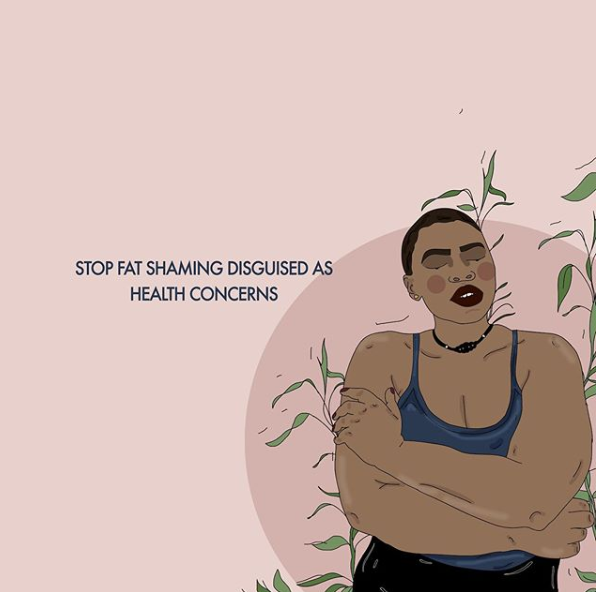
Image Description: Pictured is a graphic design from @recipiesforselflove on Instagram. The image displays a pale pink background and the text “stop fat-shaming disguised as health concerns” is placed slightly left of center. A black woman is illustrated in the bottom right-hand corner wearing a blue tank top and black pants. She is encompassed in a greyish-pink circle and surrounded by tall green plants.
From the first moment of our consciousness, we (women of color) are raised to think of weight as one of our defining characteristics. Something that measures how much human decency we will be allotted, how many people will treat us with respect, and of course, “most importantly” (as many of my fellow South Asian women have been told) how many marriage proposals we will receive when we are older. It does not matter how much we work out or eat nutrient-rich meals; if we do not visually conform to society’s standard of the ideal body, we are not only ridiculed for it, but our existence itself is categorized as inferior. We are silenced, shunned, and demonized for simply existing in non-white, fat bodies. Whether it is from how we observe the world or how we are treated within it, we grow to learn that being fat equates with being of less value, and so we turn to the alternative: ensuring “smallness” by any means necessary.
In order to contextualize western diet culture’s impact on specifically women of color, it is critical to understand its origin as being one compounded by systems of white supremacy and the patriarchy. These systems feed into the creation of a diet culture stemming from anti-blackness that is used as a tool to pit women and groups of color against one another.
Diet Culture & Women of Color
For many communities of color, the discrepancy between how we are taught to consume food—in schools and from our friends—and the cultural foods we enjoy in the comfort of our own homes cultivates a relationship with food defined by confusion, embarrassment, and shame. We are taught that things like carbs and “fatty” oils are the devil incarnate, and for cultural diets—defined by dishes artfully composed of rice and noodles—this can be detrimental. The Indian meals of my childhood like khichdi, pulao, and pav bhaji—rich in spices and made with a foundation of rice or bread—would be considered “unhealthy” because of the carbs and oil they contain. These very meals that nursed me back to health when I fell sick and energized me after hours of dance practice; would also be the source of my shame during school lunch periods and visits to the doctor’s office. Any nutritional value and traditional significance of these and other cultural dishes are often overshadowed by a mistaken idea of what is “healthy”—which in this case really equates to practices that result in supposed physical “smallness.”
The need to conform society to one idea of “health”—which standardizes a “correct” diet —controls how communities of color and communities of women form their relationships with food and nourishment. Health, in this case, becomes a concept encompassing what patterned behaviors keeps one from becoming fat. It dictates how individuals must engage in nutrition in exchange for societal acceptance. This phenomenon, while detrimental to all people—in this case explicitly discussing those impacted by Western practices of diet culture—affects women of color differently as they live in the limbo of two different, often competing cultural identities, each with their own social diet pressures, in conjunction with the necessary pursuit of femininity.
To center white-ness when creating the standard and “correct” American diet, colonizes nutrition and manipulates the mentality around health. It serves to Other* various cultural diets by making Western “health foods” the norm and vilifying any foods that stray from these guidelines. In turn, society claims that the very recipes that strengthened our ancestors, the very recipes that have quite literally borne and sustained our lineages are unacceptable. In reality, what is unacceptable is the rhetoric of disgust and inferiority that often marks cultural food sources. The idea that one should not consume the traditional dishes of their ancestry because of the “white” ideal diet is racist.
Take, for instance, the narrative surrounding MSG (monosodium glutamate)—a food additive utilized in many foods and “naturally found in foods like tomatoes and cheese”(Yeung, 2020), but ridiculed because of its use in traditional Chinese meals. The media has marked MSG as a dangerous and unhealthy ingredient and has linked it to conditions like asthma, drowsiness, and headaches (but not by any scientific backing). This racist rhetoric has steered people away from MSG and has forced the Chinese American community to be mindful of the backlash they may face in using the ingredient, especially for restaurant owners. The overall stigma that surrounds this ingredient displays just how much power white institutions have in dispelling the use of products, especially when those products hold a particular significance in BI-POC cultural cuisines.
The Implications of the Small Feminine Body
There is also a physical element to the requirement of smallness for feminine bodies. It operates under the assumption that women should occupy as little space as physically possible so as to keep their positions of power stifled. The presumption is that women—as the “submissive” gender—must bolster male masculinity by embodying the opposite characteristics of what men possess. By this “rule,” if men are meant to be large to monopolize space and contribute to their dominance, women must then be as small as possible to make “smaller” men adhere to this expectation. Women alone must assume the burden of changing themselves to allow for men to conform to the ideals they have set. Straying away from this ideal—embodying fatness and taking up greater space as a woman—means undermining these systems of the patriarchy that award men greater dominion over the world.
For women of color who reside in the western world, the pursuit of femininity means the expectation of smallness is compounded by the need (for survival purposes) to shed their melanin and present as light-skinned as possible. Because society masculinizes women of color, specifically brown and black women, they must pursue femininity more extremely because of their skin color. If not, they are ridiculed and solidify their low position on the social ladder. Because of this they feel a greater emphasis to conform to the ideals of western femininity, which encompasses the prerequisite of smallness. In doing so, they may often feel at odds with connecting to the traditional cultural foods they grew up with and abiding by the rules of the society in which they reside.
Imperialism's production of the beauty standard—the necessity of thinness and whiteness—for women and girls in places like India portrays this phenomenon at work. The colonial impact left by Persia and Britain in South Asia has ingrained ideologies about correct body shape, colorism, and anti-blackness. 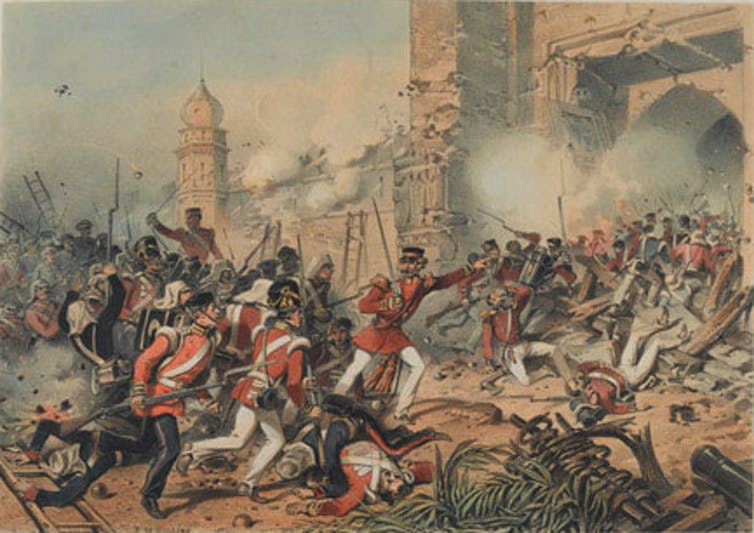
Image Description: Pictured is a scene from the era of British rule in India. Depicted are British soldiers, dressed in red and white garments, invading an Indian palace. The soldiers hold rifles and clouds of smoke surround them.
Since the reign of the Mughals and later the British East India Company, Indian culture has been defined by the idea that the highest cultural capital** is awarded to those of lighter skin and less weight. Because conforming more to this ideal cultural behavior meant increasing one's socio-economic status, adhering to the beauty standard was a matter of SURVIVAL. It meant that the closer you were to being this standard the better you would be treated by the foreigners who had come to rule your land and who controlled economic and social production within it.
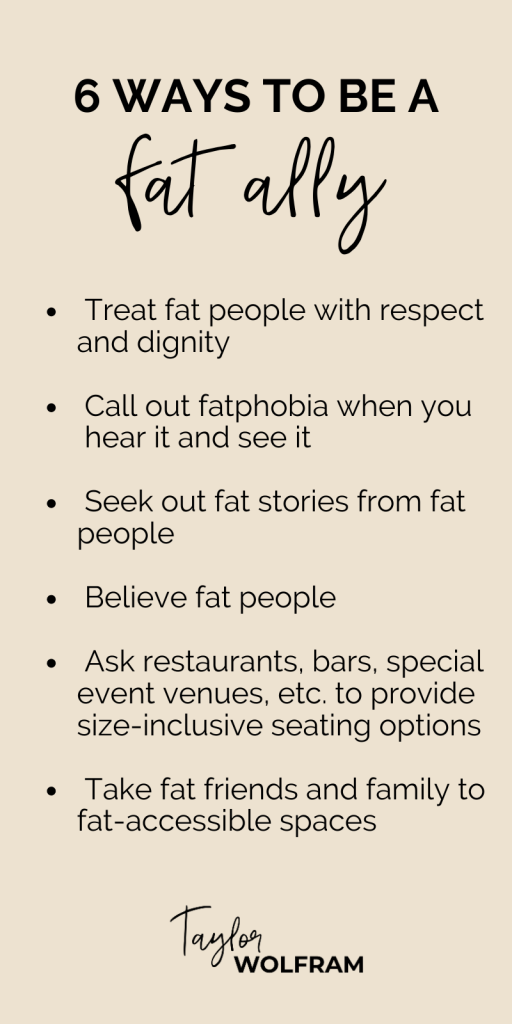
Image Description: Pictured is an infographic made up of a light tan background created by Taylor Wolfram. It says “6 Ways to Be a Fat Ally”. And lists “ treat fat people with respect and dignity, call out fatphobia when you hear it and see it, seek out fat stories from fat people, believe fat people, ask restaurants, bars, special event venues, etc, to provide size-inclusive seating options, take fat friends and family to fat-accessible spaces”.
So with these foundational elements of diet culture’s impact in mind, we can then ask ourselves:
What can we do to mitigate and reverse the rather negative ramifications of this mindset?
We can change the way we think and talk about bodies
They are vessels that carry us through our day, why must we comment on every one we see ...?
We can advocate for ourselves and others when disrespectful rhetoric is used
You deserve to be vocal and correct disrespect even if it is viewed as normalized.
And maybe most importantly we can learn to view ourselves from a neutral lens
Your body is none other than how you move physically from place to place. To frame it in this way may help the preoccupation with how we are perceived because of it.
I know what you’re thinking: these tips are much easier said than done. And you are correct! But, this doesn’t mean we shouldn’t hold ourselves accountable when we say or think about bodies negatively. It also means that if you are being degraded for your appearance: STAND UP FOR YOURSELF! Real change can only be possible when we—women of color—learn that we are worthy of taking up space in this world.
Footnotes
* The act of alienating something by highlighting its “abnormal” characteristics
** The amount of societal status one is given based on various factors (i.e., education, skills, wealth, and discussed the most in this case appearance)
Resources and recommendations you should be sure to check out:
CNN: MSG in Chinese Food Isn't Unhealthy -- You're Just Racist, Activists Say.
Yeung, Jessie. “MSG in Chinese Food Isn't Unhealthy -- You're Just Racist, Activists Say.” CNN, Cable News Network, 19 Jan. 2020, https://www.cnn.com/2020/01/18/asia/chinese-restaurant-syndrome-msg-intl-hnk-scli/index.html.
Harvard University: Occidentalisation of Beauty Standards: Eurocentrism in Asia
Chen, Toby, et al. “Occidentalisation of Beauty Standards: Eurocentrism in Asia.” Zenodo, Harvard University , 16 Dec. 2020, https://zenodo.org/record/4325856#.YZvkpr1Ki3I.
Gloria Lucas: Nalgona Positivity Pride
Yesika Salgado: What Comes After Loving Yourself? Advice from a Fat Fly Brown Girl
Yeskia Selgado: The Hunger
Teen Vogue: Fat is Not a Bad Word
Taylor Wolfram: 6 ways to Be a Fat Ally
Allison Rachel: Recipes for Self-Love
NPR: Code Switch- Is Beauty In The Eyes of The Colonizer
]]>
Positionality Statement: This post is written by Ojus Phogat, a second-year student at UMBC and a student-staff member at the Women’s Center. I am a South Asian American woman who has felt the...
https://womenscenteratumbc.wordpress.com/2021/11/22/diet-culture-v-the-cultural-diet%ef%bf%bc/
https://my3.my.umbc.edu/api/v0/pixel/news/115239/guest@my.umbc.edu/e00d00eebc2a6392d75a92315047070c/api/pixel
acceptance
beauty-standards
body-consciousness
body-neutrality
body-positivity
diversity
diversity-and-inclusion-issues
fatness
feminism
femmes
intersectionality
minorities
people-of-color
self-advocacy
social-awareness
south-asian-voices
women
women-of-color
Women's, Gender, & Equity Center
https://my3.my.umbc.edu/groups/womenscenter
https://assets2-my.umbc.edu/system/shared/avatars/groups/000/000/125/78272a4842689b30dbf74672182b78f8/xsmall.png?1750974263
https://assets1-my.umbc.edu/system/shared/avatars/groups/000/000/125/78272a4842689b30dbf74672182b78f8/original.png?1750974263
https://assets1-my.umbc.edu/system/shared/avatars/groups/000/000/125/78272a4842689b30dbf74672182b78f8/xxlarge.png?1750974263
https://assets1-my.umbc.edu/system/shared/avatars/groups/000/000/125/78272a4842689b30dbf74672182b78f8/xlarge.png?1750974263
https://assets1-my.umbc.edu/system/shared/avatars/groups/000/000/125/78272a4842689b30dbf74672182b78f8/large.png?1750974263
https://assets2-my.umbc.edu/system/shared/avatars/groups/000/000/125/78272a4842689b30dbf74672182b78f8/medium.png?1750974263
https://assets1-my.umbc.edu/system/shared/avatars/groups/000/000/125/78272a4842689b30dbf74672182b78f8/small.png?1750974263
https://assets2-my.umbc.edu/system/shared/avatars/groups/000/000/125/78272a4842689b30dbf74672182b78f8/xsmall.png?1750974263
https://assets3-my.umbc.edu/system/shared/avatars/groups/000/000/125/78272a4842689b30dbf74672182b78f8/xxsmall.png?1750974263
Women's Center
6
0
false
Mon, 22 Nov 2021 17:04:31 -0500
Mon, 22 Nov 2021 17:07:26 -0500
Microaggressions: an attack on belonging and identity 

Image description: shows student, Jane, smiling in front of a UMBC building
Positionality Statement: This post is written by Jane DeHitta, an adult learner in her final year at UMBC, who works as a student staff and social work intern at the Women’s Center. I am a first generation Filipino-American student who seeks to be self-aware of the power dynamics that take place in the intersections of our identities and strives to be intentional in the ways I speak to and encounter others. In this post, I share my experience of microaggressions against race and discuss a connection between microaggressions of different forms and the impact that can have on the individual. My experience is my own and I use it as a point of reference and not to represent the innumerable diversity of people’s experience with microaggressions. I hope that what I share in this post gives validation to those who have had experiences similar to my own, and to give a moment for thought and self-reflection for those who find themselves as the microaggressor.
Image description: a cartoon gif of two hands holding up a dark blue sign with the words “Words have power” written across it. The word “power” has an animated line being crossed underneath it for emphasis.
“I wonder who is more Asian?” my white female friend said in passing. She and I had been discussing movies we recently watched, among them Crazy Rich Asians and Always Be My Maybe, movies that feature a predominantly Asian cast. My friend had lived for several years in China and even spoke Cantonese and Mandarin, she had the privilege of experiencing much of Chinese culture. I, on the other hand, grew up in Maryland my whole life and have never been back to my parents home country of the Philippines, nor was I taught how to speak their native languages of Tagalog or Cebuano beyond a few conversational words.
Taken aback by my friend’s question, I scoffed and went along with what I assumed was a joke by saying, “between you and me?”
She laughed, “yeah.”
I felt uncomfortable but uncertain why or how to express it so I half-heartedly laughed back and said in an exaggeratedly teasing tone, “don’t make me prove my asianness to you!” We continued our conversation for a few minutes more before parting ways, but that discomfort lingered as a knot in my stomach.
Prior to this recent encounter, I know that I have experienced microaggressions throughout my life, from friends saying, “oh, sometimes I forget your Asian!” to strangers asking me “Where were you born? (Maryland) No, but where are you really from?” But because of my introverted personality and the culture of passivity I grew up in, I learned to respond much like the way I responded to my friend. Ignoring it or laughing it off. I wouldn’t confront the perpetrator or call them out, because it was easier that way, I could deal with my discomfort later. And afterwards I would go through a dialogue in my head that looks something like this, “they didn’t mean it like that. I shouldn’t be offended! They were just kidding! I’m not actually hurt by what they said. It’s fine. It’s not a big deal. Even if I was hurt or bothered, I’ve already laughed and moved on, and so have they. They don’t always say/do things like that. Dwelling on it isn’t going to help. I don’t want to make them uncomfortable or feel bad.” I also struggle with invalidating my own experiences simply because “others have it worse”.
 Infographic shows a breakdown of the impacts of microaggressions; key words: Imposter Syndrome, Stereotype Threat, other bad feelings like poor self-confidence, depression, etc. Link for more information
Growing up in Maryland for the entirety of my 26 years of life, I have had conflicting feelings about my Filipino/Asian identity. My parents did their best to share their culture, through cooking, traditions, and stories; every summer we went to the local Filipino festivals, and were a part of various Filipino groups. I loved going to these places, tasting the food, seeing the traditional clothing, and watching the dances–one of the years, my sisters and I even participated in the procession for Filipino princesses. And there were moments at these events as we would walk through the stalls as a family, when vendors would greet us, striking up a conversation with my parents in Tagalog or Cebuano. While they talked, I would just stand there awkwardly, nodding and smiling, though I didn’t know what was being said. Then they would turn to me and ask me something, and my mom would translate to me so I could answer. The shopkeepers would give a look of disappointment, “Oh you don’t speak Tagalog…?” It was in those moments, I remember this feeling, almost like imposter syndrome, that I’ve blown my cover, that if someone tried to talk to me they would realize I’m not actually Filipino and I didn’t belong.
A microaggression is “a statement, action, or incident regarded as an instance of indirect, subtle, or unintentional discrimination against members of a marginalized group such as a racial or ethnic minority.” These can be subtle and are often considered harmless by the deliverer, but can have a huge impact on the individual.
 This infographic describes how to be an active bystander and address microaggressions. Key words: Observe, Think, Feel, Desire. Link for more information
Once my friend left me to ponder the authenticity of my racial and ethnic identities, I was able to take some time to reflect and navigate through my feelings. I asked myself, what about that question has continued to bother me? I was able to confide in my siblings, and as I processed through the experience with them I realized that the question I felt was lying underneath my friend’s words was this accusation of “are you really Asian if…?” …you haven’t been to the country of origin, if you don’t speak the language, if…
I felt this question cutting at the ties of my belonging and identity. And I broke down crying..
Fortunately, my siblings were quick to support and affirm my feelings of confusion and hurt, as well as, comforting me with a list of reasons of “you’re so Asian you…” (always tap the bags of rice at the grocery store; have a blue sash in Kung Fu; know how to pronounce adobo…etc) It’s funny, I laughed, and also I realized how ridiculous it was to even have a list of these qualifiers.
 Image description: an Asian woman making a “check mark” gesture with her finger saying “okay check!”
Being Asian or belonging to any racial or ethnic minority cannot be qualified and boiled down to a few checkboxes. It’s the different and unique combination of an individual’s upbringing, family history, ancestry, shared culture, passing on of traditions, and along with that, their experience of the intersectionality of their identities of race and ethnicity with gender, religion, sexual orientation, ability/disability, socio-economic status, etc.
The next day, I ran into this same friend and we made small talk. I was about to walk away when in my head I thought, “now is as good a time as any.” I asked if she had a moment to talk about our conversation from the other day and was able to express how what she said had made me uncomfortable. However, I was so concerned about her feelings that I kept downplaying my hurt and focused more on reassuring her “I know that wasn’t what you intended, or what you meant, and you’re not responsible for how I feel or react, but you are responsible for the things you say.” She apologized and shared that she was probably coming from a place of insecurity as well because she sometimes doesn’t feel connected with either her Asian connections and her White-American identity. This is not an uncommon experience, oftentimes when women of color are talking to a white woman to call them on, the conversation moves quickly from impact on the person of color to the guilt the white person feels for having made that impact. Their whiteness becomes centered. I listened and nodded and reassured her. And then I said we were fine and we ended the conversation.
The peace and resolution I felt after that encounter did not last. I found myself avoiding spaces I knew she would be in and feeling unsure of myself because I had already said we were fine, and I didn’t know how to communicate that I was, in fact, not.
I ended up texting my friend and setting a boundary, “Hi, I know we had our conversation but I realize I’m still uncomfortable and I need space. That might look like I’m giving you the silent treatment, but I’m just trying to process.”
She responded, “Thank you for letting me know. I have been thinking about our conversation too. If and when you would like to talk together again or process together I am open to that. I am very sorry for hurting you so deeply.”
After taking a few days, and talking it through with my siblings, I made a plan for having a follow-up to the follow-up conversation with this friend. My sister suggested I write down the things I wanted to be able to say and to think of the reason or goal behind having this conversation:
The point of this conversation is to:
- Express how our second conversation made me feel unheard because it became centered on you
- Be able to freely and authentically express how I feel without interruption or downplaying the impact of your words
Things I wanted to say:
- It’s important to have this conversation because my feelings are valid and important and matter
- I was hurt because it felt like you were asking me to prove my asianness and it hurt to think of the fact that my parents didn’t have the money to send me or my siblings back to the Philippines to visit or that there was an assumption that my parents didn’t care enough to teach me their language
- I think it would’ve been offensive even if you were Asian to say that, but it was more so because you are white and in that sentence you assumed my experience was similar to yours, when your lived experience is fundamentally different simply because you are white. Like when the rise in Asian hate crimes happened, you didn’t have to question how that would affect your behavior or safety.
To be clear, I share this not to villainize my friend. To her credit, she was able to have that conversation with me and give me the space I needed to process with her in that final dialogue without coming to her own defense and explaining where she was coming from. She listened to how her words had affected me, gave a sincere apology, and acknowledged that the excuse of “I wasn’t thinking” was lacking. To that end, I share this to make room for self-reflection for all of us, myself included, “have I said or done things that would be considered microaggressions to others? How have I used language that excludes others from feeling like they belong? Have I, at times, done more to defend myself than to listen to the impact of my actions or words?”
“So maybe another question to ask is, how can I let this person share their experience with me before I assume what their experience has been…?”
These questions are things I have been asking myself.
As The Women’s Center continues their year-long conversation on Disability Justice + Access, I want to pose these questions specifically towards disability, both visible and especially invisible disabilities
Microaggressions can take a number of forms against those with disabilities. As I was reading I was struck by how subtle these can be and how harmful they are to the individual. Becoming aware of them and naming them can help prevent us from making the same hurtful mistakes in how we interact with those in the disabled community.
My experience with having my own racial identity questioned closely resembles the invalidation that people with disabilities often face from those who question whether or not they are actually disabled or disabled enough.
For instance, in this article I read, for those with invisible disabilities who drove, parking in handicapped spots often engendered glares, questions, or negative comments. A woman with a hidden disability stated, “Sometimes I get out of the car and I’m like, ‘Oh, who’s around, like do I need to take out the wheelchair for show?” (Olkin, 2019)
These microaggressions, among other things, can be felt as an attack against belonging and identity. As a non-disabled person, I cannot speak to what these experiences are like, and I don’t want to sit here comparing microaggressions like some sort of oppression olympics; what I want to do is be thoughtful about the ways I encounter those with disabilities (and to be considerate with meeting people in general because you never know what someone might be struggling with). So maybe another question to ask is, how can I let this person share their experience with me before I assume what their experience has been…?
In the last two years, I have been working on finding my voice and learning how to express my needs and feelings. This instance that I’ve shared was the first time that I really addressed a microaggression directed at me. And as I shared, it was not a straight-forward or easy path. I questioned how I was feeling and whether it was worth speaking up. I had to have the conversation a couple of times and sought out support from those who know and love me to help me organize my thoughts.
Image description: An Asian woman saying with a determined expression, “We do speak up now. We do have a voice.”
As I’ve been educating myself more on social identities, I am learning how I can advocate for myself and on behalf of others.
I’m challenging myself to 1) be brave in holding these conversations when someone says something that makes me uncomfortable and 2) be humble and self-reflective if and when someone calls me out or calls me in for something I have said. Making an authentic apology without excuses can be healing for both persons involved.
I encourage you to join me. Together, we can be the change we want to see in the world (too cheesy with the Ghandi line? I think not!).
Image description: A scene from Always Be My Maybe, in which the Asian female lead, Ali Wong points to the camera and smiles affectionately.
Recommendations and Resources:
I quoted this article when talking about microaggressions against disabilities: The Experiences of Microaggressions against Women with Visible and Invisible Disabilities. Olkin, R., Hayward, H., Abbene, M. S., & VanHeel, G. (2019). Journal of Social Issues, 75(3), 757–785. https://doi.org/10.1111/josi.12342
How Microagressions are like Mosquito Bites
A Guide to Responding to Microaggressions
University of Washington made these infographicson microaggressions that can be helpful
Office of Equity and Inclusion also helps with civil rights issues including discrimination, harassment, hate and bias
]]>
Image description: shows student, Jane, smiling in front of a UMBC building Positionality Statement: This post is written by Jane DeHitta, an adult learner in her final year at UMBC, who works...
https://womenscenteratumbc.wordpress.com/2021/11/05/microaggressions-an-attack-on-belonging-and-identity-%ef%bf%bc/
https://my3.my.umbc.edu/api/v0/pixel/news/114827/guest@my.umbc.edu/1b448d80b8ed00d45ecd8cb32c1bdff8/api/pixel
activism
asian-and-pacific-islander-american-voices
critical-social-justice
diversity
diversity-and-inclusion-issues
feminism
filipinoamerican
intersectionality
issues
microaggressions
returning-women-students
selfreflection
social-justice
staff
student-life
umbc
umbc-women-who-rock
uncategorized
white-privilege
women
womens-center-staff
Women's, Gender, & Equity Center
https://my3.my.umbc.edu/groups/womenscenter
https://assets2-my.umbc.edu/system/shared/avatars/groups/000/000/125/78272a4842689b30dbf74672182b78f8/xsmall.png?1750974263
https://assets1-my.umbc.edu/system/shared/avatars/groups/000/000/125/78272a4842689b30dbf74672182b78f8/original.png?1750974263
https://assets1-my.umbc.edu/system/shared/avatars/groups/000/000/125/78272a4842689b30dbf74672182b78f8/xxlarge.png?1750974263
https://assets1-my.umbc.edu/system/shared/avatars/groups/000/000/125/78272a4842689b30dbf74672182b78f8/xlarge.png?1750974263
https://assets1-my.umbc.edu/system/shared/avatars/groups/000/000/125/78272a4842689b30dbf74672182b78f8/large.png?1750974263
https://assets2-my.umbc.edu/system/shared/avatars/groups/000/000/125/78272a4842689b30dbf74672182b78f8/medium.png?1750974263
https://assets1-my.umbc.edu/system/shared/avatars/groups/000/000/125/78272a4842689b30dbf74672182b78f8/small.png?1750974263
https://assets2-my.umbc.edu/system/shared/avatars/groups/000/000/125/78272a4842689b30dbf74672182b78f8/xsmall.png?1750974263
https://assets3-my.umbc.edu/system/shared/avatars/groups/000/000/125/78272a4842689b30dbf74672182b78f8/xxsmall.png?1750974263
Women's Center
3
0
false
Fri, 05 Nov 2021 15:13:19 -0400
Fri, 05 Nov 2021 15:13:19 -0400
Crip Camp Screening and Discussion 10/27 with CSJ
Movie at 3:00, Watched it and want to discuss? Join at 5
Reposting in co-sponsorship with Critical Social Justice/The Women's Center - click here or on the "Visit Website" button to RSVP
This year, CSJ: Disability Justice + Access Matters invites our campus community to learn from a perspective of disability justice so that we can continue to make space for everybody and every body now and in the future. Learn more about the Critical Social Justice: Disability Justice + Access Matters theme here.For more CSJ events, check out our website and myUMBC. For more information about upcoming events or to inquire about collaboration, please email the Women’s Center at womenscenter@umbc.edu.
Join us to watch and discuss the 2020 Oscar-nominated documentary Crip Camp, which shares stories from Camp Jened, a summer camp for teens with disabilities and an incubator for the disability rights movement (see a summary of the film below).
We will be hosting a viewing of the movie from 3pm to 4:50pm and then hosting a discussion from 5pm to 6pm--but please feel free to watch the movie whenever you want (it is available via Netflix and free online via Youtube) and join us for a discussion OR watch the movie with us and reflect on your own! This is a super flexible event, and people are welcome to engage in whatever way feels best!
“In the early 1970s, teenagers with disabilities faced a future shaped by isolation, discrimination and institutionalization. Camp Jened, a ramshackle camp “for the handicapped” (a term no longer used) in the Catskills, exploded those confines. Jened was their freewheeling Utopia, a place with summertime sports, smoking and make-out sessions awaiting everyone, and campers experienced liberation and full inclusion as human beings. Their bonds endured as many migrated West to Berkeley, California — a hotbed of activism where friends from Camp Jened realized that disruption, civil disobedience, and political participation could change the future for millions.
Crip Camp is the story of one group of people and captures one moment in time. There are hundreds, if not thousands, of other equally important stories from the Disability Rights Movement that have not yet received adequate attention. We are committed to using the film’s platform to amplify additional narratives in the disability rights and disability justice communities – with a particular emphasis on stories surrounding people of color and other intersectionally marginalized communities. We stand by the creed of nothing about us, without us. For too long, too many were excluded, and it is time to broaden the number of voices and share the mic.”
Crip Camp Trailer: https://youtu.be/XRrIs22plz0
Crip Camp Trailer with Audio Description: https://youtu.be/s6TB7KEqhRo
For more information about the Crip Camp Curriculum: https://cripcamp.com/curriculum/
This discussion group will be hosted through Google Meet. If this platform presents accessibility challenges for you, please be in touch so we can consult on the best ways to make this experience accessible for you.
CSJ 2021: Crip Camp Screening + Discussion
Wednesday, October 27 · 3:00 – 6:00pm
Google Meet joining info
Video call link: https://meet.google.com/ekq-ebsq-ttz
Or dial: (US) +1 515-705-3778 PIN: 932 394 062#
Please note: UMBC is committed to creating an accessible and inclusive environment for all students, staff, faculty, and visitors. If you have difficulties accessing any of the materials on our site or any of our events or discussions, please contact The Women's Center via the link below so that we can provide an alternative format and/or remedy any accessibility challenges.
A photo of someone in jeans and casual shoes watching the Netflix logo on a large screen across a room accompanies this post. Credit: Thibault Penin via Unsplash.com
]]>
Reposting in co-sponsorship with Critical Social Justice/The Women's Center - click here or on the "Visit Website" button to RSVP This year, CSJ: Disability Justice + Access Matters invites...
https://my3.my.umbc.edu/groups/womenscenter/events/95123
https://my3.my.umbc.edu/api/v0/pixel/news/112849/guest@my.umbc.edu/f8c5ef35334a345a4a6bad90365d4b89/api/pixel
accessibility
audio
camp
center
crip
description
disability
discussion
judy
women
Office of Disability Access and Resources
https://my3.my.umbc.edu/groups/accessibility
https://assets4-my.umbc.edu/system/shared/avatars/groups/000/001/480/1109171419a1b66ae0d9168429adfb61/xsmall.png?1565792941
https://assets1-my.umbc.edu/system/shared/avatars/groups/000/001/480/1109171419a1b66ae0d9168429adfb61/original.jpg?1565792941
https://assets1-my.umbc.edu/system/shared/avatars/groups/000/001/480/1109171419a1b66ae0d9168429adfb61/xxlarge.png?1565792941
https://assets4-my.umbc.edu/system/shared/avatars/groups/000/001/480/1109171419a1b66ae0d9168429adfb61/xlarge.png?1565792941
https://assets3-my.umbc.edu/system/shared/avatars/groups/000/001/480/1109171419a1b66ae0d9168429adfb61/large.png?1565792941
https://assets1-my.umbc.edu/system/shared/avatars/groups/000/001/480/1109171419a1b66ae0d9168429adfb61/medium.png?1565792941
https://assets1-my.umbc.edu/system/shared/avatars/groups/000/001/480/1109171419a1b66ae0d9168429adfb61/small.png?1565792941
https://assets4-my.umbc.edu/system/shared/avatars/groups/000/001/480/1109171419a1b66ae0d9168429adfb61/xsmall.png?1565792941
https://assets1-my.umbc.edu/system/shared/avatars/groups/000/001/480/1109171419a1b66ae0d9168429adfb61/xxsmall.png?1565792941
Office of Accessibility & Disability Services
https://assets4-my.umbc.edu/system/shared/thumbnails/news/000/112/849/b51ccbfe7a835992dc04cdd3541c99e1/xxlarge.jpg?1633033762
https://assets4-my.umbc.edu/system/shared/thumbnails/news/000/112/849/b51ccbfe7a835992dc04cdd3541c99e1/xlarge.jpg?1633033762
https://assets2-my.umbc.edu/system/shared/thumbnails/news/000/112/849/b51ccbfe7a835992dc04cdd3541c99e1/large.jpg?1633033762
https://assets3-my.umbc.edu/system/shared/thumbnails/news/000/112/849/b51ccbfe7a835992dc04cdd3541c99e1/medium.jpg?1633033762
https://assets2-my.umbc.edu/system/shared/thumbnails/news/000/112/849/b51ccbfe7a835992dc04cdd3541c99e1/small.jpg?1633033762
https://assets3-my.umbc.edu/system/shared/thumbnails/news/000/112/849/b51ccbfe7a835992dc04cdd3541c99e1/xsmall.jpg?1633033762
https://assets1-my.umbc.edu/system/shared/thumbnails/news/000/112/849/b51ccbfe7a835992dc04cdd3541c99e1/xxsmall.jpg?1633033762
0
0
false
Thu, 30 Sep 2021 17:18:54 -0400
Thu, 21 Oct 2021 20:26:50 -0400
Black History Month SDS/ADS shared post
Black and DisAbility history are intertwined: learn more...
Accessibility and Disability Service and Student Disability Services highlight Black History Month.
Rediscover how some members of the Black Civil Rights Movement also played essential roles as activists in the US Disability Rights Movement, and paved the way for disability rights activists to influence social change and legislation. Many people with disabilities were part of both movements and continue to be today. Crip Camp shows how intersectional being black and disabled can be - beyond the Black Panthers. Further back in history, learn new things about the famous Black figures who also had disabilities. For instance, Harriet Tubman lived with epilepsy and narcolepsy.
In the links described below, we hope you may find information you will be happy to rediscover or learn for the first time. Black history is being made this moment, and there is an endless amount to learn from the past. A little time spent exploring Black history this month may lead you in enlightening directions. While researching this post, I started at (link)Brad Lomax, and ended up at the (link)Wild Zappers, a DC-based all black all deaf dance company.
Test your knowledge by taking this quiz with the National Black Disability Coalition (NBDC): (link)http://www.blackdisability.org/content/black-disabled-trivia
Important figures in Black History:
· Google “Black History” plus any disability (i.e. "autism," "dyslexia," etc.) and find something to share. Add it to the comments at the end of this post.
Explore Black History and Disability Rights:
The National Center for Learning Disabilities (NCLD) has a great article about the integral role Black disability rights activists played in securing rights for all US citizens with disabilities. (link)https://www.ncld.org/news/honoring-black-history-month-unsung-heroes-of-the-disability-rights-movement/ For more on Brad Lomax, a leader in the 1977 protests that led to the implementation of section 504 of the rehabilitation act, see this NYT obituary (link)https:/www.nytimes.com/2020/07/08/obituaries/brad-lomax-overlooked.html
Black Disabled and Proud: College Students with Disabilities is a website by the HBCU Disability Consortium. Their page titled “Black Lives Matter and Disability” speaks to the recent and daily making of Black history as it intersects with disability. (link)https://www.blackdisabledandproud.org/black-lives-matter.html The page includes links to thoughtful articles as well as self-care info.
The Disability Visibility Project’s Black Lives Matter page has podcasts (with transcripts) that explore the individual experiences of people who are actively contributing individually and/or organizing to raise awareness about being Black and having a disability. (link)https://disabilityvisibilityproject.com/tag/black-lives-matter/ Click through on the posts and find things like Jen White Johnson’s Black Disability Lives Matter mural (link)https://jenwhitejohnson.com/Black-Disabled-Lives-Matter-Mural-Project
More UMBC posts and events are going up over the course of the month. Please keep looking. Here are a few to check out at UMBC:
LSAMP at UMBC has a great post that spans Black History, education history and today. (link)https://my3.my.umbc.edu/groups/lsamp/posts/99034
The UMBC Women’s Center posted on “Black Women in History from A to Z.” Their first on the list is Audre Lorde, a black poet, activist and scholar who lived with the effects of breast cancer from 1978 until her death in 1992. Her writings about identity have influenced most social justice movements in the US and beyond, including the disability rights movement and scholarly critical disability studies. (link)https:/my3.my.umbc.edu/groups/womenscenter/posts/98941
UMBC’s own Dr. George Derek Musgrove launched a website on February 1, 2021 that documents the history of Black Power in Washington DC. The department will host a discussion event with Dr. Musgrove on February 25th, at noon. (link)https:/my3.my.umbc.edu/groups/history/posts/98905
A photo of two black young women with their hair in white headbands at a 1960's era protest with one larger sign behind them reading "Martyr Medgar Evers" and a poem that begins "The Black Man Fell and helpless lay,/ A Gaping Wound upon his back,/ A Witness to the Savage Way,/ A Beast Had Made His Foul Attack...." accompanies this post. Photo credit: Unseen Histories downloaded from Unsplash.com
]]>
Accessibility and Disability Service and Student Disability Services highlight Black History Month. Rediscover how some members of the Black Civil Rights Movement also played essential roles as...
https://my3.my.umbc.edu/groups/sss/posts/99096
https://my3.my.umbc.edu/api/v0/pixel/news/99099/guest@my.umbc.edu/fe560aee78e6a75f169456d2d53c84d8/api/pixel
access
alice
art
black
blm
care
disability
evers
handicap
health
history
injury
intersectional
jen
johnson
lives
matter
medgar
musgrove
power
rights
white
women
wong
wound
Office of Disability Access and Resources
https://my3.my.umbc.edu/groups/accessibility
https://assets4-my.umbc.edu/system/shared/avatars/groups/000/001/480/1109171419a1b66ae0d9168429adfb61/xsmall.png?1565792941
https://assets1-my.umbc.edu/system/shared/avatars/groups/000/001/480/1109171419a1b66ae0d9168429adfb61/original.jpg?1565792941
https://assets1-my.umbc.edu/system/shared/avatars/groups/000/001/480/1109171419a1b66ae0d9168429adfb61/xxlarge.png?1565792941
https://assets4-my.umbc.edu/system/shared/avatars/groups/000/001/480/1109171419a1b66ae0d9168429adfb61/xlarge.png?1565792941
https://assets3-my.umbc.edu/system/shared/avatars/groups/000/001/480/1109171419a1b66ae0d9168429adfb61/large.png?1565792941
https://assets1-my.umbc.edu/system/shared/avatars/groups/000/001/480/1109171419a1b66ae0d9168429adfb61/medium.png?1565792941
https://assets1-my.umbc.edu/system/shared/avatars/groups/000/001/480/1109171419a1b66ae0d9168429adfb61/small.png?1565792941
https://assets4-my.umbc.edu/system/shared/avatars/groups/000/001/480/1109171419a1b66ae0d9168429adfb61/xsmall.png?1565792941
https://assets1-my.umbc.edu/system/shared/avatars/groups/000/001/480/1109171419a1b66ae0d9168429adfb61/xxsmall.png?1565792941
Office of Accessibility & Disability Services
https://assets3-my.umbc.edu/system/shared/thumbnails/news/000/099/099/4acdfe3c9753de395774fd6c145227bb/xxlarge.jpg?1612814475
https://assets1-my.umbc.edu/system/shared/thumbnails/news/000/099/099/4acdfe3c9753de395774fd6c145227bb/xlarge.jpg?1612814475
https://assets1-my.umbc.edu/system/shared/thumbnails/news/000/099/099/4acdfe3c9753de395774fd6c145227bb/large.jpg?1612814475
https://assets1-my.umbc.edu/system/shared/thumbnails/news/000/099/099/4acdfe3c9753de395774fd6c145227bb/medium.jpg?1612814475
https://assets3-my.umbc.edu/system/shared/thumbnails/news/000/099/099/4acdfe3c9753de395774fd6c145227bb/small.jpg?1612814475
https://assets2-my.umbc.edu/system/shared/thumbnails/news/000/099/099/4acdfe3c9753de395774fd6c145227bb/xsmall.jpg?1612814475
https://assets2-my.umbc.edu/system/shared/thumbnails/news/000/099/099/4acdfe3c9753de395774fd6c145227bb/xxsmall.jpg?1612814475
2
0
false
Mon, 08 Feb 2021 15:24:02 -0500
Mon, 08 Feb 2021 15:25:07 -0500
 ID: Dr. Sheares-Ashby listening to RAL students sharing their stories
 ID: RAL community gather in the Women’s Center Lounge to reflect on the past year
 ID: RAL Scholars + Affiliates with Women’s Center Pro Staff and Newcombe Scholar Representatives stand together smiling


