Reflecting on My Nigerian Community: Learning How to Be an Ally to Survivors of Sexual Violence

Arifat (she/her/hers) is a Senior majoring in Social Work and Political Science. She is working in the Women’s Center this year for her social work field placement.
Content Note: This blog is written from my experience as a first-generation immigrant and a Nigerian-American. After reading I encourage to think about your own identities and communities of belonging especially in relation to the experiences of survivors of sexual violence and ways allyship can be cultivated by yourself and others.
When I started my internship at the Women’s Center last August, I did not know what to expect. We were going through a pandemic and I never imagined that I would have to do my social work field placement online. I was scared, uncertain and still adjusting to being in the virtual space. One of my assigned responsibilities was to be a co-facilitator for an online We Believe You discussion group. This is a group for survivors of power-based violence like sexual violence and domestic violence. I felt on unsolid ground as I navigated the unknown going into this experience. I kept asking myself, why couldn’t you have been asked to facilitate a different group? Why did it have to be this one? I was worried about how it would affect me mentally; I was worried about saying or doing the wrong thing; I wanted to help, but I was not familiar with providing support to survivors of sexual violence. Yes, I have had friends share their experiences with me, but in those moments when they shared their stories, I was clueless on how to be there for them. I did not know how to be a safe space or what a safe space meant. Fortunately, as I began my work with survivors, I began to learn.
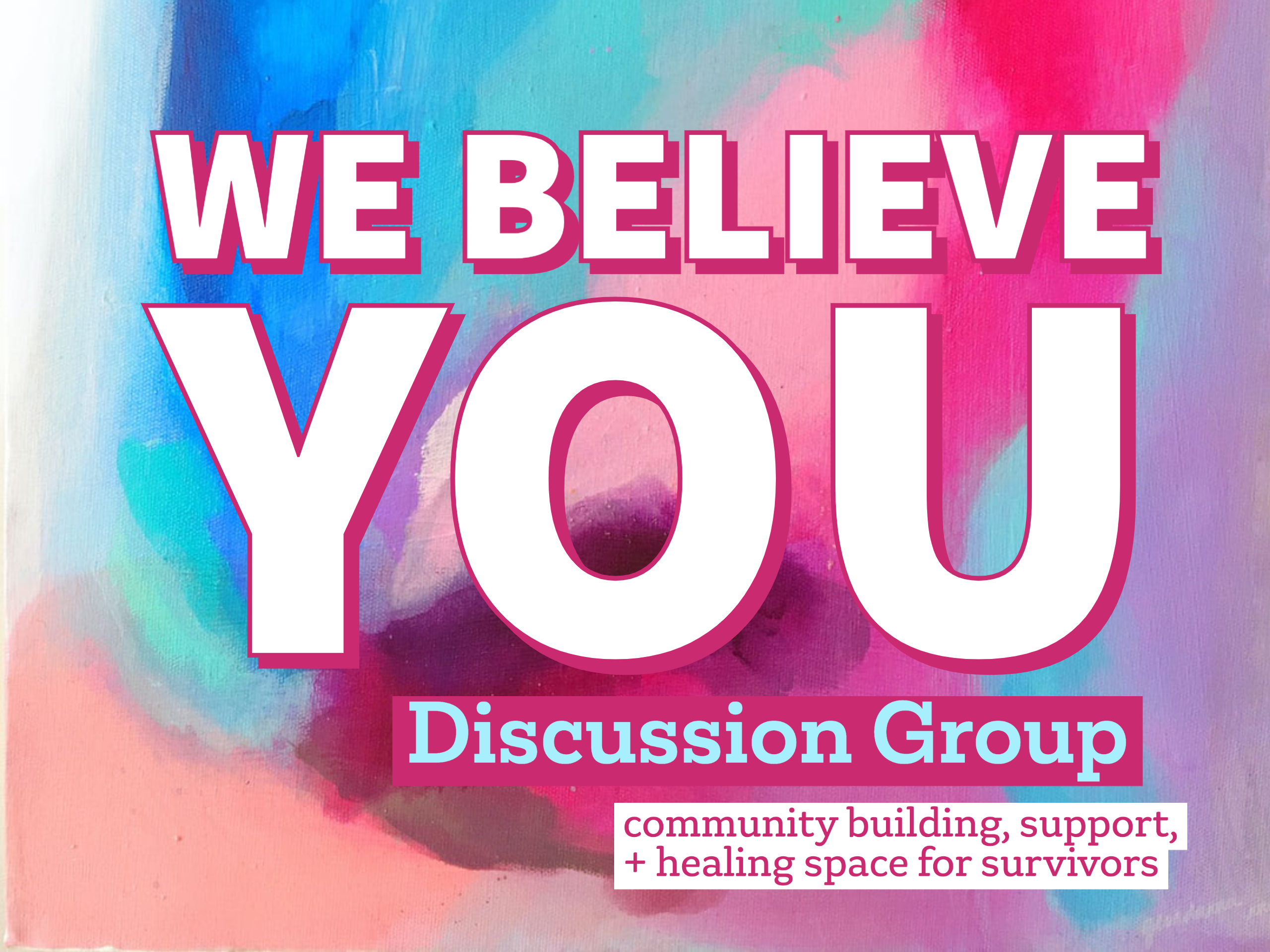
Photo Credit: Women Center’s at UMBC.
Image Description: This is a Flyer that has varying colors of white pink and blue. The words “We Believe You” is written boldly. While “Discussion group” is written right under and “community building, support + Healing space for survivors” is written under that.
To me holding a safe space for survivors is not just about allowing them to share their stories with you. It is not just about nodding with a sad look on your face, but then acting like they never shared their story with you afterwards (trust me, I have inadvertently done this before!). Sometimes being a safe space is about the little things, like asking if they are comfortable with sharing a potentially triggering post and then accompanying it with a content note; checking up on them during stressful times; listening and believing them; asking them what they need, if they need anything that you are capable and comfortable with providing. It is also about educating yourself. Understanding that sexual violence comes in various forms, and it is does not always include physical violence. Most of all maintaining a safe space even when you assume there are no survivors in the spaces means that you are creating an environment that allows everyone to feel comfortable enough to share their experiences, their stories, and ask for support and help when they need it. Over the course of the past few months I have also realized this requires a brave space which is a framework the Women’s Center uses as a foundation to its programs and space. This means cultivating a space where everyone respects each other’s opinion and are able to challenge themselves or each other. The Women’s Center has a more in-depth outline of what it requires to create a brave space. It does take a tremendous amount of courage to in these spaces.
As someone who comes from a community of Africans and immigrants, it has been extra hard for me to show up for survivors. When talking to my parents’ generation and some of my agemates I have found that victim blaming and abuser enablement is rooted in our culture. As a child I witnessed and heard stories of extended families going to beg a wife and her family to come back to her husband. It did not matter that she left because of abuse. It did not matter that she did not feel safe anymore. All that mattered was that their marriage stayed intact. One can just imagine what the African LGBTQ+ community has to go through. Especially with countries like Nigeria, where homosexuality carries a criminal offense. LGBTQ+ survivors are not acknowledged, and oftentimes ignored when they speak up. Accusations of rape are often met with disbelieve, shame, and victim blaming. Being an ally in the African/Nigerian community means speaking out not only when it impacts you, but every time.
And, let me be clear. These challenges to a survivor-centered belief system is not isolated to only the Nigerian community. If you are from a different community think about what the culture behavior towards survivors looks like; what can you do to lend your voice to people from your community who have been victims of sexual violence. Educate yourself and those around you including family. There is a gap in the research on the prevalence of sexual violence in African immigrant communities, or most minority communities, but we are have the capacity to learn and increase awareness of this as a global issue that affects every culture and ethnicity. So, show up and speak out. Be a safe space for anyone who needs someone to believe in them. Find out about resources around you for survivors. You never know who might need it. If you are not sure where to start, some helpful articles will be attached at the end of this blog.
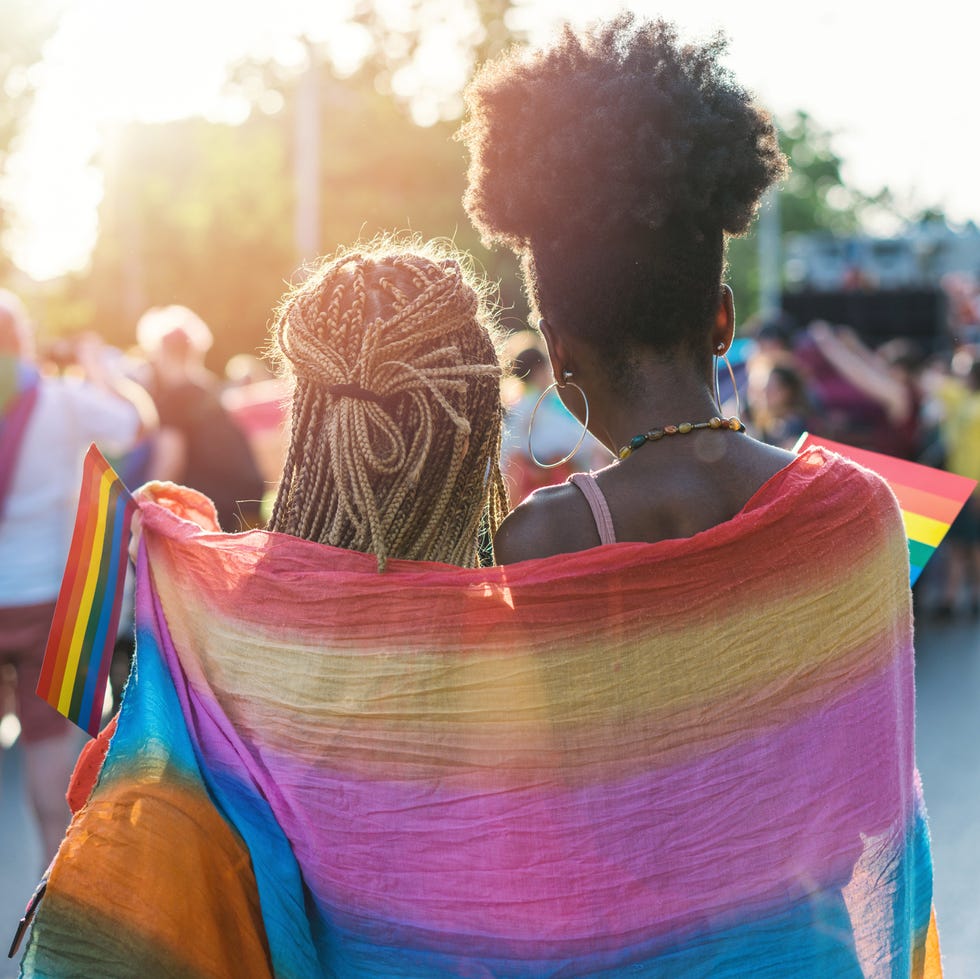
Photo credit: Marie Claire magazine.
Image Description: The picture focuses on two women standing together. One woman is black, while the other is white. They are both turned a way from the camera, and are facing a crowd of people. The crowd is blurred. A big LGBTQ+ pride flag is draped around both of them, and each person holds a hand flag.
African countries like Nigeria might not have laws and resources that protect survivors or victims of sexual violence and assault, but its immigrant community has the opportunity to do better. It might seem like a losing battle against biased cultural beliefs, but I believe it is a battle that can be won. Being at the Women’s Center has shown me the power in creating awareness. Sometimes all some people need is access to education. April is Sexual Assault Awareness Month, so as this month comes to an end I encourage you to a part of the solution. Consider ways in which intersecting identities inform a survivor’s experience as well. For example, as I referenced earlier, the LGBTQ community is one group that shoulders a disproportionate amount of sexual violence globally. This is a group that most minority cultures fail to acknowledge. So, ask questions of your community; Where do these beliefs come from? How can I be a safe space for people within my community? Whether they identify as LGBTQ+, a survivor, or both there is no better time than now.
Helpful Articles/ blogs:
Archives from the Women’s Center blog by clicking here, and here. You can also check out the virtual Take Back the Night experience.
6 Ways to Support a Survivor of Woman on Woman Sexual Violence
Our Society Divides Sexual Violence Survivors into Good and Bad Categories- And There’s an Oppressive History Behind it.
Nigeria has a Rape Culture too
]]>
Arifat (she/her/hers) is a Senior majoring in Social Work and Political Science. She is working in the Women’s Center this year for her social work field placement. Content Note: This blog...
https://womenscenteratumbc.wordpress.com/2021/04/30/reflecting-on-my-nigerian-community-learning-how-to-be-an-ally-to-survivors-of-sexual-violence/
https://my3.my.umbc.edu/api/v0/pixel/news/101419/guest@my.umbc.edu/a064925a925d450779c0d9a7b24c96db/api/pixel
black-lives-matter
black-voices
black-women
critical-social-justice
diversity-and-inclusion-issues
feminism
immigrant-survivors
intersectionality
lgbtq
nigerian
sexual-assault-awareness-month
sexual-violence
survivors-of-sexual-violence
Women's, Gender, & Equity Center
https://my3.my.umbc.edu/groups/womenscenter
https://assets2-my.umbc.edu/system/shared/avatars/groups/000/000/125/78272a4842689b30dbf74672182b78f8/xsmall.png?1750974263
https://assets1-my.umbc.edu/system/shared/avatars/groups/000/000/125/78272a4842689b30dbf74672182b78f8/original.png?1750974263
https://assets1-my.umbc.edu/system/shared/avatars/groups/000/000/125/78272a4842689b30dbf74672182b78f8/xxlarge.png?1750974263
https://assets1-my.umbc.edu/system/shared/avatars/groups/000/000/125/78272a4842689b30dbf74672182b78f8/xlarge.png?1750974263
https://assets1-my.umbc.edu/system/shared/avatars/groups/000/000/125/78272a4842689b30dbf74672182b78f8/large.png?1750974263
https://assets2-my.umbc.edu/system/shared/avatars/groups/000/000/125/78272a4842689b30dbf74672182b78f8/medium.png?1750974263
https://assets1-my.umbc.edu/system/shared/avatars/groups/000/000/125/78272a4842689b30dbf74672182b78f8/small.png?1750974263
https://assets2-my.umbc.edu/system/shared/avatars/groups/000/000/125/78272a4842689b30dbf74672182b78f8/xsmall.png?1750974263
https://assets3-my.umbc.edu/system/shared/avatars/groups/000/000/125/78272a4842689b30dbf74672182b78f8/xxsmall.png?1750974263
Women's Center
5
0
false
Fri, 30 Apr 2021 14:23:28 -0400
Fri, 30 Apr 2021 14:23:28 -0400
RVAM: Self-Guided Learning Week 1 (Oct 6)
Relationship Violence Awareness Month (RVAM) brings people together to create and generate discussion and skill-building on how to prevent relationship violence in our schools, workplaces, and communities, Since most of our campus remains learning and working remotely, we won’t be able to physically come together this October to do this critical work in person… but it doesn’t mean that learning is cancelled!
The Women’s Center is creating weekly postings to help guide your self-learning that we’ll share with you each week in October. Below is a short list of relevant webinars or events, podcasts or blogs, and on and off-campus resources dedicated to cultivating awareness about relationship violence, posting your skills and knowledge around the intersecting issues, and increasing access to important resources.
While some of the learning content we’re sharing is all-encompassing, we’re also narrowing down on few key themes this year to include: The Covid-Crossings of Relationship Violence, Relationship Violence’s Matrix of Oppression, and Un/Healthy Relationships for Young Adults. Through self-guided learning, you can dig deeper by listening to a podcast, reading a blog, attending a webinar and more.
We’ll also be sharing this content on social media so let us know what you’re learning or what questions you have in the comments!
 The Power and Control Wheel
-
Here is an article called “Dealing with Teen Dating Violence” that explains who is affected by teen dating violence, how to offer help, and why survivors sometimes do not ask for help.
- We Believe You is a student-led activist, advocacy, and support organization for survivors and allies of sexual and interpersonal violence. They seek to bring about campus-wide awareness of social issues surrounding power-based violence and intersecting forms of oppression. Check out this link for more information about the survivors only discussion group, and this link for information about the general body meetings, which are open to everyone!
]]>
Relationship Violence Awareness Month (RVAM) brings people together to create and generate discussion and skill-building on how to prevent relationship violence in our schools, workplaces, and...
https://womenscenteratumbc.wordpress.com/2020/10/06/rvam-self-guided-learning-week-1-oct-6/
https://my3.my.umbc.edu/api/v0/pixel/news/96404/guest@my.umbc.edu/39b949e23e5eeae15f38fa9d6f8a3aea/api/pixel
feminism
issues
relationship-violence
relationship-violence-awareness-month
rvam
Women's, Gender, & Equity Center
https://my3.my.umbc.edu/groups/womenscenter
https://assets2-my.umbc.edu/system/shared/avatars/groups/000/000/125/78272a4842689b30dbf74672182b78f8/xsmall.png?1750974263
https://assets1-my.umbc.edu/system/shared/avatars/groups/000/000/125/78272a4842689b30dbf74672182b78f8/original.png?1750974263
https://assets1-my.umbc.edu/system/shared/avatars/groups/000/000/125/78272a4842689b30dbf74672182b78f8/xxlarge.png?1750974263
https://assets1-my.umbc.edu/system/shared/avatars/groups/000/000/125/78272a4842689b30dbf74672182b78f8/xlarge.png?1750974263
https://assets1-my.umbc.edu/system/shared/avatars/groups/000/000/125/78272a4842689b30dbf74672182b78f8/large.png?1750974263
https://assets2-my.umbc.edu/system/shared/avatars/groups/000/000/125/78272a4842689b30dbf74672182b78f8/medium.png?1750974263
https://assets1-my.umbc.edu/system/shared/avatars/groups/000/000/125/78272a4842689b30dbf74672182b78f8/small.png?1750974263
https://assets2-my.umbc.edu/system/shared/avatars/groups/000/000/125/78272a4842689b30dbf74672182b78f8/xsmall.png?1750974263
https://assets3-my.umbc.edu/system/shared/avatars/groups/000/000/125/78272a4842689b30dbf74672182b78f8/xxsmall.png?1750974263
Women's Center
https://assets3-my.umbc.edu/system/shared/thumbnails/news/000/096/404/a0b9c3c070ec11170f26f0620f287d7d/xxlarge.jpg?1602012032
https://assets1-my.umbc.edu/system/shared/thumbnails/news/000/096/404/a0b9c3c070ec11170f26f0620f287d7d/xlarge.jpg?1602012032
https://assets1-my.umbc.edu/system/shared/thumbnails/news/000/096/404/a0b9c3c070ec11170f26f0620f287d7d/large.jpg?1602012032
https://assets3-my.umbc.edu/system/shared/thumbnails/news/000/096/404/a0b9c3c070ec11170f26f0620f287d7d/medium.jpg?1602012032
https://assets2-my.umbc.edu/system/shared/thumbnails/news/000/096/404/a0b9c3c070ec11170f26f0620f287d7d/small.jpg?1602012032
https://assets1-my.umbc.edu/system/shared/thumbnails/news/000/096/404/a0b9c3c070ec11170f26f0620f287d7d/xsmall.jpg?1602012032
https://assets2-my.umbc.edu/system/shared/thumbnails/news/000/096/404/a0b9c3c070ec11170f26f0620f287d7d/xxsmall.jpg?1602012032
3
0
false
Tue, 06 Oct 2020 14:58:36 -0400
Mutual Aid: One for All and All for One

Nandi is a student staff member in the Women’s Center and a Junior English major.
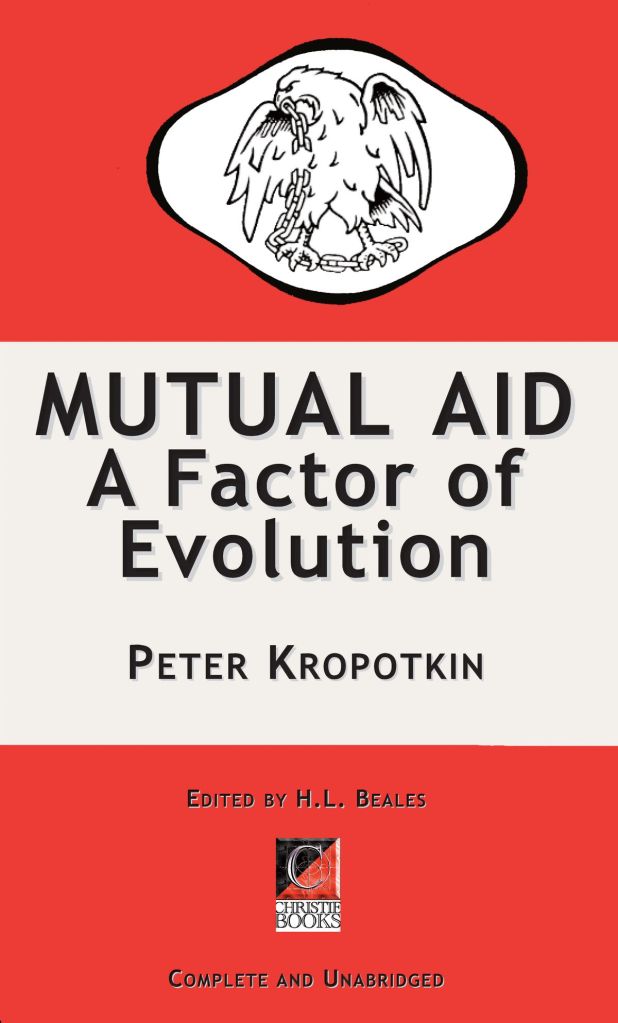
Mutual aid, as a concept, is based in anarchism and the work of Petr Kropotkin. His work, “Mutual Aid: A Factor of Evolution”, is a foundational text for anarchists and other communist movements. But really, you don’t have to be an anarchist or a communist, or know anything about these ideologies to practice mutual aid because it’s an extremely simple concept.
Basically, the theory supposes that people (and other creatures) are FAR more inclined to taking care of each other than they are to individualism, no matter how much our capitalist ruling class argues to the contrary. The Seattle-based collective Big Door Brigade defines the practical application of mutual aid as “when people get together to meet each other’s basic survival needs with a shared understanding that the systems we live under are not going to meet our needs and we can do it together RIGHT NOW!” They also make the point that it is a separate and distinct practice from charity and charitable organizations.
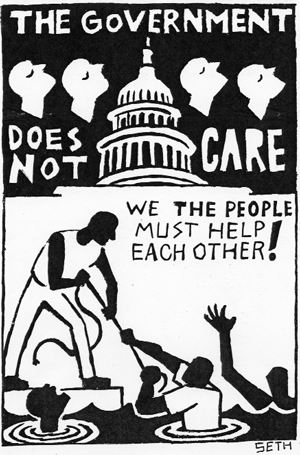
Image by Seth Tobocman
Historically, mutual aid looks a lot of different ways. The Free African Society in 1787 was an organization meant to provide aid amongst free Black people. In the 20th century, there were Italian-American organizations called Societa di Mutuo Soccorso and Mexican-American societies called Sociedad Mutualistas. Larger worker movements and labor unions are also a part of this tradition as they necessitate collaboration and care work as a means to stay afloat while struggling for rights. Labor organizing in the US is at its lowest point in decades, but that doesn’t mean that we still can’t connect to our communities right now in the present to help everyone survive.
In feminist movements, mutual aid is a thread that runs throughout as an ongoing necessity among those who are oppressed under patriarchy. It’s not hard to see why; power-based violence, hiring discrimination, and wage gaps all team up to make people of oppressed genders dependent on one another rather than the institutions that their oppressors control.
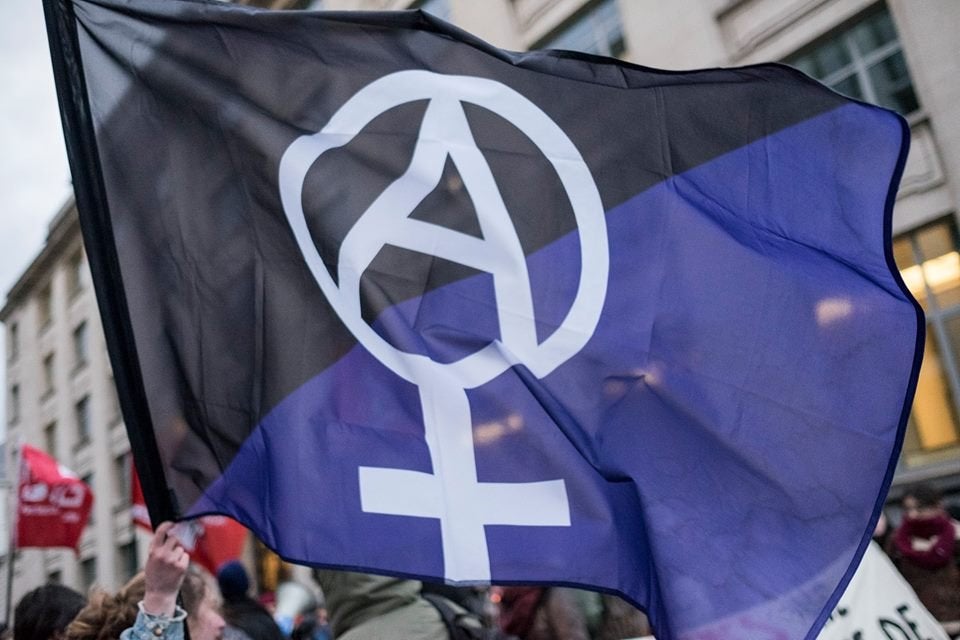
Anarchist Feminist flag
The Association for Women’s Rights in Development has mutual aid as a key piece of their “Solidarity Economy”, an economy in which people’s relationship to goods and services is more sustainable and cooperative. To go along with that, anarchist feminism interprets the labeling of actions like sharing, compassion, and sensitivity as “feminine” to mean that these are direct challenges to the “masculine” hierarchy.
Maybe you’ve seen mutual aid mentioned on social media in the past few weeks, or maybe you haven’t. Right now, due to COVID-19, we’re all in a position to rely on one another for safety and survival. We usually think of networking as a means to further ourselves towards our own goals and ambitions. Now is a time to network with the people in our neighborhoods and communities for our common good. Practicing mutual aid doesn’t mean that everyone has to gather and social distancing has to go out the window because those are important things to do for our communities as well.
If in reaching out you find a need that you can fill, then do so! If someone in your network has access to resources that you can’t find, then make your own needs known! As capable and resourceful as we are, self-reliance is not the order of the day. Lean into your human inclinations towards care and comradeship to make it through.
Hundreds of mutual aid groups have popped up all over the country in the past month to address the dire straits we now find ourselves in, with most of them being led by the organizers who dedicate their lives to this work every day.
To find one near you, you can go to the interactive map on mutualaidhub.org, or this list posted on the Its Going Down digital community center. Its Going Down also has organizing guides and resources so that you don’t have to go into this unlearned. I’ve put in for the Baltimore Maroon Movement! Who in YOUR community needs your help?
]]>
Nandi is a student staff member in the Women’s Center and a Junior English major. Mutual aid, as a concept, is based in anarchism and the work of Petr Kropotkin. His work, “Mutual...
https://womenscenteratumbc.wordpress.com/2020/04/01/mutual-aid-one-for-all-and-all-for-one/
https://my3.my.umbc.edu/api/v0/pixel/news/91741/guest@my.umbc.edu/3e80bc5d5f9bee686255016d8bc9e3ac/api/pixel
activism
anarchism
community-care
community-organizing
covid-19
critical-social-justice
feminism
intersectionality
issues
mutual-aid
pandemic
politics
uncategorized
Women's, Gender, & Equity Center
https://my3.my.umbc.edu/groups/womenscenter
https://assets2-my.umbc.edu/system/shared/avatars/groups/000/000/125/78272a4842689b30dbf74672182b78f8/xsmall.png?1750974263
https://assets1-my.umbc.edu/system/shared/avatars/groups/000/000/125/78272a4842689b30dbf74672182b78f8/original.png?1750974263
https://assets1-my.umbc.edu/system/shared/avatars/groups/000/000/125/78272a4842689b30dbf74672182b78f8/xxlarge.png?1750974263
https://assets1-my.umbc.edu/system/shared/avatars/groups/000/000/125/78272a4842689b30dbf74672182b78f8/xlarge.png?1750974263
https://assets1-my.umbc.edu/system/shared/avatars/groups/000/000/125/78272a4842689b30dbf74672182b78f8/large.png?1750974263
https://assets2-my.umbc.edu/system/shared/avatars/groups/000/000/125/78272a4842689b30dbf74672182b78f8/medium.png?1750974263
https://assets1-my.umbc.edu/system/shared/avatars/groups/000/000/125/78272a4842689b30dbf74672182b78f8/small.png?1750974263
https://assets2-my.umbc.edu/system/shared/avatars/groups/000/000/125/78272a4842689b30dbf74672182b78f8/xsmall.png?1750974263
https://assets3-my.umbc.edu/system/shared/avatars/groups/000/000/125/78272a4842689b30dbf74672182b78f8/xxsmall.png?1750974263
Women's Center
4
0
false
Wed, 01 Apr 2020 08:30:04 -0400
Trans Women in Women’s Spaces: A Reflection on the Transition of Privilege and Belonging
 Autumn is a junior Meyerhoff Scholar (M29), pursuing a BS in Chemistry and a BA in Gender, Women and Sexuality Studies dual degree, and currently a student intern at the Women’s Center.
Content Note: The content of this blog may be triggering. Topics addressed by this blog include transphobia, menstruation, pregnancy, dysphoria, and gender-confirmation surgery.
When I first received an offer to intern at the Women’s Center, I was very excited. Throughout my years at UMBC, the Women’s Center quickly became my home away from home and was a place to feel safe, included, and accepted. I participated in as many events as possible and volunteered whenever I had the time. I even had the privilege of being able to facilitate Spectrum meetings for a semester before formally joining the staff. By working in the Women’s Center, I thought I would be able to help create an even better space for the people I shared the space with and new community members alike.
However, even while writing this blog post, I experience imposter syndrome. Imposter syndrome is “the idea that you’ve only succeeded due to luck, and not because of your talent or qualifications—was first identified in 1978 by psychologists Pauline Rose Clance and Suzanne Imes.” I think that the sheer complexity of how this imposter syndrome is taking effect for me (and people like me with a pretty fraught, tenuous and ever-changing relationship with womanhood) is demonstrated in the carefulness of the words that I am using in this blog. This is a really multifaceted issue that deals with dysphoria, internalized transphobia, the differences of experiences between marginalized identities and intersectionality.
Vaginas!?
When I was born, the doctor looked at my genitals and proclaimed to the world and the government that “It’s a boy.” For those who know me, it is somewhat obvious that this label did not stick for the “normal” amount of time (read: the entire lifespan). If you’ve not caught on yet, I’m very much not a boy anymore and I identify as a nonbinary trans woman (I know its a bit of an oxymoron; gender is FUNKY).
I experience marginalization and oppression, but I also have privilege in this identity. I struggle with the privilege I have by being a trans feminine person that was able to come out early on in my life and that I was able to start my medical transition when I still was in high school.
Even so, working in the Women’s Center at UMBC as a nonbinary, transgender woman is peculiar. Because of my experiences with transness and my body, I am not the best equipped to assist with issues that students may come to the Women’s Center to address. For example, I don’t have a vagina (YET!), and I didn’t grow up with one, therefore I don’t have the first-hand knowledge that comes with menstruating, pregnancy, or growing up as an AFAB person in a heterosexist and misogynistic society.
This has made interactions with some community members weird when they ask for help with things I don’t have experience with. I’m deathly afraid of giving the wrong advice or having an interaction that makes someone uncomfortable. If a community member comes into the Center and asks about internal condoms or pregnancy tests (while I’m not uneducated on the subjects) I cannot give as good of an answer as someone with experience. Even when I am pointing out the tampons and pads that the Women’s Center offers to the community for free, I deal with that fear and alienation.
As a transfeminine person, I am acutely aware of how “womanhood,” as the greater society knows it, is defined in bioessentialist definitions. When doing the work that involves vaginas and helping people with vaginas, I am always reminded of the “essential” difference of my body and that I am not fully “them.”
I am wondering how much this anxiety stems from internalized transphobia that I have surrounding transgender women, including myself, not really being “full” women or that I don’t truly belong in a women’s space. Throughout my life, the topic of periods, reproduction and menstrual products have always been a sticking point for me and my experience: a constant trigger for my dysphoria. It’s a common trigger for a lot of trans women, not just because of the consistent TERF bioessentialist dog whistles, but because we as trans women lack the thing that is worshiped as a pillar of western societal femininity: the ability to reproduce. Of course, I want to acknowledge that this is a completely bogus measure of femininity because the ability to reproduce is completely disconnected to femininity. Femininity and reproduction are two distinct aspects of humanity that are conflated in a way that serves to not only enforce exclusion but to oppress those who do not fit the societal standards. To some extent, I believe that I’m invading a space that I really do not have the right to inhabit.
Privileged Transitions
In terms of my transition, I am exceptionally privileged. I was born to an accepting family who supported me when I came out after my freshman (literally “man”) year of high school. Me coming out to them was a bit of an accident even, but it went well. I was able to access hormones soon after and I just scheduled bottom surgery for after I graduate from UMBC. I’m white and I pass as a cis woman reasonably well, and I have the resources to access my endocrinologist regularly and I am able to afford my medical treatment. I also have the privilege of growing up as someone who was assigned male at birth in a society that greatly values maleness, especially in science and in leadership. Because of my socialization, I am allowed a higher level of confidence and ownership in science and leadership than someone who was reared as a woman in the same fields.
All of these compounding areas of privilege greatly influence how I can exist in a space, and how much space I take up, especially at a women’s center. As someone who was reared as a male in our society, it sometimes feels really weird to go to events that specifically cater to women.
I also see my own experience paralleled in a previous Women’s Center staff member Daniel, as they had to grapple with the realities of being a trans man when working in the Women’s Center. In their blog post about male privilege, Daniel discusses how they strive to be cognizant of the space they take up within the Women’s Center because Dan’s privilege is not as cut and dry as one might see between a cis man and a cis woman. Their blog posts detailed how they saw themselves within the Women’s Center as a “white, medically transitioning, ‘passing’ man,” and how that influenced Dan’s participation. Even though they have the privileges afforded to white men, because of their transness, Daniel is precariously perched on the Glass Elevator and experiences marginalization at the hands of a heterocissexist society. Although the experiences of all trans people are not the same, I can deeply relate to Dan’s experiences as a student staff member at the Women’s Center.
Privilege aside, there is a level of marginalization that I experience in entering and being a part of the Women’s Center. Cis women come into this space and feel entitled to it. Me? I do… and I also pause. I enter the space tentatively because my sense of belonging is not always assured.
Existing Within the Bounds of My Triggers
Throughout my transition, my dysphoria, anxiety, and depression has been pretty intensely triggered by the topics of menstruation, reproduction, and topics around cis-women bodies.
I was really, really worried about this when I started at the Women’s Center because I imagined that it would be very hard for me to remove myself from potentially triggering situations when I’m working (such as a community member needing assistance with something). I still really struggle with this even as I am halfway through my internship. However, I’ve been a lot less triggered by these situations than I thought I would initially.
I am not one to look a gift horse in the mouth, but I feel like this ease comes in part from the ability to put boundaries between my own sense of self and my sense of representing the Women’s Center. Regardless of what this means about my self-esteem and coping, boundaries allow me to exist and operate in this work.
Ultimately, I think that it is okay and normal to be uncomfortable in some spaces. This discomfort is good. The oppressive nature of the gender binary and the heterocissexist society is diametrically opposed to the reality that trans people live so discomfort is inevitable. But when dealing with big, overarching systems of power that influence our lives, sometimes identifying that there even is a problem is the first step of trying to challenge the norms. In other words, without identifying the problem, it is impossible to generate a solution. It may seem like the big, overall problem is the Gender Binary , but I think there is a smaller, more pervasive issue when thinking and talking about how transgender people fit within the model of a women’s center.
I think that the problem isn’t that transgender people do not fit into the current framework of mainstream feminism. The real problem is with those who either knowingly or unknowingly perpetuate systems of oppression (read: most everyone), and don’t use their power or privilege toward the radical but simple process of affirming transgender identities. In spaces like the Women’s Center, trans people should not only feel welcome but also a sense of home and belonging–and it’s cis people’s prerogative to either build those bridges with intentionality and care or continue a system that oppresses everyone: the master’s tools will never dismantle the master’s house.

My transness is an integral part of my identity, and I’m exceptionally proud of it. However, I know that my belonging in the Women’s Center is not just tied to my identity as a nonbinary trans woman. In the Women’s Center, I am surrounded by people who support and care for me and it is in that where the promise of real and actionable liberatory justice resides.
]]>
Autumn is a junior Meyerhoff Scholar (M29), pursuing a BS in Chemistry and a BA in Gender, Women and Sexuality Studies dual degree, and currently a student intern at the Women’s Center....
https://womenscenteratumbc.wordpress.com/2020/03/26/trans-women-in-womens-spaces-a-reflection-on-the-transition-of-privilege-and-belonging/
https://my3.my.umbc.edu/api/v0/pixel/news/91597/guest@my.umbc.edu/c670b8879bdb85d6b2e4e3e4e18c52f6/api/pixel
audre-lorde
bioessentialism
cisgender
diversity
feminism
intersectionality
lgbtq
staff
trans
trans-women
transgender
transition
uncategorized
womanhood
Women's, Gender, & Equity Center
https://my3.my.umbc.edu/groups/womenscenter
https://assets2-my.umbc.edu/system/shared/avatars/groups/000/000/125/78272a4842689b30dbf74672182b78f8/xsmall.png?1750974263
https://assets1-my.umbc.edu/system/shared/avatars/groups/000/000/125/78272a4842689b30dbf74672182b78f8/original.png?1750974263
https://assets1-my.umbc.edu/system/shared/avatars/groups/000/000/125/78272a4842689b30dbf74672182b78f8/xxlarge.png?1750974263
https://assets1-my.umbc.edu/system/shared/avatars/groups/000/000/125/78272a4842689b30dbf74672182b78f8/xlarge.png?1750974263
https://assets1-my.umbc.edu/system/shared/avatars/groups/000/000/125/78272a4842689b30dbf74672182b78f8/large.png?1750974263
https://assets2-my.umbc.edu/system/shared/avatars/groups/000/000/125/78272a4842689b30dbf74672182b78f8/medium.png?1750974263
https://assets1-my.umbc.edu/system/shared/avatars/groups/000/000/125/78272a4842689b30dbf74672182b78f8/small.png?1750974263
https://assets2-my.umbc.edu/system/shared/avatars/groups/000/000/125/78272a4842689b30dbf74672182b78f8/xsmall.png?1750974263
https://assets3-my.umbc.edu/system/shared/avatars/groups/000/000/125/78272a4842689b30dbf74672182b78f8/xxsmall.png?1750974263
Women's Center
9
0
false
Thu, 26 Mar 2020 11:16:31 -0400
Thu, 26 Mar 2020 11:16:31 -0400
To the Food Police in My Life
Samiksha Manjani is a Student Staff member at UMBC’s Women’s Center. She is a Political Science and Sociology double-major graduating in May 2019.
Eating around other people has become the bane of my existence. I don’t remember the last time I’ve eaten in peace without the “food police” (family, friends, strangers, etc) hitting me with a microaggression about my food choices. Receiving these microaggressions day in and day out has made the simple task of eating daunting and anxiety-ridden.
Here are just SOME of the scenarios that I have been in:
Whenever I order a salad: “What, are you on a diet?”

Family members when they see me eating only a salad.
Whenever I order anything other than a salad: “Do you really need that?”

What these situations demonstrate is that it doesn’t actually matter what I’m eating when I get these microaggressions. In fact, it demonstrates that food policing has nothing to do with the food itself. Food policing is really about policing women’s bodies, sizeism, and buying into the economics of diet culture.
Policing Women’s Bodies: The Feminine Ideal
Our patriarchal society begins policing women’s bodies in early childhood. Women are taught from an early age that our appearances define our sense of worth in society, and that thinness directly correlates to value. Furthermore, because we live in a heterosexist world, we’re taught that the judges of our appearances are essentially men. Thus, we’re indoctrinated early on to strive towards a beauty standard that is both largely rooted in the male gaze and is entirely unattainable. This message is constantly reinforced by the institutions in our lives: from schools, the media, and even from our own families sometimes. We’re constantly told that we should pay attention to our appearances and maintain the right body size. But what exactly encompasses this beauty standard regarding body size?
Click to view slideshow.
Historically, the American beauty standard favored plumper bodies. Prior to the mid-20th century, robust bodies were considered to be the feminine ideal. Larger body size was considered indicative of fertility and wealth. Famous beauty icons even into the 20th century, like Marilyn Monroe, were heavy set. Advertisements at the time sold products meant to help women gain weight, not lose weight (seems almost impossible to imagine, I know). Full stomachs, thick thighs, and fat (in the “right” places) were considered healthy & desirable.


Since the mid-20th century, we’ve seen a shift in the beauty ideal from larger bodies to thinner bodies. By the 1960s, the feminine ideal was slender and wispy. In just 10 years, the ideal body size shifted immensely from women with bodies like Marilyn Monroe to bodies like Twiggy. This trend of willowy and thin bodies (like that of Kate Moss) continued to be the feminine ideal throughout the 90s.
Today, the ideal body size still favors thin bodies. American society idealizes an hourglass figure with measurements of about 36-26-36 inch measurements (bust-waist-hips). As you can see, the waist measurement is significantly smaller than the chest and hip measurements.
The current beauty standard presents American women with a conundrum (in the way unrealistic beauty standards always do). As the measurements listed above and current beauty icons such as the Kardashians demonstrate, the ideal body is simultaneously curvy and thin at the same time. While heavy-set busts and hips are considered ideal, so are small waists, thin arms and slender legs. The ideal weight for American women is around 128 pounds, yet the average weight for American women aged 20+ is 168.5 pounds.

The Kardashians
Sizeism
This beauty standard has real-life consequences for American women. This is because we have associated body size with women’s sense of worth in American society; such that those who are closer to the beauty standard, have higher social value in our society. Therefore, women who have or are close to this ideal body size are considered more worthy. We associate positive values with women who meet the ideal body size.
This phenomenon is called thin privilege. Thin privilege means that individuals who move through the world in a thin body are granted certain advantages and immunities over people who are not thin. What’s important to remember is that it doesn’t matter whether you actually “feel thin” or not to have thin privilege. If other people perceive you as thin, then you maintain an advantage.
On the other hand, women who do not meet this ideal body size and are larger often deal with sizeism. Sizeism is the prejudice or discrimination on the grounds of a person’s size (aka: “body shaming,” “fat shaming”). Sizeism is rooted in fatphobia, which is the fear and dislike of obese people and/or obesity.
Sizeism can have severe consequences: one consequence is fat discrimination such as verbal and physical aggression, increased scrutiny of eating habits and extreme pressure to go on dangerous diets, increased health insurance premiums, being provided inferior medical care or being denied certain medical procedures, and/or being judged as “lazy,” “stupid,” and/or “weak.”
Fundamental to our sizeist culture is the notion that being overweight or obese is the result of diminished morality; being heavy is seen as the embodiment of gluttony, sloth, etc. Additionally, because of the deep-rooted belief in self-reliance in American culture, body size is regarded as completely under the control of the individual. Therefore, being heavy or obese is considered to be caused by destructive individual behavior. Ironically, however, we often engage in destructive individual behavior because of the constant and toxic societal pressure to be unattainably thin (e.g. skipping meals).
Here is an advertisement that a shampoo company ran which I think perfectly exemplifies the attainability of the ideal body:
“Your breasts may be too big, too saggy, too pert, too flat, too full, too far apart, too close together, too A cup, too lopsided, too jiggly, too pale, too padded, too pointy, too pendulous or just two mosquito bites. But with Dep styling products, at least you can have your hair the way you want it. Make the most of what you’ve got.”
As this ad demonstrates, no matter how you look, even if you’re the closest to the ideal body size, it’s still not enough. Despite this, we still strive incredibly as a society to meet a body size that for many of us is simply not possible. Why?
Diet Culture
 One of the main driving forces of this unrealistic female body ideal is the diet industry. The diet industry is worth $66.3 billion; selling everything and anything from diet pills to meal plans to member-based fitness clubs.
The diet industry’s primary target? Women. The diet industry, for all the good it may or may not do, profits off of women feeling insecure about their bodies.
Many of the products being peddled can contain harmful ingredients. These products are often advertised by famous artists and celebrity influencers. For-example, many celebrities have endorsed the newest trend in diet products: diet teas. Many diet teas contain senna, which has been approved by the U.S. Food & Drug Administration as a laxative. Although senna can be helpful to combat occasional constipation, the FDA has warned that prolonged use (like in a diet tea) could cause liver, kidney, and colon problems. Despite this, many celebrity influencers still promote diet teas.
The pervasiveness of diet culture makes it nearly impossible to “just ignore it.” As a result, eradicating it is bound to be a long and difficult process. Truthfully, it would probably require an overhaul of the entire system, but through certain steps, we can begin to diminish its effects.
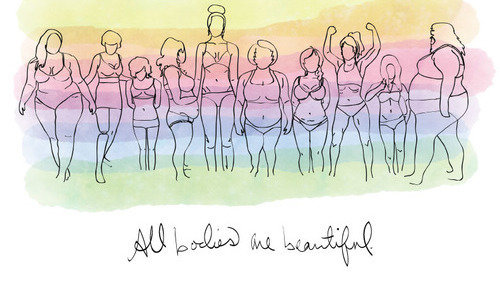
 One way is to actively support and be a proponent of body diversity. The body diversity or body positive movement is the acceptance of all human body types. It is rooted in the belief that all human beings should have a positive body image, and be accepting of their own bodies as well as the bodies of others. It also understands that body size is not the same thing as health.
You’ve probably heard the phrase “bikini bodies.” You may have also at some point fretted over the idea of wearing a bathing suit to the pool or beach (lord knows I have). The diet industry would have you believe that, in order to have a good bikini body, you must go on a diet in order to be the right size in the right areas. With a body positivity lens, we would say that ALL bodies are bikini bodies if there’s a bikini on your body!

Continuing to raise awareness and celebrate body diversity is essential to disrupting the diet industry. There are so many people already doing this amazing work:
-
Sonalee Rashatwar, a social worker and an activist sex therapist based in Philadelphia, works with clients to raise self-esteem regarding body image.
-
Tess Holiday is a plus-sized model who continues to challenge the fashion industry on body size.
-
Jessamyn Stanley is a yoga instructor based in Durham, North Carolina who uses yoga to encourage body positivity in her students.
-
Last, but not least, Imogen Fox gives us a very raw, often vulnerable, and eye-opening glimpse of what it means to be body positive as a disabled person, challenging our perceptions of disabilities.
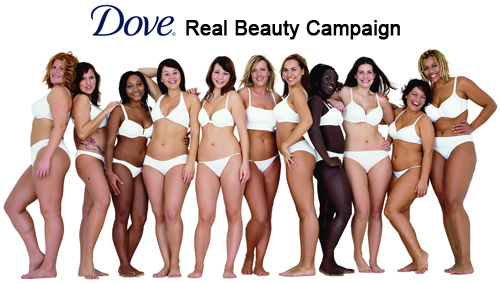
Not only should individuals adopt a body positivity outlook, companies should also do so through cause marketing. Cause marketing refers to marketing strategies that promote a social cause instead of a product. This can be especially potent when the cause is relevant for the brand and has meaning for the brand’s customers. Perfect examples of cause marketing include Dove’s Real Beauty Campaign or American Eagle’s Inclusive Aerie Real lingerie line. When cause marketing is successful, companies are able to expand their customer-base and increase sales. Since American Eagle adopted its Aerie Real campaign, it has continuously reported growths in their profits.
In fact, we can see how refusing to adopt a body positivity lens can hurt a company. Victoria’s Secret is an extremely famous lingerie brand and has been known for its famous Victoria’s Secret Fashion show. However, it is also known for its severely limited sizing range. The company has overtly declined to be inclusive; most recently, its execs declared that they aren’t willing to hire Trans or Plus-Size Models in their VS Fashion Show because, in their own words, “the show is a fantasy. ” (*rolls eyes*).
In the last few years, Victoria’s Secret has consistently reported that its sales have been in decline. Understandably so, considering that new brands supporting body diversity are popping up: lingerie brands like Savage X Fenty, Torrid, Universal Standard, and more. Additionally, when beauty conglomerates like Dove openly adopt a body diversity message and increase their already high sales, there really is no way for Victoria’s Secret to keep up. As these companies demonstrate, adopting a body positivity campaign can only help increase profits and visibility.
Adopting a body diversity outlook could only help us, not hurt us. If my food popo adopted a body positive mindset, they’d understand that I know what’s best for me, my body, and my health. They’d also understand that my body size is not the same as my health. Ultimately, sizeism and unattainable beauty standards only exist to point out the obvious: we are all unique, different people; beautiful in our own ways.

]]>
Samiksha Manjani is a Student Staff member at UMBC’s Women’s Center. She is a Political Science and Sociology double-major graduating in May 2019. Eating around other people has...
https://womenscenteratumbc.wordpress.com/2019/02/15/to-the-food-police-in-my-life/
https://my3.my.umbc.edu/api/v0/pixel/news/82141/guest@my.umbc.edu/d1c5dc81b8a6d4adb102ed3a579348a7/api/pixel
bodies
body-acceptance
body-image
body-positivity
fat-shaming
feminism
uncategorized
women
Women's, Gender, & Equity Center
https://my3.my.umbc.edu/groups/womenscenter
https://assets2-my.umbc.edu/system/shared/avatars/groups/000/000/125/78272a4842689b30dbf74672182b78f8/xsmall.png?1750974263
https://assets1-my.umbc.edu/system/shared/avatars/groups/000/000/125/78272a4842689b30dbf74672182b78f8/original.png?1750974263
https://assets1-my.umbc.edu/system/shared/avatars/groups/000/000/125/78272a4842689b30dbf74672182b78f8/xxlarge.png?1750974263
https://assets1-my.umbc.edu/system/shared/avatars/groups/000/000/125/78272a4842689b30dbf74672182b78f8/xlarge.png?1750974263
https://assets1-my.umbc.edu/system/shared/avatars/groups/000/000/125/78272a4842689b30dbf74672182b78f8/large.png?1750974263
https://assets2-my.umbc.edu/system/shared/avatars/groups/000/000/125/78272a4842689b30dbf74672182b78f8/medium.png?1750974263
https://assets1-my.umbc.edu/system/shared/avatars/groups/000/000/125/78272a4842689b30dbf74672182b78f8/small.png?1750974263
https://assets2-my.umbc.edu/system/shared/avatars/groups/000/000/125/78272a4842689b30dbf74672182b78f8/xsmall.png?1750974263
https://assets3-my.umbc.edu/system/shared/avatars/groups/000/000/125/78272a4842689b30dbf74672182b78f8/xxsmall.png?1750974263
Women's Center
22
0
false
Fri, 15 Feb 2019 13:02:10 -0500
B-I-N-G-O spells SCOUT…with the Women’s Center
Last semester we launched everybody’s fave, the Women’s Center Scouts! And it was really, really popular.
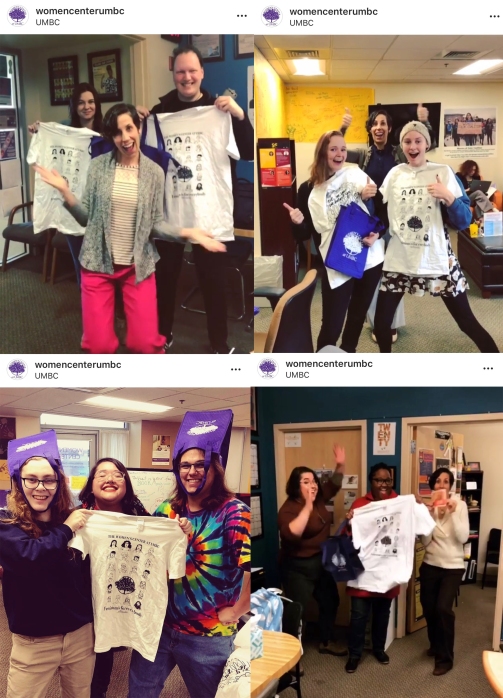
Like really popular and if you missed out you’re probably feeling a little sad right now. Well, don’t be because we’re rolling out the Women’s Center Scouts Spring Challenge!
BINGO!!!!

We still have the Women’s Center Scouts, but this semester it’ll be a little different. If you haven’t already, start by joining the Women’s Center myUMBC page and following at least one of our social media platforms (Facebook, Twitter, or Instagram). If you’re already a member and following one of our pages, great! You’re one step closer.
Now, instead of completing three different Women’s Center events throughout the semester, you’ll be racing to get a Connect 5 on our brand new bingo board (aka Punch the Patriarchy Card)!

- Attend any one Women’s Center event
- Bring a friend to the lounge and give them a tour
- Donate paper towels, tissues, or food to the Women’s Center
- Attend one program before Spring Break Attend one Women’s Center workshop
- Color a coloring page in the Women’s Center
- Bring a friend to a Women’s Center event or group
- Fill out the question of the week on the whiteboard
- Attend one Knowledge Exchange
- Make a ~new~ friend in the Women’s Center!
- Read a Women’s Center blog on womenscenteratumbc.wordpress.com and ask the author a question
- Introduce yourself to a Women’s Center student staff member and learn about their astrological sign
- Free Space (Because We Love You)
- Share a Women’s Center post or event on your social media and tag or mention us!
- Follow us on social media (Facebook | Twitter | Instagram) and comment on one of our posts!
- Attend a Women’s Center Pop Culture Pop-Up (look out for when they’re announced but they’ll always fall on Wednesdays at noon)
- Attend one discussion group (i.e. Between Women, Women of Color Coalition, Returning Women Students, or We Believe You. Not sure if the discussion group is for you? Check out our website to learn more about each group’s purpose and community).
- Attend one Sexual Assault Awareness Month (SAAM) event (calendar coming later this semester. All SAAM events will take place in April)
- Celebrate Galentine’s Day with the Women’s Center on 2/13/19
- Donate coffee or tea!
- Check out a book from the Women’s Center Library
- Bring back a book from the Women’s Center library
- Make a Take Back the Night rally sign
- Go to the Clothesline Project Display on 4/8/19 on Main Street
- Attend Trans Day of Visibility film screening on 3/27/19
A few rules! It is completely up to you to track your progress. The Punch the Patriarchy Cards are already printed and ready for you to claim in the Women’s Center. Each person’s card will stay with us at the Women’s Center front desk, but you’re welcome to take a picture to help map your moves and keep track of your progress. When you complete a square, it’s up to you to “punch” it with a pen or marker of your choice. Don’t forget to date the square when it is completed. And finally, we’ll trust you to keep a scouts honor and mark challenges you ~actually~ did complete.
Any UMBC community member who completes the challenge by May 1st gets a Women’s Center T-shirt! If you already have one, you’ll get a shout-out on our social media pages for being a stellar scout (or maybe, just maybe you might be able to get one of our awesome Take Back the Night t-shirts).

All UMBC students, faculty, and staff are welcome to participate!
IT’S BINGO TIME WOMEN’S CENTER STYLE!
For questions, stop by the Women’s Center or email us at womenscenter@umbc.edu.
]]>
Last semester we launched everybody’s fave, the Women’s Center Scouts! And it was really, really popular. Like really popular and if you missed out you’re probably feeling a little sad right...
https://womenscenteratumbc.wordpress.com/2019/02/04/b-i-n-g-o-spells-scout-with-the-womens-center/
https://my3.my.umbc.edu/api/v0/pixel/news/81820/guest@my.umbc.edu/76a1c7a9ccb1e1dd68a54805bccc1618/api/pixel
competition
current-events
events
feminism
programs
social-justice
womens-center-scouts
Women's, Gender, & Equity Center
https://my3.my.umbc.edu/groups/womenscenter
https://assets2-my.umbc.edu/system/shared/avatars/groups/000/000/125/78272a4842689b30dbf74672182b78f8/xsmall.png?1750974263
https://assets1-my.umbc.edu/system/shared/avatars/groups/000/000/125/78272a4842689b30dbf74672182b78f8/original.png?1750974263
https://assets1-my.umbc.edu/system/shared/avatars/groups/000/000/125/78272a4842689b30dbf74672182b78f8/xxlarge.png?1750974263
https://assets1-my.umbc.edu/system/shared/avatars/groups/000/000/125/78272a4842689b30dbf74672182b78f8/xlarge.png?1750974263
https://assets1-my.umbc.edu/system/shared/avatars/groups/000/000/125/78272a4842689b30dbf74672182b78f8/large.png?1750974263
https://assets2-my.umbc.edu/system/shared/avatars/groups/000/000/125/78272a4842689b30dbf74672182b78f8/medium.png?1750974263
https://assets1-my.umbc.edu/system/shared/avatars/groups/000/000/125/78272a4842689b30dbf74672182b78f8/small.png?1750974263
https://assets2-my.umbc.edu/system/shared/avatars/groups/000/000/125/78272a4842689b30dbf74672182b78f8/xsmall.png?1750974263
https://assets3-my.umbc.edu/system/shared/avatars/groups/000/000/125/78272a4842689b30dbf74672182b78f8/xxsmall.png?1750974263
Women's Center
7
0
false
Mon, 04 Feb 2019 08:30:08 -0500
Self Care: An Activists Survival Guide
 Alexia Petasis is an INDS intern on the Women’s Center student staff team. Alexia studies social justice and dance. In the following blog post, she runs through a list of crucial self-care survival strategies for activists.
Every week, the Women’s Center asks a “question of the week” available for anyone to respond to. One week our question was, “what do you do for self-care?” This question was one I have heard many times, but this time it led me to ponder all the ways I have, or have not, practiced self-care as well as what tips I can offer everyone else. I’ve seen many people around campus this semester look drained, fatigued and overwhelmed by our campus climate. For some, this exhaustion was due to the various articles and subsequent student rallies that came about after allegations that UMBC mishandled sexual assault claims.
I’ve gathered some self care tips from my own experiences, the advice my friends find helpful, and others I’ve found online while on a quest to live my best social justice activist life, while not drowning carelessly into the pit of despair that social justice work sometimes feels like. As we head into Thanksgiving, let’s use the next few days off to reflect on ways we can practice self-care….
Take the Time to be Mad:
Over the past semester, many of our campus community members have experienced feelings of anger. Anger at our institution and anger at the fact that this issue was more than an isolated incident. Being mad allows us to feel what we rightfully should feel and allows us to push ourselves to see what we can do about it. If we weren’t mad or bothered about issues like these, then there would be no driving force to pursue change. On that note, I’ve noticed it is equally important to be aware of how much “bad news” you consume.
During the semester, while UMBC was exploding with its own bad news about the alleged mistreatment of survivors of sexual assault, the news was overwhelmingly reminiscent of how the roots of injustice are so deeply ingrained in our society. Survivors of sexual assault nationwide have had to revisit their past trauma with the news pertaining to Supreme Court Judge nominee, Brett Kavanaugh, who was accused of sexual assault. An article published on CNN states, “the day Ford testified in front of senators and the whole country, the sex assault hotline saw a 201% increase in calls compared with a typical day”. It was almost like our school and the federal government were in a parallel universe and the influx of bad news was overwhelming.
So, be mad, but also be careful to balance out time to also think about the good things. As hard as it is, try not to allow yourself to stay so up-to-date with everything that you bombard your mind with all the bad in the world. This can cause opposite results and paralyze your abilities as an activist since it feels as though nothing is getting better. This leads me to my next point.
Surround Yourself with Other Activists:
This one is IMPORTANT! I didn’t realize just how draining it was to be around those who truly don’t give a sh*t about the injustices many face in our world. Therefore, I would first say, have conversations and meet individuals whose views align with yours and who want to help the world become a better place too. At the Women’s Center, I have seen so many bonds created in the lounge area of the Women’s Center and have been part of many conversations empowering us to speak our truths. We Believe You, a student organization on campus, holds weekly discussion group and general body meetings for survivors of sexuals assualt and allies. In the wake of campus conversations around sexual violence, it can sometimes feel good to be with people who are doing the work and also feel similar frustrations.
But, along with meeting activists in person, there are many podcasts out there that can make us feel hopeful of all the other activists we have doing amazing work and raising our consciousness about issues that are all around us.
One of my favorites is called “Transforming Together” by two staff members at HopeWorks, a domestic violence shelter in Howard County. Brittany Eltringham and Heidi Griswold shed light on issues happening in our country with an intersectional feminist perspective. They describe their podcasts as, “a blend of pop culture and social justice, the show is hosted by two queer folks who are committed to healing, laughing, and loving their way to a world free from exploitation, oppression, and violence.” Another resource called Know Your IX mentions various tips for self care on their website as well.

Express Gratitude:
Express gratitude when it’s easy, but more importantly, make the conscious decision and effort to express gratitude when the world feels as if it’s a dumpster fire. Even if it is as simple as I woke up on time today, I made an extra good cup of coffee this morning, or I had a good conversation with someone. Try to start each day or end each night writing five things that you are grateful for that day. Every little bit of positivity you offer to yourself trains your mind to escape this bubble of pessimism towards the world (which frankly I do often too, but I am working on it).
Another cool way to bring in more optimism among all the dreariness that comes with social justice activism is to sign up for The Good Trade email notifications. The Good Trade describes their daily newsletter as, “Everyday Inspiration For The Informed Woman: A 30 second read of good things to listen, follow, visit, browse and read—delivered to your inbox each morning. Curated by and for women.” Their mission statement at the bottom of the newsletter states that the inspiration of the day leaves you “informed + inspired about the good things that rise above the clutter”. To say the least, waking up and reading the good work that others are doing around the world can help to ground us and recenter our views of the world.
Embody Self Preservation:
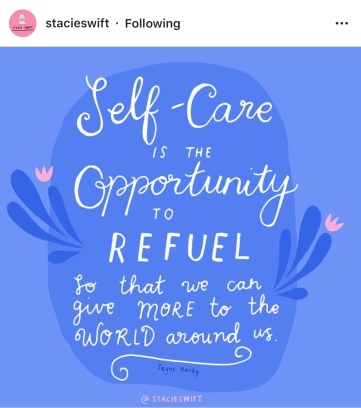
Finally, the infamous quote by Audre Lorde, “Caring for myself is not self-indulgence, it is self-preservation, and that is an act of political warfare.” Viewing self-care as an inherent part of any activism effort and a duty you owe yourself is crucial to taking good care of yourself while you are busy trying to take care of everyone else. As we head into finals and holidays and reasons for activism always continue to exist what will you do to practice self-care? Feel free to share your ideas or comments with us on the Women’s Center social media pages!
]]>
Alexia Petasis is an INDS intern on the Women’s Center student staff team. Alexia studies social justice and dance. In the following blog post, she runs through a list of crucial self-care...
https://womenscenteratumbc.wordpress.com/2018/11/19/self-care-an-activists-survival-guide/
https://my3.my.umbc.edu/api/v0/pixel/news/80511/guest@my.umbc.edu/6049d9e0e90704fc8e908a1df0ded850/api/pixel
activism
audre-lorde
feminism
mental-health
self-care
self-reflection
sexual-violence
Women's, Gender, & Equity Center
https://my3.my.umbc.edu/groups/womenscenter
https://assets2-my.umbc.edu/system/shared/avatars/groups/000/000/125/78272a4842689b30dbf74672182b78f8/xsmall.png?1750974263
https://assets1-my.umbc.edu/system/shared/avatars/groups/000/000/125/78272a4842689b30dbf74672182b78f8/original.png?1750974263
https://assets1-my.umbc.edu/system/shared/avatars/groups/000/000/125/78272a4842689b30dbf74672182b78f8/xxlarge.png?1750974263
https://assets1-my.umbc.edu/system/shared/avatars/groups/000/000/125/78272a4842689b30dbf74672182b78f8/xlarge.png?1750974263
https://assets1-my.umbc.edu/system/shared/avatars/groups/000/000/125/78272a4842689b30dbf74672182b78f8/large.png?1750974263
https://assets2-my.umbc.edu/system/shared/avatars/groups/000/000/125/78272a4842689b30dbf74672182b78f8/medium.png?1750974263
https://assets1-my.umbc.edu/system/shared/avatars/groups/000/000/125/78272a4842689b30dbf74672182b78f8/small.png?1750974263
https://assets2-my.umbc.edu/system/shared/avatars/groups/000/000/125/78272a4842689b30dbf74672182b78f8/xsmall.png?1750974263
https://assets3-my.umbc.edu/system/shared/avatars/groups/000/000/125/78272a4842689b30dbf74672182b78f8/xxsmall.png?1750974263
Women's Center
7
0
false
Mon, 19 Nov 2018 15:17:25 -0500
Survivorship Looks Different in the Asian American Community
Samiksha Manjani is a Student Staff member at UMBC’s Women’s Center. She is a Political Science and Sociology double-major and is currently a co-facilitator of the Women’s Center’s discussion group, Women of Color Coalition.
As a survivor of sexual violence, I have found myself re-traumatized by the recent events that have happened at UMBC. In the aftermath, I struggled to focus in my classes and could barely complete my work. Despite this, I somehow managed to get by with everyday going by in a blur. I went through the motions day-in and day-out. I was slowly sinking back into depression.
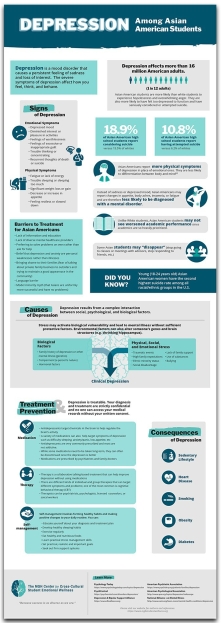
One of the most common emotional and psychological responses to sexual violence is depression (RAINN). Depression is a mood disorder which occurs when feelings of sadness and hopelessness persist for long periods of time and interrupt regular thought patterns. It affects a person’s behavior and can disrupt their relationships. Just like many other survivors, I also struggle with depression.
During this difficult time, I was shocked that no one in my life had asked me how I was doing. None of my friends had asked me how I was handling the news, despite knowing that I’m a survivor and that I also struggle with depression. They knew about the lawsuit against UMBC too. In fact, they knew so much about it that they talked to me about their opinions on the matter. Yet, they never asked me how I was processing the news or if I was doing okay.
At first, I thought, “wow, I have really shitty friends in my life.” But I realized that this was a drastic conclusion to make considering my friends were normally compassionate. Instead, I tried to put myself in their shoes. Why would my normally compassionate friends be so inconsiderate? Had my external behavior reflected my internal suffering?
I realized that, from an outsider’s perspective, I seemed completely okay because I went to my classes and work as usual. My behavior, communication, and demeanor had basically stayed the same so nothing seemed amiss. However, this was completely contrary to how I felt internally. Inside, I felt awful. Every step I took was harder, every assignment I completed took longer, and every smile was faker. I was falling apart on the inside, yet no one around me could see it.

At first, I thought that this was just how I expressed trauma. But after some reflection, I realized that I knew so many other Asian women dealing with depression that were also still high-functioning. I was not the only person who exhibited depressive symptomology this way, and more importantly, it had seemed that this was especially common for other Asians.
My assumption was not wrong. The National Alliance on Mental Illness (2011) found that Asian-American teenage girls have the highest rate of depression compared to any other racial, ethnic or gender group. Furthermore, the suicide rates for 15-24 year old Asian American females are 30% higher than the rates for white females of the same age (Mental Health America). Yeung and Kam (2006) found that none of the Asian patients in their study considered depressed mood as their main problem. However, more than 90% of them indicated having a depressed mood when asked to rate their symptoms on a depression rating scale.
Despite these alarming statistics, 51% of Asian Americans have at least a Bachelor’s Degree, compared to 29% of all Americans (Mental Health America). Furthermore, 21% of Asians, ages 25 or older, have attained an advanced degree (e.g., Master’s, Ph.D., M.D. or J.D.), which is significantly higher than the national average of 12% (Baum and Steele, 2017; United States Census Bureau, 2016). Lastly, the median annual household income of Asian American households is $73,060, compared to $53,600 among all U.S. households (Pew Research Center, 2017). It is important to note, however, that there is variation in educational attainment and median annual income among the different ethnic groups which makeup “Asian Americans.”
These findings made me wonder, why do Asian women express depressive symptomology so differently than other ethnic groups?
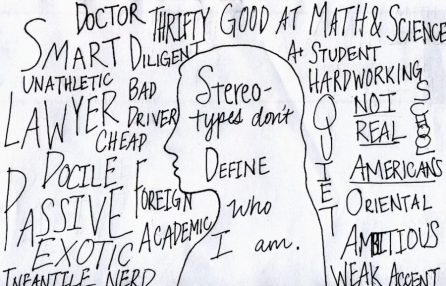
One reason could be because of the immense pressure Asians deal with to live up to the model minority stereotype. The model minority stereotype characterizes Asians by hard work, laudable family values, economic self-sufficiency, non-contentious politics, academic achievement, and entrepreneurial success (Kang, 2010). There is a lot of American cultural pressure on Asians to fit into this “intelligent and self-reliant” stereotype. Such a stereotype has dire consequences; for-example, Asian students are pressured to rise to an academic bar that keeps rising. The mental health cost of reaching an unrealistic standard is demonstrated by the statistics mentioned above.
This pressure is worsened by the fact that many Asian immigrants experience downward economic mobility upon arrival to the U.S. Most Asian immigrants are highly educated and held middle-class status in their country of origin (Lopez, Bialik, & Radford, 2018). Because of this downward shift in class status, Asian immigrants have to work their way up from the bottom of the social and economic ladder in the U.S. This is a very daunting task given that many Asian immigrants not only have to support themselves and their families in the U.S., but also relatives back home (United Nations, 2017). This leads to an immense pressure to climb up the socioeconomic ladder and become financially stable.
Both the pressure of the model minority stereotype and pressure to support family members removes any possibility for Asians Americans to display characteristic forms of depression without severe consequences. There are high costs for Asian American immigrants if they do not complete their education, capitalize on job opportunities, and/or perform at their jobs. If they do not perform, they are risking not only their survival, but the survival of relatives back home. This does not mean that people who display traditional depressive symptomatology are somehow less “able” or “motivated” if they can’t complete these tasks. It is simply that the pressure to economically succeed robs Asian Americans the ability to address mental health concerns.
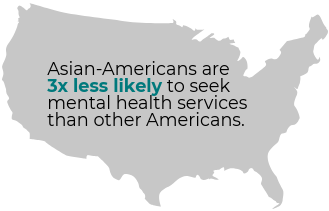
Another reason could be the large stigma within the Asian community surrounding mental health illnesses and treatment. Asian Americans are 3x less likely to seek mental health services than White Americans (Nishi). Furthermore, it is taboo within the Asian community to speak about having mental health illnesses (Chu & Sue, 2011). One large reason this stigma exists is because of the concept of familial shame within Asian communities.
There is immense pressure in the Asian community to preserve the family’s reputation and status at all costs. This is reflected in popular terms used within various Asian cultures which represent the process of shame or losing face: “Haji” among Japanese, “Hiya” among Filipinos, “Mianzi” among Chinese,”Chaemyun” among Koreans, and “Sharam” among Indians (Sue, 1994). If an Asian person has a mental health illness, it could be interpreted by the community as a result of their family’s failure to raise the person correctly. Therefore, Asian Americans are unlikely to acknowledge and seek mental health treatment in fear of “bringing shame” to their families.
I think in a lot of ways all of these factors have influenced the way that I have processed the trauma of my assault and the resulting depression. Like many other Asian American women, I don’t outwardly exhibit depression through conventional symptoms. However, this doesn’t mean that I experience depression less severely than other people. On the contrary, I struggle with depression so much sometimes that it’s hard to even do basic tasks (even if I end up somehow getting it done). Because of the fact that depression is one of the most common psycho-emotional responses to sexual violence and also that the Asian community presents unique depressive symptomology, it is logical to conclude that survivorship is likely to look different in the Asian community.
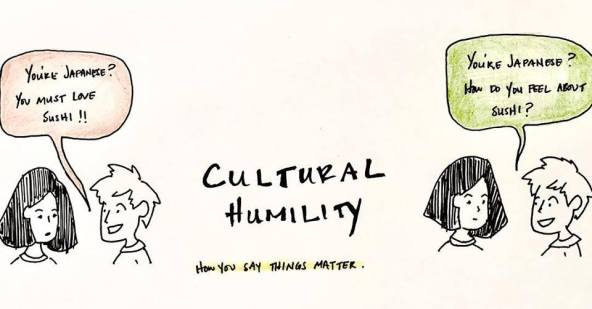
Therefore, it is extremely important for friends, family members, and mental health professionals to recognize that survivorship manifests differently in various ethnic communities. As such, the type of support given must be individualized to meet the needs of survivors of different backgrounds. To best support survivors, the people within the survivor’s inner circle should adopt a lens of cultural humility.
The Women’s Center uses this lens of cultural humility to best support survivors of different backgrounds. Cultural humility is a humble and respectful attitude towards individuals of other cultures that pushes one to challenge their own cultural biases. This departs from “cultural competency” in that it recognizes that a person cannot possibly know everything about other cultures. Instead, people should approach learning about other cultures as a lifelong goal and process.
I truly believe that if my friends had adopted a lens of cultural humility, they would have easily picked up on my struggles. If they had understood more about Asian culture and what it means to be an Asian immigrant, they probably would have been able to recognize my signals of distress. This is especially important for mental health professionals; they would be able to pick up more details from their clients if they held the mindset that “there’s always more to learn.” Using this lens, we can better support the survivors in our lives.


**Please note that not every Asian person experiences depression this way. The goal of this blog is to highlight a common phenomenon in the Asian community. If an Asian person does not process depression or trauma this way, it is not a reflection of their Asianness, intelligence, reliability, or any other characteristics.**
]]>
Samiksha Manjani is a Student Staff member at UMBC’s Women’s Center. She is a Political Science and Sociology double-major and is currently a co-facilitator of the Women’s Center’s discussion...
https://womenscenteratumbc.wordpress.com/2018/11/01/survivorship-looks-different-in-the-asian-american-community/
https://my3.my.umbc.edu/api/v0/pixel/news/79994/guest@my.umbc.edu/b53bf155d57e80a616f76ea79a14fa72/api/pixel
asianamerican
feminism
healing
intersectionality
issues
mental-health
sexual-violence
support-survivors
uncategorized
Women's, Gender, & Equity Center
https://my3.my.umbc.edu/groups/womenscenter
https://assets2-my.umbc.edu/system/shared/avatars/groups/000/000/125/78272a4842689b30dbf74672182b78f8/xsmall.png?1750974263
https://assets1-my.umbc.edu/system/shared/avatars/groups/000/000/125/78272a4842689b30dbf74672182b78f8/original.png?1750974263
https://assets1-my.umbc.edu/system/shared/avatars/groups/000/000/125/78272a4842689b30dbf74672182b78f8/xxlarge.png?1750974263
https://assets1-my.umbc.edu/system/shared/avatars/groups/000/000/125/78272a4842689b30dbf74672182b78f8/xlarge.png?1750974263
https://assets1-my.umbc.edu/system/shared/avatars/groups/000/000/125/78272a4842689b30dbf74672182b78f8/large.png?1750974263
https://assets2-my.umbc.edu/system/shared/avatars/groups/000/000/125/78272a4842689b30dbf74672182b78f8/medium.png?1750974263
https://assets1-my.umbc.edu/system/shared/avatars/groups/000/000/125/78272a4842689b30dbf74672182b78f8/small.png?1750974263
https://assets2-my.umbc.edu/system/shared/avatars/groups/000/000/125/78272a4842689b30dbf74672182b78f8/xsmall.png?1750974263
https://assets3-my.umbc.edu/system/shared/avatars/groups/000/000/125/78272a4842689b30dbf74672182b78f8/xxsmall.png?1750974263
Women's Center
13
0
false
Thu, 01 Nov 2018 13:25:10 -0400
What You Need to Know About Art & Activism
Get ready for Critical Social Justice: Ignite with our What You Need to Know series. Written by Alexia Petasis.
Activism can be defined as a “practice that emphasizes direct vigorous action especially in support of or opposition to one side of a controversial issue.” This can come in many forms and finding your own voice as an activist can be challenging. Something I’ve realized is that activism can meet you where you are at, and there is beauty in combining your passions with your role as an activist. The arts, whether that is performing arts (dance or theatre), visual arts (painting, photography, etc), or fine arts (poetry, music, etc) have the ability to convey complex stories, perspectives, and emotions and creates space to understand the experiences of others. As a powerful medium of communication, the arts can lend themselves well to activism and advocacy work.
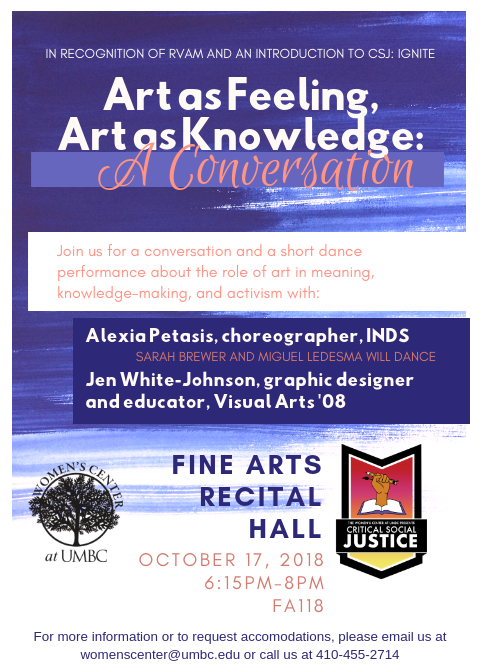 As an introduction to Critical Social Justice week, the Women’s Center will be hosting Art as Feeling, Art as Knowledge: A Conversation, from 6:30 to 8 pm on Wednesday, October 17th in the Fine Arts Recital Hall. This event will demonstrate ways in which both the performing and visual arts can be used for social justice activism. In recognition of Relationship Violence Awareness Month, the dance, choreographed by Alexia Petasis, will reflect the development and progression of relationship violence. Alexia collaborated with the We Believe You student group and the Women’s Center to share her choreographed piece in April 2018 for Sexual Assault Awareness Month. The dance provoked conversation and experiences that many found unable to understand before witnessing this dance piece. Read more on this Retriever review here. Jen White-Johnson, Visual Arts ’08, will be sharing the ways she uses visual art, specifically graphic design, to empower individuals with autism. Inspired by her son Knox and the intersectional identities he has, Jen’s photography, design, and writing celebrate the joy of being a child on the spectrum. See more of her work here.
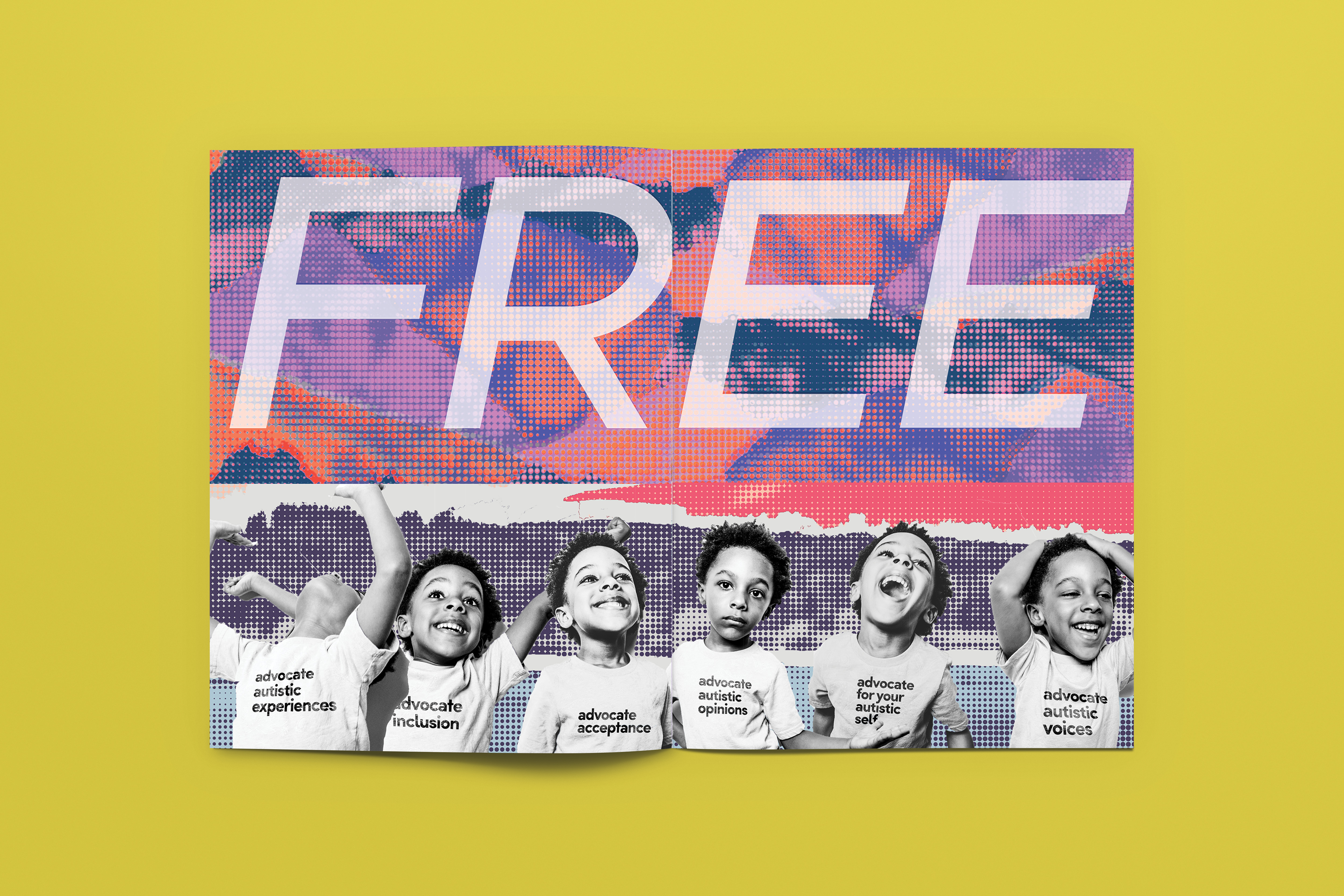 Spread from Jennifer White-Johnson’s zine, ‘Advocate Autistic Love’.
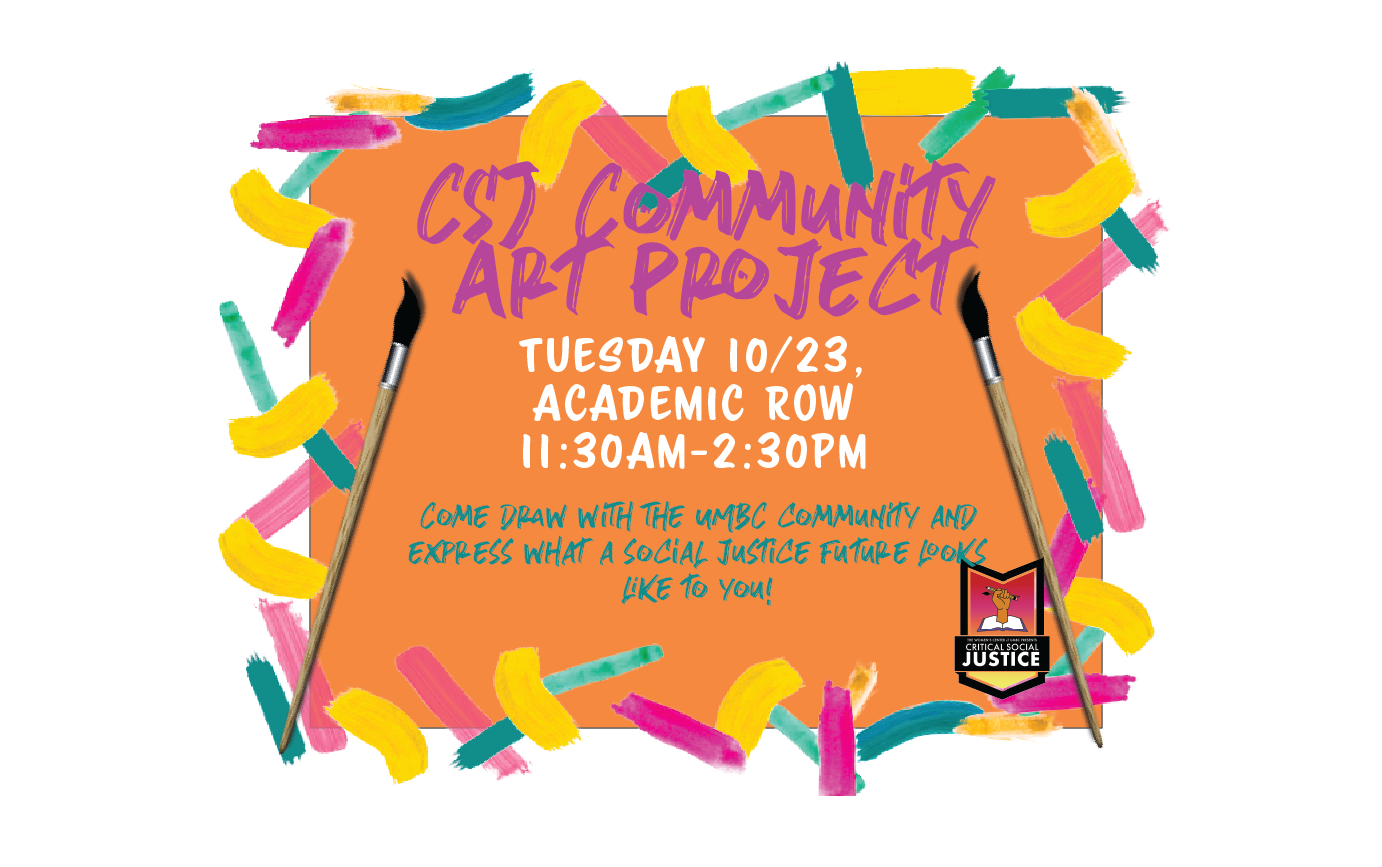
Another event the Women’s Center will be hosting as part of CSJ:Ignite is our Community Art Project on October 23, from 11:30 am to 2:30 pm on Academic Row. This event aims to engage and create space for individuals to imagine what a social justice future looks like. Join us to come together as a community and use art as a way of expressing our own visions of a socially just future. There will be popcorn and lots of art supplies! If you are an artist and want to learn how to use your talents to speak out, if you are an activist and haven’t quite considered how art can be integrated within social justice movements, or if you are generally curious about all the knowledge that will be shared throughout this event, everyone is welcome!
]]>
Get ready for Critical Social Justice: Ignite with our What You Need to Know series. Written by Alexia Petasis. Activism can be defined as a “practice that emphasizes direct vigorous action...
https://critsocjustice.wordpress.com/2018/10/10/what-you-need-to-know-about-art-activism/
https://my3.my.umbc.edu/api/v0/pixel/news/79310/guest@my.umbc.edu/eb86ccb93b0719f8fe70faf8d496a469/api/pixel
activism
art
college-activism
community
community-art
critical-social-justice
csj-ignite
dance
design
feminism
social-justice
what-you-need-to-know
Women's, Gender, & Equity Center
https://my3.my.umbc.edu/groups/womenscenter
https://assets2-my.umbc.edu/system/shared/avatars/groups/000/000/125/78272a4842689b30dbf74672182b78f8/xsmall.png?1750974263
https://assets1-my.umbc.edu/system/shared/avatars/groups/000/000/125/78272a4842689b30dbf74672182b78f8/original.png?1750974263
https://assets1-my.umbc.edu/system/shared/avatars/groups/000/000/125/78272a4842689b30dbf74672182b78f8/xxlarge.png?1750974263
https://assets1-my.umbc.edu/system/shared/avatars/groups/000/000/125/78272a4842689b30dbf74672182b78f8/xlarge.png?1750974263
https://assets1-my.umbc.edu/system/shared/avatars/groups/000/000/125/78272a4842689b30dbf74672182b78f8/large.png?1750974263
https://assets2-my.umbc.edu/system/shared/avatars/groups/000/000/125/78272a4842689b30dbf74672182b78f8/medium.png?1750974263
https://assets1-my.umbc.edu/system/shared/avatars/groups/000/000/125/78272a4842689b30dbf74672182b78f8/small.png?1750974263
https://assets2-my.umbc.edu/system/shared/avatars/groups/000/000/125/78272a4842689b30dbf74672182b78f8/xsmall.png?1750974263
https://assets3-my.umbc.edu/system/shared/avatars/groups/000/000/125/78272a4842689b30dbf74672182b78f8/xxsmall.png?1750974263
Women's Center
4
0
false
Wed, 10 Oct 2018 08:33:29 -0400
Wed, 10 Oct 2018 08:33:29 -0400
Announcing the Women’s Center Scouts!

Time and time again, Women’s Center staff get the question, “How do you join the Women’s Center?”
Our response is “Easy! Come and hang out in our lounge! Come to events. You don’t have to join.”
To which we get an “Oh. Okay.”
We get it. Being a part of something is special. Showing your loyalty and commitment to a cause is empowering. Finding home and belonging in a space that means something to you, means something to us.
So, now, you can “join” the Women’s Center by being one of our fearless and loyal Scouts!
Here’s the deal. To become a Women’s Center Scout, first start by joining the Women’s Center myUMBC page and following at least one of our social media platforms (Facebook, Twitter, or Instagram). If you’re already a member and following one of our pages, great! You’re one step closer.
Next, it’s time to save the dates! Each Scout must meet the challenge of attending at least 3 different Women’s Center events throughout the fall semester. The 3 different events must meet the following criteria:
From the above challenges, your duty as a Women’s Center Scout is to ensure that you attend 1 event during first 8 weeks of the semester and attend 1 event during second 8 weeks of semester. This will require planning and strategy, Scouts!

Okay…. you don’t need to keep swiping, but do keep reading!
Over the course of the semester, we may also announce bonus Scout challenges to enhance the experience so do stay tuned to our social media pages!
Any UMBC community member who completes the challenge by December 1st gets a Women’s Center T-shirt and a shout-out on our social media pages (any maybe some badges – we’re still working on those details).

This is the front of the cool Women’s Center shirt you’ll get after you complete your Scout Challenges!
All UMBC students, faculty, and staff are welcome to participate!
For questions, stop by the Women’s Center or email us at womenscenter@umbc.edu.
]]>
Girl Scouts. Radical Monarchs. Lumberjanes. Pawnee Goddess. And now… Women’s Center Scouts! Time and time again, Women’s Center staff get the question, “How do you join the Women’s...
https://womenscenteratumbc.wordpress.com/2018/08/15/announcing-the-womens-center-scouts/
https://my3.my.umbc.edu/api/v0/pixel/news/77962/guest@my.umbc.edu/007a717e888ebae447ab3c7fc9976ba3/api/pixel
events
feminism
programs
social-justice
uncategorized
updates
womens-center-scouts
Women's, Gender, & Equity Center
https://my3.my.umbc.edu/groups/womenscenter
https://assets2-my.umbc.edu/system/shared/avatars/groups/000/000/125/78272a4842689b30dbf74672182b78f8/xsmall.png?1750974263
https://assets1-my.umbc.edu/system/shared/avatars/groups/000/000/125/78272a4842689b30dbf74672182b78f8/original.png?1750974263
https://assets1-my.umbc.edu/system/shared/avatars/groups/000/000/125/78272a4842689b30dbf74672182b78f8/xxlarge.png?1750974263
https://assets1-my.umbc.edu/system/shared/avatars/groups/000/000/125/78272a4842689b30dbf74672182b78f8/xlarge.png?1750974263
https://assets1-my.umbc.edu/system/shared/avatars/groups/000/000/125/78272a4842689b30dbf74672182b78f8/large.png?1750974263
https://assets2-my.umbc.edu/system/shared/avatars/groups/000/000/125/78272a4842689b30dbf74672182b78f8/medium.png?1750974263
https://assets1-my.umbc.edu/system/shared/avatars/groups/000/000/125/78272a4842689b30dbf74672182b78f8/small.png?1750974263
https://assets2-my.umbc.edu/system/shared/avatars/groups/000/000/125/78272a4842689b30dbf74672182b78f8/xsmall.png?1750974263
https://assets3-my.umbc.edu/system/shared/avatars/groups/000/000/125/78272a4842689b30dbf74672182b78f8/xxsmall.png?1750974263
Women's Center
https://assets1-my.umbc.edu/system/shared/thumbnails/news/000/077/962/469bfd49e7418387057ce42524574af7/xxlarge.jpg?1538480740
https://assets1-my.umbc.edu/system/shared/thumbnails/news/000/077/962/469bfd49e7418387057ce42524574af7/xlarge.jpg?1538480740
https://assets2-my.umbc.edu/system/shared/thumbnails/news/000/077/962/469bfd49e7418387057ce42524574af7/large.jpg?1538480740
https://assets2-my.umbc.edu/system/shared/thumbnails/news/000/077/962/469bfd49e7418387057ce42524574af7/medium.jpg?1538480740
https://assets4-my.umbc.edu/system/shared/thumbnails/news/000/077/962/469bfd49e7418387057ce42524574af7/small.jpg?1538480740
https://assets4-my.umbc.edu/system/shared/thumbnails/news/000/077/962/469bfd49e7418387057ce42524574af7/xsmall.jpg?1538480740
https://assets3-my.umbc.edu/system/shared/thumbnails/news/000/077/962/469bfd49e7418387057ce42524574af7/xxsmall.jpg?1538480740
13
0
false
Wed, 15 Aug 2018 12:06:17 -0400