CS3's Podcast: Retrieving the Social Sciences
New Episode this Friday, 12/10!
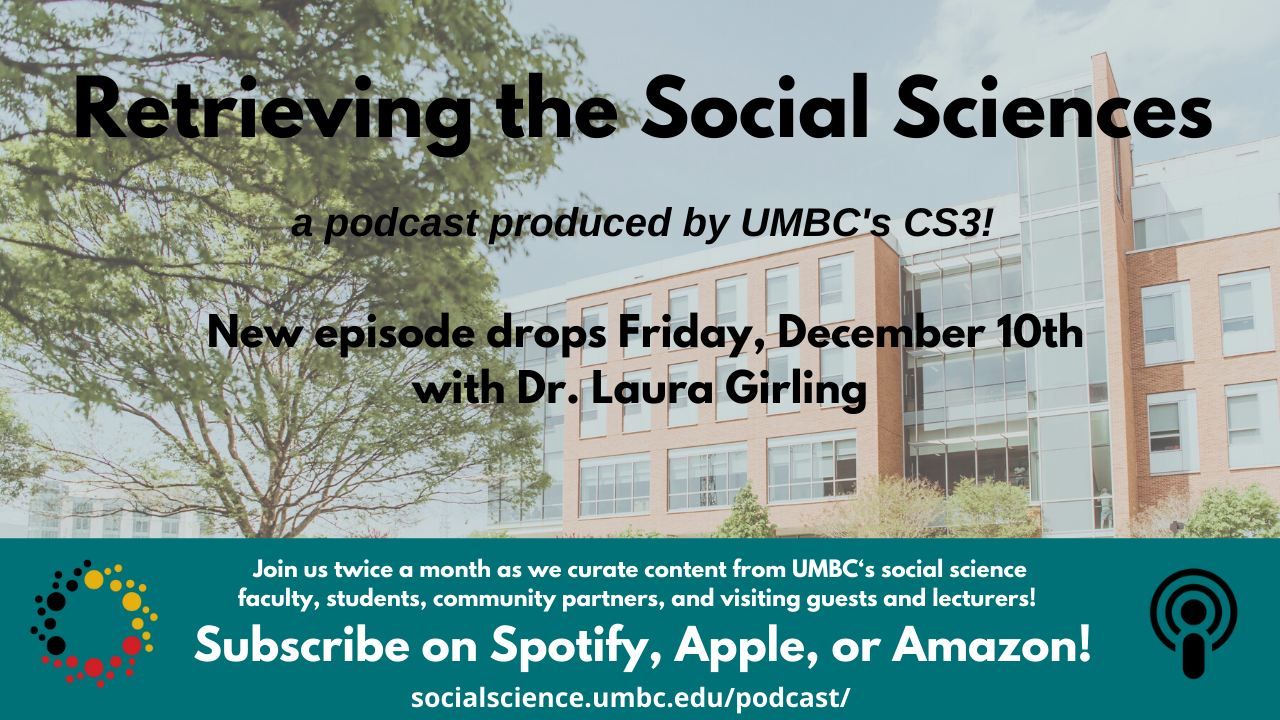
New
episode coming this Friday!
Featuring Dr. Laura Girling, Director of UMBC's Center for Aging Studies and Assistant Research Scientist in the Department of Sociology, Anthropology, and Public Health.
Subscribe on Spotify, Apple, or Amazon!
About The Series
Retrieving the Social Sciences is
a production of the UMBC Center for Social Science Scholarship. Our
podcast host is Dr. Ian Anson, our director is Dr. Christine Mallinson,
our associate director is Dr. Felipe Filomeno and
our production intern is Jefferson Rivas. Our theme music was composed and
recorded by D’Juan Moreland. Special thanks to Amy Barnes and Myriam Ralston for production assistance. Make sure to follow us on Twitter, Facebook, Instagram, and YouTube, where you can find full video
recordings of recent UMBC events.
]]>
New episode coming this Friday! Featuring Dr. Laura Girling, Director of UMBC's Center for Aging Studies and Assistant Research Scientist in the Department of Sociology, Anthropology, and...
https://socialscience.umbc.edu/podcast/
Image
https://assets2-my.umbc.edu/system/shared/attachments/163a1a3ea53d7733a4189d000cb1cd7e/69f6affa/news/000/115/413/50db8f7c19b932be1685af9bdcce5542/Podcast 12.10.png?1638472951
https://my3.my.umbc.edu/api/v0/pixel/news/115413/guest@my.umbc.edu/491d287728cb3a9c31fbffbf6aaa592f/api/pixel
Center for Social Science Scholarship
https://my3.my.umbc.edu/groups/csss
https://assets4-my.umbc.edu/system/shared/avatars/groups/000/000/825/333a55a4dd50a0fafb33f7e2e5b0df03/xsmall.png?1544752142
https://assets2-my.umbc.edu/system/shared/avatars/groups/000/000/825/333a55a4dd50a0fafb33f7e2e5b0df03/original.png?1544752142
https://assets3-my.umbc.edu/system/shared/avatars/groups/000/000/825/333a55a4dd50a0fafb33f7e2e5b0df03/xxlarge.png?1544752142
https://assets3-my.umbc.edu/system/shared/avatars/groups/000/000/825/333a55a4dd50a0fafb33f7e2e5b0df03/xlarge.png?1544752142
https://assets4-my.umbc.edu/system/shared/avatars/groups/000/000/825/333a55a4dd50a0fafb33f7e2e5b0df03/large.png?1544752142
https://assets1-my.umbc.edu/system/shared/avatars/groups/000/000/825/333a55a4dd50a0fafb33f7e2e5b0df03/medium.png?1544752142
https://assets2-my.umbc.edu/system/shared/avatars/groups/000/000/825/333a55a4dd50a0fafb33f7e2e5b0df03/small.png?1544752142
https://assets4-my.umbc.edu/system/shared/avatars/groups/000/000/825/333a55a4dd50a0fafb33f7e2e5b0df03/xsmall.png?1544752142
https://assets3-my.umbc.edu/system/shared/avatars/groups/000/000/825/333a55a4dd50a0fafb33f7e2e5b0df03/xxsmall.png?1544752142
Center for Social Science Scholarship
0
0
false
Mon, 06 Dec 2021 12:47:46 -0500
Mon, 07 Mar 2022 08:28:32 -0500
Being Queer Online Now and Then
Marybeth Mareski, m33@umbc.edu

Headshot of Author
Positionality Statement: This post is written by Marybeth Mareski, a Returning Women’s Scholar and social work intern at the Women’s Center in her final year at UMBC. I am a white person who will be the first person to graduate college in my family. I use she/her and they/them pronouns, often call myself a she/her boy, and while I don’t identify as trans, I also don’t feel comfortable calling myself cis. When trying to summarize my sexual orientation, I tend to arrive at queer butch lesbian, in order to align myself with the radical strain of queer politics, identify that I dress and style myself in a masculine fashion, and to indicate that in the past I have primarily dated women or nonbinary people. I write this post to marvel at how the internet has transformed as a resource to queer people from my childhood to present time, and in support of all queer people trying to exist authentically under settler-colonial capitalism.
When I was coming of age as a young queer person in the late 1900s, the internet was just coming into form as a public place. This was the heady time of Geocities, fansites, and bulletin boards. My own personal digital journey through queerness was facilitated by my deep love of Sailor Moon, about which I collaborated on fanfiction with queer themes, where I explored my understanding of what queer love might be like in conversation with other fans of the show. I learned about queer sex through Scarleteen, an inclusive and feminist sex education site for teens, and the Savage Love archives, a (now widely regarded as problematic) kink-positive advice column written by Dan Savage that originated in alternative newspapers, and was definitely not for teens.
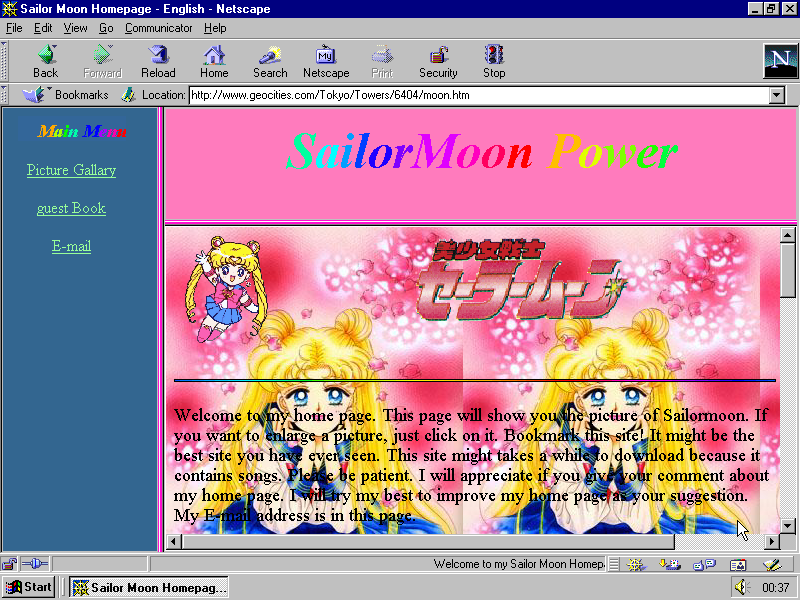
Image Description: A Netscape browser showing a geocities website with a pink background of tiled images of Sailor Moon and rainbow text saying Sailor Moon Power
I navigated a sort of nebulous online space, based primarily in fandom, my only representation of queerness coming from television, movies, anime, bands I liked, or in stories from people older than me. No one that I knew was out. With very few exceptions, I was the only queer person that I knew. Facebook didn’t exist until I graduated from high school. Tumblr didn’t exist until I (would have) graduated from college. I was forced, agonizingly, to forge my own path.
My teacher friend told me a story recently that really illustrated how different things are today. When she was teaching sixth graders last year over Zoom, a pair of her students were doing a presentation about the Daughters of Bilitis, one of the first lesbian organizations founded in the United States. Suddenly after the presentation, kids started coming out in the chat. Queer, pan, asexual, demisexual. Bunches of eleven year olds, sharing their LGBTQ identities with each other, and receiving nothing but support. It was heartwarming, but it also made me wonder: where did these tweens encounter this vocabulary?
At that age, I was spending all of my time researching LGBTQ topics, looking for books with homoerotic subtext, and sneaking peeks at LGBTQ magazines. It was a topic that drew me in completely, but I knew that I had to keep my interest a secret. The comments in my family that acknowledged the existence of gay people were very hostile. Unlike ethnic or religious minorities, being LGBTQ is usually not a culture taught by the family. Indeed, when a young queer person comes to terms with their own identity, they usually keep it hidden from others, especially the family, for fear of repercussions — LGBTQ teens are 140% more likely to be homeless than straight teens, in great part due to rejection by their families (Morton et al, 2017). Queer kids have to learn about being queer from somewhere, and social media and the internet is right there on their phones. And it is full of more queer content, creators, and community than I could have ever imagined when I was a queer teen.
As an 11-year old, I encountered the lesbian couple in Sailor Moon and was entranced. I developed a crush on the butch. Not too long after, I sat on the bus waiting to leave school and watched my fellow middle schoolers walk by and realized, ‘Oh. I think girls are cute. I guess that I am bisexual.’ And then a couple of years went by, and I noticed that I hadn’t thought about boys in all that time, and I thought, ‘Oh. I guess I’m a lesbian!’

Image description: A gif of Sailor Uranus, a short-haired androgynous blonde in a mustard-colored blazer, winking from the driver’s side of an open car.
Meanwhile, here are the terms I have encountered on TikTok over the past two days: Xenogender. Puzzlegender. Genderfluid demisexual. Abrosexual demiboy. When talking to my teacher friend about her students using labels like these, I thought, if all of these terms were available to me when I was eleven, I don’t know how I would have spent time doing anything but trying to pick one out! What an alluring banquet of possible ways of understanding oneself.
Personally, my own experience of my gender expression and sexual orientation has changed plenty throughout my life, based on personal experience, the overall culture trends, and through relationships I’ve formed with other people. In my teens and early twenties, though I thought of myself basically as a boy, I had too much internalized homophobia to dress in as masculine a fashion as I do now. I would see lesbians dressing in men’s clothes and feel repulsed and judgmental, thinking, I may be a lesbian, but I’m not one of those lesbians!
Reader, I am one of those lesbians. I just had to learn to love myself and the idea of being a lesbian.
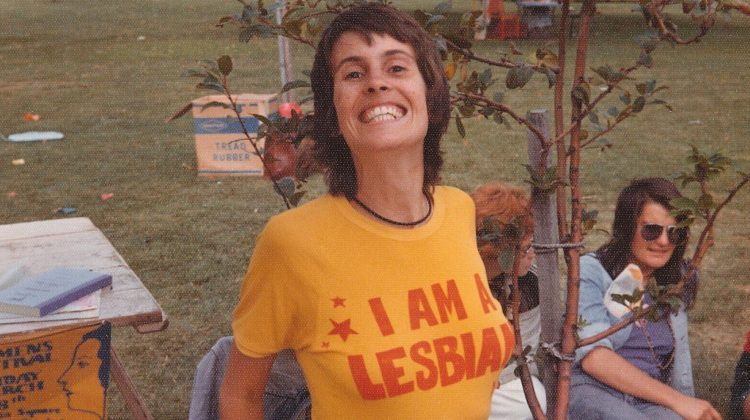
Image description: Vintage photograph from the 70s showing a white woman grinning proudly, wearing a homemade t-shirt that reads ‘I am a lesbian’
But lesbian is only one of the words that I use for myself, and it certainly doesn’t feel like a complete representation. It is suitable for certain contexts, as when I am drawing a comparison to mainstream culture, and inadequate in other contexts, as when I am describing my sexuality to other queer people. At times it feels like a word I fling in proud defiance against those who may judge me, and at other times it feels like a word that connotes an out-of-touch understanding of gender that is insufficiently nuanced. When we are using labels to describe who we are, we are attempting to describe an experience that is messy and cannot be contained, no matter how many labels are available to us. Understanding how we long to express ourselves and how we relate to others is a lifelong learning process, and these labels are simply outfits to try on along the way. Some of them will feel better than others! Some of them will give us delight for a short while, and some of them we will grow comfortable with over a lifetime. In the process of attempting to use language to describe ourselves, which is a venture that is forever doomed to failure, we can look at these labels like playing dress up.
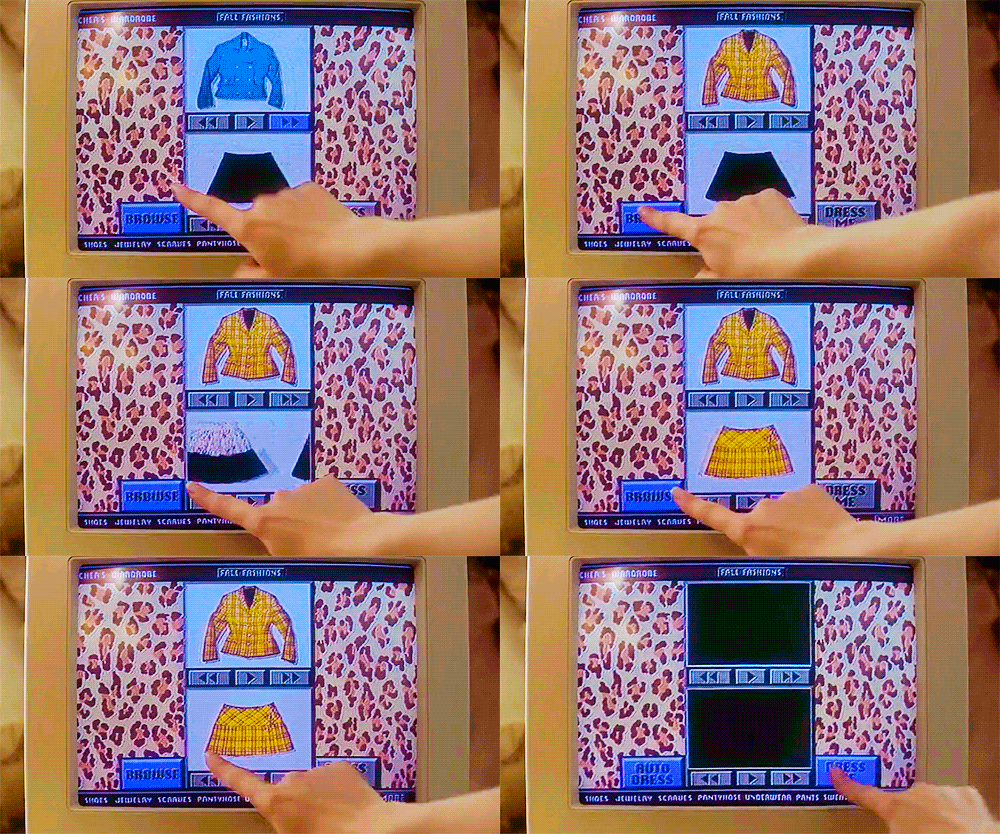
Image description: a gif from the movie Clueless of a finger pressing the ‘browse’ button on computer representation of different tops and bottoms scrolling to form a matching outfit.
The propagating multitudes of microsexualites on TikTok seems innocent enough. Any pathway to self-understanding and acceptance, however convoluted, is probably a net benefit to the world. Other avenues of exploring sexuality and gender identity online, however, are more questionable.
Enter Solace, the app at the forefront of tracking your transition. Solace purports to offer information and resources to trans people about their goals and progress, but in the process it presents a very binary imagining of transness. Sample goals are “Building a Feminine Wardrobe,” “Men’s Hairstyling,” or “Facial Feminization Surgery.” Worse, nearly every “goal” has a tie-in advertisement for a service. The feminine wardrobe goal links to a styling service you can purchase. The hairstyling and facial feminization surgery goals mention how expensive such goals can be, and links to their sister financial management app, Bliss. Because nothing brings bliss like having enough money to finance your binary transition!
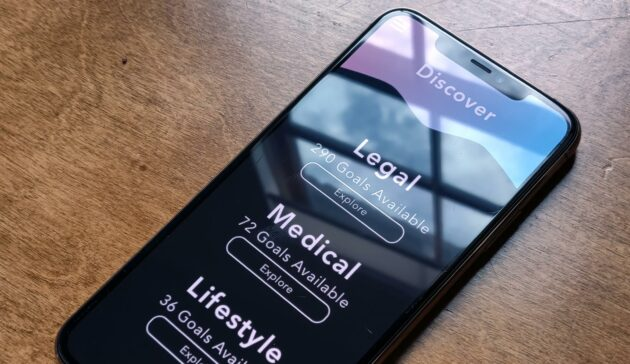
Image description: an iPhone displaying a screen from the Solace app. Options read: Legal, 290 Goals Available. Medical, 72 Goals Available, Lifestyle, 36 Goals Available
Solace in particular demonstrates the transition that the internet has made towards prioritization of commerce from my childhood to today. In the early days (1994 and before), the internet was primarily a small community of people exploring their interests.
As the profitability of the dot com boom made the financial opportunities of the internet clear, a culture of capitalism began to overtake a culture of community on the internet. The commercialization of the internet means that every subgroup is a target audience for a company’s product. As marginalized groups gain ‘acceptance’ in mainstream society, they become profitable demographics to extract resources from. The creator of Solace, who goes by RKA, is a trans woman who designed the app and launched it with venture capital raised from Hilary Clinton. This situates it firmly within the internet start-up tradition — though this app may have been created to provide guidance for trans people, it is also a business designed to make money from trans people.
Ultimately, these words from RKA herself point to one of the bigger problems with Solace. “At the end of the day, I’m just looking for a conformist experience,” she says. “I’m just looking to blend in. And so the idea of being part of a community felt almost opposed to my transition goals.” Aiming for a transition that is a conformist experience is in opposition to the life-affirming magic of the chaos of queerness, and doing so in solitude rejects one of the tenets of queer survival: community.
There is no app that can replace seeing and being seen by people who understand you because they have had similar experiences to yours. There is no app that will replace the mutual aid required by people on the margins of a society that has massive barriers to health care. A ‘conformist’ transition is seeking the affirmation of mainstream society and holding up the very values that make life difficult for trans people to begin with.
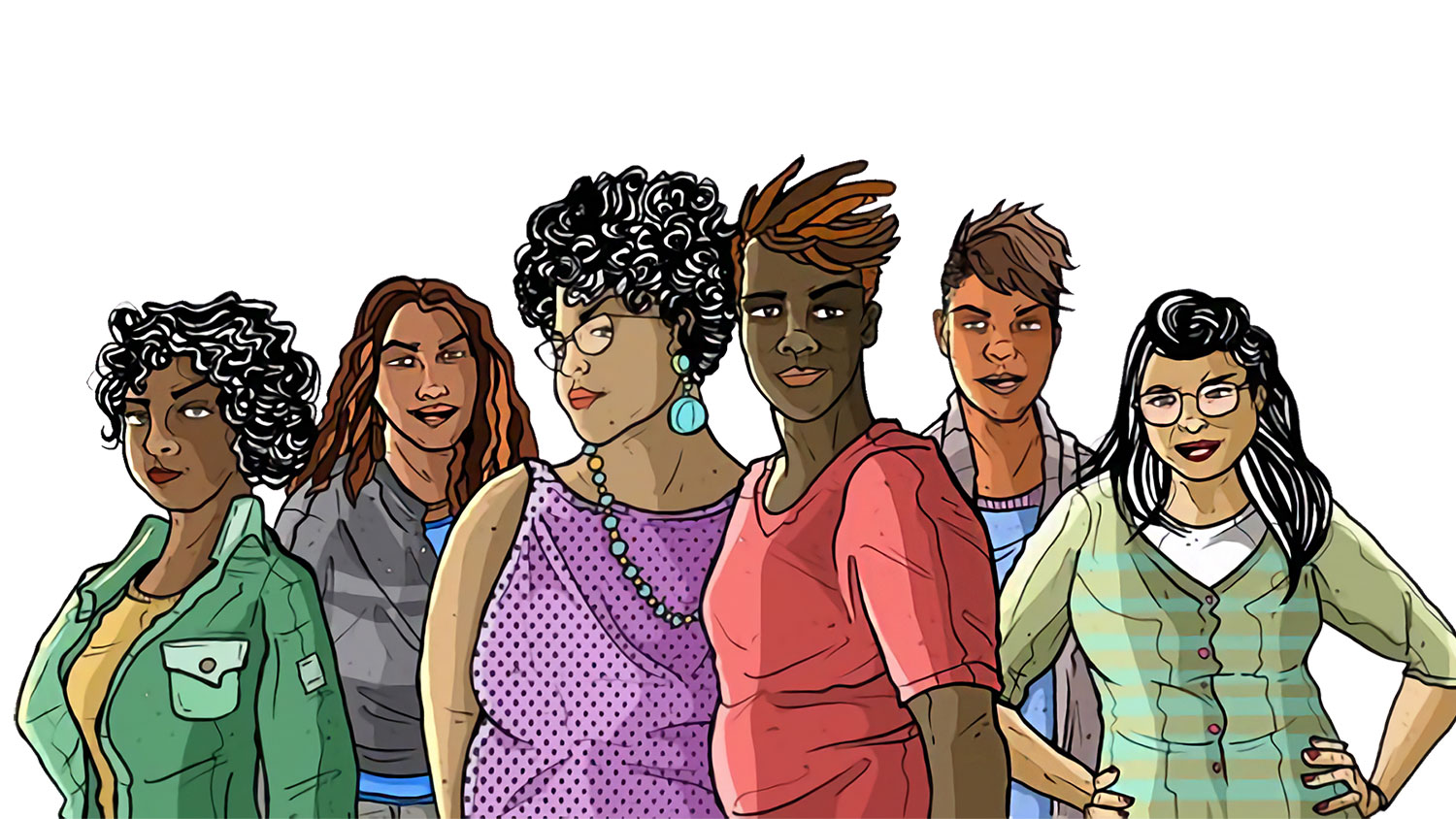
Image description: A drawing of six people of color of varying gender expressions gazing directly at the viewer. *
Ultimately, apps like Solace do not feel like a pathway to self-understanding and acceptance. They feel like a funnel to one vision of being trans, which is transitioning to one side of the binary, and passing.
Queerness is about being against the status quo. Discovering your own queerness should be about imagining new forms of expression. Being queer is about expanding your idea of what is possible, not constricting it. Even though micro identities funnel that exploration into identity labels, at least there seem to be countless identity labels. With Solace, though there are many ‘goals,’ most of them are ways of exploring the ends of the gender binary, without being in conversation with other people, or seeing examples of the variety of experiences of real trans people. It obscures the creativity and playfulness of real trans lives.
The excitement that I felt seeing Sailor Uranus and learning that butchness could be attractive enabled me to explore my nascent butchness, step by tiny step. Through connecting with an online community around Sailor Moon, I found people to share my passions and talk about my experiences with. I created art based off the characters and shared it online with no expectation of making money, and without anyone asking for money from me. At least in the online world where I came of age, the only ones making money off of my exploration of my identity were people selling Sailor Moon merchandise.
*Image taken from Creating Accomplices Workshop Applicable to Everyone | Office for Institutional Equity and Diversity | NC State University
Resources and Recommendations
Morton, M.H., Dworsky, A., & Samuels, G.M. (2017). Missed opportunities: Youth homelessness in America. National estimates. Chicago, IL: Chapin Hall at the University of Chicago.
What are micro-sexualities and why are people arguing about them?
TikTok’s LGBTQ+ Discourse is Just a Re-Run of Tumblr
Solace Is an App That Helps Trans People Transition
Trans Liberation? There’s No App for That
]]>
Marybeth Mareski, m33@umbc.edu Headshot of Author Positionality Statement: This post is written by Marybeth Mareski, a Returning Women’s Scholar and social work intern at the Women’s...
https://womenscenteratumbc.wordpress.com/2021/12/06/being-queer-online-now-and-then/
https://my3.my.umbc.edu/api/v0/pixel/news/115482/guest@my.umbc.edu/53da59eb6757730200755566c9b026a3/api/pixel
diversity-and-inclusion-issues
feminism
internet-culture
lesbian
lgbtq
lgbtq-readings
lgbtqia
pop-culture
pride-voices
returning-women-students
trans-issues
uncategorized
Women's, Gender, & Equity Center
https://my3.my.umbc.edu/groups/womenscenter
https://assets2-my.umbc.edu/system/shared/avatars/groups/000/000/125/78272a4842689b30dbf74672182b78f8/xsmall.png?1750974263
https://assets1-my.umbc.edu/system/shared/avatars/groups/000/000/125/78272a4842689b30dbf74672182b78f8/original.png?1750974263
https://assets1-my.umbc.edu/system/shared/avatars/groups/000/000/125/78272a4842689b30dbf74672182b78f8/xxlarge.png?1750974263
https://assets1-my.umbc.edu/system/shared/avatars/groups/000/000/125/78272a4842689b30dbf74672182b78f8/xlarge.png?1750974263
https://assets1-my.umbc.edu/system/shared/avatars/groups/000/000/125/78272a4842689b30dbf74672182b78f8/large.png?1750974263
https://assets2-my.umbc.edu/system/shared/avatars/groups/000/000/125/78272a4842689b30dbf74672182b78f8/medium.png?1750974263
https://assets1-my.umbc.edu/system/shared/avatars/groups/000/000/125/78272a4842689b30dbf74672182b78f8/small.png?1750974263
https://assets2-my.umbc.edu/system/shared/avatars/groups/000/000/125/78272a4842689b30dbf74672182b78f8/xsmall.png?1750974263
https://assets3-my.umbc.edu/system/shared/avatars/groups/000/000/125/78272a4842689b30dbf74672182b78f8/xxsmall.png?1750974263
Women's Center
10
0
false
Mon, 06 Dec 2021 08:45:00 -0500
Mon, 06 Dec 2021 08:45:00 -0500
Paid Research Position: Under-Grad Preferred
U.S. Police Reform Study Researcher Apps Due Dec 11
Work location: Remote
Eligibility: Open to undergraduate and graduate students. (Undergraduate students preferred)
Application deadline: December 11, 2021
Please email your resume and cover letter (if you have one) to
k177@umbc.edu by 12.11.21
Paid, $15 an hour for 10 hour a week
Our project, the U.S. Police Reform Study, examines the causes and consequences of recent policing policy reforms throughout the United States. This project is studying the trends and dynamics of BLM mobilization, police reform, and police-caused deaths.
Description of Responsibilities:
• Conduct detail-oriented research for the Protest and Police Reform Project on BLM mobilization and police reform.
• Assist in preparations and execution of strategic virtual events. Attend weekly WebEx meetings.
• Research and write content for communications materials.
• Other duties as needed
Required Skills
• Proficient with Microsoft Office Suite (Word, Excel, and PowerPoint)
• Proficient with Google Drive
• Self-starter, who is detail-oriented and able to work in a fast-paced environment
• Creative and adhere to deadlines
• Excellent verbal and written skills
• Demonstrates the ability to communicate and collaborate with individuals and teams. as well as work independently
Class meeting
asynchronously online, Winter 2022
The goal of this
course is to introduce students to the political and policy dimensions of
disaster. The two key questions we ask here are (a) How does disaster affect
the social/political landscape, and (b) How does the social and political
landscape affect the ability to deal with disaster?
We begin by defining
disaster and analyzing disaster from a structural perspective, looking at how
disasters have changed the modern state.
Next, we examine the
personal and psychological reactions to disaster on the part of victims and
community (local and national), placing a special emphasis on vulnerability of
select populations. Finally, we study various political aspects of disaster,
from determinants of policy learning to the political opportunities that emerge
from disasters. Our analysis includes both domestic and foreign policy
considerations.
This
course is designed to introduce students to the political and policy dimensions
of disaster. The course will explore how disaster affects the social/political
landscape, as well as how that social/political landscape affects the state's
ability to deal with disaster.
Topics
covered include state institutional adaptation and policy learning; special
cases of vulnerability; the impact of disaster on local and international
conflicts; and humanitarian assistance. Recommended Course Preparation: POLI
250, POLI 260
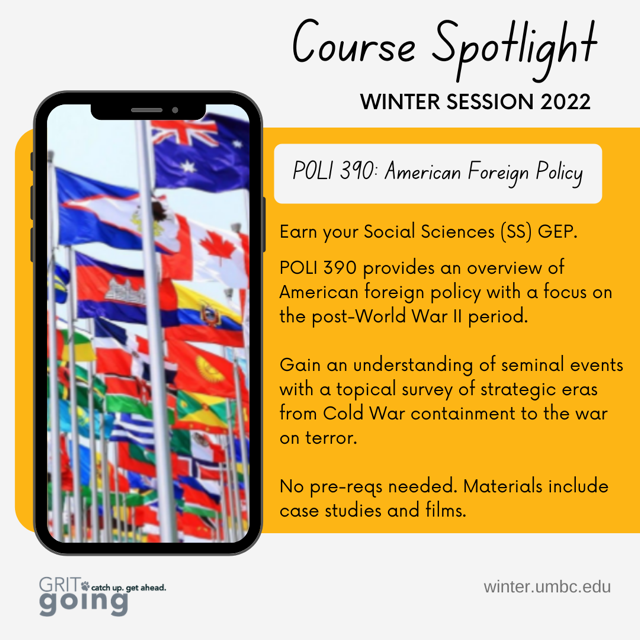 Dr. Brigid Starkey is teaching a dynamic winter course: POLI 390 American Foreign Policy
POLI 390 provides an overview of American foreign policy with a focus on the post WW-2 period. Gain understanding of critical events such as the Cold War and the war on terror
This course counts as a Social Science GEP and as an upper level elective for POLI majors
No pre-reqs are required
Materials include case studies and films
]]>
Dr. Brigid Starkey is teaching a dynamic winter course: POLI 390 American Foreign Policy POLI 390 provides an overview of American foreign policy with a focus on the post WW-2 period. Gain...
http://winter.umbc.edu
Flyer
https://assets3-my.umbc.edu/system/shared/attachments/cfd7b82ce67cd294bbfef373074205a3/69f6affa/news/000/115/411/8c39b2769d3491e81f42c162bc8e30d5/POLI 390 .png?1638467326
https://my3.my.umbc.edu/api/v0/pixel/news/115411/guest@my.umbc.edu/2399e1eb08feb9e94133c93e9447cf21/api/pixel
Political Science
https://my3.my.umbc.edu/groups/poli
https://assets1-my.umbc.edu/system/shared/avatars/groups/000/000/617/47f5d6b9ad18d16095cd0d4fc758b168/xsmall.png?1368723437
https://assets4-my.umbc.edu/system/shared/avatars/groups/000/000/617/47f5d6b9ad18d16095cd0d4fc758b168/original.png?1368723437
https://assets4-my.umbc.edu/system/shared/avatars/groups/000/000/617/47f5d6b9ad18d16095cd0d4fc758b168/xxlarge.png?1368723437
https://assets1-my.umbc.edu/system/shared/avatars/groups/000/000/617/47f5d6b9ad18d16095cd0d4fc758b168/xlarge.png?1368723437
https://assets3-my.umbc.edu/system/shared/avatars/groups/000/000/617/47f5d6b9ad18d16095cd0d4fc758b168/large.png?1368723437
https://assets3-my.umbc.edu/system/shared/avatars/groups/000/000/617/47f5d6b9ad18d16095cd0d4fc758b168/medium.png?1368723437
https://assets2-my.umbc.edu/system/shared/avatars/groups/000/000/617/47f5d6b9ad18d16095cd0d4fc758b168/small.png?1368723437
https://assets1-my.umbc.edu/system/shared/avatars/groups/000/000/617/47f5d6b9ad18d16095cd0d4fc758b168/xsmall.png?1368723437
https://assets1-my.umbc.edu/system/shared/avatars/groups/000/000/617/47f5d6b9ad18d16095cd0d4fc758b168/xxsmall.png?1368723437
Political Science
https://assets3-my.umbc.edu/system/shared/thumbnails/news/000/115/411/989ef83d567fe90ce4c8a36b34a01b7e/xxlarge.jpg?1638466644
https://assets2-my.umbc.edu/system/shared/thumbnails/news/000/115/411/989ef83d567fe90ce4c8a36b34a01b7e/xlarge.jpg?1638466644
https://assets2-my.umbc.edu/system/shared/thumbnails/news/000/115/411/989ef83d567fe90ce4c8a36b34a01b7e/large.jpg?1638466644
https://assets1-my.umbc.edu/system/shared/thumbnails/news/000/115/411/989ef83d567fe90ce4c8a36b34a01b7e/medium.jpg?1638466644
https://assets2-my.umbc.edu/system/shared/thumbnails/news/000/115/411/989ef83d567fe90ce4c8a36b34a01b7e/small.jpg?1638466644
https://assets1-my.umbc.edu/system/shared/thumbnails/news/000/115/411/989ef83d567fe90ce4c8a36b34a01b7e/xsmall.jpg?1638466644
https://assets3-my.umbc.edu/system/shared/thumbnails/news/000/115/411/989ef83d567fe90ce4c8a36b34a01b7e/xxsmall.jpg?1638466644
0
0
true
Thu, 02 Dec 2021 12:49:17 -0500
Demystifying MCS 499: Capstone Senior Seminar
Don’t be scared of the finish line!
By Shesh Batni
When you first declare Media and Communication Studies as your major, you may notice at the end of the road sits a little course titled MCS 499: Capstone Senior Seminar. But beyond the big course number and daunting name, you may want to know more.
What is MCS 499?
MCS 499 is simply a seminar-style class, intended to be taken in your final semester here at UMBC, which acts as the culmination of a student’s MCS experience with the completion of an original research paper and presentation focusing on a topic within media and communication studies. While word of mouth may boil down the class to just completing a big paper, Dr. Adelman – MCS Department Chair and frequent MCS 499 Professor – wants students to know there’s more to it.
Dr. Adelman describes MCS 499 as providing a final undergraduate opportunity to reinforce the certain kinds of foundational knowledge, shared histories, vocabulary, etc. relevant to media and communication studies that students can take with them into their future endeavors. She also notes the class acts as a unique transition point in many ways. In addition to a student’s overall transition from an undergraduate student moving onto things like graduate education or joining the workforce, she notes that the class “marks the transition from students operating as consumers of knowledge to now producers.”
She’s proud of the fact that the department gives professors the opportunity to craft their sections of MCS 499 thematically around their areas of strength and interest. For Dr. Adelman, that means thematically involving many topics and readings on visual culture, one of her areas of specialization which she believes students should know more about.
Dr. Yang chose to base her Fall 2021 section of MCS 499 on the intersection of race and technology, which she describes as “a timely study about the social production of technologies like facial recognition software and the ways in which they perpetuate or intensify racial (among other) inequalities.”
Though no matter the professor, students can be sure they’ll be adequately primed and prepared for not only their research project, but an entire future of critical thinking, consuming, and producing.
Am I ready for MCS 499?
The idea of entering your final MCS course and completing a “big honking” paper can definitely feel intimidating; Dr. Adelman has noticed this trend herself in advising students and polling MCS 499 students on the first day of class. However she assures that when a student makes their way through the major and finally enrolls in MCS 499, it means they’re ready for the challenge.
She adds that benchmark courses like MCS 333 engage students in the many theoretical discourses, while the direct lead-up course MCS 399 presents students with all the research methods and tools they’ll need for their paper. MCS 399 also gives students the opportunity to pursue research ideas and topics they can either carry onto MCS 499 or use as learning experience to select a new topic.
Besides just making your way through the major, Dr. Adelman says there is one thing students can do to prepare for MCS 499: “Relax.” She continues “trust the process, come in with an open mind, with the expectation that it's going to be hard but that’s ok.”
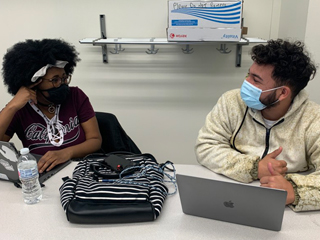
But wait! What am I going to write about?
Remember: trust the process. Even if you’re unsure of what topic to write about, MCS 499 is scheduled and designed to get students through the process. With plenty of time, students will get the chance to draft research topics and questions, and workshop them with feedback from both the professor and their peers.
Both Dr. Adelman and Dr. Yang note that certain themes and topics pop up every semester, with common areas including social media, influencers, pop culture, and more. “Almost always I’ll get a few projects on video games and the gaming industry” Dr. Adelman adds.
Dr. Yang also mentioned the timeliness of some projects which are relevant to the ongoing COVID-19 pandemic. “Some things quite exciting this semester are several projects looking at the role of technologies in shaping social processes/interactions particularly in the pandemic moment.” These include projects talking about work-from-home technologies and even my own project about streaming and the pandemic’s effects on the decline of movie theaters. My personal advice for students entering MCS 499 is to look for a topic and research question that matter to you. Be curious and inquisitive about your interests and the ways you can explore them. That way you might stumble upon a question that begs further investigation.
What can I expect from MCS 499?
As Dr. Adelman notes, MCS 499 is meant to be a seminar-style experience, something that emulates smaller sized graduate school courses, with plenty of interactions with other students that facilitate productive conversations. Peer collaboration is not only encouraged but an integral part of the entire process.
Dr. Yang furthers peer collaboration and conversation in her sections of 499 by having students group up and present their projects in panels, emulating the experience of presentations given at academic conferences. Panels allow students to engage deeper with the common topics and theories that bridge their projects. It’s interesting to see what connections students make, and what fun names they give their panels.
MCS 499 can look intimidating, but students should know they’re being set up for success. As an MCS 499 student myself nearing the end of the semester, I’m seeing my own project, and peers’ projects, fully come to life. The theories and perspectives I’ve encountered throughout the major, especially in MCS 333, are coming back around and appearing in the topic I’m researching. And the various research and analysis methods learned in MCS 399 are giving me the exact tools I need.
Dr. Yang ultimately adds, “Please don't be afraid to go on this adventure, to discover something new by researching a topic that you are passionate about!”
You got this!
]]>
By Shesh Batni When you first declare Media and Communication Studies as your major, you may notice at the end of the road sits a little course titled MCS 499: Capstone Senior Seminar. But beyond...
https://my3.my.umbc.edu/api/v0/pixel/news/115403/guest@my.umbc.edu/5c65bb415fedf272f2856929e8d144be/api/pixel
Media & Communication Studies
https://my3.my.umbc.edu/groups/mcs
https://assets4-my.umbc.edu/system/shared/avatars/groups/000/000/491/e2e495edc31bdc4fe9517af2ddcb3202/xsmall.png?1639004057
https://assets1-my.umbc.edu/system/shared/avatars/groups/000/000/491/e2e495edc31bdc4fe9517af2ddcb3202/original.png?1639004057
https://assets3-my.umbc.edu/system/shared/avatars/groups/000/000/491/e2e495edc31bdc4fe9517af2ddcb3202/xxlarge.png?1639004057
https://assets2-my.umbc.edu/system/shared/avatars/groups/000/000/491/e2e495edc31bdc4fe9517af2ddcb3202/xlarge.png?1639004057
https://assets4-my.umbc.edu/system/shared/avatars/groups/000/000/491/e2e495edc31bdc4fe9517af2ddcb3202/large.png?1639004057
https://assets3-my.umbc.edu/system/shared/avatars/groups/000/000/491/e2e495edc31bdc4fe9517af2ddcb3202/medium.png?1639004057
https://assets3-my.umbc.edu/system/shared/avatars/groups/000/000/491/e2e495edc31bdc4fe9517af2ddcb3202/small.png?1639004057
https://assets4-my.umbc.edu/system/shared/avatars/groups/000/000/491/e2e495edc31bdc4fe9517af2ddcb3202/xsmall.png?1639004057
https://assets1-my.umbc.edu/system/shared/avatars/groups/000/000/491/e2e495edc31bdc4fe9517af2ddcb3202/xxsmall.png?1639004057
Media & Communication Studies
https://assets4-my.umbc.edu/system/shared/thumbnails/news/000/115/403/f95b650d13cab6926529128529d6b2d5/xxlarge.jpg?1638459679
https://assets2-my.umbc.edu/system/shared/thumbnails/news/000/115/403/f95b650d13cab6926529128529d6b2d5/xlarge.jpg?1638459679
https://assets3-my.umbc.edu/system/shared/thumbnails/news/000/115/403/f95b650d13cab6926529128529d6b2d5/large.jpg?1638459679
https://assets1-my.umbc.edu/system/shared/thumbnails/news/000/115/403/f95b650d13cab6926529128529d6b2d5/medium.jpg?1638459679
https://assets1-my.umbc.edu/system/shared/thumbnails/news/000/115/403/f95b650d13cab6926529128529d6b2d5/small.jpg?1638459679
https://assets2-my.umbc.edu/system/shared/thumbnails/news/000/115/403/f95b650d13cab6926529128529d6b2d5/xsmall.jpg?1638459679
https://assets2-my.umbc.edu/system/shared/thumbnails/news/000/115/403/f95b650d13cab6926529128529d6b2d5/xxsmall.jpg?1638459679
0
0
true
Thu, 02 Dec 2021 10:51:17 -0500
Wed, 31 May 2023 12:55:59 -0400
Community Matters - December 2021
A newsletter of the Center for Democracy and Civic Life
The Center for Democracy and Civic Life’s work builds from the idea that all of us, and the ways we pull together to address challenges and create our shared future, truly matter. Today we are releasing the
December 2021 edition of Community Matters, a monthly newsletter that offers a window into this work. Read on to discover ways you can get involved and connect with each other.
For an alt text version of the December 2021 edition, click
here.
By Shesh Batni
Recently, I sat down with MCS alum Masongo Ogora 21’ to hear his experience of finishing the MCS program, graduating, and moving onto new adventures using all the skills he’s gained along the way.
Graduating just this past spring semester, Ogora had only good things to say about the MCS department and degree program. “The MCS department really goes above and beyond for students and deserves to get more recognition.” In addition, he’s especially grateful for the faculty and staff who have helped him craft a path for the future. Thanks to their guidance, Ogora found the confidence to move to California and enroll in a master’s program at University of Southern California: Annenberg School of Communication with a concentration in public relations starting this fall. While he finds his graduate coursework challenging, he’s confident that his time in MCS has prepared him to take it on.
He also credits some of his personal success to the MCS coursework and balance of core theory and research classes and production classes which have helped him be a better producer of media. Alongside his academic studies, Ogora is a musician who has been recording and producing original music under his own independent label named God’s Science Project.
Ogora is always hands-on with the production of his music thanks to both skills he’s cultivated by himself and learned from coursework. While he’s been writing his own music for many years now, he’s only acquired his own recording equipment as of last year. He finds the autonomy of self-made music, and the freedom to conceive an idea and immediately put it to work, powerful. “I wanted to put out something I believed in personally that’s a reflection of me, and not just a gimmick.” Especially in the case of his music, Ogora is confident in his self-expression and subsequently the production sound he’s cultivated thanks to what he learned both on his own, and in the classroom.
While at UMBC, Ogora took MCS 366: Podcasting, a class which introduces students to the world of podcasting and equips them with the production skills needed to make their own. Students both write about and analyze successful podcasts, and even their own favorite podcasts, while also learning to record and edit audio using industry standard software. MCS 366 has in the past been taught by both Professor Krempel and Professor Wiltenburg, two award winning journalists with years of experience in the field of podcasting and audio storytelling.
Ogora thanks MCS 366, specifically Professor Wiltenburg, for helping him further cultivate his audio production skills into something he is proud of. “Professor Wiltenburg really helped me develop an ear for how I want my production to sound. Everything about mixing, adding and taking out effects, figuring out how my voice should fit into the production” he said. Ogora further thanks other MCS classes, namely the research courses which helped him understand and broaden the scope and aim of his productions. “Doing all my research classes helped me understand things from the consumer perspective. It helped me elevate how I go about my writing process, how I go about figuring out what I think people need to hear” he added.
Now primed with both the production skills and theoretical and academic perspectives, Ogora looks to the future of his media and audio production with the development of a new podcast. He was eager to share plans for the new podcast he is developing titled Being. He, alongside three other co-hosts, aim to put out the podcast which he describes as “a space to mentally relax, but to also figure out who we are. A rest stop from reality."
You can expect to hear more about this project next semester by following Ogora on Instagram and twitter @MasongoOgora. In the end of our conversation, Ogora’s final remarks were a heartfelt shout out to the MCS department, faculty, staff, students, and alumni who have all been a part of his journey, “because without them I wouldn’t be here today.”
]]>
By Shesh Batni Recently, I sat down with MCS alum Masongo Ogora 21’ to hear his experience of finishing the MCS program, graduating, and moving onto new adventures using all the skills he’s...
https://my3.my.umbc.edu/api/v0/pixel/news/115374/guest@my.umbc.edu/b5d90bbc998441cc07d3f71ae7ed2eed/api/pixel
Media & Communication Studies
https://my3.my.umbc.edu/groups/mcs
https://assets4-my.umbc.edu/system/shared/avatars/groups/000/000/491/e2e495edc31bdc4fe9517af2ddcb3202/xsmall.png?1639004057
https://assets1-my.umbc.edu/system/shared/avatars/groups/000/000/491/e2e495edc31bdc4fe9517af2ddcb3202/original.png?1639004057
https://assets3-my.umbc.edu/system/shared/avatars/groups/000/000/491/e2e495edc31bdc4fe9517af2ddcb3202/xxlarge.png?1639004057
https://assets2-my.umbc.edu/system/shared/avatars/groups/000/000/491/e2e495edc31bdc4fe9517af2ddcb3202/xlarge.png?1639004057
https://assets4-my.umbc.edu/system/shared/avatars/groups/000/000/491/e2e495edc31bdc4fe9517af2ddcb3202/large.png?1639004057
https://assets3-my.umbc.edu/system/shared/avatars/groups/000/000/491/e2e495edc31bdc4fe9517af2ddcb3202/medium.png?1639004057
https://assets3-my.umbc.edu/system/shared/avatars/groups/000/000/491/e2e495edc31bdc4fe9517af2ddcb3202/small.png?1639004057
https://assets4-my.umbc.edu/system/shared/avatars/groups/000/000/491/e2e495edc31bdc4fe9517af2ddcb3202/xsmall.png?1639004057
https://assets1-my.umbc.edu/system/shared/avatars/groups/000/000/491/e2e495edc31bdc4fe9517af2ddcb3202/xxsmall.png?1639004057
Media & Communication Studies
https://assets3-my.umbc.edu/system/shared/thumbnails/news/000/115/374/f51a731d9cc22af7209fc2c3854b65d7/xxlarge.jpg?1638387769
https://assets2-my.umbc.edu/system/shared/thumbnails/news/000/115/374/f51a731d9cc22af7209fc2c3854b65d7/xlarge.jpg?1638387769
https://assets2-my.umbc.edu/system/shared/thumbnails/news/000/115/374/f51a731d9cc22af7209fc2c3854b65d7/large.jpg?1638387769
https://assets4-my.umbc.edu/system/shared/thumbnails/news/000/115/374/f51a731d9cc22af7209fc2c3854b65d7/medium.jpg?1638387769
https://assets1-my.umbc.edu/system/shared/thumbnails/news/000/115/374/f51a731d9cc22af7209fc2c3854b65d7/small.jpg?1638387769
https://assets2-my.umbc.edu/system/shared/thumbnails/news/000/115/374/f51a731d9cc22af7209fc2c3854b65d7/xsmall.jpg?1638387769
https://assets4-my.umbc.edu/system/shared/thumbnails/news/000/115/374/f51a731d9cc22af7209fc2c3854b65d7/xxsmall.jpg?1638387769
1
0
true
Wed, 01 Dec 2021 14:50:08 -0500
PAID Summer Public Service Internships
Apps open Dec 1st. In Person and Remote Positions Available
Applications Open December 1st
Priority Applications Due Feb 1st
Application Deadline March 1st
Governor’s
Summer Internship Program (GSIP)
Fellows are placed at
a government agency full-time under the mentorship of a senior-level
professional
Fellows work together in groups to put their
knowledge and skills into practice, researching and preparing a policy analysis
and recommendation to present to the Governor
Fellows are paid a stipend of $3500 for their
participation in the program
Eligibility criteria for fellows
- Rising
Junior or Senior in the summer of participation
- Attending
a Maryland institution OR a current Maryland resident attending an
out-of-state institution
- GPA
2.7 or above
- Available
May, 31, 2022 – August 12, 2022, Monday-Friday 9am-5pm
Maryland Department of Transportation (MDOT) Fellows
Program
Fellows are placed in an MDOT office
and perform substantive work, full-time for 9 weeks under the
mentorship of a senior-level professional
Fellows put their knowledge and skills into
practice, researching and proposing a solution to a transportation
challenge.
Fellows
are paid a stipend of $3,500 for their participation in the program
Eligibility criteria for
fellows
- Rising Junior
or Senior in the summer of participation
- Attending a
Maryland institution OR a current Maryland resident attending an
out-of-state institution
- GPA
2.7 or above
- Available May
31, 2022 – August 5, 2022, Monday-Friday, 9am-5pm
Sondheim Nonprofit Leadership
Program
Fellows are placed at a nonprofit
organization full-time under the mentorship of a senior-level professional
Fellows work together in groups to put their
knowledge and skills into practice, researching a challenge impacting
Maryland and design an innovative way to address the challenge
Fellows are paid a stipend of $3,500 for
their participation in the program.
Eligibility criteria for fellows
- Rising Junior or Senior, or current
graduate student in the summer of participation
- Attending a Maryland institution OR a
current Maryland resident attending an out-of-state institution
- GPA 2.7 or above
- Available May, 31, 2022 – August 12,
2022, Monday-Friday 9am-5pm
]]>
Applications Open December 1st Priority Applications Due Feb 1st Application Deadline March 1st Governor’s Summer Internship Program (GSIP) Fellows are placed at a government...
https://publicservicescholars.umbc.edu/
Flyer
https://assets2-my.umbc.edu/system/shared/attachments/51b3b92180807124aef843be377a7010/69f6affa/news/000/115/334/805ab6f0598e9b790f80d1d1eaebbe9c/Maryland Public Service Flyer.png?1638299442
https://my3.my.umbc.edu/api/v0/pixel/news/115334/guest@my.umbc.edu/12e6884b3890d730c7ea12558a3ee1db/api/pixel
Political Science
https://my3.my.umbc.edu/groups/poli
https://assets1-my.umbc.edu/system/shared/avatars/groups/000/000/617/47f5d6b9ad18d16095cd0d4fc758b168/xsmall.png?1368723437
https://assets4-my.umbc.edu/system/shared/avatars/groups/000/000/617/47f5d6b9ad18d16095cd0d4fc758b168/original.png?1368723437
https://assets4-my.umbc.edu/system/shared/avatars/groups/000/000/617/47f5d6b9ad18d16095cd0d4fc758b168/xxlarge.png?1368723437
https://assets1-my.umbc.edu/system/shared/avatars/groups/000/000/617/47f5d6b9ad18d16095cd0d4fc758b168/xlarge.png?1368723437
https://assets3-my.umbc.edu/system/shared/avatars/groups/000/000/617/47f5d6b9ad18d16095cd0d4fc758b168/large.png?1368723437
https://assets3-my.umbc.edu/system/shared/avatars/groups/000/000/617/47f5d6b9ad18d16095cd0d4fc758b168/medium.png?1368723437
https://assets2-my.umbc.edu/system/shared/avatars/groups/000/000/617/47f5d6b9ad18d16095cd0d4fc758b168/small.png?1368723437
https://assets1-my.umbc.edu/system/shared/avatars/groups/000/000/617/47f5d6b9ad18d16095cd0d4fc758b168/xsmall.png?1368723437
https://assets1-my.umbc.edu/system/shared/avatars/groups/000/000/617/47f5d6b9ad18d16095cd0d4fc758b168/xxsmall.png?1368723437
Political Science
https://assets2-my.umbc.edu/system/shared/thumbnails/news/000/115/334/d2c6571c425b36af3cc01ffe48c2364a/xxlarge.jpg?1638299423
https://assets4-my.umbc.edu/system/shared/thumbnails/news/000/115/334/d2c6571c425b36af3cc01ffe48c2364a/xlarge.jpg?1638299423
https://assets3-my.umbc.edu/system/shared/thumbnails/news/000/115/334/d2c6571c425b36af3cc01ffe48c2364a/large.jpg?1638299423
https://assets1-my.umbc.edu/system/shared/thumbnails/news/000/115/334/d2c6571c425b36af3cc01ffe48c2364a/medium.jpg?1638299423
https://assets3-my.umbc.edu/system/shared/thumbnails/news/000/115/334/d2c6571c425b36af3cc01ffe48c2364a/small.jpg?1638299423
https://assets3-my.umbc.edu/system/shared/thumbnails/news/000/115/334/d2c6571c425b36af3cc01ffe48c2364a/xsmall.jpg?1638299423
https://assets3-my.umbc.edu/system/shared/thumbnails/news/000/115/334/d2c6571c425b36af3cc01ffe48c2364a/xxsmall.jpg?1638299423
0
0
true
Tue, 30 Nov 2021 14:10:59 -0500
My Personal Experience with Being Adopted
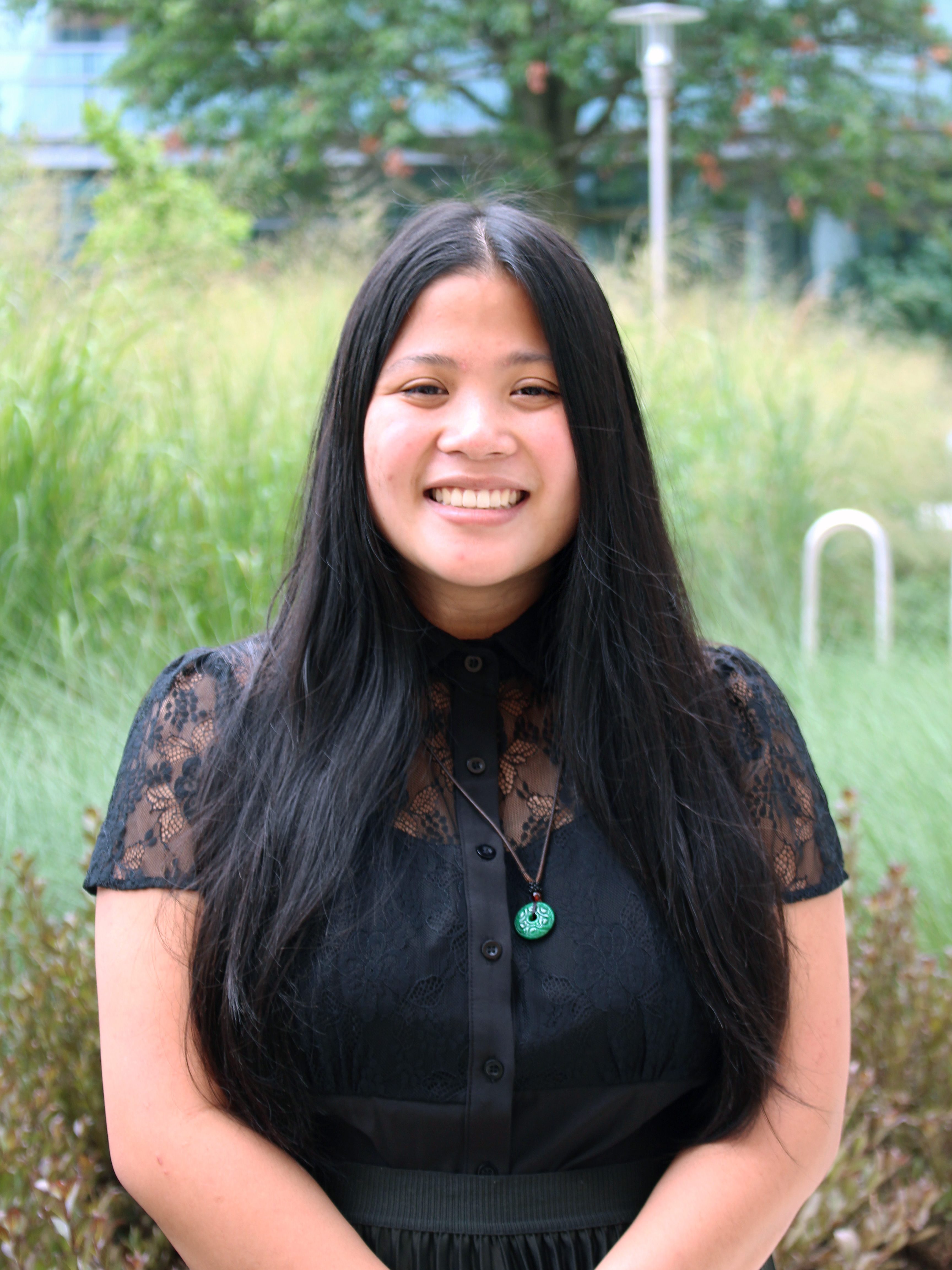 Image description:
 [Photo shows Rachael dressed in black attire, one of the Women’s Center interns, smiling in front of one of the UMBC buildings.
]
Content Note: This post is written by Rachael Joslow, a second-year and student staff at the Women’s Center. I am a transracial adoptee adopted from Vietnam who grew up in Georgia for most of my childhood and adolescent life. I hope to highlight my experience growing up as an adopted child who dealt with difficulties connecting to my ethnicity and race. I would like you, as the reader, to acknowledge and learn the realities of adoption through my experiences, personal readings, and different transracial adoptees’ perspectives.
Growing up, I was always taught and still firmly believe that being blood-related is not a condition to be a part of someone’s family. As a transracial adoptee of a single, white, tie-dye hippie mom, I have been lucky enough to grow up knowing I was loved unconditionally.
Nonetheless, there are certain inside jokes that only those of us who have grown up in a transracial adoptive relationship know about. For example, when I think about one of the most memorable moments I have had as an adopted child, I remember my mom embarrassing me in public and trying to introduce me to her friends. After saying anything in a loud, funny voice or performing a funny dance in public, she would also try to point towards me and say, “yes, this is Rachael, my daughter!” When these moments happened, I would start walking away from her during the conversation, acting as a random stranger. Once she realized what I was doing, she would then reach out to me and exclaim, “no, really, she is my daughter! Rachael, stop walking away!” This interaction is one of the entertaining aspects of being adopted: if your parent is embarrassing you in public, simply walk away.
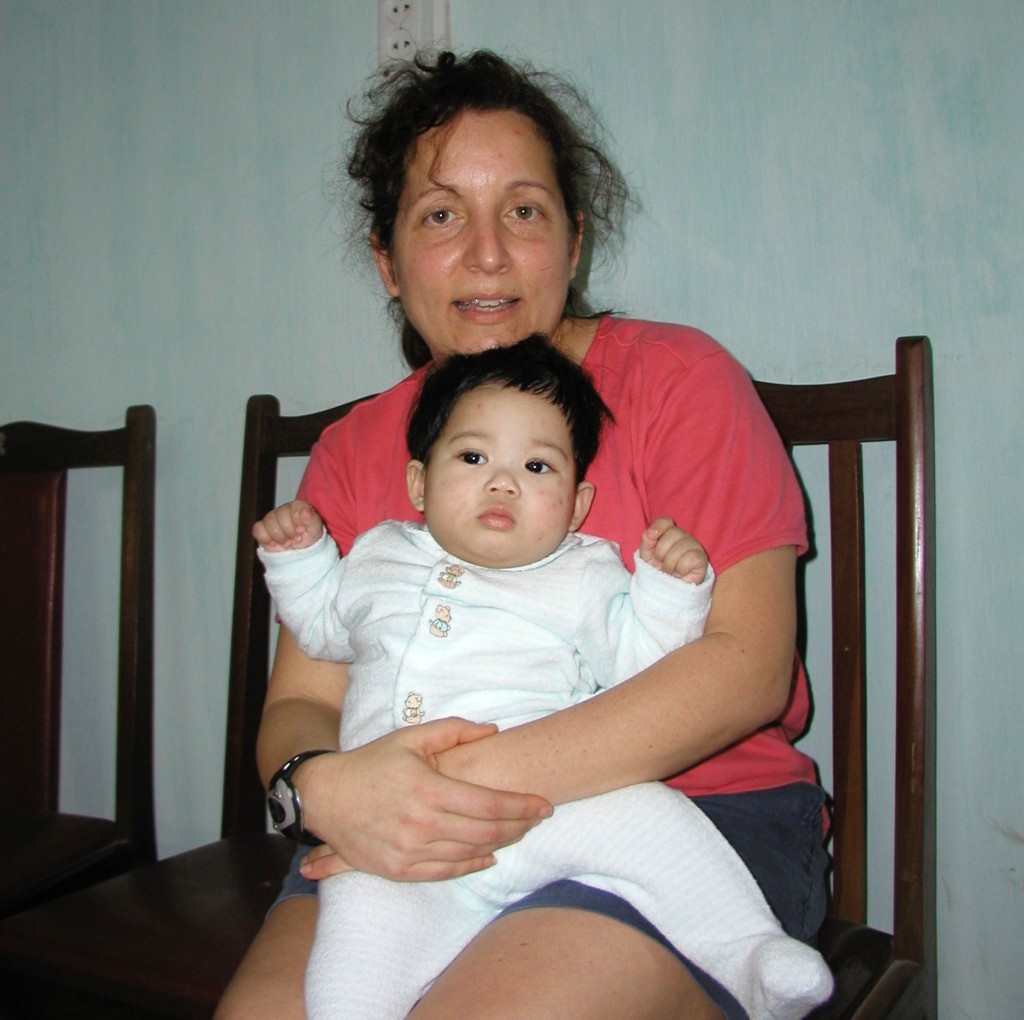 [Image description:
 An older woman with a brown-haired ponytail sitting in a wooden chair with a baby in her arms. She’s wearing a pink shirt with jean shorts, and the baby is wearing a white onesie.
]
My mom first saw me in an ad in the newspaper one day because she was looking to adopt. She was stationed in Germany at Fort Landstuhl, where she worked as a neurologist at Landstuhl Regional Medical Center. She always wanted to have a family, and in fact, she thought she was going to get married after college and have four children, but as some things turn out . . . plans change! In the picture shown to the left of this text, it was her first time meeting me at my foster home, and I believe I was 7-8 months old in that. I looked pretty cute as a baby! Apparently, I was a mellow infant and I only cried when food was late. As in, I scream cried. I was a moody baby if I did not have food on my plate and it still applies to my age now. Some things never change!
“What was it like being told that you were adopted?”
Well, I was the one who figured it out! My mom tells me that when I was about 5 years old, we were sitting in the bathroom getting ready for bed, and I started saying, “we don’t have the same hair.” My mom would reply with a “yes…” and wait to see what would happen next. I then say, “we don’t have the same eyes,” and she goes, “you’re right.” “I didn’t grow in your belly,” and mom keeps responding truthfully as to not hide anything from me. A delayed response follows from me, and my mom was worried but curious about what else I was about to ask. After the pause, I ask her, “can you pass me the toothpaste?” My mom releases a sigh and passes me the toothbrush.
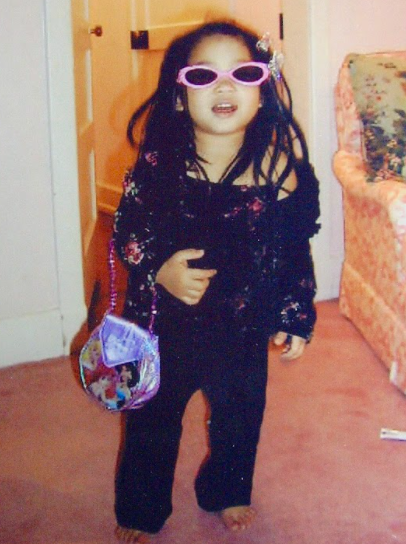 [Image description:
 An Asian girl with long black hair is shown standing in front of a door with pink sunglasses on and carrying a purse that has Disney Princesses on it. She is wearing black pants and a flower print, blacktop.
]
As you can see from this interaction, I was unphased that I was not her biological daughter, and I am still unphased by the fact that I am adopted. It still does not change that I have my mom, and she has me, her daughter. She always has and will continue to love me unconditionally, I know—the bare minimum. Still, through her kindness, openness, acceptance, and much more, I realized how she’ll always have my back over time. She was also really transparent with me whenever I asked questions about my adoption. For some background knowledge, there are no names under “biological mother and biological father” on my Vietnamese birth certificate. My mom has always been honest whenever I asked her questions regarding that information. I used to be open to finding my biological parents, but now that I have become older, I am content to not meet them. I settled that I’m sure that my biological parents wanted what was best for me. Through UMBC, I have connected with my Vietnamese culture more by meeting people and joining the Vietnamese Student Association.
“What are other transracial adoptee’s experiences?”
Although my experiences have been smooth and supportive so far, my personal experience is not shared by ALL transracial adoptees. This NPR podcast called Code Switch: Transracial Adoptees On Their Racial Identity And Sense of Self calls in multiple adoptees who talk about their personal feelings and experiences about their adoption. One person stated that they spent the first 12 years of their life thinking that they were white, and learning that they were not white resulted in an identity crisis. Some transracial adoptees are not told that they are adopted, and the consequences can be very harmful. It makes us think as to why the parent was hiding that critical information. Telling children that they are adopted is okay, and it should not be something to hide from them because it erases a part of their identity. Another adoptee mentioned that their adoption acted as a narrative of their mother being a savior. Unfortunately, some people end up adopting because of their savior complex.
What is the savior complex?
As explained by this Psychology Today article The Savior Complex, it is “a psychological construct that makes a person feel the need to save other people. This person has a strong tendency to seek people who desperately need help and to assist them, often sacrificing their own needs for these people.” When a person with a savior complex sets out to adopt a child, they have the goal of rescuing a child from their situation.
As a reminder to people who would like to adopt in the future, it is not about you, and it has never been about you. Adopted children are not your trophies and we should never be used as tools when you want to earn brownie points to “look like a good person.”
Adoption is about giving a home to a child who does not have a family, and it should revolve around giving the child unconditional love and support. It does not revolve around reminding them how grateful they should be that you adopted them. From an article called Avoiding the Savior Complex in Adoption, an adoptive parent explains it well in a letter to their adoptive child:
“You never have to feel grateful for your adoption. We don’t have to have special gratitude for something that is inherently ours. And my love? That’s yours. It was yours before we met. It will be yours when time is gone. It was, and is, your right to have. My love for you is something I want to be so part of your being that it doesn’t cross your mind to even contemplate its existence. Take it for granted. Assume it will always be there. Because it will. There were losses in your lives. I know them. I respect them. My love for you does not take away those losses. But those losses don’t mean you owe us some form of special gratitude. Don’t ever believe someone who tells you they do. I don’t need you to be grateful; I want you to know, to assume, to not even think that there was another option except me loving you. Because there wasn’t. This love? It was here waiting for you all along. You simply claimed what was already yours.“
– Anonymous
“Is it hard being adopted?”
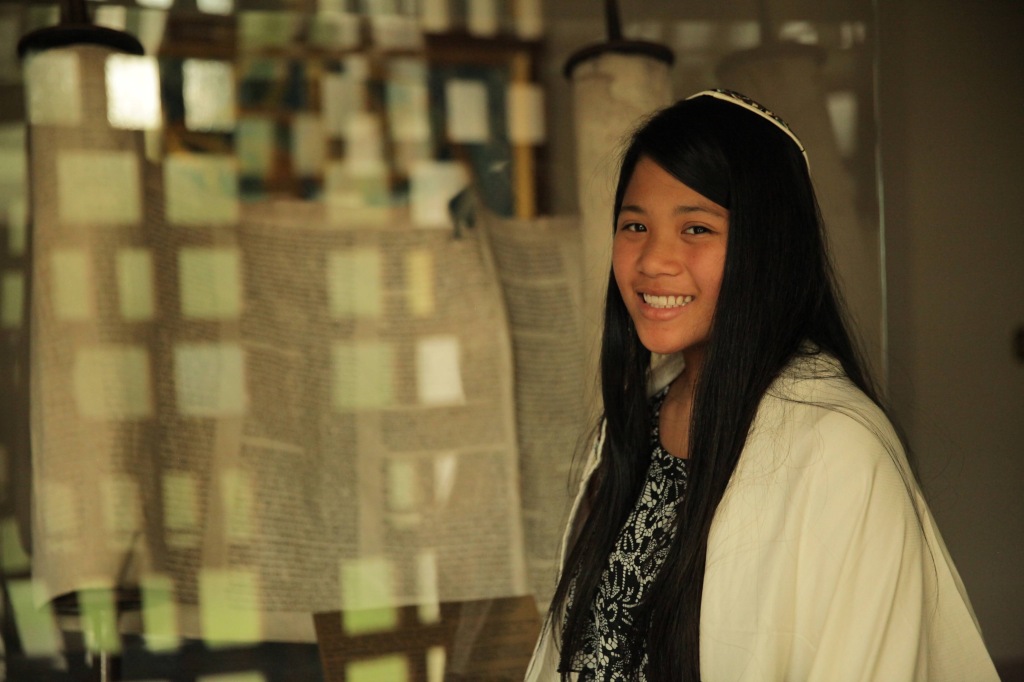 [Image description:
 Rachael at her Bat Mitzvah and she’s standing in front of the Torah. She is wearing a tallit, a prayer shawl, and a kippah, a religious headwear in Judaism.
]
Being adopted is amazing. Even though I have a different origin story, I’ve always known that I was adopted so it has never been a big deal for me. For me, it is as normal as me having brown eyes; it has always been there. What’s been harder to deal with is others’ perceptions of me. My insecurities about my identity came from outsiders’ comments and people’s perceptions of me. My mom and I have received many weird and uncomfortable comments, but one that I often remember is, “you know she’s going to be raised by strangers, right?” This was not said in front of me; it was actually told to my mom before she signed the papers to bring me home. As mentioned above, my mom is a single parent, and she has done an extraordinary job making me feel secure and loved growing up. As she worked long hours, I would go to daycare after the school day during elementary until I was old enough to stay at the house by myself for a few hours. To that comment now, I would like to say, “yeah! I was raised by strangers, but those strangers became family to me”. My mom had a vast support system, and I understood that although my family structure was different, she still had the same level of care and love for me as any other family.
The comments don’t end at my mom; they came to me too. I received a few judgemental statements during high school, and a common one was how I was white-washed and not really Asian. I wanted to say in response to these comments, “who cares?!” However, a part of me felt alienated from people because although I felt I was Asian from my looks, I still did not feel Asian enough. I was given this label that I couldn’t do certain things. Since I had a white mom, some people had an attitude of “oh, so that’s how it is.” During high school, I felt stuck on who I was and what I was supposed to be. I couldn’t control what was happening to me, and I couldn’t control the fact that I was adopted; why is there so much judgment towards me?
Other transracial adoptees have also experienced this same disconnect between their personal social identities and their adoptive families. The article The Transracial Adoption Paradox reported that about 37% of transracial adoptees felt that race made growing up difficult. This YouTube video called “Do All Adoptees Think the Same?, from the YouTube channel Jubilee, brings in 6 adoptees who all come from different backgrounds, and each brings their own perspectives on the relationship between adoption and identity. One of the adoptees, Alexis, had a more challenging time growing up with her white family as an Asian person. When her adoptive family laughed at her when she said she wanted to be white, it showed a lack of sensitivity, kindness, and understanding. Unfortunately, this has destroyed their relationship now that she’s an adult and is now distant between them. Another adoptee in the video, Rebekah, stated how she was called “oreo” growing up because of her background. Whenever she would try to bring up race or racism against her, she would receive comments like “oh, they didn’t mean it like that” or “they’re just from the older generation, and they don’t understand.”
 [Image description:
 Rachael holding her cat named Girl Kitty while sitting on a leather couch when she was 11 years old.
]
As parents, especially white parents, you need to be prepared to have those conversations about race. When transracial adoptees go to their white parents about how they experience racism, their first response should not be silence or anger because we, as transracial adoptees, are not trying to make it as if it’s our parent’s fault—we want to have this conversation to improve our relationship with parents. We want our parents to learn about racism, prejudice, and white privilege, and work hard to be strong allies. We want our white parents to understand that it is not their fault that we experience racism, but it is their fault if they’re not there to help us. When it comes to addressing and confronting ignorance and racism, being a parent as well as an ally means making it clear that you are always willing to answer our questions, always available to talk about even the most difficult or hurtful experiences, and always there to advocate for us, assist in our healing, or simply share our pain in any way you are able.
Recommended Videos
Others’ experiences of adoption and family history: Adoption & Identity Intertwined
Do All Adoptees Think the Same? | Spectrum
Netflix Show – Colin in Black & White: Colin Kaepernick narrates this drama series recounting his formative years navigating race, class, and culture while aspiring for greatness.
Recommended Readings
The Realities of Raising a Kid of a Different Race
Transracial Adoption in the Time of Black Lives Matter
How to talk to parents about race if you’re adopted or multiracial
Race and Identity in Transracial Adoption: Suggestions for Adoptive Parents
The Transracial Adoption Paradox
Stories of transracial adoptees must be heard – even uncomfortable ones
Avoiding the Savior Complex in Adoption
NPR Podcast – Code Switch: Transracial Adoptees On Their Racial Identity And Sense of Self
]]>
Image description: [Photo shows Rachael dressed in black attire, one of the Women’s Center interns, smiling in front of one of the UMBC buildings.] Content Note: This post is written by...
https://womenscenteratumbc.wordpress.com/2021/11/29/my-personal-experience-with-being-adopted/
https://my3.my.umbc.edu/api/v0/pixel/news/115288/guest@my.umbc.edu/ed96d248c6e74f6f1ed46a9acafdad74/api/pixel
adoption
asian-and-pacific-islander-american-voices
asianamerican
bipoc-voices
current-events
diversity-and-inclusion-issues
intersectionality
poc
transracial-adoptee-experience
umbc
uncategorized
womens-center-staff
Women's, Gender, & Equity Center
https://my3.my.umbc.edu/groups/womenscenter
https://assets2-my.umbc.edu/system/shared/avatars/groups/000/000/125/78272a4842689b30dbf74672182b78f8/xsmall.png?1750974263
https://assets1-my.umbc.edu/system/shared/avatars/groups/000/000/125/78272a4842689b30dbf74672182b78f8/original.png?1750974263
https://assets1-my.umbc.edu/system/shared/avatars/groups/000/000/125/78272a4842689b30dbf74672182b78f8/xxlarge.png?1750974263
https://assets1-my.umbc.edu/system/shared/avatars/groups/000/000/125/78272a4842689b30dbf74672182b78f8/xlarge.png?1750974263
https://assets1-my.umbc.edu/system/shared/avatars/groups/000/000/125/78272a4842689b30dbf74672182b78f8/large.png?1750974263
https://assets2-my.umbc.edu/system/shared/avatars/groups/000/000/125/78272a4842689b30dbf74672182b78f8/medium.png?1750974263
https://assets1-my.umbc.edu/system/shared/avatars/groups/000/000/125/78272a4842689b30dbf74672182b78f8/small.png?1750974263
https://assets2-my.umbc.edu/system/shared/avatars/groups/000/000/125/78272a4842689b30dbf74672182b78f8/xsmall.png?1750974263
https://assets3-my.umbc.edu/system/shared/avatars/groups/000/000/125/78272a4842689b30dbf74672182b78f8/xxsmall.png?1750974263
Women's Center
12
0
false
Mon, 29 Nov 2021 08:30:00 -0500
Mon, 29 Nov 2021 08:30:00 -0500