CSEE Faculty Involved With NSF’s CS10K Teacher Training Project
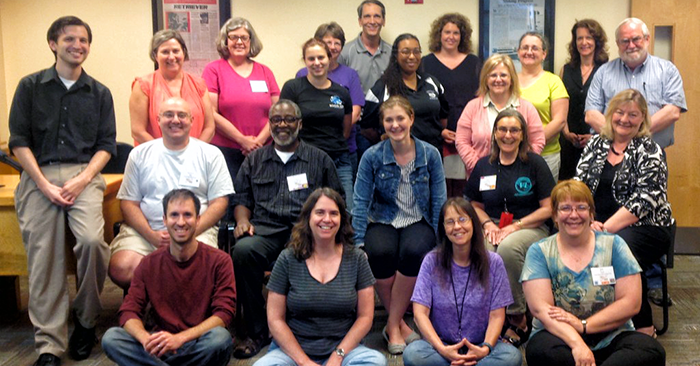
CSEE’s Marie desJardins is currently collaborating with Maryland educators and researchers for the NSF-funded CS10K Teacher Training Project. The project seeks to change how computer science is taught by high school teachers. Researchers work together with high school teachers to craft new curricula for high school computer science programs. This project is unique in that actual high school teachers are creating the new curricula, rather than professional curriculum writers. The CS10K Maryland Project team includes faculty from UMCP, as well as high school teachers from Charles County and Baltimore County.
The CS10K team has facilitated the creation of “a complete curriculum package for a new College Board Advanced Placement (AP) course called CS Principles.” Originally, the goal of the CS10K team was to train 10,000 teachers to teach computer science in 10,000 schools nationwide. The project has been revised to reflect its new goal of training teachers in all U.S. schools.
In academia there is a growing concern that females–as well as minorities and those with disabilities–are being repeatedly discouraged from pursuing programming in high school. Professor desJardins is trying to change this by directing the CS Matters in MD Project. (CS Matters in MD is part of the larger, NSF-supported initiative known as CS 10K.)
“I believe that CS should be included throughout the K-12 curriculum as a set of basic skills and knowledge for today’s world,” desJardins said. “All citizens of the 21st century, especially the next generation of knowledge workers, will benefit greatly from learning about computational thinking and the problem-solving skills that are a core part of computer science.”
In addition, desJardins explains that, “We need to expand the pool of available workers to fill the many computing-related jobs that our economy demands, and in order to be sure that the technology we develop is robust and useful, we need to increase the diversity of the computer scientists who take those jobs. To meet these goals, we must broaden our notion of what it means to teach computer science (beyond just teaching coding skills), and we must reach a broader audience at an earlier age. Our ‘CS Matters in Maryland’ project is particularly focused on creating appealing and engaging curriculum materials for the newly announced AP CS Principles course, and on training teachers to deliver this material effectively to a diverse population of learners.”
More information about CS Matters in Maryland and the CS10K Project can be found here.
]]>
CSEE’s Marie desJardins is currently collaborating with Maryland educators and researchers for the NSF-funded CS10K Teacher Training Project. The project seeks to change how computer science is...
http://www.csee.umbc.edu/2014/12/csee-faculty-involved-with-nsfs-cs10k-teacher-training-project/
https://my3.my.umbc.edu/api/v0/pixel/news/48759/guest@my.umbc.edu/537c8938b4bf583e18ee86eb0383bba3/api/pixel
computer-science
education
faculty-and-staff
news
Computer Science and Electrical Engineering
https://my3.my.umbc.edu/groups/csee
https://assets3-my.umbc.edu/system/shared/avatars/groups/000/000/099/d117dca133c64bf78a4b7696dd007189/xsmall.png?1314043393
https://assets1-my.umbc.edu/system/shared/avatars/groups/000/000/099/d117dca133c64bf78a4b7696dd007189/original.png?1314043393
https://assets1-my.umbc.edu/system/shared/avatars/groups/000/000/099/d117dca133c64bf78a4b7696dd007189/xxlarge.png?1314043393
https://assets4-my.umbc.edu/system/shared/avatars/groups/000/000/099/d117dca133c64bf78a4b7696dd007189/xlarge.png?1314043393
https://assets3-my.umbc.edu/system/shared/avatars/groups/000/000/099/d117dca133c64bf78a4b7696dd007189/large.png?1314043393
https://assets1-my.umbc.edu/system/shared/avatars/groups/000/000/099/d117dca133c64bf78a4b7696dd007189/medium.png?1314043393
https://assets2-my.umbc.edu/system/shared/avatars/groups/000/000/099/d117dca133c64bf78a4b7696dd007189/small.png?1314043393
https://assets3-my.umbc.edu/system/shared/avatars/groups/000/000/099/d117dca133c64bf78a4b7696dd007189/xsmall.png?1314043393
https://assets3-my.umbc.edu/system/shared/avatars/groups/000/000/099/d117dca133c64bf78a4b7696dd007189/xxsmall.png?1314043393
Computer Science and Electrical Engineering
2
0
true
Fri, 19 Dec 2014 09:03:44 -0500
Fri, 19 Dec 2014 09:03:44 -0500
IRC seeks student programmers, part-time and summer
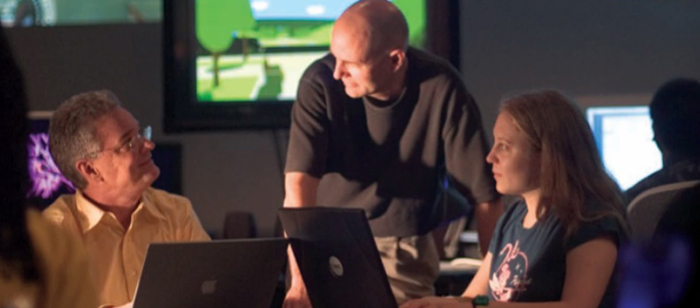
UMBC’s Imaging Research Center is looking for student programmers to assist in ongoing projects. Current projects range from websites to mobile apps. Such projects include web based panorama viewer, working with Unity to develop mobile apps, developing a web based story sharing social network, developing a image archive/gallery, and more. Projects are assigned as seen fit. Work will begin in January 2015.
Do you enjoy programming challenges? Do you enjoy learning new skills? Are you passionate about writing software that could potentially be used by thousands of users daily? If so, this is a great opportunity for you.
Duties:
- Maintain existing projects from websites to mobile apps
- Develop web based solutions
- Develop mobile based solutions
- Assist in ongoing projects
- Other duties as assigned
Requirements:
- Ability to program in C, C++, C#, Objective-C, Java, Python
- Knowledge of web technologies: HTML, CSS, Javascript, Php, MySQL
- Quick learner
- Able to work well in groups
- Excellent troubleshooting skills
- Excellent communication skills
- Available to work up to 20 hours a week during the semester and up to 40
hours a week during the summer
- Active UMBC student.
Desires:
- Major in Computer Science or other related field
- Experience with the HTML5 <canvas> tag and/or WebGL is a plus
- Experience developing iOS/Android apps is a plus
- Experience with Unity and/or Unreal is a plus
- Experience with UNIX/Linux is a plus
- Experience with git, svn, or other revision control systems is a plus
Submit resumes by email to Mark Jarzynski, Sorry, you need javascript to view this email address. Please provide an example of a programming project that you were passionate about.
Mark Jarzynski, Technical Director / Programmer, Imaging Research Center, UMBC, ITE 101G, 410-455-1498
]]>
UMBC’s Imaging Research Center is looking for student programmers to assist in ongoing projects. Current projects range from websites to mobile apps. Such projects include web based panorama...
http://www.csee.umbc.edu/2014/12/irc-seeks-student-programmers-par-time-and-summer/
https://my3.my.umbc.edu/api/v0/pixel/news/48728/guest@my.umbc.edu/5addbb77f3083721be47be482865e339/api/pixel
jobs
students
Computer Science and Electrical Engineering
https://my3.my.umbc.edu/groups/csee
https://assets3-my.umbc.edu/system/shared/avatars/groups/000/000/099/d117dca133c64bf78a4b7696dd007189/xsmall.png?1314043393
https://assets1-my.umbc.edu/system/shared/avatars/groups/000/000/099/d117dca133c64bf78a4b7696dd007189/original.png?1314043393
https://assets1-my.umbc.edu/system/shared/avatars/groups/000/000/099/d117dca133c64bf78a4b7696dd007189/xxlarge.png?1314043393
https://assets4-my.umbc.edu/system/shared/avatars/groups/000/000/099/d117dca133c64bf78a4b7696dd007189/xlarge.png?1314043393
https://assets3-my.umbc.edu/system/shared/avatars/groups/000/000/099/d117dca133c64bf78a4b7696dd007189/large.png?1314043393
https://assets1-my.umbc.edu/system/shared/avatars/groups/000/000/099/d117dca133c64bf78a4b7696dd007189/medium.png?1314043393
https://assets2-my.umbc.edu/system/shared/avatars/groups/000/000/099/d117dca133c64bf78a4b7696dd007189/small.png?1314043393
https://assets3-my.umbc.edu/system/shared/avatars/groups/000/000/099/d117dca133c64bf78a4b7696dd007189/xsmall.png?1314043393
https://assets3-my.umbc.edu/system/shared/avatars/groups/000/000/099/d117dca133c64bf78a4b7696dd007189/xxsmall.png?1314043393
Computer Science and Electrical Engineering
0
0
true
Tue, 16 Dec 2014 22:44:46 -0500
Tue, 16 Dec 2014 22:44:46 -0500
A drone’s eye view of Baltimore
Filmmaker Matthew Coakley of Blue Mantle Media created this amazing drone-assisted video of Baltimore.
Coakley comments on the video:
“It features Baltimore’s Inner Harbor, the Raven’s M&T Bank Stadium, Oriole Park at Camden Yards, National Aquarium, the Baltimore Convention Center, Federal Hill, Fells Points, The Pride of Baltimore memorial, The Pride of Baltimore II, Patterson Park, Penn Station, Power Plant, and more.
..
To film this I used a DJI Phantom 2 quadcopter, with a GoPro Hero4 mounted on a Zenmuse H3-3D gimbal. I hope to eventually upgrade to a higher-end system, but you work with what you’ve got…and it’s still incredible the types of shots achievable with such a small piece of equipment!”
]]>
[Video] Filmmaker Matthew Coakley of Blue Mantle Media created this amazing drone-assisted video of Baltimore. Coakley comments on the video: “It features Baltimore’s Inner Harbor,...
http://www.csee.umbc.edu/2014/12/a-drones-eye-view-of-baltimore/
https://my3.my.umbc.edu/api/v0/pixel/news/48689/guest@my.umbc.edu/0dacf18fe4afa6deb16273e6097e2910/api/pixel
baltimore
news
Computer Science and Electrical Engineering
https://my3.my.umbc.edu/groups/csee
https://assets3-my.umbc.edu/system/shared/avatars/groups/000/000/099/d117dca133c64bf78a4b7696dd007189/xsmall.png?1314043393
https://assets1-my.umbc.edu/system/shared/avatars/groups/000/000/099/d117dca133c64bf78a4b7696dd007189/original.png?1314043393
https://assets1-my.umbc.edu/system/shared/avatars/groups/000/000/099/d117dca133c64bf78a4b7696dd007189/xxlarge.png?1314043393
https://assets4-my.umbc.edu/system/shared/avatars/groups/000/000/099/d117dca133c64bf78a4b7696dd007189/xlarge.png?1314043393
https://assets3-my.umbc.edu/system/shared/avatars/groups/000/000/099/d117dca133c64bf78a4b7696dd007189/large.png?1314043393
https://assets1-my.umbc.edu/system/shared/avatars/groups/000/000/099/d117dca133c64bf78a4b7696dd007189/medium.png?1314043393
https://assets2-my.umbc.edu/system/shared/avatars/groups/000/000/099/d117dca133c64bf78a4b7696dd007189/small.png?1314043393
https://assets3-my.umbc.edu/system/shared/avatars/groups/000/000/099/d117dca133c64bf78a4b7696dd007189/xsmall.png?1314043393
https://assets3-my.umbc.edu/system/shared/avatars/groups/000/000/099/d117dca133c64bf78a4b7696dd007189/xxsmall.png?1314043393
Computer Science and Electrical Engineering
74
10
true
Mon, 15 Dec 2014 12:58:05 -0500
Marie desJardins Collaborates with Howard County Parents and Teachers for HowGirlsCode
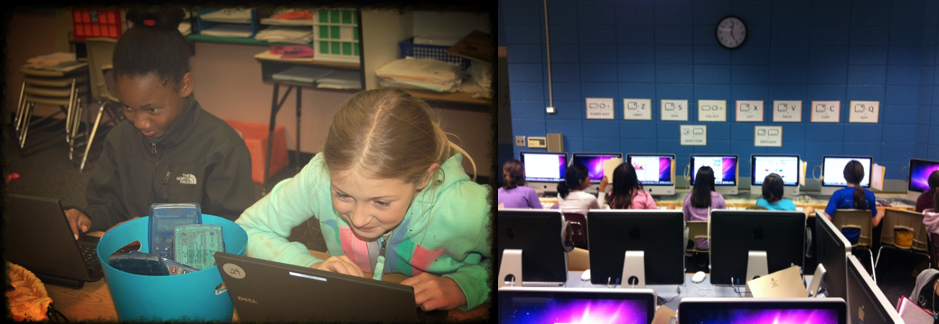
CSEE’s Marie desJardins recently collaborated with a group of Howard County parents and teachers to create HowGirlsCode, an educational program that “educates and inspires young girls to pursue computer related activities, courses, and careers.”
The program–originally called Computer Mania Club–is based out of Fulton Elementary School. Over the course of ten weeks, students meet for weekly two-hour sessions, working on projects such as Lego Mindstorm robots and 3D printing. Students also work with programming tools such as MIT’s Scratch program. The curriculum for the program is largely based off of materials from the Code.org website.
UMBC alumna Katie Egan and her husband Kent Malwitz have been instrumental in getting the club off the ground. Malwitz, who is the President and Chief Learning Officer for UMBC Training Centers, originally recruited Marie desJardins to participate in a brainstorming session for the club back in 2013. Professor desJardins now serves as a member of the Advisory Board for HowGirlsCode.
Bethany Meyer, Senior Web Developer at MGH, Inc., was a recent guest speaker for HowGirlsCode. During her presentation, Meyer explained how she got into coding, citing as an example a website that she created when she was 13 years old. Meyer went on to present more recent projects, such as OldBay75.com and OCOcean.com. “I think a lot of people have negative stereotypes in mind when they think of programmers,” Meyer says. “My goal was to break down some of those stereotypes by showing…[students] that the work can be really exciting and that it involves creativity and interacting with others. I hope that I inspired some of them to teach themselves to make websites. ”
A recent Baltimore Sun article notes that there has been a marked increase in student signups for HowGirlsCode since last year. More courses will be offered in the spring, due to increasing demand. At some point, the coding club could possibly expand to other schools. Currently, Egan is trying to turn HowGirlsCode into a 501(c)(3) tax-exempt, charitable organization. This would allow the club to have better access to resources such as facilities, grants and funding. Ideally, she hopes to turn the club into a nonprofit by September 2015.
The Johns Hopkins University’s Applied Physics Lab has a similar program, called Girls Who Code. The Hopkins APL program, which is intended for middle and high school students, is based on a national nonprofit of the same name.
]]>
CSEE’s Marie desJardins recently collaborated with a group of Howard County parents and teachers to create HowGirlsCode, an educational program that “educates and inspires young girls to pursue...
http://www.csee.umbc.edu/2014/12/marie-desjardins-collaborates-with-howard-county-parents-and-teachers-for-howgirlscode/
https://my3.my.umbc.edu/api/v0/pixel/news/48677/guest@my.umbc.edu/18b89bd71ac08269a67af189333f7de8/api/pixel
computer-science
education
faculty-and-staff
news
Computer Science and Electrical Engineering
https://my3.my.umbc.edu/groups/csee
https://assets3-my.umbc.edu/system/shared/avatars/groups/000/000/099/d117dca133c64bf78a4b7696dd007189/xsmall.png?1314043393
https://assets1-my.umbc.edu/system/shared/avatars/groups/000/000/099/d117dca133c64bf78a4b7696dd007189/original.png?1314043393
https://assets1-my.umbc.edu/system/shared/avatars/groups/000/000/099/d117dca133c64bf78a4b7696dd007189/xxlarge.png?1314043393
https://assets4-my.umbc.edu/system/shared/avatars/groups/000/000/099/d117dca133c64bf78a4b7696dd007189/xlarge.png?1314043393
https://assets3-my.umbc.edu/system/shared/avatars/groups/000/000/099/d117dca133c64bf78a4b7696dd007189/large.png?1314043393
https://assets1-my.umbc.edu/system/shared/avatars/groups/000/000/099/d117dca133c64bf78a4b7696dd007189/medium.png?1314043393
https://assets2-my.umbc.edu/system/shared/avatars/groups/000/000/099/d117dca133c64bf78a4b7696dd007189/small.png?1314043393
https://assets3-my.umbc.edu/system/shared/avatars/groups/000/000/099/d117dca133c64bf78a4b7696dd007189/xsmall.png?1314043393
https://assets3-my.umbc.edu/system/shared/avatars/groups/000/000/099/d117dca133c64bf78a4b7696dd007189/xxsmall.png?1314043393
Computer Science and Electrical Engineering
2
0
true
Mon, 15 Dec 2014 08:14:59 -0500
Mon, 15 Dec 2014 08:14:59 -0500
Internships at Oracle Labs for IR/NLP/ML

The Information Retrieval and Machine Learning group at Oracle Labs is looking for highly motivated interns for both Spring and Summer 2015. The candidate should be proficient in Machine Learning and/or Statistical NLP.
Their current focus is in the areas of search, information extraction, including entity extraction and linking, relationship extraction, sentiment analysis as well as topic models. Other focus areas include parallel and distributed inference algorithms, deep learning and word embeddings, graphical models and transfer learning.
Research experience in any of these areas is strongly preferred. The candidate should also have good implementation skills in Java, Scala or other common language of choice.
They are located in Burlington, MA, and the candidate would need to relocate to this area. They are open to both Masters and PhD candidates, but PhD candidates are preferred. Send your CV to Sorry, you need javascript to view this email address. <mailto:Sorry, you need javascript to view this email address. > for applications or questions about the position. Oracle is an equal opportunity employer.
]]>
The Information Retrieval and Machine Learning group at Oracle Labs is looking for highly motivated interns for both Spring and Summer 2015. The candidate should be proficient in Machine...
http://www.csee.umbc.edu/2014/12/internships-at-oracle-labs-for-irnlpml/
https://my3.my.umbc.edu/api/v0/pixel/news/48676/guest@my.umbc.edu/0cf8b3b5abfb7eca1020aa97af4ca57a/api/pixel
jobs
Computer Science and Electrical Engineering
https://my3.my.umbc.edu/groups/csee
https://assets3-my.umbc.edu/system/shared/avatars/groups/000/000/099/d117dca133c64bf78a4b7696dd007189/xsmall.png?1314043393
https://assets1-my.umbc.edu/system/shared/avatars/groups/000/000/099/d117dca133c64bf78a4b7696dd007189/original.png?1314043393
https://assets1-my.umbc.edu/system/shared/avatars/groups/000/000/099/d117dca133c64bf78a4b7696dd007189/xxlarge.png?1314043393
https://assets4-my.umbc.edu/system/shared/avatars/groups/000/000/099/d117dca133c64bf78a4b7696dd007189/xlarge.png?1314043393
https://assets3-my.umbc.edu/system/shared/avatars/groups/000/000/099/d117dca133c64bf78a4b7696dd007189/large.png?1314043393
https://assets1-my.umbc.edu/system/shared/avatars/groups/000/000/099/d117dca133c64bf78a4b7696dd007189/medium.png?1314043393
https://assets2-my.umbc.edu/system/shared/avatars/groups/000/000/099/d117dca133c64bf78a4b7696dd007189/small.png?1314043393
https://assets3-my.umbc.edu/system/shared/avatars/groups/000/000/099/d117dca133c64bf78a4b7696dd007189/xsmall.png?1314043393
https://assets3-my.umbc.edu/system/shared/avatars/groups/000/000/099/d117dca133c64bf78a4b7696dd007189/xxsmall.png?1314043393
Computer Science and Electrical Engineering
0
0
true
Mon, 15 Dec 2014 01:16:57 -0500
Mon, 15 Dec 2014 01:16:57 -0500
PhD defense: Huguens Jean, Paper Form Classification for Information Systems Strengthening in Developing Countries

Ph.D. thesis defense
Paper Form Classification for Information
Systems Strengthening in Developing Countries
Huguens Jean
1:00pm Friday, 19 December 2015, ITE 325b
In developing countries, people are now more likely to have access to a mobile phone than clean water, making cellular based technology the only viable medium for collecting, aggregating, and communicating local data so that it can be turned into useful information. While mobile phones have found broad application in reporting health, financial and environmental data, many data collection methods still suffer from delays, inefficiency and difficulties maintaining quality. In environments with insufficient IT support and infrastructure, and among populations with limited education and experience with technology, paper forms rather than electronic methods remain the predominant means for data collection.
To meet the digitization needs of paper driven data collection practices in developing countries, SHREDDR proposes an end-to-end architecture that transforms paper form images into structured digital information on-demand. To facilitate the automatic extraction of input regions in form images, this thesis extends the SHREDDR architecture with the necessary capabilities to efficiently classify form images according to their template document. Specifically, it introduces a novel framework for visually identifying form templates by decomposing the template identification problem into three distinct tasks: retrieval, learning and matching (RLM).
Given a query form instance, the retrieval component finds and ranks the topmost h similar templates. If h>1, the matching component uses full image registration to conduct a more rigorous assessment of the visual similarity between the query form instance and the candidate templates. After matching, the retrieval’s preliminary ranking is adjusted, if necessary. The topmost candidate template with the highest registration score satisfying a global alignment threshold denotes the input form’s template. Based on the answer obtained from matching, the learning component updates the retrieval so that it can provide a better ranking in future searches. If h=1, the RLM bypasses matching and uses the retrieved template as the final classification.
Based on the proposed framework, the present thesis investigates form classification under the conditions of known and unknown template classes. A pilot study integrating the RLM into the SHREDDR system demonstrates its classification accuracy and its impact on digitization efficiency.
Committee: Drs. Timothy Oates (Chair), Fow-Sen Choa, Janet Rutledge, Jesus Caban, Nilanjan Banerjee
]]>
Ph.D. thesis defense Paper Form Classification for Information Systems Strengthening in Developing Countries Huguens Jean 1:00pm Friday, 19 December 2015, ITE 325b In developing...
http://www.csee.umbc.edu/2014/12/phd-defense-huguens-jean-paper-form-digitization-for-information-systems-strengthening-and-socio-economic-development-in-developing-countries/
https://my3.my.umbc.edu/api/v0/pixel/news/48672/guest@my.umbc.edu/736c88aad90ee793439d9df49947d778/api/pixel
defense
graduate
news
research
students
Computer Science and Electrical Engineering
https://my3.my.umbc.edu/groups/csee
https://assets3-my.umbc.edu/system/shared/avatars/groups/000/000/099/d117dca133c64bf78a4b7696dd007189/xsmall.png?1314043393
https://assets1-my.umbc.edu/system/shared/avatars/groups/000/000/099/d117dca133c64bf78a4b7696dd007189/original.png?1314043393
https://assets1-my.umbc.edu/system/shared/avatars/groups/000/000/099/d117dca133c64bf78a4b7696dd007189/xxlarge.png?1314043393
https://assets4-my.umbc.edu/system/shared/avatars/groups/000/000/099/d117dca133c64bf78a4b7696dd007189/xlarge.png?1314043393
https://assets3-my.umbc.edu/system/shared/avatars/groups/000/000/099/d117dca133c64bf78a4b7696dd007189/large.png?1314043393
https://assets1-my.umbc.edu/system/shared/avatars/groups/000/000/099/d117dca133c64bf78a4b7696dd007189/medium.png?1314043393
https://assets2-my.umbc.edu/system/shared/avatars/groups/000/000/099/d117dca133c64bf78a4b7696dd007189/small.png?1314043393
https://assets3-my.umbc.edu/system/shared/avatars/groups/000/000/099/d117dca133c64bf78a4b7696dd007189/xsmall.png?1314043393
https://assets3-my.umbc.edu/system/shared/avatars/groups/000/000/099/d117dca133c64bf78a4b7696dd007189/xxsmall.png?1314043393
Computer Science and Electrical Engineering
0
0
true
Sat, 13 Dec 2014 09:01:29 -0500
Sat, 13 Dec 2014 09:01:29 -0500
Anupam Joshi named an IEEE Fellow
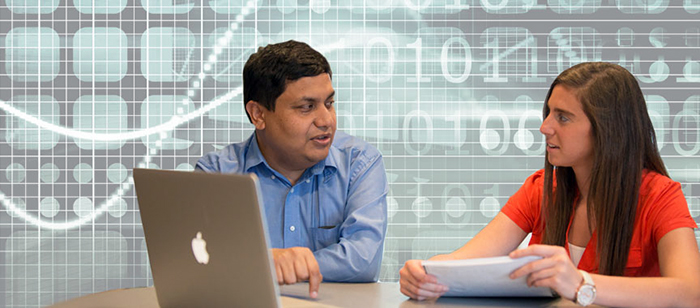
CSEE Professor Anupam Joshi has been named an IEEE Fellow, recognized for his for contributions to security, privacy and data management in mobile and pervasive systems. This designation is conferred by the IEEE Board of Directors on individuals with an outstanding record of accomplishments in any of the IEEE fields of interest and is recognized by the technical community as a prestigious honor and an important career achievement. No more than 0.1% of the total IEEE voting membership can be selected in a year.
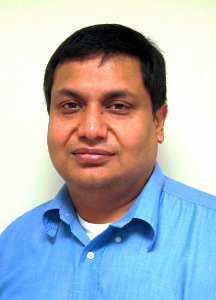
Dr. Joshi joined UMBC’s faculty in 1998 and currently is the Oros Family Professor of Technology and Director of the UMBC Center for Cybersecurity. He previously held faculty appointments at the University of Missouri, Columbia and Purdue University. He received a Ph.D. in Computer Science from Purdue University and a B. Tech in Electrical Engineering from the Indian Institute of Technology, Delhi. While at UMBC he has taught both undergraduate and graduate courses in operating systems, mobile computing and security. He developed and teaches an Honors College seminar on “Privacy and Security in a Mobile Social World”. He has mentored nine Ph.D. graduates and a large number of M.S. students.
Joshi has made many contributions to the design, analysis and development of intelligent systems for mobile, social and secure computing. Twenty years ago he was one of a handful of researchers who recognized that mobility introduced new challenges for data management, security and privacy over and above those brought about by wireless connectivity. His key insight was to model mobile and pervasive systems as distributed systems that are both open, in that they do not pre-identify a set of known participants, and dynamic, in that the participants change regularly.
He observe that applications on mobile devices require greater degrees of decision making and autonomy as they become increasingly sophisticated and intelligent and can’t always assume connectivity to central servers. Entities in these pervasive computing systems must exchange information about the data and services offered and sought and their associated security and privacy policies, negotiate for information and resource sharing, be aware of their context, and monitor for and report on suspicious or anomalous behavior. Dr. Joshi has addressed these challenges across the stack, from network protocols to data management to policy controlled interactions between autonomous entities.
Much of his research has been done in collaboration with colleagues in industry such as IBM, Microsoft, Northrop Grumman and Qualcomm. It has been funded by not just them, but also NSF, DARPA, AFOSR, ARL, NIST and other federal agencies. Joshi has published prolifically with more than 200 publications in refereed journals and conferences, many of which are highly cited. He has served as the General or Program Chair of many key conferences including the IEEE International Conference on Intelligence and Security Informatics which will be held in Baltimore in May 2015.
The IEEE is the world’s leading professional association for advancing technology for humanity. Through its 400,000 members in 160 countries, it is a leading authority on a wide variety of areas ranging from aerospace systems, computers and telecommunications to biomedical engineering, electric power and consumer electronics. Dedicated to the advancement of technology, the IEEE publishes 30 percent of the world’s literature in the electrical and electronics engineering and computer science fields, and has developed more than 900 active industry standards.
]]>
CSEE Professor Anupam Joshi has been named an IEEE Fellow, recognized for his for contributions to security, privacy and data management in mobile and pervasive systems. This designation is...
http://www.csee.umbc.edu/2014/12/anupam-joshi-named-an-ieee-fellow/
https://my3.my.umbc.edu/api/v0/pixel/news/48702/guest@my.umbc.edu/25401eae81588bdf57f90e140539e1c9/api/pixel
cybersecurity
faculty-and-staff
news
Computer Science and Electrical Engineering
https://my3.my.umbc.edu/groups/csee
https://assets3-my.umbc.edu/system/shared/avatars/groups/000/000/099/d117dca133c64bf78a4b7696dd007189/xsmall.png?1314043393
https://assets1-my.umbc.edu/system/shared/avatars/groups/000/000/099/d117dca133c64bf78a4b7696dd007189/original.png?1314043393
https://assets1-my.umbc.edu/system/shared/avatars/groups/000/000/099/d117dca133c64bf78a4b7696dd007189/xxlarge.png?1314043393
https://assets4-my.umbc.edu/system/shared/avatars/groups/000/000/099/d117dca133c64bf78a4b7696dd007189/xlarge.png?1314043393
https://assets3-my.umbc.edu/system/shared/avatars/groups/000/000/099/d117dca133c64bf78a4b7696dd007189/large.png?1314043393
https://assets1-my.umbc.edu/system/shared/avatars/groups/000/000/099/d117dca133c64bf78a4b7696dd007189/medium.png?1314043393
https://assets2-my.umbc.edu/system/shared/avatars/groups/000/000/099/d117dca133c64bf78a4b7696dd007189/small.png?1314043393
https://assets3-my.umbc.edu/system/shared/avatars/groups/000/000/099/d117dca133c64bf78a4b7696dd007189/xsmall.png?1314043393
https://assets3-my.umbc.edu/system/shared/avatars/groups/000/000/099/d117dca133c64bf78a4b7696dd007189/xxsmall.png?1314043393
Computer Science and Electrical Engineering
0
0
true
Sat, 13 Dec 2014 00:40:25 -0500
MS defense: Epileptic Seizure Detection using Symbolic Aggregate Approximation and Bag of Patterns

MS Thesis Defense
SAX-BOP: Epileptic Seizure Detection using
Symbolic Aggregate Approximation and Bag of Patterns
Sidharth Allani
1:00pm Friday, 12 December 2014, ITE 325b
Epilepsy is a chronic neurological disorder that makes patients susceptible to experiencing recurrent seizures. A seizure occurs when abnormal activity in the brain leads to involuntary body moment, lack of awareness or behavior, short-term loss of memory or attention, short-term unconsciousness, or body convulsions. Epilepsy affects three million people in the United States and accounts for $15.5 billion in direct and indirect costs.
Epilepsy has many different causes, and often no definite cause can be found. Patients who suffer from intractable seizures experience unpredictable and frequent seizures that cannot be controlled using anti-seizure drugs. Such seizures leave the patient traumatized and, due to their uncertainty, the patient’s mobility and independence are restricted, resulting in social isolation and economic hardship.
The research in this thesis aims to detect epileptic seizures and to analyze the performance of Symbolic Aggregate approXimation and the Bag of Patterns representation for seizure event detection. We use Electroencephalogram (EEG) recordings as the data source for seizure detection, which is the recording of electrical activity along the scalp that measures ionic current flows within the neurons of the brain. These signals are a good source of information about abnormal activity in the brain and are helpful in the process of epileptic seizure detection. This problem becomes challenging because of the enormous size of the EEG data, making it difficult to effectively and efficiently analyze these signals and detect a seizure. We use Symbolic Aggregate approXimation (SAX) and the Bag of Patterns Representation (BOP) and analyze their performance with EEG time series data to detect seizures.
Committee: Drs. Tim Oates (chair), Tim Finin and Tinoosh Mohsenin
]]>
MS Thesis Defense SAX-BOP: Epileptic Seizure Detection using Symbolic Aggregate Approximation and Bag of Patterns Sidharth Allani 1:00pm Friday, 12 December 2014, ITE 325b Epilepsy is a...
http://www.csee.umbc.edu/2014/12/ms-defense-epileptic-seizure-detection-using-symbolic-aggregate-approximation-and-bag-of-patterns/
https://my3.my.umbc.edu/api/v0/pixel/news/48647/guest@my.umbc.edu/e3575a4d9ee7bc9a24f6ba4c61b59675/api/pixel
defense
graduate
news
research
students
talks
Computer Science and Electrical Engineering
https://my3.my.umbc.edu/groups/csee
https://assets3-my.umbc.edu/system/shared/avatars/groups/000/000/099/d117dca133c64bf78a4b7696dd007189/xsmall.png?1314043393
https://assets1-my.umbc.edu/system/shared/avatars/groups/000/000/099/d117dca133c64bf78a4b7696dd007189/original.png?1314043393
https://assets1-my.umbc.edu/system/shared/avatars/groups/000/000/099/d117dca133c64bf78a4b7696dd007189/xxlarge.png?1314043393
https://assets4-my.umbc.edu/system/shared/avatars/groups/000/000/099/d117dca133c64bf78a4b7696dd007189/xlarge.png?1314043393
https://assets3-my.umbc.edu/system/shared/avatars/groups/000/000/099/d117dca133c64bf78a4b7696dd007189/large.png?1314043393
https://assets1-my.umbc.edu/system/shared/avatars/groups/000/000/099/d117dca133c64bf78a4b7696dd007189/medium.png?1314043393
https://assets2-my.umbc.edu/system/shared/avatars/groups/000/000/099/d117dca133c64bf78a4b7696dd007189/small.png?1314043393
https://assets3-my.umbc.edu/system/shared/avatars/groups/000/000/099/d117dca133c64bf78a4b7696dd007189/xsmall.png?1314043393
https://assets3-my.umbc.edu/system/shared/avatars/groups/000/000/099/d117dca133c64bf78a4b7696dd007189/xxsmall.png?1314043393
Computer Science and Electrical Engineering
7
0
true
Fri, 12 Dec 2014 08:38:01 -0500
Dr. Rick Forno discusses infrastructure security with SIGNAL magazine
In the December 2014 issue of AFCEA’s SIGNAL Magazine, CSEE’s Dr. Rick Forno comments on the likelihood of a destructive cyberattack on critical American infrastructure. He was one of several experts discussing US Cyber Command’s worry about such potential incidents and how it might respond.
He believes a major cyber attack against critical infrastructure is more likely from a rogue terrorist or criminal group than a nation-state. However, he says that although the possibility for a nation-state to launch attacks remains a valid concern, the probability of such an event remains fairly low. Moreover, Forno points out that a destructive attack could hinder an adversary’s own operations. “You can’t collect intelligence on an enemy or communicate if the Internet is down,” he says. “That may play into a nation-state’s calculus about what type of attack they might employ in a given situation.”
]]>
In the December 2014 issue of AFCEA’s SIGNAL Magazine, CSEE’s Dr. Rick Forno comments on the likelihood of a destructive cyberattack on critical American infrastructure. He was one of several...
http://www.csee.umbc.edu/2014/12/dr-rick-forno-discusses-infrastructure-security-with-signal-magazine/
https://my3.my.umbc.edu/api/v0/pixel/news/48634/guest@my.umbc.edu/eca877a0283982ce99a8d37ffca4f083/api/pixel
computer-science
csee
cybersecurity
in-the-news
news
Computer Science and Electrical Engineering
https://my3.my.umbc.edu/groups/csee
https://assets3-my.umbc.edu/system/shared/avatars/groups/000/000/099/d117dca133c64bf78a4b7696dd007189/xsmall.png?1314043393
https://assets1-my.umbc.edu/system/shared/avatars/groups/000/000/099/d117dca133c64bf78a4b7696dd007189/original.png?1314043393
https://assets1-my.umbc.edu/system/shared/avatars/groups/000/000/099/d117dca133c64bf78a4b7696dd007189/xxlarge.png?1314043393
https://assets4-my.umbc.edu/system/shared/avatars/groups/000/000/099/d117dca133c64bf78a4b7696dd007189/xlarge.png?1314043393
https://assets3-my.umbc.edu/system/shared/avatars/groups/000/000/099/d117dca133c64bf78a4b7696dd007189/large.png?1314043393
https://assets1-my.umbc.edu/system/shared/avatars/groups/000/000/099/d117dca133c64bf78a4b7696dd007189/medium.png?1314043393
https://assets2-my.umbc.edu/system/shared/avatars/groups/000/000/099/d117dca133c64bf78a4b7696dd007189/small.png?1314043393
https://assets3-my.umbc.edu/system/shared/avatars/groups/000/000/099/d117dca133c64bf78a4b7696dd007189/xsmall.png?1314043393
https://assets3-my.umbc.edu/system/shared/avatars/groups/000/000/099/d117dca133c64bf78a4b7696dd007189/xxsmall.png?1314043393
Computer Science and Electrical Engineering
0
0
true
Thu, 11 Dec 2014 15:22:01 -0500
Thu, 11 Dec 2014 15:22:01 -0500
PhD Proposal: Learning Representation and Modeling Time Series
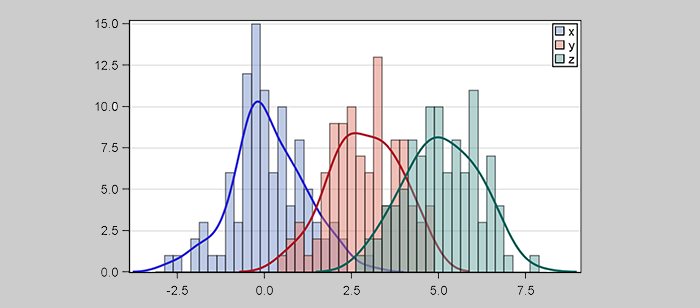
Ph.D. Dissertation Proposal
Learning Representation and Modeling Time Series
Zhiguang Wang
10:00-12:00 Friday, 12 December 2015, ITE 325B
Most real-world data has a temporal component, whether it is measurements of natural (weather, sound) or man-made (stock market, robotics) phenomena. Analysis of time-series data has been the subject of active research for decades and is still considered to be a challenge in machine learning and data mining due to the properties of temporal data.
Traditional approaches for modeling and representing time-series data fall into three categories. Non-data adaptive models, such as Discrete Fourier Transformation (DFT), Discrete Wavelet Transformation (DWT), and Discrete Cosine Transformation (DCT), compute the transformation with an algorithm that is invariant with respect to the data. Data adaptive approaches such as Symbolic Aggregation approXimation (SAX), Piecewise Linear Aggregation (PLA), and shapelets compute transforms that are highly dependent on the data. In model-based approaches such as AutoRegressive Moving Average models (ARMA), Linear Dynamical Systems (LDS), and Hidden Markov Models (HMMs), the underlying data is assumed to fit a specific type of model. The estimated parameters can then be used as features in, for example, a classifier.
However, more complex, high-dimensional, and noisy real-world time-series data are often difficult to model because the dynamics are either too complex or unknown. Traditional shallow methods, which contain a small number of non-linear operations, might not have the capacity to accurately model such complex systems.
We develop and verify three different approaches to represent and model time-series. Time-Warping SAX and Pooling SAX are two extensions of the vanilla SAX approach that is used as a symbolic representation of time series. Time-Warping SAX extracts linear temporal dependencies by building a time-delay embedding vector to construct more informative SAX words. Pooling SAX applies a non-parametric weighting scheme to extract significant variables. These are data adaptive models that achieve state-of-the-art accuacy on time-series classification problems.
We also propose the Gramian Angular Field (GAF) and Markov Transition Field (MTF) as two novel approaches to encode a time-series as an image. These representations not only demonstrate potential for visual inspection by humans, but when they are combined with deep learning approaches (Convolutional Network and Denoised Auto-encoders) they achieve excellent performance compared to other modern algorithms on classification and regression/imputation problems. GAF and MTF are non-data adaptive approaches that allow us to learn models and extract the abstract representations supported by model-based approaches.
Finally, we propose to model time-series by learning the representation directly from the raw data with model-based approaches. We will develop recurrent auto-encoders, in which the global optimum is ensured by a new Adaptive Risk-Averting/Seeking Criterion, to model the real/complex time series (dynamical systems) by learning the implicit data generating distribution over time. This model will be applied to tasks such as classification, regression/imputation, and anomaly detection.
Committee: Drs. Timothy Oates (Chair), James Lo (Math), Yun Peng and Matt Schmill
]]>
Ph.D. Dissertation Proposal Learning Representation and Modeling Time Series Zhiguang Wang 10:00-12:00 Friday, 12 December 2015, ITE 325B Most real-world data has a temporal component,...
http://www.csee.umbc.edu/2014/12/phd-proposal-learning-representation-and-modeling-time-series/
https://my3.my.umbc.edu/api/v0/pixel/news/48614/guest@my.umbc.edu/13427f5e0ab2c6dddc442e4d139346ff/api/pixel
computer-science
graduate
news
research
students
Computer Science and Electrical Engineering
https://my3.my.umbc.edu/groups/csee
https://assets3-my.umbc.edu/system/shared/avatars/groups/000/000/099/d117dca133c64bf78a4b7696dd007189/xsmall.png?1314043393
https://assets1-my.umbc.edu/system/shared/avatars/groups/000/000/099/d117dca133c64bf78a4b7696dd007189/original.png?1314043393
https://assets1-my.umbc.edu/system/shared/avatars/groups/000/000/099/d117dca133c64bf78a4b7696dd007189/xxlarge.png?1314043393
https://assets4-my.umbc.edu/system/shared/avatars/groups/000/000/099/d117dca133c64bf78a4b7696dd007189/xlarge.png?1314043393
https://assets3-my.umbc.edu/system/shared/avatars/groups/000/000/099/d117dca133c64bf78a4b7696dd007189/large.png?1314043393
https://assets1-my.umbc.edu/system/shared/avatars/groups/000/000/099/d117dca133c64bf78a4b7696dd007189/medium.png?1314043393
https://assets2-my.umbc.edu/system/shared/avatars/groups/000/000/099/d117dca133c64bf78a4b7696dd007189/small.png?1314043393
https://assets3-my.umbc.edu/system/shared/avatars/groups/000/000/099/d117dca133c64bf78a4b7696dd007189/xsmall.png?1314043393
https://assets3-my.umbc.edu/system/shared/avatars/groups/000/000/099/d117dca133c64bf78a4b7696dd007189/xxsmall.png?1314043393
Computer Science and Electrical Engineering
1
0
true
Wed, 10 Dec 2014 23:00:19 -0500
