Phd Defense: Amplified Quantum Transforms
PhD Dissertation Defense
Amplified Quantum Transforms
David J. Cornwell
10:00am-12:00pm, 26 March 2014, ITE346
In this work we investigate a new quantum algorithm called the Amplified Quantum Fourier Transform (Amplified-QFT) to solve the Local Period Problem where there is an Oracle with a periodic subset and we wish to recover its period. This algorithm uses parts of the famous Grover’s quantum search algorithm to amplify the amplitudes on the subset, followed by the equally famous Shor’s quantum algorithm for recovering the period. We compare the Amplified-QFT algorithm against the Quantum Fourier Transform (QFT) and Quantum Hidden Subgroup (QHS) algorithms and calculate the probabilities of success for all three algorithms. We show that the Amplified-QFT algorithm is on average, quadratically faster than either the QFT or QHS algorithms. We also investigate two more general settings: a) where the QFT is replaced by a general unitary operator U in the Amplified-QFT algorithm and b) where Grover’s algorithm is replaced by a general amplification procedure in the Amplified-QFT algorithm.
We also investigate this algorithm when a random Error Stream affects the Oracle, which involves calculating expectations and variances over a random set. We calculate the probabilities of success in this case. Further, we find an Uncertainty Principle for the Amplified-QFT algorithm. We also identify a decision problem, the Constant or Balanced Signal Decision Problem, which can be solved by using the one dimensional Amplified Haar Wavelet Transform. This decision problem is a generalization of the Deutsch-Josza problem.
Committee: Drs. S. Lomonaco (CSEE), Chair and advisor; T. Armstrong (Math), Co-advisor and Reader; Dr. Y. Shih (Physics), Reader; Dr. F. Potra (Math) and Dr. M. Gowda (Math)
]]>
PhD Dissertation Defense Amplified Quantum Transforms David J. Cornwell 10:00am-12:00pm, 26 March 2014, ITE346 In this work we investigate a new quantum algorithm called the Amplified...
http://www.csee.umbc.edu/2014/03/phd-defense-amplified-quantum-transforms/
https://my3.my.umbc.edu/api/v0/pixel/news/42551/guest@my.umbc.edu/13469f7cc73e0abaf19fba29cafc09f4/api/pixel
defense
graduate
news
talks
Computer Science and Electrical Engineering
https://my3.my.umbc.edu/groups/csee
https://assets3-my.umbc.edu/system/shared/avatars/groups/000/000/099/d117dca133c64bf78a4b7696dd007189/xsmall.png?1314043393
https://assets1-my.umbc.edu/system/shared/avatars/groups/000/000/099/d117dca133c64bf78a4b7696dd007189/original.png?1314043393
https://assets1-my.umbc.edu/system/shared/avatars/groups/000/000/099/d117dca133c64bf78a4b7696dd007189/xxlarge.png?1314043393
https://assets4-my.umbc.edu/system/shared/avatars/groups/000/000/099/d117dca133c64bf78a4b7696dd007189/xlarge.png?1314043393
https://assets3-my.umbc.edu/system/shared/avatars/groups/000/000/099/d117dca133c64bf78a4b7696dd007189/large.png?1314043393
https://assets1-my.umbc.edu/system/shared/avatars/groups/000/000/099/d117dca133c64bf78a4b7696dd007189/medium.png?1314043393
https://assets2-my.umbc.edu/system/shared/avatars/groups/000/000/099/d117dca133c64bf78a4b7696dd007189/small.png?1314043393
https://assets3-my.umbc.edu/system/shared/avatars/groups/000/000/099/d117dca133c64bf78a4b7696dd007189/xsmall.png?1314043393
https://assets3-my.umbc.edu/system/shared/avatars/groups/000/000/099/d117dca133c64bf78a4b7696dd007189/xxsmall.png?1314043393
Computer Science and Electrical Engineering
0
0
true
Tue, 18 Mar 2014 21:43:29 -0400
Phd Defense: Amplified Quantum Transforms
PhD Dissertation Defense
Amplified Quantum Transforms
David J. Cornwell
10:00am-12:00pm, 26 March 2014, ITE346
In this work we investigate a new quantum algorithm called the Amplified Quantum Fourier Transform (Amplified-QFT) to solve the Local Period Problem where there is an Oracle with a periodic subset and we wish to recover its period. This algorithm uses parts of the famous Grover’s quantum search algorithm to amplify the amplitudes on the subset, followed by the equally famous Shor’s quantum algorithm for recovering the period. We compare the Amplified-QFT algorithm against the Quantum Fourier Transform (QFT) and Quantum Hidden Subgroup (QHS) algorithms and calculate the probabilities of success for all three algorithms. We show that the Amplified-QFT algorithm is on average, quadratically faster than either the QFT or QHS algorithms. We also investigate two more general settings: a) where the QFT is replaced by a general unitary operator U in the Amplified-QFT algorithm and b) where Grover’s algorithm is replaced by a general amplification procedure in the Amplified-QFT algorithm.
We also investigate this algorithm when a random Error Stream affects the Oracle, which involves calculating expectations and variances over a random set. We calculate the probabilities of success in this case. Further, we find an Uncertainty Principle for the Amplified-QFT algorithm. We also identify a decision problem, the Constant or Balanced Signal Decision Problem, which can be solved by using the one dimensional Amplified Haar Wavelet Transform. This decision problem is a generalization of the Deutsch-Josza problem.
Committee: Drs. S. Lomonaco (CSEE), Chair and advisor; T. Armstrong (Math), Co-advisor and Reader; Dr. Y. Shih (Physics), Reader; Dr. F. Potra (Math) and Dr. M. Gowda (Math)
]]>
PhD Dissertation Defense Amplified Quantum Transforms David J. Cornwell 10:00am-12:00pm, 26 March 2014, ITE346 In this work we investigate a new quantum algorithm called the Amplified...
http://www.csee.umbc.edu/2014/03/phd-defense-amplified-quantum-transforms/?utm_source=rss&utm_medium=rss&utm_campaign=phd-defense-amplified-quantum-transforms
https://my3.my.umbc.edu/api/v0/pixel/news/42610/guest@my.umbc.edu/bc23d98716a9fc101b0fe63b32fceb05/api/pixel
defense
graduate
news
talks
Computer Science and Electrical Engineering
https://my3.my.umbc.edu/groups/csee
https://assets3-my.umbc.edu/system/shared/avatars/groups/000/000/099/d117dca133c64bf78a4b7696dd007189/xsmall.png?1314043393
https://assets1-my.umbc.edu/system/shared/avatars/groups/000/000/099/d117dca133c64bf78a4b7696dd007189/original.png?1314043393
https://assets1-my.umbc.edu/system/shared/avatars/groups/000/000/099/d117dca133c64bf78a4b7696dd007189/xxlarge.png?1314043393
https://assets4-my.umbc.edu/system/shared/avatars/groups/000/000/099/d117dca133c64bf78a4b7696dd007189/xlarge.png?1314043393
https://assets3-my.umbc.edu/system/shared/avatars/groups/000/000/099/d117dca133c64bf78a4b7696dd007189/large.png?1314043393
https://assets1-my.umbc.edu/system/shared/avatars/groups/000/000/099/d117dca133c64bf78a4b7696dd007189/medium.png?1314043393
https://assets2-my.umbc.edu/system/shared/avatars/groups/000/000/099/d117dca133c64bf78a4b7696dd007189/small.png?1314043393
https://assets3-my.umbc.edu/system/shared/avatars/groups/000/000/099/d117dca133c64bf78a4b7696dd007189/xsmall.png?1314043393
https://assets3-my.umbc.edu/system/shared/avatars/groups/000/000/099/d117dca133c64bf78a4b7696dd007189/xxsmall.png?1314043393
Computer Science and Electrical Engineering
0
0
true
Tue, 18 Mar 2014 21:43:29 -0400
Google Code Jam registration open, qualification round Fri. 4/11
Google Code Jam 2014 Registration is open and the qualification round starts on Friday, April 11, 2014. Google Code Jam is an international programming competition hosted and administered by Google. The competition began in 2003 as a means to identify top engineering talent for potential employment at Google.
The competition consists of a set of algorithmic problems which must be solved in a fixed amount of time. Competitors may use any programming language and development environment to obtain their solutions. More than 45,000 coders registered to compete last year and the winner, Ivan Miatselski won the $15,000 grand prize.
If you are interested in finding out more, see the Google Code Jam quick start guide and try some of the practice problems from past competitions. The first qualification round starts on April 11 and the finals will take place in Los Angeles on August 15.
]]>
Google Code Jam 2014 Registration is open and the qualification round starts on Friday, April 11, 2014. Google Code Jam is an international programming competition hosted and administered by...
http://www.csee.umbc.edu/2014/03/google-code-jam-registration-open-qualification-round-on-friday-411/
https://my3.my.umbc.edu/api/v0/pixel/news/42357/guest@my.umbc.edu/bb65927eba8fbd3947fea3200374e7be/api/pixel
events
graduate
news
students
undergraduate
Computer Science and Electrical Engineering
https://my3.my.umbc.edu/groups/csee
https://assets3-my.umbc.edu/system/shared/avatars/groups/000/000/099/d117dca133c64bf78a4b7696dd007189/xsmall.png?1314043393
https://assets1-my.umbc.edu/system/shared/avatars/groups/000/000/099/d117dca133c64bf78a4b7696dd007189/original.png?1314043393
https://assets1-my.umbc.edu/system/shared/avatars/groups/000/000/099/d117dca133c64bf78a4b7696dd007189/xxlarge.png?1314043393
https://assets4-my.umbc.edu/system/shared/avatars/groups/000/000/099/d117dca133c64bf78a4b7696dd007189/xlarge.png?1314043393
https://assets3-my.umbc.edu/system/shared/avatars/groups/000/000/099/d117dca133c64bf78a4b7696dd007189/large.png?1314043393
https://assets1-my.umbc.edu/system/shared/avatars/groups/000/000/099/d117dca133c64bf78a4b7696dd007189/medium.png?1314043393
https://assets2-my.umbc.edu/system/shared/avatars/groups/000/000/099/d117dca133c64bf78a4b7696dd007189/small.png?1314043393
https://assets3-my.umbc.edu/system/shared/avatars/groups/000/000/099/d117dca133c64bf78a4b7696dd007189/xsmall.png?1314043393
https://assets3-my.umbc.edu/system/shared/avatars/groups/000/000/099/d117dca133c64bf78a4b7696dd007189/xxsmall.png?1314043393
Computer Science and Electrical Engineering
0
0
true
Tue, 11 Mar 2014 22:45:34 -0400
Tue, 11 Mar 2014 22:45:34 -0400
Google Code Jam registration open, qualification round Fri. 4/11
Google Code Jam 2014 Registration is open and the qualification round starts on Friday, April 11, 2014. Google Code Jam is an international programming competition hosted and administered by Google. The competition began in 2003 as a means to identify top engineering talent for potential employment at Google.
The competition consists of a set of algorithmic problems which must be solved in a fixed amount of time. Competitors may use any programming language and development environment to obtain their solutions. More than 45,000 coders registered to compete last year and the winner, Ivan Miatselski won the $15,000 grand prize.
If you are interested in finding out more, see the Google Code Jam quick start guide and try some of the practice problems from past competitions. The first qualification round starts on April 11 and the finals will take place in Los Angeles on August 15.
]]>
Google Code Jam 2014 Registration is open and the qualification round starts on Friday, April 11, 2014. Google Code Jam is an international programming competition hosted and administered by...
http://www.csee.umbc.edu/2014/03/google-code-jam-registration-open-qualification-round-on-friday-411/?utm_source=rss&utm_medium=rss&utm_campaign=google-code-jam-registration-open-qualification-round-on-friday-411
https://my3.my.umbc.edu/api/v0/pixel/news/42611/guest@my.umbc.edu/215d99c31d6784f53eb2860b18ccbe51/api/pixel
events
graduate
news
students
undergraduate
Computer Science and Electrical Engineering
https://my3.my.umbc.edu/groups/csee
https://assets3-my.umbc.edu/system/shared/avatars/groups/000/000/099/d117dca133c64bf78a4b7696dd007189/xsmall.png?1314043393
https://assets1-my.umbc.edu/system/shared/avatars/groups/000/000/099/d117dca133c64bf78a4b7696dd007189/original.png?1314043393
https://assets1-my.umbc.edu/system/shared/avatars/groups/000/000/099/d117dca133c64bf78a4b7696dd007189/xxlarge.png?1314043393
https://assets4-my.umbc.edu/system/shared/avatars/groups/000/000/099/d117dca133c64bf78a4b7696dd007189/xlarge.png?1314043393
https://assets3-my.umbc.edu/system/shared/avatars/groups/000/000/099/d117dca133c64bf78a4b7696dd007189/large.png?1314043393
https://assets1-my.umbc.edu/system/shared/avatars/groups/000/000/099/d117dca133c64bf78a4b7696dd007189/medium.png?1314043393
https://assets2-my.umbc.edu/system/shared/avatars/groups/000/000/099/d117dca133c64bf78a4b7696dd007189/small.png?1314043393
https://assets3-my.umbc.edu/system/shared/avatars/groups/000/000/099/d117dca133c64bf78a4b7696dd007189/xsmall.png?1314043393
https://assets3-my.umbc.edu/system/shared/avatars/groups/000/000/099/d117dca133c64bf78a4b7696dd007189/xxsmall.png?1314043393
Computer Science and Electrical Engineering
0
0
true
Tue, 11 Mar 2014 22:45:34 -0400
talk: Scalable monitoring & kernel learning for energy grids, Noon Thr 3/13

Scalable monitoring and kernel learning for energy grids
Vassilis Kekatos
Department of Electrical and Computer Engineering
University of Minnesota
12:00pm-1:00pm, Thursday, 13 March 2014, ITE 325b, UMBC
The smart grid vision urges for enhanced situational awareness, sustainability, and economics over our energy systems. While meters are being installed throughout the grid, algorithms that can effectively process this big data deluge are now demanded. Aligned to that end, this talk focuses first on scalable grid monitoring. Albeit control centers monitor their local grids independently, deregulation and renewables call for power system state estimation (PSSE) at the interconnection level. To address the complexity and communication challenges involved, a decentralized PSSE framework based on the alternating direction method of multipliers has been developed. Beyond conventional least-squares, our framework can identify outliers and circuit breaker statuses as verified on IEEE grids having thousands of nodes. Electricity market inference is the second theme of this talk. We will first demonstrate how grid topologies can be revealed using only publicly available real-time energy prices. This becomes feasible after recognizing that the price matrix can be factorized as the product of the grid Laplacian times a low-rank and sparse matrix. Leveraging the link between energy markets and the underlying physical grids, we will then cast day-ahead price forecasting as a kernel learning task. Through a novel nuclear norm-based regularization, kernels across pricing nodes and hours are systematically selected. Numerical tests using real data from the Midwest ISO market corroborate the interpretative merits of our schemes.
Dr. Vassilis Kekatos is currently a postdoctoral associate with the ECE Dept. of the University of Minnesota, Minneapolis. He obtained his Ph.D. in Computer Engineering and Science from the University of Patras, Greece, in 2007. In 2009, he received a Marie Curie fellowship. During the summer of 2012, he worked as a consultant for Windlogics Inc. His current interests lie in the areas of signal processing, optimization, and statistical learning towards modernizing our energy systems.
Host: Tulay Adali
]]>
Scalable monitoring and kernel learning for energy grids Vassilis Kekatos Department of Electrical and Computer Engineering University of Minnesota 12:00pm-1:00pm, Thursday, 13 March 2014,...
http://www.csee.umbc.edu/2014/03/talk-scalable-monitoring-kernel-learning-for-energy-grids-noon-thr-313/
https://my3.my.umbc.edu/api/v0/pixel/news/42285/guest@my.umbc.edu/7d1c0e7c4861a97d4cf250f06e5a7450/api/pixel
computer-engineering
news
research
talks
Computer Science and Electrical Engineering
https://my3.my.umbc.edu/groups/csee
https://assets3-my.umbc.edu/system/shared/avatars/groups/000/000/099/d117dca133c64bf78a4b7696dd007189/xsmall.png?1314043393
https://assets1-my.umbc.edu/system/shared/avatars/groups/000/000/099/d117dca133c64bf78a4b7696dd007189/original.png?1314043393
https://assets1-my.umbc.edu/system/shared/avatars/groups/000/000/099/d117dca133c64bf78a4b7696dd007189/xxlarge.png?1314043393
https://assets4-my.umbc.edu/system/shared/avatars/groups/000/000/099/d117dca133c64bf78a4b7696dd007189/xlarge.png?1314043393
https://assets3-my.umbc.edu/system/shared/avatars/groups/000/000/099/d117dca133c64bf78a4b7696dd007189/large.png?1314043393
https://assets1-my.umbc.edu/system/shared/avatars/groups/000/000/099/d117dca133c64bf78a4b7696dd007189/medium.png?1314043393
https://assets2-my.umbc.edu/system/shared/avatars/groups/000/000/099/d117dca133c64bf78a4b7696dd007189/small.png?1314043393
https://assets3-my.umbc.edu/system/shared/avatars/groups/000/000/099/d117dca133c64bf78a4b7696dd007189/xsmall.png?1314043393
https://assets3-my.umbc.edu/system/shared/avatars/groups/000/000/099/d117dca133c64bf78a4b7696dd007189/xxsmall.png?1314043393
Computer Science and Electrical Engineering
0
0
true
Mon, 10 Mar 2014 23:23:31 -0400
talk: Scalable monitoring & kernel learning for energy grids, Noon Thr 3/13
Scalable monitoring and kernel learning for energy grids
Vassilis Kekatos
Department of Electrical and Computer Engineering
University of Minnesota
12:00pm-1:00pm, Thursday, 13 March 2014, ITE 325b, UMBC
The smart grid vision urges for enhanced situational awareness, sustainability, and economics over our energy systems. While meters are being installed throughout the grid, algorithms that can effectively process this big data deluge are now demanded. Aligned to that end, this talk focuses first on scalable grid monitoring. Albeit control centers monitor their local grids independently, deregulation and renewables call for power system state estimation (PSSE) at the interconnection level. To address the complexity and communication challenges involved, a decentralized PSSE framework based on the alternating direction method of multipliers has been developed. Beyond conventional least-squares, our framework can identify outliers and circuit breaker statuses as verified on IEEE grids having thousands of nodes. Electricity market inference is the second theme of this talk. We will first demonstrate how grid topologies can be revealed using only publicly available real-time energy prices. This becomes feasible after recognizing that the price matrix can be factorized as the product of the grid Laplacian times a low-rank and sparse matrix. Leveraging the link between energy markets and the underlying physical grids, we will then cast day-ahead price forecasting as a kernel learning task. Through a novel nuclear norm-based regularization, kernels across pricing nodes and hours are systematically selected. Numerical tests using real data from the Midwest ISO market corroborate the interpretative merits of our schemes.
Dr. Vassilis Kekatos is currently a postdoctoral associate with the ECE Dept. of the University of Minnesota, Minneapolis. He obtained his Ph.D. in Computer Engineering and Science from the University of Patras, Greece, in 2007. In 2009, he received a Marie Curie fellowship. During the summer of 2012, he worked as a consultant for Windlogics Inc. His current interests lie in the areas of signal processing, optimization, and statistical learning towards modernizing our energy systems.
Host: Tulay Adali
]]>
Scalable monitoring and kernel learning for energy grids Vassilis Kekatos Department of Electrical and Computer Engineering University of Minnesota 12:00pm-1:00pm, Thursday, 13 March 2014,...
http://www.csee.umbc.edu/2014/03/talk-scalable-monitoring-kernel-learning-for-energy-grids-noon-thr-313/?utm_source=rss&utm_medium=rss&utm_campaign=talk-scalable-monitoring-kernel-learning-for-energy-grids-noon-thr-313
https://my3.my.umbc.edu/api/v0/pixel/news/42612/guest@my.umbc.edu/e6f20cc39553c9528f5046a7bc6db533/api/pixel
computer-engineering
news
research
talks
Computer Science and Electrical Engineering
https://my3.my.umbc.edu/groups/csee
https://assets3-my.umbc.edu/system/shared/avatars/groups/000/000/099/d117dca133c64bf78a4b7696dd007189/xsmall.png?1314043393
https://assets1-my.umbc.edu/system/shared/avatars/groups/000/000/099/d117dca133c64bf78a4b7696dd007189/original.png?1314043393
https://assets1-my.umbc.edu/system/shared/avatars/groups/000/000/099/d117dca133c64bf78a4b7696dd007189/xxlarge.png?1314043393
https://assets4-my.umbc.edu/system/shared/avatars/groups/000/000/099/d117dca133c64bf78a4b7696dd007189/xlarge.png?1314043393
https://assets3-my.umbc.edu/system/shared/avatars/groups/000/000/099/d117dca133c64bf78a4b7696dd007189/large.png?1314043393
https://assets1-my.umbc.edu/system/shared/avatars/groups/000/000/099/d117dca133c64bf78a4b7696dd007189/medium.png?1314043393
https://assets2-my.umbc.edu/system/shared/avatars/groups/000/000/099/d117dca133c64bf78a4b7696dd007189/small.png?1314043393
https://assets3-my.umbc.edu/system/shared/avatars/groups/000/000/099/d117dca133c64bf78a4b7696dd007189/xsmall.png?1314043393
https://assets3-my.umbc.edu/system/shared/avatars/groups/000/000/099/d117dca133c64bf78a4b7696dd007189/xxsmall.png?1314043393
Computer Science and Electrical Engineering
0
0
true
Mon, 10 Mar 2014 23:23:31 -0400
Prof. desJardins interviewed in VOA story on Int. Women’s Day
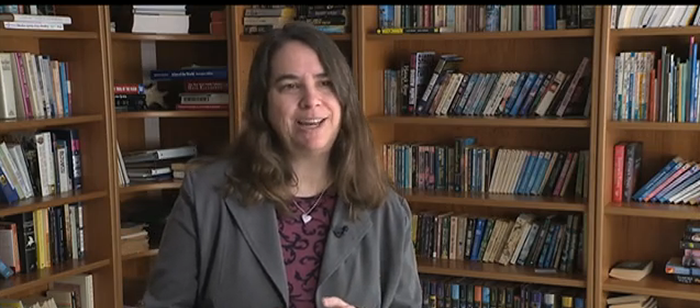
CSEE professor Marie desJardins was interviewed for a story, Education Key Theme for International Women’s Day, by the Voice of America on International Women’s Day (March 8).
“If you look at the statistics, well over half of all STEM jobs in the next 10 to 15 years are in computing … yet when people talk about STEM, they tend to think about biology, physics,” said University of Maryland Baltimore County Professor Marie Desjardins who teaches computer science and engineering. “Those are great areas, but those are not where the big job growth is going to be.”
DesJardins also says exposing kids at an early age is key to getting them interested in STEM.
“Let your girls try things that are not typically girly,” she said. “Make sure your kids are getting that from an early age so they think of themselves as creators of technology and new ideas not just following the rules.”
DesJardins says she emphasizes that computer science is really about helping make the world a better place.
Here is the video that accompanied the VIA story.
See Dr. desJardins in the segment from 1:25-2:19
]]>
CSEE professor Marie desJardins was interviewed for a story, Education Key Theme for International Women’s Day, by the Voice of America on International Women’s Day (March 8). “If you look...
http://www.csee.umbc.edu/2014/03/prof-desjardins-interviewed-for-voa-story-on-int-womens-day/
https://my3.my.umbc.edu/api/v0/pixel/news/42280/guest@my.umbc.edu/c6ee4d2ef69a04bf0509a76f385c37cf/api/pixel
faculty-and-staff
news
Computer Science and Electrical Engineering
https://my3.my.umbc.edu/groups/csee
https://assets3-my.umbc.edu/system/shared/avatars/groups/000/000/099/d117dca133c64bf78a4b7696dd007189/xsmall.png?1314043393
https://assets1-my.umbc.edu/system/shared/avatars/groups/000/000/099/d117dca133c64bf78a4b7696dd007189/original.png?1314043393
https://assets1-my.umbc.edu/system/shared/avatars/groups/000/000/099/d117dca133c64bf78a4b7696dd007189/xxlarge.png?1314043393
https://assets4-my.umbc.edu/system/shared/avatars/groups/000/000/099/d117dca133c64bf78a4b7696dd007189/xlarge.png?1314043393
https://assets3-my.umbc.edu/system/shared/avatars/groups/000/000/099/d117dca133c64bf78a4b7696dd007189/large.png?1314043393
https://assets1-my.umbc.edu/system/shared/avatars/groups/000/000/099/d117dca133c64bf78a4b7696dd007189/medium.png?1314043393
https://assets2-my.umbc.edu/system/shared/avatars/groups/000/000/099/d117dca133c64bf78a4b7696dd007189/small.png?1314043393
https://assets3-my.umbc.edu/system/shared/avatars/groups/000/000/099/d117dca133c64bf78a4b7696dd007189/xsmall.png?1314043393
https://assets3-my.umbc.edu/system/shared/avatars/groups/000/000/099/d117dca133c64bf78a4b7696dd007189/xxsmall.png?1314043393
Computer Science and Electrical Engineering
2
0
true
Mon, 10 Mar 2014 22:15:47 -0400
Prof. desJardins interviewed in VOA story on Int. Women’s Day
CSEE professor Marie desJardins was interviewed for a story, Education Key Theme for International Women’s Day, by the Voice of America on International Women’s Day (March 8).
“If you look at the statistics, well over half of all STEM jobs in the next 10 to 15 years are in computing … yet when people talk about STEM, they tend to think about biology, physics,” said University of Maryland Baltimore County Professor Marie Desjardins who teaches computer science and engineering. “Those are great areas, but those are not where the big job growth is going to be.”
DesJardins also says exposing kids at an early age is key to getting them interested in STEM.
“Let your girls try things that are not typically girly,” she said. “Make sure your kids are getting that from an early age so they think of themselves as creators of technology and new ideas not just following the rules.”
DesJardins says she emphasizes that computer science is really about helping make the world a better place.
Here is the video that accompanied the VIA story.
See Dr. desJardins in the segment from 1:25-2:19
]]>
CSEE professor Marie desJardins was interviewed for a story, Education Key Theme for International Women’s Day, by the Voice of America on International Women’s Day (March 8). “If you look...
http://www.csee.umbc.edu/2014/03/prof-desjardins-interviewed-for-voa-story-on-int-womens-day/?utm_source=rss&utm_medium=rss&utm_campaign=prof-desjardins-interviewed-for-voa-story-on-int-womens-day
https://my3.my.umbc.edu/api/v0/pixel/news/42613/guest@my.umbc.edu/b202107a99ef93e2f9f90a4cea6fed1b/api/pixel
faculty-and-staff
news
Computer Science and Electrical Engineering
https://my3.my.umbc.edu/groups/csee
https://assets3-my.umbc.edu/system/shared/avatars/groups/000/000/099/d117dca133c64bf78a4b7696dd007189/xsmall.png?1314043393
https://assets1-my.umbc.edu/system/shared/avatars/groups/000/000/099/d117dca133c64bf78a4b7696dd007189/original.png?1314043393
https://assets1-my.umbc.edu/system/shared/avatars/groups/000/000/099/d117dca133c64bf78a4b7696dd007189/xxlarge.png?1314043393
https://assets4-my.umbc.edu/system/shared/avatars/groups/000/000/099/d117dca133c64bf78a4b7696dd007189/xlarge.png?1314043393
https://assets3-my.umbc.edu/system/shared/avatars/groups/000/000/099/d117dca133c64bf78a4b7696dd007189/large.png?1314043393
https://assets1-my.umbc.edu/system/shared/avatars/groups/000/000/099/d117dca133c64bf78a4b7696dd007189/medium.png?1314043393
https://assets2-my.umbc.edu/system/shared/avatars/groups/000/000/099/d117dca133c64bf78a4b7696dd007189/small.png?1314043393
https://assets3-my.umbc.edu/system/shared/avatars/groups/000/000/099/d117dca133c64bf78a4b7696dd007189/xsmall.png?1314043393
https://assets3-my.umbc.edu/system/shared/avatars/groups/000/000/099/d117dca133c64bf78a4b7696dd007189/xxsmall.png?1314043393
Computer Science and Electrical Engineering
0
0
true
Mon, 10 Mar 2014 22:15:47 -0400
Cyberdawgs Reach Finals of Mid-Atlantic Collegiate Cyber Defense Competition

UMBC’s intercollegiate cyber competition team (the “CyberDawgs”) are heading to the finals of the Mid-Atlantic Collegiate Cyber Defense Competition (CCDC) on March 26-29 at the Johns Hopkins University Applied Physics Lab – Kossiakoff Center in Laurel, MD!
Nearly 300 students from schools throughout the Mid-Atlantic region competed in several qualification rounds to determine the eight finalist teams. Joining the CyberDawgs at the finals will be teams from Anne Arundel Community College, Liberty University, West Virginia University, Towson University, Radford University, Capitol College, and Millersville University. The winner of the Mid-Atlantic finals will advance to the National CCDC Finals in San Antonio, TX later this spring.
The 2014 MA-CCDC finals scenario challenges teams to defend their networks against a series of escalating cybersecurity attacks occuring during a simulated disaster management situation in Maryland.
The 2014 National CyberWatch Mid-Atlantic Collegiate Cyber Defense Competition (CCDC) presented by National CyberWatch Center is in its ninth year of providing a unique experience for college and university students to test their cybersecurity knowledge and skills in a competitive environment.
]]>
UMBC’s intercollegiate cyber competition team (the “CyberDawgs”) are heading to the finals of the Mid-Atlantic Collegiate Cyber Defense Competition (CCDC) on March 26-29 at the Johns Hopkins...
http://www.csee.umbc.edu/2014/03/cyberdawgs-in-mid-atlantic-ccdc-finals/
https://my3.my.umbc.edu/api/v0/pixel/news/42273/guest@my.umbc.edu/6a69afca523b0d3e7529f7b4b4e48fd8/api/pixel
csee
cybersecurity
news
Computer Science and Electrical Engineering
https://my3.my.umbc.edu/groups/csee
https://assets3-my.umbc.edu/system/shared/avatars/groups/000/000/099/d117dca133c64bf78a4b7696dd007189/xsmall.png?1314043393
https://assets1-my.umbc.edu/system/shared/avatars/groups/000/000/099/d117dca133c64bf78a4b7696dd007189/original.png?1314043393
https://assets1-my.umbc.edu/system/shared/avatars/groups/000/000/099/d117dca133c64bf78a4b7696dd007189/xxlarge.png?1314043393
https://assets4-my.umbc.edu/system/shared/avatars/groups/000/000/099/d117dca133c64bf78a4b7696dd007189/xlarge.png?1314043393
https://assets3-my.umbc.edu/system/shared/avatars/groups/000/000/099/d117dca133c64bf78a4b7696dd007189/large.png?1314043393
https://assets1-my.umbc.edu/system/shared/avatars/groups/000/000/099/d117dca133c64bf78a4b7696dd007189/medium.png?1314043393
https://assets2-my.umbc.edu/system/shared/avatars/groups/000/000/099/d117dca133c64bf78a4b7696dd007189/small.png?1314043393
https://assets3-my.umbc.edu/system/shared/avatars/groups/000/000/099/d117dca133c64bf78a4b7696dd007189/xsmall.png?1314043393
https://assets3-my.umbc.edu/system/shared/avatars/groups/000/000/099/d117dca133c64bf78a4b7696dd007189/xxsmall.png?1314043393
Computer Science and Electrical Engineering
3
0
true
Mon, 10 Mar 2014 18:03:28 -0400
Cyberdawgs Reach Finals of Mid-Atlantic Collegiate Cyber Defense Competition
UMBC’s intercollegiate cyber competition team (the “CyberDawgs”) are heading to the finals of the Mid-Atlantic Collegiate Cyber Defense Competition (CCDC) on March 26-29 at the Johns Hopkins University Applied Physics Lab – Kossiakoff Center in Laurel, MD!
Nearly 300 students from schools throughout the Mid-Atlantic region competed in several qualification rounds to determine the eight finalist teams. Joining the CyberDawgs at the finals will be teams from Anne Arundel Community College, Liberty University, West Virginia University, Towson University, Radford University, Capitol College, and Millersville University. The winner of the Mid-Atlantic finals will advance to the National CCDC Finals in San Antonio, TX later this spring.
The 2014 MA-CCDC finals scenario challenges teams to defend their networks against a series of escalating cybersecurity attacks occuring during a simulated disaster management situation in Maryland.
The 2014 National CyberWatch Mid-Atlantic Collegiate Cyber Defense Competition (CCDC) presented by National CyberWatch Center is in its ninth year of providing a unique experience for college and university students to test their cybersecurity knowledge and skills in a competitive environment.
]]>
UMBC’s intercollegiate cyber competition team (the “CyberDawgs”) are heading to the finals of the Mid-Atlantic Collegiate Cyber Defense Competition (CCDC) on March 26-29 at the Johns Hopkins...
http://www.csee.umbc.edu/2014/03/cyberdawgs-in-mid-atlantic-ccdc-finals/?utm_source=rss&utm_medium=rss&utm_campaign=cyberdawgs-in-mid-atlantic-ccdc-finals
https://my3.my.umbc.edu/api/v0/pixel/news/42614/guest@my.umbc.edu/098f53b96965cf413cdd130d59f428ab/api/pixel
csee
cybersecurity
news
Computer Science and Electrical Engineering
https://my3.my.umbc.edu/groups/csee
https://assets3-my.umbc.edu/system/shared/avatars/groups/000/000/099/d117dca133c64bf78a4b7696dd007189/xsmall.png?1314043393
https://assets1-my.umbc.edu/system/shared/avatars/groups/000/000/099/d117dca133c64bf78a4b7696dd007189/original.png?1314043393
https://assets1-my.umbc.edu/system/shared/avatars/groups/000/000/099/d117dca133c64bf78a4b7696dd007189/xxlarge.png?1314043393
https://assets4-my.umbc.edu/system/shared/avatars/groups/000/000/099/d117dca133c64bf78a4b7696dd007189/xlarge.png?1314043393
https://assets3-my.umbc.edu/system/shared/avatars/groups/000/000/099/d117dca133c64bf78a4b7696dd007189/large.png?1314043393
https://assets1-my.umbc.edu/system/shared/avatars/groups/000/000/099/d117dca133c64bf78a4b7696dd007189/medium.png?1314043393
https://assets2-my.umbc.edu/system/shared/avatars/groups/000/000/099/d117dca133c64bf78a4b7696dd007189/small.png?1314043393
https://assets3-my.umbc.edu/system/shared/avatars/groups/000/000/099/d117dca133c64bf78a4b7696dd007189/xsmall.png?1314043393
https://assets3-my.umbc.edu/system/shared/avatars/groups/000/000/099/d117dca133c64bf78a4b7696dd007189/xxsmall.png?1314043393
Computer Science and Electrical Engineering
0
0
true
Mon, 10 Mar 2014 18:03:28 -0400