CWIT Conference Opportunities for Fall 2021
Applications due by May 30th!
CWIT is sponsoring students to attend the Grace Hopper Conference, Tapia Conference, and Society of Women Engineer Conference during the Fall 2021 semester. This is a great opportunity for students to meet experts and peers in their field from across the globe. If selected, CWIT will pay for their registration costs and help prepare students to attend the conference.
Tapia Conference
Date: September 14-17, 2021 **Subject to change**
Location: Virtual
Grace Hopper Celebration
Date: September 26-29, 2021 **Subject to change**
Location: Virtual
Society of Women Engineers Annual Conference
Date: October 21-23, 2021 **Subject to change**
Location: Virtual
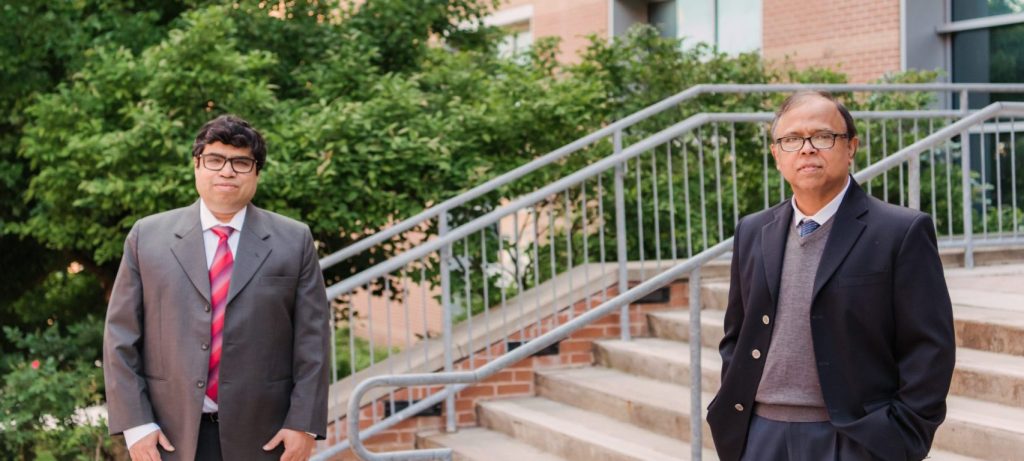 Professors Nirmalya Roy, left, and Aryya Gangopadhyay. Photo by Marlayna Demond ’11 for UMBC.
This post was adapted from a story was written by UMBC News staff that first appeared on news.umbc.edu.
From surveillance tools to autonomous machines, countries around the world are ramping up their military artificial intelligence (AI) assets. Such robust technologies are necessary to protect the United States from surprise attacks, which occur these days not only on the ground, but also on the cloud.
Advancing AI-based autonomous systems for military use will be the goal for a team of UMBC researchers that has recently been awarded a $20-million subcontract. UMBC will partner with the University of Maryland, College Park (UMD), and the DEVCOM Army Research Lab (ARL) on the $68-million, five-year endeavor, which ARL is funding. The goal is to strengthen army AI technology so it is able to meet the demands of today’s national defense.
“The question we’re trying to solve is: Can we design and develop tools, techniques, algorithms, software, and hardware that can work autonomously and make their own decisions, but also collectively, interfacing with human decision-makers?” says UMBC’s principal investigator Aryya Gangopadhyay, professor of information systems. “The landscape of war is changing, and we must build systems that can make human-like decisions in real-time and under real-world pressure.”
The project, AI and Autonomy for Multi-Agent Systems (ArtIAMAS), aims to advance science and technology around three core research areas: collaborative autonomy; harnessing the data revolution; and human-machine teaming. UMBC’s role in the project will center on the second and third research thrusts.
More specifically, the UMBC team will develop solutions for AI-based networking, sensing, and edge computing — which brings data storage and computation closer to a location — for battlefield Internet of Things (IoT). This will allow them to deliver secure, effective, and resilient U.S. Army assets including AI systems related to search-and-rescue, surveillance, robots, and machinery, and augmenting humans in performing decision-making tasks.
In addition to Gangopadhyay and Roy, the UMBC team also includes faculty from the Information Systems, CSEE, Mathematics and Statistics and Physics departments, including Anupam Joshi, Tinoosh Mohsenin, Dmitri Perkins, Sanjay Purushotham, Maryam Rahnemoonfar, Jianwu Wang, and Ting Zhu. The ArtIAMAS cooperative agreement is led by PI Derek Paley, director of UMD’s Maryland Robotics Center.
Read the full story on news.umbc.edu.
The post UMBC partners with UMD, Army Research Lab to advance AI and autonomy through $68M collaboration appeared first on Department of Computer Science and Electrical Engineering.
]]>
Professors Nirmalya Roy, left, and Aryya Gangopadhyay. Photo by Marlayna Demond ’11 for UMBC. This post was adapted from a story was written by UMBC News staff that first appeared on...
https://www.csee.umbc.edu/2021/05/umbc-partners-with-umd-army-research-lab-to-advance-ai-and-autonomy-through-68m-collaboration/
https://my3.my.umbc.edu/api/v0/pixel/news/101951/guest@my.umbc.edu/5cfc5dbdfb29078bdb4088d650e63b69/api/pixel
ai
csee
news
research
research-awards
Computer Science and Electrical Engineering
https://my3.my.umbc.edu/groups/csee
https://assets3-my.umbc.edu/system/shared/avatars/groups/000/000/099/d117dca133c64bf78a4b7696dd007189/xsmall.png?1314043393
https://assets1-my.umbc.edu/system/shared/avatars/groups/000/000/099/d117dca133c64bf78a4b7696dd007189/original.png?1314043393
https://assets1-my.umbc.edu/system/shared/avatars/groups/000/000/099/d117dca133c64bf78a4b7696dd007189/xxlarge.png?1314043393
https://assets4-my.umbc.edu/system/shared/avatars/groups/000/000/099/d117dca133c64bf78a4b7696dd007189/xlarge.png?1314043393
https://assets3-my.umbc.edu/system/shared/avatars/groups/000/000/099/d117dca133c64bf78a4b7696dd007189/large.png?1314043393
https://assets1-my.umbc.edu/system/shared/avatars/groups/000/000/099/d117dca133c64bf78a4b7696dd007189/medium.png?1314043393
https://assets2-my.umbc.edu/system/shared/avatars/groups/000/000/099/d117dca133c64bf78a4b7696dd007189/small.png?1314043393
https://assets3-my.umbc.edu/system/shared/avatars/groups/000/000/099/d117dca133c64bf78a4b7696dd007189/xsmall.png?1314043393
https://assets3-my.umbc.edu/system/shared/avatars/groups/000/000/099/d117dca133c64bf78a4b7696dd007189/xxsmall.png?1314043393
Computer Science and Electrical Engineering
0
0
false
Wed, 26 May 2021 10:16:48 -0400
UMBC partners with UMD, Army Research Lab to advance AI and autonomy through $68M collaboration
Professors Nirmalya Roy, left, and Aryya Gangopadhyay. Photo by Marlayna Demond ’11 for UMBC.
This post was adapted from a story was written by UMBC News staff that first appeared on news.umbc.edu.
From surveillance tools to autonomous machines, countries around the world are ramping up their military artificial intelligence (AI) assets. Such robust technologies are necessary to protect the United States from surprise attacks, which occur these days not only on the ground, but also on the cloud.
Advancing AI-based autonomous systems for military use will be the goal for a team of UMBC researchers that has recently been awarded a $20-million subcontract. UMBC will partner with the University of Maryland, College Park (UMD), and the DEVCOM Army Research Lab (ARL) on the $68-million, five-year endeavor, which ARL is funding. The goal is to strengthen army AI technology so it is able to meet the demands of today’s national defense.
“The question we’re trying to solve is: Can we design and develop tools, techniques, algorithms, software, and hardware that can work autonomously and make their own decisions, but also collectively, interfacing with human decision-makers?” says UMBC’s principal investigator Aryya Gangopadhyay, professor of information systems. “The landscape of war is changing, and we must build systems that can make human-like decisions in real-time and under real-world pressure.”
The project, AI and Autonomy for Multi-Agent Systems (ArtIAMAS), aims to advance science and technology around three core research areas: collaborative autonomy; harnessing the data revolution; and human-machine teaming. UMBC’s role in the project will center on the second and third research thrusts.
More specifically, the UMBC team will develop solutions for AI-based networking, sensing, and edge computing — which brings data storage and computation closer to a location — for battlefield Internet of Things (IoT). This will allow them to deliver secure, effective, and resilient U.S. Army assets including AI systems related to search-and-rescue, surveillance, robots, and machinery, and augmenting humans in performing decision-making tasks.
In addition to Gangopadhyay and Roy, the UMBC team also includes faculty from the Information Systems, CSEE, Mathematics and Statistics and Physics departments, including Anupam Joshi, Tinoosh Mohsenin, Dmitri Perkins, Sanjay Purushotham, Maryam Rahnemoonfar, Jianwu Wang, and Ting Zhu. The ArtIAMAS cooperative agreement is led by PI Derek Paley, director of UMD’s Maryland Robotics Center.
Read the full story on news.umbc.edu.
The post UMBC partners with UMD, Army Research Lab to advance AI and autonomy through $68M collaboration appeared first on Department of Computer Science and Electrical Engineering.
]]>
Professors Nirmalya Roy, left, and Aryya Gangopadhyay. Photo by Marlayna Demond ’11 for UMBC. This post was adapted from a story was written by UMBC News staff that first appeared on...
https://redirect.cs.umbc.edu/2021/05/umbc-partners-with-umd-army-research-lab-to-advance-ai-and-autonomy-through-68m-collaboration/
https://my3.my.umbc.edu/api/v0/pixel/news/129844/guest@my.umbc.edu/cdf3401816b6a4247a93b8ab37c204d4/api/pixel
ai
csee
news
research
research-awards
Computer Science and Electrical Engineering
https://my3.my.umbc.edu/groups/csee
https://assets3-my.umbc.edu/system/shared/avatars/groups/000/000/099/d117dca133c64bf78a4b7696dd007189/xsmall.png?1314043393
https://assets1-my.umbc.edu/system/shared/avatars/groups/000/000/099/d117dca133c64bf78a4b7696dd007189/original.png?1314043393
https://assets1-my.umbc.edu/system/shared/avatars/groups/000/000/099/d117dca133c64bf78a4b7696dd007189/xxlarge.png?1314043393
https://assets4-my.umbc.edu/system/shared/avatars/groups/000/000/099/d117dca133c64bf78a4b7696dd007189/xlarge.png?1314043393
https://assets3-my.umbc.edu/system/shared/avatars/groups/000/000/099/d117dca133c64bf78a4b7696dd007189/large.png?1314043393
https://assets1-my.umbc.edu/system/shared/avatars/groups/000/000/099/d117dca133c64bf78a4b7696dd007189/medium.png?1314043393
https://assets2-my.umbc.edu/system/shared/avatars/groups/000/000/099/d117dca133c64bf78a4b7696dd007189/small.png?1314043393
https://assets3-my.umbc.edu/system/shared/avatars/groups/000/000/099/d117dca133c64bf78a4b7696dd007189/xsmall.png?1314043393
https://assets3-my.umbc.edu/system/shared/avatars/groups/000/000/099/d117dca133c64bf78a4b7696dd007189/xxsmall.png?1314043393
Computer Science and Electrical Engineering
0
0
false
Wed, 26 May 2021 10:16:48 -0400
Wed, 26 May 2021 10:16:48 -0400
UMBC partners with UMD, Army Research Lab to advance AI and autonomy through $68M collaboration
Professors Nirmalya Roy, left, and Aryya Gangopadhyay. Photo by Marlayna Demond ’11 for UMBC.
This post was adapted from a story was written by UMBC News staff that first appeared on news.umbc.edu.
From surveillance tools to autonomous machines, countries around the world are ramping up their military artificial intelligence (AI) assets. Such robust technologies are necessary to protect the United States from surprise attacks, which occur these days not only on the ground, but also on the cloud.
Advancing AI-based autonomous systems for military use will be the goal for a team of UMBC researchers that has recently been awarded a $20-million subcontract. UMBC will partner with the University of Maryland, College Park (UMD), and the DEVCOM Army Research Lab (ARL) on the $68-million, five-year endeavor, which ARL is funding. The goal is to strengthen army AI technology so it is able to meet the demands of today’s national defense.
“The question we’re trying to solve is: Can we design and develop tools, techniques, algorithms, software, and hardware that can work autonomously and make their own decisions, but also collectively, interfacing with human decision-makers?” says UMBC’s principal investigator Aryya Gangopadhyay, professor of information systems. “The landscape of war is changing, and we must build systems that can make human-like decisions in real-time and under real-world pressure.”
The project, AI and Autonomy for Multi-Agent Systems (ArtIAMAS), aims to advance science and technology around three core research areas: collaborative autonomy; harnessing the data revolution; and human-machine teaming. UMBC’s role in the project will center on the second and third research thrusts.
More specifically, the UMBC team will develop solutions for AI-based networking, sensing, and edge computing — which brings data storage and computation closer to a location — for battlefield Internet of Things (IoT). This will allow them to deliver secure, effective, and resilient U.S. Army assets including AI systems related to search-and-rescue, surveillance, robots, and machinery, and augmenting humans in performing decision-making tasks.
In addition to Gangopadhyay and Roy, the UMBC team also includes faculty from the Information Systems, CSEE, Mathematics and Statistics and Physics departments, including Anupam Joshi, Tinoosh Mohsenin, Dmitri Perkins, Sanjay Purushotham, Maryam Rahnemoonfar, Jianwu Wang, and Ting Zhu. The ArtIAMAS cooperative agreement is led by PI Derek Paley, director of UMD’s Maryland Robotics Center.
Read the full story on news.umbc.edu.
The post UMBC partners with UMD, Army Research Lab to advance AI and autonomy through $68M collaboration appeared first on Department of Computer Science and Electrical Engineering.
]]>
Professors Nirmalya Roy, left, and Aryya Gangopadhyay. Photo by Marlayna Demond ’11 for UMBC. This post was adapted from a story was written by UMBC News staff that first appeared on...
https://news.cs.umbc.edu/2021/05/umbc-partners-with-umd-army-research-lab-to-advance-ai-and-autonomy-through-68m-collaboration/
https://my3.my.umbc.edu/api/v0/pixel/news/142855/guest@my.umbc.edu/432659d07cb304ba538585445f5104b3/api/pixel
ai
csee
news
research
research-awards
Computer Science and Electrical Engineering
https://my3.my.umbc.edu/groups/csee
https://assets3-my.umbc.edu/system/shared/avatars/groups/000/000/099/d117dca133c64bf78a4b7696dd007189/xsmall.png?1314043393
https://assets1-my.umbc.edu/system/shared/avatars/groups/000/000/099/d117dca133c64bf78a4b7696dd007189/original.png?1314043393
https://assets1-my.umbc.edu/system/shared/avatars/groups/000/000/099/d117dca133c64bf78a4b7696dd007189/xxlarge.png?1314043393
https://assets4-my.umbc.edu/system/shared/avatars/groups/000/000/099/d117dca133c64bf78a4b7696dd007189/xlarge.png?1314043393
https://assets3-my.umbc.edu/system/shared/avatars/groups/000/000/099/d117dca133c64bf78a4b7696dd007189/large.png?1314043393
https://assets1-my.umbc.edu/system/shared/avatars/groups/000/000/099/d117dca133c64bf78a4b7696dd007189/medium.png?1314043393
https://assets2-my.umbc.edu/system/shared/avatars/groups/000/000/099/d117dca133c64bf78a4b7696dd007189/small.png?1314043393
https://assets3-my.umbc.edu/system/shared/avatars/groups/000/000/099/d117dca133c64bf78a4b7696dd007189/xsmall.png?1314043393
https://assets3-my.umbc.edu/system/shared/avatars/groups/000/000/099/d117dca133c64bf78a4b7696dd007189/xxsmall.png?1314043393
Computer Science and Electrical Engineering
0
0
false
Wed, 26 May 2021 10:16:48 -0400
UMBC to receive over $63 million in NASA renewal of CRESST II space science consortium
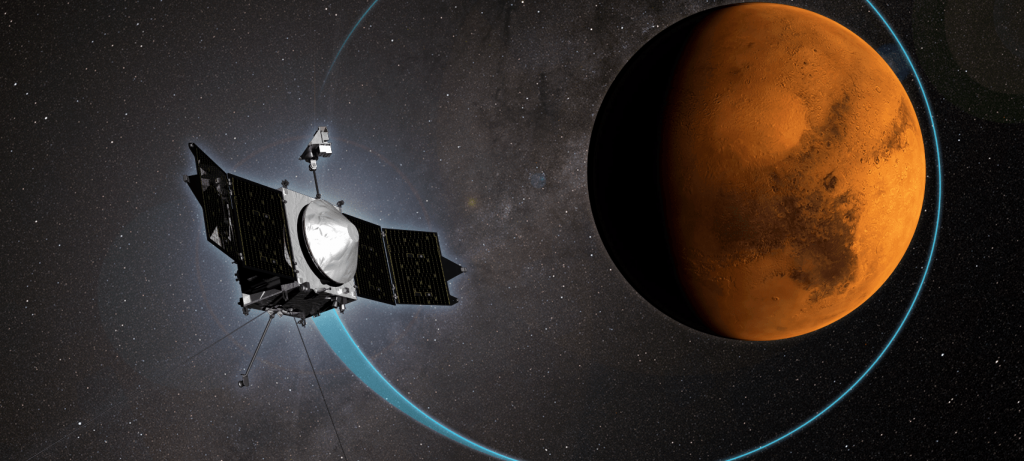 NASA’s MAVEN spacecraft orbits Mars in this visualization. A 2019 research paper in
 Science
led by CSST’s Mehdi Benna mapped Mars’s global wind patterns, the first time that had been done on any planet (including Earth). Visualization courtesy of NASA.
UMBC to receive over $63 million in NASA renewal of CRESST II space science consortium
Adapted from a UMBC News article written by Sarah Hansen.
NASA has committed $178 million to extend support for the Center for Research and Exploration in Space Science & Technology II (CRESST II) through 2027. Founded in 2006 and renewed in 2016, CRESST II is a partnership between NASA’s Goddard Space Flight Center and four universities. UMBC and the University of Maryland, College Park (UMD) are the two primary funding recipients, with UMD leading the consortium. CRESST II also supports researchers at Catholic University of America, Howard University, and the Southeastern Universities Research Association.
New UMBC funding to support these projects will be more than $63 million over five years under the CRESST II renewal. Since the last renewal in 2016, the UMBC arm of the partnership, the Center for Space Sciences and Technology (CSST), has focused on offering additional training for budding space scientists. Graduate students with NASA fellowships are co-advised by UMBC faculty and NASA scientists, undergraduates have internship opportunities on-site at Goddard, and post-baccalaureate programs offer recent grads a chance to get more experience before applying to jobs or graduate school. Career workshops are available to all.
“We’re trying to do more to support their growth, and also prepare them to move on to other things afterwards,” says Don Engel, director of CSST and assistant professor of computer science and electrical engineering. “We’re building more infrastructure around career support for our scientists, especially those at earlier levels.”

Don Engel, director of the Center for Space Sciences and Technology, UMBC’s arm of the CRESST II partnership, in the Imaging Research Center at UMBC. Photo by Marlayna Demond ’11 for UMBC.
Engel has also been leading an effort to engage more departments at UMBC in the partnership. Physics is the most involved so far, but researchers in computer science and electrical engineering, mechanical engineering, information systems, and even geography and environmental systems have connected with CSST, meaning the Center spans all three UMBC colleges.
Read the full article on UMBC News.
The post UMBC to receive over $63 million in NASA renewal of CRESST II space science consortium appeared first on Department of Computer Science and Electrical Engineering.
]]>
NASA’s MAVEN spacecraft orbits Mars in this visualization. A 2019 research paper in Science led by CSST’s Mehdi Benna mapped Mars’s global wind patterns, the first time that had been done on any...
https://www.csee.umbc.edu/2021/05/umbc-to-receive-over-63-million-in-nasa-renewal-of-cresst-ii-space-science-consortium/
https://my3.my.umbc.edu/api/v0/pixel/news/101897/guest@my.umbc.edu/6a1300ad48f7aad02a8f35a7ec4c6848/api/pixel
csee
news
research
Computer Science and Electrical Engineering
https://my3.my.umbc.edu/groups/csee
https://assets3-my.umbc.edu/system/shared/avatars/groups/000/000/099/d117dca133c64bf78a4b7696dd007189/xsmall.png?1314043393
https://assets1-my.umbc.edu/system/shared/avatars/groups/000/000/099/d117dca133c64bf78a4b7696dd007189/original.png?1314043393
https://assets1-my.umbc.edu/system/shared/avatars/groups/000/000/099/d117dca133c64bf78a4b7696dd007189/xxlarge.png?1314043393
https://assets4-my.umbc.edu/system/shared/avatars/groups/000/000/099/d117dca133c64bf78a4b7696dd007189/xlarge.png?1314043393
https://assets3-my.umbc.edu/system/shared/avatars/groups/000/000/099/d117dca133c64bf78a4b7696dd007189/large.png?1314043393
https://assets1-my.umbc.edu/system/shared/avatars/groups/000/000/099/d117dca133c64bf78a4b7696dd007189/medium.png?1314043393
https://assets2-my.umbc.edu/system/shared/avatars/groups/000/000/099/d117dca133c64bf78a4b7696dd007189/small.png?1314043393
https://assets3-my.umbc.edu/system/shared/avatars/groups/000/000/099/d117dca133c64bf78a4b7696dd007189/xsmall.png?1314043393
https://assets3-my.umbc.edu/system/shared/avatars/groups/000/000/099/d117dca133c64bf78a4b7696dd007189/xxsmall.png?1314043393
Computer Science and Electrical Engineering
0
0
false
Fri, 21 May 2021 19:31:35 -0400
UMBC to receive over $63 million in NASA renewal of CRESST II space science consortium
NASA’s MAVEN spacecraft orbits Mars in this visualization. A 2019 research paper in Science
led by CSST’s Mehdi Benna mapped Mars’s global wind patterns, the first time that had been done on any planet (including Earth). Visualization courtesy of NASA.
UMBC to receive over $63 million in NASA renewal of CRESST II space science consortium
Adapted from a UMBC News article written by Sarah Hansen.
NASA has committed $178 million to extend support for the Center for Research and Exploration in Space Science & Technology II (CRESST II) through 2027. Founded in 2006 and renewed in 2016, CRESST II is a partnership between NASA’s Goddard Space Flight Center and four universities. UMBC and the University of Maryland, College Park (UMD) are the two primary funding recipients, with UMD leading the consortium. CRESST II also supports researchers at Catholic University of America, Howard University, and the Southeastern Universities Research Association.
New UMBC funding to support these projects will be more than $63 million over five years under the CRESST II renewal. Since the last renewal in 2016, the UMBC arm of the partnership, the Center for Space Sciences and Technology (CSST), has focused on offering additional training for budding space scientists. Graduate students with NASA fellowships are co-advised by UMBC faculty and NASA scientists, undergraduates have internship opportunities on-site at Goddard, and post-baccalaureate programs offer recent grads a chance to get more experience before applying to jobs or graduate school. Career workshops are available to all.
“We’re trying to do more to support their growth, and also prepare them to move on to other things afterwards,” says Don Engel, director of CSST and assistant professor of computer science and electrical engineering. “We’re building more infrastructure around career support for our scientists, especially those at earlier levels.”
Don Engel, director of the Center for Space Sciences and Technology, UMBC’s arm of the CRESST II partnership, in the Imaging Research Center at UMBC. Photo by Marlayna Demond ’11 for UMBC.
Engel has also been leading an effort to engage more departments at UMBC in the partnership. Physics is the most involved so far, but researchers in computer science and electrical engineering, mechanical engineering, information systems, and even geography and environmental systems have connected with CSST, meaning the Center spans all three UMBC colleges.
Read the full article on UMBC News.
The post UMBC to receive over $63 million in NASA renewal of CRESST II space science consortium appeared first on Department of Computer Science and Electrical Engineering.
]]>
NASA’s MAVEN spacecraft orbits Mars in this visualization. A 2019 research paper in Science led by CSST’s Mehdi Benna mapped Mars’s global wind patterns, the first time that had been done on any...
https://redirect.cs.umbc.edu/2021/05/umbc-to-receive-over-63-million-in-nasa-renewal-of-cresst-ii-space-science-consortium/
https://my3.my.umbc.edu/api/v0/pixel/news/129845/guest@my.umbc.edu/0c4805376ca862e2ff50ac3e44de0cf0/api/pixel
csee
news
research
Computer Science and Electrical Engineering
https://my3.my.umbc.edu/groups/csee
https://assets3-my.umbc.edu/system/shared/avatars/groups/000/000/099/d117dca133c64bf78a4b7696dd007189/xsmall.png?1314043393
https://assets1-my.umbc.edu/system/shared/avatars/groups/000/000/099/d117dca133c64bf78a4b7696dd007189/original.png?1314043393
https://assets1-my.umbc.edu/system/shared/avatars/groups/000/000/099/d117dca133c64bf78a4b7696dd007189/xxlarge.png?1314043393
https://assets4-my.umbc.edu/system/shared/avatars/groups/000/000/099/d117dca133c64bf78a4b7696dd007189/xlarge.png?1314043393
https://assets3-my.umbc.edu/system/shared/avatars/groups/000/000/099/d117dca133c64bf78a4b7696dd007189/large.png?1314043393
https://assets1-my.umbc.edu/system/shared/avatars/groups/000/000/099/d117dca133c64bf78a4b7696dd007189/medium.png?1314043393
https://assets2-my.umbc.edu/system/shared/avatars/groups/000/000/099/d117dca133c64bf78a4b7696dd007189/small.png?1314043393
https://assets3-my.umbc.edu/system/shared/avatars/groups/000/000/099/d117dca133c64bf78a4b7696dd007189/xsmall.png?1314043393
https://assets3-my.umbc.edu/system/shared/avatars/groups/000/000/099/d117dca133c64bf78a4b7696dd007189/xxsmall.png?1314043393
Computer Science and Electrical Engineering
0
0
false
Fri, 21 May 2021 19:31:35 -0400
Fri, 21 May 2021 19:31:35 -0400
UMBC to receive over $63 million in NASA renewal of CRESST II space science consortium
NASA’s MAVEN spacecraft orbits Mars in this visualization. A 2019 research paper in Science
led by CSST’s Mehdi Benna mapped Mars’s global wind patterns, the first time that had been done on any planet (including Earth). Visualization courtesy of NASA.
UMBC to receive over $63 million in NASA renewal of CRESST II space science consortium
Adapted from a UMBC News article written by Sarah Hansen.
NASA has committed $178 million to extend support for the Center for Research and Exploration in Space Science & Technology II (CRESST II) through 2027. Founded in 2006 and renewed in 2016, CRESST II is a partnership between NASA’s Goddard Space Flight Center and four universities. UMBC and the University of Maryland, College Park (UMD) are the two primary funding recipients, with UMD leading the consortium. CRESST II also supports researchers at Catholic University of America, Howard University, and the Southeastern Universities Research Association.
New UMBC funding to support these projects will be more than $63 million over five years under the CRESST II renewal. Since the last renewal in 2016, the UMBC arm of the partnership, the Center for Space Sciences and Technology (CSST), has focused on offering additional training for budding space scientists. Graduate students with NASA fellowships are co-advised by UMBC faculty and NASA scientists, undergraduates have internship opportunities on-site at Goddard, and post-baccalaureate programs offer recent grads a chance to get more experience before applying to jobs or graduate school. Career workshops are available to all.
“We’re trying to do more to support their growth, and also prepare them to move on to other things afterwards,” says Don Engel, director of CSST and assistant professor of computer science and electrical engineering. “We’re building more infrastructure around career support for our scientists, especially those at earlier levels.”
Don Engel, director of the Center for Space Sciences and Technology, UMBC’s arm of the CRESST II partnership, in the Imaging Research Center at UMBC. Photo by Marlayna Demond ’11 for UMBC.
Engel has also been leading an effort to engage more departments at UMBC in the partnership. Physics is the most involved so far, but researchers in computer science and electrical engineering, mechanical engineering, information systems, and even geography and environmental systems have connected with CSST, meaning the Center spans all three UMBC colleges.
Read the full article on UMBC News.
The post UMBC to receive over $63 million in NASA renewal of CRESST II space science consortium appeared first on Department of Computer Science and Electrical Engineering.
]]>
NASA’s MAVEN spacecraft orbits Mars in this visualization. A 2019 research paper in Science led by CSST’s Mehdi Benna mapped Mars’s global wind patterns, the first time that had been done on any...
https://news.cs.umbc.edu/2021/05/umbc-to-receive-over-63-million-in-nasa-renewal-of-cresst-ii-space-science-consortium/
https://my3.my.umbc.edu/api/v0/pixel/news/142856/guest@my.umbc.edu/dcbcd90e9b5ae105fa0d5cca75032b39/api/pixel
csee
news
research
Computer Science and Electrical Engineering
https://my3.my.umbc.edu/groups/csee
https://assets3-my.umbc.edu/system/shared/avatars/groups/000/000/099/d117dca133c64bf78a4b7696dd007189/xsmall.png?1314043393
https://assets1-my.umbc.edu/system/shared/avatars/groups/000/000/099/d117dca133c64bf78a4b7696dd007189/original.png?1314043393
https://assets1-my.umbc.edu/system/shared/avatars/groups/000/000/099/d117dca133c64bf78a4b7696dd007189/xxlarge.png?1314043393
https://assets4-my.umbc.edu/system/shared/avatars/groups/000/000/099/d117dca133c64bf78a4b7696dd007189/xlarge.png?1314043393
https://assets3-my.umbc.edu/system/shared/avatars/groups/000/000/099/d117dca133c64bf78a4b7696dd007189/large.png?1314043393
https://assets1-my.umbc.edu/system/shared/avatars/groups/000/000/099/d117dca133c64bf78a4b7696dd007189/medium.png?1314043393
https://assets2-my.umbc.edu/system/shared/avatars/groups/000/000/099/d117dca133c64bf78a4b7696dd007189/small.png?1314043393
https://assets3-my.umbc.edu/system/shared/avatars/groups/000/000/099/d117dca133c64bf78a4b7696dd007189/xsmall.png?1314043393
https://assets3-my.umbc.edu/system/shared/avatars/groups/000/000/099/d117dca133c64bf78a4b7696dd007189/xxsmall.png?1314043393
Computer Science and Electrical Engineering
0
0
false
Fri, 21 May 2021 19:31:35 -0400
ISSA Application and Interest Slides
Check out the slides from our recent ISSA meeting covering information security topics and open ISSA positions. Click the link below to apply to our open positions.
Slides: https://drive.google.com/file/d/1LrCK59GgRyE7PY9ocq70XFemHcpBVen3/view?usp=sharing
Application Due May 7th by 11:59pm.
~Your ISSA Board
]]>
Check out the slides from our recent ISSA meeting covering information security topics and open ISSA positions. Click the link below to apply to our open positions....
https://my3.my.umbc.edu/api/v0/pixel/news/101324/guest@my.umbc.edu/f97ee78e75bacc5abe4d7de4e849f0e1/api/pixel
Information Systems Security Association, UMBC Chapter
https://my3.my.umbc.edu/groups/issa
https://assets4-my.umbc.edu/system/shared/avatars/groups/000/000/514/0bdfb1231eca53e69ca24c2de2eb6912/xsmall.png?1772925484
https://assets4-my.umbc.edu/system/shared/avatars/groups/000/000/514/0bdfb1231eca53e69ca24c2de2eb6912/original.jpg?1772925484
https://assets3-my.umbc.edu/system/shared/avatars/groups/000/000/514/0bdfb1231eca53e69ca24c2de2eb6912/xxlarge.png?1772925484
https://assets3-my.umbc.edu/system/shared/avatars/groups/000/000/514/0bdfb1231eca53e69ca24c2de2eb6912/xlarge.png?1772925484
https://assets4-my.umbc.edu/system/shared/avatars/groups/000/000/514/0bdfb1231eca53e69ca24c2de2eb6912/large.png?1772925484
https://assets2-my.umbc.edu/system/shared/avatars/groups/000/000/514/0bdfb1231eca53e69ca24c2de2eb6912/medium.png?1772925484
https://assets1-my.umbc.edu/system/shared/avatars/groups/000/000/514/0bdfb1231eca53e69ca24c2de2eb6912/small.png?1772925484
https://assets4-my.umbc.edu/system/shared/avatars/groups/000/000/514/0bdfb1231eca53e69ca24c2de2eb6912/xsmall.png?1772925484
https://assets4-my.umbc.edu/system/shared/avatars/groups/000/000/514/0bdfb1231eca53e69ca24c2de2eb6912/xxsmall.png?1772925484
Information Systems Security Association, UMBC Chapter
0
0
true
Wed, 28 Apr 2021 13:01:33 -0400
ISSA Officer Applications
The Information Systems Security Association are looking to fill the positions of
- Treasurer
- Secretary
- Vice President of communications
- Vice President of operations
Officer Applications are due on Friday May 7th by 11:59 pm.
]]>
The Information Systems Security Association are looking to fill the positions of Treasurer Secretary Vice President of communications Vice President of operations Officer...
https://my3.my.umbc.edu/api/v0/pixel/news/101171/guest@my.umbc.edu/52fdfd8dff6723de70317d9bd3ee7862/api/pixel
Information Systems Security Association, UMBC Chapter
https://my3.my.umbc.edu/groups/issa
https://assets4-my.umbc.edu/system/shared/avatars/groups/000/000/514/0bdfb1231eca53e69ca24c2de2eb6912/xsmall.png?1772925484
https://assets4-my.umbc.edu/system/shared/avatars/groups/000/000/514/0bdfb1231eca53e69ca24c2de2eb6912/original.jpg?1772925484
https://assets3-my.umbc.edu/system/shared/avatars/groups/000/000/514/0bdfb1231eca53e69ca24c2de2eb6912/xxlarge.png?1772925484
https://assets3-my.umbc.edu/system/shared/avatars/groups/000/000/514/0bdfb1231eca53e69ca24c2de2eb6912/xlarge.png?1772925484
https://assets4-my.umbc.edu/system/shared/avatars/groups/000/000/514/0bdfb1231eca53e69ca24c2de2eb6912/large.png?1772925484
https://assets2-my.umbc.edu/system/shared/avatars/groups/000/000/514/0bdfb1231eca53e69ca24c2de2eb6912/medium.png?1772925484
https://assets1-my.umbc.edu/system/shared/avatars/groups/000/000/514/0bdfb1231eca53e69ca24c2de2eb6912/small.png?1772925484
https://assets4-my.umbc.edu/system/shared/avatars/groups/000/000/514/0bdfb1231eca53e69ca24c2de2eb6912/xsmall.png?1772925484
https://assets4-my.umbc.edu/system/shared/avatars/groups/000/000/514/0bdfb1231eca53e69ca24c2de2eb6912/xxsmall.png?1772925484
Information Systems Security Association, UMBC Chapter
0
0
true
Thu, 22 Apr 2021 16:46:54 -0400
talk: Thinking Like an Attacker: Towards a Definition and Non-Technical Assessment of Adversarial Thinking, 12-1pm ET 4/30

The UMBC Cyber Defense Lab presents
Thinking Like an Attacker:
Towards a Definition and Non-Technical Assessment of Adversarial Thinking
Prof. Peter A. H. Peterson
Department of Computer Science
University of Minnesota Duluth
12:00–1:00 pm ET, Friday, 30 April 2021
via WebEx
“Adversarial thinking” (AT), sometimes called the “security mindset” or described as the ability to “think like an attacker,” is widely accepted in the computer security community as an essential ability for successful cybersecurity practice. Supported by intuition and anecdotes, many in the community stress the importance of AT, and multiple projects have produced interventions explicitly intended to strengthen individual AT skills to improve security in general. However, there is no agreed-upon definition of “adversarial thinking” or its components, and accordingly, no test for it. Because of this absence, it is impossible to meaningfully quantify AT in subjects, AT’s importance for cybersecurity practitioners, or the effectiveness of interventions designed to improve AT. Working towards the goal of a characterization of AT in cybersecurity and a non-technical test for AT that anyone can take, I will discuss existing conceptions of AT from the security community, as well as ideas about AT in other fields with adversarial aspects including war, politics, law, critical thinking, and games. I will also describe some of the unique difficulties of creating a non-technical test for AT, compare and contrast this effort to our work on the CATS and Security Misconceptions projects, and describe some potential solutions. I will explore potential uses for such an instrument, including measuring a student’s change in AT over time, measuring the effectiveness of interventions meant to improve AT, comparing AT in different populations (e.g., security professionals vs. software engineers), and identifying individuals from all walks of life with strong AT skills—people who might help meet our world’s pressing need for skilled and insightful security professionals and researchers. Along the way, I will give some sample non-technical adversarial thinking challenges and describe how they might be graded and validated.
Peter A. H. Peterson is an assistant professor of computer science at the University of Minnesota Duluth, where he teaches and directs the Laboratory for Advanced Research in Systems (LARS), a group dedicated to research in operating systems and security, with a special focus on research and development to make security education more effective and accessible. He is an active member of the Cybersecurity Assessment Tools (CATS) project working to create and validate two concept inventories for cybersecurity, is working on an NSF-funded grant to identify and remediate commonsense misconceptions about cybersecurity, and is also the author of several hands-on security exercises for Deterlab that have been used at many institutions around the world. He earned his Ph.D. from the University of California, Los Angeles for work on “adaptive compression”—systems that make compression decisions dynamically to improve efficiency. He can be reached at *protected email*.
Host: Alan T. Sherman, *protected email* Support for this event was provided in part by the National Science Foundation under SFS grant DGE-1753681. The UMBC Cyber Defense Lab meets biweekly Fridays. All meetings are open to the public. Upcoming CDL Meetings: May 7, Farid Javani (UMBC), Anonymization by oblivious transfer
The post talk: Thinking Like an Attacker: Towards a Definition and Non-Technical Assessment of Adversarial Thinking, 12-1pm ET 4/30 appeared first on Department of Computer Science and Electrical Engineering.
]]>
The UMBC Cyber Defense Lab presents Thinking Like an Attacker: Towards a Definition and Non-Technical Assessment of Adversarial Thinking Prof. Peter A. H. Peterson Department of Computer...
https://www.csee.umbc.edu/2021/04/talk-thinking-like-an-attacker-towards-a-definition-and-non-technical-assessment-of-adversarial-thinking-1-2pm-et-4-23/
https://my3.my.umbc.edu/api/v0/pixel/news/100999/guest@my.umbc.edu/5fc161da080caa44677da279edaa7b56/api/pixel
cybersecurity
news
research
talks
Computer Science and Electrical Engineering
https://my3.my.umbc.edu/groups/csee
https://assets3-my.umbc.edu/system/shared/avatars/groups/000/000/099/d117dca133c64bf78a4b7696dd007189/xsmall.png?1314043393
https://assets1-my.umbc.edu/system/shared/avatars/groups/000/000/099/d117dca133c64bf78a4b7696dd007189/original.png?1314043393
https://assets1-my.umbc.edu/system/shared/avatars/groups/000/000/099/d117dca133c64bf78a4b7696dd007189/xxlarge.png?1314043393
https://assets4-my.umbc.edu/system/shared/avatars/groups/000/000/099/d117dca133c64bf78a4b7696dd007189/xlarge.png?1314043393
https://assets3-my.umbc.edu/system/shared/avatars/groups/000/000/099/d117dca133c64bf78a4b7696dd007189/large.png?1314043393
https://assets1-my.umbc.edu/system/shared/avatars/groups/000/000/099/d117dca133c64bf78a4b7696dd007189/medium.png?1314043393
https://assets2-my.umbc.edu/system/shared/avatars/groups/000/000/099/d117dca133c64bf78a4b7696dd007189/small.png?1314043393
https://assets3-my.umbc.edu/system/shared/avatars/groups/000/000/099/d117dca133c64bf78a4b7696dd007189/xsmall.png?1314043393
https://assets3-my.umbc.edu/system/shared/avatars/groups/000/000/099/d117dca133c64bf78a4b7696dd007189/xxsmall.png?1314043393
Computer Science and Electrical Engineering
0
0
false
Fri, 16 Apr 2021 22:05:06 -0400
Fri, 16 Apr 2021 22:05:06 -0400
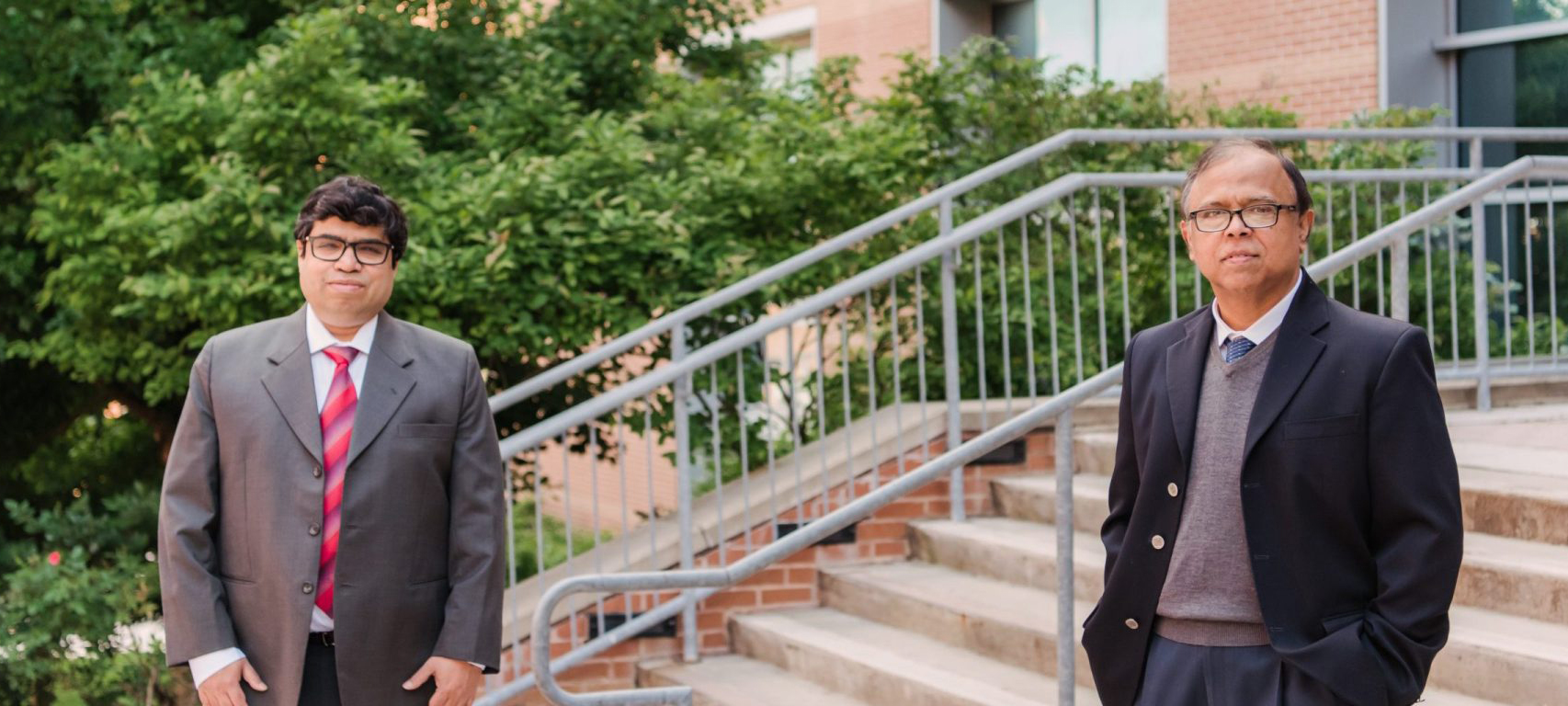 Professors Nirmalya Roy, left, and Aryya Gangopadhyay. Photo by Marlayna Demond ’11 for UMBC.