<?xml version="1.0"?>
<News hasArchived="false" page="36" pageCount="221" pageSize="10" timestamp="Tue, 28 Apr 2026 09:32:21 -0400" url="https://my3.my.umbc.edu/groups/ieee/posts.xml?page=36">
<NewsItem contentIssues="true" id="100306" important="false" status="posted" url="https://my3.my.umbc.edu/groups/ieee/posts/100306">
<Title>UMBC researchers work to advance neurotechnology through emerging consortium</Title>
<Body>
<![CDATA[
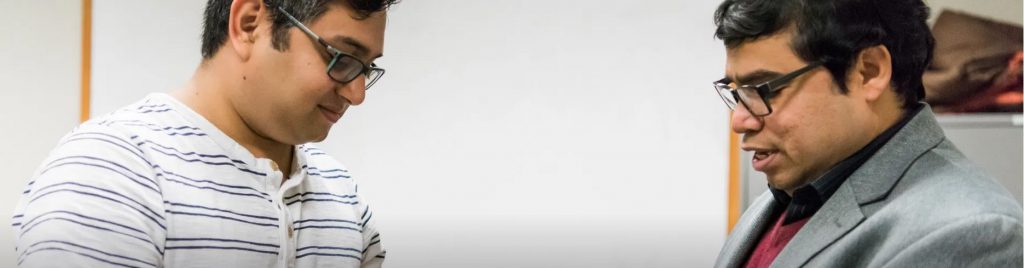
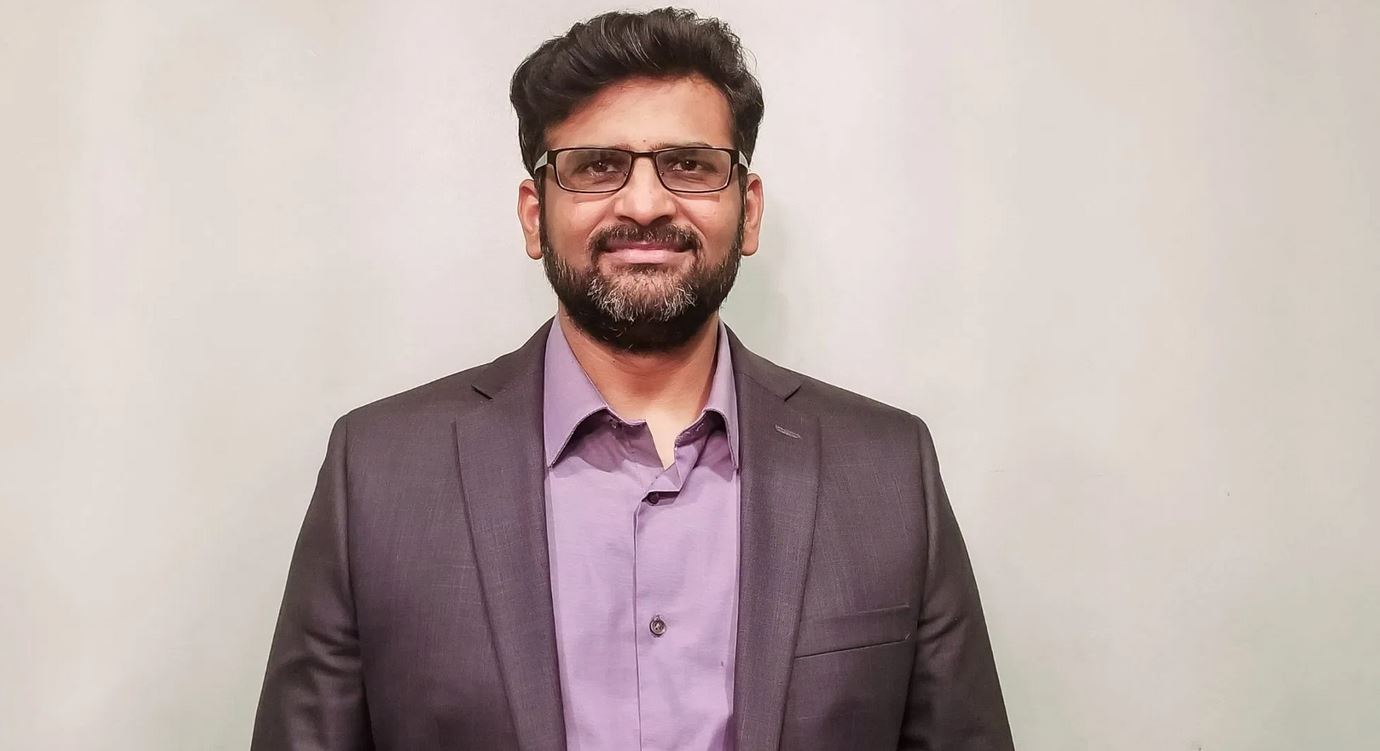
    <div class="html-content"><a href="https://www.csee.umbc.edu/wp-content/uploads/2021/03/Ramana-Vinjamuri.jpg" rel="nofollow external" class="bo"><img width="1024" height="557" src="https://www.csee.umbc.edu/wp-content/uploads/2021/03/Ramana-Vinjamuri-1024x557.jpg" alt="" style="max-width: 100%; height: auto;"></a><p>CSEE’s<a href="http://vinjamurilab.cs.umbc.edu/" rel="nofollow external" class="bo"> Ramana Vinjamuri</a> is proposing that UMBC join the <a href="https://iucrc.nsf.gov/centers/building-reliable-advances-and-innovations-in-neurotechnology" rel="nofollow external" class="bo">Building Reliable Advances and Innovation in Neurotechnology (BRAIN) Center</a>, a consortium led by Arizona State University and the University of Houston. His vision is to establish an East Coast BRAIN research hub to develop technologies that can help scientists better understand the nervous system and aid people with disabilities.</p><p>For more information, click <a href="https://news.umbc.edu/umbc-researchers-work-to-advance-neurotechnology-through-emerging-consortium/" rel="nofollow external" class="bo">HERE</a> for the full article.</p>
    <p>The post <a href="https://www.csee.umbc.edu/2021/03/umbc-researchers-work-to-advance-neurotechnology-through-emerging-consortium/" rel="nofollow external" class="bo">UMBC researchers work to advance neurotechnology through emerging consortium</a> appeared first on <a href="https://www.csee.umbc.edu" rel="nofollow external" class="bo">Department of Computer Science and Electrical Engineering</a>.</p></div>
]]>
</Body>
<Summary>CSEE’s Ramana Vinjamuri is proposing that UMBC join the Building Reliable Advances and Innovation in Neurotechnology (BRAIN) Center, a consortium led by Arizona State University and the University...</Summary>
<Website>https://www.csee.umbc.edu/2021/03/umbc-researchers-work-to-advance-neurotechnology-through-emerging-consortium/</Website>
<TrackingUrl>https://my3.my.umbc.edu/api/v0/pixel/news/100306/guest@my.umbc.edu/60f84d6b8785246ce6fb6c24829a3011/api/pixel</TrackingUrl>
<Tag>news</Tag>
<Group token="csee">Computer Science and Electrical Engineering</Group>
<GroupUrl>https://my3.my.umbc.edu/groups/csee</GroupUrl>
<AvatarUrl>https://assets3-my.umbc.edu/system/shared/avatars/groups/000/000/099/d117dca133c64bf78a4b7696dd007189/xsmall.png?1314043393</AvatarUrl>
<AvatarUrl size="original">https://assets1-my.umbc.edu/system/shared/avatars/groups/000/000/099/d117dca133c64bf78a4b7696dd007189/original.png?1314043393</AvatarUrl>
<AvatarUrl size="xxlarge">https://assets1-my.umbc.edu/system/shared/avatars/groups/000/000/099/d117dca133c64bf78a4b7696dd007189/xxlarge.png?1314043393</AvatarUrl>
<AvatarUrl size="xlarge">https://assets4-my.umbc.edu/system/shared/avatars/groups/000/000/099/d117dca133c64bf78a4b7696dd007189/xlarge.png?1314043393</AvatarUrl>
<AvatarUrl size="large">https://assets3-my.umbc.edu/system/shared/avatars/groups/000/000/099/d117dca133c64bf78a4b7696dd007189/large.png?1314043393</AvatarUrl>
<AvatarUrl size="medium">https://assets1-my.umbc.edu/system/shared/avatars/groups/000/000/099/d117dca133c64bf78a4b7696dd007189/medium.png?1314043393</AvatarUrl>
<AvatarUrl size="small">https://assets2-my.umbc.edu/system/shared/avatars/groups/000/000/099/d117dca133c64bf78a4b7696dd007189/small.png?1314043393</AvatarUrl>
<AvatarUrl size="xsmall">https://assets3-my.umbc.edu/system/shared/avatars/groups/000/000/099/d117dca133c64bf78a4b7696dd007189/xsmall.png?1314043393</AvatarUrl>
<AvatarUrl size="xxsmall">https://assets3-my.umbc.edu/system/shared/avatars/groups/000/000/099/d117dca133c64bf78a4b7696dd007189/xxsmall.png?1314043393</AvatarUrl>
<Sponsor>Computer Science and Electrical Engineering</Sponsor>
<PawCount>0</PawCount>
<CommentCount>0</CommentCount>
<CommentsAllowed>false</CommentsAllowed>
<PostedAt>Mon, 29 Mar 2021 09:57:55 -0400</PostedAt>
</NewsItem>

<NewsItem contentIssues="true" id="100278" important="false" status="posted" url="https://my3.my.umbc.edu/groups/ieee/posts/100278">
<Title>UMBC offers new Research Experiences for Undergraduates in Smart Computing, Big Data</Title>
<Body>
<![CDATA[
    <div class="html-content"><a href="https://www.csee.umbc.edu/wp-content/uploads/2021/03/Nirmalya-Roy.jpg" rel="nofollow external" class="bo"><img width="1024" height="268" src="https://www.csee.umbc.edu/wp-content/uploads/2021/03/Nirmalya-Roy-1024x268.jpg" alt="" style="max-width: 100%; height: auto;"></a><hr><p>Research Experiences for Undergraduates (REUs) are critical for students in that they serve to bring the world of research to anyone interested in research at UMBC. Nirmalya Roy, an associate professor of information systems at UMBC, is principal investigator leading a new REU in Smart Computing and Communications funded by the National Science Foundation (NSF). The program is accepting applications <a href="https://mpsc.umbc.edu/nsf-reu-scc/" rel="nofollow external" class="bo">through March 31</a> for this summer from students nationwide.</p><p>The program will bring together ten undergraduate students in a paid 10-week, full-time research experience from June 7 to August 13. While the summer 2021 program will be remote, each student will work closely with a research group and mentor. They will receive guidance from Roy and co-PI and CSEE faculty member <strong><a href="https://www.csee.umbc.edu/~dmitrip1/" rel="nofollow external" class="bo">Dmitri Perkins</a></strong>,as well as other information systems and computer science and electrical engineering (CSEE) faculty.</p><p>For more information about this program, click <a href="https://news.umbc.edu/umbc-offers-new-research-experiences-for-undergraduates-in-smart-computing-big-data/" rel="nofollow external" class="bo">here</a> for the full article.</p>
    <p>The post <a href="https://www.csee.umbc.edu/2021/03/umbc-offers-new-research-experiences-for-undergraduates-in-smart-computing-big-data/" rel="nofollow external" class="bo">UMBC offers new Research Experiences for Undergraduates in Smart Computing, Big Data</a> appeared first on <a href="https://www.csee.umbc.edu" rel="nofollow external" class="bo">Department of Computer Science and Electrical Engineering</a>.</p></div>
]]>
</Body>
<Summary>Research Experiences for Undergraduates (REUs) are critical for students in that they serve to bring the world of research to anyone interested in research at UMBC. Nirmalya Roy, an associate...</Summary>
<Website>https://www.csee.umbc.edu/2021/03/umbc-offers-new-research-experiences-for-undergraduates-in-smart-computing-big-data/</Website>
<TrackingUrl>https://my3.my.umbc.edu/api/v0/pixel/news/100278/guest@my.umbc.edu/03d3e5c163883a6b7b68dc52fa1e6094/api/pixel</TrackingUrl>
<Tag>news</Tag>
<Group token="csee">Computer Science and Electrical Engineering</Group>
<GroupUrl>https://my3.my.umbc.edu/groups/csee</GroupUrl>
<AvatarUrl>https://assets3-my.umbc.edu/system/shared/avatars/groups/000/000/099/d117dca133c64bf78a4b7696dd007189/xsmall.png?1314043393</AvatarUrl>
<AvatarUrl size="original">https://assets1-my.umbc.edu/system/shared/avatars/groups/000/000/099/d117dca133c64bf78a4b7696dd007189/original.png?1314043393</AvatarUrl>
<AvatarUrl size="xxlarge">https://assets1-my.umbc.edu/system/shared/avatars/groups/000/000/099/d117dca133c64bf78a4b7696dd007189/xxlarge.png?1314043393</AvatarUrl>
<AvatarUrl size="xlarge">https://assets4-my.umbc.edu/system/shared/avatars/groups/000/000/099/d117dca133c64bf78a4b7696dd007189/xlarge.png?1314043393</AvatarUrl>
<AvatarUrl size="large">https://assets3-my.umbc.edu/system/shared/avatars/groups/000/000/099/d117dca133c64bf78a4b7696dd007189/large.png?1314043393</AvatarUrl>
<AvatarUrl size="medium">https://assets1-my.umbc.edu/system/shared/avatars/groups/000/000/099/d117dca133c64bf78a4b7696dd007189/medium.png?1314043393</AvatarUrl>
<AvatarUrl size="small">https://assets2-my.umbc.edu/system/shared/avatars/groups/000/000/099/d117dca133c64bf78a4b7696dd007189/small.png?1314043393</AvatarUrl>
<AvatarUrl size="xsmall">https://assets3-my.umbc.edu/system/shared/avatars/groups/000/000/099/d117dca133c64bf78a4b7696dd007189/xsmall.png?1314043393</AvatarUrl>
<AvatarUrl size="xxsmall">https://assets3-my.umbc.edu/system/shared/avatars/groups/000/000/099/d117dca133c64bf78a4b7696dd007189/xxsmall.png?1314043393</AvatarUrl>
<Sponsor>Computer Science and Electrical Engineering</Sponsor>
<PawCount>0</PawCount>
<CommentCount>0</CommentCount>
<CommentsAllowed>false</CommentsAllowed>
<PostedAt>Fri, 26 Mar 2021 14:58:47 -0400</PostedAt>
<EditAt>Fri, 26 Mar 2021 14:58:47 -0400</EditAt>
</NewsItem>

<NewsItem contentIssues="true" id="100263" important="false" status="posted" url="https://my3.my.umbc.edu/groups/ieee/posts/100263">
<Title>talk: Forward &amp; Inverse Causal Inference in a Tensor Framework, 1-2 pm ET, 3/29</Title>
<Body>
<![CDATA[
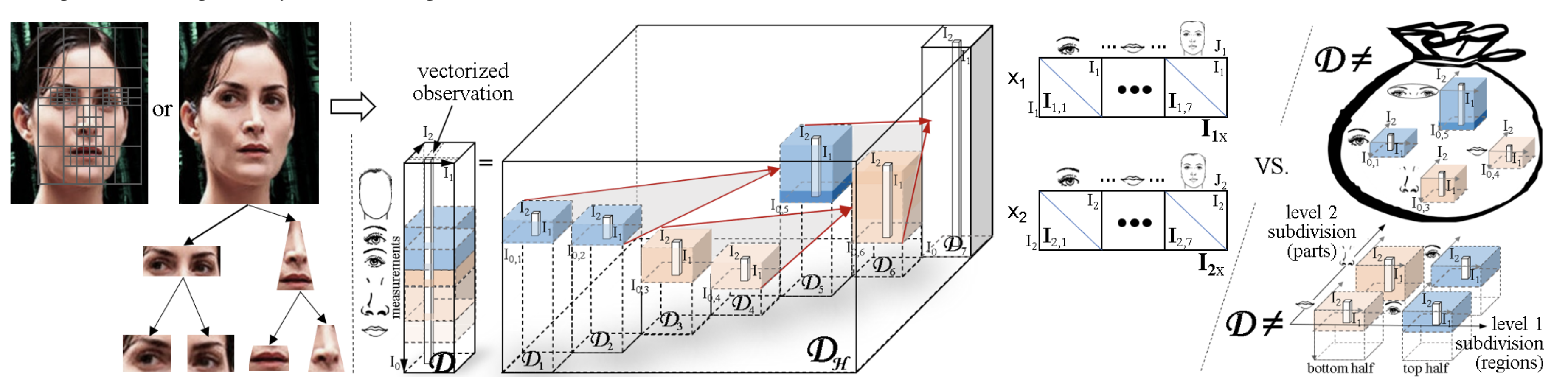
    <div class="html-content"><div><a href="https://www.csee.umbc.edu/wp-content/uploads/2021/03/Screen-Shot-2021-03-25-at-8.08.14-PM.png" rel="nofollow external" class="bo"><img width="1024" height="256" src="https://www.csee.umbc.edu/wp-content/uploads/2021/03/Screen-Shot-2021-03-25-at-8.08.14-PM-1024x256.png" alt="" style="max-width: 100%; height: auto;"></a><hr><h2><strong>Forward and Inverse Causal Inference in a Tensor Framework</strong></h2><hr><h3><strong>M. Alex O. Vasilescu<br>Institute of Pure and Applied Mathematics, UCLA</strong></h3><h3><strong>1-2:00 pm Monday, March 29, 2021<br>via <a href="https://www.google.com/url?q=https://umbc.webex.com/umbc/j.php?MTID%3Dmdbf6fbfa6c290765b3ddc48ba0179ffe&amp;sa=D&amp;source=calendar&amp;usd=2&amp;usg=AOvVaw0mLDM7oNs15pvfcSDgL99s" rel="nofollow external" class="bo">WebEx</a></strong></h3><p>Developing causal explanations for correct results or for failures from mathematical equations and data is important in developing a trustworthy artificial intelligence, and retaining public trust.  Causal explanations are germane to the “right to an explanation” statute, i.e., to data-driven decisions, such as those that rely on images.  Computer graphics and computer vision problems, also known as forward and inverse imaging problems, have been cast as causal inference questions consistent with Donald Rubin’s quantitative definition of causality, where “A causes B” means “the effect of A is B”, a measurable and experimentally repeatable quantity. Computer graphics may be viewed as addressing analogous questions to forward causal inference that addresses the “what if” question, and estimates a change in effects given a delta change in a causal factor. Computer vision may be viewed as addressing analogous questions to inverse causal inference that addresses the “why” question which we define as the estimation of causes given a forward causal model, and a set of observations that constrain the solution set.  Tensor algebra is a suitable and transparent framework for modeling the mechanism that generates observed data.  Tensor-based data analysis, also known in the literature as structural equation modeling with multimode latent variables, has been employed in representing the causal factor structure of data formation in econometrics, psychometric, and chemometrics since the 1960s.  More recently, tensor factor analysis has been successfully employed to represent cause-and-effect in computer vision, and computer graphics, or for prediction and dimensionality reduction in machine learning tasks.  <a href="https://www.google.com/url?q=http://web.cs.ucla.edu/~maov&amp;sa=D&amp;source=calendar&amp;usd=2&amp;usg=AOvVaw1zFvcbUDnQ1eWA3-9n1OFM" rel="nofollow external" class="bo"> </a></p><hr><p><a href="https://www.google.com/url?q=http://web.cs.ucla.edu/~maov&amp;sa=D&amp;source=calendar&amp;usd=2&amp;usg=AOvVaw1zFvcbUDnQ1eWA3-9n1OFM" rel="nofollow external" class="bo">M. Alex O. Vasilescu</a> received her education at the Massachusetts Institute of Technology and the University of Toronto. She is currently a senior fellow at UCLA’s Institute of Pure and Applied mathematics (IPAM) that has held research scientist positions at the MIT Media Lab from 2005-07 and at New York University’s Courant Institute of Mathematical Sciences from 2001-05.  Vasilescu introduced the tensor paradigm for computer vision, computer graphics, and machine learning. She addressed causal inferencing questions by framing computer graphics and computer vision as multilinear problems. Causal inferencing in a tensor framework facilitates the analysis, recognition, synthesis, and interpretability of data. The development of the tensor framework has been spearheaded with premier papers, such as Human Motion Signatures (2001), TensorFaces (2002), Multilinear Independent Component Analysis (2005), TensorTextures (2004), and Multilinear Projection for Recognition (2007, 2011). Vasilescu’s face recognition research, known as TensorFaces, has been funded by the TSWG, the Department of Defenses Combating Terrorism Support Program, Intelligence Advanced Research Projects Activity (IARPA), and NSF. Her work was featured on the cover of Computer World and in articles in the New York Times, Washington Times, etc. MIT’s Technology Review Magazine named her to their TR100 list of honorees, and the National Academy of Science co-awarded the Keck Futures Initiative Grant.  </p></div>
    <p>The post <a href="https://www.csee.umbc.edu/2021/03/talk-forward-inverse-causal-inference-in-a-tensor-framework-1-2-pm-et-3-29/" rel="nofollow external" class="bo">talk: Forward &amp; Inverse Causal Inference in a Tensor Framework, 1-2 pm ET, 3/29</a> appeared first on <a href="https://www.csee.umbc.edu" rel="nofollow external" class="bo">Department of Computer Science and Electrical Engineering</a>.</p></div>
]]>
</Body>
<Summary>Forward and Inverse Causal Inference in a Tensor Framework   M. Alex O. Vasilescu Institute of Pure and Applied Mathematics, UCLA  1-2:00 pm Monday, March 29, 2021 via WebEx  Developing causal...</Summary>
<Website>https://www.csee.umbc.edu/2021/03/talk-forward-inverse-causal-inference-in-a-tensor-framework-1-2-pm-et-3-29/</Website>
<TrackingUrl>https://my3.my.umbc.edu/api/v0/pixel/news/100263/guest@my.umbc.edu/6c862aa1a0ffeb67907cff427062087c/api/pixel</TrackingUrl>
<Tag>ai</Tag>
<Tag>events</Tag>
<Tag>machine-learning</Tag>
<Tag>news</Tag>
<Tag>research</Tag>
<Tag>talks</Tag>
<Group token="csee">Computer Science and Electrical Engineering</Group>
<GroupUrl>https://my3.my.umbc.edu/groups/csee</GroupUrl>
<AvatarUrl>https://assets3-my.umbc.edu/system/shared/avatars/groups/000/000/099/d117dca133c64bf78a4b7696dd007189/xsmall.png?1314043393</AvatarUrl>
<AvatarUrl size="original">https://assets1-my.umbc.edu/system/shared/avatars/groups/000/000/099/d117dca133c64bf78a4b7696dd007189/original.png?1314043393</AvatarUrl>
<AvatarUrl size="xxlarge">https://assets1-my.umbc.edu/system/shared/avatars/groups/000/000/099/d117dca133c64bf78a4b7696dd007189/xxlarge.png?1314043393</AvatarUrl>
<AvatarUrl size="xlarge">https://assets4-my.umbc.edu/system/shared/avatars/groups/000/000/099/d117dca133c64bf78a4b7696dd007189/xlarge.png?1314043393</AvatarUrl>
<AvatarUrl size="large">https://assets3-my.umbc.edu/system/shared/avatars/groups/000/000/099/d117dca133c64bf78a4b7696dd007189/large.png?1314043393</AvatarUrl>
<AvatarUrl size="medium">https://assets1-my.umbc.edu/system/shared/avatars/groups/000/000/099/d117dca133c64bf78a4b7696dd007189/medium.png?1314043393</AvatarUrl>
<AvatarUrl size="small">https://assets2-my.umbc.edu/system/shared/avatars/groups/000/000/099/d117dca133c64bf78a4b7696dd007189/small.png?1314043393</AvatarUrl>
<AvatarUrl size="xsmall">https://assets3-my.umbc.edu/system/shared/avatars/groups/000/000/099/d117dca133c64bf78a4b7696dd007189/xsmall.png?1314043393</AvatarUrl>
<AvatarUrl size="xxsmall">https://assets3-my.umbc.edu/system/shared/avatars/groups/000/000/099/d117dca133c64bf78a4b7696dd007189/xxsmall.png?1314043393</AvatarUrl>
<Sponsor>Computer Science and Electrical Engineering</Sponsor>
<PawCount>1</PawCount>
<CommentCount>0</CommentCount>
<CommentsAllowed>false</CommentsAllowed>
<PostedAt>Thu, 25 Mar 2021 20:25:41 -0400</PostedAt>
</NewsItem>

<NewsItem contentIssues="true" id="100116" important="false" status="posted" url="https://my3.my.umbc.edu/groups/ieee/posts/100116">
<Title>ACM career talk: career opportunities in data privacy</Title>
<Body>
<![CDATA[
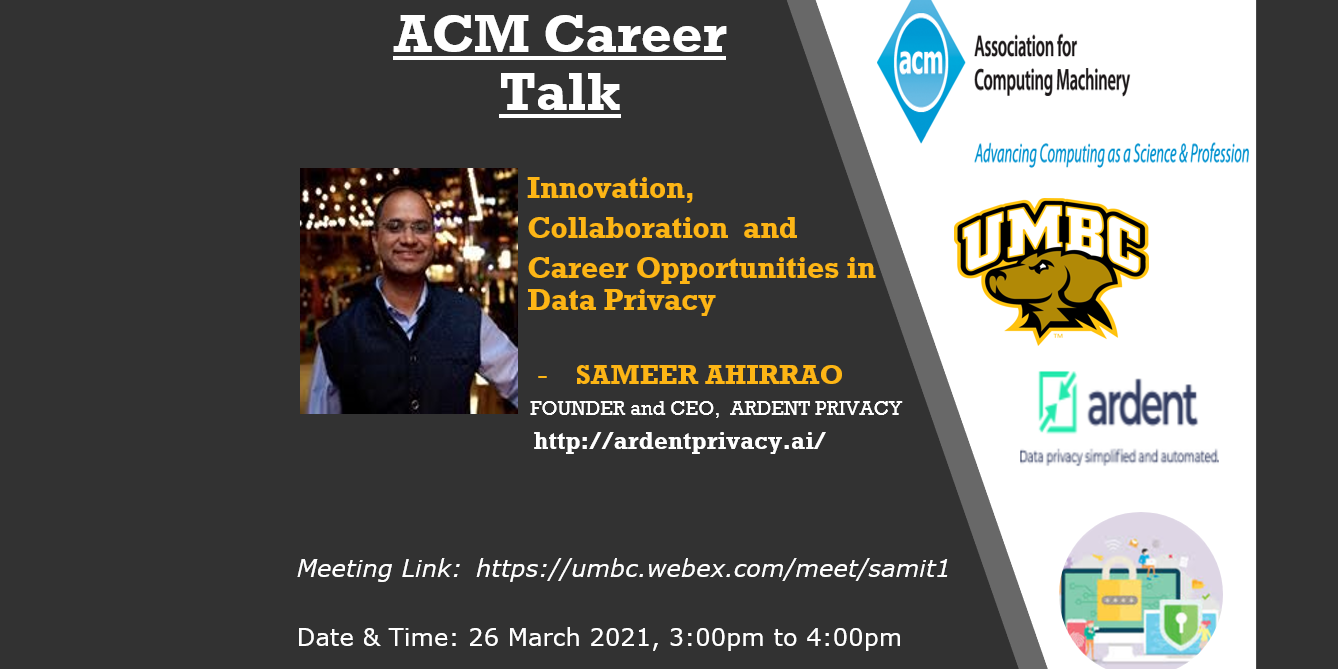
    <div class="html-content"><div><a href="https://www.csee.umbc.edu/wp-content/uploads/2021/03/acm_tweet.png" rel="nofollow external" class="bo"><img width="1024" height="512" src="https://www.csee.umbc.edu/wp-content/uploads/2021/03/acm_tweet-1024x512.png" alt="" style="max-width: 100%; height: auto;"></a><hr><p>Continuing with our Innovation, Collaboration, Job Search, and Career help theme, the ACM UMBC chapter is back again, hosting another session on the coming Friday with Sameer Ahirrao, a Founder and CEO of Ardent Privacy.  He will be talking about Innovation, Collaboration, and Career Opportunities in Data Privacy. Find more on how you can get a part-time off-campus or full-time internship under MIPS (Maryland Industrial Partnership) Program with Ardent Privacy.</p><p>Join us for insights from him and a Q&amp;A session with Sameer.<br>See you on Friday, March 16 at 3:00 pm EST on <a href="https://umbc.webex.com/meet/samit1" rel="nofollow external" class="bo">WebeX</a>.  For more information, contact:  *protected email*.</p></div>
    <p>The post <a href="https://www.csee.umbc.edu/2021/03/acm-career-talk-career-opportunities-in-data-privacy/" rel="nofollow external" class="bo">ACM career talk: career opportunities in data privacy</a> appeared first on <a href="https://www.csee.umbc.edu" rel="nofollow external" class="bo">Department of Computer Science and Electrical Engineering</a>.</p></div>
]]>
</Body>
<Summary>Continuing with our Innovation, Collaboration, Job Search, and Career help theme, the ACM UMBC chapter is back again, hosting another session on the coming Friday with Sameer Ahirrao, a Founder...</Summary>
<Website>https://www.csee.umbc.edu/2021/03/acm-career-talk-career-opportunities-in-data-privacy/</Website>
<TrackingUrl>https://my3.my.umbc.edu/api/v0/pixel/news/100116/guest@my.umbc.edu/27320021a982643fa00db9810f47d6f4/api/pixel</TrackingUrl>
<Tag>acm</Tag>
<Tag>csee</Tag>
<Tag>events</Tag>
<Tag>jobs</Tag>
<Tag>news</Tag>
<Tag>students</Tag>
<Group token="csee">Computer Science and Electrical Engineering</Group>
<GroupUrl>https://my3.my.umbc.edu/groups/csee</GroupUrl>
<AvatarUrl>https://assets3-my.umbc.edu/system/shared/avatars/groups/000/000/099/d117dca133c64bf78a4b7696dd007189/xsmall.png?1314043393</AvatarUrl>
<AvatarUrl size="original">https://assets1-my.umbc.edu/system/shared/avatars/groups/000/000/099/d117dca133c64bf78a4b7696dd007189/original.png?1314043393</AvatarUrl>
<AvatarUrl size="xxlarge">https://assets1-my.umbc.edu/system/shared/avatars/groups/000/000/099/d117dca133c64bf78a4b7696dd007189/xxlarge.png?1314043393</AvatarUrl>
<AvatarUrl size="xlarge">https://assets4-my.umbc.edu/system/shared/avatars/groups/000/000/099/d117dca133c64bf78a4b7696dd007189/xlarge.png?1314043393</AvatarUrl>
<AvatarUrl size="large">https://assets3-my.umbc.edu/system/shared/avatars/groups/000/000/099/d117dca133c64bf78a4b7696dd007189/large.png?1314043393</AvatarUrl>
<AvatarUrl size="medium">https://assets1-my.umbc.edu/system/shared/avatars/groups/000/000/099/d117dca133c64bf78a4b7696dd007189/medium.png?1314043393</AvatarUrl>
<AvatarUrl size="small">https://assets2-my.umbc.edu/system/shared/avatars/groups/000/000/099/d117dca133c64bf78a4b7696dd007189/small.png?1314043393</AvatarUrl>
<AvatarUrl size="xsmall">https://assets3-my.umbc.edu/system/shared/avatars/groups/000/000/099/d117dca133c64bf78a4b7696dd007189/xsmall.png?1314043393</AvatarUrl>
<AvatarUrl size="xxsmall">https://assets3-my.umbc.edu/system/shared/avatars/groups/000/000/099/d117dca133c64bf78a4b7696dd007189/xxsmall.png?1314043393</AvatarUrl>
<Sponsor>Computer Science and Electrical Engineering</Sponsor>
<PawCount>1</PawCount>
<CommentCount>0</CommentCount>
<CommentsAllowed>false</CommentsAllowed>
<PostedAt>Mon, 22 Mar 2021 15:19:02 -0400</PostedAt>
</NewsItem>

<NewsItem contentIssues="true" id="100065" important="false" status="posted" url="https://my3.my.umbc.edu/groups/ieee/posts/100065">
<Title>talk: Transparent Dishonesty: Front-Running Attacks on Blockchain, 12-1 pm ET 3/26</Title>
<Body>
<![CDATA[
    <div class="html-content"><div><a href="https://www.csee.umbc.edu/wp-content/uploads/2021/03/frontrunning.png" rel="nofollow external" class="bo"><img width="1024" height="451" src="https://www.csee.umbc.edu/wp-content/uploads/2021/03/frontrunning-1024x451.png" alt="" style="max-width: 100%; height: auto;"></a><hr><h4><strong>The UMBC Cyber Defense Lab presents</strong></h4><h2><strong>Transparent Dishonesty: Front-Running Attacks on Blockchain</strong></h2><hr><h3><strong>Professor Jeremy Clark<br>Concordia Institute for Information Systems Engineering<br>Concordia University, Montreal, Canada</strong></h3><hr><h3><strong>12–1 pm ET Friday, March 26, 2021<br>online via <a href="https://umbc.webex.com/meet/sherman" rel="nofollow external" class="bo">WebEx</a></strong></h3><hr><p>We consider front-running to be a course of action where an entity benefits from prior access to privileged market information about upcoming transactions and trades. Front-running has been an issue in financial instrument markets since the 1970s. With the advent of blockchain technology, front-running has resurfaced in new forms we explore here, instigated by blockchain’s decentralized and transparent nature. I will discuss our “systemization of knowledge” paper which draws from a scattered body of knowledge and instances of front-running across the top 25 most active decentral applications (DApps) deployed on Ethereum blockchain. Additionally, we carry out a detailed analysis of Status.im initial coin offering (ICO) and show evidence of abnormal miner’s behavior indicative of front-running token purchases. Finally, we map the proposed solutions to front-running into useful categories.</p><hr><p><a href="https://users.encs.concordia.ca/~clark/" rel="nofollow external" class="bo">Jeremy Clark</a> is an associate professor at the Concordia Institute for Information Systems Engineering. At Concordia, he holds the NSERC/Raymond Chabot Grant Thornton/Catallaxy Industrial Research Chair in Blockchain Technologies. He earned his Ph.D. from the University of Waterloo, where his gold medal dissertation was on designing and deploying secure voting systems including Scantegrity—the first cryptographically verifiable system used in a public sector election. He wrote one of the earliest academic papers on Bitcoin, completed several research projects in the area, and contributed to the first textbook. Beyond research, he has worked with several municipalities on voting technology and testified to both the Canadian Senate and House finance committees on Bitcoin. email: *protected email*</p><hr><p>Host: Alan T. Sherman, *protected email* Support for this event was provided in part by the National Science Foundation under SFS grant DGE-1753681. The UMBC Cyber Defense Lab meets biweekly Fridays. All meetings are open to the public. Upcoming CDL Meetings: April 9, (UMBC), MeetingMayhem: A network adversarial thinking game; April 23, Peter Peterson (University of Minnesota Duluth), Adversarial thinking;<br>May 7, Farid Javani (UMBC), Anonymization by oblivious transfer.</p></div>
    <p>The post <a href="https://www.csee.umbc.edu/2021/03/talk-transparent-dishonesty-front-running-attacks-on-blockchain-12-1-pm-et-3-26/" rel="nofollow external" class="bo">talk: Transparent Dishonesty: Front-Running Attacks on Blockchain, 12-1 pm ET 3/26</a> appeared first on <a href="https://www.csee.umbc.edu" rel="nofollow external" class="bo">Department of Computer Science and Electrical Engineering</a>.</p></div>
]]>
</Body>
<Summary>The UMBC Cyber Defense Lab presents  Transparent Dishonesty: Front-Running Attacks on Blockchain   Professor Jeremy Clark Concordia Institute for Information Systems Engineering Concordia...</Summary>
<Website>https://www.csee.umbc.edu/2021/03/talk-transparent-dishonesty-front-running-attacks-on-blockchain-12-1-pm-et-3-26/</Website>
<TrackingUrl>https://my3.my.umbc.edu/api/v0/pixel/news/100065/guest@my.umbc.edu/fcbec1d46d6aa78f31958b51989c17e4/api/pixel</TrackingUrl>
<Tag>computer-science</Tag>
<Tag>cybersecurity</Tag>
<Tag>news</Tag>
<Tag>research</Tag>
<Tag>talks</Tag>
<Group token="csee">Computer Science and Electrical Engineering</Group>
<GroupUrl>https://my3.my.umbc.edu/groups/csee</GroupUrl>
<AvatarUrl>https://assets3-my.umbc.edu/system/shared/avatars/groups/000/000/099/d117dca133c64bf78a4b7696dd007189/xsmall.png?1314043393</AvatarUrl>
<AvatarUrl size="original">https://assets1-my.umbc.edu/system/shared/avatars/groups/000/000/099/d117dca133c64bf78a4b7696dd007189/original.png?1314043393</AvatarUrl>
<AvatarUrl size="xxlarge">https://assets1-my.umbc.edu/system/shared/avatars/groups/000/000/099/d117dca133c64bf78a4b7696dd007189/xxlarge.png?1314043393</AvatarUrl>
<AvatarUrl size="xlarge">https://assets4-my.umbc.edu/system/shared/avatars/groups/000/000/099/d117dca133c64bf78a4b7696dd007189/xlarge.png?1314043393</AvatarUrl>
<AvatarUrl size="large">https://assets3-my.umbc.edu/system/shared/avatars/groups/000/000/099/d117dca133c64bf78a4b7696dd007189/large.png?1314043393</AvatarUrl>
<AvatarUrl size="medium">https://assets1-my.umbc.edu/system/shared/avatars/groups/000/000/099/d117dca133c64bf78a4b7696dd007189/medium.png?1314043393</AvatarUrl>
<AvatarUrl size="small">https://assets2-my.umbc.edu/system/shared/avatars/groups/000/000/099/d117dca133c64bf78a4b7696dd007189/small.png?1314043393</AvatarUrl>
<AvatarUrl size="xsmall">https://assets3-my.umbc.edu/system/shared/avatars/groups/000/000/099/d117dca133c64bf78a4b7696dd007189/xsmall.png?1314043393</AvatarUrl>
<AvatarUrl size="xxsmall">https://assets3-my.umbc.edu/system/shared/avatars/groups/000/000/099/d117dca133c64bf78a4b7696dd007189/xxsmall.png?1314043393</AvatarUrl>
<Sponsor>Computer Science and Electrical Engineering</Sponsor>
<PawCount>1</PawCount>
<CommentCount>0</CommentCount>
<CommentsAllowed>false</CommentsAllowed>
<PostedAt>Sun, 21 Mar 2021 16:56:13 -0400</PostedAt>
</NewsItem>

<NewsItem contentIssues="true" id="100062" important="false" status="posted" url="https://my3.my.umbc.edu/groups/ieee/posts/100062">
<Title>talk: Sensing the Physical World using Pervasive Wireless Infrastructures, 1-2pm ET 3/25</Title>
<Body>
<![CDATA[
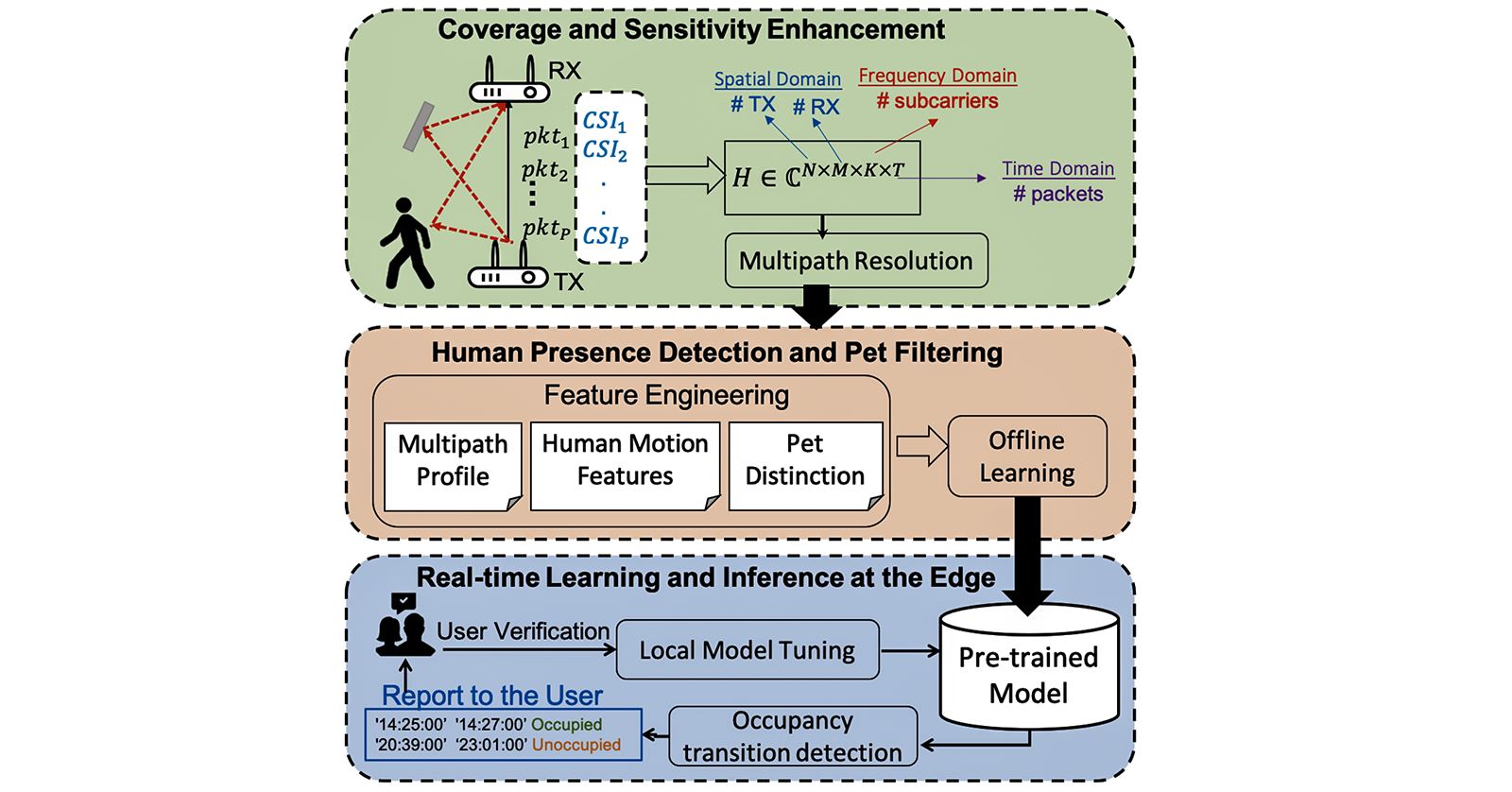
    <div class="html-content"><div><a href="https://www.csee.umbc.edu/wp-content/uploads/2021/03/wireless_sensing.png" rel="nofollow external" class="bo"><img width="1024" height="536" src="https://www.csee.umbc.edu/wp-content/uploads/2021/03/wireless_sensing-1024x536.png" alt="" style="max-width: 100%; height: auto;"></a><hr><h2><strong>Sensing the Physical World using Pervasive Wireless Infrastructures</strong></h2><h3><strong>Elahe Soltanaghaei</strong><br><strong>Carnegie Mellon University</strong></h3><h3><strong>1:00-2:00 pm ET Thursday, 25 March 2021</strong><br><strong>online via <a href="https://www.google.com/url?q=https://umbc.webex.com/umbc/j.php?MTID%3Dm33cada09fd2aa2170d34d1a7d8f4ab09&amp;sa=D&amp;source=calendar&amp;usd=2&amp;usg=AOvVaw2tLeM7hPlTpzTiBbEN5Yo9" rel="nofollow external" class="bo">WebEx</a></strong></h3><hr><p>Emerging applications such as smart cities, autonomous vehicles, and mixed reality rely on embedded systems that are engaging with the physical environment through sensors. Building upon this connection, my vision is to advance Omnipresent Sensing by harnessing the wireless infrastructure in and around buildings and cities to act as a non-intrusive sensing platform. This is possible by innovating at the crossroads of two recent trends in mobile computing: (1) Wireless technologies such as Millimeter-wave (mmWave) and Massive MIMO systems can now support higher bandwidth for communication and improved resolution for RF sensing applications. (2) Advancements in CPUs and RF front-ends are making it easier to develop software-defined sensing and communication systems. This is affording edge devices the ability to do more advanced signal processing and machine learning.  <br><br>In this talk, I will focus on how to design an RF-equivalent of optical retro-reflectors and use them as fiducial markers in autonomous vehicles, robotics, and mixed reality applications. I will then discuss how nuances from the environment itself can be leveraged to improve sensing quality in the context of human sensing, object tracking, and indoor localization. I will conclude this talk with a roadmap of combining radar-style RF sensors and wireless communication links for the wireless embedded systems of the future. <br><br>Elahe Soltanaghaei is a postdoctoral researcher at Carnegie Mellon University in the Wireless, Sensing, and Embedded Systems (WiSE) lab. She received her Ph.D. in Computer Science from the University of Virginia. Her research spans the areas of wireless sensing and networking with applications in IoT and Cyber-Physical Systems. Reflecting the multidisciplinary nature of her research, her work has been published in premier conferences and journals in the areas of mobile computing, wireless networks, and energy and infrastructure. She is the recipient of the 2020 ACM SIGMOBILE Dissertation Award, 2019 EECS Rising Stars, and the 2019 N2-Women Young Researcher Fellowship (more at <a href="https://www.google.com/url?q=https://www.andrew.cmu.edu/~esoltana/&amp;sa=D&amp;source=calendar&amp;usd=2&amp;usg=AOvVaw2DpSZK_Ct8dwIqCTmXlXKt" rel="nofollow external" class="bo">https://www.andrew.cmu.edu/~esoltana/</a>)</p></div>
    <p>The post <a href="https://www.csee.umbc.edu/2021/03/talk-sensing-the-physical-world-using-pervasive-wireless-infrastructures/" rel="nofollow external" class="bo">talk: Sensing the Physical World using Pervasive Wireless Infrastructures, 1-2pm ET 3/25</a> appeared first on <a href="https://www.csee.umbc.edu" rel="nofollow external" class="bo">Department of Computer Science and Electrical Engineering</a>.</p></div>
]]>
</Body>
<Summary>Sensing the Physical World using Pervasive Wireless Infrastructures  Elahe Soltanaghaei Carnegie Mellon University  1:00-2:00 pm ET Thursday, 25 March 2021 online via WebEx   Emerging applications...</Summary>
<Website>https://www.csee.umbc.edu/2021/03/talk-sensing-the-physical-world-using-pervasive-wireless-infrastructures/</Website>
<TrackingUrl>https://my3.my.umbc.edu/api/v0/pixel/news/100062/guest@my.umbc.edu/535944c5a85b245c9ca6670072604d3e/api/pixel</TrackingUrl>
<Tag>ai</Tag>
<Tag>computer-engineering</Tag>
<Tag>computer-science</Tag>
<Tag>csee</Tag>
<Tag>data-science</Tag>
<Tag>machine-learning</Tag>
<Tag>news</Tag>
<Tag>talks</Tag>
<Group token="csee">Computer Science and Electrical Engineering</Group>
<GroupUrl>https://my3.my.umbc.edu/groups/csee</GroupUrl>
<AvatarUrl>https://assets3-my.umbc.edu/system/shared/avatars/groups/000/000/099/d117dca133c64bf78a4b7696dd007189/xsmall.png?1314043393</AvatarUrl>
<AvatarUrl size="original">https://assets1-my.umbc.edu/system/shared/avatars/groups/000/000/099/d117dca133c64bf78a4b7696dd007189/original.png?1314043393</AvatarUrl>
<AvatarUrl size="xxlarge">https://assets1-my.umbc.edu/system/shared/avatars/groups/000/000/099/d117dca133c64bf78a4b7696dd007189/xxlarge.png?1314043393</AvatarUrl>
<AvatarUrl size="xlarge">https://assets4-my.umbc.edu/system/shared/avatars/groups/000/000/099/d117dca133c64bf78a4b7696dd007189/xlarge.png?1314043393</AvatarUrl>
<AvatarUrl size="large">https://assets3-my.umbc.edu/system/shared/avatars/groups/000/000/099/d117dca133c64bf78a4b7696dd007189/large.png?1314043393</AvatarUrl>
<AvatarUrl size="medium">https://assets1-my.umbc.edu/system/shared/avatars/groups/000/000/099/d117dca133c64bf78a4b7696dd007189/medium.png?1314043393</AvatarUrl>
<AvatarUrl size="small">https://assets2-my.umbc.edu/system/shared/avatars/groups/000/000/099/d117dca133c64bf78a4b7696dd007189/small.png?1314043393</AvatarUrl>
<AvatarUrl size="xsmall">https://assets3-my.umbc.edu/system/shared/avatars/groups/000/000/099/d117dca133c64bf78a4b7696dd007189/xsmall.png?1314043393</AvatarUrl>
<AvatarUrl size="xxsmall">https://assets3-my.umbc.edu/system/shared/avatars/groups/000/000/099/d117dca133c64bf78a4b7696dd007189/xxsmall.png?1314043393</AvatarUrl>
<Sponsor>Computer Science and Electrical Engineering</Sponsor>
<PawCount>1</PawCount>
<CommentCount>0</CommentCount>
<CommentsAllowed>false</CommentsAllowed>
<PostedAt>Sun, 21 Mar 2021 11:32:20 -0400</PostedAt>
</NewsItem>

<NewsItem contentIssues="true" id="100063" important="false" status="posted" url="https://my3.my.umbc.edu/groups/ieee/posts/100063">
<Title>talk: Machine Learning: New Methodology for Physical &amp; Social Sciences, 1pm ET 3/24</Title>
<Body>
<![CDATA[
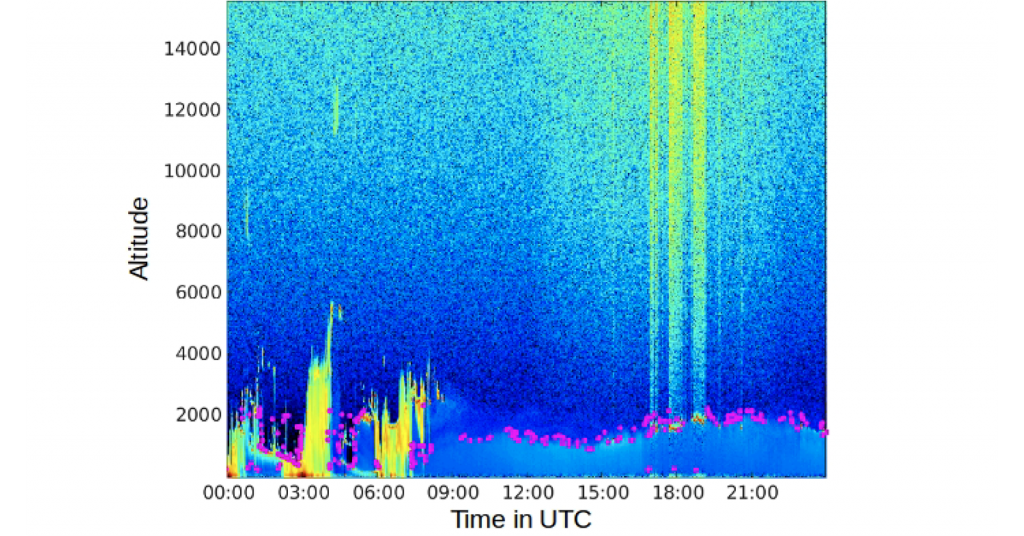
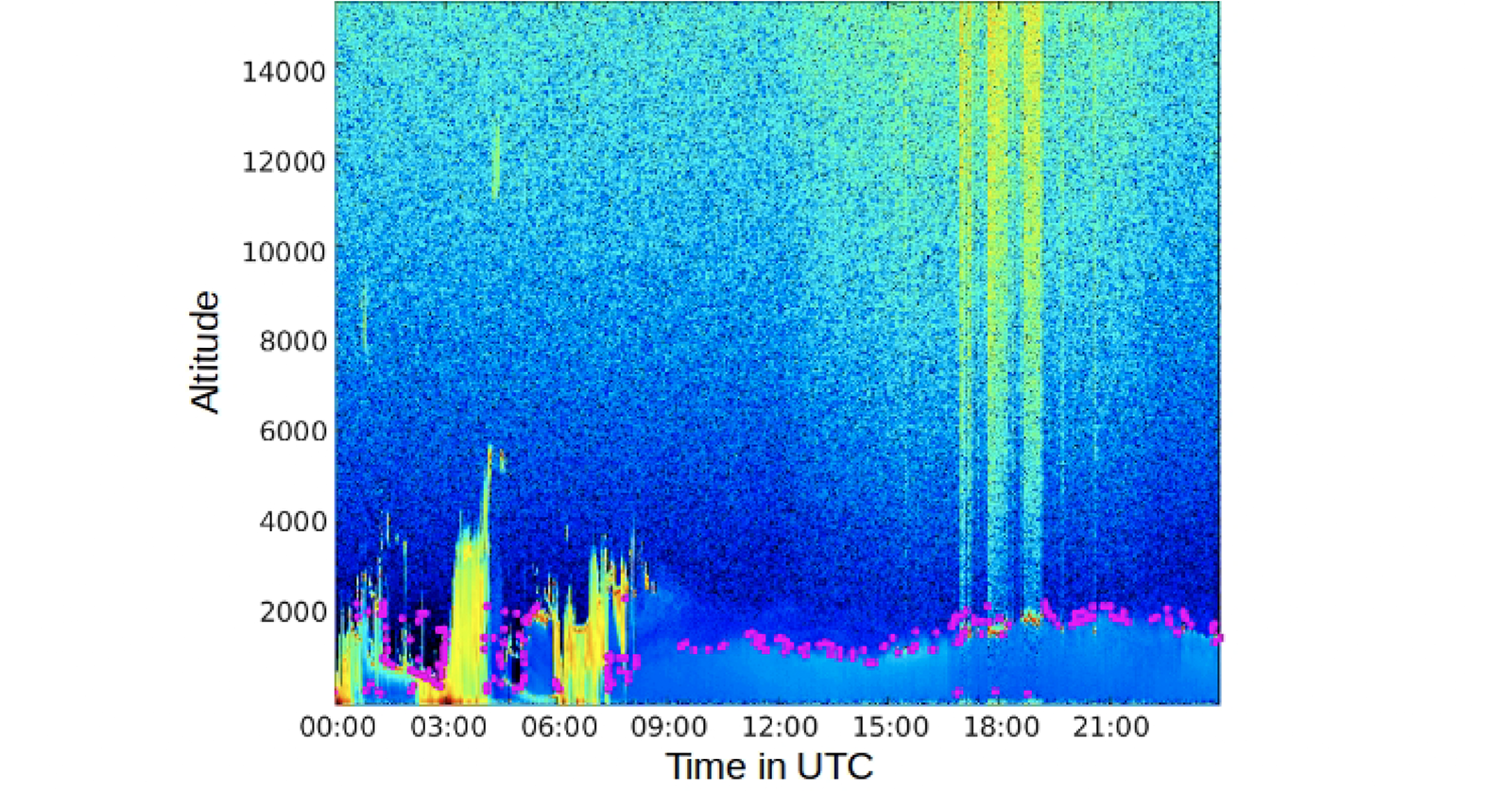
    <div class="html-content"><a href="https://www.csee.umbc.edu/wp-content/uploads/2021/03/pblh.png" rel="nofollow external" class="bo"><img width="1024" height="536" src="https://www.csee.umbc.edu/wp-content/uploads/2021/03/pblh-1024x536.png" alt="" style="max-width: 100%; height: auto;"></a>24 hour LIDAR backscatter profiles and PBLH points generated from image machine learning system<hr><h2><strong>The Infusion of Machine Learning as a New Methodology for the Physical and Social Sciences</strong></h2><h3><strong>Dr. Jennifer Sleeman</strong><br><strong>CSEE, UMBC</strong></h3><h3><strong>1:00-2:00 pm ET, Wednesday, March 24</strong><br><strong>Online via <a href="https://www.google.com/url?q=https://umbc.webex.com/umbc/j.php?MTID%3Dm7083352816773d144557b48e87db287a&amp;sa=D&amp;source=calendar&amp;usd=2&amp;usg=AOvVaw2ADRTg_mqy1g9Bx3jE0P-X" rel="nofollow external" class="bo">WebEx</a></strong></h3><hr><p>Machine learning has made improvements in many areas of computing. Recently attention has been given to infusing social science methodology with machine learning. In addition, the physical sciences have begun to embrace machine learning to augment their physical parameterization and to discover new features in their computations. I will describe my work that relates to these new emerging areas of research. I will first describe our machine learning research efforts related to understanding the changing role of climate and its effects on society. I will describe how this methodology was also applied to understanding cyber-related exploits. As part of this work, I developed an expertise in generative modeling, which led to a patent in generative and translation-based methods applied to imagery. These ideas were fundamental to a contribution in machine learning using quantum annealing. Quantum computing holds promise for deep learning to reach model convergence faster than classical computers. I will describe work related to developing a new hybrid method that overcame qubit limitations for image generation. </p><p>In addition, I will describe my current work related to machine learning for the Physical Sciences. As part of a multi-disciplinary team from UMBC and other universities, my current work explores ways to augment and replace existing physical parameterizations with neural network based models. I have led a research effort to calculate the planetary boundary layer’s height (PBLH) used for ceilometer-based backscatter profiles and satellite-borne lidar instruments. This work addresses the largest uncertainty in climate change, namely the role of aerosols (dust, carbon, sulfates, sea salt, etc.). We employ a novel method that includes a deep segmentation neural network that uses near-time continuous profiles forming an image to determine boundary layer heights. This method overcomes limitations in wavelet approaches which are unable to identify the PBLH under certain conditions. I will also give a preview of two efforts related to Long Short Term Memory (LSTM) neural networks related to learning PBLH changes over time. These research efforts result from collaborations with two students in the UMBC CSEE department and are being published and presented at the AAAI 2021 Spring Symposium on Combining Artificial Intelligence and Machine Learning with Physics Sciences. </p><hr><p>Dr. Jennifer Sleeman is a Research Assistant Professor in Computer Science at the University of Maryland, Baltimore County (UMBC). Her research interests include generative models, natural language processing, semantic representation, image generation, and deep learning. Dr. Sleeman received the prestigious recognition of being a <a href="https://publish.illinois.edu/rising-stars/jennifer-sleeman/)" rel="nofollow external" class="bo">2019 EECS Rising Star</a>. She was also recognized in 2017 as one of the best Data Scientists in the Washington, DC region by DCFemTech. She defended her Ph.D. thesis, Dynamic Data Assimilation for Topic Modeling (DDATM) in 2017 under Tim Finin and Milton Halem. Her thesis-related work was awarded a Microsoft “AI for Earth” resource grant in 2017 and 2018 and also won the best paper award in the Semantic Web for Social Good Workshop presented at International Semantic Web Conference in 2018. She was an invited guest panelist at the AI for Social Good AAAI Fall Symposium in 2019 and was also an invited keynote speaker at the Sixth IEEE International Conference on Data Science and Engineering (ICDSE 2020), where she presented her ideas related to AI for Social Good and Science. She is an active research scientist in generative deep learning methods for which she holds a patent. She has over 12 years of machine learning experience and over 22 years of software engineering experience, in both academic and government/industry settings. She is currently funded by NASA and NOAA (PI). She also teaches Introduction to Artificial Intelligence at the University of Maryland, Baltimore County (UMBC) and currently mentors two Master’s students</p>
    <p>The post <a href="https://www.csee.umbc.edu/2021/03/talk-machine-learning-as-a-new-methodology-for-the-physical-and-social-sciences-1pm-et-3-24/" rel="nofollow external" class="bo">talk: Machine Learning: New Methodology for Physical &amp; Social Sciences, 1pm ET 3/24</a> appeared first on <a href="https://www.csee.umbc.edu" rel="nofollow external" class="bo">Department of Computer Science and Electrical Engineering</a>.</p></div>
]]>
</Body>
<Summary>24 hour LIDAR backscatter profiles and PBLH points generated from image machine learning system  The Infusion of Machine Learning as a New Methodology for the Physical and Social Sciences  Dr....</Summary>
<Website>https://www.csee.umbc.edu/2021/03/talk-machine-learning-as-a-new-methodology-for-the-physical-and-social-sciences-1pm-et-3-24/</Website>
<TrackingUrl>https://my3.my.umbc.edu/api/v0/pixel/news/100063/guest@my.umbc.edu/1d4c1ae9fc8ba8e9ac8ca1af595a2062/api/pixel</TrackingUrl>
<Tag>ai</Tag>
<Tag>computer-science</Tag>
<Tag>data-science</Tag>
<Tag>events</Tag>
<Tag>machine-learning</Tag>
<Tag>news</Tag>
<Tag>research</Tag>
<Tag>talks</Tag>
<Tag>uncategorized</Tag>
<Group token="csee">Computer Science and Electrical Engineering</Group>
<GroupUrl>https://my3.my.umbc.edu/groups/csee</GroupUrl>
<AvatarUrl>https://assets3-my.umbc.edu/system/shared/avatars/groups/000/000/099/d117dca133c64bf78a4b7696dd007189/xsmall.png?1314043393</AvatarUrl>
<AvatarUrl size="original">https://assets1-my.umbc.edu/system/shared/avatars/groups/000/000/099/d117dca133c64bf78a4b7696dd007189/original.png?1314043393</AvatarUrl>
<AvatarUrl size="xxlarge">https://assets1-my.umbc.edu/system/shared/avatars/groups/000/000/099/d117dca133c64bf78a4b7696dd007189/xxlarge.png?1314043393</AvatarUrl>
<AvatarUrl size="xlarge">https://assets4-my.umbc.edu/system/shared/avatars/groups/000/000/099/d117dca133c64bf78a4b7696dd007189/xlarge.png?1314043393</AvatarUrl>
<AvatarUrl size="large">https://assets3-my.umbc.edu/system/shared/avatars/groups/000/000/099/d117dca133c64bf78a4b7696dd007189/large.png?1314043393</AvatarUrl>
<AvatarUrl size="medium">https://assets1-my.umbc.edu/system/shared/avatars/groups/000/000/099/d117dca133c64bf78a4b7696dd007189/medium.png?1314043393</AvatarUrl>
<AvatarUrl size="small">https://assets2-my.umbc.edu/system/shared/avatars/groups/000/000/099/d117dca133c64bf78a4b7696dd007189/small.png?1314043393</AvatarUrl>
<AvatarUrl size="xsmall">https://assets3-my.umbc.edu/system/shared/avatars/groups/000/000/099/d117dca133c64bf78a4b7696dd007189/xsmall.png?1314043393</AvatarUrl>
<AvatarUrl size="xxsmall">https://assets3-my.umbc.edu/system/shared/avatars/groups/000/000/099/d117dca133c64bf78a4b7696dd007189/xxsmall.png?1314043393</AvatarUrl>
<Sponsor>Computer Science and Electrical Engineering</Sponsor>
<PawCount>1</PawCount>
<CommentCount>0</CommentCount>
<CommentsAllowed>false</CommentsAllowed>
<PostedAt>Sun, 21 Mar 2021 10:28:02 -0400</PostedAt>
<EditAt>Sun, 21 Mar 2021 10:28:02 -0400</EditAt>
</NewsItem>

<NewsItem contentIssues="true" id="100044" important="false" status="posted" url="https://my3.my.umbc.edu/groups/ieee/posts/100044">
<Title>talk: (Don&#8217;t) Mind the Gap: Bridging the Worlds of People and IoT Devices, 1-2 ET 3/23</Title>
<Body>
<![CDATA[
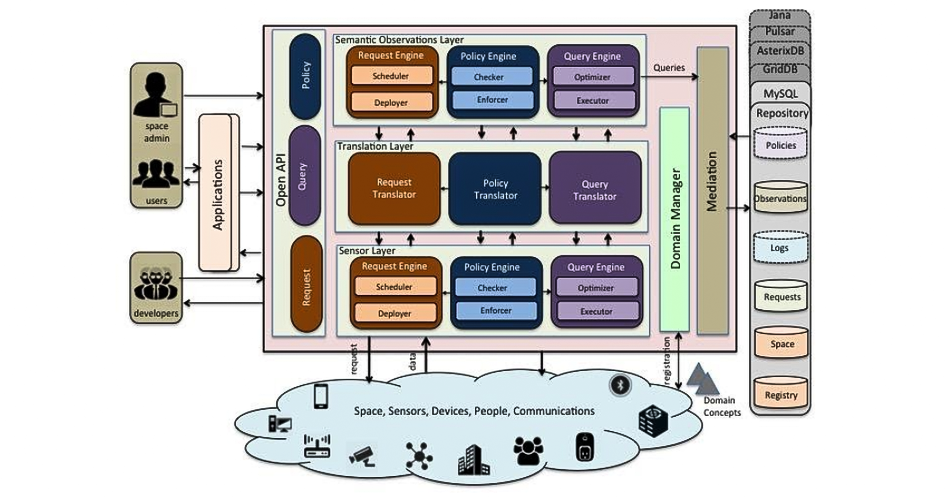
    <div class="html-content"><div><a href="https://www.csee.umbc.edu/wp-content/uploads/2021/03/tippers.png" rel="nofollow external" class="bo"><img width="948" height="497" src="https://www.csee.umbc.edu/wp-content/uploads/2021/03/tippers.png" alt="" style="max-width: 100%; height: auto;"></a><p>TIPPERS is an IoT data management middleware system developed at UCI that manages IoT smart spaces by collecting sensor data, inferring semantically meaningful information, and providing developers with data for intelligent applications.</p><hr><h2>(<strong>Don’t) Mind the Gap: Bridging the Worlds of People and IoT Devices</strong></h2><hr><h3><strong><a href="https://robertoyus.com/" rel="nofollow external" class="bo">Dr. Roberto Yus</a><br>University of California, Irvine</strong></h3><h3>1:00-2:00 pm ET, Tuesday, 23 March 2021<br>online via <a href="https://umbc.webex.com/umbc/j.php?MTID=m1ebeeca207bb966ed2c24130987b976b" rel="nofollow external" class="bo">WebEx</a></h3><hr><p>The Internet of Things (IoT) has the potential to improve our lives through different services given the diversity of smart devices and their capabilities. For example, the IoT can empower services to make the re-opening of business during the current pandemic safer by monitoring adherence to regulations. But the large amounts of highly heterogeneous data captured by IoT devices typically require further processing to become useful information. The challenge is thus for IoT systems to determine which sensor data has to be captured/stored/processed/shared to, for instance, determine the occupancy of a specific office building or the spaces in which a potential exposure took place. This becomes even more challenging when IoT systems have to take into account the privacy preferences of individuals, such as the need to prevent sharing data about their daily patterns or habits.</p><p>In this talk, I will discuss my efforts into helping IoT systems bridge the gap between the world of IoT devices and the world where people act. First, I will introduce a model to represent knowledge about sensors/actuators, people, spaces, events, and their relationships. Based on the model, I will explain an algorithmic solution to translate user requests and privacy preferences defined in a high-level, more semantically meaningful way into operations on IoT devices and their captured data. Second, I will talk about the enforcement of privacy preferences in the context of the IoT. Finally, I will overview my experience building and deploying an IoT data management system, TIPPERS, which has been deployed at UC Irvine and two US Navy vessels and is soon to be deployed on other campuses. I will conclude the talk by discussing the exciting future work opportunities towards supporting the next generation of ubiquitous IoT data management systems and technologies that autonomously, transparently, and at scale, balance the trade-off between providing users with high utility and respecting people’s privacy requirements.</p><hr><p><a href="https://robertoyus.com/" rel="nofollow external" class="bo">Roberto Yus</a> is a Postdoctoral Researcher in the Computer Science department at the University of California, Irvine working with Prof. Sharad Mehrotra. Before that, he spent a year as a visiting researcher at the University of Maryland, Baltimore County working with Prof. Anupam Joshi and Prof. Tim Finin. He obtained his Ph.D. in Computer Science from the University of Zaragoza, Spain, funded through a 4-year fellowship from the Spanish Ministry of Science and Innovation. His research interests are in the fields of data management, knowledge representation, privacy, and the Internet of Things (IoT). His research focuses on the design of semantic data management solutions to empower IoT systems to understand user information requirements and user privacy preferences and adapt their operations taking those into account. Roberto’s research has been published in top-tier conferences and journals such as VLDB and the Journal of Web Semantics. He is part of the editorial board of the “Sensors” and “Frontiers in Big Data” journals and has served as part of the organizing and program committee of several conferences and workshops in addition to serving as an external reviewer for multiple conferences and journals.</p></div>
    <p>The post <a href="https://www.csee.umbc.edu/2021/03/talk-dont-mind-the-gap-bridging-the-worlds-of-people-and-iot-devices-1-2-et-3-23/" rel="nofollow external" class="bo">talk: (Don’t) Mind the Gap: Bridging the Worlds of People and IoT Devices, 1-2 ET 3/23</a> appeared first on <a href="https://www.csee.umbc.edu" rel="nofollow external" class="bo">Department of Computer Science and Electrical Engineering</a>.</p></div>
]]>
</Body>
<Summary>TIPPERS is an IoT data management middleware system developed at UCI that manages IoT smart spaces by collecting sensor data, inferring semantically meaningful information, and providing...</Summary>
<Website>https://www.csee.umbc.edu/2021/03/talk-dont-mind-the-gap-bridging-the-worlds-of-people-and-iot-devices-1-2-et-3-23/</Website>
<TrackingUrl>https://my3.my.umbc.edu/api/v0/pixel/news/100044/guest@my.umbc.edu/ce79dbe3994eb12bb796bf6234829aa8/api/pixel</TrackingUrl>
<Tag>ai</Tag>
<Tag>csee</Tag>
<Tag>events</Tag>
<Tag>iot</Tag>
<Tag>machine-learning</Tag>
<Tag>news</Tag>
<Tag>research</Tag>
<Tag>talks</Tag>
<Group token="csee">Computer Science and Electrical Engineering</Group>
<GroupUrl>https://my3.my.umbc.edu/groups/csee</GroupUrl>
<AvatarUrl>https://assets3-my.umbc.edu/system/shared/avatars/groups/000/000/099/d117dca133c64bf78a4b7696dd007189/xsmall.png?1314043393</AvatarUrl>
<AvatarUrl size="original">https://assets1-my.umbc.edu/system/shared/avatars/groups/000/000/099/d117dca133c64bf78a4b7696dd007189/original.png?1314043393</AvatarUrl>
<AvatarUrl size="xxlarge">https://assets1-my.umbc.edu/system/shared/avatars/groups/000/000/099/d117dca133c64bf78a4b7696dd007189/xxlarge.png?1314043393</AvatarUrl>
<AvatarUrl size="xlarge">https://assets4-my.umbc.edu/system/shared/avatars/groups/000/000/099/d117dca133c64bf78a4b7696dd007189/xlarge.png?1314043393</AvatarUrl>
<AvatarUrl size="large">https://assets3-my.umbc.edu/system/shared/avatars/groups/000/000/099/d117dca133c64bf78a4b7696dd007189/large.png?1314043393</AvatarUrl>
<AvatarUrl size="medium">https://assets1-my.umbc.edu/system/shared/avatars/groups/000/000/099/d117dca133c64bf78a4b7696dd007189/medium.png?1314043393</AvatarUrl>
<AvatarUrl size="small">https://assets2-my.umbc.edu/system/shared/avatars/groups/000/000/099/d117dca133c64bf78a4b7696dd007189/small.png?1314043393</AvatarUrl>
<AvatarUrl size="xsmall">https://assets3-my.umbc.edu/system/shared/avatars/groups/000/000/099/d117dca133c64bf78a4b7696dd007189/xsmall.png?1314043393</AvatarUrl>
<AvatarUrl size="xxsmall">https://assets3-my.umbc.edu/system/shared/avatars/groups/000/000/099/d117dca133c64bf78a4b7696dd007189/xxsmall.png?1314043393</AvatarUrl>
<Sponsor>Computer Science and Electrical Engineering</Sponsor>
<PawCount>1</PawCount>
<CommentCount>0</CommentCount>
<CommentsAllowed>false</CommentsAllowed>
<PostedAt>Thu, 18 Mar 2021 11:22:54 -0400</PostedAt>
</NewsItem>

<NewsItem contentIssues="true" id="100038" important="false" status="posted" url="https://my3.my.umbc.edu/groups/ieee/posts/100038">
<Title>talk: Towards Contextual Security of AI-enabled platforms, 1-2 pm ET 3/22</Title>
<Body>
<![CDATA[
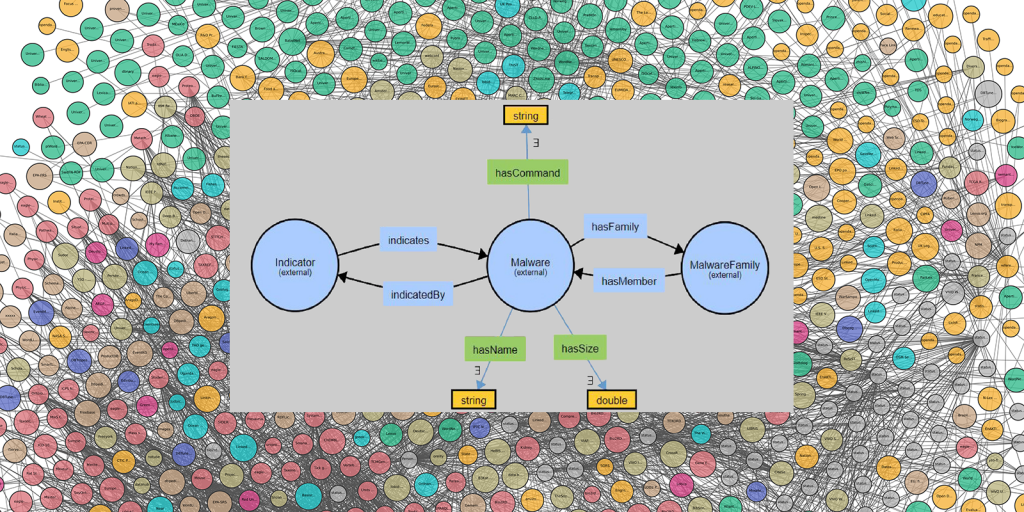
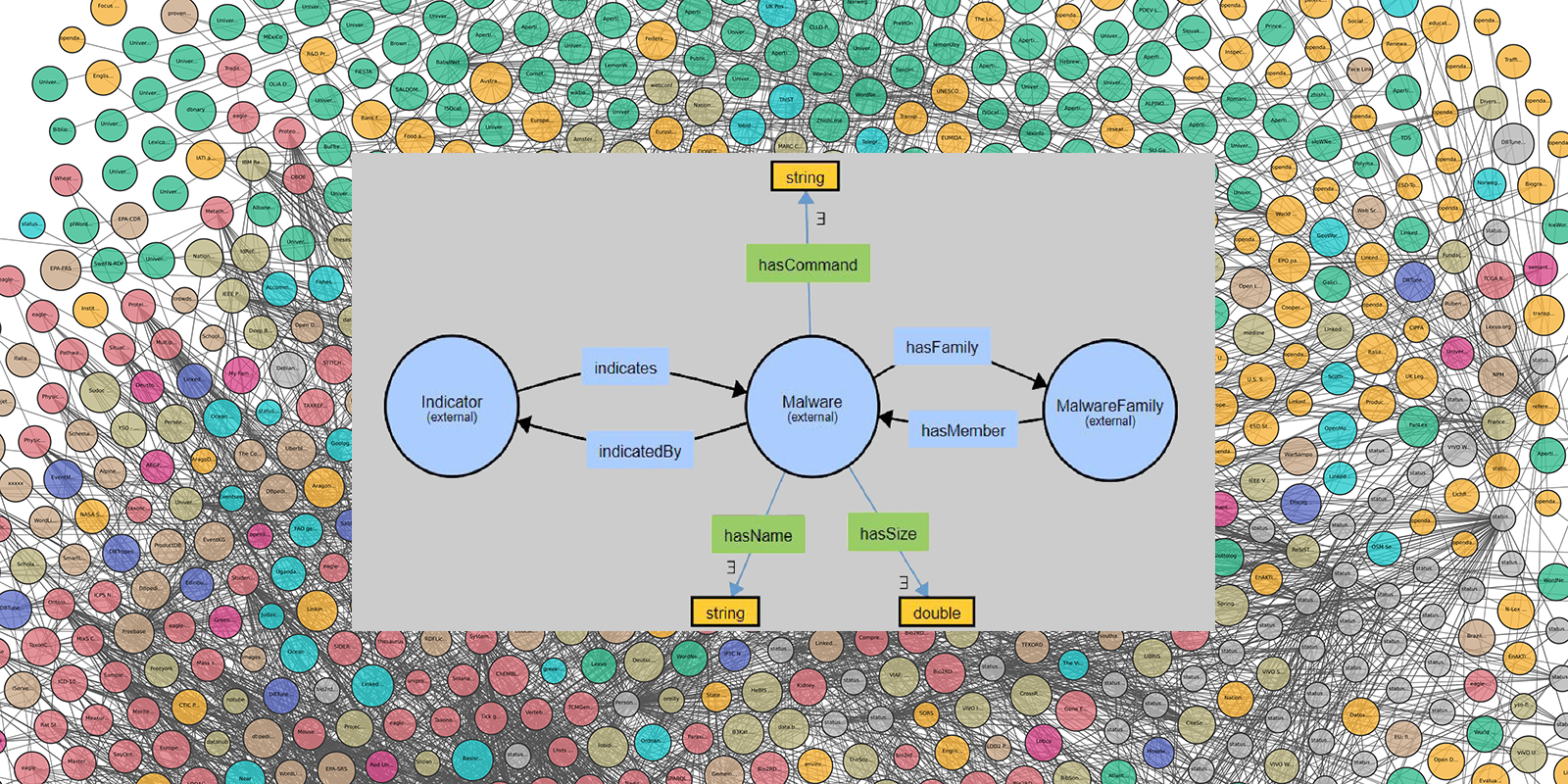
    <div class="html-content"><a href="https://www.csee.umbc.edu/wp-content/uploads/2021/03/lod-cloud-copy.png" rel="nofollow external" class="bo"><img width="1024" height="512" src="https://www.csee.umbc.edu/wp-content/uploads/2021/03/lod-cloud-copy-1024x512.png" alt="" style="max-width: 100%; height: auto;"></a><hr><h2><strong>Towards Contextual Security of AI-enabled platforms</strong></h2><h3><strong>Dr. Nidhi Rastogi<br>Rensselaer Polytechnic Institute</strong></h3><h3><strong>1-2:00pm ET, Monday, 22 March 2021</strong></h3><h3><strong>via <a href="https://umbc.webex.com/umbc/j.php?MTID=me7d8daa5ba3097f75036ff901267a2cc" rel="nofollow external" class="bo">WebEx</a></strong></h3><p>The explosive growth of Internet-connected and AI-enabled devices and data produced by them has introduced significant threats. For example, malware intrusions (SolarWinds) have become perilous and extremely hard to discover, while data breaches continue to compromise user privacy (Zoom credentials exposed) and endanger personally identifiable information. My research takes a holistic approach towards systems and platforms to address security-related concerns using contextual and explainable models. </p><p>In this talk, I will present ongoing work that analyzes and improves the cybersecurity posture of Internet-connected systems and devices using automated, trustworthy, and contextual AI-models. Specifically, my research in malware threat intelligence gathers diverse information from varied datasets – system and network logs, source code, and text. In [1], an open-source ontology (MALOnt) contextualizes threat intelligence by aggregating malware-related information into classes and relations. TINKER [2, 3] – the first open-source malware knowledge graph, instantiates MALOnt classes and enables information extraction, reasoning, analysis, detection, classification, and cyber threat attribution. At present, the research is addressing the trustworthiness of information sources and extractors.</p><p>1. <strong>Rastogi</strong>, <strong>N.</strong>, Dutta, S., Zaki, M. J., Gittens, A., &amp; Aggarwal, C. (2020). <a href="https://arxiv.org/abs/2006.11446" rel="nofollow external" class="bo">MALOnt: An ontology for malware threat intelligence</a>, In KDD’20 Workshop at <em>International workshop on deployable machine learning for security defense</em>. Springer, Cham.</p><p>2. <strong>Rastogi</strong>, <strong>N.</strong>, Dutta, S., Christian, R., Gridley, J., Zaki, M. J., Gittens, A., and Aggarwal, C.  (2021). Knowledge graph generation and completion for contextual malware threat intelligence. <em>In USENIX Security’21, Accepted.</em></p><p>3. Yee, D., Dutta, S., <strong>Rastogi</strong>, <strong>N.</strong>, Gu, C., and Ma, Q. (2021). TINKER: Knowledge graph for threat intelligence. In <em>ACL-</em> <em>IJCNLP’21, Under Review</em>.</p><hr><p>Dr. Nidhi Rastogi is a Research Scientist at Rensselaer Polytechnic Institute. Her research is at the intersection of cybersecurity, artificial intelligence, large-scale networks, graph analytics, and data privacy. She has papers accepted at top venues such as USENIX, TrustCom, ISWC, Wireless Telecommunication Symposium, and Journal of Information Policy. For the past two years, Dr. Rastogi has been the lead PI for three cybersecurity, privacy research projects and a contributor to one healthcare AI project. For her contributions to cybersecurity and encouraging women in STEM, Dr. Rastogi was recognized in 2020 as an International Women in Cybersecurity by the Cyber Risk Research Institute. She was a speaker at the SANS cybersecurity summit and the Grace Hopper Conference. Dr. Rastogi is the co-chair for DYNAMICS workshop (2020-) and has served as a committee member for DYNAMICS’19, IEEE S&amp;P’16 (student PC), invited reviewer for IEEE Transactions on Information Forensics and Cybersecurity (2018,19), FADEx laureate for the 1st French-American Program on Cyber-Physical Systems’16, Board Member (N2Women 2018-20), and Feature Editor for ACM XRDS Magazine (2015-17). Before her Ph.D. from RPI, Dr. Rastogi also worked in the industry on heterogeneous wireless networks (cellular, 802.1x, 802.11) and network security through engineering and research positions at Verizon and GE Global Research Center, and GE Power. She has interned at IBM Zurich, BBN Raytheon, GE GRC, and Yahoo, which provides her a quintessential perspective in applied industrial research and engineering.<br></p>
    <p>The post <a href="https://www.csee.umbc.edu/2021/03/talk-towards-contextual-security-of-ai-enabled-platforms-1-2-pm-et-3-22/" rel="nofollow external" class="bo">talk: Towards Contextual Security of AI-enabled platforms, 1-2 pm ET 3/22</a> appeared first on <a href="https://www.csee.umbc.edu" rel="nofollow external" class="bo">Department of Computer Science and Electrical Engineering</a>.</p></div>
]]>
</Body>
<Summary>Towards Contextual Security of AI-enabled platforms  Dr. Nidhi Rastogi Rensselaer Polytechnic Institute  1-2:00pm ET, Monday, 22 March 2021  via WebEx  The explosive growth of Internet-connected...</Summary>
<Website>https://www.csee.umbc.edu/2021/03/talk-towards-contextual-security-of-ai-enabled-platforms-1-2-pm-et-3-22/</Website>
<TrackingUrl>https://my3.my.umbc.edu/api/v0/pixel/news/100038/guest@my.umbc.edu/1cce9cd9636d52af9b30fc1a889731b1/api/pixel</TrackingUrl>
<Tag>ai</Tag>
<Tag>cybersecurity</Tag>
<Tag>events</Tag>
<Tag>machine-learning</Tag>
<Tag>news</Tag>
<Tag>talks</Tag>
<Group token="csee">Computer Science and Electrical Engineering</Group>
<GroupUrl>https://my3.my.umbc.edu/groups/csee</GroupUrl>
<AvatarUrl>https://assets3-my.umbc.edu/system/shared/avatars/groups/000/000/099/d117dca133c64bf78a4b7696dd007189/xsmall.png?1314043393</AvatarUrl>
<AvatarUrl size="original">https://assets1-my.umbc.edu/system/shared/avatars/groups/000/000/099/d117dca133c64bf78a4b7696dd007189/original.png?1314043393</AvatarUrl>
<AvatarUrl size="xxlarge">https://assets1-my.umbc.edu/system/shared/avatars/groups/000/000/099/d117dca133c64bf78a4b7696dd007189/xxlarge.png?1314043393</AvatarUrl>
<AvatarUrl size="xlarge">https://assets4-my.umbc.edu/system/shared/avatars/groups/000/000/099/d117dca133c64bf78a4b7696dd007189/xlarge.png?1314043393</AvatarUrl>
<AvatarUrl size="large">https://assets3-my.umbc.edu/system/shared/avatars/groups/000/000/099/d117dca133c64bf78a4b7696dd007189/large.png?1314043393</AvatarUrl>
<AvatarUrl size="medium">https://assets1-my.umbc.edu/system/shared/avatars/groups/000/000/099/d117dca133c64bf78a4b7696dd007189/medium.png?1314043393</AvatarUrl>
<AvatarUrl size="small">https://assets2-my.umbc.edu/system/shared/avatars/groups/000/000/099/d117dca133c64bf78a4b7696dd007189/small.png?1314043393</AvatarUrl>
<AvatarUrl size="xsmall">https://assets3-my.umbc.edu/system/shared/avatars/groups/000/000/099/d117dca133c64bf78a4b7696dd007189/xsmall.png?1314043393</AvatarUrl>
<AvatarUrl size="xxsmall">https://assets3-my.umbc.edu/system/shared/avatars/groups/000/000/099/d117dca133c64bf78a4b7696dd007189/xxsmall.png?1314043393</AvatarUrl>
<Sponsor>Computer Science and Electrical Engineering</Sponsor>
<PawCount>1</PawCount>
<CommentCount>0</CommentCount>
<CommentsAllowed>false</CommentsAllowed>
<PostedAt>Tue, 16 Mar 2021 21:29:37 -0400</PostedAt>
</NewsItem>

<NewsItem contentIssues="true" id="100024" important="false" status="posted" url="https://my3.my.umbc.edu/groups/ieee/posts/100024">
<Title>UMBC expands live online peer tutoring to include computing courses</Title>
<Body>
<![CDATA[
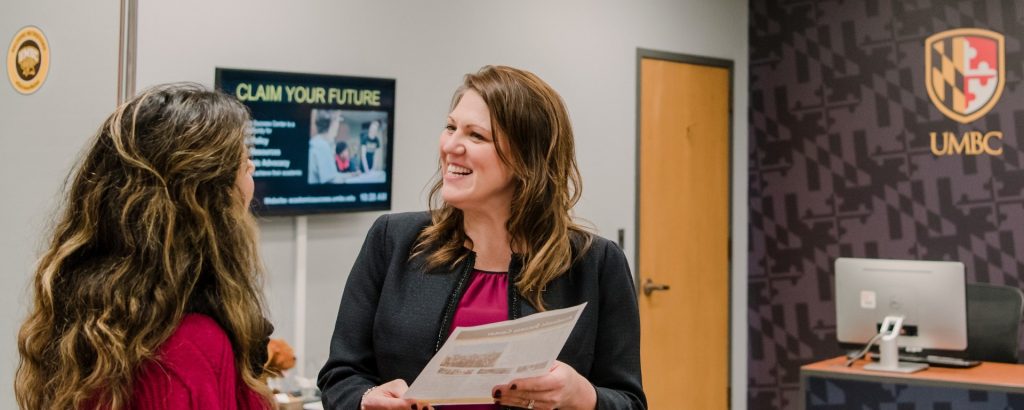
    <div class="html-content"><div><a href="https://www.csee.umbc.edu/wp-content/uploads/2021/03/Academic-Success-Center19-0700.jpg" rel="nofollow external" class="bo"><img width="1024" height="410" src="https://www.csee.umbc.edu/wp-content/uploads/2021/03/Academic-Success-Center19-0700-1024x410.jpg" alt="" style="max-width: 100%; height: auto;"></a><em>Amanda Knapp speaks with a student in the Academic Success Center. Photo by Marlayna Demond ’11 for UMBC.</em><hr><h2>UMBC expands live online peer tutoring to include computing courses</h2><hr><p>When <strong>Amanda Knapp</strong> heard last fall from <strong>Anupam Joshi</strong>, professor and chair of computer science and electrical engineering (CSEE), that his department wanted to offer online tutoring to students in their courses, she was ready to help make it happen. COVID or no COVID, she says, “It just made sense.”</p><p>Knapp is associate vice provost and assistant dean of Undergraduate Academic Affairs, and she manages UMBC’s <a href="https://academicsuccess.umbc.edu/" rel="nofollow external" class="bo">Academic Success Center</a> (ASC). “We already had an established system in place and could provide the administration, training, staffing, and assessment,” she explains. “CSEE provided the funding and identified potential tutors for a variety of computer science courses, and we did the rest.”</p><p>Just a few months after the partnership began, it expanded to include courses in the information systems (IS) department. And this semester, tutors are supporting ten IS computing courses.</p><p>In total, the ASC’s new Computing Success Center now offers tutoring for 21 courses from across the College of Engineering and Information Technology (COEIT). And the center continues to grow, supported by COEIT Dean <strong>Keith J Bowman </strong>and Dean <strong>Katharine Cole</strong>, Undergraduate Academic Affairs.</p><p>Peer tutors help students of any major, from computing fields to the arts and life sciences, learn coding and other computing skills. </p><p>“The ethos of UMBC is to share knowledge and collaborate with others instead of being proprietary,” says <strong>Helena Mentis</strong>, associate professor of information systems. Mentis is COEIT’s associate dean of academic programs and learning, and one of the College leads on the partnership. </p><p>“At the end of the day,” she says, “our goal at UMBC is to ensure that there are multiple pathways for students to get the assistance they need to succeed and remove any barriers for access to help.”</p><p>You can read more about UMBC’s new <a href="https://lrc.umbc.edu/tutor/computing-success-center-schedule/" rel="nofollow external" class="bo">Computing Success Center</a> in this <a href="https://news.umbc.edu/umbc-rapidly-expands-live-online-peer-tutoring-to-include-computing-fields/" rel="nofollow external" class="bo">UMBC News article</a>.</p><hr><p><em>Adapted from a <a href="https://news.umbc.edu/umbc-rapidly-expands-live-online-peer-tutoring-to-include-computing-fields/" rel="nofollow external" class="bo">UMBC News article</a> by Gregory J. Alexander and Dinah Winnick</em></p></div>
    <p>The post <a href="https://www.csee.umbc.edu/2021/03/umbc-expands-live-online-peer-tutoring-to-include-computing-courses/" rel="nofollow external" class="bo">UMBC expands live online peer tutoring to include computing courses</a> appeared first on <a href="https://www.csee.umbc.edu" rel="nofollow external" class="bo">Department of Computer Science and Electrical Engineering</a>.</p></div>
]]>
</Body>
<Summary>Amanda Knapp speaks with a student in the Academic Success Center. Photo by Marlayna Demond ’11 for UMBC.  UMBC expands live online peer tutoring to include computing courses   When Amanda Knapp...</Summary>
<Website>https://www.csee.umbc.edu/2021/03/umbc-expands-live-online-peer-tutoring-to-include-computing-courses/</Website>
<TrackingUrl>https://my3.my.umbc.edu/api/v0/pixel/news/100024/guest@my.umbc.edu/a84ab74485eb872c4ccb4717789767c2/api/pixel</TrackingUrl>
<Tag>csee</Tag>
<Tag>education</Tag>
<Tag>news</Tag>
<Tag>teaching-innovation</Tag>
<Group token="csee">Computer Science and Electrical Engineering</Group>
<GroupUrl>https://my3.my.umbc.edu/groups/csee</GroupUrl>
<AvatarUrl>https://assets3-my.umbc.edu/system/shared/avatars/groups/000/000/099/d117dca133c64bf78a4b7696dd007189/xsmall.png?1314043393</AvatarUrl>
<AvatarUrl size="original">https://assets1-my.umbc.edu/system/shared/avatars/groups/000/000/099/d117dca133c64bf78a4b7696dd007189/original.png?1314043393</AvatarUrl>
<AvatarUrl size="xxlarge">https://assets1-my.umbc.edu/system/shared/avatars/groups/000/000/099/d117dca133c64bf78a4b7696dd007189/xxlarge.png?1314043393</AvatarUrl>
<AvatarUrl size="xlarge">https://assets4-my.umbc.edu/system/shared/avatars/groups/000/000/099/d117dca133c64bf78a4b7696dd007189/xlarge.png?1314043393</AvatarUrl>
<AvatarUrl size="large">https://assets3-my.umbc.edu/system/shared/avatars/groups/000/000/099/d117dca133c64bf78a4b7696dd007189/large.png?1314043393</AvatarUrl>
<AvatarUrl size="medium">https://assets1-my.umbc.edu/system/shared/avatars/groups/000/000/099/d117dca133c64bf78a4b7696dd007189/medium.png?1314043393</AvatarUrl>
<AvatarUrl size="small">https://assets2-my.umbc.edu/system/shared/avatars/groups/000/000/099/d117dca133c64bf78a4b7696dd007189/small.png?1314043393</AvatarUrl>
<AvatarUrl size="xsmall">https://assets3-my.umbc.edu/system/shared/avatars/groups/000/000/099/d117dca133c64bf78a4b7696dd007189/xsmall.png?1314043393</AvatarUrl>
<AvatarUrl size="xxsmall">https://assets3-my.umbc.edu/system/shared/avatars/groups/000/000/099/d117dca133c64bf78a4b7696dd007189/xxsmall.png?1314043393</AvatarUrl>
<Sponsor>Computer Science and Electrical Engineering</Sponsor>
<PawCount>1</PawCount>
<CommentCount>0</CommentCount>
<CommentsAllowed>false</CommentsAllowed>
<PostedAt>Sun, 14 Mar 2021 13:33:55 -0400</PostedAt>
</NewsItem>

</News>