3D Capturing the Future at UMBC
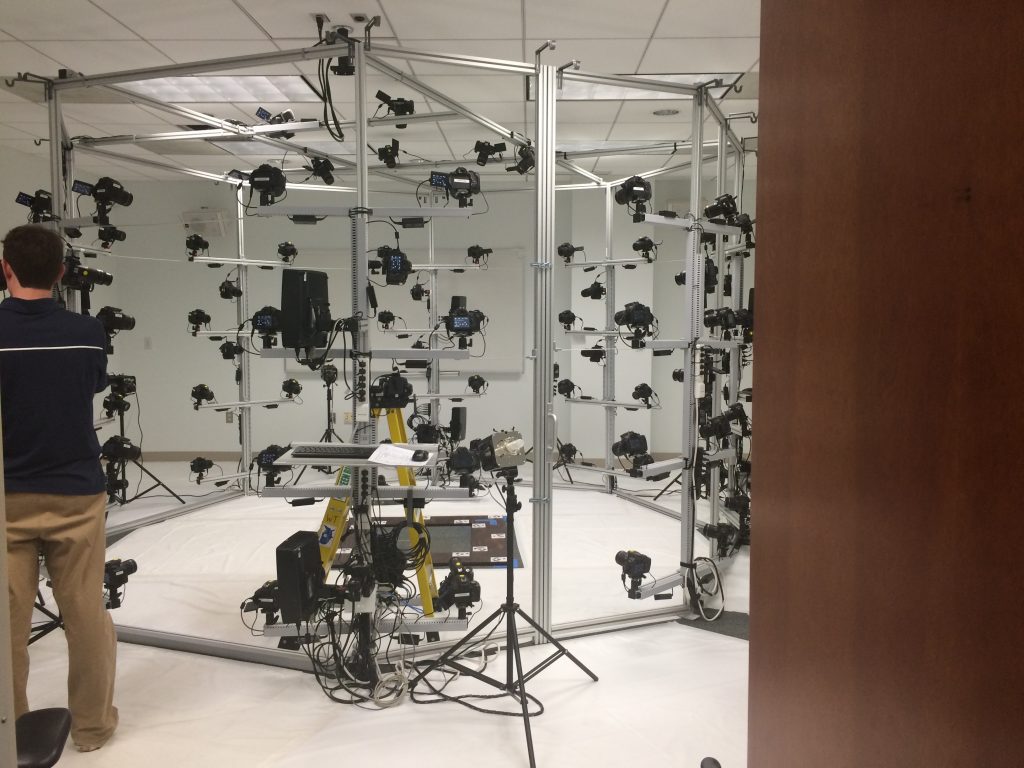
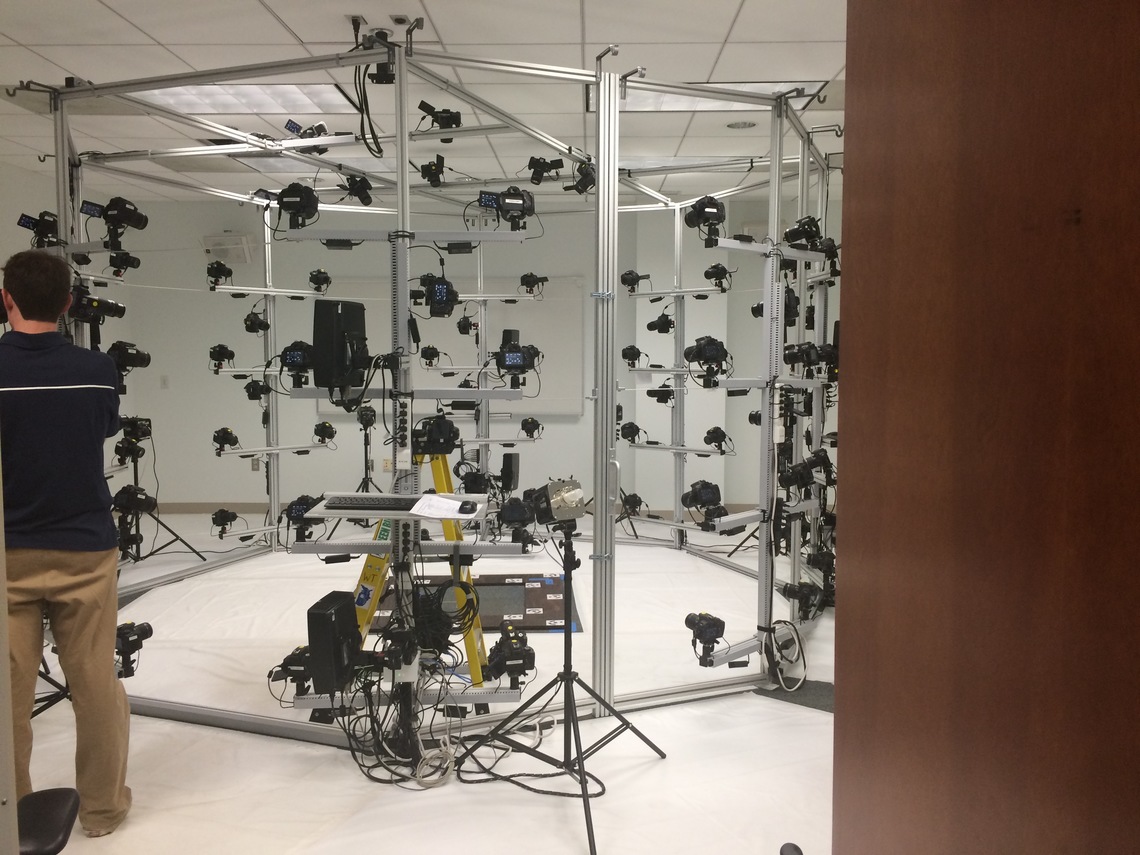
Nestled in the back of room 109 of the Information Technology and Engineering building, Dan Bailey, head of the Image Researching Center (IRC) is being captured. He sits in the center of the room, in a open metal rig with cameras that are surrounding him. IRC staff walk around him, fine tuning each of the camera settings as they make their final preparations.
The lights turn off, and within a second a bright flash illuminates the room. The lights turn back on, and a staff member exclaims “got it” as another successful 3D capture has been performed at the IRC. In the next few hours a powerful computer will start to build a 3D scan of Dan Bailey.
“Being able to capture a 3D model is just a priceless ability,”
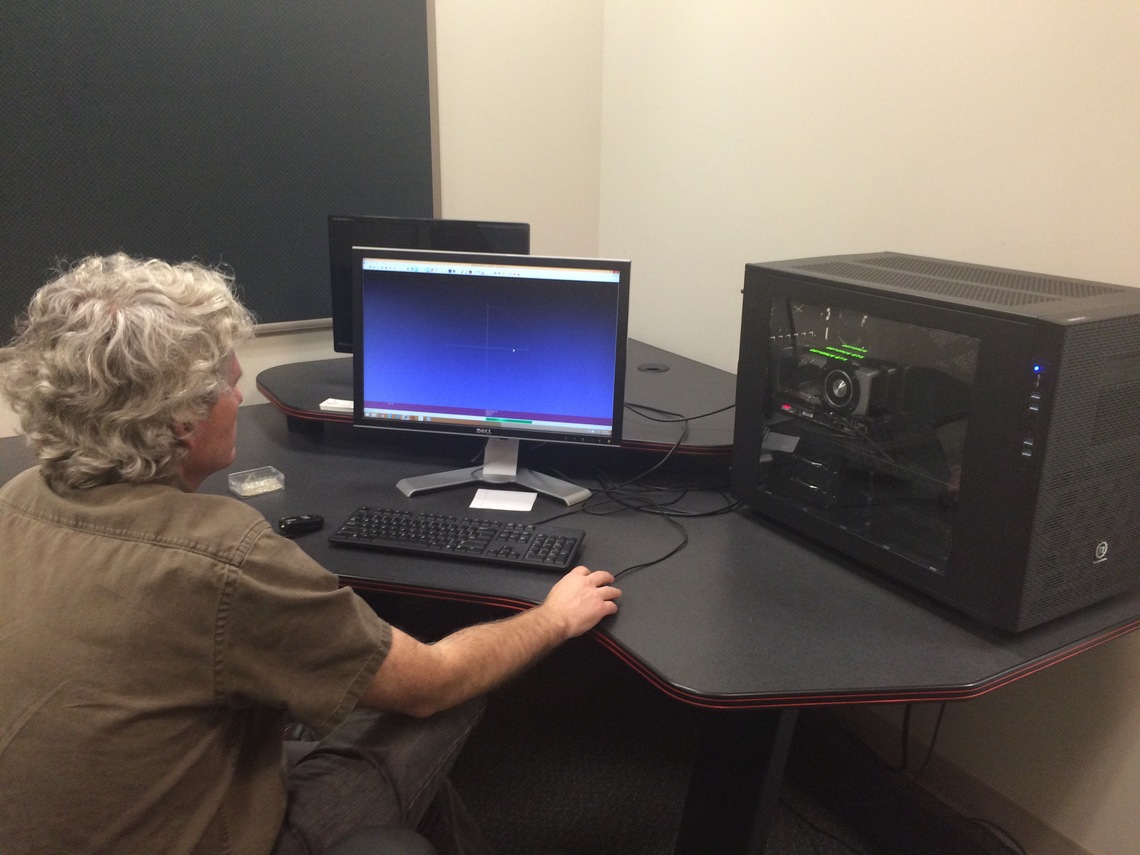
Outside of the room sits Dr. Marc Olano, a professor of Computer Science & Electrical Engineering, who helps run the studio. Olano and Bailey worked with Direct Dimensions Inc, a company based in Owings Mills, Maryland, and funded the space through a $180,000 grant from the National Science Foundation.
Olano told Stephen Babcock, a reporter at Technical.ly Baltimore that “Being able to capture a 3D model is just a priceless ability,” and “That flash is the first step.”
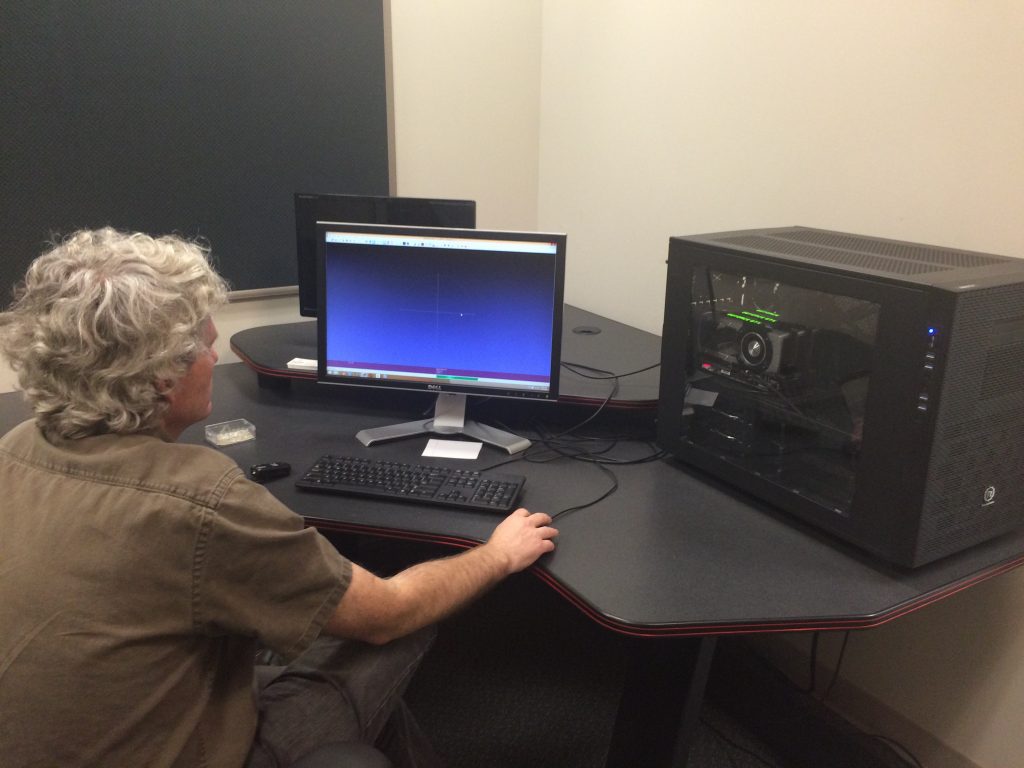
Dr. Marc Olano outside the capture room. Here, he can view the 3D models and manipulate them.
The system is smart enough to ignore all the cameras around the person or object and instead finds unique points of features to focus on. In addition, there are projectors that help capture something that doesn’t have enough detail to focus on by projecting more detail onto a person or object so the person can find it.
Between captures, there are a couple of tools that are used to help calibrate the space. One tool is a pole that is used to help position the cameras using tape on the pole that gives reference points for the center and edge of the frame for the cameras.
For capturing, there is a calibration dummy made out of cardboard construction tubes with a lot of different clothing patterns. This is essential in making it easier to build a 3D model of the dummy, as the reconstruction process can find the shape of the object and camera positions simultaneously, but if the part of the object or person you are scanning is too featureless, it can have trouble solving for both of those at once
After the image is captured, the computer starts building a 3D model out of 90 images. Zooming in on the image, you can actually see each individual polygon that makes up the image.
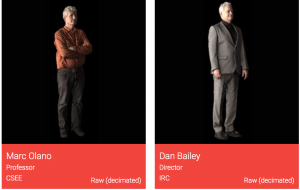
3D scans of Marc Olano and Dan Bailey done in the capture studio.
“This [studio] serves as not only the intersection of art and computer science, but other disciplines as well.”
Olano believes that this 3D capture studio can go beyond computer science. “This [studio] serves as not only the intersection of art and computer science, but other disciplines as well.” When scanning in a person, it is possible to make that person into an animation model for use in video games.
Museums could ask to scan in historical objects so that one could rotate and inspect the object at any angle they want. People who have had amputations could get scanned and have something custom built for them. The possibilities for this space are immense and will continue to grow over time.
The 3D capture studio is still limited to only a few projects at a time but Olano hopes to open it up to more departments soon. You can view some of the scans the studio has done online here.
]]>
Nestled in the back of room 109 of the Information Technology and Engineering building, Dan Bailey, head of the Image Researching Center (IRC) is being captured. He sits in the center of the room,...
http://www.csee.umbc.edu/2016/04/3d-capturing-the-future-at-umbc/
https://my3.my.umbc.edu/api/v0/pixel/news/59697/guest@my.umbc.edu/99ea18721c868dc772a346e9c122057b/api/pixel
computer-engineering
news
other
Computer Science and Electrical Engineering
https://my3.my.umbc.edu/groups/csee
https://assets3-my.umbc.edu/system/shared/avatars/groups/000/000/099/d117dca133c64bf78a4b7696dd007189/xsmall.png?1314043393
https://assets1-my.umbc.edu/system/shared/avatars/groups/000/000/099/d117dca133c64bf78a4b7696dd007189/original.png?1314043393
https://assets1-my.umbc.edu/system/shared/avatars/groups/000/000/099/d117dca133c64bf78a4b7696dd007189/xxlarge.png?1314043393
https://assets4-my.umbc.edu/system/shared/avatars/groups/000/000/099/d117dca133c64bf78a4b7696dd007189/xlarge.png?1314043393
https://assets3-my.umbc.edu/system/shared/avatars/groups/000/000/099/d117dca133c64bf78a4b7696dd007189/large.png?1314043393
https://assets1-my.umbc.edu/system/shared/avatars/groups/000/000/099/d117dca133c64bf78a4b7696dd007189/medium.png?1314043393
https://assets2-my.umbc.edu/system/shared/avatars/groups/000/000/099/d117dca133c64bf78a4b7696dd007189/small.png?1314043393
https://assets3-my.umbc.edu/system/shared/avatars/groups/000/000/099/d117dca133c64bf78a4b7696dd007189/xsmall.png?1314043393
https://assets3-my.umbc.edu/system/shared/avatars/groups/000/000/099/d117dca133c64bf78a4b7696dd007189/xxsmall.png?1314043393
Computer Science and Electrical Engineering
0
0
true
Tue, 26 Apr 2016 14:30:52 -0400
Tue, 26 Apr 2016 14:30:52 -0400
talk: Medical Epistemology: A Gerontologist’s Perspective, 3pm Wed 4/27

CHMPR Seminar
Medical Epistemology: A Gerontologist’s Perspective
Dr. John D. Sorkin, M.D., Ph.D.
University of Maryland School of Medicine
3:00pm Wednesday, 27 April 2016, ITE 325b
The randomized clinical trial is the gold standard method by which we test a hypothesis positing an association between an exposure and outcome. Unfortunately many hypotheses are not grist for a clinical trial. It would, for example not be ethically permissible to randomize people to smoking vs. non-smoking if we wanted to study the hypothesis that smoking is associated with increased incidence of lung cancer. Similarly it would not be ethical to randomize pregnant women to being infected or not infected with Zika virus to determine if maternal Zika infection is associated with microcephaly. Clinical trials are also not helpful in determining the relation between a putative exposure and a rare disease such as Pick’s disease (a rare type of frontotemporal dementia) as the number of subjects who would need to be studied is prohibitively large.
The movement over the last decade away from paper-based charts to the electronic medical record (EMR) and advances in the speed of computers allow us to process large volumes of data in near real-time, and herald the advent of clinical studies based on “big data”. The availability of big data requires us to rethink how we can establish an association between cause and effect because the big data we obtain from the EMR are not collected from randomized clinical trials, and as noted above a clinical trial cannot be used to study many diseases. Further making inferences based on the EMR can be difficult because data gleamed from the electronic medical record can be confounded by changes brought about by the aging process which include primary aging (i.e., the aging process itself), secondary aging (i.e., changes brought about by changes in lifestyle as we get older) and tertiary aging (i.e., disease). Fortunately epidemiologists have designed and used study designs other than the clinical trials for years to gain insight into the relation between exposure and disease. The aim of my talk is to review five study designs, cross-sectional, time-series and longitudinal, case-control and cohort study designs, that can be used to identify change, quantify the rate at which changes occurs with aging, and to separate biological aging from the effects of life style and disease. In addition to presenting the five study designs, I will review the strengths and weaknesses of the five study designs. It is my hope that thinking about five study designs will help you design analyses that make use of big data to examine questions relevant to public health and treatment of disease.
Dr. John Sorkin is a professor at the University of Maryland School of Medicine. His research examines the changes that occur with aging in carbohydrate and lipid metabolism, obesity, and body fat distribution. He is interested in measuring the changes and determining the relation of the changes to the development of diabetes, cardiovascular disease, death, morbidity, and mortality. These interests have lead him to try to identify the phenotypes associated with longevity and the genetics of longevity in collaboration with Drs. Shuldiner and Mitchell. Dr. Sorkin is Chief of Biostatistics and Informatics for the Division of Gerontology and is PI of the Statistics Core for the University of Maryland Claude D. Pepper Older Americans Independence Center and Baltimore VA Geriatrics Research, Education and Clinical Center.
]]>
CHMPR Seminar Medical Epistemology: A Gerontologist’s Perspective Dr. John D. Sorkin, M.D., Ph.D. University of Maryland School of Medicine 3:00pm Wednesday, 27 April 2016, ITE 325b The...
http://www.csee.umbc.edu/2016/04/big_data_medicine_sorkin/
https://my3.my.umbc.edu/api/v0/pixel/news/59660/guest@my.umbc.edu/4ce4f24cac9eb1b562252d915b758e89/api/pixel
computer-science
data-science
news
talks
Computer Science and Electrical Engineering
https://my3.my.umbc.edu/groups/csee
https://assets3-my.umbc.edu/system/shared/avatars/groups/000/000/099/d117dca133c64bf78a4b7696dd007189/xsmall.png?1314043393
https://assets1-my.umbc.edu/system/shared/avatars/groups/000/000/099/d117dca133c64bf78a4b7696dd007189/original.png?1314043393
https://assets1-my.umbc.edu/system/shared/avatars/groups/000/000/099/d117dca133c64bf78a4b7696dd007189/xxlarge.png?1314043393
https://assets4-my.umbc.edu/system/shared/avatars/groups/000/000/099/d117dca133c64bf78a4b7696dd007189/xlarge.png?1314043393
https://assets3-my.umbc.edu/system/shared/avatars/groups/000/000/099/d117dca133c64bf78a4b7696dd007189/large.png?1314043393
https://assets1-my.umbc.edu/system/shared/avatars/groups/000/000/099/d117dca133c64bf78a4b7696dd007189/medium.png?1314043393
https://assets2-my.umbc.edu/system/shared/avatars/groups/000/000/099/d117dca133c64bf78a4b7696dd007189/small.png?1314043393
https://assets3-my.umbc.edu/system/shared/avatars/groups/000/000/099/d117dca133c64bf78a4b7696dd007189/xsmall.png?1314043393
https://assets3-my.umbc.edu/system/shared/avatars/groups/000/000/099/d117dca133c64bf78a4b7696dd007189/xxsmall.png?1314043393
Computer Science and Electrical Engineering
0
0
true
Mon, 25 Apr 2016 14:59:37 -0400
Blindfold Chess Spectacular at UMBC, 9-6 Sun 4/24

This Sunday as part of Quadmania, the UMBC Chess Program will present a Blindfold Chess Spectacular. UMBC alum International Grandmaster Timur Gareyev will:
- 9am – simultaneously play ten challengers while blindfolded
- 1pm – explain how he does it
- 2-6pm – play a knockout match against UMBC’s top three players where
everyone will be blindfolded.
The event is free and open to the public.
Gareyev is preparing to break the world record this fall in Prague by playing and defeating 50 challengers while he is blindfolded (the world record is 46).
UMBC students AbhilashPuranik (CSEE) and Nathanial Wong will play and help with the chess technology. Using four DGT boards, we will display four games and broadcast them live to the Internet (via the website chess24). In the DGT technology, each piece has an RFID chip broadcasting its identify. Antennas under each row and column receive the signals. Software interpolates the positions, generates a graphical display, and expresses the move in standard PGN notation.
Pieter Heesters, a 6th grader who won a scholarship to UMBC by winning the 2016 Maryland Scholastic Chess Championship, will also play.
]]>
This Sunday as part of Quadmania, the UMBC Chess Program will present a Blindfold Chess Spectacular. UMBC alum International Grandmaster Timur Gareyev will: 9am – simultaneously play ten...
http://www.csee.umbc.edu/2016/04/blindfold-chess-spectacular-at-umbc-9-6-sun-424/
https://my3.my.umbc.edu/api/v0/pixel/news/59616/guest@my.umbc.edu/2fddda280891f4c99a8e5dba13a1d748/api/pixel
events
news
Computer Science and Electrical Engineering
https://my3.my.umbc.edu/groups/csee
https://assets3-my.umbc.edu/system/shared/avatars/groups/000/000/099/d117dca133c64bf78a4b7696dd007189/xsmall.png?1314043393
https://assets1-my.umbc.edu/system/shared/avatars/groups/000/000/099/d117dca133c64bf78a4b7696dd007189/original.png?1314043393
https://assets1-my.umbc.edu/system/shared/avatars/groups/000/000/099/d117dca133c64bf78a4b7696dd007189/xxlarge.png?1314043393
https://assets4-my.umbc.edu/system/shared/avatars/groups/000/000/099/d117dca133c64bf78a4b7696dd007189/xlarge.png?1314043393
https://assets3-my.umbc.edu/system/shared/avatars/groups/000/000/099/d117dca133c64bf78a4b7696dd007189/large.png?1314043393
https://assets1-my.umbc.edu/system/shared/avatars/groups/000/000/099/d117dca133c64bf78a4b7696dd007189/medium.png?1314043393
https://assets2-my.umbc.edu/system/shared/avatars/groups/000/000/099/d117dca133c64bf78a4b7696dd007189/small.png?1314043393
https://assets3-my.umbc.edu/system/shared/avatars/groups/000/000/099/d117dca133c64bf78a4b7696dd007189/xsmall.png?1314043393
https://assets3-my.umbc.edu/system/shared/avatars/groups/000/000/099/d117dca133c64bf78a4b7696dd007189/xxsmall.png?1314043393
Computer Science and Electrical Engineering
2
0
true
Sat, 23 Apr 2016 23:03:14 -0400
talk: Securing the Cloud: The Need for Quantum Network Security, 11:15am 4/22 UMBC

UMBC Cyber Defense Lab
Securing the Cloud: The Need for Quantum Network Security
Brian Kelley, Senior Member IEEE
Associate Professor of ECE
The University of Texas at San Antonio
11:15am-12:30pm Friday, 22 April 2016, UMBC, ITE 227
A significant trend in cloud data centers virtualization has been the migration away from virtual machines (VMs) with multiple guest operating systems (OS) to containers with a single Host OS. Whereas VMs incorporate a hypervisor manager layer enabling the Host OS to spawn multiple guest OSs, containers support all the code, run-time tools, and system libraries to run workload applications from a single Host OS.
While all cloud-based platforms posses security vulnerabilities, the additional security challenges with container systems stem from the sharing of the Host OS among independent container applications.
In this presentation we pose the question, “Can we use quantum information concepts to protect the cloud?” We introduce Quantum Key Distribution (QKD) protocols. We present schemes for cloud container security based upon concepts drawn from QKD and related concepts in quantum teleportation. We also propose a new framework for Quantum Container Security drawing upon concepts of quantum entanglement. We will also present information the Cloud Academic Research Center at the University of Texas at San Antonio.
Dr. Brian Kelley is Associate Professor of ECE at the University of Texas at San Antonio. He is a leading researcher on communication systems, 4G and 5G cellular, cloud communications, and smart grid communications. He is also a member of the Cloud Academic Center at the University of Texas. Dr. Kelley is currently on sabbatical leave as a consultant with the DoD in Washington D.C. His current research focus is on the intersection of software-defined networks, 5G communications, and cloud systems. He is Senior Member of the IEEE, was an Oak Ridge National Laboratory Summer Faculty Fellow in Quantum Information Science during the summer of 2015, was Globecom 2014 Chair for the High-Level Technical Program Committee, Associate Editor and Editorial Board of IEEE System Journal, 2011-2012, and Associate Editor of Computers & Electrical Engineering, Elsevier, 2008-2011; he founded the San Antonio IEEE Communications and Signal Processing Chapter, in 2008. From 2000-2006, he was Distinguished Member of the Technical Staff at Motorola and a senior lecturer at the University of Texas at Austin. Since 2007, he has been Associate Professor of ECE and Director of the Wireless Next Generation Systems (WiNGS) Lab at the University of Texas at San Antonio. Dr. Kelley received his BSEE from Cornell University and his MS/PhD in EE from the Georgia Institute of Technology in 1992, where he was an ONR Fellow. He is a member of Tau Beta Pi and Eta Kappa Nu. Contact: Dr. Brian Kelley, (210) 706-0854 Sorry, you need javascript to view this email address.
Host: Alan T. Sherman, Sorry, you need javascript to view this email address.
The UMBC Cyber Defense Lab meets biweekly Fridays (May 6: Enis Golaszewski, Hash bit sequences)
]]>
UMBC Cyber Defense Lab Securing the Cloud: The Need for Quantum Network Security Brian Kelley, Senior Member IEEE Associate Professor of ECE The University of Texas at San Antonio...
http://www.csee.umbc.edu/2016/04/talk-securing-the-cloud-the-need-for-quantum-network-security-1115am-422-umbc/
https://my3.my.umbc.edu/api/v0/pixel/news/59483/guest@my.umbc.edu/0ed8b20a9cfb1308eea87ec550ddd1f6/api/pixel
computer-engineering
computer-science
cybersecurity
news
talks
Computer Science and Electrical Engineering
https://my3.my.umbc.edu/groups/csee
https://assets3-my.umbc.edu/system/shared/avatars/groups/000/000/099/d117dca133c64bf78a4b7696dd007189/xsmall.png?1314043393
https://assets1-my.umbc.edu/system/shared/avatars/groups/000/000/099/d117dca133c64bf78a4b7696dd007189/original.png?1314043393
https://assets1-my.umbc.edu/system/shared/avatars/groups/000/000/099/d117dca133c64bf78a4b7696dd007189/xxlarge.png?1314043393
https://assets4-my.umbc.edu/system/shared/avatars/groups/000/000/099/d117dca133c64bf78a4b7696dd007189/xlarge.png?1314043393
https://assets3-my.umbc.edu/system/shared/avatars/groups/000/000/099/d117dca133c64bf78a4b7696dd007189/large.png?1314043393
https://assets1-my.umbc.edu/system/shared/avatars/groups/000/000/099/d117dca133c64bf78a4b7696dd007189/medium.png?1314043393
https://assets2-my.umbc.edu/system/shared/avatars/groups/000/000/099/d117dca133c64bf78a4b7696dd007189/small.png?1314043393
https://assets3-my.umbc.edu/system/shared/avatars/groups/000/000/099/d117dca133c64bf78a4b7696dd007189/xsmall.png?1314043393
https://assets3-my.umbc.edu/system/shared/avatars/groups/000/000/099/d117dca133c64bf78a4b7696dd007189/xxsmall.png?1314043393
Computer Science and Electrical Engineering
0
0
true
Mon, 18 Apr 2016 23:21:23 -0400
Mon, 18 Apr 2016 23:21:23 -0400
talk: IoT Device Security Research at Morgan State University, 12pm Fri 4/15

UMBC CSEE Seminar
IoT Device Security Research at Morgan State University
Dr. Kevin T. Kornegay
Professor and IoT Security Endowed Chair,
School of Electrical and Computer Engineering, Morgan State University
12:00-1:00pm Friday, 15 April 2016, ITE 239, UMBC
The Internet of Things (IoT) and its myriad of components are proliferating as they increasingly permeate all areas of life and work, with unprecedented economic effect. The IoT is the network of dedicated physical objects (things) whose embedded system technology senses or interacts with their internal state or external environment. Embedded systems use a combination of computer hardware and software to perform dedicated functions within a larger mechanical or electrical system. Examples of embedded systems include cell phones, personal digital assistants, gaming consoles, global positioning systems, etc. Over 98 percent of all microprocessors being manufactured are used in embedded system applications. In private industry and the public sector, IoT growth and possible uses are evolving rapidly. Critical infrastructures in transportation, smart grid, manufacturing and health care are highly dependent on embedded systems for distributed control, tracking, and electronic data collection. While it is paramount to protect these systems from hacking, intrusion or physical tampering, our current solutions are often based on a patchwork of legacy systems, and this is unsustainable as a long-term solution. Transformative solutions are required to protect these systems by engineering secure embedded systems. Secure embedded systems use cryptography and countermeasures to protect electronic data and commands to systematically achieve resiliency, stability, safety, integrity, and privacy. Engineering secure embedded implementations that are resistant to attacks is vital. Essential to achieving this goal is obtaining fundamental knowledge and understanding of the various types of vulnerabilities embedded systems present. Hence, in this talk, we will present our embedded systems security research activities including the IoT testbed, side-channel and fault injection analysis, and associated research projects.
Kevin T. Kornegay received the B.S. degree in electrical engineering from Pratt Institute, Brooklyn, NY, in 1985 and the M.S. and Ph.D. degrees in electrical engineering from the University of California at Berkeley in 1990 and 1992, respectively. He is presently Professor and IoT Security Endowed Chair in the School of Electrical and Computer Engineering at Morgan State University in Baltimore, MD. His research interests include hardware assurance, reverse engineering, secure embedded system design, side-channel analysis, differential fault analysis, radio frequency and millimeter wave integrated circuit design, high-speed circuits, and broadband wired and wireless system design. Dr. Kornegay serves or has served on the technical program committees of several international conferences including the IEEE Symposium on Hardware Oriented Security and Trust (HOST), EEE International Solid State Circuits Conference, the IEEE Custom Integrated Circuits Conference, and the Radio Frequency Integrated Circuits Symposium. He has also served a two-year term on the IEEE Solid-State Circuits AdCom committee, as well as, on the editorial board of the IEEE Transactions on Circuits and Systems II and as Editor of IEEE Electron Device Letters and Guest Editor of the IEEE Journal of Solid-State Circuits Special Issue on the 2004 Compound Semiconductor IC Symposium. He is the recipient of numerous awards, including the National Society of Black Engineers’ Dr. Janice A. Lumpkin Educator of the Year in 2005, the 2002 Black Engineer of the Year Award in Higher Education from U.S. Black Engineer and Information Technology magazine, the NSF CAREER Award, an IBM Faculty Partnership Award, the National Semiconductor Faculty Development Award, and the General Motors Faculty Fellowship Award. He was also selected as a participant in the National Academy of Engineering Frontiers of Engineering Symposium, and the German–American Frontiers of Engineering, where he later served on the organizing committee. He is a Distinguished Lecturer of the IEEE Electron Devices Society and a senior member of the IEEE, as well as a member of Eta Kappa Nu and Tau Beta Pi.
Hosts: Professors Fow-Sen Choa (Sorry, you need javascript to view this email address. ) and Alan T. Sherman (Sorry, you need javascript to view this email address. )
About the CSEE Seminar Series: The UMBC Department of Computer Science and Electrical Engineering presents technical talks on current significant research projects of broad interest to the Department and the research community. Each talk is free and open to the public. We welcome your feedback and suggestions for future talks.
]]>
UMBC CSEE Seminar IoT Device Security Research at Morgan State University Dr. Kevin T. Kornegay Professor and IoT Security Endowed Chair, School of Electrical and Computer Engineering,...
http://www.csee.umbc.edu/2016/04/talk-iot-device-security-research-at-morgan-state-university-12pm-fri-415/
https://my3.my.umbc.edu/api/v0/pixel/news/59349/guest@my.umbc.edu/bb43ec29d3fc2de312f0759289abd928/api/pixel
computer-engineering
computer-science
cybersecurity
electrical-engineering
news
research
talks
Computer Science and Electrical Engineering
https://my3.my.umbc.edu/groups/csee
https://assets3-my.umbc.edu/system/shared/avatars/groups/000/000/099/d117dca133c64bf78a4b7696dd007189/xsmall.png?1314043393
https://assets1-my.umbc.edu/system/shared/avatars/groups/000/000/099/d117dca133c64bf78a4b7696dd007189/original.png?1314043393
https://assets1-my.umbc.edu/system/shared/avatars/groups/000/000/099/d117dca133c64bf78a4b7696dd007189/xxlarge.png?1314043393
https://assets4-my.umbc.edu/system/shared/avatars/groups/000/000/099/d117dca133c64bf78a4b7696dd007189/xlarge.png?1314043393
https://assets3-my.umbc.edu/system/shared/avatars/groups/000/000/099/d117dca133c64bf78a4b7696dd007189/large.png?1314043393
https://assets1-my.umbc.edu/system/shared/avatars/groups/000/000/099/d117dca133c64bf78a4b7696dd007189/medium.png?1314043393
https://assets2-my.umbc.edu/system/shared/avatars/groups/000/000/099/d117dca133c64bf78a4b7696dd007189/small.png?1314043393
https://assets3-my.umbc.edu/system/shared/avatars/groups/000/000/099/d117dca133c64bf78a4b7696dd007189/xsmall.png?1314043393
https://assets3-my.umbc.edu/system/shared/avatars/groups/000/000/099/d117dca133c64bf78a4b7696dd007189/xxsmall.png?1314043393
Computer Science and Electrical Engineering
0
0
true
Wed, 13 Apr 2016 10:54:05 -0400
Wed, 13 Apr 2016 10:54:05 -0400
talk: Statistical Methods for Integration and Analysis of Opinionated Text, 4/21

Distinguished Lecture Series, UMBC Department of Information Systems
Statistical Methods for Integration and Analysis of Opinionated Text Data
Dr. ChengXiang Zhai
Professor and Willett Faculty Scholar
University of Illinois at Urbana-Champaign
10:00am Thursday 21 April 2016, ITE 459, UMBC
Opinionated text data such as blogs, forum posts, product reviews and online comments are increasingly available on the Web. They are very useful sources for public opinions about virtually any topics. However, because the opinions are scattered and abundant, it is a significant challenge for users to collect all the opinions about a topic and digest them efficiently. In this talk, I will present a suite of general statistical text mining methods that can help users integrate, summarize and analyze scattered online opinions to obtain actionable knowledge for decision making. Specifically, I will first present approaches to integration of scattered opinions by aligning them to a well- structured article or relevant ontology. Second, I will discuss several techniques for generating a concise opinion summary that can reveal the major sentiments and opinion points buried in large amounts of opinionated text data. Finally, I will present probabilistic generative models for analyzing review data in depth to discover latent aspect ratings and relative weights placed by reviewers on different aspects. These methods are general and can thus potentially help users integrate and analyze large amounts of online opinionated text data on any topic in any natural language
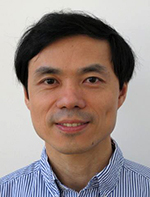
ChengXiang Zhai is a Professor of Computer Science at the University of Illinois at Urbana-Champaign, where he also holds a joint appointment at the Institute for Genomic Biology, Statistics, and the Graduate School of Library and Information Science. His research interests include information retrieval, text mining, natural language processing, machine learning, and bioinformatics, and has published over 200 papers in these areas with an H-index of 58 in Google Scholar. He is an Associate Editor of ACM Transactions on Information Systems, and Information Processing and Management, and the Americas Editor of Springer’s Information Retrieval Book Series. He is a conference program co-chair of ACM CIKM 2004, NAACL HLT 2007, ACM SIGIR 2009, ECIR 2014, ICTIR 2015, and WWW 2015, and conference general co-chair for ACM CIKM 2016. He is an ACM Distinguished Scientist and a recipient of multiple best paper awards, Rose Award for Teaching Excellence at UIUC, Alfred P. Sloan Research Fellowship, IBM Faculty Award, HP Innovation Research Program Award, and the Presidential Early Career Award for Scientists and Engineers (PECASE).
]]>
Distinguished Lecture Series, UMBC Department of Information Systems Statistical Methods for Integration and Analysis of Opinionated Text Data Dr. ChengXiang Zhai Professor and Willett...
http://www.csee.umbc.edu/2016/04/talk-statistical-methods-for-integration-and-analysis-of-opinionated-text-421/
https://my3.my.umbc.edu/api/v0/pixel/news/59232/guest@my.umbc.edu/528ec35f2f746261851bbe59b01e3daf/api/pixel
information-systems
news
talks
Computer Science and Electrical Engineering
https://my3.my.umbc.edu/groups/csee
https://assets3-my.umbc.edu/system/shared/avatars/groups/000/000/099/d117dca133c64bf78a4b7696dd007189/xsmall.png?1314043393
https://assets1-my.umbc.edu/system/shared/avatars/groups/000/000/099/d117dca133c64bf78a4b7696dd007189/original.png?1314043393
https://assets1-my.umbc.edu/system/shared/avatars/groups/000/000/099/d117dca133c64bf78a4b7696dd007189/xxlarge.png?1314043393
https://assets4-my.umbc.edu/system/shared/avatars/groups/000/000/099/d117dca133c64bf78a4b7696dd007189/xlarge.png?1314043393
https://assets3-my.umbc.edu/system/shared/avatars/groups/000/000/099/d117dca133c64bf78a4b7696dd007189/large.png?1314043393
https://assets1-my.umbc.edu/system/shared/avatars/groups/000/000/099/d117dca133c64bf78a4b7696dd007189/medium.png?1314043393
https://assets2-my.umbc.edu/system/shared/avatars/groups/000/000/099/d117dca133c64bf78a4b7696dd007189/small.png?1314043393
https://assets3-my.umbc.edu/system/shared/avatars/groups/000/000/099/d117dca133c64bf78a4b7696dd007189/xsmall.png?1314043393
https://assets3-my.umbc.edu/system/shared/avatars/groups/000/000/099/d117dca133c64bf78a4b7696dd007189/xxsmall.png?1314043393
Computer Science and Electrical Engineering
1
0
true
Sat, 09 Apr 2016 09:00:31 -0400
Mon, 18 Apr 2016 09:00:31 -0400
Free Arduino workshops, 2-6pm, Sat 4/9 and 4/16, ITE239, UMBC
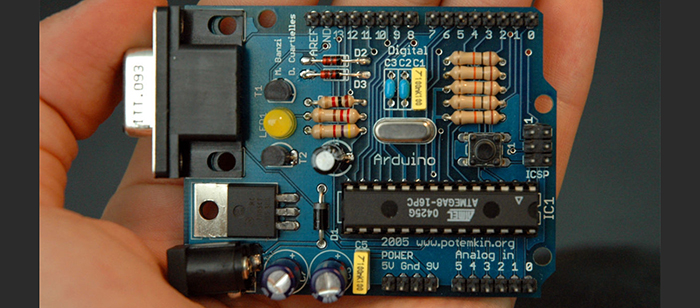
The Arduino microcontroller is a great device for anyone who wants to learn more about technology. It is used in a variety of fields in research and academia and may even help you get an internship. Our instructors have used the Arduino for researching self-replicating robots and remote-controlled helicopters, hacking into a vehicle’s control system, and using radars to detect human activity in a room. Some of the hackathon projects by our IEEE members include developing a drink mixer that wirelessly connects with a Tesla Model S and a full-body haptic feedback suit for the Oculus Rift. The Arduino is a wonderful tool and is fairly easy to use. Everyone should learn how to use it! If you plan to do research, this tool is definitely a must.
UMBC’s Institute of Electrical and Electronics Engineers is hosting two Level 2 workshops this semester. They are hosted this Saturday, April 9th, and next Saturday, April 16th. These workshops will be ITE 239 from 2pm to 6pm. These intermediate workshops are open to anyone who satisfies one of the following: (1) has taken or currently enrolled in CMSC 202 or CMPE 212, (2) has taken the Level 1 Arduino Workshop or (3) has equivalent experience.
You can register here for either workshop. Contact Sekar Kulandaivel (Sorry, you need javascript to view this email address. ) if you have any questions.
You only need to bring your laptop and charger and download and install the Arduino IDE, which can be downloaded from here. We hope to see many of you this weekend and next! You REALLY don’t want to miss out on this opportunity.
]]>
The Arduino microcontroller is a great device for anyone who wants to learn more about technology. It is used in a variety of fields in research and academia and may even help you get an...
http://www.csee.umbc.edu/2016/04/free-arduino-workshops-2-6pm-sat-49-and-416-ite239-umbc/
https://my3.my.umbc.edu/api/v0/pixel/news/59217/guest@my.umbc.edu/aecadb1bfbb2abe4730a959c26ce615b/api/pixel
computer-engineering
computer-science
events
news
Computer Science and Electrical Engineering
https://my3.my.umbc.edu/groups/csee
https://assets3-my.umbc.edu/system/shared/avatars/groups/000/000/099/d117dca133c64bf78a4b7696dd007189/xsmall.png?1314043393
https://assets1-my.umbc.edu/system/shared/avatars/groups/000/000/099/d117dca133c64bf78a4b7696dd007189/original.png?1314043393
https://assets1-my.umbc.edu/system/shared/avatars/groups/000/000/099/d117dca133c64bf78a4b7696dd007189/xxlarge.png?1314043393
https://assets4-my.umbc.edu/system/shared/avatars/groups/000/000/099/d117dca133c64bf78a4b7696dd007189/xlarge.png?1314043393
https://assets3-my.umbc.edu/system/shared/avatars/groups/000/000/099/d117dca133c64bf78a4b7696dd007189/large.png?1314043393
https://assets1-my.umbc.edu/system/shared/avatars/groups/000/000/099/d117dca133c64bf78a4b7696dd007189/medium.png?1314043393
https://assets2-my.umbc.edu/system/shared/avatars/groups/000/000/099/d117dca133c64bf78a4b7696dd007189/small.png?1314043393
https://assets3-my.umbc.edu/system/shared/avatars/groups/000/000/099/d117dca133c64bf78a4b7696dd007189/xsmall.png?1314043393
https://assets3-my.umbc.edu/system/shared/avatars/groups/000/000/099/d117dca133c64bf78a4b7696dd007189/xxsmall.png?1314043393
Computer Science and Electrical Engineering
2
0
true
Fri, 08 Apr 2016 11:51:27 -0400
Fri, 08 Apr 2016 11:51:27 -0400
UMBC-USNA teams share progress on cybersecurity research at symposium
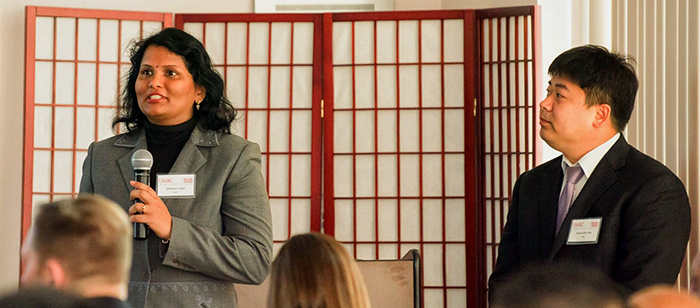
Karuna Joshi (UMBC) and Seung Geol Choi (USNA) present during the USNA-UMBC Partnership Symposium. Photo by Marlayna Demond ’11 for UMBC.
UMBC and U.S. Naval Academy (USNA) faculty researchers presented updates on five collaborative cybersecurity projects funded by the Office of Naval Research (ONR) during the inaugural USNA-UMBC Partnership Symposium, hosted by UMBC’s Office the Vice President for Research on March 22, 2016. The five projects presented are supported by three-year grants from the ONR, most of which are entering their second year of funding.
When the joint research initiative launched a year ago, Karl V. Steiner, vice president for research at UMBC, described it as “the start of a long-term partnership.” The recent symposium was the first formal opportunity for the research teams to formally present their progress on tackling major cybersecurity challenges outlined when the partnership began.
Read more about the joint research and symposium here.
]]>
Karuna Joshi (UMBC) and Seung Geol Choi (USNA) present during the USNA-UMBC Partnership Symposium. Photo by Marlayna Demond ’11 for UMBC. UMBC and U.S. Naval Academy (USNA) faculty researchers...
http://www.csee.umbc.edu/2016/04/umbc-usna-teams-share-progress-on-cybersecurity-research-at-symposium/
https://my3.my.umbc.edu/api/v0/pixel/news/59189/guest@my.umbc.edu/abc9d1e344649cc753002199ead4375a/api/pixel
computer-engineering
computer-science
cybersecurity
news
research
Computer Science and Electrical Engineering
https://my3.my.umbc.edu/groups/csee
https://assets3-my.umbc.edu/system/shared/avatars/groups/000/000/099/d117dca133c64bf78a4b7696dd007189/xsmall.png?1314043393
https://assets1-my.umbc.edu/system/shared/avatars/groups/000/000/099/d117dca133c64bf78a4b7696dd007189/original.png?1314043393
https://assets1-my.umbc.edu/system/shared/avatars/groups/000/000/099/d117dca133c64bf78a4b7696dd007189/xxlarge.png?1314043393
https://assets4-my.umbc.edu/system/shared/avatars/groups/000/000/099/d117dca133c64bf78a4b7696dd007189/xlarge.png?1314043393
https://assets3-my.umbc.edu/system/shared/avatars/groups/000/000/099/d117dca133c64bf78a4b7696dd007189/large.png?1314043393
https://assets1-my.umbc.edu/system/shared/avatars/groups/000/000/099/d117dca133c64bf78a4b7696dd007189/medium.png?1314043393
https://assets2-my.umbc.edu/system/shared/avatars/groups/000/000/099/d117dca133c64bf78a4b7696dd007189/small.png?1314043393
https://assets3-my.umbc.edu/system/shared/avatars/groups/000/000/099/d117dca133c64bf78a4b7696dd007189/xsmall.png?1314043393
https://assets3-my.umbc.edu/system/shared/avatars/groups/000/000/099/d117dca133c64bf78a4b7696dd007189/xxsmall.png?1314043393
Computer Science and Electrical Engineering
1
0
true
Fri, 08 Apr 2016 09:49:27 -0400
Fri, 08 Apr 2016 09:49:27 -0400
11th UMBC Digital Entertainment Conference, 11-5 Sat. April 30
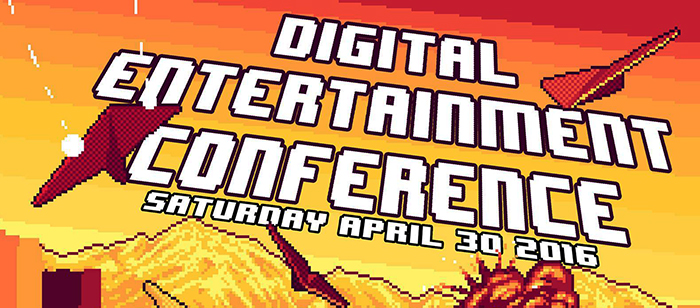
For the past ten years the UMBC Game Developers Club has organized a Digital Entertainment Conference with a day of games industry veterans speaking on a variety of topics. The event is free, open to all, and includes lunch.
UMBC’s 11th annual Digital Entertainment Conference will be held from 11:00am to 5:00pm on Saturday, April 30, 2016 in Skylight Lounge on the 3rd floor of the Commons.
Presenters
Schedule
Note: Q&A with the presenter occurs between each hour
11:00am-11:45am Tom Symonds :: Life in the Art Department
12:00pm-12:45pm Marc Olano :: Graphics Research for Games
01:00pm-02:00pm LUNCH! Pizza and Drinks
02:00pm-02:45pm Eric Jordan :: Game Industry Careers
03:00pm-03:45pm Nate Flynn :: Convention Booths
04:00pm-04:45pm Ching Lau :: Of Teaching in the Classroom
]]>
For the past ten years the UMBC Game Developers Club has organized a Digital Entertainment Conference with a day of games industry veterans speaking on a variety of topics. The event is free,...
http://www.csee.umbc.edu/2016/04/11th-umbc-digital-entertainment-conference-11-5-sat-april-30/
https://my3.my.umbc.edu/api/v0/pixel/news/59181/guest@my.umbc.edu/4e503de0ccc1ee83bffc2f3ce4a483a8/api/pixel
computer-science
events
game-track
news
Computer Science and Electrical Engineering
https://my3.my.umbc.edu/groups/csee
https://assets3-my.umbc.edu/system/shared/avatars/groups/000/000/099/d117dca133c64bf78a4b7696dd007189/xsmall.png?1314043393
https://assets1-my.umbc.edu/system/shared/avatars/groups/000/000/099/d117dca133c64bf78a4b7696dd007189/original.png?1314043393
https://assets1-my.umbc.edu/system/shared/avatars/groups/000/000/099/d117dca133c64bf78a4b7696dd007189/xxlarge.png?1314043393
https://assets4-my.umbc.edu/system/shared/avatars/groups/000/000/099/d117dca133c64bf78a4b7696dd007189/xlarge.png?1314043393
https://assets3-my.umbc.edu/system/shared/avatars/groups/000/000/099/d117dca133c64bf78a4b7696dd007189/large.png?1314043393
https://assets1-my.umbc.edu/system/shared/avatars/groups/000/000/099/d117dca133c64bf78a4b7696dd007189/medium.png?1314043393
https://assets2-my.umbc.edu/system/shared/avatars/groups/000/000/099/d117dca133c64bf78a4b7696dd007189/small.png?1314043393
https://assets3-my.umbc.edu/system/shared/avatars/groups/000/000/099/d117dca133c64bf78a4b7696dd007189/xsmall.png?1314043393
https://assets3-my.umbc.edu/system/shared/avatars/groups/000/000/099/d117dca133c64bf78a4b7696dd007189/xxsmall.png?1314043393
Computer Science and Electrical Engineering
1
0
true
Thu, 07 Apr 2016 23:36:08 -0400
Mon, 25 Apr 2016 23:36:08 -0400
talk: Firmware Instruction Identification using Side-Channel Power Analysis
The UMBC Cyber Defense Lab presents
Firmware Instruction Identification
using Side-Channel Power Analysis
Deepak Krishnankutty
Computer Science and Electrical Engineering
University of Maryland, Baltimore County
11:15am-12:30pm, Friday, April 8, 2016, ITE 237
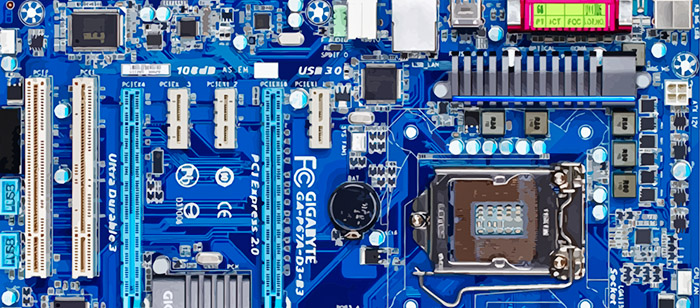
Power supply transients of encryption devices have been analyzed from the perspective of performing attacks to extract secret key or confidential information. Such attacks are based on exploiting the correlation between the power consumption of the device under attack and its underlying logic operations. However, side channel leakage through the power supply of instruction level events occurring on soft/hard core processors has not been extensively studied. Power traces of firmware running on general purpose processing units observed at low frequencies tend to reveal not just the variations in current consumption during individual clock cycles, but also information related to the sequence of instruction executions. In this talk, we present results from Side-Channel Analysis performed over multiple power supply pins and demonstrate the relationship between the power transients and machine-level instructions on an instance of the openMSP430 processor on an FPGA. This process is also applicable to standalone ASIC instances. Our approach is based on templates constructed from principal components representing instructions identified from the power profiles of different instruction sequences. The templates are then utilized for determining the order of clock cycles per instruction. This technique can be used to predict the sequence of clock cycles per instruction from the observed power profiles and identify anomalies caused by modification of code on a tightly constrained embedded system.
Deepak Krishnankutty is a PhD student in computer engineering at UMBC, Sorry, you need javascript to view this email address.
Host: Alan T. Sherman, Sorry, you need javascript to view this email address.
The UMBC Cyber Defense Lab meets biweekly Fridays. (April 22, Brian Kelley, Securing the cloud. May 8, Enis Enis Golaszewski, Hash bit sequences).
]]>
The UMBC Cyber Defense Lab presents Firmware Instruction Identification using Side-Channel Power Analysis Deepak Krishnankutty Computer Science and Electrical Engineering University of...
http://www.csee.umbc.edu/2016/04/talk-firmware-instruction-identification-using-side-channel-power-analysis/
https://my3.my.umbc.edu/api/v0/pixel/news/59175/guest@my.umbc.edu/827d531b884d1019e6663a9a2920d4c8/api/pixel
computer-engineering
computer-science
cybersecurity
news
research
talks
Computer Science and Electrical Engineering
https://my3.my.umbc.edu/groups/csee
https://assets3-my.umbc.edu/system/shared/avatars/groups/000/000/099/d117dca133c64bf78a4b7696dd007189/xsmall.png?1314043393
https://assets1-my.umbc.edu/system/shared/avatars/groups/000/000/099/d117dca133c64bf78a4b7696dd007189/original.png?1314043393
https://assets1-my.umbc.edu/system/shared/avatars/groups/000/000/099/d117dca133c64bf78a4b7696dd007189/xxlarge.png?1314043393
https://assets4-my.umbc.edu/system/shared/avatars/groups/000/000/099/d117dca133c64bf78a4b7696dd007189/xlarge.png?1314043393
https://assets3-my.umbc.edu/system/shared/avatars/groups/000/000/099/d117dca133c64bf78a4b7696dd007189/large.png?1314043393
https://assets1-my.umbc.edu/system/shared/avatars/groups/000/000/099/d117dca133c64bf78a4b7696dd007189/medium.png?1314043393
https://assets2-my.umbc.edu/system/shared/avatars/groups/000/000/099/d117dca133c64bf78a4b7696dd007189/small.png?1314043393
https://assets3-my.umbc.edu/system/shared/avatars/groups/000/000/099/d117dca133c64bf78a4b7696dd007189/xsmall.png?1314043393
https://assets3-my.umbc.edu/system/shared/avatars/groups/000/000/099/d117dca133c64bf78a4b7696dd007189/xxsmall.png?1314043393
Computer Science and Electrical Engineering
1
0
true
Thu, 07 Apr 2016 16:55:58 -0400
Thu, 07 Apr 2016 16:55:58 -0400