Multiple computing tenure-track and lecturer faculty positions
Multiple Tenure-track Faculty Positions Starting Fall 2016
Computer Science and Electrical Engineering
University of Maryland, Baltimore County
UMBC’s Department of Computer Science and Electrical Engineering invites applications for three tenure-track Assistant Professor positions to begin in Fall 2016. Exceptionally strong candidates for higher ranks may be considered. Applicants must have or be completing a Ph.D. in a relevant discipline, have demonstrated the ability to pursue a research program, and have a strong commitment to undergraduate and graduate teaching. Candidates will be expected to build and lead a team of student researchers, obtain external research support and teach both graduate and undergraduate courses.
All areas of specialization will be considered, but we are especially interested in candidates in the following areas: information assurance and cybersecurity; mobile, wearable and IoT systems; big data with an emphasis on machine learning, analytics, and high-performance computing; knowledge and database systems; hardware systems and experimental methods in circuits, devices, VLSI, FPGA, and sensors; cyber-physical systems; low-power systems; biomedical and healthcare systems; and methods and tools for hardware-software co-design.
The CSEE department is energetic, research-oriented and multi-disciplinary with programs in Computer Science, Computer Engineering, Electrical Engineering and Cybersecurity. Our faculty (34 tenure-track, six teaching and 15 research) enjoy collaboration, working across our specializations as well as with colleagues from other STEM, humanities and the arts departments and external partners. We have 1500 undergraduate CS and CE majors and 400 M.S. and Ph.D. students in our CS, CE, EE and Cybersecurity graduate programs. We have awarded 276 PhDs since our establishment in 1986. Our research supported by a growing and diverse portfolio from government and industrial sponsors with over $5M in yearly research expenditures. We work to help new colleagues be successful by providing startup packages, reduced teaching loads and active mentoring.

UMBC is a dynamic public research university integrating teaching, research and service. As an Honors University, the campus offers academically talented students a strong undergraduate liberal arts foundation that prepares them for graduate and professional study, entry into the workforce, and community service and leadership. UMBC emphasizes science, engineering, information technology, human services and public policy at the graduate level. We are dedicated to cultural and ethnic diversity, social responsibility and lifelong learning. The 2015 US News and World Report Best Colleges report placed UMBC fourth in the Most Innovative National Universities category and sixth in Best Undergraduate Teaching, National Universities. The Chronicle of Higher Education named UMBC as a Great College to Work For, a recognition given to only 86 universities. Our strategic location in the Baltimore-Washington corridor puts us close to many important federal laboratories and agencies and high-tech companies, facilitating interactions, collaboration, and opportunities for sabbaticals and visiting appointments.

UMBC’s campus is located on 500 acres just off I-95 between Baltimore and Washington DC, and less than 10 minutes from the BWI airport and Amtrak station. The campus includes the bwtech@UMBC research and technology park, which has special programs for startups focused on cybersecurity, clean energy, life sciences and training. We are surrounded by one of the greatest concentrations of commercial, cultural and scientific activity in the nation. Located at the head of the Chesapeake Bay, Baltimore has all the advantages of modern, urban living, including professional sports, major art galleries, theaters and a symphony orchestra. The city’s famous Inner Harbor area is an exciting center for entertainment and commerce. The nation’s capital, Washington, DC, is a great tourist attraction with its historical monuments and museums. Just ten minutes from downtown Baltimore and 30 from the D.C. Beltway, UMBC offers easy access to the region’s resources by car or public transportation.
Applicants should submit a cover letter, a brief statement of teaching and research experience and interests, a CV, and three letters of recommendation at Interfolio. Applications received by January 15, 2016 are assured full consideration and those received later will be evaluated as long as the positions remain open. Send questions to Sorry, you need javascript to view this email address. and see the CSEE jobs page for more information.
We are committed to inclusive excellence and innovation and welcome applications from women, minorities, veterans, and individuals with disabilities. UMBC is an affirmative action/equal opportunity employer.
]]>
Multiple Tenure-track Faculty Positions Starting Fall 2016 Computer Science and Electrical Engineering University of Maryland, Baltimore County UMBC’s Department of Computer Science...
https://www.csee.umbc.edu/2016/01/multiple-computing-tenure-track-and-lecturer-faculty-positions/
https://my3.my.umbc.edu/api/v0/pixel/news/57813/guest@my.umbc.edu/e30866155c5c754da37fcfede47488cd/api/pixel
computer-engineering
computer-science
csee
cybersecurity
electrical-engineering
faculty-and-staff
jobs
news
research
Computer Science and Electrical Engineering
https://my3.my.umbc.edu/groups/csee
https://assets3-my.umbc.edu/system/shared/avatars/groups/000/000/099/d117dca133c64bf78a4b7696dd007189/xsmall.png?1314043393
https://assets1-my.umbc.edu/system/shared/avatars/groups/000/000/099/d117dca133c64bf78a4b7696dd007189/original.png?1314043393
https://assets1-my.umbc.edu/system/shared/avatars/groups/000/000/099/d117dca133c64bf78a4b7696dd007189/xxlarge.png?1314043393
https://assets4-my.umbc.edu/system/shared/avatars/groups/000/000/099/d117dca133c64bf78a4b7696dd007189/xlarge.png?1314043393
https://assets3-my.umbc.edu/system/shared/avatars/groups/000/000/099/d117dca133c64bf78a4b7696dd007189/large.png?1314043393
https://assets1-my.umbc.edu/system/shared/avatars/groups/000/000/099/d117dca133c64bf78a4b7696dd007189/medium.png?1314043393
https://assets2-my.umbc.edu/system/shared/avatars/groups/000/000/099/d117dca133c64bf78a4b7696dd007189/small.png?1314043393
https://assets3-my.umbc.edu/system/shared/avatars/groups/000/000/099/d117dca133c64bf78a4b7696dd007189/xsmall.png?1314043393
https://assets3-my.umbc.edu/system/shared/avatars/groups/000/000/099/d117dca133c64bf78a4b7696dd007189/xxsmall.png?1314043393
Computer Science and Electrical Engineering
0
0
true
Sat, 09 Jan 2016 13:56:51 -0500
Multiple computing tenure-track and lecturer faculty positions
Multiple Tenure-track Faculty Positions Starting Fall 2016
Computer Science and Electrical Engineering
University of Maryland, Baltimore County
UMBC’s Department of Computer Science and Electrical Engineering invites applications for three tenure-track Assistant Professor positions to begin in Fall 2016. Exceptionally strong candidates for higher ranks may be considered. Applicants must have or be completing a Ph.D. in a relevant discipline, have demonstrated the ability to pursue a research program, and have a strong commitment to undergraduate and graduate teaching. Candidates will be expected to build and lead a team of student researchers, obtain external research support and teach both graduate and undergraduate courses.
All areas of specialization will be considered, but we are especially interested in candidates in the following areas: information assurance and cybersecurity; mobile, wearable and IoT systems; big data with an emphasis on machine learning, analytics, and high-performance computing; knowledge and database systems; hardware systems and experimental methods in circuits, devices, VLSI, FPGA, and sensors; cyber-physical systems; low-power systems; biomedical and healthcare systems; and methods and tools for hardware-software co-design.
The CSEE department is energetic, research-oriented and multi-disciplinary with programs in Computer Science, Computer Engineering, Electrical Engineering and Cybersecurity. Our faculty (34 tenure-track, six teaching and 15 research) enjoy collaboration, working across our specializations as well as with colleagues from other STEM, humanities and the arts departments and external partners. We have 1500 undergraduate CS and CE majors and 400 M.S. and Ph.D. students in our CS, CE, EE and Cybersecurity graduate programs. We have awarded 276 PhDs since our establishment in 1986. Our research supported by a growing and diverse portfolio from government and industrial sponsors with over $5M in yearly research expenditures. We work to help new colleagues be successful by providing startup packages, reduced teaching loads and active mentoring.
UMBC is a dynamic public research university integrating teaching, research and service. As an Honors University, the campus offers academically talented students a strong undergraduate liberal arts foundation that prepares them for graduate and professional study, entry into the workforce, and community service and leadership. UMBC emphasizes science, engineering, information technology, human services and public policy at the graduate level. We are dedicated to cultural and ethnic diversity, social responsibility and lifelong learning. The 2015 US News and World Report Best Colleges report placed UMBC fourth in the Most Innovative National Universities category and sixth in Best Undergraduate Teaching, National Universities. The Chronicle of Higher Education named UMBC as a Great College to Work For, a recognition given to only 86 universities. Our strategic location in the Baltimore-Washington corridor puts us close to many important federal laboratories and agencies and high-tech companies, facilitating interactions, collaboration, and opportunities for sabbaticals and visiting appointments.
UMBC’s campus is located on 500 acres just off I-95 between Baltimore and Washington DC, and less than 10 minutes from the BWI airport and Amtrak station. The campus includes the bwtech@UMBC research and technology park, which has special programs for startups focused on cybersecurity, clean energy, life sciences and training. We are surrounded by one of the greatest concentrations of commercial, cultural and scientific activity in the nation. Located at the head of the Chesapeake Bay, Baltimore has all the advantages of modern, urban living, including professional sports, major art galleries, theaters and a symphony orchestra. The city’s famous Inner Harbor area is an exciting center for entertainment and commerce. The nation’s capital, Washington, DC, is a great tourist attraction with its historical monuments and museums. Just ten minutes from downtown Baltimore and 30 from the D.C. Beltway, UMBC offers easy access to the region’s resources by car or public transportation.
Applicants should submit a cover letter, a brief statement of teaching and research experience and interests, a CV, and three letters of recommendation at Interfolio. Applications received by January 15, 2016 are assured full consideration and those received later will be evaluated as long as the positions remain open. Send questions to Sorry, you need javascript to view this email address. and see the CSEE jobs page for more information.
We are committed to inclusive excellence and innovation and welcome applications from women, minorities, veterans, and individuals with disabilities. UMBC is an affirmative action/equal opportunity employer.
]]>
Multiple Tenure-track Faculty Positions Starting Fall 2016 Computer Science and Electrical Engineering University of Maryland, Baltimore County UMBC’s Department of Computer Science...
https://www.csee.umbc.edu/2016/01/multiple-computing-tenure-track-and-lecturer-faculty-positions/
https://my3.my.umbc.edu/api/v0/pixel/news/57864/guest@my.umbc.edu/23e77266e8be042d74a59de8b57c5eaa/api/pixel
computer-engineering
computer-science
csee
cybersecurity
electrical-engineering
faculty-and-staff
jobs
news
research
Computer Science and Electrical Engineering
https://my3.my.umbc.edu/groups/csee
https://assets3-my.umbc.edu/system/shared/avatars/groups/000/000/099/d117dca133c64bf78a4b7696dd007189/xsmall.png?1314043393
https://assets1-my.umbc.edu/system/shared/avatars/groups/000/000/099/d117dca133c64bf78a4b7696dd007189/original.png?1314043393
https://assets1-my.umbc.edu/system/shared/avatars/groups/000/000/099/d117dca133c64bf78a4b7696dd007189/xxlarge.png?1314043393
https://assets4-my.umbc.edu/system/shared/avatars/groups/000/000/099/d117dca133c64bf78a4b7696dd007189/xlarge.png?1314043393
https://assets3-my.umbc.edu/system/shared/avatars/groups/000/000/099/d117dca133c64bf78a4b7696dd007189/large.png?1314043393
https://assets1-my.umbc.edu/system/shared/avatars/groups/000/000/099/d117dca133c64bf78a4b7696dd007189/medium.png?1314043393
https://assets2-my.umbc.edu/system/shared/avatars/groups/000/000/099/d117dca133c64bf78a4b7696dd007189/small.png?1314043393
https://assets3-my.umbc.edu/system/shared/avatars/groups/000/000/099/d117dca133c64bf78a4b7696dd007189/xsmall.png?1314043393
https://assets3-my.umbc.edu/system/shared/avatars/groups/000/000/099/d117dca133c64bf78a4b7696dd007189/xxsmall.png?1314043393
Computer Science and Electrical Engineering
0
0
true
Sat, 09 Jan 2016 13:56:51 -0500
talk postponed: NSF Big Data/Data Science Programs

Big Data/Data Science Programs at NSF
Chaitan Baru
Senior Advisor for Data Science, NSF CISE Directorate
10-11:00am Thursday 28 January 2016, ITE 459, UMBC
postponed
This talk will provide an overview of current programs and activities related to Big Data and Data Science at NSF, and also highlight NSF’s inter-agency engagements in this topic area. The talk will also discuss future directions for Data Science research, education, and infrastructure. Considering that Data Science is a rapidly emerging, evolving field and discipline, ample time will be provided for Q&A and discussions about where the field ought to be going, given what we know today.
Dr. Chaitan Baru is currently a senior advisor for data science in the Computer and Information Science and Engineering Directorate at the National Science Foundation. He is a Distinguished Scientist and Associate Director of Data Initiatives at the San Diego Supercomputer Center (SDSC), UC San Diego where he works on applied and applications-oriented research problems related to data management and data analytics.
Dr. Baru has participated in a number of “data cyberinfrastructure” initiatives, including as Principal Investigator of the OpenTopography project; Cyberinfrastructure Lead, Tropical Ecology, Assessment and Monitoring network; Co-Investigator of the Cyberinfrastructure for Comparative Effectiveness Research project; Member of the founding Senior Management Team of the National Ecologial Observatory Network and Co-PI of the NEON Cyberinfrastructure Testbed; Co-PI of the CUAHSI Hydrologic Information Systems; Director, NEES Cyberinfrastructure Center; PI/Project Director, Geosciences Network; and member of the How Much Information? project.
Baru leads the Advanced Cyberinfrastructure Development Group at SDSC and is also Director of the Center for Large-scale Data Systems research. Prior to joining SDSC in 1996, Baru was at IBM, where he led one of the development teams for DB2 Parallel Edition Version 1 and at the University of Michigan, where he served on the faculty of the EECS Department. He received his B.Tech in Electronics Engineering from the Indian Institute of Technology, Madras, and M.E. and Ph.D. in Electrical Engineering from the University of Florida, Gainesville.
]]>
Big Data/Data Science Programs at NSF Chaitan Baru Senior Advisor for Data Science, NSF CISE Directorate 10-11:00am Thursday 28 January 2016, ITE 459, UMBC postponed This talk will provide...
http://www.csee.umbc.edu/2016/01/talk-nsf-big-datadata-science-programs/
https://my3.my.umbc.edu/api/v0/pixel/news/56929/guest@my.umbc.edu/d0ef4185f72e6922d29275d58756a5d4/api/pixel
data-science
news
research
talks
Computer Science and Electrical Engineering
https://my3.my.umbc.edu/groups/csee
https://assets3-my.umbc.edu/system/shared/avatars/groups/000/000/099/d117dca133c64bf78a4b7696dd007189/xsmall.png?1314043393
https://assets1-my.umbc.edu/system/shared/avatars/groups/000/000/099/d117dca133c64bf78a4b7696dd007189/original.png?1314043393
https://assets1-my.umbc.edu/system/shared/avatars/groups/000/000/099/d117dca133c64bf78a4b7696dd007189/xxlarge.png?1314043393
https://assets4-my.umbc.edu/system/shared/avatars/groups/000/000/099/d117dca133c64bf78a4b7696dd007189/xlarge.png?1314043393
https://assets3-my.umbc.edu/system/shared/avatars/groups/000/000/099/d117dca133c64bf78a4b7696dd007189/large.png?1314043393
https://assets1-my.umbc.edu/system/shared/avatars/groups/000/000/099/d117dca133c64bf78a4b7696dd007189/medium.png?1314043393
https://assets2-my.umbc.edu/system/shared/avatars/groups/000/000/099/d117dca133c64bf78a4b7696dd007189/small.png?1314043393
https://assets3-my.umbc.edu/system/shared/avatars/groups/000/000/099/d117dca133c64bf78a4b7696dd007189/xsmall.png?1314043393
https://assets3-my.umbc.edu/system/shared/avatars/groups/000/000/099/d117dca133c64bf78a4b7696dd007189/xxsmall.png?1314043393
Computer Science and Electrical Engineering
3
0
true
Fri, 08 Jan 2016 17:13:21 -0500
Wed, 27 Jan 2016 09:13:21 -0500
talk: Engineering Notes on Homomorphic Private Information Retrieval, 11:15 Fri 12/4

The UMBC Cyber Defense Lab presents
Engineering Notes on Homomorphic
Private Information Retrieval
Russ Fink
Johns Hopkins University Applied Physics Lab
11:15am-12:30pm, Friday, 4 December 4 2015, ITE 231
For two years, we have been investigating applications of private information retrieval (PIR) using the additive homomorphic scheme designed by Paillier that forms the basis of a space efficient PIR system by Ostrovsky, Skeith, and Bethencourt. We have implemented a working prototype and gained some insights about the technique, and identified improvements to make it practical to real-world privacy problems. I will present an overview of the technique, present a real world use case, and discuss our technical contributions and ongoing challenges.
Dr. Russ Fink is Chief Engineer of the Enterprise Security Group at APL. He earned the PhD from UMBC with a dissertation on applying trustworthy computing to voting.
Host: Alan T. Sherman, Sorry, you need javascript to view this email address.
]]>
The UMBC Cyber Defense Lab presents Engineering Notes on Homomorphic Private Information Retrieval Russ Fink Johns Hopkins University Applied Physics Lab 11:15am-12:30pm, Friday, 4...
http://www.csee.umbc.edu/2015/12/talk-engineering-notes-on-homomorphic-private-information-retrieval-1115-fri-124/
https://my3.my.umbc.edu/api/v0/pixel/news/56446/guest@my.umbc.edu/35c73e50c35efa369269d484a9b9f8b5/api/pixel
computer-science
cybersecurity
news
talks
Computer Science and Electrical Engineering
https://my3.my.umbc.edu/groups/csee
https://assets3-my.umbc.edu/system/shared/avatars/groups/000/000/099/d117dca133c64bf78a4b7696dd007189/xsmall.png?1314043393
https://assets1-my.umbc.edu/system/shared/avatars/groups/000/000/099/d117dca133c64bf78a4b7696dd007189/original.png?1314043393
https://assets1-my.umbc.edu/system/shared/avatars/groups/000/000/099/d117dca133c64bf78a4b7696dd007189/xxlarge.png?1314043393
https://assets4-my.umbc.edu/system/shared/avatars/groups/000/000/099/d117dca133c64bf78a4b7696dd007189/xlarge.png?1314043393
https://assets3-my.umbc.edu/system/shared/avatars/groups/000/000/099/d117dca133c64bf78a4b7696dd007189/large.png?1314043393
https://assets1-my.umbc.edu/system/shared/avatars/groups/000/000/099/d117dca133c64bf78a4b7696dd007189/medium.png?1314043393
https://assets2-my.umbc.edu/system/shared/avatars/groups/000/000/099/d117dca133c64bf78a4b7696dd007189/small.png?1314043393
https://assets3-my.umbc.edu/system/shared/avatars/groups/000/000/099/d117dca133c64bf78a4b7696dd007189/xsmall.png?1314043393
https://assets3-my.umbc.edu/system/shared/avatars/groups/000/000/099/d117dca133c64bf78a4b7696dd007189/xxsmall.png?1314043393
Computer Science and Electrical Engineering
0
0
true
Thu, 03 Dec 2015 21:11:00 -0500
Thu, 03 Dec 2015 21:11:00 -0500
talk: Engineering Notes on Homomorphic Private Information Retrieval, 11:15 Fri 12/4
The UMBC Cyber Defense Lab presents
Engineering Notes on Homomorphic
Private Information Retrieval
Russ Fink
Johns Hopkins University Applied Physics Lab
11:15am-12:30pm, Friday, 4 December 4 2015, ITE 231
For two years, we have been investigating applications of private information retrieval (PIR) using the additive homomorphic scheme designed by Paillier that forms the basis of a space efficient PIR system by Ostrovsky, Skeith, and Bethencourt. We have implemented a working prototype and gained some insights about the technique, and identified improvements to make it practical to real-world privacy problems. I will present an overview of the technique, present a real world use case, and discuss our technical contributions and ongoing challenges.
Dr. Russ Fink is Chief Engineer of the Enterprise Security Group at APL. He earned the PhD from UMBC with a dissertation on applying trustworthy computing to voting.
Host: Alan T. Sherman, Sorry, you need javascript to view this email address.
]]>
The UMBC Cyber Defense Lab presents Engineering Notes on Homomorphic Private Information Retrieval Russ Fink Johns Hopkins University Applied Physics Lab 11:15am-12:30pm, Friday, 4...
https://www.csee.umbc.edu/2015/12/talk-engineering-notes-on-homomorphic-private-information-retrieval-1115-fri-124/
https://my3.my.umbc.edu/api/v0/pixel/news/57865/guest@my.umbc.edu/eee901c0dc911b198ec2ca6c27a15416/api/pixel
computer-science
cybersecurity
news
talks
Computer Science and Electrical Engineering
https://my3.my.umbc.edu/groups/csee
https://assets3-my.umbc.edu/system/shared/avatars/groups/000/000/099/d117dca133c64bf78a4b7696dd007189/xsmall.png?1314043393
https://assets1-my.umbc.edu/system/shared/avatars/groups/000/000/099/d117dca133c64bf78a4b7696dd007189/original.png?1314043393
https://assets1-my.umbc.edu/system/shared/avatars/groups/000/000/099/d117dca133c64bf78a4b7696dd007189/xxlarge.png?1314043393
https://assets4-my.umbc.edu/system/shared/avatars/groups/000/000/099/d117dca133c64bf78a4b7696dd007189/xlarge.png?1314043393
https://assets3-my.umbc.edu/system/shared/avatars/groups/000/000/099/d117dca133c64bf78a4b7696dd007189/large.png?1314043393
https://assets1-my.umbc.edu/system/shared/avatars/groups/000/000/099/d117dca133c64bf78a4b7696dd007189/medium.png?1314043393
https://assets2-my.umbc.edu/system/shared/avatars/groups/000/000/099/d117dca133c64bf78a4b7696dd007189/small.png?1314043393
https://assets3-my.umbc.edu/system/shared/avatars/groups/000/000/099/d117dca133c64bf78a4b7696dd007189/xsmall.png?1314043393
https://assets3-my.umbc.edu/system/shared/avatars/groups/000/000/099/d117dca133c64bf78a4b7696dd007189/xxsmall.png?1314043393
Computer Science and Electrical Engineering
0
0
true
Thu, 03 Dec 2015 21:11:00 -0500
talk: Addressing Energy & Big Data Challenges in Microgrids, 1pm 12/4
The UMBC CSEE Seminar Series Presents
Addressing Energy and Big Data
Challenges in Microgrids
Prof. Ting Zhu, UMBC
1-2pm Friday, Dec 4, 2015, ITE 325B
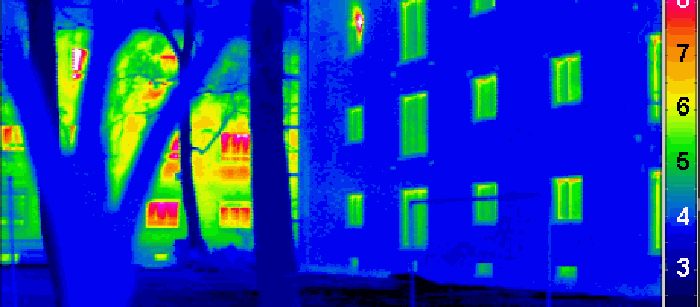
Buildings account for over 75% of the electricity consumption in the United States. To reduce electricity usage and peak demand, many utility companies are introducing market-based time-of-use (TOU) pricing models. In parallel, government programs that increase the fraction of renewable energy are incentivizing residential consumers to adopt on-site renewables and energy storage. Connecting on-site renewables and energy storage between homes forms a sustainable microgrid that is capable of generating, storing, and sharing electricity to balance local generation and consumption in residential areas. In this talk, I will present two pieces of our work in this area. The first work targets at minimizing the electricity cost from a utility company for a microgrid under different market-based TOU pricing models. This work is selected as the best paper runners up at BuildSys 2014. The goals of the second work are real-time energy data gathering, compression, and recovery based on unique features in the energy consumption patterns. In the end of the talk, I will also briefly introduce some of my latest work in indoor localization, networking, and smart health.
Ting Zhu is an assistant professor in the CSEE at UMBC. He received the Computing Innovation Fellowship in 2010. His papers have been selected in the best paper award finalist in multiple conferences (i.e., SenSys ’10, e-Energy ’13, and BuildSys ’14). He has a broad research interest in areas such as internet of things, energy, networking, systems, big data, and security. He is looking for undergraduate, Master and PhD students to work in the above areas.
Hosts: Professors Fow-Sen Choa (Sorry, you need javascript to view this email address. ) and Alan T. Sherman (Sorry, you need javascript to view this email address. )
]]>
The UMBC CSEE Seminar Series Presents Addressing Energy and Big Data Challenges in Microgrids Prof. Ting Zhu, UMBC 1-2pm Friday, Dec 4, 2015, ITE 325B Buildings account for over 75% of...
http://www.csee.umbc.edu/2015/12/talk-addressing-energy-big-data-challenges-in-microgrids-1pm-124/
https://my3.my.umbc.edu/api/v0/pixel/news/56443/guest@my.umbc.edu/e822f43f6b038094d3d23344fea8b08d/api/pixel
computer-science
news
research
talks
Computer Science and Electrical Engineering
https://my3.my.umbc.edu/groups/csee
https://assets3-my.umbc.edu/system/shared/avatars/groups/000/000/099/d117dca133c64bf78a4b7696dd007189/xsmall.png?1314043393
https://assets1-my.umbc.edu/system/shared/avatars/groups/000/000/099/d117dca133c64bf78a4b7696dd007189/original.png?1314043393
https://assets1-my.umbc.edu/system/shared/avatars/groups/000/000/099/d117dca133c64bf78a4b7696dd007189/xxlarge.png?1314043393
https://assets4-my.umbc.edu/system/shared/avatars/groups/000/000/099/d117dca133c64bf78a4b7696dd007189/xlarge.png?1314043393
https://assets3-my.umbc.edu/system/shared/avatars/groups/000/000/099/d117dca133c64bf78a4b7696dd007189/large.png?1314043393
https://assets1-my.umbc.edu/system/shared/avatars/groups/000/000/099/d117dca133c64bf78a4b7696dd007189/medium.png?1314043393
https://assets2-my.umbc.edu/system/shared/avatars/groups/000/000/099/d117dca133c64bf78a4b7696dd007189/small.png?1314043393
https://assets3-my.umbc.edu/system/shared/avatars/groups/000/000/099/d117dca133c64bf78a4b7696dd007189/xsmall.png?1314043393
https://assets3-my.umbc.edu/system/shared/avatars/groups/000/000/099/d117dca133c64bf78a4b7696dd007189/xxsmall.png?1314043393
Computer Science and Electrical Engineering
0
0
true
Thu, 03 Dec 2015 17:39:02 -0500
Thu, 03 Dec 2015 17:39:02 -0500
talk: Addressing Energy & Big Data Challenges in Microgrids, 1pm 12/4
The UMBC CSEE Seminar Series Presents
Addressing Energy and Big Data
Challenges in Microgrids
Prof. Ting Zhu, UMBC
1-2pm Friday, Dec 4, 2015, ITE 325B
Buildings account for over 75% of the electricity consumption in the United States. To reduce electricity usage and peak demand, many utility companies are introducing market-based time-of-use (TOU) pricing models. In parallel, government programs that increase the fraction of renewable energy are incentivizing residential consumers to adopt on-site renewables and energy storage. Connecting on-site renewables and energy storage between homes forms a sustainable microgrid that is capable of generating, storing, and sharing electricity to balance local generation and consumption in residential areas. In this talk, I will present two pieces of our work in this area. The first work targets at minimizing the electricity cost from a utility company for a microgrid under different market-based TOU pricing models. This work is selected as the best paper runners up at BuildSys 2014. The goals of the second work are real-time energy data gathering, compression, and recovery based on unique features in the energy consumption patterns. In the end of the talk, I will also briefly introduce some of my latest work in indoor localization, networking, and smart health.
Ting Zhu is an assistant professor in the CSEE at UMBC. He received the Computing Innovation Fellowship in 2010. His papers have been selected in the best paper award finalist in multiple conferences (i.e., SenSys ’10, e-Energy ’13, and BuildSys ’14). He has a broad research interest in areas such as internet of things, energy, networking, systems, big data, and security. He is looking for undergraduate, Master and PhD students to work in the above areas.
Hosts: Professors Fow-Sen Choa (Sorry, you need javascript to view this email address. ) and Alan T. Sherman (Sorry, you need javascript to view this email address. )
]]>
The UMBC CSEE Seminar Series Presents Addressing Energy and Big Data Challenges in Microgrids Prof. Ting Zhu, UMBC 1-2pm Friday, Dec 4, 2015, ITE 325B Buildings account for over 75% of...
https://www.csee.umbc.edu/2015/12/talk-addressing-energy-big-data-challenges-in-microgrids-1pm-124/
https://my3.my.umbc.edu/api/v0/pixel/news/57866/guest@my.umbc.edu/801e60281c11ae1ebc007917ab033570/api/pixel
computer-science
news
research
talks
Computer Science and Electrical Engineering
https://my3.my.umbc.edu/groups/csee
https://assets3-my.umbc.edu/system/shared/avatars/groups/000/000/099/d117dca133c64bf78a4b7696dd007189/xsmall.png?1314043393
https://assets1-my.umbc.edu/system/shared/avatars/groups/000/000/099/d117dca133c64bf78a4b7696dd007189/original.png?1314043393
https://assets1-my.umbc.edu/system/shared/avatars/groups/000/000/099/d117dca133c64bf78a4b7696dd007189/xxlarge.png?1314043393
https://assets4-my.umbc.edu/system/shared/avatars/groups/000/000/099/d117dca133c64bf78a4b7696dd007189/xlarge.png?1314043393
https://assets3-my.umbc.edu/system/shared/avatars/groups/000/000/099/d117dca133c64bf78a4b7696dd007189/large.png?1314043393
https://assets1-my.umbc.edu/system/shared/avatars/groups/000/000/099/d117dca133c64bf78a4b7696dd007189/medium.png?1314043393
https://assets2-my.umbc.edu/system/shared/avatars/groups/000/000/099/d117dca133c64bf78a4b7696dd007189/small.png?1314043393
https://assets3-my.umbc.edu/system/shared/avatars/groups/000/000/099/d117dca133c64bf78a4b7696dd007189/xsmall.png?1314043393
https://assets3-my.umbc.edu/system/shared/avatars/groups/000/000/099/d117dca133c64bf78a4b7696dd007189/xxsmall.png?1314043393
Computer Science and Electrical Engineering
0
0
true
Thu, 03 Dec 2015 17:39:02 -0500
Rick Forno, “Ask the Experts” regarding ID theft
WalletHub.Com has released its annual survey regarding the states most vulnerable to identity theft.
As a cyber-oriented culture, it’s natural to wonder whether and how a person’s daily habits assist hackers in stealing personal information. Accordingly, the site consulted a panel of cybersecurity professors for answers to such questions and offer advice on how to safeguard data against cybercriminals. Items asked include:
- How should consumers choose among third-party providers offering services to protect their identity and personal data?
- What can individuals do to guard against identity theft?
- Is the recent expansion of social media facilitating identity thefts?
- Should the federal government intervene to establish a clear process for victims of identity theft looking to clear their name?
Dr. Rick Forno, CSEE’s Cybersecurity Graduate Program Director and Assistant Director of UMBC’s Center for Cybersecurity, was one of those invited to offer comments on this ongoing problem facing Internet users.
]]>
WalletHub.Com has released its annual survey regarding the states most vulnerable to identity theft. As a cyber-oriented culture, it’s natural to wonder whether and how a person’s daily habits...
http://www.csee.umbc.edu/2015/12/rick-forno-ask-the-experts-regarding-id-theft/
https://my3.my.umbc.edu/api/v0/pixel/news/56430/guest@my.umbc.edu/7b3fbcc415cac2bc38ac84ae8c180190/api/pixel
computer-science
cybersecurity
news
other
Computer Science and Electrical Engineering
https://my3.my.umbc.edu/groups/csee
https://assets3-my.umbc.edu/system/shared/avatars/groups/000/000/099/d117dca133c64bf78a4b7696dd007189/xsmall.png?1314043393
https://assets1-my.umbc.edu/system/shared/avatars/groups/000/000/099/d117dca133c64bf78a4b7696dd007189/original.png?1314043393
https://assets1-my.umbc.edu/system/shared/avatars/groups/000/000/099/d117dca133c64bf78a4b7696dd007189/xxlarge.png?1314043393
https://assets4-my.umbc.edu/system/shared/avatars/groups/000/000/099/d117dca133c64bf78a4b7696dd007189/xlarge.png?1314043393
https://assets3-my.umbc.edu/system/shared/avatars/groups/000/000/099/d117dca133c64bf78a4b7696dd007189/large.png?1314043393
https://assets1-my.umbc.edu/system/shared/avatars/groups/000/000/099/d117dca133c64bf78a4b7696dd007189/medium.png?1314043393
https://assets2-my.umbc.edu/system/shared/avatars/groups/000/000/099/d117dca133c64bf78a4b7696dd007189/small.png?1314043393
https://assets3-my.umbc.edu/system/shared/avatars/groups/000/000/099/d117dca133c64bf78a4b7696dd007189/xsmall.png?1314043393
https://assets3-my.umbc.edu/system/shared/avatars/groups/000/000/099/d117dca133c64bf78a4b7696dd007189/xxsmall.png?1314043393
Computer Science and Electrical Engineering
1
0
true
Thu, 03 Dec 2015 12:48:21 -0500
Rick Forno, “Ask the Experts” regarding ID theft
WalletHub.Com has released its annual survey regarding the states most vulnerable to identity theft.
As a cyber-oriented culture, it’s natural to wonder whether and how a person’s daily habits assist hackers in stealing personal information. Accordingly, the site consulted a panel of cybersecurity professors for answers to such questions and offer advice on how to safeguard data against cybercriminals. Items asked include:
- How should consumers choose among third-party providers offering services to protect their identity and personal data?
- What can individuals do to guard against identity theft?
- Is the recent expansion of social media facilitating identity thefts?
- Should the federal government intervene to establish a clear process for victims of identity theft looking to clear their name?
Dr. Rick Forno, CSEE’s Cybersecurity Graduate Program Director and Assistant Director of UMBC’s Center for Cybersecurity, was one of those invited to offer comments on this ongoing problem facing Internet users.
]]>
WalletHub.Com has released its annual survey regarding the states most vulnerable to identity theft. As a cyber-oriented culture, it’s natural to wonder whether and how a person’s daily habits...
https://www.csee.umbc.edu/2015/12/rick-forno-ask-the-experts-regarding-id-theft/
https://my3.my.umbc.edu/api/v0/pixel/news/57867/guest@my.umbc.edu/7e8595e044122aeb9a02018f60f69e4c/api/pixel
computer-science
cybersecurity
news
other
Computer Science and Electrical Engineering
https://my3.my.umbc.edu/groups/csee
https://assets3-my.umbc.edu/system/shared/avatars/groups/000/000/099/d117dca133c64bf78a4b7696dd007189/xsmall.png?1314043393
https://assets1-my.umbc.edu/system/shared/avatars/groups/000/000/099/d117dca133c64bf78a4b7696dd007189/original.png?1314043393
https://assets1-my.umbc.edu/system/shared/avatars/groups/000/000/099/d117dca133c64bf78a4b7696dd007189/xxlarge.png?1314043393
https://assets4-my.umbc.edu/system/shared/avatars/groups/000/000/099/d117dca133c64bf78a4b7696dd007189/xlarge.png?1314043393
https://assets3-my.umbc.edu/system/shared/avatars/groups/000/000/099/d117dca133c64bf78a4b7696dd007189/large.png?1314043393
https://assets1-my.umbc.edu/system/shared/avatars/groups/000/000/099/d117dca133c64bf78a4b7696dd007189/medium.png?1314043393
https://assets2-my.umbc.edu/system/shared/avatars/groups/000/000/099/d117dca133c64bf78a4b7696dd007189/small.png?1314043393
https://assets3-my.umbc.edu/system/shared/avatars/groups/000/000/099/d117dca133c64bf78a4b7696dd007189/xsmall.png?1314043393
https://assets3-my.umbc.edu/system/shared/avatars/groups/000/000/099/d117dca133c64bf78a4b7696dd007189/xxsmall.png?1314043393
Computer Science and Electrical Engineering
0
0
true
Thu, 03 Dec 2015 12:48:21 -0500
PhD defense: Infrastructure-less Group Data Sharing using Smart Devices
Ph.D. Dissertation Defense
Infrastructure-less Group Data
Sharing using Smart Devices
Ahmed Shahin
2:30 Tuesday, 8 December 2015, ITE-346
Advances in pervasive communication technology have enabled many unconventional applications that facilitate and improve the safety and quality of life in modern society. Among emerging applications is situational awareness where individuals and first-responders receive timely alerts about serious events that could have caused the interruption of the services provided by the communication infrastructure such as cellular networks, Wi-Fi hotspots, etc. Another example is when exchanging road conditions between peer-to-peer networked vehicles without the involvement of roadside units. The popularity of smart portable devices such as iPhone and Android powered phones and tablets has made them an attractive choice that can play a role in the realization of these emerging applications. These devices support multiple communication standards and thus enable Device-to-Device (D2D) data exchange at an increased level of convenience. By using technologies such as Bluetooth, Wi-Fi ad-hoc mode and Wi-Fi Direct, these devices are able to communicate without the need for any communication infrastructures. In addition, many of these devices are equipped with sensors that can provide a wealth of information about the surroundings once their readings are aggregated.
However, most existing protocols for data sharing among devices either require an internet connection, which may not be available and may incur extra costs in some cases, or suffer from the device’s operating system limitations. Actually there is no existing solution that allows a set of devices to start sharing data dynamically without forcing the users to apply an elaborate procedure for setting up a group. These shortcomings render existing solutions unsuitable for emergency cases. In this dissertation proposal, we tackle such a problem by developing a framework for enabling data exchange in a cost-effective and timely manner through the establishment of peer-to-peer links among smart devices. In addition, our framework opts to minimize the user required interaction for setting up a connection and overcome the limitations of the operating system.
Our framework consists of a set of protocols for group data exchange using Wi-Fi Direct on Android devices. First we present an Efficient and Lightweight protocol for peer-to-peer Networking of Android smart devices over Wi-Fi Direct (ELN). ELN main goal is to overcome the Wi-Fi Direct support limitations in Android, thus allowing the devices in one Wi-Fi Direct group to communicate together. The ELN protocol is validated by implementing a group chatting application. In addition, we present a protocol for Alert Dissemination using Service discovery (ADS) in Wi-Fi Direct. ADS uses the service discovery feature of Wi-Fi Direct for distributing alerts to nearby devices without requiring any prior connections and thus avoids the setup delay in creating Wi-Fi Direct groups and the limitations of multi-group connectivity in Android. ADS is validated by implementing a hazard propagation application for Android. Finally, we present an Efficient Multi-group formation and Communication (EMC) protocol for Wi-Fi Direct. EMC exploits the battery specifications of the devices to qualify potential group owners and enable dynamic formation of efficient groups. Moreover, EMC allows data exchange between different Wi-Fi direct groups. Part of our implementation of EMC in Android involves the modification of the Android source code to allow multi-group support. A chat application is developed to validate EMC.
To complete the dissertation, we plan to extend EMC by replacing the static assignment of devices’ addresses in our current implementation with an IP address negotiation protocol that runs before creating groups. Such an extension would give greater flexibility in adapting EMC. In addition, we plan to define some criteria for selecting proxy members in order to allow maximum coverage and allow the D2D communication to span a larger geographical area. In addition, we will develop a simulator to do large scale testing for the proposed framework. Finally, we would like to explore the use of dual transceivers in order to increase the robustness of D2D connections when the wireless channels are subject to varying level of interference; particularly we like to investigate the integration of Bluetooth Low Energy within our framework to enable group membership of nodes that do not have Wi-Fi Direct or suffer interference that makes the Wi-Fi Direct links unstable.
Committee: Drs. Mohamed Younis (Chair), Charles Nicholas, Chintan Patel, Tinoosh Mohsenin
]]>
Ph.D. Dissertation Defense Infrastructure-less Group Data Sharing using Smart Devices Ahmed Shahin 2:30 Tuesday, 8 December 2015, ITE-346 Advances in pervasive communication technology...
http://www.csee.umbc.edu/2015/12/phd-defense-infrastructure-less-group-data-sharing-using-smart-devices/
https://my3.my.umbc.edu/api/v0/pixel/news/56419/guest@my.umbc.edu/1defac66c310ae1b6a0776a1f95583a8/api/pixel
computer-engineering
computer-science
defense
graduate
news
research
Computer Science and Electrical Engineering
https://my3.my.umbc.edu/groups/csee
https://assets3-my.umbc.edu/system/shared/avatars/groups/000/000/099/d117dca133c64bf78a4b7696dd007189/xsmall.png?1314043393
https://assets1-my.umbc.edu/system/shared/avatars/groups/000/000/099/d117dca133c64bf78a4b7696dd007189/original.png?1314043393
https://assets1-my.umbc.edu/system/shared/avatars/groups/000/000/099/d117dca133c64bf78a4b7696dd007189/xxlarge.png?1314043393
https://assets4-my.umbc.edu/system/shared/avatars/groups/000/000/099/d117dca133c64bf78a4b7696dd007189/xlarge.png?1314043393
https://assets3-my.umbc.edu/system/shared/avatars/groups/000/000/099/d117dca133c64bf78a4b7696dd007189/large.png?1314043393
https://assets1-my.umbc.edu/system/shared/avatars/groups/000/000/099/d117dca133c64bf78a4b7696dd007189/medium.png?1314043393
https://assets2-my.umbc.edu/system/shared/avatars/groups/000/000/099/d117dca133c64bf78a4b7696dd007189/small.png?1314043393
https://assets3-my.umbc.edu/system/shared/avatars/groups/000/000/099/d117dca133c64bf78a4b7696dd007189/xsmall.png?1314043393
https://assets3-my.umbc.edu/system/shared/avatars/groups/000/000/099/d117dca133c64bf78a4b7696dd007189/xxsmall.png?1314043393
Computer Science and Electrical Engineering
0
0
true
Thu, 03 Dec 2015 09:07:09 -0500
Thu, 03 Dec 2015 09:07:09 -0500