<?xml version="1.0"?>
<News hasArchived="false" page="9" pageCount="221" pageSize="10" timestamp="Mon, 27 Apr 2026 01:20:22 -0400" url="https://my3.my.umbc.edu/groups/ieee/posts.xml?page=9">
<NewsItem contentIssues="false" id="143509" important="false" status="posted" url="https://my3.my.umbc.edu/groups/ieee/posts/143509">
<Title>Talk: Past, Present, and Future of Cybersecurity, Eugene Spafford</Title>
<Tagline>COEIT Distinguished Speaker Seminar, 1pm Wed. September 4</Tagline>
<Body>
<![CDATA[
    <div class="html-content"><div><strong>College of Engineering and Information Technology </strong><strong>Distinguished Speaker Seminar</strong></div><div><br></div><h4>Past, Present, and Future of Cybersecurity<br>Dr. Eugene H. Spafford, Purdue University</h4><div><br></div><h5>1:00pm EDT, Wednesday, September 4, 2024<br>ITE 325b, UMBC</h5><div><br></div><div>Cybersecurity has been an area of study for about 50 years.  It has come a long way in that time but is still an immature field in many ways.  In this talk, I will share some recollections of the history and advances that I believe have been of special note, such as the rise of malware and the move to large-scale networking.  I will also share some observations about the current computing environment and what it portends for cybersecurity needs in the coming years.  I will conclude with time for Q&amp;A from the audience.</div><div><br></div><div><a href="https://spaf.cerias.purdue.edu/narrate.html" rel="nofollow external" class="bo"><strong>Professor Spafford</strong></a> is one of the most senior academics in the field of cybersecurity. During his 46 years in computing—including 37 years as a faculty member at Purdue University — Spaf (as he is widely known) has worked on issues in privacy, public policy, law enforcement, software engineering, education, social networks, operating systems, and cyber security. He has been involved in the development of fundamental technologies in intrusion detection, incident response, firewalls, integrity management, and forensic investigation. His interests range over these and many other areas, and this has been one of the factors behind his leadership of CERIAS, the Center for Education and Research in Information Assurance and Security, of which he is now the Executive Director Emeritus. In that role, he continues to be a polymathic futurist, although occasionally, some view him as simply an iconoclastic crank.</div><div><br></div><div>Dr. Spafford has been recognized with significant honors from various organizations. These include being elected as a Fellow of the American Academy of Arts and Sciences (AAA&amp;S) and the Association for the Advancement of Science (AAAS); a Life Fellow of the ACM, the IEEE, and the (ISC)2; a Life Distinguished Fellow of the ISSA; and a member of the Cyber Security Hall of Fame — the only person to ever hold all these distinctions. In 2012, he was named one of Purdue's inaugural Morrill Professors — the university's highest award for the combination of scholarship, teaching, and service. In 2016, he received the State of Indiana's highest civilian honor by being named as a <a href="https://sagamoreinstitute.org/citizenship/society-of-sagamores/" rel="nofollow external" class="bo">Sagamore of the Wabash</a>.</div><div><br></div><div><br></div></div>
]]>
</Body>
<Summary>College of Engineering and Information Technology Distinguished Speaker Seminar     Past, Present, and Future of Cybersecurity Dr. Eugene H. Spafford, Purdue University     1:00pm EDT, Wednesday,...</Summary>
<TrackingUrl>https://my3.my.umbc.edu/api/v0/pixel/news/143509/guest@my.umbc.edu/4e4e2c6e616e7065f216159ef0ec03e1/api/pixel</TrackingUrl>
<Tag>cybersecurity</Tag>
<Tag>seminar</Tag>
<Tag>talk</Tag>
<Group token="csee">Computer Science and Electrical Engineering</Group>
<GroupUrl>https://my3.my.umbc.edu/groups/csee</GroupUrl>
<AvatarUrl>https://assets3-my.umbc.edu/system/shared/avatars/groups/000/000/099/d117dca133c64bf78a4b7696dd007189/xsmall.png?1314043393</AvatarUrl>
<AvatarUrl size="original">https://assets1-my.umbc.edu/system/shared/avatars/groups/000/000/099/d117dca133c64bf78a4b7696dd007189/original.png?1314043393</AvatarUrl>
<AvatarUrl size="xxlarge">https://assets1-my.umbc.edu/system/shared/avatars/groups/000/000/099/d117dca133c64bf78a4b7696dd007189/xxlarge.png?1314043393</AvatarUrl>
<AvatarUrl size="xlarge">https://assets4-my.umbc.edu/system/shared/avatars/groups/000/000/099/d117dca133c64bf78a4b7696dd007189/xlarge.png?1314043393</AvatarUrl>
<AvatarUrl size="large">https://assets3-my.umbc.edu/system/shared/avatars/groups/000/000/099/d117dca133c64bf78a4b7696dd007189/large.png?1314043393</AvatarUrl>
<AvatarUrl size="medium">https://assets1-my.umbc.edu/system/shared/avatars/groups/000/000/099/d117dca133c64bf78a4b7696dd007189/medium.png?1314043393</AvatarUrl>
<AvatarUrl size="small">https://assets2-my.umbc.edu/system/shared/avatars/groups/000/000/099/d117dca133c64bf78a4b7696dd007189/small.png?1314043393</AvatarUrl>
<AvatarUrl size="xsmall">https://assets3-my.umbc.edu/system/shared/avatars/groups/000/000/099/d117dca133c64bf78a4b7696dd007189/xsmall.png?1314043393</AvatarUrl>
<AvatarUrl size="xxsmall">https://assets3-my.umbc.edu/system/shared/avatars/groups/000/000/099/d117dca133c64bf78a4b7696dd007189/xxsmall.png?1314043393</AvatarUrl>
<Sponsor>Computer Science and Electrical Engineering</Sponsor>
<PawCount>0</PawCount>
<CommentCount>0</CommentCount>
<CommentsAllowed>true</CommentsAllowed>
<PostedAt>Sun, 01 Sep 2024 10:02:39 -0400</PostedAt>
</NewsItem>

<NewsItem contentIssues="true" id="143395" important="false" status="posted" url="https://my3.my.umbc.edu/groups/ieee/posts/143395">
<Title>Four online talks on Security Challenges for Democratic Elections, 7-8:30am September 11, 2024</Title>
<Body>
<![CDATA[
    <div class="html-content"><div><img src="https://cybersecurity.umbc.edu/wp-content/uploads/sites/10/2024/08/incs_coe_cropped.png" style="max-width: 100%; height: auto;"></div><div><span><p><span><br></span></p><h5><span><strong>Security Challenges for Democratic Elections</strong></span></h5><br><p><span>The </span><a href="https://incs-coe.org" rel="nofollow external" class="bo"><span><strong>International Cybersecurity Center of Excellence</strong></span></a><span> is hosting four short talks on </span><span><strong><a href="https://cybersecurity.umbc.edu/wp-content/uploads/sites/10/2024/08/INCS-CoE-Election-Security-Seminar-11-09-2024-v3.pdf" rel="nofollow external" class="bo">Security Challenges for Democratic Elections</a></strong></span><span> on September 11, 2024 from 7am to 8:30am via </span><a href="https://hal.zoom.us/j/95800400015?pwd=sMWRs55vWatnl6PLRhDRfRZ3rbLKiz.1" rel="nofollow external" class="bo"><span><strong>Zoom</strong></span></a><span>. </span></p><br><p><strong><span>VoteXX: Extreme Coercion Resistance, </span><a href="https://www.csee.umbc.edu/people/faculty/alan-t-sherman/" rel="nofollow external" class="bo"><span>Alan Sherman</span></a><span>, UMBC</span></strong></p><p><span>We solve a long-standing challenge to the integrity of votes cast without the supervision of a voting booth: “improper influence,” which we define as any combination of vote buying and voter coercion. In comparison with previous proposals, our system is the first in the literature to protect against a strong adversary who learns all the voter's keys- --we call this property “extreme coercion resistance.” When keys are stolen, each voter, or their trusted agents (which we call “hedgehogs”), may “nullify'” (effectively cancel) their vote in a way that is unstoppable and irrevocable and such that the nullification action is forever unattributable to that voter or their hedgehog(s). We demonstrate the security of our VoteXX system in the universal composability model. In comparison with previous proposals, our system offers some protection against even the strongest adversary who learns all keys. Other coercion-resistant protocols either do not address these attacks, place strong limitations on adversarial abilities, or rely on fully trusted parties to assist voters with their keys.</span></p><br><p><strong><span>Verifiable Voting in the Wild, </span><a href="https://www.surrey.ac.uk/people/steve-schneider" rel="nofollow external" class="bo"><span>Steve Schneider</span></a><span>, University of Surrey, UK</span></strong></p><p><span>Verifiability in electronic voting systems is an approach to enabling checking of the election results independently of the system used to capture and process the votes.  There have been numerous proposals in the literature for electronic voting systems designed to include verifiability, generally underpinned by cryptographic mechanisms.  These typically enable voters to confirm that their vote has been captured as cast and enable observers (including the voters themselves) to verify that the votes have been counted and tallied correctly from the cast votes. The need to simultaneously ensure other requirements, such as ballot privacy and coercion-resistance, leads to voting ceremonies that can be intricate and place an additional burden on voters.  This talk will describe the trial deployment of two such systems in the wild: the vVote polling place system based around </span><a href="https://en.wikipedia.org/wiki/Pr%C3%AAt_%C3%A0_Voter" rel="nofollow external" class="bo"><span>Pret a Voter</span></a><span>; and the </span><a href="https://github.com/saschneider/VMV" rel="nofollow external" class="bo"><span>VMV</span></a><span> (Verify My Vote) internet voting system based around Selene. We will discuss voters’ reactions to the systems in terms of their usability and comprehensibility and consider the implications for verifiability and associated protocols in practice.</span></p><br><p><strong><span>Misinformation, misperception, and the 2024 election, </span><a href="https://cssh.northeastern.edu/faculty/david-lazer/" rel="nofollow external" class="bo"><span>David Lazer</span></a><span>, Northeastern University</span></strong></p><p><span>This talk will evaluate the potential threats to the 2024 election. The information environment has continued to rapidly change, and with those changes come new potential vulnerabilities to the integrity of the 2024 election. This talk will examine lessons from the 2016 and 2020 elections, as well as examine some early findings regarding misinformation in the aftermath of the assassination attempt of Donald Trump.</span></p><p><span><strong>Overseas voting reform in Japan, </strong></span><span><strong><a href="https://english-meiji.net/articles/writers/yuasa-harumichi/" rel="nofollow external" class="bo">Yuasa Harumichi</a>,</strong></span><strong> Meiji University</strong></p><p><span><span>Overseas voting is an important system for guaranteeing the voting rights of citizens living abroad. However, in Japan, only postal voting or voting at an embassy is permitted.  The COVID-19 pandemic has caused problems such as delays to postal voting and the inability to visit embassies due to lockdowns. A method has been proposed in which voters living abroad can vote via the internet using their <a href="https://en.wikipedia.org/wiki/Individual_Number_Card" rel="nofollow external" class="bo">My Number card</a>. In addition, we will introduce some of the problems in Japan related to elections and the internet.</span>
    </span></p><div><span><br></span></div><div><span><br></span></div></span></div></div>
]]>
</Body>
<Summary>Security Challenges for Democratic Elections   The International Cybersecurity Center of Excellence is hosting four short talks on Security Challenges for Democratic Elections on September 11,...</Summary>
<Website>https://cybersecurity.umbc.edu/wp-content/uploads/sites/10/2024/08/INCS-CoE-Election-Security-Seminar-11-09-2024-v3.pdf</Website>
<TrackingUrl>https://my3.my.umbc.edu/api/v0/pixel/news/143395/guest@my.umbc.edu/48a5e3fc861e872d7402a18e75647432/api/pixel</TrackingUrl>
<Tag>cybersecurity</Tag>
<Tag>election</Tag>
<Tag>elections</Tag>
<Tag>security</Tag>
<Tag>vote</Tag>
<Tag>voting</Tag>
<Group token="csee">Computer Science and Electrical Engineering</Group>
<GroupUrl>https://my3.my.umbc.edu/groups/csee</GroupUrl>
<AvatarUrl>https://assets3-my.umbc.edu/system/shared/avatars/groups/000/000/099/d117dca133c64bf78a4b7696dd007189/xsmall.png?1314043393</AvatarUrl>
<AvatarUrl size="original">https://assets1-my.umbc.edu/system/shared/avatars/groups/000/000/099/d117dca133c64bf78a4b7696dd007189/original.png?1314043393</AvatarUrl>
<AvatarUrl size="xxlarge">https://assets1-my.umbc.edu/system/shared/avatars/groups/000/000/099/d117dca133c64bf78a4b7696dd007189/xxlarge.png?1314043393</AvatarUrl>
<AvatarUrl size="xlarge">https://assets4-my.umbc.edu/system/shared/avatars/groups/000/000/099/d117dca133c64bf78a4b7696dd007189/xlarge.png?1314043393</AvatarUrl>
<AvatarUrl size="large">https://assets3-my.umbc.edu/system/shared/avatars/groups/000/000/099/d117dca133c64bf78a4b7696dd007189/large.png?1314043393</AvatarUrl>
<AvatarUrl size="medium">https://assets1-my.umbc.edu/system/shared/avatars/groups/000/000/099/d117dca133c64bf78a4b7696dd007189/medium.png?1314043393</AvatarUrl>
<AvatarUrl size="small">https://assets2-my.umbc.edu/system/shared/avatars/groups/000/000/099/d117dca133c64bf78a4b7696dd007189/small.png?1314043393</AvatarUrl>
<AvatarUrl size="xsmall">https://assets3-my.umbc.edu/system/shared/avatars/groups/000/000/099/d117dca133c64bf78a4b7696dd007189/xsmall.png?1314043393</AvatarUrl>
<AvatarUrl size="xxsmall">https://assets3-my.umbc.edu/system/shared/avatars/groups/000/000/099/d117dca133c64bf78a4b7696dd007189/xxsmall.png?1314043393</AvatarUrl>
<Sponsor>Computer Science and Electrical Engineering</Sponsor>
<PawCount>0</PawCount>
<CommentCount>0</CommentCount>
<CommentsAllowed>true</CommentsAllowed>
<PostedAt>Tue, 27 Aug 2024 18:43:33 -0400</PostedAt>
<EditAt>Sat, 31 Aug 2024 08:57:43 -0400</EditAt>
</NewsItem>

<NewsItem contentIssues="false" id="143324" important="false" status="posted" url="https://my3.my.umbc.edu/groups/ieee/posts/143324">
<Title>Welcome Week Reception Hosted by the Department of Information Systems</Title>
<Body>
<![CDATA[
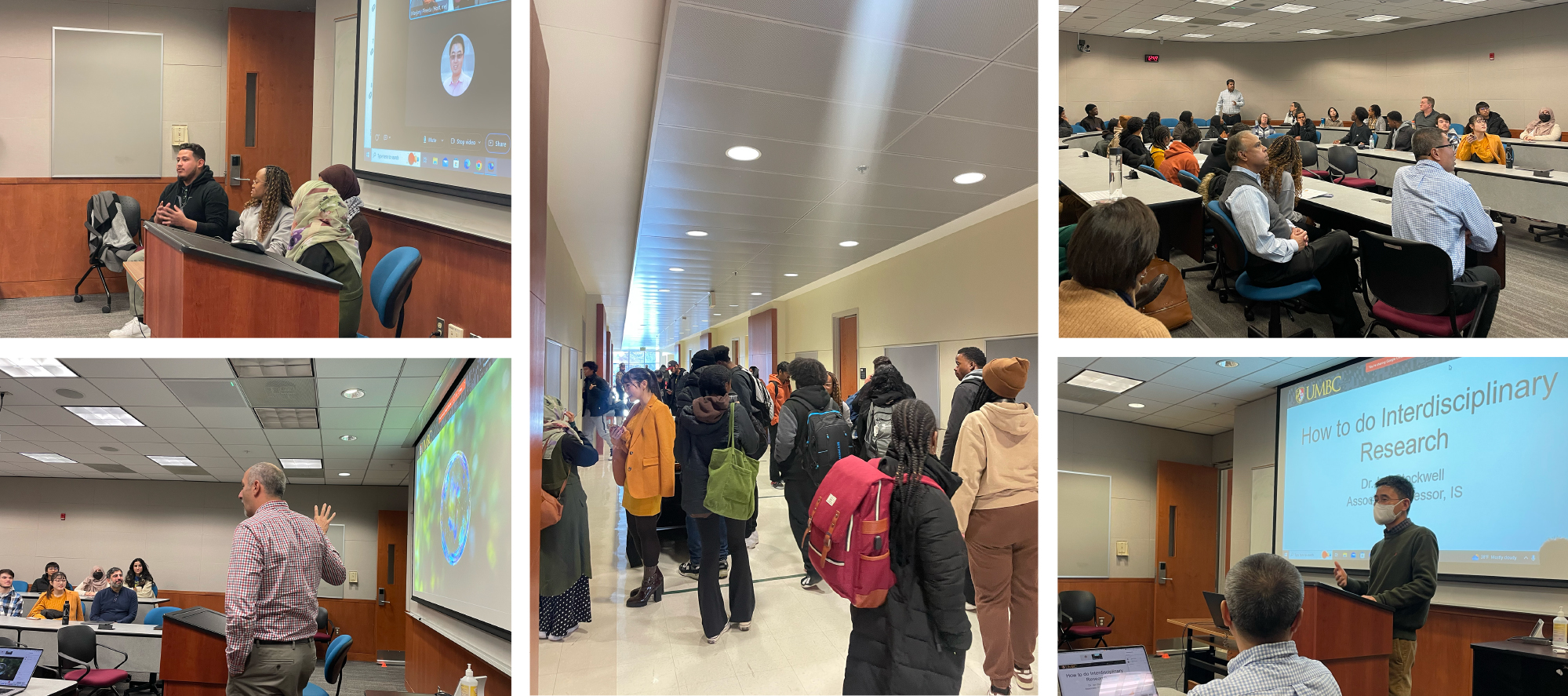
    <div class="html-content"><p><br></p><p><strong>Date:</strong> Wednesday, August 28<br><strong>Time:</strong> 12:00 PM - 2:00 PM<br><strong>Location:</strong> Fourth-floor hallway, ITE Building</p><p>Join us to kick off the new academic year at our Welcome Week Reception! Come enjoy pizza, snacks, and a chance to win some UMBC swag. It's a fantastic opportunity to meet new friends, connect with faculty, and get acquainted with the campus.</p><p><strong>Special Highlights:</strong></p><ul><li><strong>Lab Tours:</strong> Dive into our new projects with guided tours led by our faculty and students. </li><li><strong>ISSA Chapter at UMBC:</strong> Discover how you can join the Information Systems Security Association chapter and get involved in cybersecurity and information security initiatives at UMBC.</li></ul><p>This event is an excellent way to network, learn more about our department, and explore the diverse student organizations that are in our UMBC community. We look forward to welcoming both new and returning students!</p><p><br></p><p><img src="https://informationsystems.umbc.edu/wp-content/uploads/sites/78/2023/12/research_outreach_event_2023.jpg" alt="Research – Department of Information Systems – UMBC" style="max-width: 100%; height: auto;"></p></div>
]]>
</Body>
<Summary>Date: Wednesday, August 28 Time: 12:00 PM - 2:00 PM Location: Fourth-floor hallway, ITE Building  Join us to kick off the new academic year at our Welcome Week Reception! Come enjoy pizza, snacks,...</Summary>
<TrackingUrl>https://my3.my.umbc.edu/api/v0/pixel/news/143324/guest@my.umbc.edu/651435a8ef7f6c5f0189a87f74d31708/api/pixel</TrackingUrl>
<Group token="issa">Information Systems Security Association, UMBC Chapter</Group>
<GroupUrl>https://my3.my.umbc.edu/groups/issa</GroupUrl>
<AvatarUrl>https://assets4-my.umbc.edu/system/shared/avatars/groups/000/000/514/0bdfb1231eca53e69ca24c2de2eb6912/xsmall.png?1772925484</AvatarUrl>
<AvatarUrl size="original">https://assets4-my.umbc.edu/system/shared/avatars/groups/000/000/514/0bdfb1231eca53e69ca24c2de2eb6912/original.jpg?1772925484</AvatarUrl>
<AvatarUrl size="xxlarge">https://assets3-my.umbc.edu/system/shared/avatars/groups/000/000/514/0bdfb1231eca53e69ca24c2de2eb6912/xxlarge.png?1772925484</AvatarUrl>
<AvatarUrl size="xlarge">https://assets3-my.umbc.edu/system/shared/avatars/groups/000/000/514/0bdfb1231eca53e69ca24c2de2eb6912/xlarge.png?1772925484</AvatarUrl>
<AvatarUrl size="large">https://assets4-my.umbc.edu/system/shared/avatars/groups/000/000/514/0bdfb1231eca53e69ca24c2de2eb6912/large.png?1772925484</AvatarUrl>
<AvatarUrl size="medium">https://assets2-my.umbc.edu/system/shared/avatars/groups/000/000/514/0bdfb1231eca53e69ca24c2de2eb6912/medium.png?1772925484</AvatarUrl>
<AvatarUrl size="small">https://assets1-my.umbc.edu/system/shared/avatars/groups/000/000/514/0bdfb1231eca53e69ca24c2de2eb6912/small.png?1772925484</AvatarUrl>
<AvatarUrl size="xsmall">https://assets4-my.umbc.edu/system/shared/avatars/groups/000/000/514/0bdfb1231eca53e69ca24c2de2eb6912/xsmall.png?1772925484</AvatarUrl>
<AvatarUrl size="xxsmall">https://assets4-my.umbc.edu/system/shared/avatars/groups/000/000/514/0bdfb1231eca53e69ca24c2de2eb6912/xxsmall.png?1772925484</AvatarUrl>
<Sponsor>Information Systems Security Association, UMBC Chapter</Sponsor>
<PawCount>0</PawCount>
<CommentCount>0</CommentCount>
<CommentsAllowed>true</CommentsAllowed>
<PostedAt>Fri, 23 Aug 2024 16:02:06 -0400</PostedAt>
</NewsItem>

<NewsItem contentIssues="true" id="142950" important="false" status="posted" url="https://my3.my.umbc.edu/groups/ieee/posts/142950">
<Title>CSEE Welcome Week Research Lightning Talks &amp; Lab Open Houses</Title>
<Tagline>9:00-1:00 pm Tuesday, August 27  in the ITE building,</Tagline>
<Body>
<![CDATA[
    <div class="html-content"><p><img src="https://www.csee.umbc.edu/wp-content/uploads/sites/659/2024/07/ww_24.jpg" style="max-width: 100%; height: auto;"></p><p>UMBC's CSEE Department will hold an event to introduce students and visitors to current research by faculty and students.</p><p>Learn about ongoing research projects, meet the professors, visit their labs, and get involved in research in the department.  Projects include a wide spectrum of activities in computer science, computer engineering, and electrical engineering, such as AI, machine learning, cybersecurity, quantum computation, graphics, visualization, hardware systems, signal processing, communications, and photonics. Free and open to the public.</p><p><strong><em>Schedule</em></strong></p><ul><li>9-11am: 5-minute lightning research talks by CSEE faculty in ITE 104</li><li>11am-2pm: research lab open houses in the second and third floors of the ITE building</li></ul></div>
]]>
</Body>
<Summary>UMBC's CSEE Department will hold an event to introduce students and visitors to current research by faculty and students.  Learn about ongoing research projects, meet the professors, visit their...</Summary>
<TrackingUrl>https://my3.my.umbc.edu/api/v0/pixel/news/142950/guest@my.umbc.edu/56411c44c31f2bfe9ed2d547032683ff/api/pixel</TrackingUrl>
<Tag>csee</Tag>
<Tag>research</Tag>
<Group token="csee">Computer Science and Electrical Engineering</Group>
<GroupUrl>https://my3.my.umbc.edu/groups/csee</GroupUrl>
<AvatarUrl>https://assets3-my.umbc.edu/system/shared/avatars/groups/000/000/099/d117dca133c64bf78a4b7696dd007189/xsmall.png?1314043393</AvatarUrl>
<AvatarUrl size="original">https://assets1-my.umbc.edu/system/shared/avatars/groups/000/000/099/d117dca133c64bf78a4b7696dd007189/original.png?1314043393</AvatarUrl>
<AvatarUrl size="xxlarge">https://assets1-my.umbc.edu/system/shared/avatars/groups/000/000/099/d117dca133c64bf78a4b7696dd007189/xxlarge.png?1314043393</AvatarUrl>
<AvatarUrl size="xlarge">https://assets4-my.umbc.edu/system/shared/avatars/groups/000/000/099/d117dca133c64bf78a4b7696dd007189/xlarge.png?1314043393</AvatarUrl>
<AvatarUrl size="large">https://assets3-my.umbc.edu/system/shared/avatars/groups/000/000/099/d117dca133c64bf78a4b7696dd007189/large.png?1314043393</AvatarUrl>
<AvatarUrl size="medium">https://assets1-my.umbc.edu/system/shared/avatars/groups/000/000/099/d117dca133c64bf78a4b7696dd007189/medium.png?1314043393</AvatarUrl>
<AvatarUrl size="small">https://assets2-my.umbc.edu/system/shared/avatars/groups/000/000/099/d117dca133c64bf78a4b7696dd007189/small.png?1314043393</AvatarUrl>
<AvatarUrl size="xsmall">https://assets3-my.umbc.edu/system/shared/avatars/groups/000/000/099/d117dca133c64bf78a4b7696dd007189/xsmall.png?1314043393</AvatarUrl>
<AvatarUrl size="xxsmall">https://assets3-my.umbc.edu/system/shared/avatars/groups/000/000/099/d117dca133c64bf78a4b7696dd007189/xxsmall.png?1314043393</AvatarUrl>
<Sponsor>Computer Science and Electrical Engineering</Sponsor>
<PawCount>0</PawCount>
<CommentCount>0</CommentCount>
<CommentsAllowed>true</CommentsAllowed>
<PostedAt>Thu, 25 Jul 2024 16:55:59 -0400</PostedAt>
<EditAt>Mon, 26 Aug 2024 09:35:51 -0400</EditAt>
</NewsItem>

<NewsItem contentIssues="true" id="142661" important="false" status="posted" url="https://my3.my.umbc.edu/groups/ieee/posts/142661">
<Title>Free class: Programming in Lean for Scientists and Engineers</Title>
<Tagline>1-3pm ET July 9 &#8211; Aug 21, in-person &amp; onlne, non-credit</Tagline>
<Body>
<![CDATA[
    <div class="html-content"><span><h5><img src="https://www.csee.umbc.edu/wp-content/uploads/sites/659/2024/07/lean.png" style="max-width: 100%; height: auto;"></h5><span><hr></span><br><h2><span>Lean for Scientists and Engineers</span></h2><h5><span><br></span></h5><p><span><strong>Meets twice weekly, 1-3pm ET, July 9 – August 21, 2024</strong></span></p><p><span><strong>in-person at UMBC and online</strong></span></p><p><span>UMBC’s AI &amp; Theory-Oriented Molecular Science Lab (<a href="https://atomslab.github.io/" rel="nofollow external" class="bo"><strong>ATOMS</strong></a>) will teach a free, non-credit class, “Lean for Scientists and Engineers”, this summer. </span><span><a href="https://lean-lang.org/" rel="nofollow external" class="bo"><strong>Lean 4</strong></a></span><span> is a new programming language whose type system enables it to describe and check the logic of advanced math proofs. It makes it easier to write correct and maintainable code.</span></p><p><span>By writing software in Lean and writing proofs </span><span>about</span><span> those functions, we can be confidant that our code is correct. Our vision is to enable a new class of scientific computing software whose functions are interwoven with a library of formally-verified scientific derivations. All are welcome! This course is designed for non-mathematicians. </span></p><p><span>Topics include l</span><span>ogic and proofs for scientists and engineers, f</span><span>unctional programming in Lean 4, and p</span><span>rovably-correct programs for scientific computing. </span><span>Prerequisites are Calculus II, introductory physics and introductory chemistry.</span></p><span><strong>Register and get more information </strong></span><a href="https://forms.gle/Yro7uVoLkxyAyw7r5" rel="nofollow external" class="bo"><span><strong>here</strong></span></a><span>.</span></span></div>
]]>
</Body>
<Summary>Lean for Scientists and Engineers     Meets twice weekly, 1-3pm ET, July 9 – August 21, 2024  in-person at UMBC and online  UMBC’s AI &amp; Theory-Oriented Molecular Science Lab (ATOMS) will teach...</Summary>
<TrackingUrl>https://my3.my.umbc.edu/api/v0/pixel/news/142661/guest@my.umbc.edu/90bcf91aae2a93d9e299c5a11fd39a7b/api/pixel</TrackingUrl>
<Tag>ai</Tag>
<Tag>class</Tag>
<Tag>free</Tag>
<Tag>non-credit</Tag>
<Tag>programming</Tag>
<Tag>proof</Tag>
<Group token="csee">Computer Science and Electrical Engineering</Group>
<GroupUrl>https://my3.my.umbc.edu/groups/csee</GroupUrl>
<AvatarUrl>https://assets3-my.umbc.edu/system/shared/avatars/groups/000/000/099/d117dca133c64bf78a4b7696dd007189/xsmall.png?1314043393</AvatarUrl>
<AvatarUrl size="original">https://assets1-my.umbc.edu/system/shared/avatars/groups/000/000/099/d117dca133c64bf78a4b7696dd007189/original.png?1314043393</AvatarUrl>
<AvatarUrl size="xxlarge">https://assets1-my.umbc.edu/system/shared/avatars/groups/000/000/099/d117dca133c64bf78a4b7696dd007189/xxlarge.png?1314043393</AvatarUrl>
<AvatarUrl size="xlarge">https://assets4-my.umbc.edu/system/shared/avatars/groups/000/000/099/d117dca133c64bf78a4b7696dd007189/xlarge.png?1314043393</AvatarUrl>
<AvatarUrl size="large">https://assets3-my.umbc.edu/system/shared/avatars/groups/000/000/099/d117dca133c64bf78a4b7696dd007189/large.png?1314043393</AvatarUrl>
<AvatarUrl size="medium">https://assets1-my.umbc.edu/system/shared/avatars/groups/000/000/099/d117dca133c64bf78a4b7696dd007189/medium.png?1314043393</AvatarUrl>
<AvatarUrl size="small">https://assets2-my.umbc.edu/system/shared/avatars/groups/000/000/099/d117dca133c64bf78a4b7696dd007189/small.png?1314043393</AvatarUrl>
<AvatarUrl size="xsmall">https://assets3-my.umbc.edu/system/shared/avatars/groups/000/000/099/d117dca133c64bf78a4b7696dd007189/xsmall.png?1314043393</AvatarUrl>
<AvatarUrl size="xxsmall">https://assets3-my.umbc.edu/system/shared/avatars/groups/000/000/099/d117dca133c64bf78a4b7696dd007189/xxsmall.png?1314043393</AvatarUrl>
<Sponsor>AI and Theory-Oriented Molecular Science Lab</Sponsor>
<PawCount>4</PawCount>
<CommentCount>4</CommentCount>
<CommentsAllowed>true</CommentsAllowed>
<PostedAt>Fri, 05 Jul 2024 10:55:42 -0400</PostedAt>
</NewsItem>

<NewsItem contentIssues="true" id="142373" important="false" status="posted" url="https://my3.my.umbc.edu/groups/ieee/posts/142373">
<Title>Talk: implantable brain-computer interfaces, 3-4pm ET 6/17</Title>
<Tagline>using retina-inspired compressive telemetry</Tagline>
<Body>
<![CDATA[
    <div class="html-content"><div><strong><br></strong></div><h4><strong>Retina-inspired compressive telemetry for implantable brain-computer interfaces</strong></h4><div><strong><br></strong></div><div><strong>Dr. Yao-Hong Liu, IMEC</strong></div><div><strong><br></strong></div><div><strong>3-4:00pm ET, Monday, June 17th, 2024</strong></div><div><strong>UMBC, ITE 325b</strong></div><div> </div><div><br></div><div>"The most complicated object in the known universe is sitting on your shoulder." With advancements in semiconductor and flexible technologies, high-density intra-cortical micro-electrode arrays (MEAs) enable electrical sensing with sub-millisecond temporal resolution and tens of micrometer spatial resolution. However, one of the key challenges yet to be overcome is the lack of high-capacity, miniature, and energy-efficient wireless telemetry, which allows neural sensors to be chronically implanted without the risk of infection. Such high-fidelity neural sensors produce a huge amount of data that needs to be wirelessly transferred across layers of tissue without introducing heating, but miniature neural implants have very limited resources to support energy-consuming data transmission. Inspired by retinas, the energy consumption for processing and transportation of information can be significantly reduced if only the changes are processed with "spikes" and propagated using "ions". In this talk, we will discuss how we can learn from biology to design a spiking wireless telemetry for future implantable neural interfaces.</div><div><br></div><div><strong><a href="https://www.linkedin.com/in/yaohongliu/?originalSubdomain=nl" rel="nofollow external" class="bo">Yao-Hong Liu</a> </strong>is currently Scientific Director in <a href="https://www.imec-int.com/en" rel="nofollow external" class="bo"><strong>IMEC</strong></a>. He is a recipient of European Research Council (ERC) Consolidator grant. He is a guest assistant professor at Delft University of Technology, the Netherlands. His current research focuses on wireless communication and edge computation for implantable brain-computer interfaces (BCIs) and IoT applications. Dr. Liu received his Ph.D. degree from National Taiwan University, Taiwan, in 2009. He was with Via Telecom (now Intel), Taiwan, and Mobile Devices, Taiwan, from 2002 to 2010, developing wireless transceiver ICs. Since 2010, he joined imec, the Netherlands, and is leading the scientific research of the ultra-low power ASIC design. He received the IEEE Brain and Solid-State Circuits joint-society best paper award honorable mention 2022. He served as a technical program committee of IEEE ISSCC and is currently a steering committee member of IEEE RFIC symposium.</div><div><br></div></div>
]]>
</Body>
<Summary>Retina-inspired compressive telemetry for implantable brain-computer interfaces     Dr. Yao-Hong Liu, IMEC     3-4:00pm ET, Monday, June 17th, 2024  UMBC, ITE 325b        "The most complicated...</Summary>
<TrackingUrl>https://my3.my.umbc.edu/api/v0/pixel/news/142373/guest@my.umbc.edu/a94c3e3b5b792a0dd7defab106e725a9/api/pixel</TrackingUrl>
<Tag>brain-computer</Tag>
<Tag>talk</Tag>
<Group token="csee">Computer Science and Electrical Engineering</Group>
<GroupUrl>https://my3.my.umbc.edu/groups/csee</GroupUrl>
<AvatarUrl>https://assets3-my.umbc.edu/system/shared/avatars/groups/000/000/099/d117dca133c64bf78a4b7696dd007189/xsmall.png?1314043393</AvatarUrl>
<AvatarUrl size="original">https://assets1-my.umbc.edu/system/shared/avatars/groups/000/000/099/d117dca133c64bf78a4b7696dd007189/original.png?1314043393</AvatarUrl>
<AvatarUrl size="xxlarge">https://assets1-my.umbc.edu/system/shared/avatars/groups/000/000/099/d117dca133c64bf78a4b7696dd007189/xxlarge.png?1314043393</AvatarUrl>
<AvatarUrl size="xlarge">https://assets4-my.umbc.edu/system/shared/avatars/groups/000/000/099/d117dca133c64bf78a4b7696dd007189/xlarge.png?1314043393</AvatarUrl>
<AvatarUrl size="large">https://assets3-my.umbc.edu/system/shared/avatars/groups/000/000/099/d117dca133c64bf78a4b7696dd007189/large.png?1314043393</AvatarUrl>
<AvatarUrl size="medium">https://assets1-my.umbc.edu/system/shared/avatars/groups/000/000/099/d117dca133c64bf78a4b7696dd007189/medium.png?1314043393</AvatarUrl>
<AvatarUrl size="small">https://assets2-my.umbc.edu/system/shared/avatars/groups/000/000/099/d117dca133c64bf78a4b7696dd007189/small.png?1314043393</AvatarUrl>
<AvatarUrl size="xsmall">https://assets3-my.umbc.edu/system/shared/avatars/groups/000/000/099/d117dca133c64bf78a4b7696dd007189/xsmall.png?1314043393</AvatarUrl>
<AvatarUrl size="xxsmall">https://assets3-my.umbc.edu/system/shared/avatars/groups/000/000/099/d117dca133c64bf78a4b7696dd007189/xxsmall.png?1314043393</AvatarUrl>
<Sponsor>Computer Science and Electrical Engineering</Sponsor>
<ThumbnailUrl size="xxlarge">https://assets1-my.umbc.edu/system/shared/thumbnails/news/000/142/373/a4c6c7a92913f09a09f9d7edc1103b15/xxlarge.jpg?1717800813</ThumbnailUrl>
<ThumbnailUrl size="xlarge">https://assets2-my.umbc.edu/system/shared/thumbnails/news/000/142/373/a4c6c7a92913f09a09f9d7edc1103b15/xlarge.jpg?1717800813</ThumbnailUrl>
<ThumbnailUrl size="large">https://assets2-my.umbc.edu/system/shared/thumbnails/news/000/142/373/a4c6c7a92913f09a09f9d7edc1103b15/large.jpg?1717800813</ThumbnailUrl>
<ThumbnailUrl size="medium">https://assets2-my.umbc.edu/system/shared/thumbnails/news/000/142/373/a4c6c7a92913f09a09f9d7edc1103b15/medium.jpg?1717800813</ThumbnailUrl>
<ThumbnailUrl size="small">https://assets1-my.umbc.edu/system/shared/thumbnails/news/000/142/373/a4c6c7a92913f09a09f9d7edc1103b15/small.jpg?1717800813</ThumbnailUrl>
<ThumbnailUrl size="xsmall">https://assets4-my.umbc.edu/system/shared/thumbnails/news/000/142/373/a4c6c7a92913f09a09f9d7edc1103b15/xsmall.jpg?1717800813</ThumbnailUrl>
<ThumbnailUrl size="xxsmall">https://assets1-my.umbc.edu/system/shared/thumbnails/news/000/142/373/a4c6c7a92913f09a09f9d7edc1103b15/xxsmall.jpg?1717800813</ThumbnailUrl>
<PawCount>0</PawCount>
<CommentCount>0</CommentCount>
<CommentsAllowed>true</CommentsAllowed>
<PostedAt>Fri, 07 Jun 2024 18:59:09 -0400</PostedAt>
<EditAt>Tue, 11 Jun 2024 18:09:32 -0400</EditAt>
</NewsItem>

<NewsItem contentIssues="true" id="142312" important="false" status="posted" url="https://my3.my.umbc.edu/groups/ieee/posts/142312">
<Title>How to count time: Curtis Menyuk addresses age-old problem</Title>
<Tagline>Optics and frequency combs for more accurate time keeping</Tagline>
<Body>
<![CDATA[
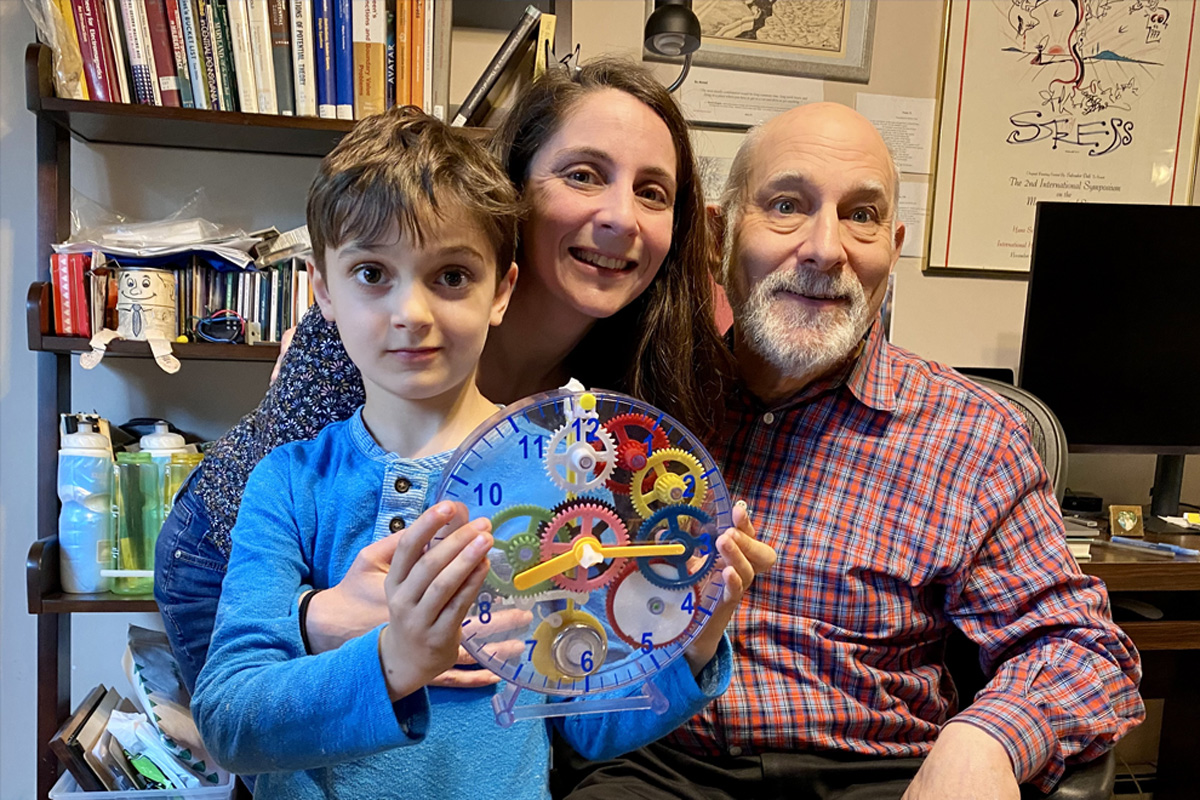
    <div class="html-content"><div><img src="https://umbc.edu/wp-content/uploads/2024/05/Curtis-Menyuk-with-daughter-and-grandson.jpg" style="max-width: 100%; height: auto;"></div><div><br></div><div><span>UMBC Magazine has an <strong><a href="https://umbc.edu/stories/time-and-optics-research-curtis-menyuk/" rel="nofollow external" class="bo">article</a></strong> on CSEE Professor </span><strong><a href="https://www.csee.umbc.edu/people/faculty/curtis-r-menyuk/" rel="nofollow external" class="bo">Curtis Menyuk</a><span> </span></strong><span>and his seminal work on using optics and frequency combs to develop more accurate time-keeping technology. This has led to the recent establishment of the <strong><a href="https://umbc.edu/stories/light-based-timing-and-navigation-research/" rel="nofollow external" class="bo">Center for Navigation, Timing, and Frequency Research</a></strong> (CENTAUR) at UMBC with support from the Army Research Laboratory. Its research on optical clocks can improve the accuracy of the current satellite-based Global Positioning System and provide alternatives in case of its failure.</span></div></div>
]]>
</Body>
<Summary>UMBC Magazine has an article on CSEE Professor Curtis Menyuk and his seminal work on using optics and frequency combs to develop more accurate time-keeping technology. This has led to the recent...</Summary>
<Website>https://umbc.edu/stories/time-and-optics-research-curtis-menyuk/</Website>
<TrackingUrl>https://my3.my.umbc.edu/api/v0/pixel/news/142312/guest@my.umbc.edu/095d6ebc07a8ec055f9c82807dbe0c90/api/pixel</TrackingUrl>
<Tag>centaur</Tag>
<Tag>frequency-combs</Tag>
<Tag>menyuk</Tag>
<Tag>optics</Tag>
<Group token="csee">Computer Science and Electrical Engineering</Group>
<GroupUrl>https://my3.my.umbc.edu/groups/csee</GroupUrl>
<AvatarUrl>https://assets3-my.umbc.edu/system/shared/avatars/groups/000/000/099/d117dca133c64bf78a4b7696dd007189/xsmall.png?1314043393</AvatarUrl>
<AvatarUrl size="original">https://assets1-my.umbc.edu/system/shared/avatars/groups/000/000/099/d117dca133c64bf78a4b7696dd007189/original.png?1314043393</AvatarUrl>
<AvatarUrl size="xxlarge">https://assets1-my.umbc.edu/system/shared/avatars/groups/000/000/099/d117dca133c64bf78a4b7696dd007189/xxlarge.png?1314043393</AvatarUrl>
<AvatarUrl size="xlarge">https://assets4-my.umbc.edu/system/shared/avatars/groups/000/000/099/d117dca133c64bf78a4b7696dd007189/xlarge.png?1314043393</AvatarUrl>
<AvatarUrl size="large">https://assets3-my.umbc.edu/system/shared/avatars/groups/000/000/099/d117dca133c64bf78a4b7696dd007189/large.png?1314043393</AvatarUrl>
<AvatarUrl size="medium">https://assets1-my.umbc.edu/system/shared/avatars/groups/000/000/099/d117dca133c64bf78a4b7696dd007189/medium.png?1314043393</AvatarUrl>
<AvatarUrl size="small">https://assets2-my.umbc.edu/system/shared/avatars/groups/000/000/099/d117dca133c64bf78a4b7696dd007189/small.png?1314043393</AvatarUrl>
<AvatarUrl size="xsmall">https://assets3-my.umbc.edu/system/shared/avatars/groups/000/000/099/d117dca133c64bf78a4b7696dd007189/xsmall.png?1314043393</AvatarUrl>
<AvatarUrl size="xxsmall">https://assets3-my.umbc.edu/system/shared/avatars/groups/000/000/099/d117dca133c64bf78a4b7696dd007189/xxsmall.png?1314043393</AvatarUrl>
<Sponsor>Computer Science and Electrical Engineering</Sponsor>
<PawCount>0</PawCount>
<CommentCount>0</CommentCount>
<CommentsAllowed>true</CommentsAllowed>
<PostedAt>Tue, 04 Jun 2024 11:44:55 -0400</PostedAt>
<EditAt>Tue, 04 Jun 2024 11:45:27 -0400</EditAt>
</NewsItem>

<NewsItem contentIssues="true" id="142300" important="false" status="posted" url="https://my3.my.umbc.edu/groups/ieee/posts/142300">
<Title>Talks: Securing Next Generation Energy Distribution Networks</Title>
<Tagline>Three online short talks, 7-8:30am ET, Wed June 5</Tagline>
<Body>
<![CDATA[
    <div class="html-content"><img src="https://www.csee.umbc.edu/wp-content/uploads/sites/659/2023/11/INCS-CoE.png" style="max-width: 100%; height: auto;"><div><br></div><div><div>The <a href="https://incs-coe.org/" rel="nofollow external" class="bo"><strong>International Cyber Security Center of Excellence</strong> </a>(INCS-CoE) is an international consortium of ten universities with significant research interests in cybersecurity. It will hold a one-hour online seminar on the <a href="https://incs-coe.org/seminars/#e6c234cf46c4ce4d4" rel="nofollow external" class="bo">Security Challenges of Next Generation Energy Distribution Networks</a> with three short talks <strong>7:00-8:30 am EDT on Wednesday, 5 June 2024, via <a href="https://hal.zoom.us/j/94386507466?pwd=eVQ5WnJ1a3Z6OTV6TnZoRUtZTTRYdz09" rel="nofollow external" class="bo">Zoom</a>.</strong></div><div><br>Prof <a href="https://profiles.imperial.ac.uk/c.hankin" rel="nofollow external" class="bo">Chris Hankin</a> of Imperial College and chair of INCS-CoE will moderate the session, which includes three presentations.</div><div><ul><li>Electric Vehicle Authentication and Secure Metering in Smart Grids, <a href="https://ieeexplore.ieee.org/author/37269530300" rel="nofollow external" class="bo">Dirceu Cavendish</a>, Kyushu University, Japan</li><li>Cyber Resiliency of Digitalized Power Grids - Keep the Lights on!, <a href="https://profiles.imperial.ac.uk/f.teng" rel="nofollow external" class="bo">Fei Teng</a>, Imperial College London, UK</li><li> Renewables and Cybersecurity: Friends or Foes?, <a href="https://sites.google.com/view/mehrizi/home" rel="nofollow external" class="bo">Ali Mehrizi-Sani</a>, Virginia Tech, USA</li></ul><div>Talk abstracts and speaker information are available <a href="https://incs-coe.org/seminars/#e6c234cf46c4ce4d4" rel="nofollow external" class="bo"><strong>here</strong></a>.</div><div><br></div></div></div></div>
]]>
</Body>
<Summary>The International Cyber Security Center of Excellence (INCS-CoE) is an international consortium of ten universities with significant research interests in cybersecurity. It will hold a one-hour...</Summary>
<Website>https://incs-coe.org/seminars/#e6c234cf46c4ce4d4</Website>
<TrackingUrl>https://my3.my.umbc.edu/api/v0/pixel/news/142300/guest@my.umbc.edu/97e9852b373b51ade999803e6ebc658c/api/pixel</TrackingUrl>
<Tag>cybersecurity</Tag>
<Tag>incs-coe</Tag>
<Tag>seminar</Tag>
<Group token="csee">Computer Science and Electrical Engineering</Group>
<GroupUrl>https://my3.my.umbc.edu/groups/csee</GroupUrl>
<AvatarUrl>https://assets3-my.umbc.edu/system/shared/avatars/groups/000/000/099/d117dca133c64bf78a4b7696dd007189/xsmall.png?1314043393</AvatarUrl>
<AvatarUrl size="original">https://assets1-my.umbc.edu/system/shared/avatars/groups/000/000/099/d117dca133c64bf78a4b7696dd007189/original.png?1314043393</AvatarUrl>
<AvatarUrl size="xxlarge">https://assets1-my.umbc.edu/system/shared/avatars/groups/000/000/099/d117dca133c64bf78a4b7696dd007189/xxlarge.png?1314043393</AvatarUrl>
<AvatarUrl size="xlarge">https://assets4-my.umbc.edu/system/shared/avatars/groups/000/000/099/d117dca133c64bf78a4b7696dd007189/xlarge.png?1314043393</AvatarUrl>
<AvatarUrl size="large">https://assets3-my.umbc.edu/system/shared/avatars/groups/000/000/099/d117dca133c64bf78a4b7696dd007189/large.png?1314043393</AvatarUrl>
<AvatarUrl size="medium">https://assets1-my.umbc.edu/system/shared/avatars/groups/000/000/099/d117dca133c64bf78a4b7696dd007189/medium.png?1314043393</AvatarUrl>
<AvatarUrl size="small">https://assets2-my.umbc.edu/system/shared/avatars/groups/000/000/099/d117dca133c64bf78a4b7696dd007189/small.png?1314043393</AvatarUrl>
<AvatarUrl size="xsmall">https://assets3-my.umbc.edu/system/shared/avatars/groups/000/000/099/d117dca133c64bf78a4b7696dd007189/xsmall.png?1314043393</AvatarUrl>
<AvatarUrl size="xxsmall">https://assets3-my.umbc.edu/system/shared/avatars/groups/000/000/099/d117dca133c64bf78a4b7696dd007189/xxsmall.png?1314043393</AvatarUrl>
<Sponsor>Computer Science and Electrical Engineering</Sponsor>
<PawCount>0</PawCount>
<CommentCount>0</CommentCount>
<CommentsAllowed>true</CommentsAllowed>
<PostedAt>Mon, 03 Jun 2024 15:42:29 -0400</PostedAt>
</NewsItem>

<NewsItem contentIssues="true" id="142068" important="false" status="posted" url="https://my3.my.umbc.edu/groups/ieee/posts/142068">
<Title>Talk: Machine Learning for Voltage Monitoring, 10:30 ET 5/23</Title>
<Tagline>estimating voltage over the entire distribution feeder</Tagline>
<Body>
<![CDATA[
    <div class="html-content"><div><img src="https://ai.umbc.edu/wp-content/uploads/sites/734/2024/05/Screenshot-2024-05-17-at-1.56.22%E2%80%AFPM.webp" style="max-width: 100%; height: auto;"></div><div><br></div><div><strong>Machine Learning based Voltage Monitoring in  </strong><strong>Real-time Unobservable Distribution Systems</strong></div><div><strong><br></strong></div><div><strong>Prof. <a href="https://search.asu.edu/profile/3023947" rel="nofollow external" class="bo">Anamitra Pal</a>, Arizona State University</strong></div><div><strong><br></strong></div><div><strong>10:30-11:30am ET, Thur. May 23, 2024 </strong><strong>325b ITE &amp; <a href="https://umbc.webex.com/meet/rajangul" rel="nofollow external" class="bo">WebEx</a></strong></div><div><br></div><div>Due to increasing penetration of solar photovoltaic generation and electric vehicle charging loads, there is a genuine need to closely monitor the voltage over the entire length of the distribution feeder. Smart meters, present only at the terminal nodes of the feeder, cannot fulfill this need; they also have high reporting delays.  Distribution phasor measurement units have the necessary speed, but it is cost- prohibitive to place them in bulk. Thus, monitoring voltages in real-time unobservable distribution systems is challenging. This talk will describe how the use of machine learning can help overcome this challenge by performing high-speed voltage estimation while accounting for the physical attributes and operational characteristics of modern distribution systems. To ensure trust in the machine learning-based approach, formal guarantees of performance will also be provided.</div><div><br></div><div><strong><a href="https://search.asu.edu/profile/3023947" rel="nofollow external" class="bo">Anamitra Pal</a> </strong>is an Associate Professor in the School of Electrical, Computer, and Energy Engineering at Arizona State University (ASU). His research interests include data analytics with a special emphasis on time-synchronized measurements, artificial intelligence applications in power systems, renewable generation integration studies, and critical infrastructure resilience. Dr. Pal has received the 2018 Young CRITIS Award for his contributions to the field of critical infrastructure protection, the 2019 Outstanding Young Professional Award from the IEEE Phoenix Section, the National Science Foundation CAREER Award in 2022, and the 2023 Centennial Professorship Award from ASU.</div><div><br></div><div>Host:<strong> <a href="https://rajanguluri.github.io/" rel="nofollow external" class="bo">Rajasekhar Anguluri<br></a></strong></div><div><strong><a href="https://rajanguluri.github.io/" rel="nofollow external" class="bo"><br></a></strong></div></div>
]]>
</Body>
<Summary>Machine Learning based Voltage Monitoring in  Real-time Unobservable Distribution Systems     Prof. Anamitra Pal, Arizona State University     10:30-11:30am ET, Thur. May 23, 2024 325b ITE &amp;...</Summary>
<TrackingUrl>https://my3.my.umbc.edu/api/v0/pixel/news/142068/guest@my.umbc.edu/41564004ae2edd4e93d15b44fdadcb50/api/pixel</TrackingUrl>
<Tag>ai</Tag>
<Tag>computer-engineering</Tag>
<Tag>machine-learning</Tag>
<Group token="csee">Computer Science and Electrical Engineering</Group>
<GroupUrl>https://my3.my.umbc.edu/groups/csee</GroupUrl>
<AvatarUrl>https://assets3-my.umbc.edu/system/shared/avatars/groups/000/000/099/d117dca133c64bf78a4b7696dd007189/xsmall.png?1314043393</AvatarUrl>
<AvatarUrl size="original">https://assets1-my.umbc.edu/system/shared/avatars/groups/000/000/099/d117dca133c64bf78a4b7696dd007189/original.png?1314043393</AvatarUrl>
<AvatarUrl size="xxlarge">https://assets1-my.umbc.edu/system/shared/avatars/groups/000/000/099/d117dca133c64bf78a4b7696dd007189/xxlarge.png?1314043393</AvatarUrl>
<AvatarUrl size="xlarge">https://assets4-my.umbc.edu/system/shared/avatars/groups/000/000/099/d117dca133c64bf78a4b7696dd007189/xlarge.png?1314043393</AvatarUrl>
<AvatarUrl size="large">https://assets3-my.umbc.edu/system/shared/avatars/groups/000/000/099/d117dca133c64bf78a4b7696dd007189/large.png?1314043393</AvatarUrl>
<AvatarUrl size="medium">https://assets1-my.umbc.edu/system/shared/avatars/groups/000/000/099/d117dca133c64bf78a4b7696dd007189/medium.png?1314043393</AvatarUrl>
<AvatarUrl size="small">https://assets2-my.umbc.edu/system/shared/avatars/groups/000/000/099/d117dca133c64bf78a4b7696dd007189/small.png?1314043393</AvatarUrl>
<AvatarUrl size="xsmall">https://assets3-my.umbc.edu/system/shared/avatars/groups/000/000/099/d117dca133c64bf78a4b7696dd007189/xsmall.png?1314043393</AvatarUrl>
<AvatarUrl size="xxsmall">https://assets3-my.umbc.edu/system/shared/avatars/groups/000/000/099/d117dca133c64bf78a4b7696dd007189/xxsmall.png?1314043393</AvatarUrl>
<Sponsor>Computer Science and Electrical Engineering</Sponsor>
<PawCount>0</PawCount>
<CommentCount>0</CommentCount>
<CommentsAllowed>true</CommentsAllowed>
<PostedAt>Fri, 17 May 2024 17:04:37 -0400</PostedAt>
<EditAt>Sat, 18 May 2024 11:19:27 -0400</EditAt>
</NewsItem>

<NewsItem contentIssues="true" id="142039" important="false" status="posted" url="https://my3.my.umbc.edu/groups/ieee/posts/142039">
<Title>CSEE Research Day 2024 Awardees</Title>
<Tagline>CSEE congratulates all winners and participants!</Tagline>
<Body>
<![CDATA[
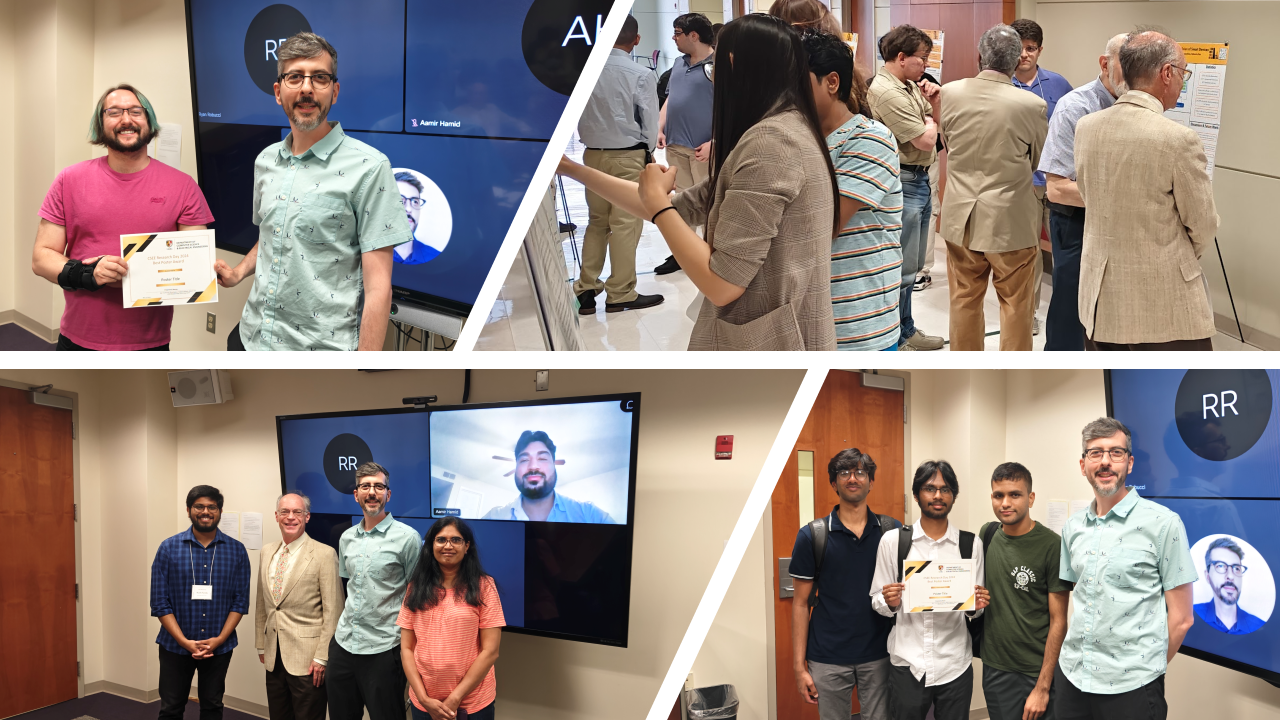
    <div class="html-content"><img src="https://www.csee.umbc.edu/wp-content/uploads/sites/659/2024/05/Awardees.png" alt="" width="1106" height="553" style="max-width: 100%; height: auto;"> <div>The UMBC Department of Computer Science and Electrical Engineering (CSEE) proudly hosted its <a href="https://www.csee.umbc.edu/2024-csee-research-day/" rel="nofollow external" class="bo">annual Research Day event</a> this May, celebrating a year of groundbreaking research and innovation. This highly anticipated event brought together faculty, staff, and students to showcase the department's latest advancements across three key research areas: computer science, computer engineering, and electrical engineering.The event featured <a href="https://www.csee.umbc.edu/umbc-csee-research-day-2024-program/" rel="nofollow external" class="bo">a series of insightful talks by faculty and staff, highlighting significant research achievements and ongoing projects</a>. Attendees were treated to a diverse array of topics, reflecting the department's commitment to pushing the boundaries of technology and engineering.
    
    A highlight of the day was the student research competition, where three exceptional PhD students were recognized for their outstanding contributions during the 2023-2024 academic year. The winners presented their award-winning research, impressing the audience with their innovative approaches and findings:
    <ul>
     	<li><strong>Sai Vallurupalli</strong>: <em>"Examining Participant-specific Goals for a Deeper Understanding of Complex Events"</em></li>
     	<li><strong>Akash Vartak</strong>: <em>"DeBUGCN – Detecting Backdoors in CNNs Using Graph Convolutional Networks"</em></li>
     	<li><strong>Aamir Hamid</strong>: <em>"GenAIPABench: A Benchmark for Generative AI-based Privacy Assistants"</em></li>
    </ul>
    In addition to the talks, the event included a <a href="https://docs.google.com/document/d/1WvbgFM8UZJHOr_MBcJj0fCEbc1OHnb9Ab1sca3dqeWA/edit" rel="nofollow external" class="bo">vibrant poster session where students showcased their research across various domains, from robotics and AI to cybersecurity</a>. With over 25 posters on display, attendees had the opportunity to engage with the presenters and delve into the details of their projects. A panel of faculty members evaluated the posters, ultimately awarding three teams for their exceptional presentations:
    <ul>
     	<li><strong>Christian P Badolato</strong>: <em>"Your Smart Home Exchanged 2M Messages: A Network Traffic Analysis of Smart Home Devices in Passive Mode"</em></li>
     	<li><strong>Dingyi Pei</strong>: <em>"Decoding and Generating Synergy-based Hand Movements using Electroencephalography during Motor Execution and Motor Imagery"</em></li>
     	<li><strong>Bharg Barot, Satvik Racharla, Sumedh Kane, Sai Malkireddy, Nathan Samson, Jason Chan, Fadullah Omitogun, Jalen Brown</strong>: <em>"Lidar Occupancy Analysis and Detection System - LOADS"</em></li>
    </ul>
    The CSEE Department congratulates all the winners and participants for their exceptional work and contributions to the field. We look forward to seeing everyone at the CSEE Research Day event in 2025!</div></div>
]]>
</Body>
<Summary>  The UMBC Department of Computer Science and Electrical Engineering (CSEE) proudly hosted its annual Research Day event this May, celebrating a year of groundbreaking research and innovation....</Summary>
<TrackingUrl>https://my3.my.umbc.edu/api/v0/pixel/news/142039/guest@my.umbc.edu/d4083e7d3c743c448447a04a1b0b0ec1/api/pixel</TrackingUrl>
<Tag>research</Tag>
<Group token="csee">Computer Science and Electrical Engineering</Group>
<GroupUrl>https://my3.my.umbc.edu/groups/csee</GroupUrl>
<AvatarUrl>https://assets3-my.umbc.edu/system/shared/avatars/groups/000/000/099/d117dca133c64bf78a4b7696dd007189/xsmall.png?1314043393</AvatarUrl>
<AvatarUrl size="original">https://assets1-my.umbc.edu/system/shared/avatars/groups/000/000/099/d117dca133c64bf78a4b7696dd007189/original.png?1314043393</AvatarUrl>
<AvatarUrl size="xxlarge">https://assets1-my.umbc.edu/system/shared/avatars/groups/000/000/099/d117dca133c64bf78a4b7696dd007189/xxlarge.png?1314043393</AvatarUrl>
<AvatarUrl size="xlarge">https://assets4-my.umbc.edu/system/shared/avatars/groups/000/000/099/d117dca133c64bf78a4b7696dd007189/xlarge.png?1314043393</AvatarUrl>
<AvatarUrl size="large">https://assets3-my.umbc.edu/system/shared/avatars/groups/000/000/099/d117dca133c64bf78a4b7696dd007189/large.png?1314043393</AvatarUrl>
<AvatarUrl size="medium">https://assets1-my.umbc.edu/system/shared/avatars/groups/000/000/099/d117dca133c64bf78a4b7696dd007189/medium.png?1314043393</AvatarUrl>
<AvatarUrl size="small">https://assets2-my.umbc.edu/system/shared/avatars/groups/000/000/099/d117dca133c64bf78a4b7696dd007189/small.png?1314043393</AvatarUrl>
<AvatarUrl size="xsmall">https://assets3-my.umbc.edu/system/shared/avatars/groups/000/000/099/d117dca133c64bf78a4b7696dd007189/xsmall.png?1314043393</AvatarUrl>
<AvatarUrl size="xxsmall">https://assets3-my.umbc.edu/system/shared/avatars/groups/000/000/099/d117dca133c64bf78a4b7696dd007189/xxsmall.png?1314043393</AvatarUrl>
<Sponsor>Computer Science and Electrical Engineering</Sponsor>
<PawCount>1</PawCount>
<CommentCount>0</CommentCount>
<CommentsAllowed>true</CommentsAllowed>
<PostedAt>Thu, 16 May 2024 15:46:22 -0400</PostedAt>
</NewsItem>

</News>