<?xml version="1.0"?>
<News hasArchived="false" page="40" pageCount="83" pageSize="10" timestamp="Mon, 09 Nov 2026 00:34:51 -0500" url="https://my3.my.umbc.edu/groups/sustainability/posts.xml?mode=pawpularity&amp;page=40">
<NewsItem contentIssues="false" id="59403" important="false" status="posted" url="https://my3.my.umbc.edu/groups/sustainability/posts/59403">
<Title>Undergrad Researchers take a Sustainability Focus</Title>
<Body>
<![CDATA[
    <div class="html-content">
    <div>
    <span>One week from today is Earth Day. The following week is URCAD, UMBC's undergraduate research fair. Today we are spotlighting some undergraduate researchers who decided to focus on the environment, climate change and sustainability in their research efforts. By exploring the issues of today, we can prepare our students to tackle these crises with creative problem solving and thoughtful innovation. Get a glimpse of what's to come with this selection of environmentally focused research.</span><span><br></span>
    </div>
    <div>
    <br><span>Go to </span><a href="http://urcad.umbc.edu/" rel="nofollow external" class="bo">urcad.umbc.edu</a><span> for the full URCAD schedule.  The program opens at 9:15 am </span><span>on Wednesday, April 27th</span><span> in UC 312.</span>
    </div>
    <div><span><br></span></div>
    <div>
    <span>If you are interested in learning about </span><a href="http://sustainability.umbc.edu/recent-sustainability-research-highlights/" rel="nofollow external" class="bo">faculty research</a><span> on sustainability topics, </span><a href="http://sustainability.umbc.edu/research-centers/" rel="nofollow external" class="bo">UMBC research centers</a><span>, and </span><a href="http://sustainability.umbc.edu/courses-programs/" rel="nofollow external" class="bo">courses related sustainability</a><span>, you can find compilations of these sources on the </span><a href="http://sustainability.umbc.edu" rel="nofollow external" class="bo">sustainability website</a><span>. If you have questions about or additions to this list, please email UMBC's sustainability coordinator at <a href="mailto:sustainability@umbc.edu">sustainability@umbc.edu</a>. </span><br><br><strong>Chemical, Biochemical, and Environmental Engineering</strong><span> </span><br><span> Joshua Mele </span><br><em>Quantification of Carbon Emissions in the Baltimore Area</em><br><span>Mentor(s): Dr. Christopher Hennigan </span>
    </div>
    <div>
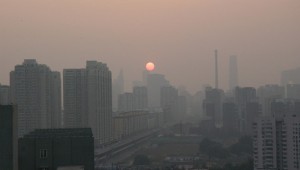
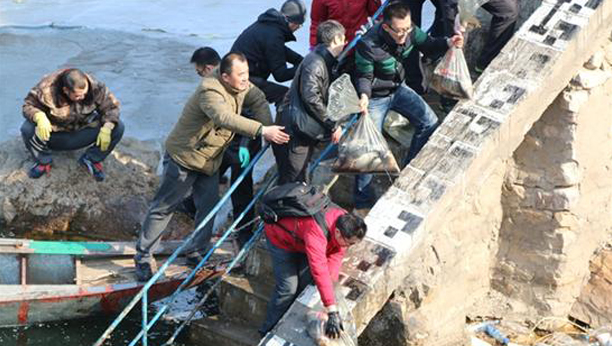
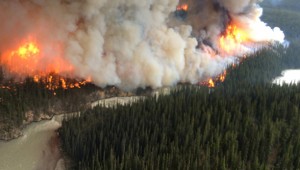
    <span>UC Ballroom |12:0</span><br><strong>Geography and Environmental Systems</strong><span> | Yinka Bode-George </span><br><em>Wasted Neighborhoods: Narratives and Political Ecologies of Persistent Trash in West Baltimore</em><br><span>Mentor(s): Dr. Dawn Biehler </span><br><span>UC 312 |02:30 pm</span><br><span>Kayla Barrett</span><br><strong>The Social Impact of Air Pollution in China</strong><br><span>Mentor: Constantine Vaporis</span><br><span>UC Ballroom | 10:00 a.m. – Noon</span><br><img src="http://urcad.umbc.edu/files/2016/03/barrettKaylaSP-300x170.jpg" alt="Kayla Barrett" width="300" height="170" style="max-width: 100%; height: auto;"><span>In 2015, a TEDtalk-style documentary produced in China entitled “Under the Dome” went viral on the internet, alerting the entire world to the problem of air pollution and the lack of environmental safeguards in place in China. In a modern society, the protection of the environment is vital to the health of the people, not to mention the legitimacy of the government. This research addresses the question of how the government has managed environmental policy, the nature and scope of the health crisis facing Chinese society, and the strategies the Chinese people have taken to cope. To assess the impact of pollution on society, I analyzed government policies, popular media and scholarly reports, focused on air pollution in major cities, especially Beijing. The paper concludes that the Chinese state is continuing to put economic expansion above environmental health and leaving the people to defend themselves from the ever-growing problem.0 pm – 2:00 pm</span><br><span>Caitlin Stone</span><br><strong>The Costs of Good Karma: The Effects of Fangsheng on the Chinese Environment and Society</strong><br><span>Mentor: Constantine Vaporis</span><br><span>UC Ballroom | 10:00 a.m. – Noon</span><br><img src="http://urcad.umbc.edu/files/2016/03/stoneCaitlinSP.jpg" alt="Caitlin Stone" width="300" height="170" style="max-width: 100%; height: auto;"><span>Since the end of the Cultural Revolution in 1976, a resurgence of religious practices had unintended environmental consequences across China. The Buddhist practice of fangsheng, releasing captive animals to obtain good karma, has been on the rise. Fangsheng has introduced large quantities of non-native species to China’s environment and heavily influenced the likelihood of a non-native species becoming invasive, which has caused numerous problems. An example from 2015 is one Fangsheng association’s singular liberation of thousands of loach into the Shanghai’s Huangpu River. Given that there are 281 different fangsheng organizations in China, with at least one in almost every province, the potential for environmental damage is great. In Hong Kong, too, liberation of non-native bird species has raised environmental and health concerns, including the disappearing of native bird populations and the spread of different avian flu strains. Fangsheng has also impacted the economy, causing an increasing demand among practitioners of Buddhism wishing to liberate animals. This activity is often quite expensive; many young people spend upwards of 5,000 yuan (about 765 dollars) per year on animals to release. Utilizing previous research of other scholars, this paper addresses these and other effects of fangsheng and proposes solutions for them.</span><br><span>Shelbi Tippett</span><br><strong>Remote Sensing Monitoring of Canadian Wildfire Smoke and its Impact on Baltimore Air Quality</strong><br><span>Mentor: Ruben Delgado</span><br><span>UC 310 | 2:00 p.m.</span><br><img src="http://urcad.umbc.edu/files/2016/03/tippettShelbiSP-300x170.jpg" alt="Shelbi Tippett" width="300" height="170" style="max-width: 100%; height: auto;"><span>High spatial and temporal resolution elastic light detection and ranging (lidar) measurements allow monitoring of long-range transport of particulates, such as dust and smoke, that impact local and regional air quality. These lidar measurements enhance current knowledge and understanding of how vertical layering and long-range transport of natural and anthropogenic particle pollution may alter the relationship between column aerosol optical depth and surface particle pollution concentrations. We examined the impact of a strong haze event in June 9-11, 2015. Particle pollution associated with this event yielded a 245% increase in aerosol optical depth values compared to the average mean June values for the last decade. We present how air mass back trajectory analysis, aerosol intensive and extensive parameters from lidar, sun-photometer and satellite observations revealed the presence of Canadian wildfire smoke impacting the Baltimore air quality during those days.</span>
    </div>
    </div>
]]>
</Body>
<Summary>One week from today is Earth Day. The following week is URCAD, UMBC's undergraduate research fair. Today we are spotlighting some undergraduate researchers who decided to focus on the environment,...</Summary>
<Website>http://sustainability.umbc.edu</Website>
<TrackingUrl>https://my3.my.umbc.edu/api/v0/pixel/news/59403/guest@my.umbc.edu/75ae1f5ce06e7d3830b016be3197056c/api/pixel</TrackingUrl>
<Group token="sustainability">Sustainability Matters at UMBC</Group>
<GroupUrl>https://my3.my.umbc.edu/groups/sustainability</GroupUrl>
<AvatarUrl>https://assets1-my.umbc.edu/system/shared/avatars/groups/000/000/086/91091ac32f525d88daa6d6b721420ac1/xsmall.png?1586269437</AvatarUrl>
<AvatarUrl size="original">https://assets3-my.umbc.edu/system/shared/avatars/groups/000/000/086/91091ac32f525d88daa6d6b721420ac1/original.png?1586269437</AvatarUrl>
<AvatarUrl size="xxlarge">https://assets4-my.umbc.edu/system/shared/avatars/groups/000/000/086/91091ac32f525d88daa6d6b721420ac1/xxlarge.png?1586269437</AvatarUrl>
<AvatarUrl size="xlarge">https://assets2-my.umbc.edu/system/shared/avatars/groups/000/000/086/91091ac32f525d88daa6d6b721420ac1/xlarge.png?1586269437</AvatarUrl>
<AvatarUrl size="large">https://assets2-my.umbc.edu/system/shared/avatars/groups/000/000/086/91091ac32f525d88daa6d6b721420ac1/large.png?1586269437</AvatarUrl>
<AvatarUrl size="medium">https://assets4-my.umbc.edu/system/shared/avatars/groups/000/000/086/91091ac32f525d88daa6d6b721420ac1/medium.png?1586269437</AvatarUrl>
<AvatarUrl size="small">https://assets4-my.umbc.edu/system/shared/avatars/groups/000/000/086/91091ac32f525d88daa6d6b721420ac1/small.png?1586269437</AvatarUrl>
<AvatarUrl size="xsmall">https://assets1-my.umbc.edu/system/shared/avatars/groups/000/000/086/91091ac32f525d88daa6d6b721420ac1/xsmall.png?1586269437</AvatarUrl>
<AvatarUrl size="xxsmall">https://assets3-my.umbc.edu/system/shared/avatars/groups/000/000/086/91091ac32f525d88daa6d6b721420ac1/xxsmall.png?1586269437</AvatarUrl>
<Sponsor>Sustainability Matters at UMBC</Sponsor>
<PawCount>4</PawCount>
<CommentCount>1</CommentCount>
<CommentsAllowed>true</CommentsAllowed>
<PostedAt>Fri, 15 Apr 2016 11:14:33 -0400</PostedAt>
<EditAt>Fri, 15 Apr 2016 13:46:05 -0400</EditAt>
</NewsItem>

<NewsItem contentIssues="true" id="58971" important="false" status="posted" url="https://my3.my.umbc.edu/groups/sustainability/posts/58971">
<Title>Green Office Interview: Why does sustainability matter?</Title>
<Body>
<![CDATA[
    <div class="html-content">
    <span><div>Adam Hg, from the Retriever Weekly, interviewed Tanvi Gadhia, UMBC's Sustainability Coordinator, about the Green Office Program. </div>
    <div><br></div>
    <div><strong>1) Why is it important to maintain a green work environment and what benefits does it provide to both the worker and to our world?</strong></div>
    <div><br></div>
    <div>Literally everything we interact with is a result of the environment. Every product and every technology, every piece of paper and every power outlet, every car ride and every meal, every breath we take and drop we drink, are all available to sustain us thanks to a globally interconnected ecosystem. It is all too easy to forget, in a culture where almost everything we need is purchased from someone else, that the root source for everything is ecologcically based. As population increases exponentially, and our lifestyles and habits consume more an more resources, we are loosing ecological balance. We are leaving communities without food, without fertile land, without clean drinking water, without safe air to breathe. We are stripping so many of the basics- from communities around the world, to species being wiped off the planet. The American culture and way of life is known and recognized and calculated to be far more consumptive and wasteful than most around the world. Universities can influence policies, conduct groundbreaking research, and educate students, and thus are an essential player in the effort towards building a more sustainable society. By greening our practices, policies, and infrastructure, we can develop a model of how we would like to see the community at large become in order to protect a healthy environment that can sustain healthy lives. We can do innovate research and experiment with solutions, and equip students with the knowledge, skills and experience to do the same throughout the rest of their lives. At UMBC, we are committed to having a positive impact on students, the surrounding community, and the world at large. In order to fulfill that goal, it is essential that we prioritize sustainability, make smart and compassionate decisions that help us and others over the long term, and set an example for our students and society. The Green Office program provides a low cost way to encourage our community to adopt and showcase sustainable choices, all day every day. It also gives us as a community of staff committed to the campus, a deeper sense of purpose and the joy of taking action to benefit others. </div>
    <div><br></div>
    <div><strong>2) What is the best way to develop a green lifestyle?</strong></div>
    <div><br></div></span><div>I believe one of the best ways to adopt a green lifestyle is to set up defaults in your daily routine at work and home to make the more sustainable option easier for you. Once you have adopted conservation personally, it's also important to encourage your family, roommates, and/or colleagues to adopt these changes as well. Beyond building a supportive community, it's also important that we promote systemic change- this may be through policies, infrastructure or teaching and research, but creating changes in our system to progress towards resource conservation, efficiency, and renewables is the best way to make greener lifestyles that we can all adopt with ease, improving our environment, reputation, and bottom line all at once. </div>
    <span><div><br></div>
    <div><strong>3) The event description mentions "our commitment to addressing climate change." Is this referring to any specific commitment that the UMBC campus and the Sustainability Matters organization has and if so what is the commitment?</strong></div>
    <div><br></div></span><div>In 2007 President Hrabowski joined the American Colleges and Universities' President's Climate Commitment, and committed to Carbon Neutrality. You can learn more at <span><a href="http://sustainability.umbc.edu/energy-climate/" rel="nofollow external" class="bo">http://sustainability.umbc.edu/energy-climate/</a>. The state of Maryland and the University System of Maryland share UMBC's commitment to addressing climate change, and these efforts are addressed jointly with these partners.</span>
    </div>
    <span><div><span><br></span></div>
    <div><span><strong>4) Although this event is heard towards faculty and staff, what ways can students work to live an environmentally friendly lifestyle?</strong></span></div>
    <div><span><br></span></div></span><div>Absolutely. Everything, every choice we make, all things we do, buy, or throw away, regardless of our role on campus, has environmental consequences. It takes so many resources to power our buildings, manufacture our goods, grow our food, etc. Especially when you consider the life cycle of the things we consume- the extraction of raw resources such as forestry and mining, the pollution and consumption that goes into manufacturing and packaging, and finally after we are done using an item- whether a disposable item we used only briefly or a durable reusable item that was useful for a longer period of time, where and low are we disposing of our waste, and where does it end up? We all depend on the global ecosystem for every single thing- from the air we breath, the food we eat, and the phones in our pockets. The more we resources we protect and conserve, the better the health of our ecosystems, and in turn all life which depends on them. It's cost efficient, direct, and easier than investing in, and manufacturing, new green technologies, which is a long term goal for the university but takes a lot more time to enact. <span>There are many student organizations which strive to raise awareness on ways students can live an environmentally friendly lifestyle, and we created eco-ambassadors program to support this important goal of raising awareness and building a culture of sustainability at UMBC. </span>
    </div>
    <span><div><br></div>
    <div><strong>5) Lastly, what is your role in Sustainability matters and this event?</strong></div>
    <div><br></div></span><div>My role is the Environmental Sustainability Coordinator. I work in Administration and Finance with Lynne Schaefer. I work to support UMBC's goals to have a beneficial impact on our environment and continually innovate and improve. In addition to tracking, reporting, and communicating about the environmental efforts happening across campus, I worked to develop the Green Office program and the Eco-Ambassador programs and an array of workshops and trainings to build capacity, involvement and support campus wide progress towards a more sustainable UMBC.</div>
    </div>
]]>
</Body>
<Summary>Adam Hg, from the Retriever Weekly, interviewed Tanvi Gadhia, UMBC's Sustainability Coordinator, about the Green Office Program.      1) Why is it important to maintain a green work environment...</Summary>
<Website>http://sustainability.umbc.edu</Website>
<TrackingUrl>https://my3.my.umbc.edu/api/v0/pixel/news/58971/guest@my.umbc.edu/4bdfaf307bd7e0a71978abe5ef9b333d/api/pixel</TrackingUrl>
<Group token="sustainability">Sustainability Matters at UMBC</Group>
<GroupUrl>https://my3.my.umbc.edu/groups/sustainability</GroupUrl>
<AvatarUrl>https://assets1-my.umbc.edu/system/shared/avatars/groups/000/000/086/91091ac32f525d88daa6d6b721420ac1/xsmall.png?1586269437</AvatarUrl>
<AvatarUrl size="original">https://assets3-my.umbc.edu/system/shared/avatars/groups/000/000/086/91091ac32f525d88daa6d6b721420ac1/original.png?1586269437</AvatarUrl>
<AvatarUrl size="xxlarge">https://assets4-my.umbc.edu/system/shared/avatars/groups/000/000/086/91091ac32f525d88daa6d6b721420ac1/xxlarge.png?1586269437</AvatarUrl>
<AvatarUrl size="xlarge">https://assets2-my.umbc.edu/system/shared/avatars/groups/000/000/086/91091ac32f525d88daa6d6b721420ac1/xlarge.png?1586269437</AvatarUrl>
<AvatarUrl size="large">https://assets2-my.umbc.edu/system/shared/avatars/groups/000/000/086/91091ac32f525d88daa6d6b721420ac1/large.png?1586269437</AvatarUrl>
<AvatarUrl size="medium">https://assets4-my.umbc.edu/system/shared/avatars/groups/000/000/086/91091ac32f525d88daa6d6b721420ac1/medium.png?1586269437</AvatarUrl>
<AvatarUrl size="small">https://assets4-my.umbc.edu/system/shared/avatars/groups/000/000/086/91091ac32f525d88daa6d6b721420ac1/small.png?1586269437</AvatarUrl>
<AvatarUrl size="xsmall">https://assets1-my.umbc.edu/system/shared/avatars/groups/000/000/086/91091ac32f525d88daa6d6b721420ac1/xsmall.png?1586269437</AvatarUrl>
<AvatarUrl size="xxsmall">https://assets3-my.umbc.edu/system/shared/avatars/groups/000/000/086/91091ac32f525d88daa6d6b721420ac1/xxsmall.png?1586269437</AvatarUrl>
<Sponsor>Sustainability Matters at UMBC</Sponsor>
<ThumbnailUrl size="xxlarge">https://assets4-my.umbc.edu/system/shared/thumbnails/news/000/058/971/919f1088f253af27dcd27c45e6b8b723/xxlarge.jpg?1459368947</ThumbnailUrl>
<ThumbnailUrl size="xlarge">https://assets3-my.umbc.edu/system/shared/thumbnails/news/000/058/971/919f1088f253af27dcd27c45e6b8b723/xlarge.jpg?1459368947</ThumbnailUrl>
<ThumbnailUrl size="large">https://assets2-my.umbc.edu/system/shared/thumbnails/news/000/058/971/919f1088f253af27dcd27c45e6b8b723/large.jpg?1459368947</ThumbnailUrl>
<ThumbnailUrl size="medium">https://assets3-my.umbc.edu/system/shared/thumbnails/news/000/058/971/919f1088f253af27dcd27c45e6b8b723/medium.jpg?1459368947</ThumbnailUrl>
<ThumbnailUrl size="small">https://assets3-my.umbc.edu/system/shared/thumbnails/news/000/058/971/919f1088f253af27dcd27c45e6b8b723/small.jpg?1459368947</ThumbnailUrl>
<ThumbnailUrl size="xsmall">https://assets1-my.umbc.edu/system/shared/thumbnails/news/000/058/971/919f1088f253af27dcd27c45e6b8b723/xsmall.jpg?1459368947</ThumbnailUrl>
<ThumbnailUrl size="xxsmall">https://assets1-my.umbc.edu/system/shared/thumbnails/news/000/058/971/919f1088f253af27dcd27c45e6b8b723/xxsmall.jpg?1459368947</ThumbnailUrl>
<PawCount>5</PawCount>
<CommentCount>0</CommentCount>
<CommentsAllowed>true</CommentsAllowed>
<PostedAt>Wed, 30 Mar 2016 16:18:43 -0400</PostedAt>
<EditAt>Wed, 30 Mar 2016 16:23:22 -0400</EditAt>
</NewsItem>

<NewsItem contentIssues="true" id="58447" important="true" status="posted" url="https://my3.my.umbc.edu/groups/sustainability/posts/58447">
<Title>SGA Green Paw Fund: Sustainability in Student Events</Title>
<Body>
<![CDATA[
    <div class="html-content"><span><p><span><strong><a href="http://sustainability.umbc.edu/1460-2/" rel="nofollow external" class="bo">At this link, you can view a guide to eco-friendly events at UMBC! </a></strong></span><span><strong><a href="http://sustainability.umbc.edu/1460-2/">http://sustainability.umbc.edu/1460-2/</a> </strong></span></p>
    <p><span><br></span></p>
    <p><span>Dear student leaders,</span></p>
    <br><p><span>Did you know that there is an easy way to make your next event eco-friendly with no extra cost to your organization? Read more for a brief introduction about the Green Paw Fund!</span></p>
    <br><h3><span>What is the Green Paw Fund?</span></h3>
    <p><span>It is a resource for student organizations to make their events more sustainable by offsetting the cost between conventional materials and eco-friendly materials. </span></p>
    <br><h3><span>What are some examples of how it can be used?</span></h3>
    <ul>
    <li><p><span>Upgrade from plastic to compostable or biodegradable products</span></p></li>
    <li><p><span>Make shirts for your organization from a more sustainable source</span></p></li>
    <li><p><span>Use supplies made with recycled materials</span></p></li>
    <li><p><span>Switch to organic food</span></p></li>
    </ul>
    <br><h3><span>How do you use it?</span></h3>
    <p><span>When applying to finance board for funding, request use of the green paw program for specific items that are environmentally friendly but more costly than their conventional counterparts. </span></p>
    <br><h3><span>Why should you use it?</span></h3>
    <ul>
    <li><p><span>Marketing your event as a green paw event could broaden your audience</span></p></li>
    <li><p><span>We will add your event to the sustainability calendar and promote it as an environmentally friendly event</span></p></li>
    <li><p><span>You will be participating in a culture of sustainable living on campus and promoting habits that benefit the environment, economy, and society</span></p></li>
    </ul>
    <h3><span>Let us know if you have any questions, comments, or concerns! </span></h3>
    <br><p><span>Sincerely,</span></p>
    <br><span>SGA Environmental Affairs</span></span></div>
]]>
</Body>
<Summary>At this link, you can view a guide to eco-friendly events at UMBC! http://sustainability.umbc.edu/1460-2/      Dear student leaders,   Did you know that there is an easy way to make your next...</Summary>
<Website>http://sustainability.umbc.edu/1460-2/</Website>
<TrackingUrl>https://my3.my.umbc.edu/api/v0/pixel/news/58447/guest@my.umbc.edu/7423f641bd6e287022e38a6003fe01ac/api/pixel</TrackingUrl>
<Group token="sustainability">Sustainability Matters at UMBC</Group>
<GroupUrl>https://my3.my.umbc.edu/groups/sustainability</GroupUrl>
<AvatarUrl>https://assets1-my.umbc.edu/system/shared/avatars/groups/000/000/086/91091ac32f525d88daa6d6b721420ac1/xsmall.png?1586269437</AvatarUrl>
<AvatarUrl size="original">https://assets3-my.umbc.edu/system/shared/avatars/groups/000/000/086/91091ac32f525d88daa6d6b721420ac1/original.png?1586269437</AvatarUrl>
<AvatarUrl size="xxlarge">https://assets4-my.umbc.edu/system/shared/avatars/groups/000/000/086/91091ac32f525d88daa6d6b721420ac1/xxlarge.png?1586269437</AvatarUrl>
<AvatarUrl size="xlarge">https://assets2-my.umbc.edu/system/shared/avatars/groups/000/000/086/91091ac32f525d88daa6d6b721420ac1/xlarge.png?1586269437</AvatarUrl>
<AvatarUrl size="large">https://assets2-my.umbc.edu/system/shared/avatars/groups/000/000/086/91091ac32f525d88daa6d6b721420ac1/large.png?1586269437</AvatarUrl>
<AvatarUrl size="medium">https://assets4-my.umbc.edu/system/shared/avatars/groups/000/000/086/91091ac32f525d88daa6d6b721420ac1/medium.png?1586269437</AvatarUrl>
<AvatarUrl size="small">https://assets4-my.umbc.edu/system/shared/avatars/groups/000/000/086/91091ac32f525d88daa6d6b721420ac1/small.png?1586269437</AvatarUrl>
<AvatarUrl size="xsmall">https://assets1-my.umbc.edu/system/shared/avatars/groups/000/000/086/91091ac32f525d88daa6d6b721420ac1/xsmall.png?1586269437</AvatarUrl>
<AvatarUrl size="xxsmall">https://assets3-my.umbc.edu/system/shared/avatars/groups/000/000/086/91091ac32f525d88daa6d6b721420ac1/xxsmall.png?1586269437</AvatarUrl>
<Sponsor>Sustainability Matters at UMBC</Sponsor>
<ThumbnailUrl size="xxlarge">https://assets4-my.umbc.edu/system/shared/thumbnails/news/000/058/447/e9b2bb8a987ae27a05fd0607d3905a42/xxlarge.jpg?1457392286</ThumbnailUrl>
<ThumbnailUrl size="xlarge">https://assets3-my.umbc.edu/system/shared/thumbnails/news/000/058/447/e9b2bb8a987ae27a05fd0607d3905a42/xlarge.jpg?1457392286</ThumbnailUrl>
<ThumbnailUrl size="large">https://assets1-my.umbc.edu/system/shared/thumbnails/news/000/058/447/e9b2bb8a987ae27a05fd0607d3905a42/large.jpg?1457392286</ThumbnailUrl>
<ThumbnailUrl size="medium">https://assets2-my.umbc.edu/system/shared/thumbnails/news/000/058/447/e9b2bb8a987ae27a05fd0607d3905a42/medium.jpg?1457392286</ThumbnailUrl>
<ThumbnailUrl size="small">https://assets3-my.umbc.edu/system/shared/thumbnails/news/000/058/447/e9b2bb8a987ae27a05fd0607d3905a42/small.jpg?1457392286</ThumbnailUrl>
<ThumbnailUrl size="xsmall">https://assets1-my.umbc.edu/system/shared/thumbnails/news/000/058/447/e9b2bb8a987ae27a05fd0607d3905a42/xsmall.jpg?1457392286</ThumbnailUrl>
<ThumbnailUrl size="xxsmall">https://assets3-my.umbc.edu/system/shared/thumbnails/news/000/058/447/e9b2bb8a987ae27a05fd0607d3905a42/xxsmall.jpg?1457392286</ThumbnailUrl>
<PawCount>8</PawCount>
<CommentCount>0</CommentCount>
<CommentsAllowed>true</CommentsAllowed>
<PostedAt>Mon, 07 Mar 2016 18:12:01 -0500</PostedAt>
<EditAt>Mon, 07 Mar 2016 18:13:08 -0500</EditAt>
</NewsItem>

<NewsItem contentIssues="true" id="56722" important="false" status="posted" url="https://my3.my.umbc.edu/groups/sustainability/posts/56722">
<Title>UMBC Voices on Climate Change</Title>
<Body>
<![CDATA[
    <div class="html-content">
    <div>
    <div>Recently in Paris, the international politicians came together to determine how to address climate change. Here at UMBC, President Hrabowski signed the "<span>American Campus Act on Climate Pledge" organized by the White House, to demonstrate support for strong international climate action during the recent talks in Paris. </span>
    </div>
    <div><span><br></span></div>
    <div>At the start of the spring semester, students concerned about climate change, the environment, and social justice are coming together to plan for the semester, and identify what we as citizens and as a community of higher education will do about climate change and environmental sustainability. With several student led groups and initiatives tacking today's environmental problems, meeting together every semester to identify opportunities for greater collaboration, broader impact, and strategic goal setting has led to a greener campus. Student have led initiatives that have begin generating solar power on campus, growing food on campus, and guiding campus policies on energy efficiency, reducing greenhouse gas emissions, and addressing our transportation and waste footprints. </div>
    <div><br></div>
    <div>If you are interested in getting involved, be sure to take part in the student sustainability summit on Friday, January 29th. Register here: <a href="https://docs.google.com/forms/d/1mQZDDM22bqkJSo8_Ab_uD9i4AL3inYqRv8WpipFGKZs/viewform" rel="nofollow external" class="bo">https://docs.google.com/forms/d/1mQZDDM22bqkJSo8_Ab_uD9i4AL3inYqRv8WpipFGKZs/viewform</a>
    </div>
    <div><span><br></span></div>
    <div><span>What are students at UMBC saying about Climate Change?</span></div>
    </div>
    <div><br></div>
    <blockquote>When<div>​ </div>
    <span>[Senator]​<div>​ ​</div></span>Bernie Sanders claims that climate change is the biggest security threat right now, this is what he's talking about. Over the summer, I went to a lecture by Dr. Richard Alley (researcher and member of the Intergovernmental Panel on Climate Change) on this very topic. Regions of the world that suffer most from climate change are becoming more and more economically and politically unstable as they deal with drought and other effects of climate change. There are direct links between environmental instability and political instability, especially for nations that depend heavily on their own environmental conditions for resources (instead of exploiting others' resources like we do). By contributing far more to climate change than those who suffer most from it, we are directly contributing to terrorism and war.</blockquote>
    <blockquote>
    <div>​- Karina Keefe, ​Environmental Engineering Student, Students for Environmental Awareness &amp; SGA </div>
    <br>We the people need to come together in a grassroots effort to make these goals a reality. We need to make changes on the ground. We need to hold our officials accountable.<div>​ ​</div>We also need to elect a senate that will ratify the treaty into law and not let if all through the cracks. We need to learn from the Kyoto Protocol!</blockquote>
    <blockquote>- Shane Wellnitz, Environmental Science Student, Environmental Task Force</blockquote>
    <span> </span><div>
    <div>
    <div>As a public research university, UMBC's teaching and research and campus practices will lead the way in developing a more sustainable society, by engaging in innovation, testing new solutions, and gathering evidence​ for how we can improve the efficiency and impact of our community. From faculty, to students and staff, a broad and impressive network is already working towards new solutions that reduce our dependence on scare and polluting resources such as coal and oil. </div>
    <div><br></div>
    <div>Student organizations, faculty researchers, Breaking ground courses, and staff committees are striving to address climate change, culturally, technically, and politically. To learn more, provide suggestions, and get involved email <a href="mailto:sustainability@umbc.edu" rel="nofollow external" class="bo">sustainability@umbc.edu</a>. </div>
    <br>
    </div>
    <div>
    <div>​You can also learn more at the following link: ​</div>
    <a href="http://sustainability.umbc.edu/energy-climate/" rel="nofollow external" class="bo">http://sustainability.umbc.edu/energy-climate/</a>
    </div>
    </div>
    </div>
]]>
</Body>
<Summary>Recently in Paris, the international politicians came together to determine how to address climate change. Here at UMBC, President Hrabowski signed the "American Campus Act on Climate Pledge"...</Summary>
<TrackingUrl>https://my3.my.umbc.edu/api/v0/pixel/news/56722/guest@my.umbc.edu/dee24a91998b938aebd6ca84f8237670/api/pixel</TrackingUrl>
<Group token="sustainability">Sustainability Matters at UMBC</Group>
<GroupUrl>https://my3.my.umbc.edu/groups/sustainability</GroupUrl>
<AvatarUrl>https://assets1-my.umbc.edu/system/shared/avatars/groups/000/000/086/91091ac32f525d88daa6d6b721420ac1/xsmall.png?1586269437</AvatarUrl>
<AvatarUrl size="original">https://assets3-my.umbc.edu/system/shared/avatars/groups/000/000/086/91091ac32f525d88daa6d6b721420ac1/original.png?1586269437</AvatarUrl>
<AvatarUrl size="xxlarge">https://assets4-my.umbc.edu/system/shared/avatars/groups/000/000/086/91091ac32f525d88daa6d6b721420ac1/xxlarge.png?1586269437</AvatarUrl>
<AvatarUrl size="xlarge">https://assets2-my.umbc.edu/system/shared/avatars/groups/000/000/086/91091ac32f525d88daa6d6b721420ac1/xlarge.png?1586269437</AvatarUrl>
<AvatarUrl size="large">https://assets2-my.umbc.edu/system/shared/avatars/groups/000/000/086/91091ac32f525d88daa6d6b721420ac1/large.png?1586269437</AvatarUrl>
<AvatarUrl size="medium">https://assets4-my.umbc.edu/system/shared/avatars/groups/000/000/086/91091ac32f525d88daa6d6b721420ac1/medium.png?1586269437</AvatarUrl>
<AvatarUrl size="small">https://assets4-my.umbc.edu/system/shared/avatars/groups/000/000/086/91091ac32f525d88daa6d6b721420ac1/small.png?1586269437</AvatarUrl>
<AvatarUrl size="xsmall">https://assets1-my.umbc.edu/system/shared/avatars/groups/000/000/086/91091ac32f525d88daa6d6b721420ac1/xsmall.png?1586269437</AvatarUrl>
<AvatarUrl size="xxsmall">https://assets3-my.umbc.edu/system/shared/avatars/groups/000/000/086/91091ac32f525d88daa6d6b721420ac1/xxsmall.png?1586269437</AvatarUrl>
<Sponsor>Sustainability Matters at UMBC</Sponsor>
<ThumbnailUrl size="xxlarge">https://assets2-my.umbc.edu/system/shared/thumbnails/news/000/056/722/8c0d126792c0009a457a41d7e0dc642f/xxlarge.jpg?1450386613</ThumbnailUrl>
<ThumbnailUrl size="xlarge">https://assets3-my.umbc.edu/system/shared/thumbnails/news/000/056/722/8c0d126792c0009a457a41d7e0dc642f/xlarge.jpg?1450386613</ThumbnailUrl>
<ThumbnailUrl size="large">https://assets1-my.umbc.edu/system/shared/thumbnails/news/000/056/722/8c0d126792c0009a457a41d7e0dc642f/large.jpg?1450386613</ThumbnailUrl>
<ThumbnailUrl size="medium">https://assets3-my.umbc.edu/system/shared/thumbnails/news/000/056/722/8c0d126792c0009a457a41d7e0dc642f/medium.jpg?1450386613</ThumbnailUrl>
<ThumbnailUrl size="small">https://assets2-my.umbc.edu/system/shared/thumbnails/news/000/056/722/8c0d126792c0009a457a41d7e0dc642f/small.jpg?1450386613</ThumbnailUrl>
<ThumbnailUrl size="xsmall">https://assets4-my.umbc.edu/system/shared/thumbnails/news/000/056/722/8c0d126792c0009a457a41d7e0dc642f/xsmall.jpg?1450386613</ThumbnailUrl>
<ThumbnailUrl size="xxsmall">https://assets4-my.umbc.edu/system/shared/thumbnails/news/000/056/722/8c0d126792c0009a457a41d7e0dc642f/xxsmall.jpg?1450386613</ThumbnailUrl>
<PawCount>4</PawCount>
<CommentCount>0</CommentCount>
<CommentsAllowed>true</CommentsAllowed>
<PostedAt>Thu, 17 Dec 2015 16:11:16 -0500</PostedAt>
<EditAt>Thu, 17 Dec 2015 16:12:07 -0500</EditAt>
</NewsItem>

<NewsItem contentIssues="false" id="56705" important="false" status="posted" url="https://my3.my.umbc.edu/groups/sustainability/posts/56705">
<Title>UMBC researchers collaborate to improve sustainability</Title>
<Body>
<![CDATA[
    <div class="html-content">
    <h2>Strategies Beyond "Green"</h2>
    <hr>
    <div></div>
    <div><div>
    <div><span><em>[This story originally appeared <a href="http://umbc.edu/window/sustainability-research.php" rel="nofollow external" class="bo">on the main UMBC website</a>]</em></span></div>
    <div><span><strong><br></strong></span></div>
    <div><span><strong>UMBC researchers collaborate to improve sustainability, with impacts in Maryland and across the nation.</strong></span></div>
    <div><span><br></span></div>
    <div><span>Local sustainability researchers and thought leaders took center stage on October 16, 2015, at <a href="https://umbcinsights.wordpress.com/2015/10/22/school-of-public-policy-hosts-forum-on-urban-sustainability-in-baltimore/" rel="nofollow external" class="bo">a forum for urban sustainability</a> in Baltimore, hosted by UMBC’s School of Public Policy. The forum was designed to examine how collaborations among government agencies, companies, and nonprofits can improve sustainability policies and programs. It also emphasized how a broad range of perspectives is needed to effectively assess and address environmental concerns.</span></div>
    <div><span><br></span></div>
    <div><span>This isn’t news to Claire Welty, professor of chemical, biochemical, and environmental engineering and director of UMBC’s Center for Urban Environmental Research and Education. Welty is the associate director of research for the Urban Water Innovation Network (UWIN), recently created through a <a href="http://research.umbc.edu/umbc-research-news/?id=53050" rel="nofollow external" class="bo">$12 million commitment from the National Science Foundation</a> (NSF).</span></div>
    <div><span><br></span></div>
    <div><span>Global climate change and extreme events can impact water security and be costly to economies. Through UWIN, UMBC and 13 other academic institutions and key partners, including Princeton University and the University of Pennsylvania, will address challenges that threaten urban water systems in the United States. Led by Colorado State University, UWIN will create solutions to help communities increase resilience in their water systems and boost preparedness for responding to water crises.</span></div>
    <div><span><br></span></div>
    <div><span>The research completed by UMBC and other UWIN partners will produce sustainability blueprints for cities of various sizes, detailing the likely effects and tradeoffs of potential solutions to urban water problems. This will serve as a guide for actions urban centers can take to improve their water security.</span></div>
    <div><span><br></span></div>
    <div><span>UMBC’s strong research and education programs focusing on stormwater management, water quality control, and urban biodiversity will serve as major assets for UWIN. In addition to Welty, Andrew Miller and Christopher Swan, both professors of geography and environmental systems, will play an active role in the collaboration.</span></div>
    <div><span><br></span></div>
    <div><span>NSF also recently announced a major <a href="http://research.umbc.edu/umbc-research-news/?id=53719" rel="nofollow external" class="bo">$20 million award to expand the Center for Sustainable Nanotechnology (CSN)</a>, which uses fundamental chemistry to explore how modern nanomaterials interact with the environment and living organisms. Zeev Rosenzweig, professor and chair of chemistry and biochemistry at UMBC, is leading UMBC’s participation in the CSN, which includes 13 faculty from research institutions across the United States.</span></div>
    <div><span><br></span></div>
    <div><span>Nanotechnology involves the use of materials at the smallest scale, including the manipulation of individual atoms and molecules. There are hundreds of products that use nanoscale technologies in various ways, including beer bottles, car wax, electric and hybrid car batteries, and even Kindle devices, but there are still many concerning unknowns when it comes to how tiny particles interact with biological systems.</span></div>
    <div><span><br></span></div>
    <div><span>“This research center will greatly impact society by preparing next generation nanomaterials that retain high function, while being safer for human health and the environment,” said Rosenzweig.</span></div>
    <div><span><br></span></div>
    <div><span>Each of these projects demonstrates the need for collaboration across disciplines and institutions to develop optimal solutions for environmental problems. Faculty, staff, and students across UMBC are participating in this work in innumerable ways, from <a href="http://cahss.umbc.edu/maryland-green-prisons-initiative-poised-to-make-lasting-impact/" rel="nofollow external" class="bo">the Maryland Green Prisons Initiative</a>, to <a href="http://www.trieatechnologies.com/blog/triea-systems-and-umbc-receive-250k-grant-from-maryland-department-of-natural-resources-and-maryland-industrial-partnerships" rel="nofollow external" class="bo">reducing phosphorus loads in Maryland’s waterways</a>, to constructing new buildings on campus that have been recognized for <a href="https://umbcinsights.wordpress.com/2015/03/11/performing-arts-and-humanities-building-receives-leed-gold-designation/" rel="nofollow external" class="bo">leadership in energy and environmental design</a>.</span></div>
    <div><span><br></span></div>
    <div><span>In just one week, <a href="http://research.umbc.edu/seminars-and-workshops/?id=35928" rel="nofollow external" class="bo">a UMBC research forum on climate change and the environment</a> will bring together faculty from all three colleges for discussions that may inspire even greater collaboration.</span></div>
    <div><span><br></span></div>
    <div><span>At the recent urban sustainability forum in Baltimore, researcher Eric Zeemering shared, “I think it’s very important that we need to discuss strategies beyond ‘green.’” Zeemering told the crowd that when it comes to developing partnerships to tackle sustainability issues, “Baltimore can continue to be a model for the rest of the nation.”</span></div>
    </div></div>
    </div>
]]>
</Body>
<Summary>Strategies Beyond "Green"      [This story originally appeared on the main UMBC website]     UMBC researchers collaborate to improve sustainability, with impacts in Maryland and across the nation....</Summary>
<TrackingUrl>https://my3.my.umbc.edu/api/v0/pixel/news/56705/guest@my.umbc.edu/80629208d4061035ba248c08a2091b0c/api/pixel</TrackingUrl>
<Group token="sustainability">Sustainability Matters at UMBC</Group>
<GroupUrl>https://my3.my.umbc.edu/groups/sustainability</GroupUrl>
<AvatarUrl>https://assets1-my.umbc.edu/system/shared/avatars/groups/000/000/086/91091ac32f525d88daa6d6b721420ac1/xsmall.png?1586269437</AvatarUrl>
<AvatarUrl size="original">https://assets3-my.umbc.edu/system/shared/avatars/groups/000/000/086/91091ac32f525d88daa6d6b721420ac1/original.png?1586269437</AvatarUrl>
<AvatarUrl size="xxlarge">https://assets4-my.umbc.edu/system/shared/avatars/groups/000/000/086/91091ac32f525d88daa6d6b721420ac1/xxlarge.png?1586269437</AvatarUrl>
<AvatarUrl size="xlarge">https://assets2-my.umbc.edu/system/shared/avatars/groups/000/000/086/91091ac32f525d88daa6d6b721420ac1/xlarge.png?1586269437</AvatarUrl>
<AvatarUrl size="large">https://assets2-my.umbc.edu/system/shared/avatars/groups/000/000/086/91091ac32f525d88daa6d6b721420ac1/large.png?1586269437</AvatarUrl>
<AvatarUrl size="medium">https://assets4-my.umbc.edu/system/shared/avatars/groups/000/000/086/91091ac32f525d88daa6d6b721420ac1/medium.png?1586269437</AvatarUrl>
<AvatarUrl size="small">https://assets4-my.umbc.edu/system/shared/avatars/groups/000/000/086/91091ac32f525d88daa6d6b721420ac1/small.png?1586269437</AvatarUrl>
<AvatarUrl size="xsmall">https://assets1-my.umbc.edu/system/shared/avatars/groups/000/000/086/91091ac32f525d88daa6d6b721420ac1/xsmall.png?1586269437</AvatarUrl>
<AvatarUrl size="xxsmall">https://assets3-my.umbc.edu/system/shared/avatars/groups/000/000/086/91091ac32f525d88daa6d6b721420ac1/xxsmall.png?1586269437</AvatarUrl>
<Sponsor>Sustainability Matters at UMBC</Sponsor>
<PawCount>0</PawCount>
<CommentCount>0</CommentCount>
<CommentsAllowed>true</CommentsAllowed>
<PostedAt>Wed, 16 Dec 2015 16:23:28 -0500</PostedAt>
</NewsItem>

<NewsItem contentIssues="false" id="56704" important="false" status="posted" url="https://my3.my.umbc.edu/groups/sustainability/posts/56704">
<Title>UMBC Research Forum on Climate Change and the Environment</Title>
<Body>
<![CDATA[
    <div class="html-content"><div><div>
    <h2>UMBC Research Forum on Climate Change and the Environment</h2>
    <h4>Forum Highlights Value of Diverse Perspectives, Partnerships</h4>
    <hr>
    <div></div>
    <div>
    <div>(Article originally posted by UMBC's Office of Research)</div>
    <div><br></div>
    <div>UMBC’s <a href="http://research.umbc.edu/" rel="nofollow external" class="bo">Office of the Vice President for Research</a>hosted “Climate Change and the Environment,” on October 30, 2015, as a forum to examine today’s most pressing environmental issues from a diverse range of perspectives, across the life sciences, social sciences, engineering, and the arts.<br><br>UMBC alumnus <strong>Robert S. Marshall ’88</strong>, mechanical engineering, delivered the opening keynote, as founder and CEO of Earth Networks. By operating the world’s largest network for weather observation, lightning detection and greenhouse gas monitoring Earth Networks collects 25 terabytes of data every day, and its popular WeatherBug app is used by 20 million people daily to stay current on severe weather. Marshall shared that Earth Networks’ data is available for free to any researcher who is interested in collaborating on new applications for it.<br><br>Marshall described how sometimes people don’t realize the potential of data to have major impacts on their research fields, on the health of the planet, and on daily life. For example, the National Oceanic and Atmospheric Administration is utilizing Earth Networks data, observing weather from the ground up rather than via satellite, to provide early warnings of severe weather events. In the area of cybersecurity, Marshall described tackling the challenge of determining where hackers are located by measuring characteristics of their communications as they travel through the ionosphere.<br><br>After the keynote, two faculty panels explored how their work fits into the big picture of UMBC research to address climate change in Maryland, across the U.S., and around the planet. Vice President for Research <strong>Karl Steiner</strong> explained, “The challenges related to Climate Change and the Environment are incredibly complex and require thoughtful discussion across many disciplines. We are thrilled to have such a strong participation from across the UMBC community and beyond to address these issues.”<strong><br><br></strong><strong>Belay Demoz</strong>, director of the UMBC’s Joint Center for Earth Systems Technology (JCET), served as moderator of the first panel discussion, “Measuring, Modeling and Understanding our Changing World.” The panel included <strong>Colleen Burge</strong>, assistant professor in the department of marine biotechnology and in the University of Maryland, Baltimore’s department of microbiology and immunology; <strong>Ruben Delgado</strong>, assistant research scientist at JCET; <strong>Jeffrey Halverson</strong>, professor in the department of geography and environmental systems; and <strong>Tim Nohe</strong>, professor in the department of visual arts.<br><br>Burge discussed the rise of marine diseases in our ever-changing oceans, while Delgado focused on air quality and how pollutants impact the local and regional environments. Nohe took a fresh approach to examining the physical and emotional connections people can have with their environments.<br><br>Halverson highlighted a paradigm shift in the study of hurricanes, where “hurricane reconnaissance becomes hurricane surveillance.” He described how, through the use of weather models, aircraft, and satellites, scientists can scan hurricane precipitation and intensity by “slicing the storms in half.”        <br><br>The second panel, “Stewardship, Mitigation, Remediation, and Adaptation,” was moderated by <strong>Claire Welty</strong>, director of UMBC’s Center for Urban Environmental Research and Education (CUERE). <strong>Timothy Brennan</strong>, professor of public policy and economics; <strong>Erle Ellis</strong>, professor of geography and environmental engineering; <strong>Upal Ghosh</strong>, professor of chemical, biochemical and environmental engineering (CBEE); and <strong>Yonathan Zohar</strong>, chair of marine biotechnology, each presented.<br><br>Brennan discussed policies surrounding renewable energy and energy efficiency, and how to determine the balance between risks to the environment and costs associated with implementing or changing policy. Ellis discussed the perception that there is an environmental crisis that needs to be tended to immediately, urging the audience to get out of “crisis mode,” and to put more thought into improving the design of our infrastructure.<br><br>Ghosh described how toxic chemicals affect the environment and human beings, explaining that it is important to find effective remediation techniques—ways to clean up chemical contaminants without destroying established ecological systems. Zohar took a broad approach to exploring how scientists can use the ocean itself as a resource to addressing environmental issues, from generating clean fresh water and healthy food to discovering new medical drugs to producing renewable and bioenergy from wind, waves and algae.<div>
    <br>The panelists and the poster presenters that followed emphasized that although there are no easy answers to the serious environmental challenges we face, the possible solutions are as varied, far-reaching, and rapidly changing as the problems themselves.<strong><br><br></strong><strong>Don Engel</strong>, UMBC's Assistant Vice President for Research, reflected, “We are here to address a multi-generational, multi-disciplinary, multi-national problem. This breadth is reflected in the mix of participants in today's event and at UMBC more generally. We are positioned to make a real impact.”</div>
    </div>
    </div>
    </div></div></div>
]]>
</Body>
<Summary>UMBC Research Forum on Climate Change and the Environment  Forum Highlights Value of Diverse Perspectives, Partnerships     (Article originally posted by UMBC's Office of Research)...</Summary>
<TrackingUrl>https://my3.my.umbc.edu/api/v0/pixel/news/56704/guest@my.umbc.edu/b1d662800e1f40c3dbd7bf9a6a8cb313/api/pixel</TrackingUrl>
<Group token="sustainability">Sustainability Matters at UMBC</Group>
<GroupUrl>https://my3.my.umbc.edu/groups/sustainability</GroupUrl>
<AvatarUrl>https://assets1-my.umbc.edu/system/shared/avatars/groups/000/000/086/91091ac32f525d88daa6d6b721420ac1/xsmall.png?1586269437</AvatarUrl>
<AvatarUrl size="original">https://assets3-my.umbc.edu/system/shared/avatars/groups/000/000/086/91091ac32f525d88daa6d6b721420ac1/original.png?1586269437</AvatarUrl>
<AvatarUrl size="xxlarge">https://assets4-my.umbc.edu/system/shared/avatars/groups/000/000/086/91091ac32f525d88daa6d6b721420ac1/xxlarge.png?1586269437</AvatarUrl>
<AvatarUrl size="xlarge">https://assets2-my.umbc.edu/system/shared/avatars/groups/000/000/086/91091ac32f525d88daa6d6b721420ac1/xlarge.png?1586269437</AvatarUrl>
<AvatarUrl size="large">https://assets2-my.umbc.edu/system/shared/avatars/groups/000/000/086/91091ac32f525d88daa6d6b721420ac1/large.png?1586269437</AvatarUrl>
<AvatarUrl size="medium">https://assets4-my.umbc.edu/system/shared/avatars/groups/000/000/086/91091ac32f525d88daa6d6b721420ac1/medium.png?1586269437</AvatarUrl>
<AvatarUrl size="small">https://assets4-my.umbc.edu/system/shared/avatars/groups/000/000/086/91091ac32f525d88daa6d6b721420ac1/small.png?1586269437</AvatarUrl>
<AvatarUrl size="xsmall">https://assets1-my.umbc.edu/system/shared/avatars/groups/000/000/086/91091ac32f525d88daa6d6b721420ac1/xsmall.png?1586269437</AvatarUrl>
<AvatarUrl size="xxsmall">https://assets3-my.umbc.edu/system/shared/avatars/groups/000/000/086/91091ac32f525d88daa6d6b721420ac1/xxsmall.png?1586269437</AvatarUrl>
<Sponsor>Sustainability Matters at UMBC</Sponsor>
<PawCount>1</PawCount>
<CommentCount>0</CommentCount>
<CommentsAllowed>true</CommentsAllowed>
<PostedAt>Wed, 16 Dec 2015 16:20:31 -0500</PostedAt>
<EditAt>Wed, 16 Dec 2015 16:22:14 -0500</EditAt>
</NewsItem>

<NewsItem contentIssues="false" id="56703" important="false" status="posted" url="https://my3.my.umbc.edu/groups/sustainability/posts/56703">
<Title>MD Dept. of the Environment Secretary Grumbles visit</Title>
<Body>
<![CDATA[
    <div class="html-content">
    <h2>MD Dept. of the Environment Secretary Grumbles visits UMBC</h2>
    <h4>Visit focuses on impact of environmental research, teaching</h4>
    <hr>
    <div></div>
    <div><div>
    <div><span>(Article originally posted by UMBC's Office of Research)</span></div>
    <div><span><br></span></div>
    <div><span>Maryland Department of the Environment Secretary Ben Grumbles visited UMBC on October 7, 2015, to learn about the university's longstanding commitment to environmental sustainability through research, teaching, and campus operations.</span></div>
    <div><br></div>
    <div>
    <strong>Claire Welty</strong>, director of UMBC's Center for Urban Environmental Research and Education (CUERE), who served with Secretary Grumbles on the National Research Council's Water Science and Technology Board, introduced the secretary to UMBC student researchers. They included geography and environmental systems (GES) master's student <strong>Marina Metes</strong>; <strong>Kwabena "Kobby" Gyimah-Asante</strong> '16, chemical engineering; and <strong>Clare Maffei </strong>'16, GES, who together discussed interests ranging from subsurface hydrology modelling to UMBC's community garden. </div>
    <div><strong><br></strong></div>
    <div>
    <strong>Dorothy Borowy</strong>, GES Ph.D. student, described her work with GES Professor <strong>Chris Swan </strong>on the <a href="http://cahss.umbc.edu/maryland-green-prisons-initiative-poised-to-make-lasting-impact/" rel="nofollow external" class="bo">Maryland Green Prisons Initiative</a> and her focus on "the ecology of plants in urban communities, which are unique because they are built to serve the needs of one species: humans." Even with pressures against plants in urban environments, Borowy explained, "we see a great diversity of plant species" in urban lots <span>— </span>even more than in surrounding suburban areas.</div>
    <div><br></div>
    <div>UMBC President <strong>Freeman Hrabowski</strong> emphasized how "the environment is such an important theme on our campus" by introducing Secretary Grumbles to new university green spaces, including the Administrations Building's green roof, redesigned campus entrance highlighting native plant species, stormwater retention pond by the Albin O. Kuhn Library, and LEED Gold certified Performing Arts and Humanities Building.<br><br>
    </div>
    <div>Hrabowski and Grumbles also discussed opportunities for students interested in sustainability issues, with Hrabowski noting, "So many UMBC students in a number of majors understand the importance of these environmental issues and go on to careers in that area, including as leaders at state agencies."<br><br>Grumbles shared his sense of universities' important role in cultivating solutions to environmental challenges and the young leaders who will go on to make those fresh ideas a reality. "Intellectual capital is a hugely powerful tool," he shared — a tool that can connect "scientists, experts in the community, and businesses," along with students who will be the next generation of environmental leaders.<br><br>“Environmental science is a major research focus here at UMBC,” Vice President for Research <strong>Karl Steiner</strong><span> told the secretary, “and as a campus we are focused on research that matters - to our community, to Maryland and to the world.”</span>
    </div>
    </div></div>
    </div>
]]>
</Body>
<Summary>MD Dept. of the Environment Secretary Grumbles visits UMBC  Visit focuses on impact of environmental research, teaching      (Article originally posted by UMBC's Office of Research)     Maryland...</Summary>
<TrackingUrl>https://my3.my.umbc.edu/api/v0/pixel/news/56703/guest@my.umbc.edu/5b6a5c61707aa56cc1c9d2e8eb0c8f7f/api/pixel</TrackingUrl>
<Group token="sustainability">Sustainability Matters at UMBC</Group>
<GroupUrl>https://my3.my.umbc.edu/groups/sustainability</GroupUrl>
<AvatarUrl>https://assets1-my.umbc.edu/system/shared/avatars/groups/000/000/086/91091ac32f525d88daa6d6b721420ac1/xsmall.png?1586269437</AvatarUrl>
<AvatarUrl size="original">https://assets3-my.umbc.edu/system/shared/avatars/groups/000/000/086/91091ac32f525d88daa6d6b721420ac1/original.png?1586269437</AvatarUrl>
<AvatarUrl size="xxlarge">https://assets4-my.umbc.edu/system/shared/avatars/groups/000/000/086/91091ac32f525d88daa6d6b721420ac1/xxlarge.png?1586269437</AvatarUrl>
<AvatarUrl size="xlarge">https://assets2-my.umbc.edu/system/shared/avatars/groups/000/000/086/91091ac32f525d88daa6d6b721420ac1/xlarge.png?1586269437</AvatarUrl>
<AvatarUrl size="large">https://assets2-my.umbc.edu/system/shared/avatars/groups/000/000/086/91091ac32f525d88daa6d6b721420ac1/large.png?1586269437</AvatarUrl>
<AvatarUrl size="medium">https://assets4-my.umbc.edu/system/shared/avatars/groups/000/000/086/91091ac32f525d88daa6d6b721420ac1/medium.png?1586269437</AvatarUrl>
<AvatarUrl size="small">https://assets4-my.umbc.edu/system/shared/avatars/groups/000/000/086/91091ac32f525d88daa6d6b721420ac1/small.png?1586269437</AvatarUrl>
<AvatarUrl size="xsmall">https://assets1-my.umbc.edu/system/shared/avatars/groups/000/000/086/91091ac32f525d88daa6d6b721420ac1/xsmall.png?1586269437</AvatarUrl>
<AvatarUrl size="xxsmall">https://assets3-my.umbc.edu/system/shared/avatars/groups/000/000/086/91091ac32f525d88daa6d6b721420ac1/xxsmall.png?1586269437</AvatarUrl>
<Sponsor>Sustainability Matters at UMBC</Sponsor>
<PawCount>1</PawCount>
<CommentCount>0</CommentCount>
<CommentsAllowed>true</CommentsAllowed>
<PostedAt>Wed, 16 Dec 2015 16:19:43 -0500</PostedAt>
<EditAt>Wed, 16 Dec 2015 16:22:38 -0500</EditAt>
</NewsItem>

<NewsItem contentIssues="true" id="56004" important="true" status="posted" url="https://my3.my.umbc.edu/groups/sustainability/posts/56004">
<Title>How to Recycle &amp; Compost in the Commons!</Title>
<Body>
<![CDATA[
    <div class="html-content">
    <div>Happy America Recycles Day!</div>
    <div></div>
    <div><img src="https://scontent-iad3-1.xx.fbcdn.net/hphotos-xtp1/t31.0-8/12239354_643961845746727_283144246956817868_o.jpg" style="max-width: 100%; height: auto;"></div>Most people spend three seconds after each meal to sort their waste into four categories:  Paper Recycling, Plastic/Glass/Aluminum Recycling, Composting and Landfill. <div><img src="https://scontent-iad3-1.xx.fbcdn.net/hphotos-xtf1/t31.0-8/12238164_643961732413405_5735805594372880775_o.jpg" style="max-width: 100%; height: auto;"></div>
    <div><br></div>
    <div>However, some may be unsure of how to sort waste, beyond the photos represented in the new standard labels at UMBC.</div>
    <div><br></div>
    <div><img src="https://scontent-iad3-1.xx.fbcdn.net/hphotos-xtp1/v/t1.0-9/12109246_638352086307703_9119305230067781035_n.jpg?oh=8089f2a3dc6472ca316441b1c47781a4&amp;oe=56BB4880" style="max-width: 100%; height: auto;"></div>
    <div><br></div>
    <div>That's why UMBC's eco-ambassadors helped to develop more detailed information about what to compost and recycle on campus: </div>
    <div><img src="https://scontent-iad3-1.xx.fbcdn.net/hphotos-xpa1/t31.0-8/11230047_643974252412153_1398476343554047930_o.png" style="max-width: 100%; height: auto;"></div>
    <div></div>
    <div><img src="https://scontent-iad3-1.xx.fbcdn.net/hphotos-xfa1/t31.0-8/12244546_643975089078736_4969795581661298100_o.png" style="max-width: 100%; height: auto;"></div>
    <div><br></div>
    <div>Why take 3 seconds to sort? Well, did you know:</div>
    <div><br></div>
    <div>- UMBC's recycling, composting and landfill bags are color coded? That's why housekeeping is able to collect the bags in one cart: the green bag is composting, the blue bags are recycling and the black are landfill! </div>
    <div><br></div>
    <div>Do you see any errors in the way waste is sorted? Contact <a href="mailto:recycle@umbc.edu">recycle@umbc.edu</a> by email to notify our recycling manager! </div>
    <div><br></div>
    <div>Here are some fascinating facts about recycling &amp; composting: </div>
    <div><br></div>
    <div><span><p><span>Recycling 1 ton of plastic bottles saves the equivalent energy of a 2 person household for... </span><span>1 year</span></p>
    <br><img src="https://lh5.googleusercontent.com/HuReeE8qA73qdUXH9SJvmVVI-Wtw9XF7arRZfmy3Ov6oyvVc0YqzVJSxAeahN8LZFQhVT_1DD-hBS3j535UTKriIwRY5M4HrIkSst5WNA5OyyDJU0xHru0qOmGD3XFAfU5BmezSw" width="206px;" height="225px;" alt="Soda Cans by pfunked" style="max-width: 100%; height: auto;"><img src="https://lh6.googleusercontent.com/naxkS9Z4ahGk3zwsos7goCiiiZRO8nuG6u7gNTlsW9YOl1Q1PIAJDQRHmX8JXT03xamvsZ8tIvjzVVNgaA4w14CEGssIv6ge1qTZcj-JotySWfCNrE91GK1JTLSFBmdJPT-8YLeQ" width="235px;" height="114px;" alt="Paper, Stack, White" style="max-width: 100%; height: auto;"><br><p><span>Recycling a 1 aluminum can saves enough energy to power a TV for </span><span>3 hours</span></p>
    <br><p><span>Making a can from recycled materials rather than raw materials saves how much water &amp; energy? </span><span>95%!</span></p>
    <br><p><span>Making recycled paper (instead of manufacturing paper from virgin forests) reduces air pollution by </span><span>95%</span></p>
    <br><h2>
    <span>Making glass from recycled material cuts related water pollution by </span><span>50%</span>
    </h2>
    <br><p><span>Recycling 1 glass jar saves enough electricity to run an 11 watt bulb for </span><span>20 hours</span></p>
    <br><p><span>Making recycled cardboard (instead of new) saves </span><span>75% of energy </span></p></span></div>
    <div><br></div>
    <div>
    <br><div></div>
    </div>
    </div>
]]>
</Body>
<Summary>Happy America Recycles Day!    Most people spend three seconds after each meal to sort their waste into four categories:  Paper Recycling, Plastic/Glass/Aluminum Recycling, Composting and...</Summary>
<Website>http://sustainability.umbc.edu/waste</Website>
<TrackingUrl>https://my3.my.umbc.edu/api/v0/pixel/news/56004/guest@my.umbc.edu/39b32e93088b04856d8221d2c9657c6b/api/pixel</TrackingUrl>
<Group token="sustainability">Sustainability Matters at UMBC</Group>
<GroupUrl>https://my3.my.umbc.edu/groups/sustainability</GroupUrl>
<AvatarUrl>https://assets1-my.umbc.edu/system/shared/avatars/groups/000/000/086/91091ac32f525d88daa6d6b721420ac1/xsmall.png?1586269437</AvatarUrl>
<AvatarUrl size="original">https://assets3-my.umbc.edu/system/shared/avatars/groups/000/000/086/91091ac32f525d88daa6d6b721420ac1/original.png?1586269437</AvatarUrl>
<AvatarUrl size="xxlarge">https://assets4-my.umbc.edu/system/shared/avatars/groups/000/000/086/91091ac32f525d88daa6d6b721420ac1/xxlarge.png?1586269437</AvatarUrl>
<AvatarUrl size="xlarge">https://assets2-my.umbc.edu/system/shared/avatars/groups/000/000/086/91091ac32f525d88daa6d6b721420ac1/xlarge.png?1586269437</AvatarUrl>
<AvatarUrl size="large">https://assets2-my.umbc.edu/system/shared/avatars/groups/000/000/086/91091ac32f525d88daa6d6b721420ac1/large.png?1586269437</AvatarUrl>
<AvatarUrl size="medium">https://assets4-my.umbc.edu/system/shared/avatars/groups/000/000/086/91091ac32f525d88daa6d6b721420ac1/medium.png?1586269437</AvatarUrl>
<AvatarUrl size="small">https://assets4-my.umbc.edu/system/shared/avatars/groups/000/000/086/91091ac32f525d88daa6d6b721420ac1/small.png?1586269437</AvatarUrl>
<AvatarUrl size="xsmall">https://assets1-my.umbc.edu/system/shared/avatars/groups/000/000/086/91091ac32f525d88daa6d6b721420ac1/xsmall.png?1586269437</AvatarUrl>
<AvatarUrl size="xxsmall">https://assets3-my.umbc.edu/system/shared/avatars/groups/000/000/086/91091ac32f525d88daa6d6b721420ac1/xxsmall.png?1586269437</AvatarUrl>
<Sponsor>Sustainability Matters at UMBC</Sponsor>
<ThumbnailUrl size="xxlarge">https://assets3-my.umbc.edu/system/shared/thumbnails/news/000/056/004/ab20911e13f2de3874a033514ecc9aa1/xxlarge.jpg?1447706380</ThumbnailUrl>
<ThumbnailUrl size="xlarge">https://assets1-my.umbc.edu/system/shared/thumbnails/news/000/056/004/ab20911e13f2de3874a033514ecc9aa1/xlarge.jpg?1447706380</ThumbnailUrl>
<ThumbnailUrl size="large">https://assets4-my.umbc.edu/system/shared/thumbnails/news/000/056/004/ab20911e13f2de3874a033514ecc9aa1/large.jpg?1447706380</ThumbnailUrl>
<ThumbnailUrl size="medium">https://assets4-my.umbc.edu/system/shared/thumbnails/news/000/056/004/ab20911e13f2de3874a033514ecc9aa1/medium.jpg?1447706380</ThumbnailUrl>
<ThumbnailUrl size="small">https://assets3-my.umbc.edu/system/shared/thumbnails/news/000/056/004/ab20911e13f2de3874a033514ecc9aa1/small.jpg?1447706380</ThumbnailUrl>
<ThumbnailUrl size="xsmall">https://assets1-my.umbc.edu/system/shared/thumbnails/news/000/056/004/ab20911e13f2de3874a033514ecc9aa1/xsmall.jpg?1447706380</ThumbnailUrl>
<ThumbnailUrl size="xxsmall">https://assets4-my.umbc.edu/system/shared/thumbnails/news/000/056/004/ab20911e13f2de3874a033514ecc9aa1/xxsmall.jpg?1447706380</ThumbnailUrl>
<PawCount>16</PawCount>
<CommentCount>4</CommentCount>
<CommentsAllowed>true</CommentsAllowed>
<PostedAt>Mon, 16 Nov 2015 15:39:54 -0500</PostedAt>
<EditAt>Tue, 17 Nov 2015 10:05:37 -0500</EditAt>
</NewsItem>

<NewsItem contentIssues="true" id="55619" important="false" status="posted" url="https://my3.my.umbc.edu/groups/sustainability/posts/55619">
<Title>The Story Behind UMBC's New Solar Tables!</Title>
<Body>
<![CDATA[
    <div class="html-content">
    <h3>What is a Solar Table?</h3>
    <div>An outdoor picnic table with outlets for charging your laptop or phone. The solar panels on the umbrella of the table and battery pack at the center stores the solar energy for use during day or night.</div>
    <div><br></div>
    <div>There are even built in lights and the power station can be flipped on to use the charging station at the table as needed.</div>
    <div><img src="https://scontent-iad3-1.xx.fbcdn.net/hphotos-xpf1/v/t1.0-9/12190019_10207789074790356_2742987670021465703_n.jpg?oh=e4765c6fe81c86aa625ae19f57b4139e&amp;oe=56F9FEC8" style="max-width: 100%; height: auto;"></div>
    <div>Above: Rob Ford, a UMBC undergraduate who was part of the winning grant proposal team that brought the solar tables to campus, charging his phone using renewable solar energy. The tables are located at the plaza in front of Administration Building and RAC, in the Harbor Hall courtyard, and at the Commons. </div>
    <div><br></div>
    <h3>How did the tables get here?</h3>
    <div>Students decided to create a team called <a href="https://www.facebook.com/SOLARetrievers/" rel="nofollow external" class="bo">SOLARetrievers</a>, including members from the UMBC Chapter of the American Society of Mechanical Engineers (led by sustainability intern Andrew Brow and including eco-ambassador Rob Ford) and they worked together last year (2014 to 2015) to develop a grant proposal to bring the solar tables to campus. </div>
    <div><br></div>
    <div>The tables were funded through <a href="sga.umbc.edu/proveit/" rel="nofollow external" class="bo">Prove It</a>, a grant administered by the student government offering students grants through the funding accrued by student fees for ideas on ways to improve campus. Students then voted on the grant proposals deemed feasible. The other Prove It grant winner last year was the <a href="https://www.facebook.com/RetrieverTreasure/?fref=ts" rel="nofollow external" class="bo">Retriever Treasure Move out program</a> (collecting and redistributing otherwise discarded reusable items to reduce the amount of unnecessary waste during move out, and reduce consumption at the beginning of the year during move in). Previous winners of Prove It include <a href="https://www.facebook.com/growumbc/" rel="nofollow external" class="bo">UMBC's community garden</a> team, <a href="http://proveit5.tumblr.com" rel="nofollow external" class="bo">biodiesel club</a>, and the fine arts <a href="https://www.youtube.com/watch?v=PVOXCAoNL90" rel="nofollow external" class="bo">green space</a>. (It's pretty clear students are excited to propose, vote to fund, and implement sustainability projects!)</div>
    <div><br></div>
    <p>The team of students reached out to establish partnerships with Facilities Management, the Commons and Residential Life to allow the solar tables to be installed on campus. Each partner also matched with additional funding, thus increasing the number of solar tables from one, funded by students up to four funded by Facilities, Commons and Res Life. The company <a href="http://www.enerfusioninc.com/solar-power-dok.html" rel="nofollow external" class="bo"><span>EnerFusion Inc.</span><span> installed </span></a><span><a href="http://www.enerfusioninc.com/solar-power-dok.html" rel="nofollow external" class="bo">the 'Solar-Power Dok tables.</a>'</span></p>
    <div><span><br></span></div>
    <div><span><img src="https://scontent-iad3-1.xx.fbcdn.net/hphotos-xap1/v/t1.0-9/12193617_638926729583572_1348711366418026519_n.jpg?oh=5ca2126fd70b087a5b375227a03c600b&amp;oe=56B35E2A" style="max-width: 100%; height: auto;"></span></div>
    <div> </div>
    <h3>Can I Do That?</h3>
    <div>Whether you are a student, faculty, or staff person on campus, and you have an idea to improve campus, there are various funding sources and willing partners that can work with you to find resources and approval to make a lasting impact on campus. Learn more about available funding and other success stories at BreakingGround: <a href="https://umbcbreakingground.wordpress.com/get-involved/apply/">https://umbcbreakingground.wordpress.com/get-involved/apply/</a> </div>
    </div>
]]>
</Body>
<Summary>What is a Solar Table?  An outdoor picnic table with outlets for charging your laptop or phone. The solar panels on the umbrella of the table and battery pack at the center stores the solar energy...</Summary>
<TrackingUrl>https://my3.my.umbc.edu/api/v0/pixel/news/55619/guest@my.umbc.edu/c68d9f04846988dd35c55d0a7274afab/api/pixel</TrackingUrl>
<Group token="sustainability">Sustainability Matters at UMBC</Group>
<GroupUrl>https://my3.my.umbc.edu/groups/sustainability</GroupUrl>
<AvatarUrl>https://assets1-my.umbc.edu/system/shared/avatars/groups/000/000/086/91091ac32f525d88daa6d6b721420ac1/xsmall.png?1586269437</AvatarUrl>
<AvatarUrl size="original">https://assets3-my.umbc.edu/system/shared/avatars/groups/000/000/086/91091ac32f525d88daa6d6b721420ac1/original.png?1586269437</AvatarUrl>
<AvatarUrl size="xxlarge">https://assets4-my.umbc.edu/system/shared/avatars/groups/000/000/086/91091ac32f525d88daa6d6b721420ac1/xxlarge.png?1586269437</AvatarUrl>
<AvatarUrl size="xlarge">https://assets2-my.umbc.edu/system/shared/avatars/groups/000/000/086/91091ac32f525d88daa6d6b721420ac1/xlarge.png?1586269437</AvatarUrl>
<AvatarUrl size="large">https://assets2-my.umbc.edu/system/shared/avatars/groups/000/000/086/91091ac32f525d88daa6d6b721420ac1/large.png?1586269437</AvatarUrl>
<AvatarUrl size="medium">https://assets4-my.umbc.edu/system/shared/avatars/groups/000/000/086/91091ac32f525d88daa6d6b721420ac1/medium.png?1586269437</AvatarUrl>
<AvatarUrl size="small">https://assets4-my.umbc.edu/system/shared/avatars/groups/000/000/086/91091ac32f525d88daa6d6b721420ac1/small.png?1586269437</AvatarUrl>
<AvatarUrl size="xsmall">https://assets1-my.umbc.edu/system/shared/avatars/groups/000/000/086/91091ac32f525d88daa6d6b721420ac1/xsmall.png?1586269437</AvatarUrl>
<AvatarUrl size="xxsmall">https://assets3-my.umbc.edu/system/shared/avatars/groups/000/000/086/91091ac32f525d88daa6d6b721420ac1/xxsmall.png?1586269437</AvatarUrl>
<Sponsor>Sustainability Matters at UMBC</Sponsor>
<ThumbnailUrl size="xxlarge">https://assets1-my.umbc.edu/system/shared/thumbnails/news/000/055/619/081d0ec22855afd8f186852e49fbda9a/xxlarge.jpg?1446654613</ThumbnailUrl>
<ThumbnailUrl size="xlarge">https://assets4-my.umbc.edu/system/shared/thumbnails/news/000/055/619/081d0ec22855afd8f186852e49fbda9a/xlarge.jpg?1446654613</ThumbnailUrl>
<ThumbnailUrl size="large">https://assets2-my.umbc.edu/system/shared/thumbnails/news/000/055/619/081d0ec22855afd8f186852e49fbda9a/large.jpg?1446654613</ThumbnailUrl>
<ThumbnailUrl size="medium">https://assets3-my.umbc.edu/system/shared/thumbnails/news/000/055/619/081d0ec22855afd8f186852e49fbda9a/medium.jpg?1446654613</ThumbnailUrl>
<ThumbnailUrl size="small">https://assets4-my.umbc.edu/system/shared/thumbnails/news/000/055/619/081d0ec22855afd8f186852e49fbda9a/small.jpg?1446654613</ThumbnailUrl>
<ThumbnailUrl size="xsmall">https://assets3-my.umbc.edu/system/shared/thumbnails/news/000/055/619/081d0ec22855afd8f186852e49fbda9a/xsmall.jpg?1446654613</ThumbnailUrl>
<ThumbnailUrl size="xxsmall">https://assets2-my.umbc.edu/system/shared/thumbnails/news/000/055/619/081d0ec22855afd8f186852e49fbda9a/xxsmall.jpg?1446654613</ThumbnailUrl>
<PawCount>36</PawCount>
<CommentCount>3</CommentCount>
<CommentsAllowed>true</CommentsAllowed>
<PostedAt>Wed, 04 Nov 2015 11:30:37 -0500</PostedAt>
<EditAt>Thu, 05 Nov 2015 15:08:17 -0500</EditAt>
</NewsItem>

<NewsItem contentIssues="true" id="55354" important="false" status="posted" url="https://my3.my.umbc.edu/groups/sustainability/posts/55354">
<Title>Learn about Compost: Win local pumpkins &amp; apples!</Title>
<Body>
<![CDATA[
    <div class="html-content">
    <div><strong>Learn About Compost! </strong></div>
    <div><br></div>
    <div>
    <strong>When</strong>:  Wednesday, Oct 28th, 2015</div>
    <div>
    <strong>Where</strong>:  Commons Breezeway</div>
    <div>
    <strong>Why</strong>:  Learn how to compost; win pumpkins &amp; apples</div>
    <div>
    <strong>What</strong>:  Stop by for composting, trivia and tossing games</div>
    <div><br></div>
    <div>​​Don't get spooked about sorting your waste! Learn what goes in the landfill, recycling, and composting bins in the Commons and beyond! Grab a pumpkin and apple to celebrate halloween weekend, sourced from a local farm. </div>
    <div><br></div>
    <div>If you can't make it, I am attaching some resources on how to sort your waste and what composting is and what the benefits are. Thanks to our eco-ambassadors for putting this guide together! </div>
    <div>​<br><div><a href="https://docs.google.com/a/umbc.edu/spreadsheets/d/1etXfCPp-V-it1ZaUfgpOef-QFiRWp1nMXTbXrOmoCds/edit?usp=drive_web" rel="nofollow external" class="bo"><img src="https://ci6.googleusercontent.com/proxy/_9dp6bE-Q1k4ySPXWyDacjLJ4XDygtYjCt384_TUG_r4d8wIgHzJZg8-5KzofVwPVx-nnwKbGMoL5esA_TpYsx_iYD_yri9ki6p7S44rNiEWnXfg5_43OMGFyev1tQ=s0-d-e1-ft#https://ssl.gstatic.com/docs/doclist/images/icon_11_spreadsheet_list.png" style="max-width: 100%; height: auto;"> <span>Commons Packaging.xlsx</span></a></div>​<br>
    </div>
    <div>Best wishes,</div>
    <div>Tanvi </div>
    <div><br></div>
    </div>
]]>
</Body>
<Summary>Learn About Compost!      When:  Wednesday, Oct 28th, 2015  Where:  Commons Breezeway  Why:  Learn how to compost; win pumpkins &amp; apples  What:  Stop by for composting, trivia and tossing...</Summary>
<Website>http://sustainability.umbc.edu/waste/#compost</Website>
<AttachmentKind>Document</AttachmentKind>
<AttachmentUrl>https://assets1-my.umbc.edu/system/shared/attachments/80c7e9dc80103e69800d4beb92492599/6af15b7b/news/000/055/354/d878ff69f51f20f15d0b5c18e09bcf10/Document1.pdf?1445958891</AttachmentUrl>
<Attachments>
<Attachment kind="Document" url="https://my3.my.umbc.edu/groups/sustainability/posts/55354/attachments/18628"></Attachment>
</Attachments>
<TrackingUrl>https://my3.my.umbc.edu/api/v0/pixel/news/55354/guest@my.umbc.edu/4a6d9f287f16ccf34e02053723126f18/api/pixel</TrackingUrl>
<Group token="sustainability">Sustainability Matters at UMBC</Group>
<GroupUrl>https://my3.my.umbc.edu/groups/sustainability</GroupUrl>
<AvatarUrl>https://assets1-my.umbc.edu/system/shared/avatars/groups/000/000/086/91091ac32f525d88daa6d6b721420ac1/xsmall.png?1586269437</AvatarUrl>
<AvatarUrl size="original">https://assets3-my.umbc.edu/system/shared/avatars/groups/000/000/086/91091ac32f525d88daa6d6b721420ac1/original.png?1586269437</AvatarUrl>
<AvatarUrl size="xxlarge">https://assets4-my.umbc.edu/system/shared/avatars/groups/000/000/086/91091ac32f525d88daa6d6b721420ac1/xxlarge.png?1586269437</AvatarUrl>
<AvatarUrl size="xlarge">https://assets2-my.umbc.edu/system/shared/avatars/groups/000/000/086/91091ac32f525d88daa6d6b721420ac1/xlarge.png?1586269437</AvatarUrl>
<AvatarUrl size="large">https://assets2-my.umbc.edu/system/shared/avatars/groups/000/000/086/91091ac32f525d88daa6d6b721420ac1/large.png?1586269437</AvatarUrl>
<AvatarUrl size="medium">https://assets4-my.umbc.edu/system/shared/avatars/groups/000/000/086/91091ac32f525d88daa6d6b721420ac1/medium.png?1586269437</AvatarUrl>
<AvatarUrl size="small">https://assets4-my.umbc.edu/system/shared/avatars/groups/000/000/086/91091ac32f525d88daa6d6b721420ac1/small.png?1586269437</AvatarUrl>
<AvatarUrl size="xsmall">https://assets1-my.umbc.edu/system/shared/avatars/groups/000/000/086/91091ac32f525d88daa6d6b721420ac1/xsmall.png?1586269437</AvatarUrl>
<AvatarUrl size="xxsmall">https://assets3-my.umbc.edu/system/shared/avatars/groups/000/000/086/91091ac32f525d88daa6d6b721420ac1/xxsmall.png?1586269437</AvatarUrl>
<Sponsor>Sustainability Matters at UMBC</Sponsor>
<ThumbnailUrl size="xxlarge">https://assets2-my.umbc.edu/system/shared/thumbnails/news/000/055/354/1bbaee70eb04695d1e80c7a9135d5148/xxlarge.jpg?1445959162</ThumbnailUrl>
<ThumbnailUrl size="xlarge">https://assets1-my.umbc.edu/system/shared/thumbnails/news/000/055/354/1bbaee70eb04695d1e80c7a9135d5148/xlarge.jpg?1445959162</ThumbnailUrl>
<ThumbnailUrl size="large">https://assets3-my.umbc.edu/system/shared/thumbnails/news/000/055/354/1bbaee70eb04695d1e80c7a9135d5148/large.jpg?1445959162</ThumbnailUrl>
<ThumbnailUrl size="medium">https://assets3-my.umbc.edu/system/shared/thumbnails/news/000/055/354/1bbaee70eb04695d1e80c7a9135d5148/medium.jpg?1445959162</ThumbnailUrl>
<ThumbnailUrl size="small">https://assets2-my.umbc.edu/system/shared/thumbnails/news/000/055/354/1bbaee70eb04695d1e80c7a9135d5148/small.jpg?1445959162</ThumbnailUrl>
<ThumbnailUrl size="xsmall">https://assets2-my.umbc.edu/system/shared/thumbnails/news/000/055/354/1bbaee70eb04695d1e80c7a9135d5148/xsmall.jpg?1445959162</ThumbnailUrl>
<ThumbnailUrl size="xxsmall">https://assets3-my.umbc.edu/system/shared/thumbnails/news/000/055/354/1bbaee70eb04695d1e80c7a9135d5148/xxsmall.jpg?1445959162</ThumbnailUrl>
<PawCount>3</PawCount>
<CommentCount>0</CommentCount>
<CommentsAllowed>true</CommentsAllowed>
<PostedAt>Tue, 27 Oct 2015 11:21:04 -0400</PostedAt>
</NewsItem>

</News>