My Personal Experience with Being Adopted
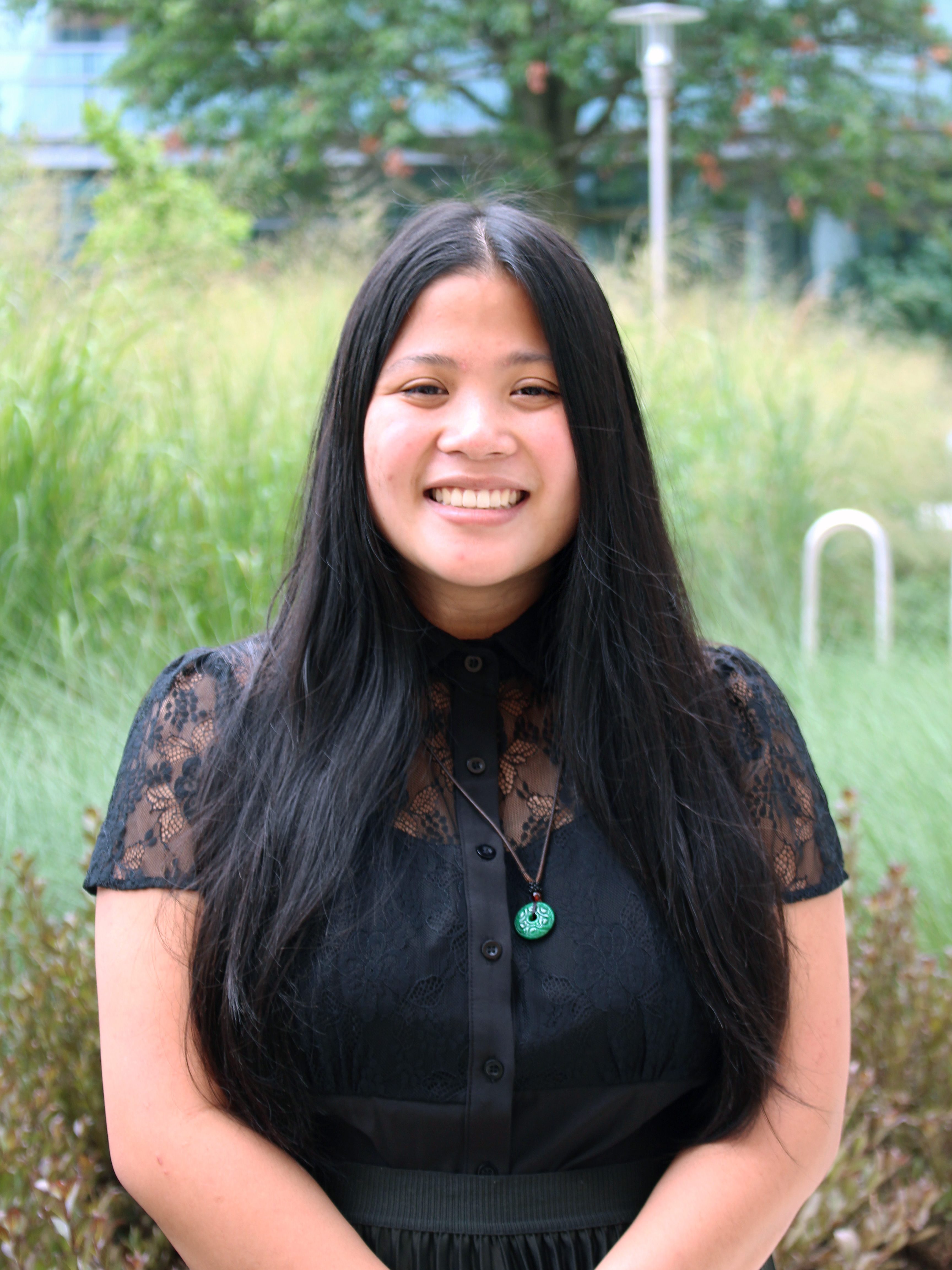 Image description:
 [Photo shows Rachael dressed in black attire, one of the Women’s Center interns, smiling in front of one of the UMBC buildings.
]
Content Note: This post is written by Rachael Joslow, a second-year and student staff at the Women’s Center. I am a transracial adoptee adopted from Vietnam who grew up in Georgia for most of my childhood and adolescent life. I hope to highlight my experience growing up as an adopted child who dealt with difficulties connecting to my ethnicity and race. I would like you, as the reader, to acknowledge and learn the realities of adoption through my experiences, personal readings, and different transracial adoptees’ perspectives.
Growing up, I was always taught and still firmly believe that being blood-related is not a condition to be a part of someone’s family. As a transracial adoptee of a single, white, tie-dye hippie mom, I have been lucky enough to grow up knowing I was loved unconditionally.
Nonetheless, there are certain inside jokes that only those of us who have grown up in a transracial adoptive relationship know about. For example, when I think about one of the most memorable moments I have had as an adopted child, I remember my mom embarrassing me in public and trying to introduce me to her friends. After saying anything in a loud, funny voice or performing a funny dance in public, she would also try to point towards me and say, “yes, this is Rachael, my daughter!” When these moments happened, I would start walking away from her during the conversation, acting as a random stranger. Once she realized what I was doing, she would then reach out to me and exclaim, “no, really, she is my daughter! Rachael, stop walking away!” This interaction is one of the entertaining aspects of being adopted: if your parent is embarrassing you in public, simply walk away.
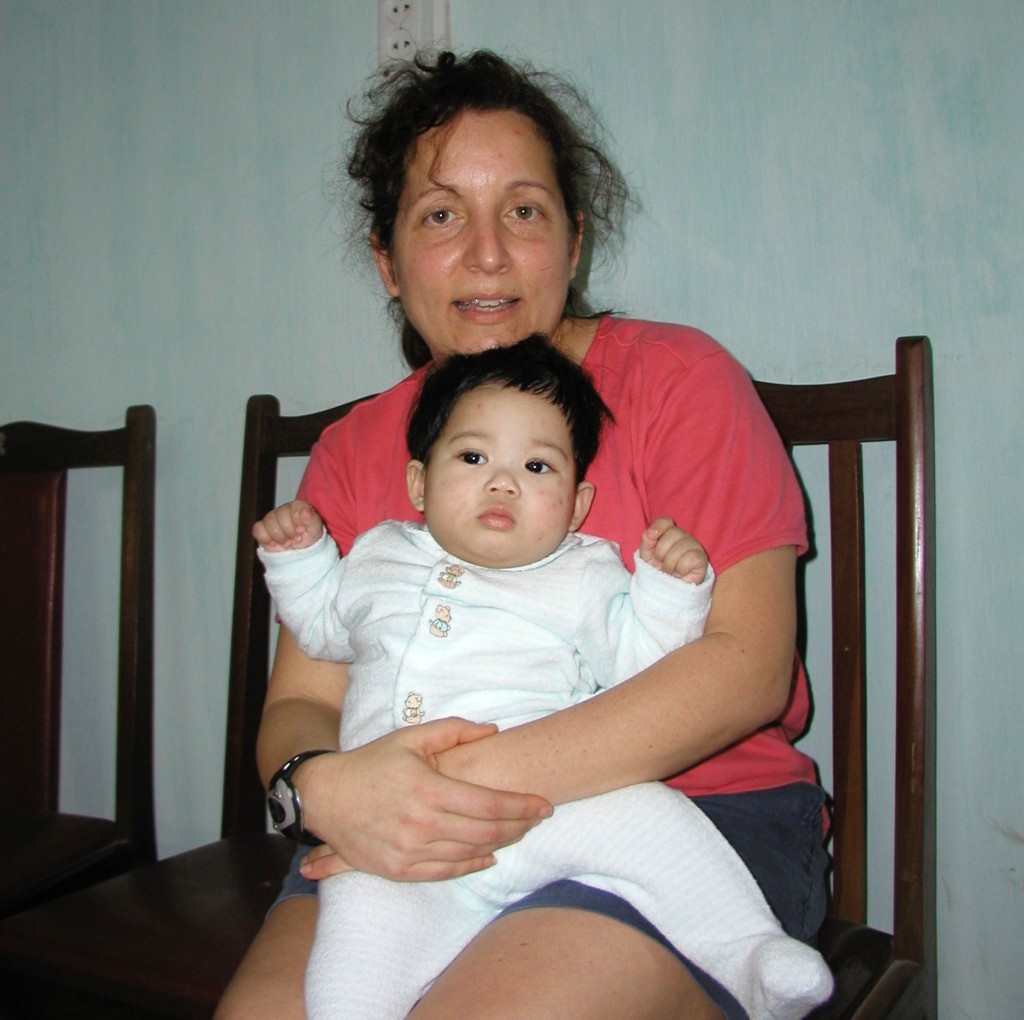 [Image description:
 An older woman with a brown-haired ponytail sitting in a wooden chair with a baby in her arms. She’s wearing a pink shirt with jean shorts, and the baby is wearing a white onesie.
]
My mom first saw me in an ad in the newspaper one day because she was looking to adopt. She was stationed in Germany at Fort Landstuhl, where she worked as a neurologist at Landstuhl Regional Medical Center. She always wanted to have a family, and in fact, she thought she was going to get married after college and have four children, but as some things turn out . . . plans change! In the picture shown to the left of this text, it was her first time meeting me at my foster home, and I believe I was 7-8 months old in that. I looked pretty cute as a baby! Apparently, I was a mellow infant and I only cried when food was late. As in, I scream cried. I was a moody baby if I did not have food on my plate and it still applies to my age now. Some things never change!
“What was it like being told that you were adopted?”
Well, I was the one who figured it out! My mom tells me that when I was about 5 years old, we were sitting in the bathroom getting ready for bed, and I started saying, “we don’t have the same hair.” My mom would reply with a “yes…” and wait to see what would happen next. I then say, “we don’t have the same eyes,” and she goes, “you’re right.” “I didn’t grow in your belly,” and mom keeps responding truthfully as to not hide anything from me. A delayed response follows from me, and my mom was worried but curious about what else I was about to ask. After the pause, I ask her, “can you pass me the toothpaste?” My mom releases a sigh and passes me the toothbrush.
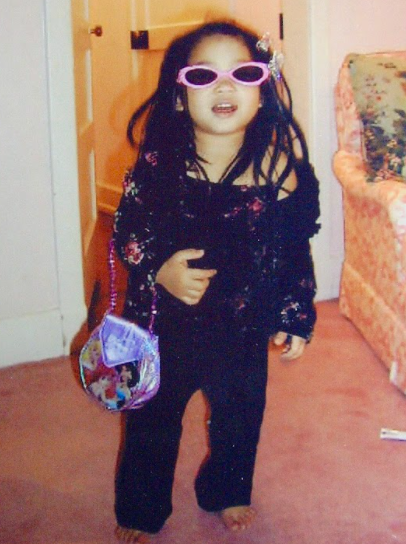 [Image description:
 An Asian girl with long black hair is shown standing in front of a door with pink sunglasses on and carrying a purse that has Disney Princesses on it. She is wearing black pants and a flower print, blacktop.
]
As you can see from this interaction, I was unphased that I was not her biological daughter, and I am still unphased by the fact that I am adopted. It still does not change that I have my mom, and she has me, her daughter. She always has and will continue to love me unconditionally, I know—the bare minimum. Still, through her kindness, openness, acceptance, and much more, I realized how she’ll always have my back over time. She was also really transparent with me whenever I asked questions about my adoption. For some background knowledge, there are no names under “biological mother and biological father” on my Vietnamese birth certificate. My mom has always been honest whenever I asked her questions regarding that information. I used to be open to finding my biological parents, but now that I have become older, I am content to not meet them. I settled that I’m sure that my biological parents wanted what was best for me. Through UMBC, I have connected with my Vietnamese culture more by meeting people and joining the Vietnamese Student Association.
“What are other transracial adoptee’s experiences?”
Although my experiences have been smooth and supportive so far, my personal experience is not shared by ALL transracial adoptees. This NPR podcast called Code Switch: Transracial Adoptees On Their Racial Identity And Sense of Self calls in multiple adoptees who talk about their personal feelings and experiences about their adoption. One person stated that they spent the first 12 years of their life thinking that they were white, and learning that they were not white resulted in an identity crisis. Some transracial adoptees are not told that they are adopted, and the consequences can be very harmful. It makes us think as to why the parent was hiding that critical information. Telling children that they are adopted is okay, and it should not be something to hide from them because it erases a part of their identity. Another adoptee mentioned that their adoption acted as a narrative of their mother being a savior. Unfortunately, some people end up adopting because of their savior complex.
What is the savior complex?
As explained by this Psychology Today article The Savior Complex, it is “a psychological construct that makes a person feel the need to save other people. This person has a strong tendency to seek people who desperately need help and to assist them, often sacrificing their own needs for these people.” When a person with a savior complex sets out to adopt a child, they have the goal of rescuing a child from their situation.
As a reminder to people who would like to adopt in the future, it is not about you, and it has never been about you. Adopted children are not your trophies and we should never be used as tools when you want to earn brownie points to “look like a good person.”
Adoption is about giving a home to a child who does not have a family, and it should revolve around giving the child unconditional love and support. It does not revolve around reminding them how grateful they should be that you adopted them. From an article called Avoiding the Savior Complex in Adoption, an adoptive parent explains it well in a letter to their adoptive child:
“You never have to feel grateful for your adoption. We don’t have to have special gratitude for something that is inherently ours. And my love? That’s yours. It was yours before we met. It will be yours when time is gone. It was, and is, your right to have. My love for you is something I want to be so part of your being that it doesn’t cross your mind to even contemplate its existence. Take it for granted. Assume it will always be there. Because it will. There were losses in your lives. I know them. I respect them. My love for you does not take away those losses. But those losses don’t mean you owe us some form of special gratitude. Don’t ever believe someone who tells you they do. I don’t need you to be grateful; I want you to know, to assume, to not even think that there was another option except me loving you. Because there wasn’t. This love? It was here waiting for you all along. You simply claimed what was already yours.“
– Anonymous
“Is it hard being adopted?”
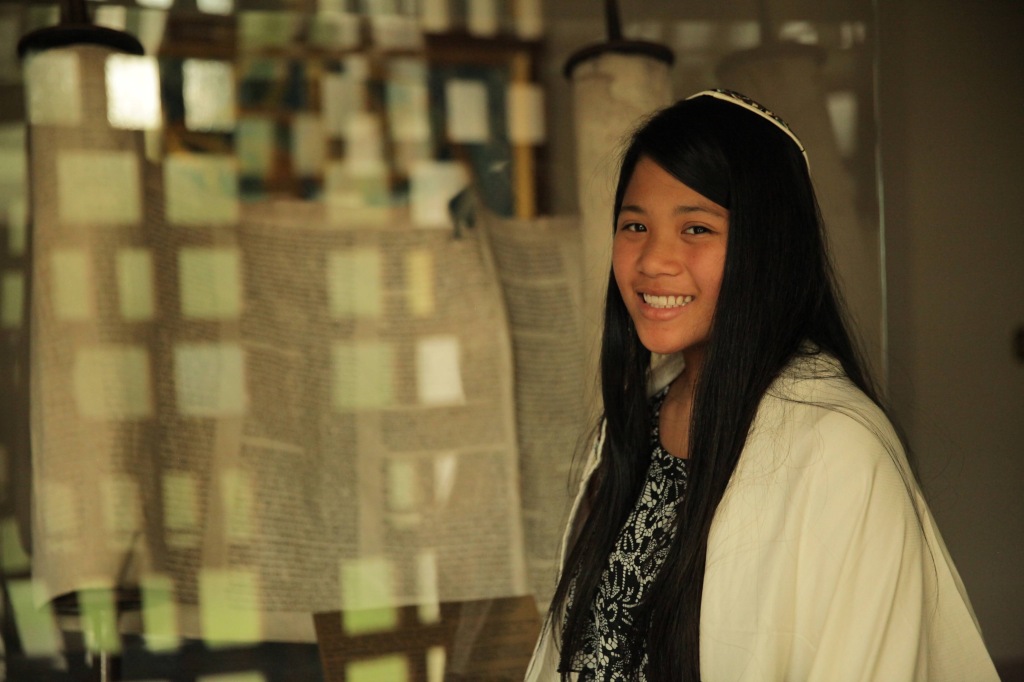 [Image description:
 Rachael at her Bat Mitzvah and she’s standing in front of the Torah. She is wearing a tallit, a prayer shawl, and a kippah, a religious headwear in Judaism.
]
Being adopted is amazing. Even though I have a different origin story, I’ve always known that I was adopted so it has never been a big deal for me. For me, it is as normal as me having brown eyes; it has always been there. What’s been harder to deal with is others’ perceptions of me. My insecurities about my identity came from outsiders’ comments and people’s perceptions of me. My mom and I have received many weird and uncomfortable comments, but one that I often remember is, “you know she’s going to be raised by strangers, right?” This was not said in front of me; it was actually told to my mom before she signed the papers to bring me home. As mentioned above, my mom is a single parent, and she has done an extraordinary job making me feel secure and loved growing up. As she worked long hours, I would go to daycare after the school day during elementary until I was old enough to stay at the house by myself for a few hours. To that comment now, I would like to say, “yeah! I was raised by strangers, but those strangers became family to me”. My mom had a vast support system, and I understood that although my family structure was different, she still had the same level of care and love for me as any other family.
The comments don’t end at my mom; they came to me too. I received a few judgemental statements during high school, and a common one was how I was white-washed and not really Asian. I wanted to say in response to these comments, “who cares?!” However, a part of me felt alienated from people because although I felt I was Asian from my looks, I still did not feel Asian enough. I was given this label that I couldn’t do certain things. Since I had a white mom, some people had an attitude of “oh, so that’s how it is.” During high school, I felt stuck on who I was and what I was supposed to be. I couldn’t control what was happening to me, and I couldn’t control the fact that I was adopted; why is there so much judgment towards me?
Other transracial adoptees have also experienced this same disconnect between their personal social identities and their adoptive families. The article The Transracial Adoption Paradox reported that about 37% of transracial adoptees felt that race made growing up difficult. This YouTube video called “Do All Adoptees Think the Same?, from the YouTube channel Jubilee, brings in 6 adoptees who all come from different backgrounds, and each brings their own perspectives on the relationship between adoption and identity. One of the adoptees, Alexis, had a more challenging time growing up with her white family as an Asian person. When her adoptive family laughed at her when she said she wanted to be white, it showed a lack of sensitivity, kindness, and understanding. Unfortunately, this has destroyed their relationship now that she’s an adult and is now distant between them. Another adoptee in the video, Rebekah, stated how she was called “oreo” growing up because of her background. Whenever she would try to bring up race or racism against her, she would receive comments like “oh, they didn’t mean it like that” or “they’re just from the older generation, and they don’t understand.”
 [Image description:
 Rachael holding her cat named Girl Kitty while sitting on a leather couch when she was 11 years old.
]
As parents, especially white parents, you need to be prepared to have those conversations about race. When transracial adoptees go to their white parents about how they experience racism, their first response should not be silence or anger because we, as transracial adoptees, are not trying to make it as if it’s our parent’s fault—we want to have this conversation to improve our relationship with parents. We want our parents to learn about racism, prejudice, and white privilege, and work hard to be strong allies. We want our white parents to understand that it is not their fault that we experience racism, but it is their fault if they’re not there to help us. When it comes to addressing and confronting ignorance and racism, being a parent as well as an ally means making it clear that you are always willing to answer our questions, always available to talk about even the most difficult or hurtful experiences, and always there to advocate for us, assist in our healing, or simply share our pain in any way you are able.
Recommended Videos
Others’ experiences of adoption and family history: Adoption & Identity Intertwined
Do All Adoptees Think the Same? | Spectrum
Netflix Show – Colin in Black & White: Colin Kaepernick narrates this drama series recounting his formative years navigating race, class, and culture while aspiring for greatness.
Recommended Readings
The Realities of Raising a Kid of a Different Race
Transracial Adoption in the Time of Black Lives Matter
How to talk to parents about race if you’re adopted or multiracial
Race and Identity in Transracial Adoption: Suggestions for Adoptive Parents
The Transracial Adoption Paradox
Stories of transracial adoptees must be heard – even uncomfortable ones
Avoiding the Savior Complex in Adoption
NPR Podcast – Code Switch: Transracial Adoptees On Their Racial Identity And Sense of Self
]]>
Image description: [Photo shows Rachael dressed in black attire, one of the Women’s Center interns, smiling in front of one of the UMBC buildings.] Content Note: This post is written by...
https://womenscenteratumbc.wordpress.com/2021/11/29/my-personal-experience-with-being-adopted/
https://my3.my.umbc.edu/api/v0/pixel/news/115288/guest@my.umbc.edu/ed96d248c6e74f6f1ed46a9acafdad74/api/pixel
adoption
asian-and-pacific-islander-american-voices
asianamerican
bipoc-voices
current-events
diversity-and-inclusion-issues
intersectionality
poc
transracial-adoptee-experience
umbc
uncategorized
womens-center-staff
Women's, Gender, & Equity Center
https://my3.my.umbc.edu/groups/womenscenter
https://assets2-my.umbc.edu/system/shared/avatars/groups/000/000/125/78272a4842689b30dbf74672182b78f8/xsmall.png?1750974263
https://assets1-my.umbc.edu/system/shared/avatars/groups/000/000/125/78272a4842689b30dbf74672182b78f8/original.png?1750974263
https://assets1-my.umbc.edu/system/shared/avatars/groups/000/000/125/78272a4842689b30dbf74672182b78f8/xxlarge.png?1750974263
https://assets1-my.umbc.edu/system/shared/avatars/groups/000/000/125/78272a4842689b30dbf74672182b78f8/xlarge.png?1750974263
https://assets1-my.umbc.edu/system/shared/avatars/groups/000/000/125/78272a4842689b30dbf74672182b78f8/large.png?1750974263
https://assets2-my.umbc.edu/system/shared/avatars/groups/000/000/125/78272a4842689b30dbf74672182b78f8/medium.png?1750974263
https://assets1-my.umbc.edu/system/shared/avatars/groups/000/000/125/78272a4842689b30dbf74672182b78f8/small.png?1750974263
https://assets2-my.umbc.edu/system/shared/avatars/groups/000/000/125/78272a4842689b30dbf74672182b78f8/xsmall.png?1750974263
https://assets3-my.umbc.edu/system/shared/avatars/groups/000/000/125/78272a4842689b30dbf74672182b78f8/xxsmall.png?1750974263
Women's Center
12
0
false
Mon, 29 Nov 2021 08:30:00 -0500
Mon, 29 Nov 2021 08:30:00 -0500
Diet Culture v. The Cultural Diet
 Positionality Statement: This post is written by Ojus Phogat, a second-year student at UMBC and a student-staff member at the Women’s Center. I am a South Asian American woman who has felt the persistent effects of diet culture first-hand. In writing this blog, I hope to identify these impacts and uncover the systems of oppression that keep them afloat. As a reader, I wish to encourage you to alter the way you pass judgment on yourself and others. The more we engage in fatphobic rhetoric, which stems from white supremacy and the patriarchy, the more we uphold these oppressive systems. To all my fellow women of color who have ever been made to feel like less because of the way you look: I hope you learn that you have always been enough.
When I was nine years old, I went to India for my grandfather’s funeral. After the cremation ritual, I was gathered into a room of extended family (most of whom were strangers to me) where the following conversation took place:
Random Uncle: “Do you ever walk on the treadmill?”
Me, a fairly active kid who did hours of dance, basketball, and swimming, and was yes chubby: “Hain Ji?” *yes sir*
Random Uncle: “At what speed? ZERO!”
*eruption of laughter from the surrounding guests*
His Wife: “Take it from me; all the housework you’ll have to do when you’re married will keep it off, but it’s better to start now. We only care about you.”
Image Description: Picture of Oprah wearing a purple sweater and white button-down. Saying “what?”. This image was a snippet from Oprah’s interview with Meghan Markle.
While this was not the first time I heard these kinds of comments from family members, I was crushed. And I sat crying at my grandfather’s funeral, not out of the sadness of his passing (because, to be honest, I didn’t know him very well), but because relatives I didn’t even know decided their opinions on my body were so profound that they had a dire need to communicate them with all the surrounding patrons and me IMMEDIATELY.
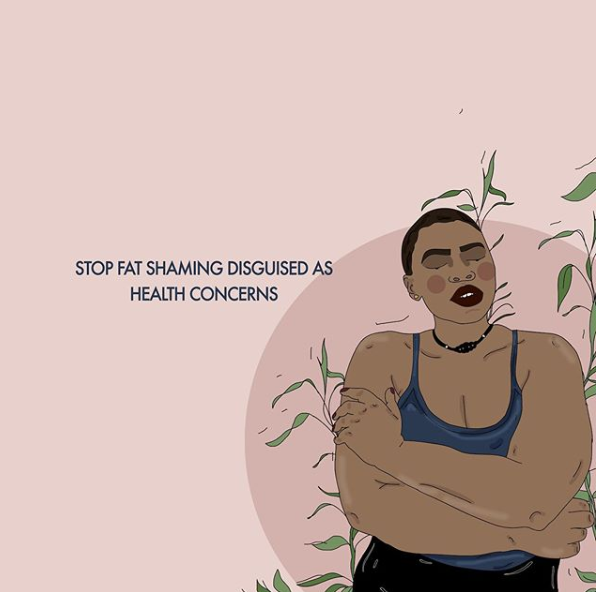
Image Description: Pictured is a graphic design from @recipiesforselflove on Instagram. The image displays a pale pink background and the text “stop fat-shaming disguised as health concerns” is placed slightly left of center. A black woman is illustrated in the bottom right-hand corner wearing a blue tank top and black pants. She is encompassed in a greyish-pink circle and surrounded by tall green plants.
From the first moment of our consciousness, we (women of color) are raised to think of weight as one of our defining characteristics. Something that measures how much human decency we will be allotted, how many people will treat us with respect, and of course, “most importantly” (as many of my fellow South Asian women have been told) how many marriage proposals we will receive when we are older. It does not matter how much we work out or eat nutrient-rich meals; if we do not visually conform to society’s standard of the ideal body, we are not only ridiculed for it, but our existence itself is categorized as inferior. We are silenced, shunned, and demonized for simply existing in non-white, fat bodies. Whether it is from how we observe the world or how we are treated within it, we grow to learn that being fat equates with being of less value, and so we turn to the alternative: ensuring “smallness” by any means necessary.
In order to contextualize western diet culture’s impact on specifically women of color, it is critical to understand its origin as being one compounded by systems of white supremacy and the patriarchy. These systems feed into the creation of a diet culture stemming from anti-blackness that is used as a tool to pit women and groups of color against one another.
Diet Culture & Women of Color
For many communities of color, the discrepancy between how we are taught to consume food—in schools and from our friends—and the cultural foods we enjoy in the comfort of our own homes cultivates a relationship with food defined by confusion, embarrassment, and shame. We are taught that things like carbs and “fatty” oils are the devil incarnate, and for cultural diets—defined by dishes artfully composed of rice and noodles—this can be detrimental. The Indian meals of my childhood like khichdi, pulao, and pav bhaji—rich in spices and made with a foundation of rice or bread—would be considered “unhealthy” because of the carbs and oil they contain. These very meals that nursed me back to health when I fell sick and energized me after hours of dance practice; would also be the source of my shame during school lunch periods and visits to the doctor’s office. Any nutritional value and traditional significance of these and other cultural dishes are often overshadowed by a mistaken idea of what is “healthy”—which in this case really equates to practices that result in supposed physical “smallness.”
The need to conform society to one idea of “health”—which standardizes a “correct” diet —controls how communities of color and communities of women form their relationships with food and nourishment. Health, in this case, becomes a concept encompassing what patterned behaviors keeps one from becoming fat. It dictates how individuals must engage in nutrition in exchange for societal acceptance. This phenomenon, while detrimental to all people—in this case explicitly discussing those impacted by Western practices of diet culture—affects women of color differently as they live in the limbo of two different, often competing cultural identities, each with their own social diet pressures, in conjunction with the necessary pursuit of femininity.
To center white-ness when creating the standard and “correct” American diet, colonizes nutrition and manipulates the mentality around health. It serves to Other* various cultural diets by making Western “health foods” the norm and vilifying any foods that stray from these guidelines. In turn, society claims that the very recipes that strengthened our ancestors, the very recipes that have quite literally borne and sustained our lineages are unacceptable. In reality, what is unacceptable is the rhetoric of disgust and inferiority that often marks cultural food sources. The idea that one should not consume the traditional dishes of their ancestry because of the “white” ideal diet is racist.
Take, for instance, the narrative surrounding MSG (monosodium glutamate)—a food additive utilized in many foods and “naturally found in foods like tomatoes and cheese”(Yeung, 2020), but ridiculed because of its use in traditional Chinese meals. The media has marked MSG as a dangerous and unhealthy ingredient and has linked it to conditions like asthma, drowsiness, and headaches (but not by any scientific backing). This racist rhetoric has steered people away from MSG and has forced the Chinese American community to be mindful of the backlash they may face in using the ingredient, especially for restaurant owners. The overall stigma that surrounds this ingredient displays just how much power white institutions have in dispelling the use of products, especially when those products hold a particular significance in BI-POC cultural cuisines.
The Implications of the Small Feminine Body
There is also a physical element to the requirement of smallness for feminine bodies. It operates under the assumption that women should occupy as little space as physically possible so as to keep their positions of power stifled. The presumption is that women—as the “submissive” gender—must bolster male masculinity by embodying the opposite characteristics of what men possess. By this “rule,” if men are meant to be large to monopolize space and contribute to their dominance, women must then be as small as possible to make “smaller” men adhere to this expectation. Women alone must assume the burden of changing themselves to allow for men to conform to the ideals they have set. Straying away from this ideal—embodying fatness and taking up greater space as a woman—means undermining these systems of the patriarchy that award men greater dominion over the world.
For women of color who reside in the western world, the pursuit of femininity means the expectation of smallness is compounded by the need (for survival purposes) to shed their melanin and present as light-skinned as possible. Because society masculinizes women of color, specifically brown and black women, they must pursue femininity more extremely because of their skin color. If not, they are ridiculed and solidify their low position on the social ladder. Because of this they feel a greater emphasis to conform to the ideals of western femininity, which encompasses the prerequisite of smallness. In doing so, they may often feel at odds with connecting to the traditional cultural foods they grew up with and abiding by the rules of the society in which they reside.
Imperialism's production of the beauty standard—the necessity of thinness and whiteness—for women and girls in places like India portrays this phenomenon at work. The colonial impact left by Persia and Britain in South Asia has ingrained ideologies about correct body shape, colorism, and anti-blackness. 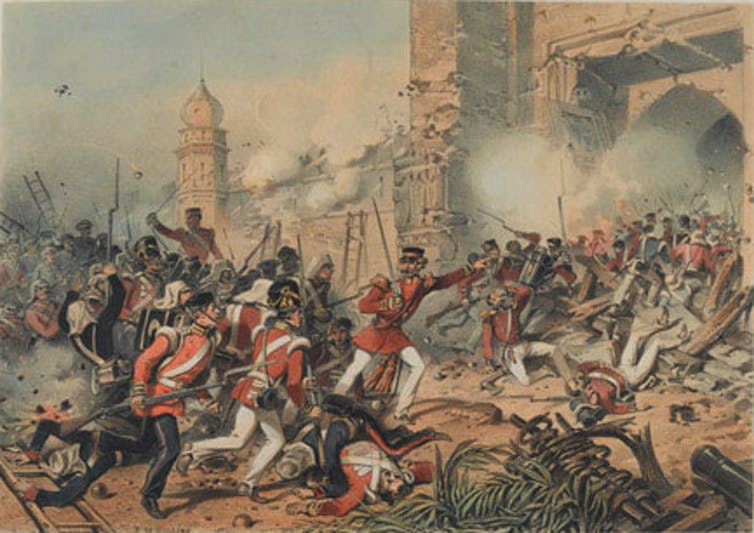
Image Description: Pictured is a scene from the era of British rule in India. Depicted are British soldiers, dressed in red and white garments, invading an Indian palace. The soldiers hold rifles and clouds of smoke surround them.
Since the reign of the Mughals and later the British East India Company, Indian culture has been defined by the idea that the highest cultural capital** is awarded to those of lighter skin and less weight. Because conforming more to this ideal cultural behavior meant increasing one's socio-economic status, adhering to the beauty standard was a matter of SURVIVAL. It meant that the closer you were to being this standard the better you would be treated by the foreigners who had come to rule your land and who controlled economic and social production within it.
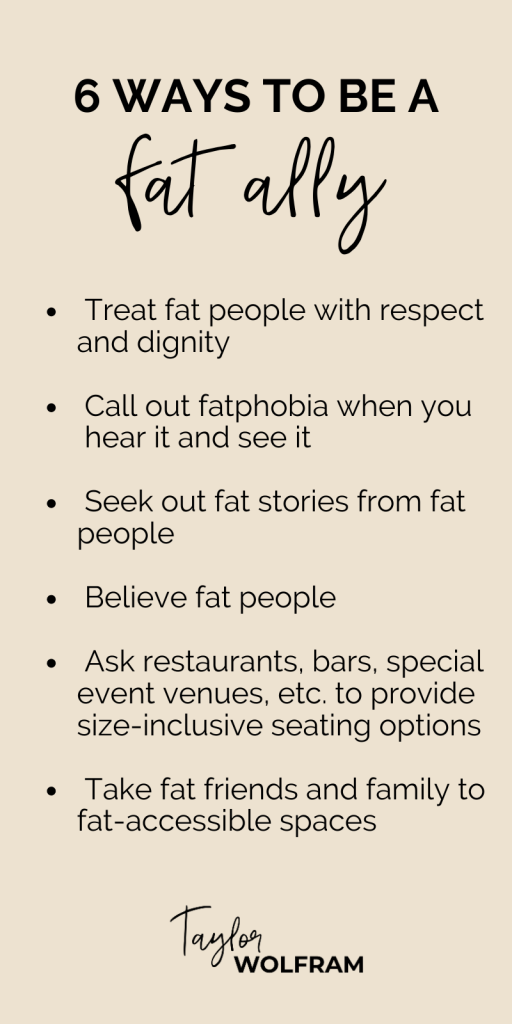
Image Description: Pictured is an infographic made up of a light tan background created by Taylor Wolfram. It says “6 Ways to Be a Fat Ally”. And lists “ treat fat people with respect and dignity, call out fatphobia when you hear it and see it, seek out fat stories from fat people, believe fat people, ask restaurants, bars, special event venues, etc, to provide size-inclusive seating options, take fat friends and family to fat-accessible spaces”.
So with these foundational elements of diet culture’s impact in mind, we can then ask ourselves:
What can we do to mitigate and reverse the rather negative ramifications of this mindset?
We can change the way we think and talk about bodies
They are vessels that carry us through our day, why must we comment on every one we see ...?
We can advocate for ourselves and others when disrespectful rhetoric is used
You deserve to be vocal and correct disrespect even if it is viewed as normalized.
And maybe most importantly we can learn to view ourselves from a neutral lens
Your body is none other than how you move physically from place to place. To frame it in this way may help the preoccupation with how we are perceived because of it.
I know what you’re thinking: these tips are much easier said than done. And you are correct! But, this doesn’t mean we shouldn’t hold ourselves accountable when we say or think about bodies negatively. It also means that if you are being degraded for your appearance: STAND UP FOR YOURSELF! Real change can only be possible when we—women of color—learn that we are worthy of taking up space in this world.
Footnotes
* The act of alienating something by highlighting its “abnormal” characteristics
** The amount of societal status one is given based on various factors (i.e., education, skills, wealth, and discussed the most in this case appearance)
Resources and recommendations you should be sure to check out:
CNN: MSG in Chinese Food Isn't Unhealthy -- You're Just Racist, Activists Say.
Yeung, Jessie. “MSG in Chinese Food Isn't Unhealthy -- You're Just Racist, Activists Say.” CNN, Cable News Network, 19 Jan. 2020, https://www.cnn.com/2020/01/18/asia/chinese-restaurant-syndrome-msg-intl-hnk-scli/index.html.
Harvard University: Occidentalisation of Beauty Standards: Eurocentrism in Asia
Chen, Toby, et al. “Occidentalisation of Beauty Standards: Eurocentrism in Asia.” Zenodo, Harvard University , 16 Dec. 2020, https://zenodo.org/record/4325856#.YZvkpr1Ki3I.
Gloria Lucas: Nalgona Positivity Pride
Yesika Salgado: What Comes After Loving Yourself? Advice from a Fat Fly Brown Girl
Yeskia Selgado: The Hunger
Teen Vogue: Fat is Not a Bad Word
Taylor Wolfram: 6 ways to Be a Fat Ally
Allison Rachel: Recipes for Self-Love
NPR: Code Switch- Is Beauty In The Eyes of The Colonizer
]]>
Positionality Statement: This post is written by Ojus Phogat, a second-year student at UMBC and a student-staff member at the Women’s Center. I am a South Asian American woman who has felt the...
https://womenscenteratumbc.wordpress.com/2021/11/22/diet-culture-v-the-cultural-diet%ef%bf%bc/
https://my3.my.umbc.edu/api/v0/pixel/news/115239/guest@my.umbc.edu/e00d00eebc2a6392d75a92315047070c/api/pixel
acceptance
beauty-standards
body-consciousness
body-neutrality
body-positivity
diversity
diversity-and-inclusion-issues
fatness
feminism
femmes
intersectionality
minorities
people-of-color
self-advocacy
social-awareness
south-asian-voices
women
women-of-color
Women's, Gender, & Equity Center
https://my3.my.umbc.edu/groups/womenscenter
https://assets2-my.umbc.edu/system/shared/avatars/groups/000/000/125/78272a4842689b30dbf74672182b78f8/xsmall.png?1750974263
https://assets1-my.umbc.edu/system/shared/avatars/groups/000/000/125/78272a4842689b30dbf74672182b78f8/original.png?1750974263
https://assets1-my.umbc.edu/system/shared/avatars/groups/000/000/125/78272a4842689b30dbf74672182b78f8/xxlarge.png?1750974263
https://assets1-my.umbc.edu/system/shared/avatars/groups/000/000/125/78272a4842689b30dbf74672182b78f8/xlarge.png?1750974263
https://assets1-my.umbc.edu/system/shared/avatars/groups/000/000/125/78272a4842689b30dbf74672182b78f8/large.png?1750974263
https://assets2-my.umbc.edu/system/shared/avatars/groups/000/000/125/78272a4842689b30dbf74672182b78f8/medium.png?1750974263
https://assets1-my.umbc.edu/system/shared/avatars/groups/000/000/125/78272a4842689b30dbf74672182b78f8/small.png?1750974263
https://assets2-my.umbc.edu/system/shared/avatars/groups/000/000/125/78272a4842689b30dbf74672182b78f8/xsmall.png?1750974263
https://assets3-my.umbc.edu/system/shared/avatars/groups/000/000/125/78272a4842689b30dbf74672182b78f8/xxsmall.png?1750974263
Women's Center
6
0
false
Mon, 22 Nov 2021 17:04:31 -0500
Mon, 22 Nov 2021 17:07:26 -0500
Diet Culture v. The Cultural Diet

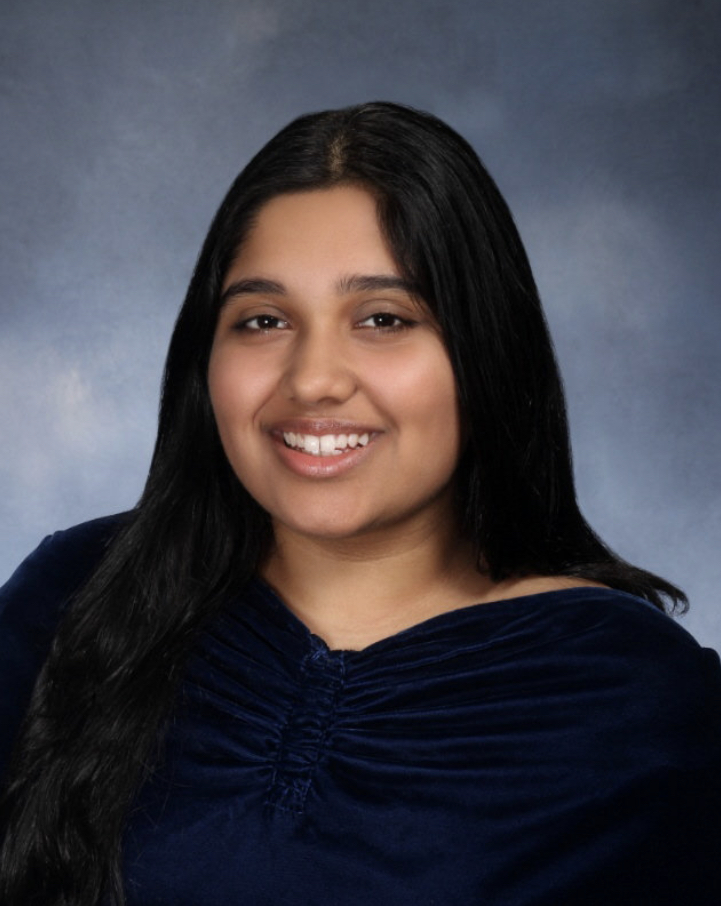
Image description: A formal headshot of the author.
Positionality Statement: This post is written by Ojuswani Phogat, a second-year student at UMBC and a student-staff member at the Women’s Center. I am a South Asian American woman who has felt the persistent effects of diet culture first-hand. In writing this blog, I hope to identify these impacts and uncover the systems of oppression that keep them afloat. As a reader, I wish to encourage you to alter the way you pass judgment on yourself and others. The more we engage in fatphobic rhetoric, which stems from white supremacy and the patriarchy, the more we uphold these oppressive systems. To all my fellow women of color who have ever been made to feel like less because of the way you look: I hope you learn that you have always been enough.
When I was nine years old, I went to India for my grandfather’s funeral. After the cremation ritual, I was gathered into a room of extended family (most of whom were strangers to me) where the following conversation took place:
Random Uncle: “Do you ever walk on the treadmill?”
Me, a fairly active kid who did hours of dance, basketball, and swimming, and was yes chubby: “Hain Ji?” *yes sir*
Random Uncle: “At what speed? ZERO!”
*eruption of laughter from the surrounding guests*
His Wife: “Take it from me; all the housework you’ll have to do when you’re married will keep it off, but it’s better to start now. We only care about you.”
Image Description: GIF of Oprah wearing a purple sweater and white button-down. Saying “what?”. This image was a snippet from Oprah’s interview with Meghan Markle.
While this was not the first time I heard these kinds of comments from family members, I was crushed. And I sat crying at my grandfather’s funeral, not out of the sadness of his passing (because, to be honest, I didn’t know him very well), but because relatives I didn’t even know decided their opinions on my body were so profound that they had a dire need to communicate them with all the surrounding patrons and me IMMEDIATELY.
Image Description: Pictured is a graphic design from @recipiesforselflove on Instagram. The image displays a pale pink background and the text “stop fat-shaming disguised as health concerns” is placed slightly left of center. A black woman is illustrated in the bottom right-hand corner wearing a blue tank top and black pants. She is encompassed in a greyish-pink circle and surrounded by tall green plants.
From the first moment of our consciousness, we (women of color) are raised to think of weight as one of our defining characteristics. Something that measures how much human decency we will be allotted, how many people will treat us with respect, and of course, “most importantly” (as many of my fellow South Asian women have been told) how many marriage proposals we will receive when we are older. It does not matter how much we work out or eat nutrient-rich meals; if we do not visually conform to society’s standard of the ideal body, we are not only ridiculed for it, but our existence itself is categorized as inferior. We are silenced, shunned, and demonized for simply existing in non-white, fat bodies. Whether it is from how we observe the world or how we are treated within it, we grow to learn that being fat equates with being of less value, and so we turn to the alternative: ensuring “smallness” by any means necessary.
In order to contextualize western diet culture’s impact on specifically women of color, it is critical to understand its origin as being one compounded by systems of white supremacy and the patriarchy. These systems feed into the creation of a diet culture stemming from anti-blackness that is used as a tool to pit women and groups of color against one another.
Diet Culture & Women of Color
For many communities of color, the discrepancy between how we are taught to consume food—in schools and from our friends—and the cultural foods we enjoy in the comfort of our own homes cultivates a relationship with food defined by confusion, embarrassment, and shame. We are taught that things like carbs and “fatty” oils are the devil incarnate, and for cultural diets—defined by dishes artfully composed of rice and noodles—this can be detrimental. The Indian meals of my childhood like khichdi, pulao, and pav bhaji—rich in spices and made with a foundation of rice or bread—would be considered “unhealthy” because of the carbs and oil they contain. These very meals that nursed me back to health when I fell sick and energized me after hours of dance practice; would also be the source of my shame during school lunch periods and visits to the doctor’s office. Any nutritional value and traditional significance of these and other cultural dishes are often overshadowed by a mistaken idea of what is “healthy”—which in this case really equates to practices that result in supposed physical “smallness.”
The need to conform society to one idea of “health”—which standardizes a “correct” diet —controls how communities of color and communities of women form their relationships with food and nourishment. Health, in this case, becomes a concept encompassing what patterned behaviors keeps one from becoming fat. It dictates how individuals must engage in nutrition in exchange for societal acceptance. This phenomenon, while detrimental to all people—in this case explicitly discussing those impacted by Western practices of diet culture—affects women of color differently as they live in the limbo of two different, often competing cultural identities, each with their own social diet pressures, in conjunction with the necessary pursuit of femininity.
To center white-ness when creating the standard and “correct” American diet, colonizes nutrition and manipulates the mentality around health. It serves to Other* various cultural diets by making Western “health foods” the norm and vilifying any foods that stray from these guidelines. In turn, society claims that the very recipes that strengthened our ancestors, the very recipes that have quite literally borne and sustained our lineages are unacceptable. In reality, what is unacceptable is the rhetoric of disgust and inferiority that often marks cultural food sources. The idea that one should not consume the traditional dishes of their ancestry because of the “white” ideal diet is racist.
Take, for instance, the narrative surrounding MSG (monosodium glutamate)—a food additive utilized in many foods and “naturally found in foods like tomatoes and cheese”(Yeung, 2020), but ridiculed because of its use in traditional Chinese meals. The media has marked MSG as a dangerous and unhealthy ingredient and has linked it to conditions like asthma, drowsiness, and headaches (but not by any scientific backing). This racist rhetoric has steered people away from MSG and has forced the Chinese American community to be mindful of the backlash they may face in using the ingredient, especially for restaurant owners. The overall stigma that surrounds this ingredient displays just how much power white institutions have in dispelling the use of products, especially when those products hold a particular significance in BI-POC cultural cuisines.
The Implications of the Small Feminine Body
There is also a physical element to the requirement of smallness for feminine bodies. It operates under the assumption that women should occupy as little space as physically possible so as to keep their positions of power stifled. The presumption is that women—as the “submissive” gender—must bolster male masculinity by embodying the opposite characteristics of what men possess. By this “rule,” if men are meant to be large to monopolize space and contribute to their dominance, women must then be as small as possible to make “smaller” men adhere to this expectation. Women alone must assume the burden of changing themselves to allow for men to conform to the ideals they have set. Straying away from this ideal—embodying fatness and taking up greater space as a woman—means undermining these systems of the patriarchy that award men greater dominion over the world.
For women of color who reside in the western world, the pursuit of femininity means the expectation of smallness is compounded by the need (for survival purposes) to shed their melanin and present as light-skinned as possible. Because society masculinizes women of color, specifically brown and black women, they must pursue femininity more extremely because of their skin color. If not, they are ridiculed and solidify their low position on the social ladder. Because of this they feel a greater emphasis to conform to the ideals of western femininity, which encompasses the prerequisite of smallness. In doing so, they may often feel at odds with connecting to the traditional cultural foods they grew up with and abiding by the rules of the society in which they reside.
Imperialism’s production of the beauty standard—the necessity of thinness and whiteness—for women and girls in places like India portrays this phenomenon at work. The colonial impact left by Persia and Britain in South Asia has ingrained ideologies about correct body shape, colorism, and anti-blackness.
Image Description: Pictured is a scene from the era of British rule in India. Depicted are British soldiers, dressed in red and white garments, invading an Indian palace. The soldiers hold rifles and clouds of smoke surround them.
Since the reign of the Mughals and later the British East India Company, Indian culture has been defined by the idea that the highest cultural capital** is awarded to those of lighter skin and less weight. Because conforming more to this ideal cultural behavior meant increasing one’s socio-economic status, adhering to the beauty standard was a matter of SURVIVAL. It meant that the closer you were to being this standard the better you would be treated by the foreigners who had come to rule your land and who controlled economic and social production within it.
Image Description: Pictured is an infographic made up of a light tan background created by Taylor Wolfram. It says “6 Ways to Be a Fat Ally”. And lists “ treat fat people with respect and dignity, call out fatphobia when you hear it and see it, seek out fat stories from fat people, believe fat people, ask restaurants, bars, special event venues, etc, to provide size-inclusive seating options, take fat friends and family to fat-accessible spaces”.
So with these foundational elements of diet culture’s impact in mind, we can then ask ourselves:
What can we do to mitigate and reverse the rather negative ramifications of this mindset?
We can change the way we think and talk about bodies
They are vessels that carry us through our day, why must we comment on every one we see …?
We can advocate for ourselves and others when disrespectful rhetoric is used
You deserve to be vocal and correct disrespect even if it is viewed as normalized.
And maybe most importantly we can learn to view ourselves from a neutral lens
Your body is none other than how you move physically from place to place. To frame it in this way may help the preoccupation with how we are perceived because of it.
I know what you’re thinking: these tips are much easier said than done. And you are correct! But, this doesn’t mean we shouldn’t hold ourselves accountable when we say or think about bodies negatively. It also means that if you are being degraded for your appearance: STAND UP FOR YOURSELF! Real change can only be possible when we—women of color—learn that we are worthy of taking up space in this world.
Footnotes
* The act of alienating something by highlighting its “abnormal” characteristics
** The amount of societal status one is given based on various factors (i.e., education, skills, wealth, and discussed the most in this case appearance)
Resources and recommendations you should be sure to check out:
CNN: MSG in Chinese Food Isn’t Unhealthy — You’re Just Racist, Activists Say.
Yeung, Jessie. “MSG in Chinese Food Isn’t Unhealthy — You’re Just Racist, Activists Say.” CNN, Cable News Network, 19 Jan. 2020, https://www.cnn.com/2020/01/18/asia/chinese-restaurant-syndrome-msg-intl-hnk-scli/index.html.
Harvard University: Occidentalisation of Beauty Standards: Eurocentrism in Asia
Chen, Toby, et al. “Occidentalisation of Beauty Standards: Eurocentrism in Asia.” Zenodo, Harvard University , 16 Dec. 2020, https://zenodo.org/record/4325856#.YZvkpr1Ki3I.
Gloria Lucas: Nalgona Positivity Pride
Yesika Salgado: What Comes After Loving Yourself? Advice from a Fat Fly Brown Girl
Yeskia Selgado: The Hunger
Teen Vogue: Fat is Not a Bad Word
Taylor Wolfram: 6 ways to Be a Fat Ally
Allison Rachel: Recipes for Self-Love
NPR: Code Switch- Is Beauty In The Eyes of The Colonizer
Image description: A formal headshot of the author.
Positionality Statement: This post is written by Ojus Phogat, a second-year student at UMBC and a student-staff member at the Women’s Center. I am a South Asian American woman who has felt the persistent effects of diet culture first-hand. In writing this blog, I hope to identify these impacts and uncover the systems of oppression that keep them afloat. As a reader, I wish to encourage you to alter the way you pass judgment on yourself and others. The more we engage in fatphobic rhetoric, which stems from white supremacy and the patriarchy, the more we uphold these oppressive systems. To all my fellow women of color who have ever been made to feel like less because of the way you look: I hope you learn that you have always been enough.
When I was nine years old, I went to India for my grandfather’s funeral. After the cremation ritual, I was gathered into a room of extended family (most of whom were strangers to me) where the following conversation took place:
Random Uncle: “Do you ever walk on the treadmill?”
Me, a fairly active kid who did hours of dance, basketball, and swimming, and was yes chubby: “Hain Ji?” *yes sir*
Random Uncle: “At what speed? ZERO!”
*eruption of laughter from the surrounding guests*
His Wife: “Take it from me; all the housework you’ll have to do when you’re married will keep it off, but it’s better to start now. We only care about you.”
Image Description: GIF of Oprah wearing a purple sweater and white button-down. Saying “what?”. This image was a snippet from Oprah’s interview with Meghan Markle.
While this was not the first time I heard these kinds of comments from family members, I was crushed. And I sat crying at my grandfather’s funeral, not out of the sadness of his passing (because, to be honest, I didn’t know him very well), but because relatives I didn’t even know decided their opinions on my body were so profound that they had a dire need to communicate them with all the surrounding patrons and me IMMEDIATELY.
Image Description: Pictured is a graphic design from @recipiesforselflove on Instagram. The image displays a pale pink background and the text “stop fat-shaming disguised as health concerns” is placed slightly left of center. A black woman is illustrated in the bottom right-hand corner wearing a blue tank top and black pants. She is encompassed in a greyish-pink circle and surrounded by tall green plants.
From the first moment of our consciousness, we (women of color) are raised to think of weight as one of our defining characteristics. Something that measures how much human decency we will be allotted, how many people will treat us with respect, and of course, “most importantly” (as many of my fellow South Asian women have been told) how many marriage proposals we will receive when we are older. It does not matter how much we work out or eat nutrient-rich meals; if we do not visually conform to society’s standard of the ideal body, we are not only ridiculed for it, but our existence itself is categorized as inferior. We are silenced, shunned, and demonized for simply existing in non-white, fat bodies. Whether it is from how we observe the world or how we are treated within it, we grow to learn that being fat equates with being of less value, and so we turn to the alternative: ensuring “smallness” by any means necessary.
In order to contextualize western diet culture’s impact on specifically women of color, it is critical to understand its origin as being one compounded by systems of white supremacy and the patriarchy. These systems feed into the creation of a diet culture stemming from anti-blackness that is used as a tool to pit women and groups of color against one another.
Diet Culture & Women of Color
For many communities of color, the discrepancy between how we are taught to consume food—in schools and from our friends—and the cultural foods we enjoy in the comfort of our own homes cultivates a relationship with food defined by confusion, embarrassment, and shame. We are taught that things like carbs and “fatty” oils are the devil incarnate, and for cultural diets—defined by dishes artfully composed of rice and noodles—this can be detrimental. The Indian meals of my childhood like khichdi, pulao, and pav bhaji—rich in spices and made with a foundation of rice or bread—would be considered “unhealthy” because of the carbs and oil they contain. These very meals that nursed me back to health when I fell sick and energized me after hours of dance practice; would also be the source of my shame during school lunch periods and visits to the doctor’s office. Any nutritional value and traditional significance of these and other cultural dishes are often overshadowed by a mistaken idea of what is “healthy”—which in this case really equates to practices that result in supposed physical “smallness.”
The need to conform society to one idea of “health”—which standardizes a “correct” diet —controls how communities of color and communities of women form their relationships with food and nourishment. Health, in this case, becomes a concept encompassing what patterned behaviors keeps one from becoming fat. It dictates how individuals must engage in nutrition in exchange for societal acceptance. This phenomenon, while detrimental to all people—in this case explicitly discussing those impacted by Western practices of diet culture—affects women of color differently as they live in the limbo of two different, often competing cultural identities, each with their own social diet pressures, in conjunction with the necessary pursuit of femininity.
To center white-ness when creating the standard and “correct” American diet, colonizes nutrition and manipulates the mentality around health. It serves to Other* various cultural diets by making Western “health foods” the norm and vilifying any foods that stray from these guidelines. In turn, society claims that the very recipes that strengthened our ancestors, the very recipes that have quite literally borne and sustained our lineages are unacceptable. In reality, what is unacceptable is the rhetoric of disgust and inferiority that often marks cultural food sources. The idea that one should not consume the traditional dishes of their ancestry because of the “white” ideal diet is racist.
Take, for instance, the narrative surrounding MSG (monosodium glutamate)—a food additive utilized in many foods and “naturally found in foods like tomatoes and cheese”(Yeung, 2020), but ridiculed because of its use in traditional Chinese meals. The media has marked MSG as a dangerous and unhealthy ingredient and has linked it to conditions like asthma, drowsiness, and headaches (but not by any scientific backing). This racist rhetoric has steered people away from MSG and has forced the Chinese American community to be mindful of the backlash they may face in using the ingredient, especially for restaurant owners. The overall stigma that surrounds this ingredient displays just how much power white institutions have in dispelling the use of products, especially when those products hold a particular significance in BI-POC cultural cuisines.
The Implications of the Small Feminine Body
There is also a physical element to the requirement of smallness for feminine bodies. It operates under the assumption that women should occupy as little space as physically possible so as to keep their positions of power stifled. The presumption is that women—as the “submissive” gender—must bolster male masculinity by embodying the opposite characteristics of what men possess. By this “rule,” if men are meant to be large to monopolize space and contribute to their dominance, women must then be as small as possible to make “smaller” men adhere to this expectation. Women alone must assume the burden of changing themselves to allow for men to conform to the ideals they have set. Straying away from this ideal—embodying fatness and taking up greater space as a woman—means undermining these systems of the patriarchy that award men greater dominion over the world.
For women of color who reside in the western world, the pursuit of femininity means the expectation of smallness is compounded by the need (for survival purposes) to shed their melanin and present as light-skinned as possible. Because society masculinizes women of color, specifically brown and black women, they must pursue femininity more extremely because of their skin color. If not, they are ridiculed and solidify their low position on the social ladder. Because of this they feel a greater emphasis to conform to the ideals of western femininity, which encompasses the prerequisite of smallness. In doing so, they may often feel at odds with connecting to the traditional cultural foods they grew up with and abiding by the rules of the society in which they reside.
Imperialism’s production of the beauty standard—the necessity of thinness and whiteness—for women and girls in places like India portrays this phenomenon at work. The colonial impact left by Persia and Britain in South Asia has ingrained ideologies about correct body shape, colorism, and anti-blackness.
Image Description: Pictured is a scene from the era of British rule in India. Depicted are British soldiers, dressed in red and white garments, invading an Indian palace. The soldiers hold rifles and clouds of smoke surround them.
Since the reign of the Mughals and later the British East India Company, Indian culture has been defined by the idea that the highest cultural capital** is awarded to those of lighter skin and less weight. Because conforming more to this ideal cultural behavior meant increasing one’s socio-economic status, adhering to the beauty standard was a matter of SURVIVAL. It meant that the closer you were to being this standard the better you would be treated by the foreigners who had come to rule your land and who controlled economic and social production within it.
Image Description: Pictured is an infographic made up of a light tan background created by Taylor Wolfram. It says “6 Ways to Be a Fat Ally”. And lists “ treat fat people with respect and dignity, call out fatphobia when you hear it and see it, seek out fat stories from fat people, believe fat people, ask restaurants, bars, special event venues, etc, to provide size-inclusive seating options, take fat friends and family to fat-accessible spaces”.
So with these foundational elements of diet culture’s impact in mind, we can then ask ourselves:
What can we do to mitigate and reverse the rather negative ramifications of this mindset?
We can change the way we think and talk about bodies
They are vessels that carry us through our day, why must we comment on every one we see …?
We can advocate for ourselves and others when disrespectful rhetoric is used
You deserve to be vocal and correct disrespect even if it is viewed as normalized.
And maybe most importantly we can learn to view ourselves from a neutral lens
Your body is none other than how you move physically from place to place. To frame it in this way may help the preoccupation with how we are perceived because of it.
I know what you’re thinking: these tips are much easier said than done. And you are correct! But, this doesn’t mean we shouldn’t hold ourselves accountable when we say or think about bodies negatively. It also means that if you are being degraded for your appearance: STAND UP FOR YOURSELF! Real change can only be possible when we—women of color—learn that we are worthy of taking up space in this world.
Footnotes
* The act of alienating something by highlighting its “abnormal” characteristics
** The amount of societal status one is given based on various factors (i.e., education, skills, wealth, and discussed the most in this case appearance)
Resources and recommendations you should be sure to check out:
CNN: MSG in Chinese Food Isn’t Unhealthy — You’re Just Racist, Activists Say.
Yeung, Jessie. “MSG in Chinese Food Isn’t Unhealthy — You’re Just Racist, Activists Say.” CNN, Cable News Network, 19 Jan. 2020, https://www.cnn.com/2020/01/18/asia/chinese-restaurant-syndrome-msg-intl-hnk-scli/index.html.
Harvard University: Occidentalisation of Beauty Standards: Eurocentrism in Asia
Chen, Toby, et al. “Occidentalisation of Beauty Standards: Eurocentrism in Asia.” Zenodo, Harvard University , 16 Dec. 2020, https://zenodo.org/record/4325856#.YZvkpr1Ki3I.
Gloria Lucas: Nalgona Positivity Pride
Yesika Salgado: What Comes After Loving Yourself? Advice from a Fat Fly Brown Girl
Yeskia Selgado: The Hunger
Teen Vogue: Fat is Not a Bad Word
Taylor Wolfram: 6 ways to Be a Fat Ally
Allison Rachel: Recipes for Self-Love
NPR: Code Switch- Is Beauty In The Eyes of The Colonizer

Image description: shows student, Jane, smiling in front of a UMBC building
Positionality Statement: This post is written by Jane DeHitta, an adult learner in her final year at UMBC, who works as a student staff and social work intern at the Women’s Center. I am a first generation Filipino-American student who seeks to be self-aware of the power dynamics that take place in the intersections of our identities and strives to be intentional in the ways I speak to and encounter others. In this post, I share my experience of microaggressions against race and discuss a connection between microaggressions of different forms and the impact that can have on the individual. My experience is my own and I use it as a point of reference and not to represent the innumerable diversity of people’s experience with microaggressions. I hope that what I share in this post gives validation to those who have had experiences similar to my own, and to give a moment for thought and self-reflection for those who find themselves as the microaggressor.
Image description: a cartoon gif of two hands holding up a dark blue sign with the words “Words have power” written across it. The word “power” has an animated line being crossed underneath it for emphasis.
“I wonder who is more Asian?” my white female friend said in passing. She and I had been discussing movies we recently watched, among them Crazy Rich Asians and Always Be My Maybe, movies that feature a predominantly Asian cast. My friend had lived for several years in China and even spoke Cantonese and Mandarin, she had the privilege of experiencing much of Chinese culture. I, on the other hand, grew up in Maryland my whole life and have never been back to my parents home country of the Philippines, nor was I taught how to speak their native languages of Tagalog or Cebuano beyond a few conversational words.
Taken aback by my friend’s question, I scoffed and went along with what I assumed was a joke by saying, “between you and me?”
She laughed, “yeah.”
I felt uncomfortable but uncertain why or how to express it so I half-heartedly laughed back and said in an exaggeratedly teasing tone, “don’t make me prove my asianness to you!” We continued our conversation for a few minutes more before parting ways, but that discomfort lingered as a knot in my stomach.
Prior to this recent encounter, I know that I have experienced microaggressions throughout my life, from friends saying, “oh, sometimes I forget your Asian!” to strangers asking me “Where were you born? (Maryland) No, but where are you really from?” But because of my introverted personality and the culture of passivity I grew up in, I learned to respond much like the way I responded to my friend. Ignoring it or laughing it off. I wouldn’t confront the perpetrator or call them out, because it was easier that way, I could deal with my discomfort later. And afterwards I would go through a dialogue in my head that looks something like this, “they didn’t mean it like that. I shouldn’t be offended! They were just kidding! I’m not actually hurt by what they said. It’s fine. It’s not a big deal. Even if I was hurt or bothered, I’ve already laughed and moved on, and so have they. They don’t always say/do things like that. Dwelling on it isn’t going to help. I don’t want to make them uncomfortable or feel bad.” I also struggle with invalidating my own experiences simply because “others have it worse”.
 Infographic shows a breakdown of the impacts of microaggressions; key words: Imposter Syndrome, Stereotype Threat, other bad feelings like poor self-confidence, depression, etc. Link for more information
Growing up in Maryland for the entirety of my 26 years of life, I have had conflicting feelings about my Filipino/Asian identity. My parents did their best to share their culture, through cooking, traditions, and stories; every summer we went to the local Filipino festivals, and were a part of various Filipino groups. I loved going to these places, tasting the food, seeing the traditional clothing, and watching the dances–one of the years, my sisters and I even participated in the procession for Filipino princesses. And there were moments at these events as we would walk through the stalls as a family, when vendors would greet us, striking up a conversation with my parents in Tagalog or Cebuano. While they talked, I would just stand there awkwardly, nodding and smiling, though I didn’t know what was being said. Then they would turn to me and ask me something, and my mom would translate to me so I could answer. The shopkeepers would give a look of disappointment, “Oh you don’t speak Tagalog…?” It was in those moments, I remember this feeling, almost like imposter syndrome, that I’ve blown my cover, that if someone tried to talk to me they would realize I’m not actually Filipino and I didn’t belong.
A microaggression is “a statement, action, or incident regarded as an instance of indirect, subtle, or unintentional discrimination against members of a marginalized group such as a racial or ethnic minority.” These can be subtle and are often considered harmless by the deliverer, but can have a huge impact on the individual.
 This infographic describes how to be an active bystander and address microaggressions. Key words: Observe, Think, Feel, Desire. Link for more information
Once my friend left me to ponder the authenticity of my racial and ethnic identities, I was able to take some time to reflect and navigate through my feelings. I asked myself, what about that question has continued to bother me? I was able to confide in my siblings, and as I processed through the experience with them I realized that the question I felt was lying underneath my friend’s words was this accusation of “are you really Asian if…?” …you haven’t been to the country of origin, if you don’t speak the language, if…
I felt this question cutting at the ties of my belonging and identity. And I broke down crying..
Fortunately, my siblings were quick to support and affirm my feelings of confusion and hurt, as well as, comforting me with a list of reasons of “you’re so Asian you…” (always tap the bags of rice at the grocery store; have a blue sash in Kung Fu; know how to pronounce adobo…etc) It’s funny, I laughed, and also I realized how ridiculous it was to even have a list of these qualifiers.
 Image description: an Asian woman making a “check mark” gesture with her finger saying “okay check!”
Being Asian or belonging to any racial or ethnic minority cannot be qualified and boiled down to a few checkboxes. It’s the different and unique combination of an individual’s upbringing, family history, ancestry, shared culture, passing on of traditions, and along with that, their experience of the intersectionality of their identities of race and ethnicity with gender, religion, sexual orientation, ability/disability, socio-economic status, etc.
The next day, I ran into this same friend and we made small talk. I was about to walk away when in my head I thought, “now is as good a time as any.” I asked if she had a moment to talk about our conversation from the other day and was able to express how what she said had made me uncomfortable. However, I was so concerned about her feelings that I kept downplaying my hurt and focused more on reassuring her “I know that wasn’t what you intended, or what you meant, and you’re not responsible for how I feel or react, but you are responsible for the things you say.” She apologized and shared that she was probably coming from a place of insecurity as well because she sometimes doesn’t feel connected with either her Asian connections and her White-American identity. This is not an uncommon experience, oftentimes when women of color are talking to a white woman to call them on, the conversation moves quickly from impact on the person of color to the guilt the white person feels for having made that impact. Their whiteness becomes centered. I listened and nodded and reassured her. And then I said we were fine and we ended the conversation.
The peace and resolution I felt after that encounter did not last. I found myself avoiding spaces I knew she would be in and feeling unsure of myself because I had already said we were fine, and I didn’t know how to communicate that I was, in fact, not.
I ended up texting my friend and setting a boundary, “Hi, I know we had our conversation but I realize I’m still uncomfortable and I need space. That might look like I’m giving you the silent treatment, but I’m just trying to process.”
She responded, “Thank you for letting me know. I have been thinking about our conversation too. If and when you would like to talk together again or process together I am open to that. I am very sorry for hurting you so deeply.”
After taking a few days, and talking it through with my siblings, I made a plan for having a follow-up to the follow-up conversation with this friend. My sister suggested I write down the things I wanted to be able to say and to think of the reason or goal behind having this conversation:
The point of this conversation is to:
- Express how our second conversation made me feel unheard because it became centered on you
- Be able to freely and authentically express how I feel without interruption or downplaying the impact of your words
Things I wanted to say:
- It’s important to have this conversation because my feelings are valid and important and matter
- I was hurt because it felt like you were asking me to prove my asianness and it hurt to think of the fact that my parents didn’t have the money to send me or my siblings back to the Philippines to visit or that there was an assumption that my parents didn’t care enough to teach me their language
- I think it would’ve been offensive even if you were Asian to say that, but it was more so because you are white and in that sentence you assumed my experience was similar to yours, when your lived experience is fundamentally different simply because you are white. Like when the rise in Asian hate crimes happened, you didn’t have to question how that would affect your behavior or safety.
To be clear, I share this not to villainize my friend. To her credit, she was able to have that conversation with me and give me the space I needed to process with her in that final dialogue without coming to her own defense and explaining where she was coming from. She listened to how her words had affected me, gave a sincere apology, and acknowledged that the excuse of “I wasn’t thinking” was lacking. To that end, I share this to make room for self-reflection for all of us, myself included, “have I said or done things that would be considered microaggressions to others? How have I used language that excludes others from feeling like they belong? Have I, at times, done more to defend myself than to listen to the impact of my actions or words?”
“So maybe another question to ask is, how can I let this person share their experience with me before I assume what their experience has been…?”
These questions are things I have been asking myself.
As The Women’s Center continues their year-long conversation on Disability Justice + Access, I want to pose these questions specifically towards disability, both visible and especially invisible disabilities
Microaggressions can take a number of forms against those with disabilities. As I was reading I was struck by how subtle these can be and how harmful they are to the individual. Becoming aware of them and naming them can help prevent us from making the same hurtful mistakes in how we interact with those in the disabled community.
My experience with having my own racial identity questioned closely resembles the invalidation that people with disabilities often face from those who question whether or not they are actually disabled or disabled enough.
For instance, in this article I read, for those with invisible disabilities who drove, parking in handicapped spots often engendered glares, questions, or negative comments. A woman with a hidden disability stated, “Sometimes I get out of the car and I’m like, ‘Oh, who’s around, like do I need to take out the wheelchair for show?” (Olkin, 2019)
These microaggressions, among other things, can be felt as an attack against belonging and identity. As a non-disabled person, I cannot speak to what these experiences are like, and I don’t want to sit here comparing microaggressions like some sort of oppression olympics; what I want to do is be thoughtful about the ways I encounter those with disabilities (and to be considerate with meeting people in general because you never know what someone might be struggling with). So maybe another question to ask is, how can I let this person share their experience with me before I assume what their experience has been…?
In the last two years, I have been working on finding my voice and learning how to express my needs and feelings. This instance that I’ve shared was the first time that I really addressed a microaggression directed at me. And as I shared, it was not a straight-forward or easy path. I questioned how I was feeling and whether it was worth speaking up. I had to have the conversation a couple of times and sought out support from those who know and love me to help me organize my thoughts.
Image description: An Asian woman saying with a determined expression, “We do speak up now. We do have a voice.”
As I’ve been educating myself more on social identities, I am learning how I can advocate for myself and on behalf of others.
I’m challenging myself to 1) be brave in holding these conversations when someone says something that makes me uncomfortable and 2) be humble and self-reflective if and when someone calls me out or calls me in for something I have said. Making an authentic apology without excuses can be healing for both persons involved.
I encourage you to join me. Together, we can be the change we want to see in the world (too cheesy with the Ghandi line? I think not!).
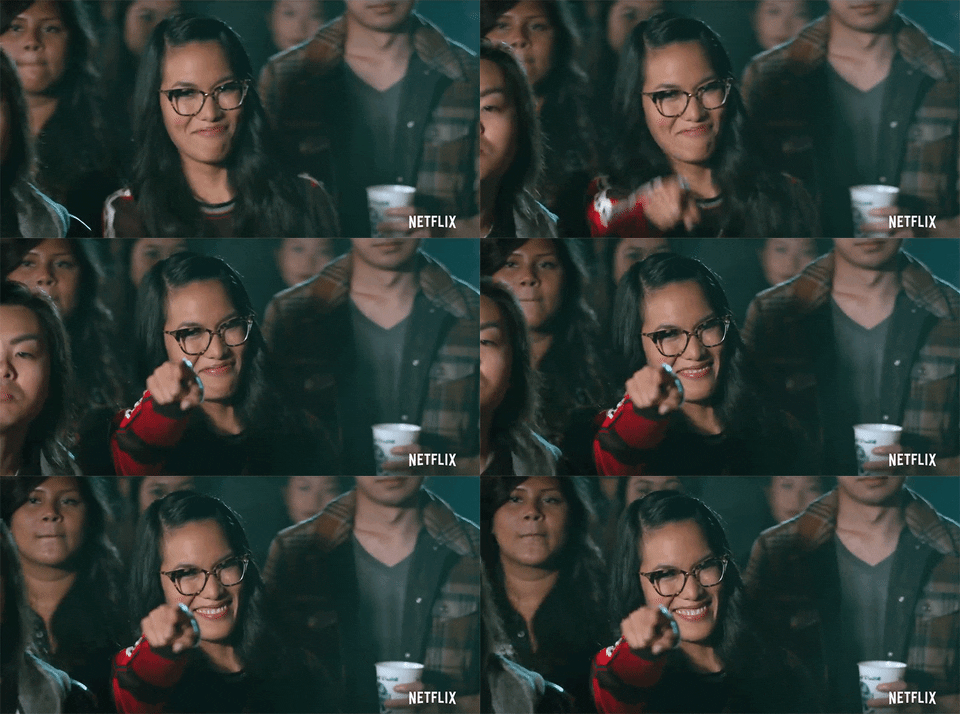
Image description: A scene from Always Be My Maybe, in which the Asian female lead, Ali Wong points to the camera and smiles affectionately.
Recommendations and Resources:
I quoted this article when talking about microaggressions against disabilities: The Experiences of Microaggressions against Women with Visible and Invisible Disabilities. Olkin, R., Hayward, H., Abbene, M. S., & VanHeel, G. (2019). Journal of Social Issues, 75(3), 757–785. https://doi.org/10.1111/josi.12342
How Microagressions are like Mosquito Bites
A Guide to Responding to Microaggressions
University of Washington made these infographicson microaggressions that can be helpful
Office of Equity and Inclusion also helps with civil rights issues including discrimination, harassment, hate and bias
]]>
Image description: shows student, Jane, smiling in front of a UMBC building Positionality Statement: This post is written by Jane DeHitta, an adult learner in her final year at UMBC, who works...
https://womenscenteratumbc.wordpress.com/2021/11/05/microaggressions-an-attack-on-belonging-and-identity-%ef%bf%bc/
https://my3.my.umbc.edu/api/v0/pixel/news/114827/guest@my.umbc.edu/1b448d80b8ed00d45ecd8cb32c1bdff8/api/pixel
activism
asian-and-pacific-islander-american-voices
critical-social-justice
diversity
diversity-and-inclusion-issues
feminism
filipinoamerican
intersectionality
issues
microaggressions
returning-women-students
selfreflection
social-justice
staff
student-life
umbc
umbc-women-who-rock
uncategorized
white-privilege
women
womens-center-staff
Women's, Gender, & Equity Center
https://my3.my.umbc.edu/groups/womenscenter
https://assets2-my.umbc.edu/system/shared/avatars/groups/000/000/125/78272a4842689b30dbf74672182b78f8/xsmall.png?1750974263
https://assets1-my.umbc.edu/system/shared/avatars/groups/000/000/125/78272a4842689b30dbf74672182b78f8/original.png?1750974263
https://assets1-my.umbc.edu/system/shared/avatars/groups/000/000/125/78272a4842689b30dbf74672182b78f8/xxlarge.png?1750974263
https://assets1-my.umbc.edu/system/shared/avatars/groups/000/000/125/78272a4842689b30dbf74672182b78f8/xlarge.png?1750974263
https://assets1-my.umbc.edu/system/shared/avatars/groups/000/000/125/78272a4842689b30dbf74672182b78f8/large.png?1750974263
https://assets2-my.umbc.edu/system/shared/avatars/groups/000/000/125/78272a4842689b30dbf74672182b78f8/medium.png?1750974263
https://assets1-my.umbc.edu/system/shared/avatars/groups/000/000/125/78272a4842689b30dbf74672182b78f8/small.png?1750974263
https://assets2-my.umbc.edu/system/shared/avatars/groups/000/000/125/78272a4842689b30dbf74672182b78f8/xsmall.png?1750974263
https://assets3-my.umbc.edu/system/shared/avatars/groups/000/000/125/78272a4842689b30dbf74672182b78f8/xxsmall.png?1750974263
Women's Center
3
0
false
Fri, 05 Nov 2021 15:13:19 -0400
Fri, 05 Nov 2021 15:13:19 -0400
My Experience as an Undergrad Adult Learner During the Pandemic
This post is written by Sandra (She/Her/Ella pronouns). She is a student staff member and a social work intern completing her field placement at the Women’s Center.
Content Note:This blog post will discuss my personal experience as an adult learner student before and during the current pandemic. The content and images shared may not encompass every adult learner’s student experience.
My experience as an adult learner within the higher education system has been full of challenges. The decision to come back to school to pursue my undergraduate degree was difficult, as I knew that this would mean having to juggle multiple roles and commitments. While attending classes for the past 7 years, I have been working full-time while also managing to maintain a 4.0 GPA as a full-time student.
I have also had to deal with the pressure and obligation of financially supporting myself and my parents. I come from a household that has depended on me since the time I was old enough to apply for a job. On top of the external stressors that have hindered me from graduating within the typical 4 year period, there were also the long hours spent during my weekly commutes from work to class and then back to work. As if it wasn’t bad enough having to deal with the stress from home or school, I also had to worry about getting to class and work on time. My days were split between having to work full-time, commuting for one hour each way to and from school, and trying to manage my workloads for school and work.
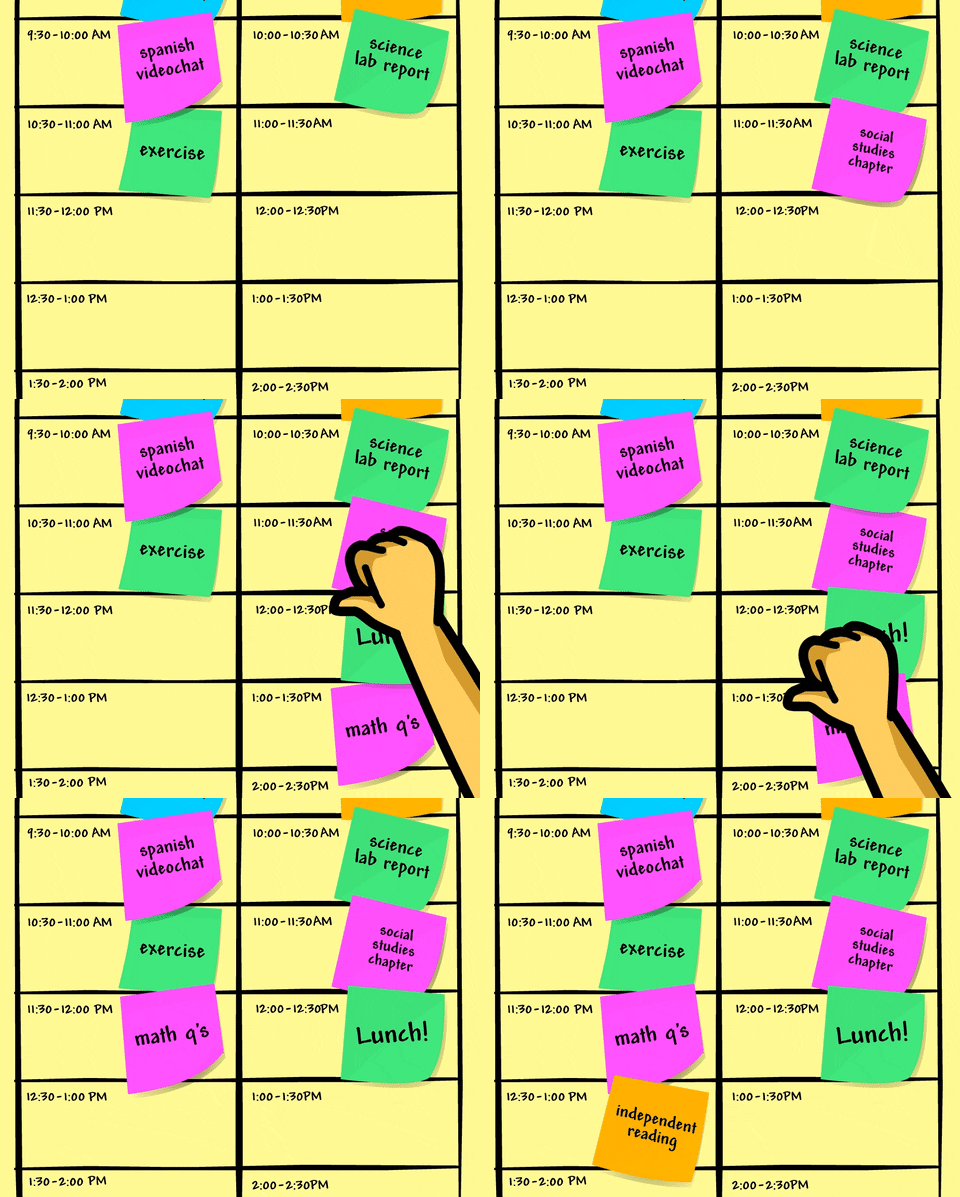
[Image Description: A GYF with a calendar layout showing multiple meeting times. The graphics show a moving hand “posting” multi-color sticky notes with to-do assignments such as “exercise, lunch, science lab report, social students chapter, and Spanish video chat.”]
As I approached my senior year of undergrad, this had become life as I knew it until the COVID-19 pandemic made an abrupt shift throughout the world. It was then that I and every other student at UMBC were required to go from in-person learning to attending school via virtual platforms. This was truly a curveball for my last year as an undergrad as I had grown accustomed to my jam-packed schedule. However, the online environment and accessibility to resources alleviated many of the stressors I was enduring as a student. The ability to maintain a full-time job, be a full-time student and start an internship as a part-time student staff member was all made possible from the comfort of my own home.
Once the transition began, I had more time to work on homework and different professional goals which I hadn’t had the chance to start. The online environment also allowed me to be more involved in campus clubs and join many online community activities. I also had access to my professors, advisor, and other campus resources without having to worry about calling off from work or having to commute for over an hour to campus to meet them.

[Image Description: A photo of a white and grey dog with red sunglasses and a colorful text that reads “READY FOR MY ZOOM CALL”]
It is safe to say that this drastic change from in-person to virtual learning has made life so much easier for me. And as my final year of undergrad comes to an end, I can’t help but think about how much easier my life could have been if only this virtual learning opportunity would have been made available earlier on in my academic career. As an adult learner, I could have truly benefited from completing my program based on the virtual resources and opportunities that were made available this past year. I know I am not alone since more than 40% of adult learners make up for the nation’s college student body. There are roughly 17.3 million undergraduate students, and 31.2% of them identified students between the ages of 25 or older in the US. These are all students, who like me, have to juggle multiple roles and commitments outside of being a student. It should also be considered that the number of adult learners has been and continues to increase.
Adult Learners and Higher Education
Historically, higher education was design for the wealthy, particularly for white cis males. It was not made to accommodate the needs of women, parents, caregivers, immigrant students, students of color, LGBTQIA+ folx, people with disabilities, and people from low-income backgrounds (for a visual representation of these experiences, check out the trailer to Unlikely). In particular, higher education was not created to support the needs of adult learners who are usually parents, caregivers, or those who have to work full/part-time jobs to support themselves and their families. Institutions that do not consider the needs of adult learners and continue to sustain racial and oppressive practices directly affect adult learners who already have difficulties accessing education or complete a 4-year degree.
There are also evident achievement gaps in enrollment and retention for underrepresented student populations in higher ed institutions. Some of the most disproportionately affected groups are women who are adult learners. Most often, these women are parents who are trying to take care of their children while also managing their school/workloads. These are also women who are the sole providers of their families; often overworked and underpaid. Most women, especially women of color, who make up the adult learner population face higher dropout rates, higher rates in student debt, and experience higher levels of stress and anxiety. There is no doubt that women of color and people with marginalized identities are struggling to complete their degrees at higher ed institutions. The pandemic has emphasized the disproportion of resources allotted to adult learners, specifically working women who are seeking to better their home life and careers.
Back to “normal”?
As UMBC transitions back to more in-person classes, I would like to encourage the University to start having conversations centered around adult learners, and other students with different experiences who have benefited from the online environment. This is a conversation many other universities and colleges should be having too!
Although some classes have the option to meet online, most classes and programs at UMBC do not offer this option to students. Parents, caregivers, and students from low-income households would potentially benefit from taking more hybrid and online classes. This is because the traditional “rigid” academic schedule is very difficult for adult learners to balance. The convenience of flexible courses, compressed classes, fully online, or hybrid courses could ultimately help adult learners complete their degrees. In addition, adult learners wouldn’t have to worry about resigning from their jobs to attend school, as adult learners depend on their jobs to support themselves and their families. This would also reduce their transportation expenses as some students have to pay for gas or bus/train fares to travel to school for in-person learning.
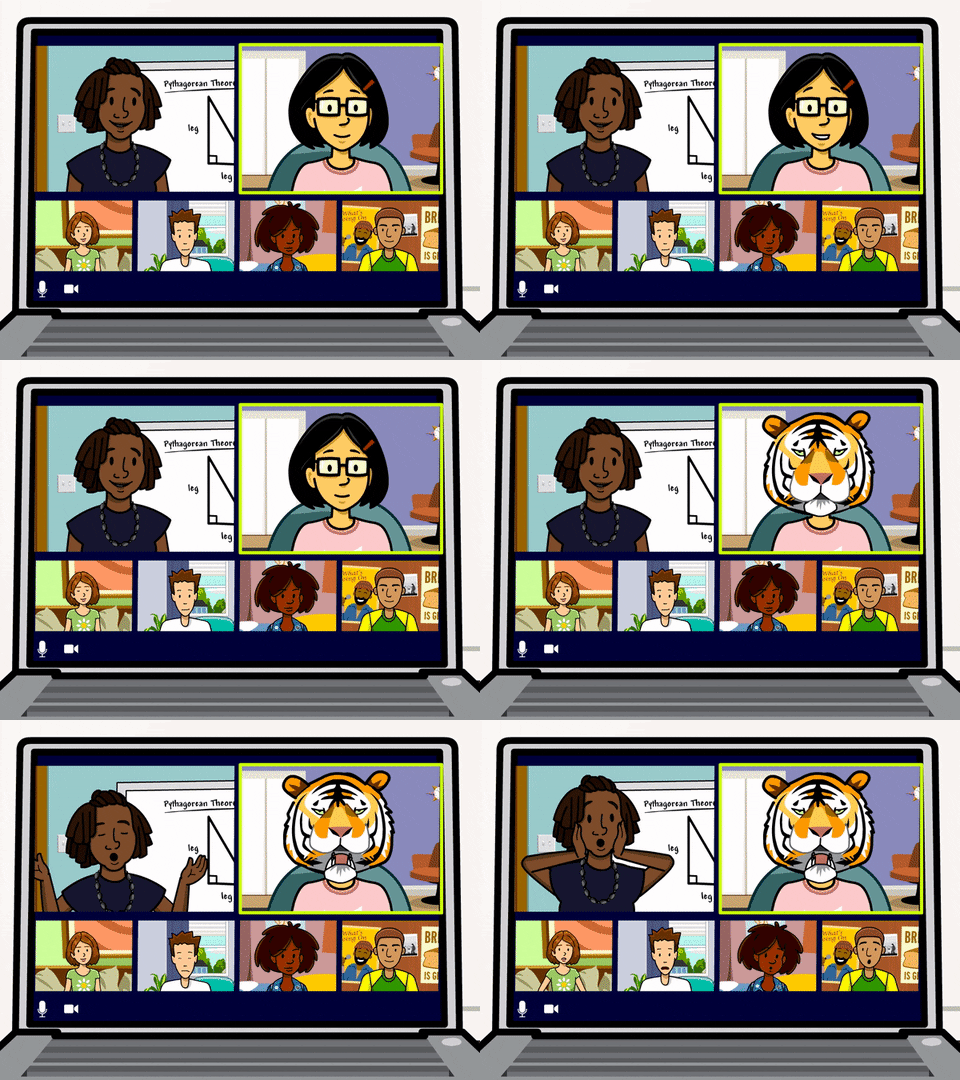
[Image Description: A GYF showing a computer screen with six animated people in an online class. One individual is talking and a tiger filter suddenly appears over her face. Everyone on the virtual call appears shocked.]
It would also be helpful to continue to have virtual office hours, advising appointments, and online events/workshops for students. Belonging to a community that encourages, nurtures, and provides support to adult learners is critical to a student’s overall success. Plus, having the experiences of adult learners also benefits the learning and social experiences of traditionally aged students as well! For virtual learning to thrive and be as successful as it has been this past year, this will need to stay in place.
Overall, the adoption and continuation of the current virtual learning system could greatly benefit higher ed students, specifically many adult learners. Having been an adult learner who was required to meet in person for every class in my program, I can honestly say that I have personally benefited from virtual learning this past year. Truthfully, I believe that if it weren’t for the online classes this year, I would not be graduating this May. In all, my hope moving forward in my academic career is for virtual learning to be incorporated more as we continue to endure and one day overcome our current global health crisis.
Learn More About Other Adult Learners’ Story!
- Read about UMBC’s Returning Women Student Scholars News Article from last year graduating seniors!
- Returning Women’s Student Scholar spotlight, Christin Fagnani! Learn more about her experience as an adult learner on our Instagram and Facebook page.
- Returning Women’s Student Scholar spotlight, Joana Wall! Learn about her story: Instagram and Facebook
- Returning Women’s Student Scholar spotlight, Emma Earnest! Learn more about her experience as an adult learner on our Instagram and Facebook page!
- Returning Women’s Student Scholar spotlight, Christan Wallace. Learn about her story here: Instagram and Facebook posts.
- Returning Women’s Student Scholar spotlight, Lejla Heric-Safadi Instagram and Facebook.
- Returning Women’s Student Scholar Spotlight, Evangeline Kirigua. Learn more about her story here: Instagram and Facebook page!
Available Resources for Adult Learners at UMBC
-
Returning Women’s Student Scholars + Affiliates Program: Returning Women Students Scholarship is to support undergraduate students age 25 and older in the completion of their first bachelor’s degree. In addition to the financial support offered through several different scholarships, the Returning Women Students Scholarships Program run by the Women’s Center provides a scholars community and various other support services and resources for scholarship recipients.
- Login to your MyUMBC account and click ‘FOLLOW’ on the following individual’s group pages to receive all the updates via email. It contains information about how to get connected to different campus resources and information about upcoming events.
-
MyUMBC Women’s Center Group Page:
-
MyUMBC Initiatives for Identity, Inclusion & Belonging (i3b) Group Page:
- MyUMBC First_Gen Group page
References
- https://eab.com/insights/daily-briefing/adult-learner/4-things-adult-learners-need-to-balance-school-and-work/
- https://eab.com/insights/daily-briefing/adult-learner/adult-learners-who-they-are-what-they-want-from-college/
- https://online.maryville.edu/blog/going-back-to-school-statistics/
- https://www.insidehighered.com/advice/2020/10/16/many-people-deny-how-pervasive-racism-higher-ed-and-how-its-often-reproduced
- https://www.aacu.org/aacu-news/newsletter/2019/march/facts-figures
- https://ms-jd.org/blog/article/women-and-higher-education-a-brief-history
- https://fas.columbia.edu/files/fas/content/ASHE%20Higher%20Education%20Report.%20Nov2015%2C%20Vol.%2042%20Issue%201%2C%20p49-71.%2023p.%20.pdf
- https://www.aacu.org/publications-research/periodicals/higher-education-and-equity-historical-narratives-contemporary
- http://www.aacu.org/publications-research/periodicals/research-adult-learners-Supporting-needs-student-population-no
- https://www.investopedia.com/personal-finance/why-american-women-hold-23rd-student-debt/
- https://1gyhoq479ufd3yna29x7ubjn-wpengine.netdna-ssl.com/wp-content/uploads/Women_FR_Web.pdf
- https://www.washingtonpost.com/lifestyle/on-parenting/working-moms-covid-pandemic-jobs/2020/10/29/e76a5ee0-0ef5-11eb-8a35-237ef1eb2ef7_story.html
- https://educationdata.org/college-dropout-rates
- https://www.americanprogress.org/issues/education-postsecondary/reports/2018/05/23/451186/neglected-college-race-gap-racial-disparities-among-college-completers/
- Larsson, A., Hooper, N., Osborne, L. A., Bennett, P., & McHugh, L. (2016). Using brief cognitive restructuring and cognitive diffusion techniques to cope with negative thoughts. Behavior Modification, 40(3), 452–482. https://doi.org/10.1177/0145445515621488
- Ross-Gordon, J. M. (2011). Research on adult learners: Supporting the needs of a student population that is no longer nontraditional. Peer Review, 13(1), 26–29.
]]>
This post is written by Sandra (She/Her/Ella pronouns). She is a student staff member and a social work intern completing her field placement at the Women’s Center. Content Note:This blog...
https://womenscenteratumbc.wordpress.com/2021/05/03/my-experience-as-an-undergrad-adult-learner-during-the-pandemic/
https://my3.my.umbc.edu/api/v0/pixel/news/101452/guest@my.umbc.edu/2c3d87722c61d123f19935b4e02a1e1f/api/pixel
adult-learner
diversity-and-inclusion-issues
higher-ed
intersectionality
issues
online-education
returning-women-students
student-life
uncategorized
Women's, Gender, & Equity Center
https://my3.my.umbc.edu/groups/womenscenter
https://assets2-my.umbc.edu/system/shared/avatars/groups/000/000/125/78272a4842689b30dbf74672182b78f8/xsmall.png?1750974263
https://assets1-my.umbc.edu/system/shared/avatars/groups/000/000/125/78272a4842689b30dbf74672182b78f8/original.png?1750974263
https://assets1-my.umbc.edu/system/shared/avatars/groups/000/000/125/78272a4842689b30dbf74672182b78f8/xxlarge.png?1750974263
https://assets1-my.umbc.edu/system/shared/avatars/groups/000/000/125/78272a4842689b30dbf74672182b78f8/xlarge.png?1750974263
https://assets1-my.umbc.edu/system/shared/avatars/groups/000/000/125/78272a4842689b30dbf74672182b78f8/large.png?1750974263
https://assets2-my.umbc.edu/system/shared/avatars/groups/000/000/125/78272a4842689b30dbf74672182b78f8/medium.png?1750974263
https://assets1-my.umbc.edu/system/shared/avatars/groups/000/000/125/78272a4842689b30dbf74672182b78f8/small.png?1750974263
https://assets2-my.umbc.edu/system/shared/avatars/groups/000/000/125/78272a4842689b30dbf74672182b78f8/xsmall.png?1750974263
https://assets3-my.umbc.edu/system/shared/avatars/groups/000/000/125/78272a4842689b30dbf74672182b78f8/xxsmall.png?1750974263
Women's Center
4
0
false
Mon, 03 May 2021 13:54:47 -0400
Mon, 03 May 2021 13:54:47 -0400
Reflecting on My Nigerian Community: Learning How to Be an Ally to Survivors of Sexual Violence

Arifat (she/her/hers) is a Senior majoring in Social Work and Political Science. She is working in the Women’s Center this year for her social work field placement.
Content Note: This blog is written from my experience as a first-generation immigrant and a Nigerian-American. After reading I encourage to think about your own identities and communities of belonging especially in relation to the experiences of survivors of sexual violence and ways allyship can be cultivated by yourself and others.
When I started my internship at the Women’s Center last August, I did not know what to expect. We were going through a pandemic and I never imagined that I would have to do my social work field placement online. I was scared, uncertain and still adjusting to being in the virtual space. One of my assigned responsibilities was to be a co-facilitator for an online We Believe You discussion group. This is a group for survivors of power-based violence like sexual violence and domestic violence. I felt on unsolid ground as I navigated the unknown going into this experience. I kept asking myself, why couldn’t you have been asked to facilitate a different group? Why did it have to be this one? I was worried about how it would affect me mentally; I was worried about saying or doing the wrong thing; I wanted to help, but I was not familiar with providing support to survivors of sexual violence. Yes, I have had friends share their experiences with me, but in those moments when they shared their stories, I was clueless on how to be there for them. I did not know how to be a safe space or what a safe space meant. Fortunately, as I began my work with survivors, I began to learn.
Photo Credit: Women Center’s at UMBC.
Image Description: This is a Flyer that has varying colors of white pink and blue. The words “We Believe You” is written boldly. While “Discussion group” is written right under and “community building, support + Healing space for survivors” is written under that.
To me holding a safe space for survivors is not just about allowing them to share their stories with you. It is not just about nodding with a sad look on your face, but then acting like they never shared their story with you afterwards (trust me, I have inadvertently done this before!). Sometimes being a safe space is about the little things, like asking if they are comfortable with sharing a potentially triggering post and then accompanying it with a content note; checking up on them during stressful times; listening and believing them; asking them what they need, if they need anything that you are capable and comfortable with providing. It is also about educating yourself. Understanding that sexual violence comes in various forms, and it is does not always include physical violence. Most of all maintaining a safe space even when you assume there are no survivors in the spaces means that you are creating an environment that allows everyone to feel comfortable enough to share their experiences, their stories, and ask for support and help when they need it. Over the course of the past few months I have also realized this requires a brave space which is a framework the Women’s Center uses as a foundation to its programs and space. This means cultivating a space where everyone respects each other’s opinion and are able to challenge themselves or each other. The Women’s Center has a more in-depth outline of what it requires to create a brave space. It does take a tremendous amount of courage to in these spaces.
As someone who comes from a community of Africans and immigrants, it has been extra hard for me to show up for survivors. When talking to my parents’ generation and some of my agemates I have found that victim blaming and abuser enablement is rooted in our culture. As a child I witnessed and heard stories of extended families going to beg a wife and her family to come back to her husband. It did not matter that she left because of abuse. It did not matter that she did not feel safe anymore. All that mattered was that their marriage stayed intact. One can just imagine what the African LGBTQ+ community has to go through. Especially with countries like Nigeria, where homosexuality carries a criminal offense. LGBTQ+ survivors are not acknowledged, and oftentimes ignored when they speak up. Accusations of rape are often met with disbelieve, shame, and victim blaming. Being an ally in the African/Nigerian community means speaking out not only when it impacts you, but every time.
And, let me be clear. These challenges to a survivor-centered belief system is not isolated to only the Nigerian community. If you are from a different community think about what the culture behavior towards survivors looks like; what can you do to lend your voice to people from your community who have been victims of sexual violence. Educate yourself and those around you including family. There is a gap in the research on the prevalence of sexual violence in African immigrant communities, or most minority communities, but we are have the capacity to learn and increase awareness of this as a global issue that affects every culture and ethnicity. So, show up and speak out. Be a safe space for anyone who needs someone to believe in them. Find out about resources around you for survivors. You never know who might need it. If you are not sure where to start, some helpful articles will be attached at the end of this blog.
Photo credit: Marie Claire magazine.
Image Description: The picture focuses on two women standing together. One woman is black, while the other is white. They are both turned a way from the camera, and are facing a crowd of people. The crowd is blurred. A big LGBTQ+ pride flag is draped around both of them, and each person holds a hand flag.
African countries like Nigeria might not have laws and resources that protect survivors or victims of sexual violence and assault, but its immigrant community has the opportunity to do better. It might seem like a losing battle against biased cultural beliefs, but I believe it is a battle that can be won. Being at the Women’s Center has shown me the power in creating awareness. Sometimes all some people need is access to education. April is Sexual Assault Awareness Month, so as this month comes to an end I encourage you to a part of the solution. Consider ways in which intersecting identities inform a survivor’s experience as well. For example, as I referenced earlier, the LGBTQ community is one group that shoulders a disproportionate amount of sexual violence globally. This is a group that most minority cultures fail to acknowledge. So, ask questions of your community; Where do these beliefs come from? How can I be a safe space for people within my community? Whether they identify as LGBTQ+, a survivor, or both there is no better time than now.
Helpful Articles/ blogs:
Archives from the Women’s Center blog by clicking here, and here. You can also check out the virtual Take Back the Night experience.
6 Ways to Support a Survivor of Woman on Woman Sexual Violence
Our Society Divides Sexual Violence Survivors into Good and Bad Categories- And There’s an Oppressive History Behind it.
Nigeria has a Rape Culture too
]]>
Arifat (she/her/hers) is a Senior majoring in Social Work and Political Science. She is working in the Women’s Center this year for her social work field placement. Content Note: This blog...
https://womenscenteratumbc.wordpress.com/2021/04/30/reflecting-on-my-nigerian-community-learning-how-to-be-an-ally-to-survivors-of-sexual-violence/
https://my3.my.umbc.edu/api/v0/pixel/news/101419/guest@my.umbc.edu/a064925a925d450779c0d9a7b24c96db/api/pixel
black-lives-matter
black-voices
black-women
critical-social-justice
diversity-and-inclusion-issues
feminism
immigrant-survivors
intersectionality
lgbtq
nigerian
sexual-assault-awareness-month
sexual-violence
survivors-of-sexual-violence
Women's, Gender, & Equity Center
https://my3.my.umbc.edu/groups/womenscenter
https://assets2-my.umbc.edu/system/shared/avatars/groups/000/000/125/78272a4842689b30dbf74672182b78f8/xsmall.png?1750974263
https://assets1-my.umbc.edu/system/shared/avatars/groups/000/000/125/78272a4842689b30dbf74672182b78f8/original.png?1750974263
https://assets1-my.umbc.edu/system/shared/avatars/groups/000/000/125/78272a4842689b30dbf74672182b78f8/xxlarge.png?1750974263
https://assets1-my.umbc.edu/system/shared/avatars/groups/000/000/125/78272a4842689b30dbf74672182b78f8/xlarge.png?1750974263
https://assets1-my.umbc.edu/system/shared/avatars/groups/000/000/125/78272a4842689b30dbf74672182b78f8/large.png?1750974263
https://assets2-my.umbc.edu/system/shared/avatars/groups/000/000/125/78272a4842689b30dbf74672182b78f8/medium.png?1750974263
https://assets1-my.umbc.edu/system/shared/avatars/groups/000/000/125/78272a4842689b30dbf74672182b78f8/small.png?1750974263
https://assets2-my.umbc.edu/system/shared/avatars/groups/000/000/125/78272a4842689b30dbf74672182b78f8/xsmall.png?1750974263
https://assets3-my.umbc.edu/system/shared/avatars/groups/000/000/125/78272a4842689b30dbf74672182b78f8/xxsmall.png?1750974263
Women's Center
5
0
false
Fri, 30 Apr 2021 14:23:28 -0400
Fri, 30 Apr 2021 14:23:28 -0400
Burnt out? Me too.
Amelia Meman, GWST ’15, is the Assistant Director of the Women’s Center. Amelia uses they/them and she/her pronouns.
Burnt out? Me too.
This is not a new feeling for me. I have gotten to this same point during other parts of my academic and now professional career. This apex where I thought that if I was able to give it enough gas, stomp on the accelerator, and shut my eyes I could sail across the swiftly oncoming ravine.

This is how I would like to navigate burnout. Goodbye, plebeian worries!
[Image description: a GIF from the movie Grease wherein main characters Sandy and Danny drive off into the sky in a red convertible. Sandy turns back to wave goodbye to the crowd.]
Let me tell you… I’ve never been able to sail over the ravine.

This is me. [Image description: a GIF of a small green car spinning out and finally falling off a small cliff.]
Burn out is unavoidable sometimes. Especially when we do not give ourselves the time and space to feel what we need to feel. It can come along for anyone doing anything. Maybe you don’t have the best apartment for experiencing alone time. Maybe you have way too many things going on between teaching your kids and managing online classes.
In my case, I just work. I work and work and work. My ridiculous proclivity for work inspired Rihanna’s classic. No joke! (I’m lying.)
I work because I really love my job and I feel a great sense of joy from having a purpose. I also work, because it’s my way of exerting control–and when you’re in a pandemic that has no end in sight, you crave a sense of control. So for this latest trip to Burnout Town, I have pushed aside my feelings and any sense of personal boundaries, so that I could focus on getting tasks and projects finished.
I’m going to be using this ongoing metaphor of traveling on a road trip, so back to me in my car on a cliff: I pushed my car to its zenith mechanically and I also got a little (or maybe a lot) lost. The road was bumpy and dust was flying everywhere. The steering wheel was vibrating and I don’t remember when I last refueled, but all I wanted to do was get out of the rough patch we call Burnout Town by rocketing over the oncoming gulch.
And now here I am, relating to you how to navigate Burnout Town, because I’m here now and it’s as crummy as the reviews it’s received on Yelp.
Maybe you’re predisposed to burnout?
Before I get into the roadmap, this wouldn’t be a Women’s Center blog if I didn’t also mention how identity connects to burnout. Recently, I attended a presentation about the impact of COVID-19 on women in higher education. Needless to say, the numbers are fairly depressing, but they’re important to witness, because there is a sharp divide along gender lines and along racial lines (and disability lines and class lines, etc.).
The people who are doing both their professional work and family work are most often women. The people who feel most exhausted/overwhelmed are most often women. The people who are, in addition to working or searching for work, looking after children or elderly family members are, you guessed it, most often women.
Ultimately, women are predisposed to burn out.
And people with other marginalized identities are similarly situated. For example, women might bear the weight of stressors disproportionately to men, but when we dissect groups of women by race, we see that stressors are also disproportionately carried by women of color–especially Black women.
Some might recall Sheryl Sandberg’s pop feminist concept of “lean in,” wherein, if you are a powerful woman at the top of your game, the feminist thing to do is to lean in and empower the other women around you rather than succumbing to the whitecisheterocapitalist competitive individuality that is typically ingrained in our definitions of success. What isn’t talked about is how white women frequently lean ON women of color for their social, emotional support.
I appreciate what Loretta Ross said when she spoke out against racist/sexist stereotypes via the Women’s Center’s Telling Our Stories campaign; she said, “I am not your Tit,” which is to say: “I am not the person you can come to when you need to be nurtured, babied, supported unconditionally,” because as a Black woman, Loretta Ross doesn’t owe anyone that access to her energy, body, and psyche. Especially considering the long history of Black women being exploited as caretakers and caricatured as such (see “I am not your nice Mammy” by Cheryl Thomson).

Loretta Ross’s Telling Our Stories poster. [Image description: a graphic poster in yellow and navy blue. Top text reads “Women of Color: Telling Our Stories.” Below a cut out image of a Black woman wearing a bright red dress and red patterned vest is smiling. Next to her image reads, “My name is Loretta and I’m not your Tit.”]
It’s not just annoyance or an unwillingness to get things done that makes stress such an issue for women and other minoritized folks: it’s really that consistently high levels of stress are deadly.
Stress is killing marginalized people
First, I should name that I am operating from the assumption that those with target identities face more stress than those with agent identities. The sociological concept that I am referring to here is called “minority stress theory,” which posits that minorities experience heightened amounts of stressors by virtue of living in a systemically oppressive society.
When we think about stress and where it lives in the body, I think many folks would locate stress in our minds. Stress, for us, is that little (or big) voice that tugs at your mind saying, “Hey, loser. Heads up: you have a huge project due tomorrow, you need to buy groceries, and all of your pandemic plants are dying!” In reality, though, everything is connected and stress manifests throughout a body. When we take in stressful inputs, or “stressors,” we might be thinking about a lot of things but we also might feel our heart rate go up, our breath catch more often, or our insomnia gets the best of us. Stressors impacting a body might also cause our necks and shoulders to get stiff with tension, as well as strengthen the headache making its way around your skull.
Ultimately, stress has inextricably holistic effects and at high, prolonged levels, the effects of stress add up. In a 2007 article on the connections between racial bias and health outcomes, a team of scholars (Ahmed, Mohammed, and Williams) synthesized the many patterns and trends to form the conclusion that bias is not just a social and political issue, but a public health issue. This is an excerpt from the Ahmed, et al. paper that outlines the pathways from racial bias incident to adverse health outcomes (the figure below visualizes this relationship):
Allostasis is the body’s ability to maintain homeostasis and to adapt to stressful events by appropriately activating the neuroendocrine, autonomic, and immune systems, and then to return to the basal state when the stressful event is past. While allostasis is adaptive in the short term, the cumulative burden of cycles of allostasis in response to repeated or chronic stress can be damaging and lead to multiple disease states. The concept of “allostatic load” refers to the cumulative wear and tear that the body experiences on these multiple regulatory systems as a result of repeated cycles of allostasis as well as the inefficient regulation of these cycles… High allostatic load is associated with the metabolic syndrome, and predicts mortality, cardiovascular disease incidence, and decline in cognitive and physical function.
Williams, D. R., & Mohammed, S. A. (2009). Discrimination and Racial Disparities in Health: Evidence and Needed Research. Journal of Behavioral Medicine , 32, 20-47.
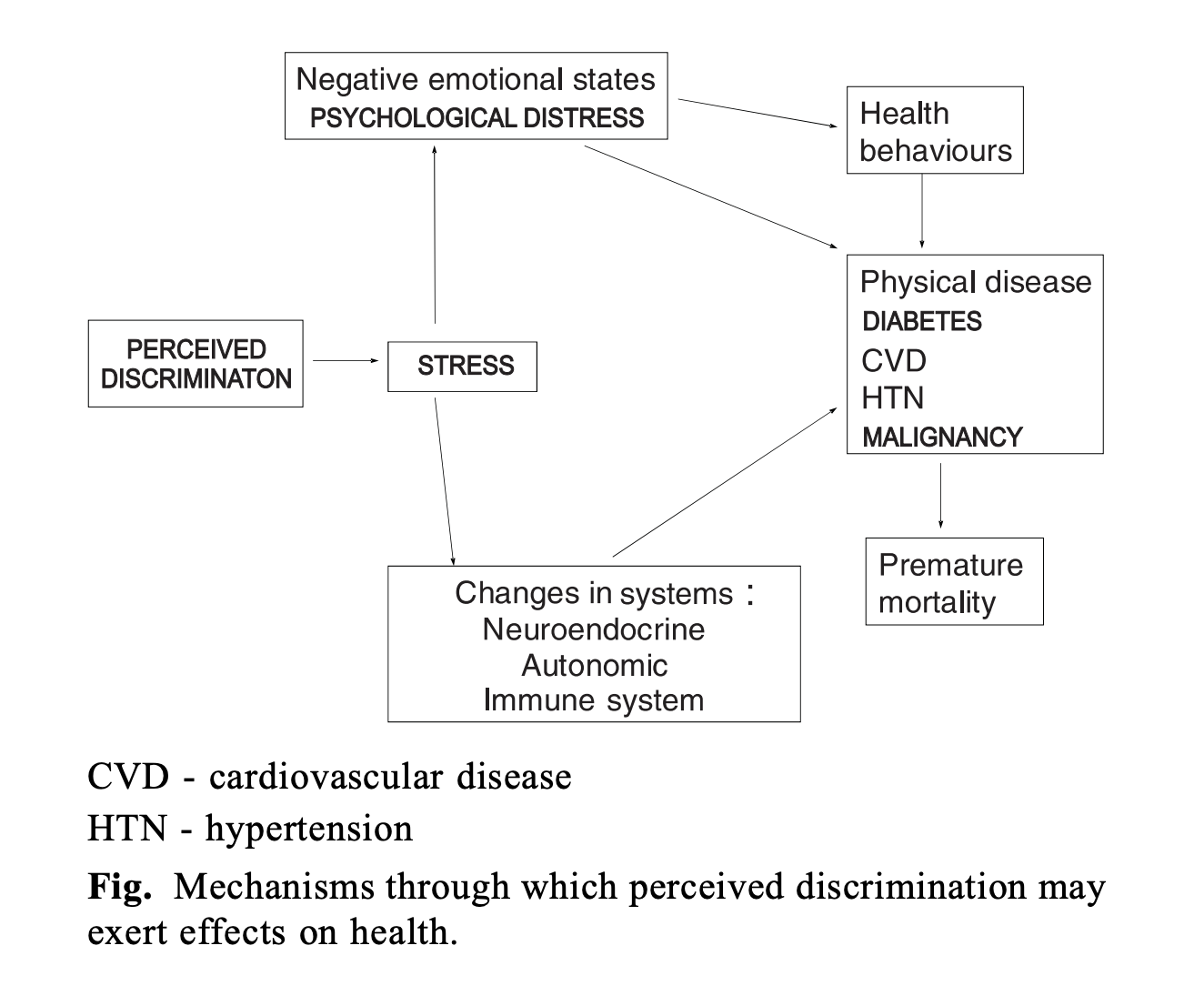 Figure from Williams and Mohammed (2009). [Image description: a diagram describing the relationship between bias-based stressors and physical diseases.]
I don’t share this information with the intention of being a harbinger of death nor am I trying to scare everyone into therapy. I talk about this stuff because it not only puts into perspective the vast importance of mental health and wellbeing but also the ways in which oppression impacts a body at a biological level. Burnout and stress and anxiety and depression are social justice issues, because we live in a socially unjust world–so in doing this critical social justice work, we need to continue to center the oppressed and bring an intentional, critical awareness to the fact that being well and surviving burnout hinges on being able to survive constant systemic violence.
Roadmap through Burnout Town
Okay, so enough with my TED Talk, you’ve reached the point where we can roll up our sleeves and return to this grand road trip metaphor I teased at the beginning of this blog. Let’s put the pedal to the metal… or… actually…
STEP 1: Notice where you are, how you are feeling
I didn’t know I was going to rely so heavily on John Travolta for this blog, but here we are. [Image description: a GIF of John Travolta a la
Pulp Fiction looking around as if he is lost. He is superimposed over a browser window that reads, “Unable to connect to the Internet.]
Burnout, for me, often exists in tension with my own sense of perfectionism and anxiety. This is to the point that I often don’t notice how I’m feeling until I’m crashing. You might do this, too: At noon, I promise myself that if I just get my inbox down to zero, I’ll be able to get up from my computer and eat my lunch. Cut to 3:58 pm where I am bent over my keyboard and finalizing the last reply to an email and feeling mighty resentful that I have a meeting from 4 to 5, and my lunch is still in the office fridge.
It’s really hard to know when to stop.
Beyond the fact that we live in a Western, capitalist society that places value in the white knuckle pluck it takes to do the impossible–we’re just not always tuned into our bodies. That’s why this first step is the hardest because we have to learn what burnout feels like in our bodies and when to take notice.
I am by no means perfect at this, but some things that have helped me come into a more compassionate awareness of my body and my feelings are things like mindfulness and grounding activities. I’m particularly fond of the “body scan,” which asks you to check in with each part of your body to see how you’re doing.
There are a lot of grounding techniques and they’re all a little bit different, so if you haven’t found the one that resonates with you, fear not. Experiment and enjoy the process of finding what works for you.
STEP 2: Pull off the road and put the car in park

This is me. [Image description: a GIF of a child getting frustrated and repeatedly asking a person moving around in front of them to stop.]
Okay, so you’ve identified that something feels wrong and you’ve stopped your car. AWESOME! I mean, not awesome that something is wrong, but… well, you know.
If it feels weird for me to celebrate your having to stop what you’re doing due to burnout, I want to be sorry, but I’m not. Here’s my thing: we don’t applaud saying “no” enough.
Saying “no” is boundary-making/-maintaining and it’s critical to protecting your energy. Some may react to your boundaries with negativity. The classic, “What is wrong with you? Why don’t you want to come with me to the Chipotle grand opening?” But when you make the decision to stop because you’re being compassionate toward yourself, it’s the next step in working through the burnout.
I don’t have much advice to share with you on this (other than to celebrate people’s “no” moments more often), but remember that even when you stop, it doesn’t mean you’re stopping for forever. It doesn’t even have to mean you’re stopping for the day. It just means you are striving to be present with yourself and that is a really good thing.
STEP 3: Take your time in running diagnostics and ask for help if you need it
Process, process, process. Lots of mental health professionals (including my therapists) will ask if you’ve processed these emotions–but what the heck does that mean? Well, I’ll tell you!
Processing emotion is.
It just is. We’re doing it all the time, we just don’t know it until we have some big bad emotion we don’t want to feel. We might be processing joy as we watch our kid giggle at something mundane. We might be processing anger as we get cut off by someone driving erratically. The process is the doing and emotion is always going through you.
But if you’re having trouble, start with noticing what’s happening in your body. For example, let’s try right now: take a breath and scan throughout your body; are your feet on the ground flat or are they bouncing? Are your shoulders up near your ears or are they drawn down? Do you feel more weight on one side of your body than another? Are your eyelids feeling heavy?
When we check in with our body, we can usually get a better idea of what’s happening. If your all tensed up around your shoulders and gritting your teeth, you might be angry. If you’re stomach hurts and your breathing a little heavier, you’re probably nervous. There’s a whole science to this “emotional sensations” stuff:
And yeah, maybe you already knew that tears coming out of your eyes meant that you were feeling sad, fair enough, but the next step of understanding your emotions is to work through it. You can do so by talking it out, writing about it, doing some movement-based thing like dancing or walking, hugging a loved one for a long time. There are a whole bunch of things that you can do to work through your emotions.
But what I really want to point out is that, foundationally, “processing emotion” is just feeling emotions. It’s not about expelling them, wringing them out of our bodies, or fixing our brains. Feelings are normal and valid and important–and try as we might, we cannot escape them, so we better get comfortable with having them along for the ride.
STEP 4: Get back in the car, and go where you need to go whether that’s a rest stop, the McDonalds drive-thru, your grandma’s house, or a gas station
 From Kate Allan (Instagram: @TheLatestKate). [Image description: a comic of a kiwi bird. The panels read, “A bit lost, over-tired, crying a lot, and handlin it.”]
Once you’ve done your body scan and taken the time to identify the emotion(s) or stressors that are impacting you, go take care of yourself. I know I just said this piece can be as simple as taking a walk, but there is a little more maintenance and intentionality involved.
You have to actually slow down and make a plan to get better. For me, that sometimes just means blocking off time in my calendar for human moments like going to the bathroom, eating my lunch, or talking to a friend (usually not all three at once, though). For others, maintenance might be finding a therapist, taking a nap, or finally making the doctor’s appointment you need to make. Regardless of what it is, make a plan to do it and then… do it.
Follow through with your care plans and maintain their value. Others might question your priorities or consider it too “woo” to take a 10 minute meditation break–but their judgment isn’t helping you feel better so why listen to it?
I also understand that not everyone has understanding bosses or even the private space to meditate–and that’s why it’s important to create a plan that takes into consideration access, compatibility, and any communication that needs to happen beforehand. Normalize burnout, anxiety, depression, etc. Normalize the need to take time for yourself and to be curious about your healing journey. You’re worth it.
STEP 5: Know that it’s okay to get lost
I’m ending this blog here, with the sentiment that it’s okay to get lost. It’s okay to be burnt out. It’s okay to discover your rock bottom. It’s okay that this is hard freaking work. We’re in a pandemic, for goodness sake; and COVID-19 is not a scapegoat. It’s genuinely a massive shift to the gravity of our lives.
And regardless of worldwide killer viruses, our lives are always complex. Burnout is just another means to learn more about our bodies, emotions, and human needs. Getting lost is just another form of discovery.
Burnout, stress, emotional angst–it’s real, it happens, and the important thing to know is that:
- this is temporary
- you’re not alone
- it’s not over, and
- getting lost is sometimes part of the journey.
Regardless of where you are, you can find yourself.
So even if you’re gunning the engine to get over the cliff or beyond the next highway or just out of this weird muddy rut, you can still slow down. Pull over. Take a beat to look up and be curious about the resilience of stars. Be in awe of the innumerable possibilities of where a breath can take you next. You got this.
 A post from Seerut K. Chawla (Instagram/Twitter: @SeerutKChawla). [Image description: a tweet reading, “Let it be is such an underrated intervention. Everything does not need to be dissected or analysed. It’s okay to allow thoughts, feelings, reactions, sensations, to arise and let them run their own course. Name them if you want to. Let them be. And carry on living your life.” ]
]]>
Amelia Meman, GWST ’15, is the Assistant Director of the Women’s Center. Amelia uses they/them and she/her pronouns. Burnt out? Me too. This is not a new feeling for me. I have gotten...
https://womenscenteratumbc.wordpress.com/2020/11/04/burnt-out-me-too/
https://my3.my.umbc.edu/api/v0/pixel/news/97203/guest@my.umbc.edu/707e6ee4917f12fc5c6d731cbe1aca51/api/pixel
anxiety
burnout
diversity-and-inclusion-issues
emotions
grounding
health-disparities
intersectionality
issues
mental-health
minorities
recovery
stress
therapeutic
therapy
uncategorized
Women's, Gender, & Equity Center
https://my3.my.umbc.edu/groups/womenscenter
https://assets2-my.umbc.edu/system/shared/avatars/groups/000/000/125/78272a4842689b30dbf74672182b78f8/xsmall.png?1750974263
https://assets1-my.umbc.edu/system/shared/avatars/groups/000/000/125/78272a4842689b30dbf74672182b78f8/original.png?1750974263
https://assets1-my.umbc.edu/system/shared/avatars/groups/000/000/125/78272a4842689b30dbf74672182b78f8/xxlarge.png?1750974263
https://assets1-my.umbc.edu/system/shared/avatars/groups/000/000/125/78272a4842689b30dbf74672182b78f8/xlarge.png?1750974263
https://assets1-my.umbc.edu/system/shared/avatars/groups/000/000/125/78272a4842689b30dbf74672182b78f8/large.png?1750974263
https://assets2-my.umbc.edu/system/shared/avatars/groups/000/000/125/78272a4842689b30dbf74672182b78f8/medium.png?1750974263
https://assets1-my.umbc.edu/system/shared/avatars/groups/000/000/125/78272a4842689b30dbf74672182b78f8/small.png?1750974263
https://assets2-my.umbc.edu/system/shared/avatars/groups/000/000/125/78272a4842689b30dbf74672182b78f8/xsmall.png?1750974263
https://assets3-my.umbc.edu/system/shared/avatars/groups/000/000/125/78272a4842689b30dbf74672182b78f8/xxsmall.png?1750974263
Women's Center
6
0
false
Wed, 04 Nov 2020 14:46:07 -0500
Wed, 04 Nov 2020 14:46:07 -0500
Land recognition & decolonizing UMBC
A post from Seerut K. Chawla (Instagram/Twitter: @SeerutKChawla). [Image description: a tweet reading, “Let it be is such an underrated intervention. Everything does not need to be dissected or analysed. It’s okay to allow thoughts, feelings, reactions, sensations, to arise and let them run their own course. Name them if you want to. Let them be. And carry on living your life.” ]
]]>
Amelia Meman, GWST ’15, is the Assistant Director of the Women’s Center. Amelia uses they/them and she/her pronouns. Burnt out? Me too. This is not a new feeling for me. I have gotten...
https://womenscenteratumbc.wordpress.com/2020/11/04/burnt-out-me-too/
https://my3.my.umbc.edu/api/v0/pixel/news/97203/guest@my.umbc.edu/707e6ee4917f12fc5c6d731cbe1aca51/api/pixel
anxiety
burnout
diversity-and-inclusion-issues
emotions
grounding
health-disparities
intersectionality
issues
mental-health
minorities
recovery
stress
therapeutic
therapy
uncategorized
Women's, Gender, & Equity Center
https://my3.my.umbc.edu/groups/womenscenter
https://assets2-my.umbc.edu/system/shared/avatars/groups/000/000/125/78272a4842689b30dbf74672182b78f8/xsmall.png?1750974263
https://assets1-my.umbc.edu/system/shared/avatars/groups/000/000/125/78272a4842689b30dbf74672182b78f8/original.png?1750974263
https://assets1-my.umbc.edu/system/shared/avatars/groups/000/000/125/78272a4842689b30dbf74672182b78f8/xxlarge.png?1750974263
https://assets1-my.umbc.edu/system/shared/avatars/groups/000/000/125/78272a4842689b30dbf74672182b78f8/xlarge.png?1750974263
https://assets1-my.umbc.edu/system/shared/avatars/groups/000/000/125/78272a4842689b30dbf74672182b78f8/large.png?1750974263
https://assets2-my.umbc.edu/system/shared/avatars/groups/000/000/125/78272a4842689b30dbf74672182b78f8/medium.png?1750974263
https://assets1-my.umbc.edu/system/shared/avatars/groups/000/000/125/78272a4842689b30dbf74672182b78f8/small.png?1750974263
https://assets2-my.umbc.edu/system/shared/avatars/groups/000/000/125/78272a4842689b30dbf74672182b78f8/xsmall.png?1750974263
https://assets3-my.umbc.edu/system/shared/avatars/groups/000/000/125/78272a4842689b30dbf74672182b78f8/xxsmall.png?1750974263
Women's Center
6
0
false
Wed, 04 Nov 2020 14:46:07 -0500
Wed, 04 Nov 2020 14:46:07 -0500
Land recognition & decolonizing UMBC
This blogpost was a collaborative effort between all members of the Women’s Center staff team. A majority of this post was written by student staff members.
Today is Indigenous People’s Day. Some may continue to claim this as “Columbus Day” but to celebrate Columbus is to celebrate colonialism, mass genocide, racism, and the (both historic and modern) oppression of Native Americans and all of the indigenous people.

To honor Indigenous People’s Day and the community it centers, the Women’s Center is sharing how we try to honor and acknowledge the Indigenous roots of our area, the land that UMBC occupies, as well as the long history of universities benefitting from the violent seizure of Native lands.
In doing so, we would like to start by sharing the land recognition statement that we use (with thank yous to the Office of Equity and Inclusion, Dresher Center, and Dr. Ashley Minner from American Studies for sharing the newly official* land recognition statement with us, as well):
UMBC was established upon the land of the Piscataway and Susquehannock peoples. Susquehannocks ceded this land and, over time, citizens of many more Indigenous nations have come to reside in this region.
For those residing in the area: this is not our land; we occupy it. Colonialism has long undergirded systemic violence faced by Black, Indigenous, and other communities of color.
We humbly offer our respects to all past, present, and future indigenous people connected to this place.
*as this blog was being written, UMBC released an official land recognition statement that is linked here
Full disclosure: as the Women’s Center has learned more about Indigenous peoples, our land recognition statement evolves. We also recognize that a simple statement is not enough. Land recognition can simply be a performative step of solidarity, so that is why we seek to learn and build on this work. And also why we hope you’ll read on.
What is land recognition and why is it important?
A land recognition is a formal statement that recognizes and respects Indigenous Peoples as the traditional stewards of a region. It recognizes the enduring relationship that exists between Indigenous people and their traditional territories.
Recognizing the land where we reside is an expression of gratitude and appreciation to those whose territory you reside on. It’s a process of honoring the Indigenous people who have been living and working on the land from time immemorial (in spite of the notion that Indigenous people are a purely historical population/that Native Americans “don’t exist”). Land recognition is also a way of respecting Indigenous people’s inherent kinship beliefs when it comes to the land as these beliefs were restricted and stigmatized for so long.
Ultimately, land recognition is a process of:
- addressing invisibility
- honoring Indigenous peoples
- raising critical consciousness
- building affinity to create alliances
How have universities benefitted from the expulsion and exploitation of Indigenous peoples?
In order to explain how specifically universities have benefitted from colonialism, we look to the 19th century and the oft lionized President Abraham Lincoln. In 1862, Lincoln signed the Morrill Act, which freely distributed “public domain lands” (scare quotes explained below) to universities as seed capital for the creation of “land-grant universities” or LGUs (more appropriately called, “land-GRAB universities”). These lands then raised funds for fledgling colleges, or LGUs, across the nation. The land gifted through the Morrill Act was land seized or ceded by Native Americans to the US government. Although many treaties were created in order to legally and officially exchange land ownership, almost all of these treaties were products of coercion and exploitation of the continued systemic degradation of Indigenous people.
 Text from Morrill Act and data from LandGrabU.org
Once the government gifted these land parcels to institutions of higher education, the lands were then either sold to speculators to generate university endowments or universities became speculators themselves on the lands given to them.
All told, the land-grabs, when adjusted for inflation, were worth about half a billion dollars.
Robert Lee and Tristan Ahtone, “Land-Grab Universities,” High Country News (2020)
In other words, it’s not enough to recognize the land that universities are built on; we must also recognize the land from which universities build a significant profit. In fact, the grants were as big or bigger than major cities, and were often located hundreds or even thousands of miles away from their beneficiaries (this is exemplified by our very own University of Maryland; more below).
Campuses in the US are inherently built on stolen land, but they are also built by stolen land.
To see how your college or university directly benefits from land grabs, you can see Robert Lee and Tristan Ahtone’s interactive map of the United States and the way the Morrill Act parceled away Indigenous lands.
A university to highlight (in the case of the University System of Maryland) would be the University of Maryland, which, as you can see via Lee and Ahtone’s data, benefitted from 1,456 Indigenous land parcels across the US totaling 202,971 acres.
It can be difficult to imagine how big that much land is, so in terms universities might particularly appreciate that’s:
- 156,132 football fields
- 37,587 Capital One Fields (with a combined capacity of 37,587,222 people social distancing at 5 square feet)
- 152 UMD College Park campuses
- 406 UMBC campuses
- 3.5 Baltimores
Tribal nations who originated on this violently ceded land include the Chippewa, Ottawa, Kansas, Great and Little Osage, Oto, Missouri, Sioux (Wahpeton and Sisseton Band), Sioux (Medewakanton and Wahpekuta), Chippewa of the Mississippi and Lake Superior, and the Omaha.
Are land recognitions enough?
No.
As we said at the top, land recognition, if not backed by research and a commitment to learning, is performative activism at best. So… what can we do?
Well, we can’t fix the history of land-grab universities. Unless we not only give back stolen land (land which is now used for grocery stores, gas stations, warehouses, entire neighborhoods, baseball stadiums, and cemeteries among other things), but commit to reparations, we can’t fix anything. As Dr. Cutcha Risling Baldy is quoted: “The more work that we do with decolonization and reconciliation, the more you start to realize there is no reconciliation without the return of stolen land.”
The more work that we do with decolonization and reconciliation, the more you start to realize there is no reconciliation without the return of stolen land.
Dr. Cutcha Risling Baldy
The first step to doing better, is by acknowledging and understanding this history. This is a teeny tiny step, but it’s a step. The information above is by no means complete and it is also mostly from the two-year reporting of Robert Lee and Tristan Ahtone of High Country News. You should read the full article here.
Beyond reading and learning (many more resources below), the Women’s Center student staff has also generated some good ideas that we’re ready and willing to share.
Suggestions for going beyond land recognitions
For UMBC in particular:
- Conduct outreach toward the Piscataway Conoy tribe through their Tribal Council and discuss how to make a more readily available path to higher education for those who we owe our campus to
- More research on UMBC’s Indigenous student populations, especially in differentiating American Indian and Alaskan Native (AIAN), Native Hawaiian and Pacific Islander (NHPI), and other Indigenous students
- Address the alienation Indigenous students may feel rather than simply asking them to participate in “diversity” initiatives.
- Implement a Land Recognition policy for all school-funded events
- Include a Land Recognition on all UMBC affiliated websites (we are one step closer as of today with an official UMBC land recognition statement)
- Whenever possible, discuss how programming, curriculum may relate to Indigenous people and their history and interests
- Structure classes to allow students to explore non-normative pedagogies such as those informed by Indigenous cultures and scholars
- Redirect profits made from Indigenous land to supporting the education of indigenous students
- Going beyond awareness of the injustice and actually doing work to challenge the injustice. This means working with the Piscataway Conoy Tribal Council to understand their specific wishes on this.
- Work with offices like Initiatives for Identity, Inclusion, and Belonging (I3B) and/or the Office of Equity and Inclusion (OEI) to create intentional space for Indigenous identifying students on UMBC’s campus
- Support, amplify, and create platforms for Indigenous voices
- Create large-scale events, campaigns celebrating Indigenous People’s Day
- Highlight and encourage research that identifies the inequities Indigenous students face

Generally speaking
- Research! Get your stories from Indian Country Today, High Country News, Native Lens, or other Indigenous media platforms
-
Learn about Indigenous studies through more than just a historical lens
- Whenever possible, discuss how programming, curriculum may relate to Indigenous people and their history and interests
- Structure classes to allow students to explore non-canonical pedagogies such as those informed by Indigenous cultures and scholars
- Redirect profits made from Indigenous land to supporting the education of indigenous students
- Ask Indigenous students what they need to be best supported
- Create more programming that specifically centers Indigineity
- Support Indigenous organizations by donating your time and/or money
- Support Indigenous-led grassroots change movements and campaigns
- Commit to returning land (local, state, federal governments around the world are currently returning land to Indigenous people)
- Support, amplify, and create platforms for Indigenous voices
- Create large-scale events, campaigns celebrating events like Indigenous People’s Day and National Native American Heritage Month (coming in November!!)
Resources:
]]>
This blogpost was a collaborative effort between all members of the Women’s Center staff team. A majority of this post was written by student staff members. Today is Indigenous People’s Day....
https://womenscenteratumbc.wordpress.com/2020/10/12/land-recognition-decolonizing-umbc/
https://my3.my.umbc.edu/api/v0/pixel/news/96574/guest@my.umbc.edu/1115be60e8c4b94de22151fac10eb638/api/pixel
decolonizing
diversity-and-inclusion-issues
higher-ed
indigenous
indigenous-people-and-039-s-day
intersectionality
land-acknowledgement
land-grab
land-grant-universities
land-recognition
morrill-act
native
uncategorized
Women's, Gender, & Equity Center
https://my3.my.umbc.edu/groups/womenscenter
https://assets2-my.umbc.edu/system/shared/avatars/groups/000/000/125/78272a4842689b30dbf74672182b78f8/xsmall.png?1750974263
https://assets1-my.umbc.edu/system/shared/avatars/groups/000/000/125/78272a4842689b30dbf74672182b78f8/original.png?1750974263
https://assets1-my.umbc.edu/system/shared/avatars/groups/000/000/125/78272a4842689b30dbf74672182b78f8/xxlarge.png?1750974263
https://assets1-my.umbc.edu/system/shared/avatars/groups/000/000/125/78272a4842689b30dbf74672182b78f8/xlarge.png?1750974263
https://assets1-my.umbc.edu/system/shared/avatars/groups/000/000/125/78272a4842689b30dbf74672182b78f8/large.png?1750974263
https://assets2-my.umbc.edu/system/shared/avatars/groups/000/000/125/78272a4842689b30dbf74672182b78f8/medium.png?1750974263
https://assets1-my.umbc.edu/system/shared/avatars/groups/000/000/125/78272a4842689b30dbf74672182b78f8/small.png?1750974263
https://assets2-my.umbc.edu/system/shared/avatars/groups/000/000/125/78272a4842689b30dbf74672182b78f8/xsmall.png?1750974263
https://assets3-my.umbc.edu/system/shared/avatars/groups/000/000/125/78272a4842689b30dbf74672182b78f8/xxsmall.png?1750974263
Women's Center
8
0
false
Mon, 12 Oct 2020 17:17:34 -0400
Mon, 12 Oct 2020 17:17:34 -0400
Learning to be anti-racist: Calling IN white people and non-Black people of color
This post is written by Amelia Meman, ’15, Assistant Director in the Women’s Center.
I am trying to write this as plainly as I can because there are so many other words that are crowding racial justice spaces and many of them are stemming from the folks who could benefit from saying less in order to listen more.
Foreword: It is valid to feel and process through your pain, but the pain felt by our Black friends, family members, and community is not the same as the pain of white folks and non-Black people of color (POC). Feelings of anger, sadness, betrayal, frustration, exhaustion—all of those things make sense because we are in a time of massive unrest (and a pandemic to boot).
More importantly, it should not be Black people’s jobs to take care of and see to your pain right now. It is also not Black folks’s jobs to hold space for you to learn, to educate you, and to explain themselves.
That’s why I’m writing this. Because the burden we are placing on Black folks in all a manner of places right now, needs to be lifted. It is crucial that we center Black voices and words and prioritize creating and maintaining safe spaces for Black-identified people to feel.
Ally is a verb.
- Being an “ally” is not a moniker that one earns through good intentions, donations, or rallies attended. You will never erase your white privilege, and just so, you will always have to work hard if you want to be an ally to the Black community.
- Being an ally is a process-oriented way of being. It means being conscious of privilege and committed to learning more about social justice. It means that allyship comes from your actions and not from endpoints. In other words, allies are made by doing—not by showing. It is a title you are always earning and always striving to do better at.
- Learn how to take feedback and correction. This work is messy and difficult. “Wokeness” does not come automatically (or ever, but that’s a different blogpost). If someone is calling you in or calling you out, especially if that person is Black-identified, listen and course-correct as needed. There’s no shame in changing your mind or letting people know you made a mistake. Feedback, the good critical kind, stems from a place of trust and care. Trust that you will do better. Care for you. Feedback takes work on both sides, and if someone is offering it to you, see it as a gift.
Check in with your people.
- If you are white-identified, check in with other white people to see where they’re at. Hold space for them to be messy and for them to be uncomfortable. Use your privilege to be tolerant of others who are at different stages of racial consciousness. Yeah, it might feel better to unfriend your middle school friend who “does not understand why you’re supporting riots,” but frankly, this is not about your own sense of comfort and curated content. This is the time to dig in your heels, put on the armor afforded by your privilege, and either defend Black folks or help that person understand why they should care about racial justice.
- If you are white-identified, check in with the POC in your lives, especially Black-identified people, and ask how you can support them. That might mean doing absolutely nothing. It might mean being okay with silence coming from the other end. It might mean donating money, giving rides, helping provide PPE for folks in marches, etc. Please offer your support and send your love, because people are hurting right now.
- If you are a non-Black POC, check in with Black-identified folks and help to create, maintain, and safeguard Black-centering spaces. Help to uplift Black voices. Ask how you can support, and, again, be okay with silence on the other end.
- As you reach out and check in, leave space for all of the ways of being. When a bad thing happens in someone’s life, we often default to problem solving and/or wanting to get someone to smile. I get it. It’s hard to watch and empathize with people who are pained. Right now, though, we do not need the reminder of silver linings, rainbows, or bright sides. Toxic positivity does not make us feel better—it does the opposite and perpetuates this idea that the only good way to be is happy. Here’s the thing: the only good way to be is how you are.
Educate yourself.
- It is not the duty of Black folks to explain themselves or this moment to you.
- Recognize that privilege and white supremacy are not just evidenced by the words we use. It is also about behavior, patterns of behavior, and the social value we give to some but not others. For example, if you are at a rally, pay attention to who grabs the microphone and what they have to say. Pay attention to the space white folks and non-Black folks take up whether through their speech or their behavior. Pay attention when a white woman’s tears are met with empathy or care, and when a Black woman’s raised voice and anger are met with eye rolls or pushback (for being “aggressive,” or “too much”). White people have access to so much more social value and acceptable behavior—pay attention to how that can dominate spaces.
- The resources to understand white privilege and the role you can play in anti-racist work are available in many different places. Below there are a list of resources that you can search through.
- Also! You do not need to know everything in order to do this work! Quality, not quantity! Frankly, the best thing you can learn to do is reorient your yourself so that you are open to feedback, open to learning more and/or changing your mind, and not having easy answers (see more on practicing cultural humility). Those paradigms do not come naturally to most people. We are acculturated to feel shame in not knowing and to hold fast to deeply entrenched beliefs, and so this work is difficult.
- There are many ways to support Black lives and do anti-racist work. It’s not always about being in the streets. It’s sometimes about taking the time to have hard conversations with friends and family who are not totally getting it yet. It might be in taking the time to read a book. It might be in journaling and reflecting on how power and privilege come to play in your life. Just like any movement or group effort, it takes as much work as it does rest and reflection.
Are your social media posts effective in creating change? Or are they performative?
- Social media messaging comes easily. It also means little to nothing beyond helping people see that you “care” about a cause. If you want to join in on hashtags and/or social media campaigns, that’s fine, but that should only be auxiliary to all of the work you can do to support Black lives. Those things include all of the recommendations in this blogpost and put more succinctly:
- Contacting government officials and those in elected office
-
Always. Be. Critically. Engaged. It can be tempting to retweet, repost, share messaging from others’ making powerful statements—BUT when you’re jumping into the trend, look at the “why” and the “who” of what is being posted.
-
Quick killjoy jab: corporations do not care about Black lives right now. They care about where you would like to put your money. Just like with human activists, look at what companies DO and NOT what they SAY.
- For a case study on this, see the origins of #BlackoutTuesday and how far it strayed from the initial campaign by Jamila Thomas and Brianna Agyemang, two black women working in the music industry.
-
Ask yourself why you are posting anything at all:
- What purpose is this message serving?
- Who is this message serving?
Solidarity is the way.
Quick preface: If you’re reading this blog, you have probably gotten to a place of understanding with the difference between “Black Lives Matter” and “All Lives Matter.” The idea of Black lives mattering does not negate others’ importance. Rather it shines a light on the discrepancy between how certain lives are valued more than others.
-
The only way through is together. This is not a feel-good statement—it is a hard truth. My survival is tied to yours and we can only do the radical work of anti-racism by understanding that solidarity is key. This means allying with causes and movements that do not necessarily center your own social identities.
-
Deepa Iyer writes about the difference between transactional and transformational solidarity practices. She uses the case study of attending a rally: in transactional solidarity, one would attend a Black Lives Matter rally in support and return home to post pictures from the rally on my social media profiles. In transformational solidarity practice, one brings friends to the rally, learns more about the historical roots of the cause you’re supporting, engages in deep and meaningful dialogue, and shows up to more rallies on and on.
-
Transformational solidarity practice stretches the activist and the movement in beneficial ways. The actions taken in this practice have the potential to create meaningful change.
I know that was a lot. If you’ve read to the end here, then you might be feeling many different things. Offended, confused, validated, relieved, upset, guilty–and that’s okay. This is the time and the space for sorting through the discomfort of anti-racist work.
Please know that I write this with as much love (albeit tough) as I can muster. I believe in you.
Quotation from Lilla Watson, Aboriginal Australian visual artist and activist.
Thank you to the Mosaic Center for curating many parts of the following Resources list in their recent posting on myUMBC. As UMBC’s leaders in helping our communities embrace and affirm diversity and inclusion, the Mosaic Center is more important than ever. The Women’s Center is, as ever, in close partnership and solidarity with the Mosaic, and we will always commit to that. Thank you, Mosaic Team, for all you do to make the UMBC community and our world a better place.
Resources*
* There are a lot of resources below. A lot. This work is not being timed. There is no deadline. This is a marathon, not a sprint. Many folks feel an urgency to read! All! The! Things! And yes, this work is urgent but also must be sustainable. Take breaks. Breathe. Set SMART goals when it comes to reading, learning, and digesting so as not to burn yourself out.
Books:
Readings:
Podcasts:
Collections:
Resources for white parents to raise anti-racist children:
- Books
- Podcasts
- Videos
- Follow
- The Conscious Kid: follow them on Instagram and consider signing up for their Patreon
UMBC Organizations:
More Organizations:
]]>
This post is written by Amelia Meman, ’15, Assistant Director in the Women’s Center. I am trying to write this as plainly as I can because there are so many other words that are crowding...
https://womenscenteratumbc.wordpress.com/2020/06/04/learning-how-to-be-anti-racist/
https://my3.my.umbc.edu/api/v0/pixel/news/93599/guest@my.umbc.edu/c44c63689dda49e96ceb9e586114246e/api/pixel
activism
activist
ally
allyship
anti-racist
antiracism
black-feminism
black-lives-matter
blm
diversity
higher-ed
inclusion
intersectionality
liberation
performative-activism
racial-justice
racism
resources
social-justice
solidarity
uncategorized
white-supremacy
whiteness
Women's, Gender, & Equity Center
https://my3.my.umbc.edu/groups/womenscenter
https://assets2-my.umbc.edu/system/shared/avatars/groups/000/000/125/78272a4842689b30dbf74672182b78f8/xsmall.png?1750974263
https://assets1-my.umbc.edu/system/shared/avatars/groups/000/000/125/78272a4842689b30dbf74672182b78f8/original.png?1750974263
https://assets1-my.umbc.edu/system/shared/avatars/groups/000/000/125/78272a4842689b30dbf74672182b78f8/xxlarge.png?1750974263
https://assets1-my.umbc.edu/system/shared/avatars/groups/000/000/125/78272a4842689b30dbf74672182b78f8/xlarge.png?1750974263
https://assets1-my.umbc.edu/system/shared/avatars/groups/000/000/125/78272a4842689b30dbf74672182b78f8/large.png?1750974263
https://assets2-my.umbc.edu/system/shared/avatars/groups/000/000/125/78272a4842689b30dbf74672182b78f8/medium.png?1750974263
https://assets1-my.umbc.edu/system/shared/avatars/groups/000/000/125/78272a4842689b30dbf74672182b78f8/small.png?1750974263
https://assets2-my.umbc.edu/system/shared/avatars/groups/000/000/125/78272a4842689b30dbf74672182b78f8/xsmall.png?1750974263
https://assets3-my.umbc.edu/system/shared/avatars/groups/000/000/125/78272a4842689b30dbf74672182b78f8/xxsmall.png?1750974263
Women's Center
https://assets3-my.umbc.edu/system/shared/thumbnails/news/000/093/599/700369a48f30f205d5b759c56410a804/xxlarge.jpg?1591284817
https://assets2-my.umbc.edu/system/shared/thumbnails/news/000/093/599/700369a48f30f205d5b759c56410a804/xlarge.jpg?1591284817
https://assets1-my.umbc.edu/system/shared/thumbnails/news/000/093/599/700369a48f30f205d5b759c56410a804/large.jpg?1591284817
https://assets2-my.umbc.edu/system/shared/thumbnails/news/000/093/599/700369a48f30f205d5b759c56410a804/medium.jpg?1591284817
https://assets2-my.umbc.edu/system/shared/thumbnails/news/000/093/599/700369a48f30f205d5b759c56410a804/small.jpg?1591284817
https://assets2-my.umbc.edu/system/shared/thumbnails/news/000/093/599/700369a48f30f205d5b759c56410a804/xsmall.jpg?1591284817
https://assets3-my.umbc.edu/system/shared/thumbnails/news/000/093/599/700369a48f30f205d5b759c56410a804/xxsmall.jpg?1591284817
42
0
false
Thu, 04 Jun 2020 10:06:25 -0400
Thu, 04 Jun 2020 10:06:25 -0400
 Image description: [Photo shows Rachael dressed in black attire, one of the Women’s Center interns, smiling in front of one of the UMBC buildings.]
 [Image description: An older woman with a brown-haired ponytail sitting in a wooden chair with a baby in her arms. She’s wearing a pink shirt with jean shorts, and the baby is wearing a white onesie.]
 [Image description: An Asian girl with long black hair is shown standing in front of a door with pink sunglasses on and carrying a purse that has Disney Princesses on it. She is wearing black pants and a flower print, blacktop.]
 [Image description: Rachael at her Bat Mitzvah and she’s standing in front of the Torah. She is wearing a tallit, a prayer shawl, and a kippah, a religious headwear in Judaism.]
 [Image description:The art picture depicts three people standing on a podium in a crowd of people inside what looks to be an art museum. The three people show two parents with their child in the middle who is holding their hands. The picture is from: Stories of transracial adoptees must be heard – even uncomfortable ones.]
 [Image description: Rachael holding her cat named Girl Kitty while sitting on a leather couch when she was 11 years old.]


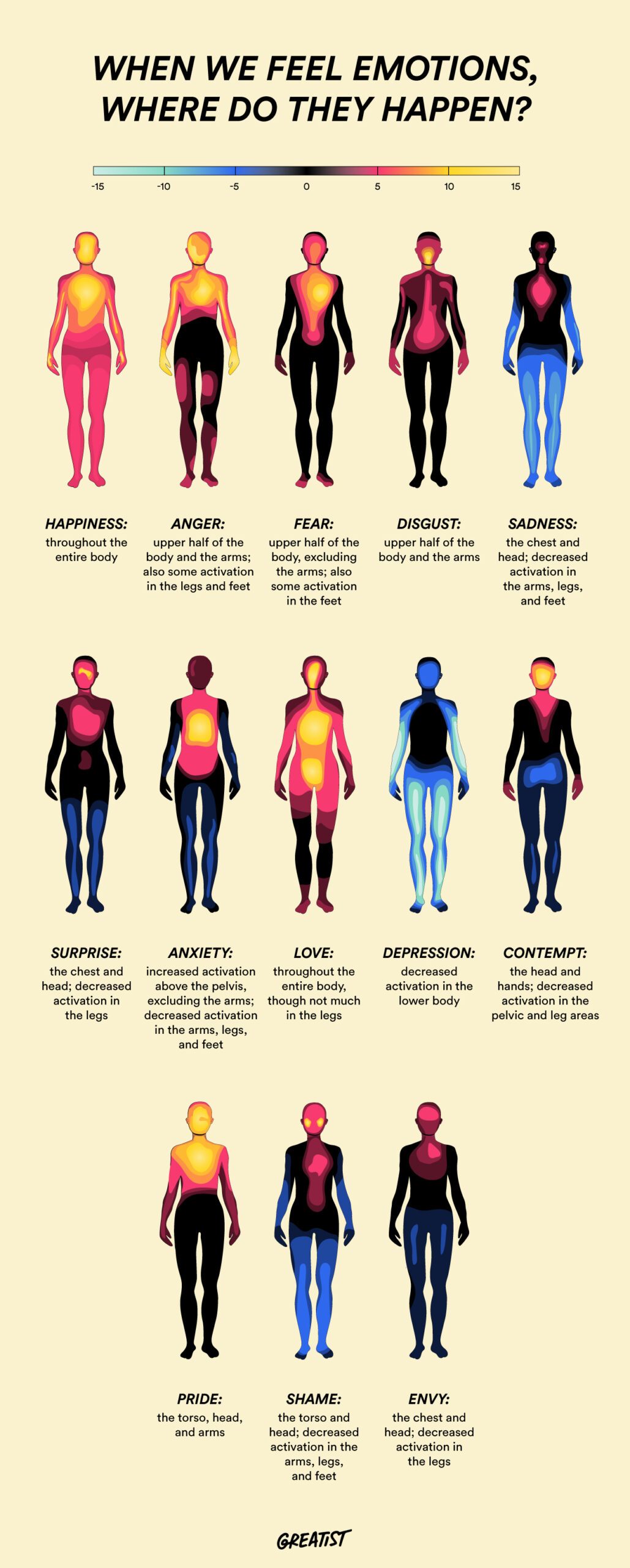





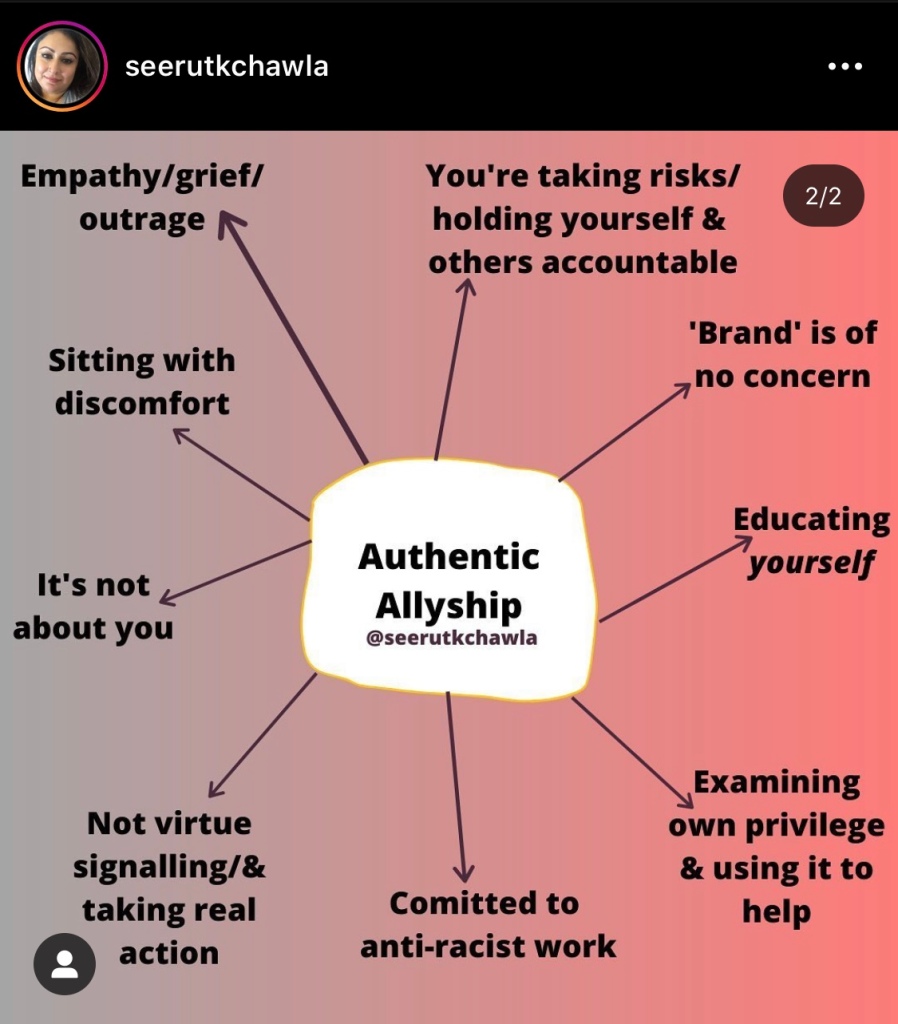 Graphic from the
 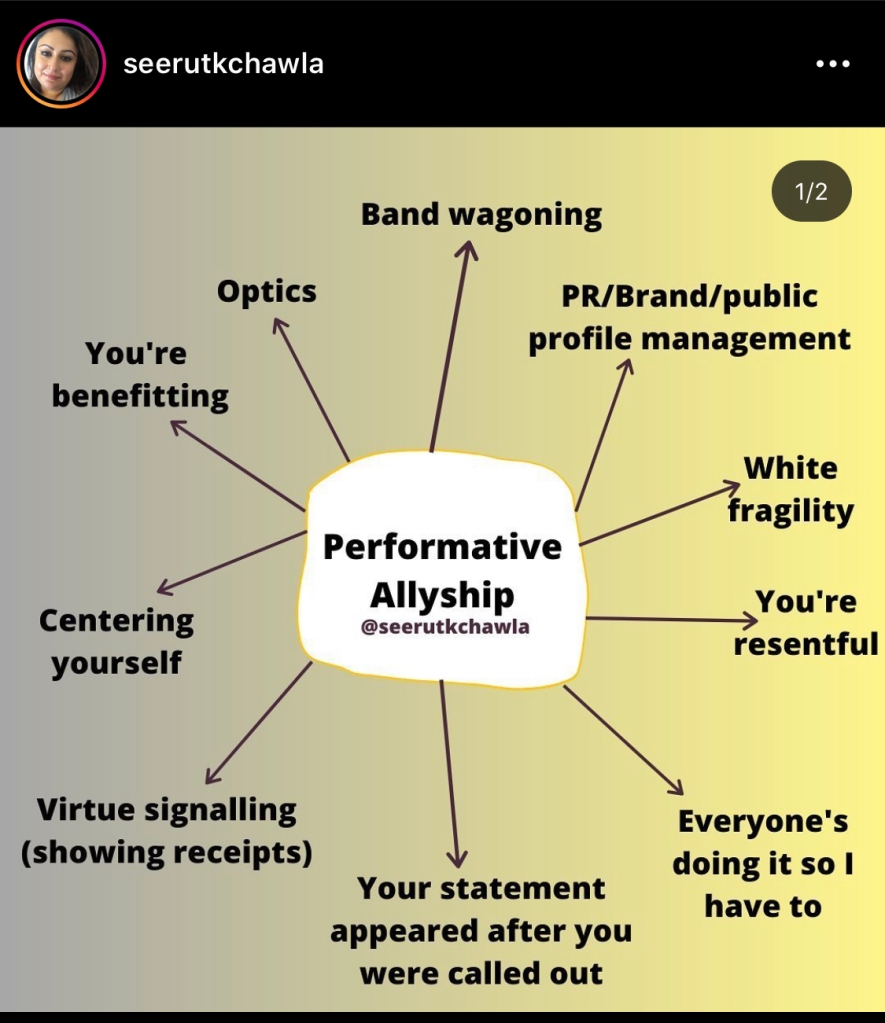 Graphic from the
  Graphic from the
  Graphic from the