Revisiting Male Privilege
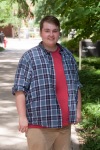
A Women’s Center Blog post and reflection by student staff member Daniel
On September 22, 2014, I published my first Women’s Center blog post, titled “Male Privilege in Women’s Spaces.” In it I shared my anxieties about joining the Women’s Center staff and reflected on my male privilege. I thought about what my role or place might be and how I could manage my privilege in a healthy and productive way.
I want to begin my last year at the Women’s Center the same way I began my first year here. I want to think about and complicate my male privilege and how I show up in the Women’s Center and other women-centric spaces.
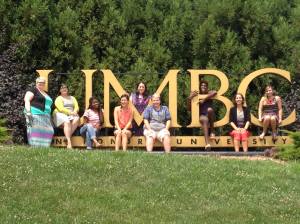
Fall 2014 Women’s Center Staff
A lot of things have changed in the two years since I published that first post. After serving my terms in student org leadership, I’m now much less involved; I’ve watched freshmen and sophomores step forward and take positions I once held and do a better job than I or my predecessors did. My trans identity has evolved and my understanding of my relationship to the world has changed. My perspective on privilege is different now and I’ve learned that reflecting on my privilege makes me a better leader. I’m a third-year staff member and I often find myself in leadership and mentor roles, meaning this self-reflection is even more important than it was when I first started.
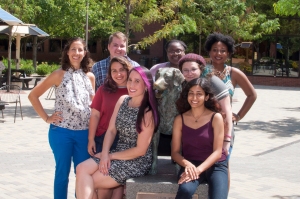
2016-17 Women’s Center Staff
When I wrote my original blog post, I had been on testosterone for nearly a year and solidly identified as Male. I wrote from the perspective of someone who identified with a privileged group and I was reconciling male identity with feminist identity; I felt like I needed to make up for seeming like a traitor who joined the patriarchy. Plus, I had a lot of unprocessed feelings about losing the camaraderie I shared with women and learned that some spaces just weren’t for me anymore.
Now, things are more complicated. It’s been three years since I started medically transitioning. I’ve legally changed all my documents and had surgery. I’m more male-passing than ever, but this is the least I’ve identified with maleness since I came out.
It would be easy to deny my male privilege by claiming a queer, non-binary identity. It would be easy to say I don’t experience male privilege because I don’t identify as male, but it wouldn’t be true. I still exist in this world as a male-passing individual and the world treats me as such. I still benefit from male privilege when I’m awarded more authority on a subject in conversation or more time to talk than my femme- and female-identified counterparts. I don’t get interrupted and I’m given more space. My queerness doesn’t change this and it doesn’t excuse me from perpetuating sexism or ignoring the ways male privilege has advantaged me in life. Trans men and masculine trans people are equally as responsible for perpetuating and participating in transmisogyny as cis men. We don’t get a free pass just because we may have once identified as women.
Of course, it’s important to understand how being queer and trans and fat and mentally ill have disadvantaged me in life, but they don’t negate the impact of the privilege I receive from being male and white. And while this self-reflection is important and necessary, it doesn’t excuse me from having to do something about my privilege.
I’ve been guilty of this. I’ve been guilty of letting others’ praise of me as “a good guy” in queer or feminist circles be enough proof that I’m not one of Those Guys. I’ve also been guilty of patting myself on the back just for acknowledging that I have privilege.
I hope my friends, classmates, and coworkers feel like they can call me on my shit, but that’s not their job. It’s my job to be actively combatting my privilege. It’s my job to be mindful of interrupting people, taking up too much physical and conversational space, giving credit where credit is due, and never concluding that my work is done. It’s my job to say, “This issue it important to me. How can I be of help to you?”
It’s also my job as a masculine trans person to be aware of (and do something about) how my passing privilege (as well as the economic and healthcare advantages that made my transition possible) makes me safer than gender non-conforming and non-passing trans people, how being trans masculine is safer than being trans feminine, and how race and white privilege are major factors in the safety of trans people.
Being a third-year staff member at the Women’s Center means I’m in a leadership and mentoring position, and I feel it’s important to think about privilege when I’m collaborating and working with other student staff. I think about how my coworkers might approach a problem or a project differently because of their experiences (and the things I might miss because of mine) and how working here for longer than my coworkers doesn’t mean I know more than anyone else. I’m wary of how my maleness and my whiteness puts me in a position of power and authority, so purposely taking steps to create a non-hierarchical relationship with my peers is a priority.
I’m ready for the new challenges and learning opportunities coming my way this year. I’m excited to meet all the people who use the space and offer our services and resources to the best of my ability. I’m excited to be in a place where I understand the role I play here, and I’m excited to continue to grow and learn from the amazing people and stories I encounter. And, I’m excited to walk away from this place knowing there are newer people with better ideas, fresher enthusiasm, and more drive to enact change ready to replace me.
]]>
A Women’s Center Blog post and reflection by student staff member Daniel On September 22, 2014, I published my first Women’s Center blog post, titled “Male Privilege in Women’s Spaces.” In it I...
https://womenscenteratumbc.wordpress.com/2016/10/17/revisiting-male-privilege/
https://my3.my.umbc.edu/api/v0/pixel/news/63167/guest@my.umbc.edu/22f621c5c084d6759212c827252dd8c0/api/pixel
gender
intersectionality
male-privilege
passing
privilege
staff
womens-spaces
Women's, Gender, & Equity Center
https://my3.my.umbc.edu/groups/womenscenter
https://assets2-my.umbc.edu/system/shared/avatars/groups/000/000/125/78272a4842689b30dbf74672182b78f8/xsmall.png?1750974263
https://assets1-my.umbc.edu/system/shared/avatars/groups/000/000/125/78272a4842689b30dbf74672182b78f8/original.png?1750974263
https://assets1-my.umbc.edu/system/shared/avatars/groups/000/000/125/78272a4842689b30dbf74672182b78f8/xxlarge.png?1750974263
https://assets1-my.umbc.edu/system/shared/avatars/groups/000/000/125/78272a4842689b30dbf74672182b78f8/xlarge.png?1750974263
https://assets1-my.umbc.edu/system/shared/avatars/groups/000/000/125/78272a4842689b30dbf74672182b78f8/large.png?1750974263
https://assets2-my.umbc.edu/system/shared/avatars/groups/000/000/125/78272a4842689b30dbf74672182b78f8/medium.png?1750974263
https://assets1-my.umbc.edu/system/shared/avatars/groups/000/000/125/78272a4842689b30dbf74672182b78f8/small.png?1750974263
https://assets2-my.umbc.edu/system/shared/avatars/groups/000/000/125/78272a4842689b30dbf74672182b78f8/xsmall.png?1750974263
https://assets3-my.umbc.edu/system/shared/avatars/groups/000/000/125/78272a4842689b30dbf74672182b78f8/xxsmall.png?1750974263
Women's Center
18
0
false
Mon, 17 Oct 2016 08:30:20 -0400
Mon, 17 Oct 2016 08:30:20 -0400
Across Worlds and Identities: The Spaces in Between
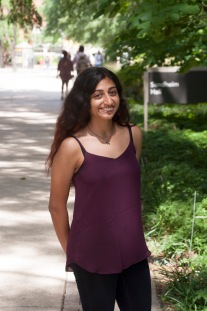 A reflection by Women’s Center staff member Prachi Kochar on identity and “fitting in”. How do we navigate identities that can fit into multiple categories of nationality, ability, race, etc. at once? Or identities that do not perfectly fit into these categories, spilling out and crashing into each other?
This summer, I went to India for my cousin’s wedding, and it was a long trip both physically (twenty-four hours of traveling, with a layover!) and mentally. Even though it has technically been over for months, it continues to affect the way that I think and view the world. It has deepened my understanding of how I navigate the world, both in terms of my physical location and in terms of social situations and relationships.
Before this trip, I had assumed that India was nothing more or less than a second home to my parents, that it was their equivalent of me coming home from school for winter or summer vacation. However, after an interaction with some distant relatives, my mother turned to me and shook her head, saying “They act like we’re not even Indian!” Her comment surprised me because my parents always had been the epitome of Indian to me. In their spare use of Gujarati and Marathi words, I had heard the voice of India, my motherland. Through their cooking, through the bhinda, rotis, and dal, I had tasted my heritage. And in their stories about their childhoods, about school, about their friends, everything, I had experienced life in India.
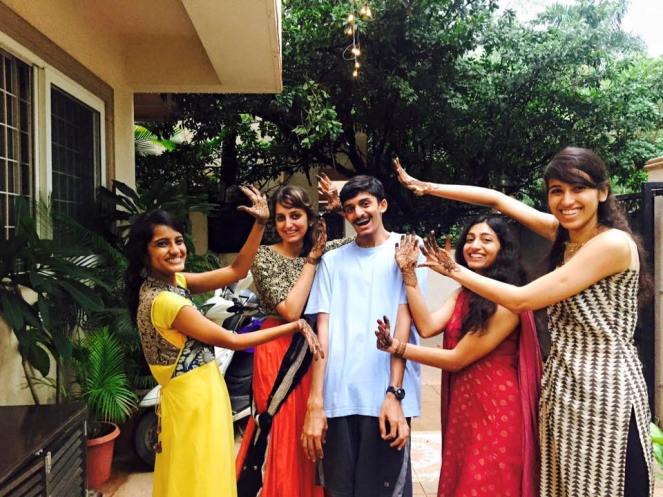 Mehndi ceremonies with family in India
Even though I had known they had lived in the United States for the majority of their lives, eventually becoming US citizens, I was still amazed. My mother explained to me, “We’re too American for the Indians, but then we go home and we’re too Indian for Americans.” At this point, it was difficult for me to not laugh and/or cry out loud, because I had said that same sentence nearly word-for-word in multiple contexts. Later, once we had gotten a break from the wedding chaos, I asked my parents about the exchange again. They both expressed similar feelings, even though they’d had very different experiences of growing up in India and even though my mother is technically South African. Not American enough, but also not Indian enough, they echoed. In the end, I was left with one question playing through my head over and over. What does “enough” mean?
For me, that question makes up the chorus of the soundtrack of my life. I am not Indian enough. I am not American enough. I am also not deaf enough. I am not “hearing” enough. I am not assertive enough. I am not quiet enough. And so on.
Let me back up here. Who or what am I not enough for? may be the question on your mind. And simply put, it is everyone and no one at the same time, including myself.
As a deaf Indian-American woman, I am often subjected to a set of expectations that vary based on context and location.
For example, Indian-Americans often make up the face of “model minorities”. They are expected to excel at math, sciences, and are seen as not facing discrimination in contrast to other minority groups. This “model minority” stereotype is used to perpetuate anti-Blackness among other things, while ignoring that Asian-Americans are not a monolithic group. At the same time, being a woman comes with its own set of expectations that often clash and interact with stereotypes of Indian-Americans. Indian-American girls are often viewed as constantly being oppressed by their vile misogynistic parents and threatened with arranged marriage. It is necessary to recognize that this is an issue that some Indian-American women do deal with, but presenting it universally affecting only one group trivializes the complexity of the problem and pretends that it does not exist in other communities.
Deaf and hard of hearing people also face their own set of stereotypes. For example, one of the most highly touted statistics about the woeful situation of d/Deaf people is that the average deaf high schooler has a fourth-grade reading level, never mind that the average American adult has an eighth grade reading level (in addition to several other issues with this statistic). In addition to being stereotyped as uneducated, d/Deaf people are imagined to be figuratively — if not literally — voiceless. Even though many d/Deaf people are not able to verbally speak, this does not mean that they cannot express themselves through American Sign Language, through writing, through a variety of other formats, just as eloquently as any hearing person can with their voice. Like many other minority groups, d/Deaf people are placed into rigid, narrow boxes that define who they should be, rather than definitions that stretch to accommodate the wholeness of who deaf people actually are.
I find it difficult enough to deal with one set of stereotypes by itself, and dealing with multiple collections of stereotypes presents a shifting set of expectations that feels like it is always changing to trap and trip me up. Navigating all of these stereotypes is something that I do every day, with a broken compass and inaccurate map. For example, when I am in class, I often hesitate to raise my hand and speak up because I worry that I may be monopolizing class time by speaking up too much. I also hesitate because I feel that I’m not “hearing” enough. More specifically, even though I am able to speak using my voice, I have a strong “deaf” accent (with an inability to discriminate between “l” and “n” or say words beginning with “st”), and I often worry that I am annoying others by making them work harder to understand me.
At the same time, I wonder if I should be less quiet, in order to not play into perceptions of Asian-American women as voiceless and invisible. I feel that I should speak freely in class, using American Sign Language and the interpreter to voice for me instead of using my own voice, fully embracing my Deaf identity even though it still feels itchy and uncomfortable to me. With all of these contradictions whirling around in my head, I often end up just doing the old half raise of my hand and hoping (or fearing) that the professor will call on me.
I am not alone in these conflicted feelings. Feeling trapped between two worlds is also an issue that affects many from immigrant families, especially people of color who are visibly marked and judged as an “other” in the United States. Consider Nina Davuluri who was crowned Miss America in 2013, becoming the first South Asian American to hold that title. Immediately after she was announced as the winner, she was the target of various racist attacks on social media, illustrating how many people of color are often not seen as fully American, despite being born and raised here. We are expected to assimilate, but even when we conform perfectly to standards of “Americanness”, we are still seen as outsiders, constantly receiving the “but where are you really from?” question. Being the “perfect” Indian-American is not enough in America, or India, as my parents’ experiences indicate. Similarly, being the “perfect” deaf person is not enough to smoothly navigate hearing spaces. In short, being the “perfect” model of a minority that fits into dominant norms is still not enough to gain total acceptance.
 In 2013, Nina Davuluri became the first Miss America of South Asian origin
So, is there ever a way that we can become enough? While the acceptance of others may be beyond our control, I propose that it is possible for those of us who feel trapped by these paradoxes and stereotypes to become enough for ourselves. We must recognize that it is okay to feel conflicted and confused. We must practice self-care, giving ourselves an outlet to express ourselves and just be. For me, that takes the form of painting, working out at the gym, and playing Pokémon. For you, that might look like baking some cookies, watching Netflix, or blasting some Beyoncé in your bedroom. It is important to recognize that there is no one right way to take care of yourself – do what feels right for you at this point in time and recognize that it is okay if that changes. Navigating these challenges can seem insurmountable sometimes, but giving yourself permission to exist as you are can help you start taking those first steps of confidence forward.
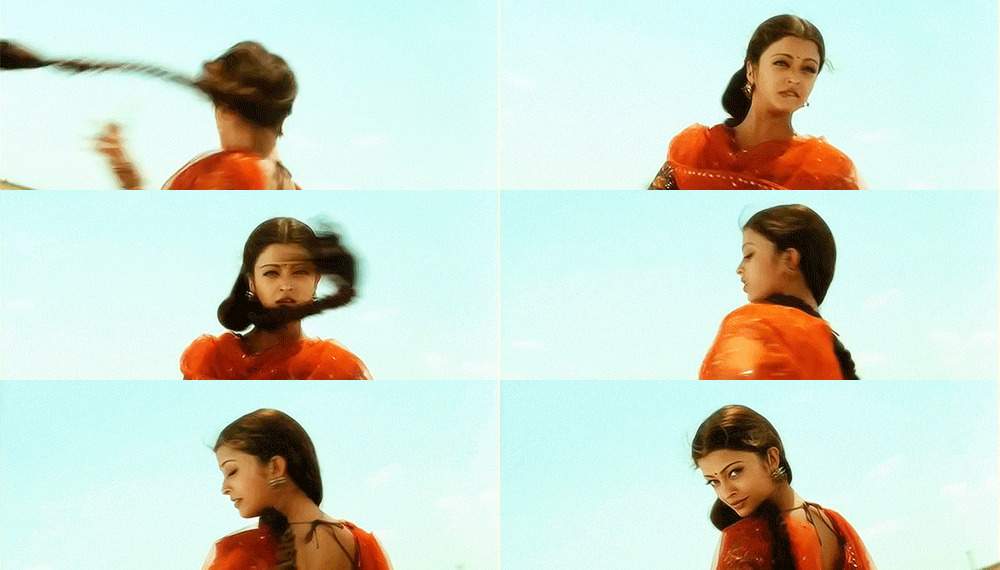
Be like Aishwarya Rai and don’t hold any part of yourself back for anyone.
Resource Round-Up
UMBC Women’s Center Women of Color Coalition – We discuss various issues pertaining to self-identified women of color every other week. I am one of the peer facilitators, so come say hi and share your experiences!
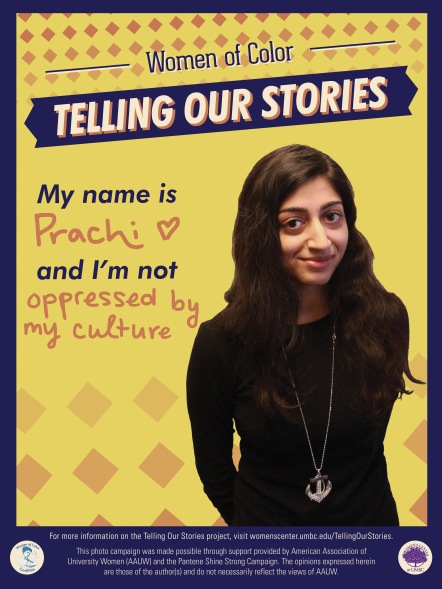
Women of Color – Telling Our Stories
“Twice as Good” On Being a Woman of Color and Overcoming Imposter Syndrome and Perfectionism
Asian American Identities
The Truth about “The Asian Advantage” and “Model Minority Myth”
6 Reasons We Need to Dismantle the Model Minority Myth of Those ‘Hard-Working’ Asians
It’s Time to Talk: South Asian Women in the U.S. Have Some of the Highest Suicide Rates
Deaf/Hard of Hearing Identities
American Deaf Culture
Terminology
]]>
A reflection by Women’s Center staff member Prachi Kochar on identity and “fitting in”. How do we navigate identities that can fit into multiple categories of nationality, ability, race, etc. at...
https://womenscenteratumbc.wordpress.com/2016/10/06/across-worlds-and-identities-the-spaces-in-between/
https://my3.my.umbc.edu/api/v0/pixel/news/62902/guest@my.umbc.edu/11ac6affa8abf436f647f151323c9c35/api/pixel
intersectionality
social-justice
women
women-of-color
Women's, Gender, & Equity Center
https://my3.my.umbc.edu/groups/womenscenter
https://assets2-my.umbc.edu/system/shared/avatars/groups/000/000/125/78272a4842689b30dbf74672182b78f8/xsmall.png?1750974263
https://assets1-my.umbc.edu/system/shared/avatars/groups/000/000/125/78272a4842689b30dbf74672182b78f8/original.png?1750974263
https://assets1-my.umbc.edu/system/shared/avatars/groups/000/000/125/78272a4842689b30dbf74672182b78f8/xxlarge.png?1750974263
https://assets1-my.umbc.edu/system/shared/avatars/groups/000/000/125/78272a4842689b30dbf74672182b78f8/xlarge.png?1750974263
https://assets1-my.umbc.edu/system/shared/avatars/groups/000/000/125/78272a4842689b30dbf74672182b78f8/large.png?1750974263
https://assets2-my.umbc.edu/system/shared/avatars/groups/000/000/125/78272a4842689b30dbf74672182b78f8/medium.png?1750974263
https://assets1-my.umbc.edu/system/shared/avatars/groups/000/000/125/78272a4842689b30dbf74672182b78f8/small.png?1750974263
https://assets2-my.umbc.edu/system/shared/avatars/groups/000/000/125/78272a4842689b30dbf74672182b78f8/xsmall.png?1750974263
https://assets3-my.umbc.edu/system/shared/avatars/groups/000/000/125/78272a4842689b30dbf74672182b78f8/xxsmall.png?1750974263
Women's Center
11
0
false
Thu, 06 Oct 2016 09:00:34 -0400
Thu, 06 Oct 2016 09:00:34 -0400
Queering Your Queue
 A short reflection by student staff member Shira Devorah ( She/Her or They/Them)
I really love queer media. I’ve probably watched most of the movies in the “Gay and Lesbian” category on Netflix, as long as they didn’t look too dull or exploitative. There are some really fantastic and challenging shows and movies available at the click of a button. Why am I so drawn to television shows with women kissing, to movies with actual trans actresses playing trans women? I know I’m not the only queer woman who revels in the opportunity to see a new lesbian drama. Why is this?
Well, it all boils down to one thing: The need for representation. The queer community is constantly portrayed by the media through stereotypes and tropes that are incredibly harmful and inconsistent with the realities of our queer lives. This article from the queer- woman’s website Autostraddle recently went viral – because it listed all 162 (and counting) dead lesbian and bisexual women killed on television and how they died.
The post circulated widely using the hashtag “bury your gays,” which was created after a beloved lesbian character from The 100 was killed off as a cheap plot device – a trope all too common in any media that portrays queer women. While I never really watched The 100, I understand what it feels like when a fan favorite lesbian meets an early demise.
I remember the first time I watched Buffy the Vampire Slayer all the way through. I had the complete series box set growing up and watched BtVS religiously. I was heartbroken when (spoiler) Tara, one of two lesbians on that show, was killed off. She was shot by a stray bullet, and none of the magic in a supernatural show about vampires was used to bring her back.
I was devastated.
I had clung so hard to Willow and Tara’s relationship. I didn’t yet have the labels that I use today, but I knew that I liked girls. Tara, who I had identified with because she was shy and smart and kind of a dork. Tara, who kissed Willow and held her hand and called her “babe.” She was killed, all as a plot device. It wouldn’t be the last time a character I loved, who also loved women, would be killed in a similar way.
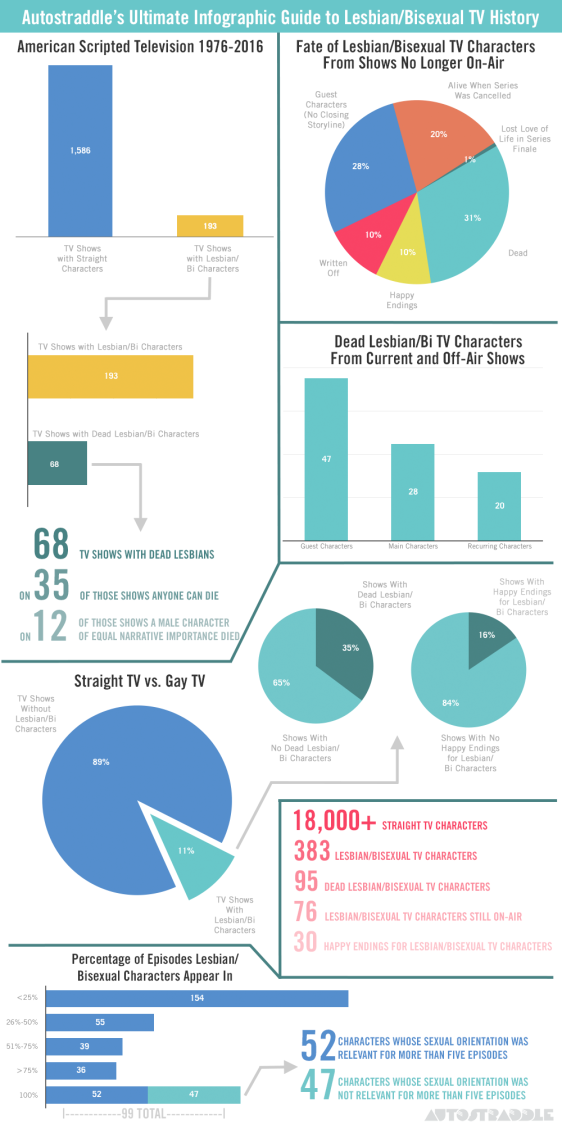
See the full article HERE
Positive representation really does matter. When queer shows and films are done in more humanizing ways, they allow queer people who watch to see a reflection of themselves in beloved and complex characters. It’s incredibly validating to see someone like you given substance and meaning beyond hegemonic perception of what it means to be LGBTQ. I want to see more characters like Cosima from Orphan Black, characters who are integral to the plot of their show, have flaws, and are also LGBTQ.
Positive representation doesn’t stop there: There are so many intersecting identities that deserve more and better representation in media that are also commonly overlooked. People of color are rarely cast as anything other than “that one black friend” or “that perceived-as-white love interest.” The moment there are an array of dynamic characters of color on one show, it is labeled as “other” and often dismissed. When LGBTQ people of color do appear in media, writers are often careless when contending with the multiple facets of their identities.
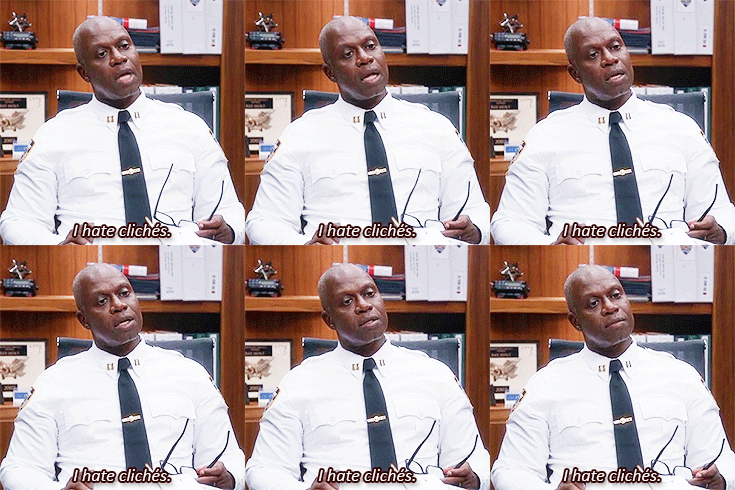
spoken by one of the few black gay men on television who isn’t a cliche, Captain Holt from Brooklyn 9-9
Often writers don’t come equipped with the ability to write complex queer characters of color – especially when they do not identify alongside their characters. Take the example of Orange Is the New Black. 90% of the writers for the Netflix show are white women, and they write for queer women of color characters. Because there isn’t enough diverse representation on staff, important aspects of identity are left out or altered, letting down major characters and long-time fans. Don’t get me started with how they let down a certain fan favorite this past season…
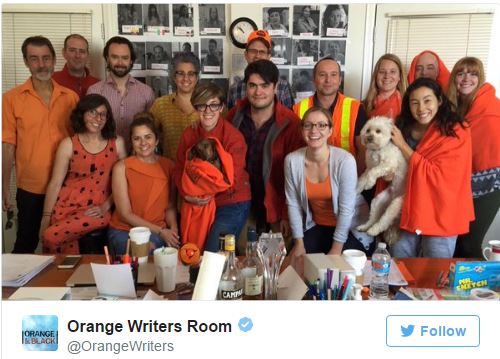
For a show with so many women of color characters, there sure are a lot of white people in the writers’ room.
Even with all of the negatives, there is still some very positive representation in queer media. Films like Mosquita Y Mari, Boy Meets Girl and Tangerine are all beautiful movies written by and/or starring queer individuals that explore LGBTQ characters genuinely. TV shows like Steven Universe, Brooklyn 9-9, and Grey’s Anatomy are also really great examples of good writing for queer characters. None of these characters are perfect people, and I wouldn’t want them to be. They are just more human, more three-dimensional, more interesting to watch.
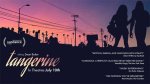
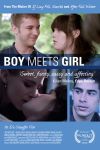

Queer people live just as interesting and complicated lives as everyone else. We deserve to see these lives reflected in the media that we consume. I can’t wait to see how media evolves further and allows for more varied storylines and characters. As viewers, we should continue to be critical of what is and isn’t portrayed on the screen. One day I hope mainstream media will be more inclusive through authentic representations of queer characters. For now, I say you should go check out some of those titles I mentioned. Continue to demand more from your favorite shows, and don’t settle for tropes.
We’re here, we’re queer, and we deserve better!
***
If you’re interested in checking out any of the movies mentioned here, the title of the films link to YouTube theatrical trailers!
Tangerine, Boy Meets Girl and Grey’s Anatomy are currently streaming on Netflix.
]]>
A short reflection by student staff member Shira Devorah ( She/Her or They/Them) I really love queer media. I’ve probably watched most of the movies in the “Gay and Lesbian” category on...
https://womenscenteratumbc.wordpress.com/2016/09/21/queering-your-queue/
https://my3.my.umbc.edu/api/v0/pixel/news/62455/guest@my.umbc.edu/9c67a518b1c81d41a04e8d5bde5aaab9/api/pixel
diversity
identity
intersectionality
issues
lgbtqia
pop-culture
Women's, Gender, & Equity Center
https://my3.my.umbc.edu/groups/womenscenter
https://assets2-my.umbc.edu/system/shared/avatars/groups/000/000/125/78272a4842689b30dbf74672182b78f8/xsmall.png?1750974263
https://assets1-my.umbc.edu/system/shared/avatars/groups/000/000/125/78272a4842689b30dbf74672182b78f8/original.png?1750974263
https://assets1-my.umbc.edu/system/shared/avatars/groups/000/000/125/78272a4842689b30dbf74672182b78f8/xxlarge.png?1750974263
https://assets1-my.umbc.edu/system/shared/avatars/groups/000/000/125/78272a4842689b30dbf74672182b78f8/xlarge.png?1750974263
https://assets1-my.umbc.edu/system/shared/avatars/groups/000/000/125/78272a4842689b30dbf74672182b78f8/large.png?1750974263
https://assets2-my.umbc.edu/system/shared/avatars/groups/000/000/125/78272a4842689b30dbf74672182b78f8/medium.png?1750974263
https://assets1-my.umbc.edu/system/shared/avatars/groups/000/000/125/78272a4842689b30dbf74672182b78f8/small.png?1750974263
https://assets2-my.umbc.edu/system/shared/avatars/groups/000/000/125/78272a4842689b30dbf74672182b78f8/xsmall.png?1750974263
https://assets3-my.umbc.edu/system/shared/avatars/groups/000/000/125/78272a4842689b30dbf74672182b78f8/xxsmall.png?1750974263
Women's Center
10
0
false
Wed, 21 Sep 2016 09:15:05 -0400
Wed, 21 Sep 2016 09:15:05 -0400
Why is the impeachment of Brazil’s president a feminist issue?
A blog reflection by Women’s Center intern Mariana de Matos Medeiros 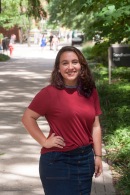
On October 5th, 2014, I was finally able to cast my first vote for a Presidential election since moving to America. It was an incredible experience to head over into the Brazilian consulate event in Washington, DC, bright-eyed and ready to make a difference for my home country. As an immigrant who has not yet attained citizen status, I am not able to vote in America so voting to make a difference for my family and friends at home was empowering. As a feminist, I felt most thrilled about having the ability to vote for a leftist woman who had already done much to carry out social welfare programs. I voted for Dilma Rousseff based on how she had run her administration in her previous term: focusing on women and marginalized communities and continuing to carry out social welfare programs to address the ever widening gap between the rich and the poor.
During the past months Brazil’s political drama has reached its all-time high. With the most recent Olympic games being hosted in Rio, the entire world was watching as Brazil’s first woman-identified, leftist president was pushed out of office pending an investigation on alleged corrupt behavior.
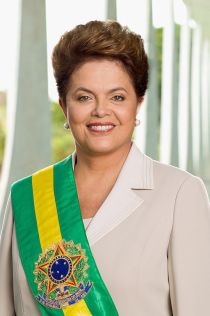
Dilma Rousseff // image credit: Wikipedia
Rousseff ran for president under the left-winged Worker’s Party of Brazil, yet she did not always bring solidarity among feminists, as some may assume. In fact, the Brazilian feminist movements were often split between those who supported her public policies and those who rejected her administration, demanding advances in issues of reproductive justice and education. However, Brazilian feminists tend to agree that Rousseff’s impeachment was a blatant act of sexism and discrimination.
Not only have several of her male counterparts been found to be involved with pedaladas fiscais (misusing bank funds from the federal government that are allocated to many state and federal social programs) without punishment, but over half of the senators who voted for her impeachment are being investigated for laundering money for personal benefit and other serious crimes.
Despite being cleared from any involvement in the pedaladas fiscais, Rousseff has been formally impeached. (This video helps unpack Brazil’s current political situation in more detail.)
What’s most disconcerting is that her replacement, Michel Temer, has been formally convicted of violating election laws and is barred from running for office for the next eight years. However, since he is already in office he is permitted to remain president until the election cycle in 2018.
With support of the elite, Temer and other conservatives began a slogan to encourage Rousseff’s impeachment: Tchau, Querida, which roughly translates to “Bye, darling.” This sexist and patronizing slogan undermines the significance of Rousseff’s time in office by dismissing it as the problem caused by a woman, a “darling.”
As it were, this is not the first time a woman in leadership has been undermined in her power and ability, and referring to a political leader in such a condescending and infantilizing manner is blatantly disrespectful.
Prior to the impeachment, politicians from all sides began passing a multitude of laws that slowly chipped away at women’s rights, including laws that would criminalize abortions for rape survivors, define families as a union between a man and a woman, and make accessing emergency contraception in the wake of the Zika outbreak more difficult. Simultaneously, old gendered concerns did not go away: violence against women is still a widespread pandemic and there is still an overall cultural acceptance surrounding gendered-based violence in Brazil as rape still remains an invisible crime.
However, with a more conservative political push came increased feminist mobilization. Through street protests and social media activism Brazilian women have fought back against this conservative wave of legislature. In June of this year, thousands of women took the streets behind a poster that read Por Elas Todas (For All Women) in outrage of the high rates of sexual violence against young girls.
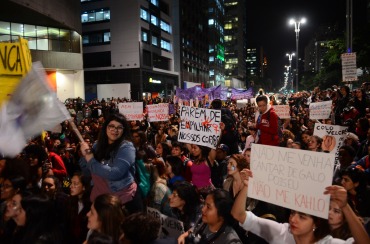
Por Elas Todas protest // image credit: Flickr
Sadly, despite the feminist mobilization, the situation is still quite grim as Temer has already created the most conservative congress since the end of the military rule in 1985. His all-white, all-male congress has slashed ministries aimed at assisting women, black people, and other marginalized groups. Indeed, 7.6% of Brazil’s population is made up of individuals from African decent and most of these individuals live in poverty.
There are far more nuances to be investigated and discussed about Brazil’s deeply intricate political situation than I have space to discuss on this post. I have felt deeply concerned and proud to see so much activism surrounding the community I call home. It’s unquestionable that the circumstances surrounding Rousseff’s impeachment serves as a reminder to Brazil’s citizens and the world that misogyny and sexism toward women in leadership is alive and well.
]]>
A blog reflection by Women’s Center intern Mariana de Matos Medeiros On October 5th, 2014, I was finally able to cast my first vote for a Presidential election since moving to America. It was...
https://womenscenteratumbc.wordpress.com/2016/09/15/why-is-the-impeachment-of-brazils-president-a-feminist-issue/
https://my3.my.umbc.edu/api/v0/pixel/news/62266/guest@my.umbc.edu/34f2bb2b63be11206f290c3ba87686f1/api/pixel
activism
current-events
identity
intersectionality
leadership
race
sexism
sexual-assault
uncategorized
Women's, Gender, & Equity Center
https://my3.my.umbc.edu/groups/womenscenter
https://assets2-my.umbc.edu/system/shared/avatars/groups/000/000/125/78272a4842689b30dbf74672182b78f8/xsmall.png?1750974263
https://assets1-my.umbc.edu/system/shared/avatars/groups/000/000/125/78272a4842689b30dbf74672182b78f8/original.png?1750974263
https://assets1-my.umbc.edu/system/shared/avatars/groups/000/000/125/78272a4842689b30dbf74672182b78f8/xxlarge.png?1750974263
https://assets1-my.umbc.edu/system/shared/avatars/groups/000/000/125/78272a4842689b30dbf74672182b78f8/xlarge.png?1750974263
https://assets1-my.umbc.edu/system/shared/avatars/groups/000/000/125/78272a4842689b30dbf74672182b78f8/large.png?1750974263
https://assets2-my.umbc.edu/system/shared/avatars/groups/000/000/125/78272a4842689b30dbf74672182b78f8/medium.png?1750974263
https://assets1-my.umbc.edu/system/shared/avatars/groups/000/000/125/78272a4842689b30dbf74672182b78f8/small.png?1750974263
https://assets2-my.umbc.edu/system/shared/avatars/groups/000/000/125/78272a4842689b30dbf74672182b78f8/xsmall.png?1750974263
https://assets3-my.umbc.edu/system/shared/avatars/groups/000/000/125/78272a4842689b30dbf74672182b78f8/xxsmall.png?1750974263
Women's Center
19
0
false
Thu, 15 Sep 2016 10:27:00 -0400
Dirty River – A Book Review
 A short reflection by Shira Devorah, Women’s Center student staff.
I bought my own copy of Dirty River (even though the Women’s Center has a copy you can loan now thanks to the UMBC’s LGBTQ Faculty & Staff Association recent donation), and I’m really glad that I did. I got to underline the poetry and the words that really resonated with me. I carefully applied sticky notes to the parts I loved, the difficult areas I wanted to come back to, the short mix of music I have to check out.
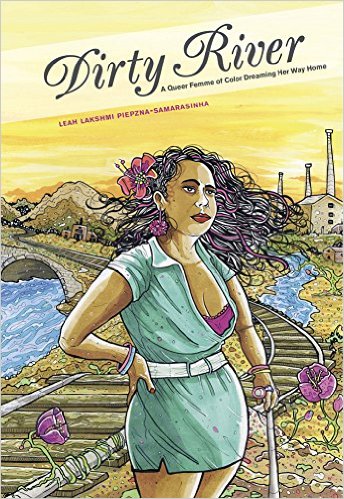
Dirty River, A Queer Femme of Color Dreaming Her Way Home, by Leah Lakshmi Piepzna-Samarasinha, is a memoir, but it is also so much more. It is a story of escape, of survival, of scraping by and fighting to exist. This book is more poetry than prose. It is incredibly difficult, dealing with (trigger warning!) incest, abuse and intimate partner violence. It is also difficult because there is so so much. Leah Lakshmi Piepzna-Samarasinha feels everything so much. She discovers herself and pulls you in through all the twists and turns.
This book explores her complicated and celebrated identity as a queer disabled femme Sri Lankan woman of color. Each facet of herself is carefully explored, every insecurity, every moment of triumph bursts onto the page. She will not apologize for existing, for running away, for her commitment to activism and celebrating the voices and authorship of queer people of color. She introduces us to the many complex people who hurt her, abused her, raped her and to the people who cared for her and called her family, who stuck in her life. She withers away on one page and blossoms on the next.
Her narrative is fluid, skipping from one point in time to the next. Each chapter is something a little different, a new window to peek through. You have to work through this book – you have to earn Leah Lakshmi Piepzna-Samarasinha’s story. This book is daunting and incredibly rewarding. I ask you to stick with it, because reading this book makes you feel full inside. It took me longer to read Dirty River than I had anticipated. Though there are only 232 pages, they are filled to the brim with poetry and difficulties and survival. It is overwhelming, and it is beautiful.
Need more Leah Lakshmi Piepzna-Samarasinha in your life? Good news, she has a bunch of poetry books and spoken word on Youtube! Even better news? She’s slated to be the keynote speaker for the 4th annual Critical Social Justice: Home coming to UMBC this October!
Her performance of Sins Invalid from 2009. Part 1 Part 2 Part 3
This is an amazing interview she did last year on the Laura Flanders Show
Leah also has books of poetry available! Love Cake, Consensual Genocide, and Bodymap
Pick up our new copy of Dirty River, A Queer Femme of Color Dreaming Her Way Home at the Women’s Center’s lending library. And, save the date for October 25th to see her in person at UMBC at Critical Social Justice 2016!
This short blurb is part of our Summer Reading Challenge. Check it out and happy reading!
]]>
A short reflection by Shira Devorah, Women’s Center student staff. I bought my own copy of Dirty River (even though the Women’s Center has a copy you can loan now thanks to the UMBC’s LGBTQ...
https://womenscenteratumbc.wordpress.com/2016/07/27/dirty-river/
https://my3.my.umbc.edu/api/v0/pixel/news/61208/guest@my.umbc.edu/0e857b16ce55645c9933338a20f4d14a/api/pixel
critical-social-justice
feminism
good-reads
intersectionality
queer
reading-list
staff
telling-our-stories
women-of-color
Women's, Gender, & Equity Center
https://my3.my.umbc.edu/groups/womenscenter
https://assets2-my.umbc.edu/system/shared/avatars/groups/000/000/125/78272a4842689b30dbf74672182b78f8/xsmall.png?1750974263
https://assets1-my.umbc.edu/system/shared/avatars/groups/000/000/125/78272a4842689b30dbf74672182b78f8/original.png?1750974263
https://assets1-my.umbc.edu/system/shared/avatars/groups/000/000/125/78272a4842689b30dbf74672182b78f8/xxlarge.png?1750974263
https://assets1-my.umbc.edu/system/shared/avatars/groups/000/000/125/78272a4842689b30dbf74672182b78f8/xlarge.png?1750974263
https://assets1-my.umbc.edu/system/shared/avatars/groups/000/000/125/78272a4842689b30dbf74672182b78f8/large.png?1750974263
https://assets2-my.umbc.edu/system/shared/avatars/groups/000/000/125/78272a4842689b30dbf74672182b78f8/medium.png?1750974263
https://assets1-my.umbc.edu/system/shared/avatars/groups/000/000/125/78272a4842689b30dbf74672182b78f8/small.png?1750974263
https://assets2-my.umbc.edu/system/shared/avatars/groups/000/000/125/78272a4842689b30dbf74672182b78f8/xsmall.png?1750974263
https://assets3-my.umbc.edu/system/shared/avatars/groups/000/000/125/78272a4842689b30dbf74672182b78f8/xxsmall.png?1750974263
Women's Center
6
0
false
Wed, 27 Jul 2016 10:07:00 -0400
Wed, 27 Jul 2016 10:07:00 -0400
Reading Redefining Realness
A short book reflection by Shira Devorah
Just a few moments ago I finished Janet Mock’s memoir, Redefining Realness, My Path to Womanhood, Identity, Love & So Much More. I’m still stunned. I’m not much of a memoir reader, but I’m pretty sure this book has changed that.
Thanks to a generous donation from UMBC’s LGBTQ Faculty & Staff Association, I was able to snatch up this book from the Women’s Center’s very own lending library! Over the past couple of days, I have been relishing every moment of Janet Mock and her story. Mock, a trans woman of color, takes her readers through her life from early childhood until now. In a whirlwind of wit and poignancy, she shares herself with us.
I am not ashamed to admit that I cried a whole bunch throughout this book. Mock fought tooth and nail to become the woman she is today, and though she has been through a lot of pain and oppression, she never falters in her stance as an activist. Every personal recollection comes with a lesson Mock has for her readers. She challenges us to be better people, to see others more complexly, to be critical of systems of inequality and injustice that exist all around us. Mock allows her readers to peak into incredibly sensitive parts of her, and trusts us to learn from the barriers she faced in her girlhood and adolescence.
I think this memoir is a wonderful introduction to intersectional identities and social justice. Any person who picks up this book will be gently introduced to many concepts that they might not have been privy to beforehand. While I feel like I know a bit about many issues touched upon in this book, I have been changed by her discussions. Mock pushes readers to confront poverty, trans issues, multiculturalism, drug use, sexual abuse and sex work. White, middle-class people like me are made to confront our privilege and come out of this book with a better understanding of other’s lives. I am so lucky to get a chance to grow with Janet through the pages of her self discovery.
I highly suggest this book to anyone and everyone. As a trigger warning, Mock discusses her personal experiences of sexual abuse and sex work, so please practice self care if you plan to borrow this book from the Women’s Center after I return it.
If you’ve already read Redefining Realness and need more Janet Mock in your life, check out her awesome blog!
If you want more info about the book itself, here’s a quick interview she did with Slate back in 2014.
I first learned about Janet Mock through Her Story, an awesome web-series written by and starring trans women, so you should totally check that out. Here’s an Interview with Janet and Jen Richards, co-creator of HerStory.
So go out there and read, friends! I’ll be updating periodically on the rest of my summer reading books from my summer reading challenge. Happy Reading!
]]>
A short book reflection by Shira Devorah Just a few moments ago I finished Janet Mock’s memoir, Redefining Realness, My Path to Womanhood, Identity, Love & So Much More. I’m still...
https://womenscenteratumbc.wordpress.com/2016/07/05/reading-redefining-realness/
https://my3.my.umbc.edu/api/v0/pixel/news/60880/guest@my.umbc.edu/8d8982ba2091863b16ee96e12d03b6c0/api/pixel
good-reads
intersectionality
reading-list
staff
trans-women
transgender
womens-center-staff
Women's, Gender, & Equity Center
https://my3.my.umbc.edu/groups/womenscenter
https://assets2-my.umbc.edu/system/shared/avatars/groups/000/000/125/78272a4842689b30dbf74672182b78f8/xsmall.png?1750974263
https://assets1-my.umbc.edu/system/shared/avatars/groups/000/000/125/78272a4842689b30dbf74672182b78f8/original.png?1750974263
https://assets1-my.umbc.edu/system/shared/avatars/groups/000/000/125/78272a4842689b30dbf74672182b78f8/xxlarge.png?1750974263
https://assets1-my.umbc.edu/system/shared/avatars/groups/000/000/125/78272a4842689b30dbf74672182b78f8/xlarge.png?1750974263
https://assets1-my.umbc.edu/system/shared/avatars/groups/000/000/125/78272a4842689b30dbf74672182b78f8/large.png?1750974263
https://assets2-my.umbc.edu/system/shared/avatars/groups/000/000/125/78272a4842689b30dbf74672182b78f8/medium.png?1750974263
https://assets1-my.umbc.edu/system/shared/avatars/groups/000/000/125/78272a4842689b30dbf74672182b78f8/small.png?1750974263
https://assets2-my.umbc.edu/system/shared/avatars/groups/000/000/125/78272a4842689b30dbf74672182b78f8/xsmall.png?1750974263
https://assets3-my.umbc.edu/system/shared/avatars/groups/000/000/125/78272a4842689b30dbf74672182b78f8/xxsmall.png?1750974263
Women's Center
8
0
false
Tue, 05 Jul 2016 12:49:12 -0400
Tue, 05 Jul 2016 12:49:12 -0400
A Call to Prayer: My Return to the Muslim Community
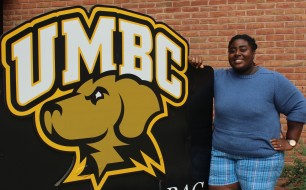 A reflection written by Women’s Center staff member, MJ Jalloh Jamboria
The following is a little of my experience as a queer Muslim person. I recognize that my experience is not reflective of Islam, nor of the community of people I met at the Interfaith Center.
For the first time since last Eid al-Fitr, a Muslim holy holiday, I went to Jumu’ah (congregational Friday prayer). I met a person on campus who extended a warm hand and invited me to prayer which took place at the Interfaith Center. I was both excited and terrified for a plethora of reasons. I was excited to sit amongst my sisters, to rejoin the community I had left behind me as I entered college, and to listen to the guest Sheik that was invited to give the khutbah, the congregational sermon.
In the days leading up to the Friday prayer, all I could talk about was how excited I was that I finally had a friend to go to Jumu’ah with. I quickly realized, I had no idea how to be practicing Muslim anymore. I was once a Sunday school teacher and was really quite good at incorporating Islamic teachings into my life. However, since the start of college, I hadn’t really thought about being religious. I am not hijabi, a woman who wears hijab full-time. I’m not even a woman! I sometimes eat gelatin (oops!) and I don’t think I own a single piece of ‘modest’ clothing. I am a fat, queer, shorts and T-shirt wearing, ‘you kiss your mother with that mouth?’ swearing, mess of a person! Muslim people can be all of these things, but in prayer there are certain rules we must submit to. The expectation for women is to stand in a section separate from men, covered in appropriate prayer attire and hair and neck wrapped in a veil. The thought of completing some of these actions made me nervous.
Friday came and I finally decided upon an outfit that was appropriate, picked a hijab and walked over to the Interfaith Center. The prayer went well, I loved the khutbah (the sermon given by the person who leads prayer, usually the Sheik) and I felt like was I finally home. Even though I had only spent an afternoon with these sisters, I knew I found a community of women who understood and loved me. In fact, the khutbah before the prayer was almost serendipitous. The Sheik recited a line about friendship. He reminded the congregation that we should all find friends that we love purely for God’s sake. With the women that surrounded me, I felt I finally found the very friends the Sheik was talking about.
Despite all of the affirmation I felt in the space, I was (and am) still challenged by the fact that a large part of my identity has to be put on hold to enter into this space of prayer. Since high school, simple and arbitrary gender markers have been instrumental in the way that I’ve been able to present my identity. My name, the way I dress and talk, even the way I wear my hair have become the only way I can really be non-normative and express who I am. As I got ready for prayer that morning, I felt like I was hiding and changing who I am. I had to find clothes that weren’t form-fitting and that covered my body. I put on a hijab and while I love what hijab represents, it too plays a role in covering up important parts of my identity. I’ve been growing my locs for the past 2 years and they’ve become a prized familial tradition I don’t want to hide. But, both the hijab and the clothes were material. Whenever I was asked my name, I cringed as I introduced myself as Sister Mariam as opposed to “MJ.” I love my birthname. I love the woman I am named after and I love the religious significance of my name. But, I hate lying. I am no longer Mariam. I am not the pious Sunday school teacher anymore. I’m MJ, a queer, potty-mouth, music-loving, dances in their underwear kind of person who also happens to be Muslim.
While it would be easier to just not stress over being called by my birthname and changing my appearance, I think I owe it to myself to look for a space where all of my identities are acknowledged and valued and allowed to intersect. I’ve previously felt like I had to filter parts of myself to fit into certain spaces. In queer and feminist spaces, I’ve felt a disconnect from my religion. While in Muslim settings I’m forced back into the closet. It’s important to find communities and spaces where all of our identities and embodiments are acknowledged, valued, and perhaps even loved!
I have yet to return to the Interfaith Center. Two weeks have gone by, and instead of joining the congregation, I steal glances as I pass the Center on my way to The Commons. I haven’t decided whether or not I’ll be going to another Friday prayer just yet. I want to be among my sisters again, but not at the cost of other parts of my identity that I’ve worked so hard to be able to express.
For more on practicing and incorporating intersectionality into our lives and feminism, check out Why Our Feminism Must Be Intersectional (And 3 Ways to Practice It) from Everyday Feminism.
And, to read another person’s experience related to intersectional feminism and her Muslim identity, read Maha Saleem’s reflection on AAUW’s blog.
]]>
A reflection written by Women’s Center staff member, MJ Jalloh Jamboria The following is a little of my experience as a queer Muslim person. I recognize that my experience is not reflective of...
https://womenscenteratumbc.wordpress.com/2016/05/10/a-call-to-prayer-my-return-to-the-muslim-community/
https://my3.my.umbc.edu/api/v0/pixel/news/60046/guest@my.umbc.edu/a70af7fe2d2a7f92739d68c59dc21074/api/pixel
diversity
identity
intersectionality
islam
queer
religion
Women's, Gender, & Equity Center
https://my3.my.umbc.edu/groups/womenscenter
https://assets2-my.umbc.edu/system/shared/avatars/groups/000/000/125/78272a4842689b30dbf74672182b78f8/xsmall.png?1750974263
https://assets1-my.umbc.edu/system/shared/avatars/groups/000/000/125/78272a4842689b30dbf74672182b78f8/original.png?1750974263
https://assets1-my.umbc.edu/system/shared/avatars/groups/000/000/125/78272a4842689b30dbf74672182b78f8/xxlarge.png?1750974263
https://assets1-my.umbc.edu/system/shared/avatars/groups/000/000/125/78272a4842689b30dbf74672182b78f8/xlarge.png?1750974263
https://assets1-my.umbc.edu/system/shared/avatars/groups/000/000/125/78272a4842689b30dbf74672182b78f8/large.png?1750974263
https://assets2-my.umbc.edu/system/shared/avatars/groups/000/000/125/78272a4842689b30dbf74672182b78f8/medium.png?1750974263
https://assets1-my.umbc.edu/system/shared/avatars/groups/000/000/125/78272a4842689b30dbf74672182b78f8/small.png?1750974263
https://assets2-my.umbc.edu/system/shared/avatars/groups/000/000/125/78272a4842689b30dbf74672182b78f8/xsmall.png?1750974263
https://assets3-my.umbc.edu/system/shared/avatars/groups/000/000/125/78272a4842689b30dbf74672182b78f8/xxsmall.png?1750974263
Women's Center
63
0
false
Tue, 10 May 2016 12:20:53 -0400
Tue, 10 May 2016 12:20:53 -0400
(In)Visible Disabilities and Women Resources Round-up
A resource round-up provided by Women’s Center staff members Meagé and MJ
In case you missed Tuesday’s roundtable on (In)Visible Disabilities and Women (or if you were there and want to keep the conversation going), we thought it might be useful to summarize some of the discussion in addition to linking some useful reading materials and resources.
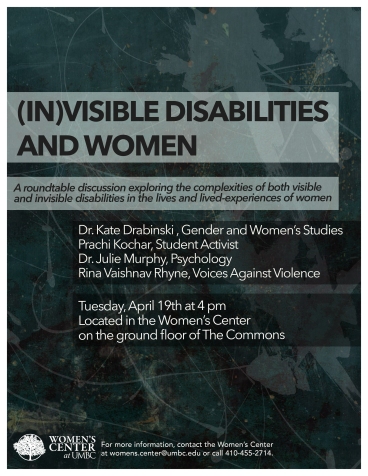
As with all of our roundtables, we reached out to our panel members and asked them to keep a few guiding questions in mind as they shared their stories and examples. Some of these included:
-
Where do the intersections of (in)visible disabilities and gender show up for you personally? In the classroom, peer networks, etc.?
-
How does disability relate to issues like reproductive justice, sexual violence, or gender socialization?
-
How is the way we talk about disability influenced by gender and sexuality?
-
How does ableism impact women with visible vs. invisible disabilities differently?
-
Why is this a social justice and/or feminist issue?
On Tuesday, our panelists shared their definitions and experiences of disabilities and their intersection with gender. Rina Rhyne of Voices Against Violence, elaborated on the array of sexual assault/violence perpetrated towards people with disabilities. “Sexual violence is not always physical. Caretakers and partners can manipulate the power and control they hold in relationship.” (See the Power and Control Wheel: People with Disabilities and their Caregivers) Dr. Julie Murphy spoke to the ways in with ADHD are diagnosed (or not) and the ways in which gender socialization impact the ways in which people respond or react to with women with ADHD. Dr. Kate Drabinski reflected on teaching disability studies and encouraged us to learn more about the social model of disability. Student Leader, Prachi, shared her experience as a Deaf student here at UMBC. She explained the duality of deafness, “it is both an invisible and visible disability.” Prachi also spoke to what it means to be Deaf as a woman of color and called for a change in the way we view disabilities saying, “deafness is not ugly nor is it negative.”
With only an hour to spend together, there’s still so much more we could have discussed and learned together. Below are just a few resources to help us continue to engage in self-reflection and growth.
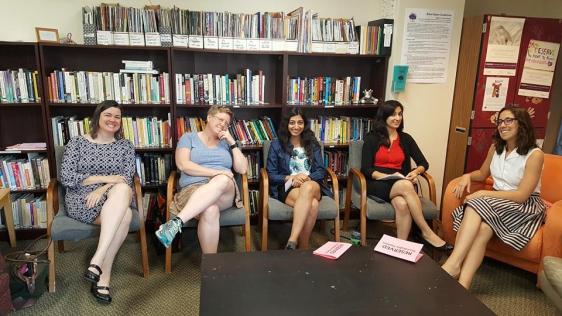
Thanks to our panel members for the important and rich conversation!
From Stuff Mom Never Told You
From Everyday Feminism
News and other articles
Helpful Legal Services/ Information on Disability Rights and Accommodations
On-campus Resources
Read more from other roundtable roundups:
Trans Identities + Mental Health (March 2016)
Black Trauma + Mental Health (February 2016)
White Womanhood + Critical Whiteness (September 2015)
]]>
A resource round-up provided by Women’s Center staff members Meagé and MJ In case you missed Tuesday’s roundtable on (In)Visible Disabilities and Women (or if you were there and want to keep the...
https://womenscenteratumbc.wordpress.com/2016/04/21/invisible-disabilities-and-women-resources-round-up/
https://my3.my.umbc.edu/api/v0/pixel/news/59563/guest@my.umbc.edu/90e021eb581c4258fb56c901a6843598/api/pixel
disability
feminism
gender-violence
identity
intersectionality
issues
resources
roundtable-roundup
Women's, Gender, & Equity Center
https://my3.my.umbc.edu/groups/womenscenter
https://assets2-my.umbc.edu/system/shared/avatars/groups/000/000/125/78272a4842689b30dbf74672182b78f8/xsmall.png?1750974263
https://assets1-my.umbc.edu/system/shared/avatars/groups/000/000/125/78272a4842689b30dbf74672182b78f8/original.png?1750974263
https://assets1-my.umbc.edu/system/shared/avatars/groups/000/000/125/78272a4842689b30dbf74672182b78f8/xxlarge.png?1750974263
https://assets1-my.umbc.edu/system/shared/avatars/groups/000/000/125/78272a4842689b30dbf74672182b78f8/xlarge.png?1750974263
https://assets1-my.umbc.edu/system/shared/avatars/groups/000/000/125/78272a4842689b30dbf74672182b78f8/large.png?1750974263
https://assets2-my.umbc.edu/system/shared/avatars/groups/000/000/125/78272a4842689b30dbf74672182b78f8/medium.png?1750974263
https://assets1-my.umbc.edu/system/shared/avatars/groups/000/000/125/78272a4842689b30dbf74672182b78f8/small.png?1750974263
https://assets2-my.umbc.edu/system/shared/avatars/groups/000/000/125/78272a4842689b30dbf74672182b78f8/xsmall.png?1750974263
https://assets3-my.umbc.edu/system/shared/avatars/groups/000/000/125/78272a4842689b30dbf74672182b78f8/xxsmall.png?1750974263
Women's Center
13
0
false
Thu, 21 Apr 2016 11:33:51 -0400
Thu, 21 Apr 2016 11:33:51 -0400
A Reflection on Women’s Representation in the Arts
A blog reflection written by Women’s Center intern Julia Gottlieb.
After reading the Baltimore City Paper’s recent daily Power Rankings, I got to thinking a lot about white women and women of color’s status in the arts. Three weeks ago, UMBC’s Theatre department held their annual New Playwrights Festival, featuring student playwrights.
I attended one night of the Festival, and got to see Elizabeth Ung’s play, a story that on the surface is about a sister and brother surviving in a post-apocalyptic world, but underneath it poses deeper questions of morality and emotional survival. Ung, who is a student of color here at UMBC, explains that she was inspired to write plays after taking a play-writing class through the theater department last semester, saying “[Playwriting] was something that I felt like I always wanted to do, to tell stories. It’s something that I want to do to get my voice out there.” Additionally, her characters are inspired by her everyday experiences and interactions with those around her: “I definitely get a lot from my own experiences, because that’s really the only reliable resource that I can definitely count on. You know, the littlest conversations can inspire dialogue and conflict within the plot.” This is especially important given the severe lack of representation of women of color and their experiences within theater and the arts as a whole.

Here is a helpful infograph to visually show the state of women’s representation in the arts. Even here an intersectional view on this issue is missing, and women of color’s experiences are not represented.
We know that white women have significantly less representation than men in play-writing and in theater overall. Meanwhile, women of color’s voices and experiences are even more underrepresented. Along with this disparity, there is a lack of comprehensive studies that specifically track the numbers of women of color playwrights and directors within theater in both specific cities and across the country. One study finds that of the plays being produced in Washington DC this season, “80% of playwrights are white, 7% are African American, 6% are Latino, 2% are Asian American and 2% are multi-ethnic.” This study gives a sense of the vast disparities that already exist within DC’s theatrical productions. The study’s lack of attention to intersectionality is illustrative of the fundamental problem of representation–the voices of white men and white women have more representation than the voices of women of color. And as long as women of color’s voices are not represented, a vast number of important experiences and viewpoints go ignored and invalidated.
In his piece, Unpacking ‘Diversity’ in Musical Theatre, Michael R. Jackson explains that rather than focusing on fulfilling a diversity quota, theater’s ultimate goal should be “to hold the mirror up to humanity and reflect it back (or distort it) in order to share, person-to-person, what it means to exist in joy and suffering in the world.” Representation matters to me because it affects what stories are being told and who gets to have a place in the world. I want the mirror to reflect an honest view of humanity and its diverse voices.
For example, as someone who identifies as fat (or plus-size if you prefer), the character Rae from the British TV show My Mad Fat Diary was very important to me because I had never seen a larger girl as the main character of a TV show. Seeing someone who looks like me on TV–having the mirror held up to reflect my life and my experiences was so affirming for me and I want everyone to be able to have that experience.
Representation is how we find characters to relate to, take comfort in, and hold up the mirror to and for ourselves. The arts are at a crucial time to make that a reality for more women of color and other underrepresented people.
]]>
A blog reflection written by Women’s Center intern Julia Gottlieb. After reading the Baltimore City Paper’s recent daily Power Rankings, I got to thinking a lot about white women and women of...
https://womenscenteratumbc.wordpress.com/2015/11/09/a-reflection-on-womens-representation-in-the-arts/
https://my3.my.umbc.edu/api/v0/pixel/news/55742/guest@my.umbc.edu/15b4b698fa425cef297454e9effd0d68/api/pixel
feminism
intersectionality
uncategorized
Women's, Gender, & Equity Center
https://my3.my.umbc.edu/groups/womenscenter
https://assets2-my.umbc.edu/system/shared/avatars/groups/000/000/125/78272a4842689b30dbf74672182b78f8/xsmall.png?1750974263
https://assets1-my.umbc.edu/system/shared/avatars/groups/000/000/125/78272a4842689b30dbf74672182b78f8/original.png?1750974263
https://assets1-my.umbc.edu/system/shared/avatars/groups/000/000/125/78272a4842689b30dbf74672182b78f8/xxlarge.png?1750974263
https://assets1-my.umbc.edu/system/shared/avatars/groups/000/000/125/78272a4842689b30dbf74672182b78f8/xlarge.png?1750974263
https://assets1-my.umbc.edu/system/shared/avatars/groups/000/000/125/78272a4842689b30dbf74672182b78f8/large.png?1750974263
https://assets2-my.umbc.edu/system/shared/avatars/groups/000/000/125/78272a4842689b30dbf74672182b78f8/medium.png?1750974263
https://assets1-my.umbc.edu/system/shared/avatars/groups/000/000/125/78272a4842689b30dbf74672182b78f8/small.png?1750974263
https://assets2-my.umbc.edu/system/shared/avatars/groups/000/000/125/78272a4842689b30dbf74672182b78f8/xsmall.png?1750974263
https://assets3-my.umbc.edu/system/shared/avatars/groups/000/000/125/78272a4842689b30dbf74672182b78f8/xxsmall.png?1750974263
Women's Center
9
0
false
Mon, 09 Nov 2015 10:51:25 -0500
Mon, 09 Nov 2015 10:51:25 -0500