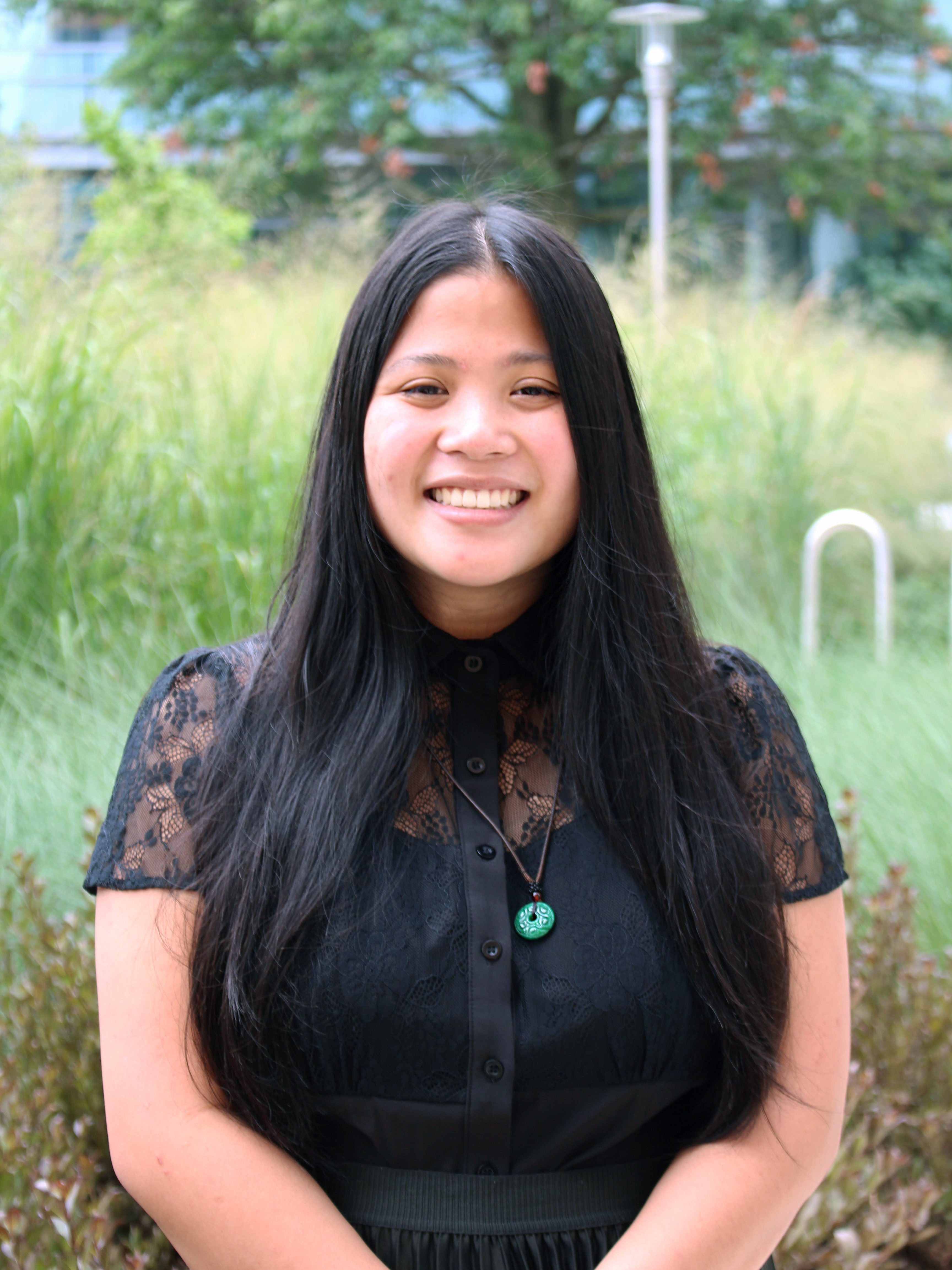
Tribe or Trap – The Difference Between Community & High Control
-By Amy Taylor, Social Work/Music Major
Humans are wired for belonging. We crave connection, shared purpose, and safety within groups. But not every group that promises community delivers it. Some take that longing and twist it into control. It often happens slowly, without people inside the group noticing. Nobody is immune to these organizations because they prey on people who are going through any sort of life change or who feel alone. As a college student, being away from family and friends for the first time can make one vulnerable to groups that offer “instant community.” College is a time when many students are rebuilding their sense of belonging from scratch, which makes it both exciting and vulnerable terrain.
Born Into Control
I learned about community and control during my earliest years, primarily through what community was not. I was born into a family of eight kids, the third-born and oldest girl. For the first 20 years of my life, my parents raised my siblings and me in a high-control organization (HCO). I knew nothing about a healthy community because the HCO dictated where we went to church, what type of education we received or did not, what we wore, what we did with our time and money, and who we would associate with.
Identity and Expression
High-control organizations prescribe identities to their members, leaving little room for self-expression or discovery. As a child, I was forced to wear clothes I hated, such as long skirts (never pants) that swept the floor in length. My parents made sure that I was painfully modest, wearing baggy shirts that covered any indication that I was a woman, including my collarbone. At the large HCO conferences my family frequented, we had to wear white tops and long navy skirts. The message to me as a woman was clear: ‘cover up, sit down, shut up.’ I am thrilled to say that I overthrew their control, and today I enjoy putting outfits together that express who I am. I dress in vibrant colors and patterns, and even sport blue hair. These little things express my freedom as an individual; they bring me joy and, in a way, make up for lost time. I learned, through contrast, that true community embraces individual expression and differences. In a good community, you can be yourself, because conformity isn’t a value or a virtue.
Leadership and Power
In a healthy community, leadership styles are transparent, service-oriented, and accountable. High control organizations are authoritarian, hierarchical, and unquestionable. The leader of our HCO was not a musician, but he would put families on a pedestal if they were. They were treated with more respect and admiration than other members of the organization. Until they slipped up, of course, if one member of the family committed some faux pas, they were publicly shamed, shunned, and/or banished from the graces of the HCO. To this day, I don’t enjoy being placed on a pedestal for any reason, especially music. While I believe that music is a gift to be shared, I refuse to believe that I am ‘special’ because I’m a musician.
Information and Education
Access to information is, undeniably, a fundamental human right. In a healthy community, that right is expressed through open communication and transparency as well as access to all information. This was not my experience growing up in a high-control organization. All children were restricted to be “homeschooled” for all 12 grades and even beyond. I put the word homeschooled in quotation marks to avoid confusion. I did not receive a proper education.
My days were spent absorbing propaganda released by the high-control organization. This propaganda was designed to distort our thinking by twisting history, science, or any other “school” subject into wild and wrong teachings for us to assimilate into our lives. When I wasn’t busy poring over propaganda, I was taught to read, write, and perform simple arithmetic. That’s all. When it came time for me to learn algebra, I didn’t understand what the book was telling me, and I went to my mother and asked to be placed in tutoring. Her response aligned with the HCO’s teaching; she ripped the book out of my hands and said, “One day you are going to be a wife and a mother; you don’t need to learn algebra.” At the age of thirty, I enrolled in community college, received some tutoring, and crushed four semesters of algebra, a fact that still makes me proud today.
My mother’s censorship reached into what we read as well as what we watched. Each book that entered our house had to be approved by both my parents and the high-control organization. Once, I was given a Molly American Girl Doll book. My parents declared it evil and threw it out the day I got it. Most books I wanted to read got thrown out. We were, instead, encouraged to read about Christian martyrs, all of them coated with the subtextual suggestion that I would perhaps one day face the same fate. While I hope most parents would protect their young children from witnessing violence in movies, my parents were obsessed with it. I was banned from watching Disney movies (I saw my first one at the age of 21), but I was encouraged to watch Christians being burned at the stake (because that might be me one day). My earliest memory of films is watching a movie about Dutch nazi resistor Corrie ten Boom and her time in a concentration camp – incredibly violent, and totally inappropriate for a six-year-old. Instead of having access to age-appropriate material for learning and growing, I was being inundated with frightening messages about what my future would hold. Fear is the glue that holds high-control organizations together.
In a high-control organization, information is controlled, restricted, or distorted in some way. It might not look exactly like my story. Still, censorship and the fear of information are a dark road meant to keep people ingesting pre-selected information while discouraging critical thinking.
Freedom of Thought
Freedom of thought is essential to healthy communities; these communities encourage questioning, critical thinking, and dialogue. In a high-control organization, doubt, dissent, or independent thinking is discouraged and even punished. Thinking for myself was considered dangerous because groupthink was the only acceptable way to exist in the high-control organization. As a Christian, I was heavily shamed for asking questions and threatened with ostracism from my church and the HCO.
Leaving the Trap
That being said, my diaries were my place of refuge. I wrote endless questions in there, and I compared what I was experiencing in my family to other families or individuals I encountered. I felt safe writing in these diaries because no one ever read them. I was able to think critically about all my experiences, and even at the tender age of ten, I was aware that something in my little world wasn’t quite right.
Often, people ask me, “How did you get out?” The answer starts with those diaries and a kids’ radio program that depicted children who liked being near their parents (shocker) because their parents were kind to them. I was afraid of my parents. To me, these programs were a stark contrast to the way I was being raised, and I started journaling, ‘Do I deserve to be treated better?’ Eventually, I came to the conclusion that my parents were never going to care for, protect, or provide for me the way I needed. When two of my brothers planned to move out, I moved out with them.
Building True Community
The ramifications of leaving both the family and the high-control organization were daunting. I was threatened with excommunication, and while that was painful, it no longer felt like annihilation because I was ready to start creating a community of my own. Eventually, I learned through trial and error that the best communities are the ones you forge on your own, not pre-packaged ones that offer instant friendships, pre-made activities, and, eventually, a boatload of hidden rules and restrictions. Today my community is thriving. I have friends and family who are close to me; we stay in regular contact, and together we support each other through all of life’s ups and downs. I am open and friendly with many people, but I have a close circle of friends who are my ride-or-die. I’m thrilled that that circle of friends does not have a leader lording themselves over us. It feels good to be free.
What I’ve noticed about belonging and inclusion is that while high-control organizations accept people conditionally based on conformity and a twisted sense of loyalty, healthy communities base them on empathy, diversity, inclusion, and respect. Today, I get to choose the people in my circle. We laugh, cry, and grow together. There is no hierarchy, no hidden rules, no fear. Just connection. That’s what community should be.
Coming and Going
So if high-control organizations are so awful, why do people join? Answer? They don’t. No one wakes up one day and says, “I wanna join a cult” or “I want someone else to prescribe my identity” or “I want some leader to dictate everything I do.” People don’t willingly or naturally give up their freedoms. There are well-defined psychological, physical, emotional, and social manipulations that lure people into these organizations. In the beginning, it’s all very exciting because we think we’ve found our tribe. Only time reveals the trap: HCOs want to use you and discard you. When it comes to exits and boundaries, an HCO will leave you feeling discouraged, shamed, or punished. Sometimes, the threat of losing everyone in the group is a powerful manipulation to make you stay. However, healthy groups allow people to leave freely without stigma or threats.
What About You?
College is often a time of transition, self-discovery, and searching for belonging. You might meet groups that promise friendship, meaning, grandiose purpose, and “instant community,” but it’s important to pause and think critically. Healthy communities celebrate your individuality, encourage your questions, and let you come and go freely. High-control organizations, on the other hand, disguise control as care and conformity as commitment. Before giving away your trust, ask yourself: Can I be fully myself here? Can I speak up, disagree, or walk away without fear or shame? If the answer is no, then it’s not a tribe, it’s a trap. You deserve relationships and spaces where your freedom, curiosity, and identity are safe. True community doesn’t require you to shrink, it helps you grow. In the end, the difference between a tribe and a trap is freedom – the freedom to think, to question, to express, and to leave. True community doesn’t demand your loyalty; it earns your trust and your love.
If you are caught up in a high-control organization, remember there is hope, help, and resources on the other side. There are many people (including me) waiting to support and encourage you on your journey to find a healthy community. Leaving is hard; it’s easy to feel really alone, especially if your family or close friends stay in the HCO. But I’d encourage you to remember that your journey is just starting. The world is full of many people waiting to connect with you. Get some support, tell your story, and stay free.
Resources
International Cultic Studies Association https://www.icsahome.com/
Freedom of Mind Resource Center (founded by Steven Hassan, cult expert and former member of the Moonies)
freedomofmind.com
The Open Minds Foundation
openmindsfoundation.org
Focuses on education and awareness about undue influence, manipulation, and coercive control.
]]>
-By Amy Taylor, Social Work/Music Major Humans are wired for belonging. We crave connection, shared purpose, and safety within groups. But not every group that promises community delivers it....
https://womenscenteratumbc.wordpress.com/2025/12/11/tribe-or-trap-the-difference-between-community-high-control/
https://my3.my.umbc.edu/api/v0/pixel/news/155264/guest@my.umbc.edu/f9b92062fa7e95f04323bdc65df673cc/api/pixel
community
critical-social-justice
cult
education
family
freedom
identity
intersectionality
issues
life
love
mental-health
social-justice
staff
umbc
women
writing
Women's, Gender, & Equity Center
https://my3.my.umbc.edu/groups/womenscenter
https://assets2-my.umbc.edu/system/shared/avatars/groups/000/000/125/78272a4842689b30dbf74672182b78f8/xsmall.png?1750974263
https://assets1-my.umbc.edu/system/shared/avatars/groups/000/000/125/78272a4842689b30dbf74672182b78f8/original.png?1750974263
https://assets1-my.umbc.edu/system/shared/avatars/groups/000/000/125/78272a4842689b30dbf74672182b78f8/xxlarge.png?1750974263
https://assets1-my.umbc.edu/system/shared/avatars/groups/000/000/125/78272a4842689b30dbf74672182b78f8/xlarge.png?1750974263
https://assets1-my.umbc.edu/system/shared/avatars/groups/000/000/125/78272a4842689b30dbf74672182b78f8/large.png?1750974263
https://assets2-my.umbc.edu/system/shared/avatars/groups/000/000/125/78272a4842689b30dbf74672182b78f8/medium.png?1750974263
https://assets1-my.umbc.edu/system/shared/avatars/groups/000/000/125/78272a4842689b30dbf74672182b78f8/small.png?1750974263
https://assets2-my.umbc.edu/system/shared/avatars/groups/000/000/125/78272a4842689b30dbf74672182b78f8/xsmall.png?1750974263
https://assets3-my.umbc.edu/system/shared/avatars/groups/000/000/125/78272a4842689b30dbf74672182b78f8/xxsmall.png?1750974263
Women's Center
7
0
false
Thu, 11 Dec 2025 15:49:25 -0500
Thu, 11 Dec 2025 15:49:25 -0500
Sex Will Be Good Again
The week the pandemic shut down all the schools, I went to the gynecologist. Over the past six months, I had been plagued by non-stop yeast infections, and I had tried every home remedy under the sun to cure myself. Then the gynecologist told me I actually had chlamydia.
The diagnosis started me on a path to recovery that would span years. The chlamydia itself cleared up within a week, but the psychological damage of enduring painful sex for so long remained. My partner at the time was abusive, and did not care about my pleasure, or my pain. Sex had been painful, every single time, for six months straight.
I was ashamed, firstly, when I realized I couldn’t use so much as a menstrual cup without experiencing immense, lasting pain, like a cold, persistent ache.
Recalling my lessons from Family Life courses in middle school that taught me to seek out a doctor if I experienced pain using menstrual products, I booked several more appointments with gynecologists, hoping that the next one would find something wrong with me, or tell me some way forward. Each one only had a vague answer, finding nothing and asking for a followup if the pain continued (it always did). I was sure something was wrong down there, to the point where I asked the gynecologist doing my pap smear to look for scarring. There wasn’t any, and she reassured me that any past trauma I had was unlikely to do permanent damage—after all, vaginas are built to push out babies and heal from them.
My paranoia began to eat me alive. Despite the placations, I was still experiencing pain. To top it off, every time I felt an itch I feared it was a yeast infection, or that I had somehow re-infected myself. I asked the nurse to test me for every STI, just in case they had missed it before. They told me it wasn’t necessary to test again if I had no symptoms, but still, I needed to know for sure that I was in the clear.
I was. But the pain continued.
Over and over I had been dismissed, largely because I didn’t have a sexual partner. It seemed as though the nurses and doctors that attended me didn’t see an issue with my pain because they saw my vagina as a sexual vehicle through which sex or birth is performed. Since neither was happening, I was relegated to the margins, told to come back if the pain persisted with a partner. So, the next time I saw a doctor, I lied.
This time she listened to my concerns, and asked me more specific questions: Did the pain persist in all positions, or were some easier than others? Had I tried using pillows to prop my hips up in a comfortable position? Was I using lube? Maybe my cervix was closer to the entrance than most cervixes (the cervix, she informed me, changes positions throughout the menstrual cycle, and canal length varies between bodies). She did a full exam, providing the kind of care I was used to receiving from a doctor when I came in with an issue.
But at the end of the exam, she came up empty. The best advice she had for me was to experiment with positions and keep trying.
The last doctor visit was both the most helpful and simultaneously the least encouraging. I tried a different tactic with this doctor, being extremely honest and upfront about why I was there. I relayed to her all my past experiences and told her the immense pain that had brought me there. After deciding for me that an internal exam wasn’t in my best interest, she leaned forward and whispered, “Do you need to speak to someone?”
Looking back, I am almost certain she asked with good intentions, but at the time, it felt condescending. It felt like she was invalidating my pain, insinuating it was all psychological. Despite having had years of therapy under my belt, I instantly declined the offer, insisting I would just like to figure out what was wrong with me. I was certain it was physical.
The doctor, who was really a nurse practitioner, offered to go and get the head doctor of the practice. She said he could examine me and, with his decades of experience, hopefully give me an idea of what was going on. “But,” she added hesitantly, “he is male. Is that alright?”
It wasn’t alright. I didn’t want a man anywhere near me, especially not when I was so vulnerable. But more than that, I wanted this over. So I agreed. And I waited. And waited.
The head doctor never came. He was busy and wouldn’t be able to make time. It had taken over an hour for them to relay this to me. The nurse practitioner came back in with the printed resources they always gave me, and on the back she had written down a URL for a local pelvic floor physical therapist. The therapist was out of network, but the website provided me with validating information: this pain was not just in my head. Other people experienced it, too; it was called vaginismus. And it could get better.
Sex was not better the next day—it took a lot longer than that. I had to tackle a number of various issues, starting first with getting to know my own body. Finding the right positions is tricky, too, and it can change throughout the month with your hormone cycle or just the way your body is feeling that day. Medications and mental illness also got in the way, lowering my sex drive to null at times. Talk therapy helped a lot, and I am lucky enough to have a therapist that enrolled in additional courses to find a better treatment plan for me. My partner was patient with me, and understood that sex will be painful at times, but we can switch positions, use pillows or lube, and get intimate in other ways to make me more comfortable. Memories of a time when sex had been good kept me going when it seemed impossible to continue.
It was difficult to admit, but sex was painful for a long time for me, both emotionally and physically. I felt like something was wrong with me, that I was doing something wrong somehow. It took countless doctor visits to learn that I needed to first understand my own body, and then to learn how to trust myself. I had to learn to stop saying, “Thank you so much,” and start saying, “Actually, I don’t understand the results. Can you go over them again with me?” I learned that the sex ed I had been taught was severely lacking, because it didn’t go over what to do when sex isn’t fun anymore. I learned to be prepared for when sex becomes difficult, whether due to injury, sex drive, or disability.
When Michel Foucault wrote, “Tomorrow sex will be good again,” he didn’t mean it to be hopeful. Tomorrow does not guarantee a better day; sex is a constant negotiation of power and embodiment. Still, sex can be good again. But tomorrow’s progress does not come without today’s work. If you’re in a similar position, keep trying—learn more about your body, be open and honest about your pain, and don’t stop advocating for the care and comfort you deserve.
]]>
The week the pandemic shut down all the schools, I went to the gynecologist. Over the past six months, I had been plagued by non-stop yeast infections, and I had tried every home remedy under the...
https://womenscenteratumbc.wordpress.com/2024/12/18/sex-will-be-good-again/
https://my3.my.umbc.edu/api/v0/pixel/news/146356/guest@my.umbc.edu/fdac46d9dc185a0563f86a8a67e35777/api/pixel
chronic-pain
disability-justice-and-neurodiversity
health
intersectionality
mental-health
selfadvocacy
sex
sex-education
sexual-health
vaginismus
wellness
Women's, Gender, & Equity Center
https://my3.my.umbc.edu/groups/womenscenter
https://assets2-my.umbc.edu/system/shared/avatars/groups/000/000/125/78272a4842689b30dbf74672182b78f8/xsmall.png?1750974263
https://assets1-my.umbc.edu/system/shared/avatars/groups/000/000/125/78272a4842689b30dbf74672182b78f8/original.png?1750974263
https://assets1-my.umbc.edu/system/shared/avatars/groups/000/000/125/78272a4842689b30dbf74672182b78f8/xxlarge.png?1750974263
https://assets1-my.umbc.edu/system/shared/avatars/groups/000/000/125/78272a4842689b30dbf74672182b78f8/xlarge.png?1750974263
https://assets1-my.umbc.edu/system/shared/avatars/groups/000/000/125/78272a4842689b30dbf74672182b78f8/large.png?1750974263
https://assets2-my.umbc.edu/system/shared/avatars/groups/000/000/125/78272a4842689b30dbf74672182b78f8/medium.png?1750974263
https://assets1-my.umbc.edu/system/shared/avatars/groups/000/000/125/78272a4842689b30dbf74672182b78f8/small.png?1750974263
https://assets2-my.umbc.edu/system/shared/avatars/groups/000/000/125/78272a4842689b30dbf74672182b78f8/xsmall.png?1750974263
https://assets3-my.umbc.edu/system/shared/avatars/groups/000/000/125/78272a4842689b30dbf74672182b78f8/xxsmall.png?1750974263
Women's Center
9
0
false
Wed, 18 Dec 2024 12:17:56 -0500
The Future of (UMBC’s) Neurodiversity
Part One: A Strange and Friendless Road, For a Tomorrow Without Tears
or, being a woman (mostly), queer, and autistic. Self-diagnosing, and the fear of an official medical stamp.
Content Warning for mention of the r-slur.
By Katlynn Seghetti.
Over my time working at the women’s center, I’ve been doing a lot more reflection and thinking about the future. Fun topics, assuredly. In this post, I wanted to verbalize my own, and I’m sure many others’, feelings on being autistic in the current climate.
I was not recognized as autistic, until I took an AP Psychology course in my sophomore year of high school, (2017/2018, to age myself.) I saw the criteria for autism and literally went ‘hm. That all seems average. Can’t be me though, I’m able to take care of myself.” Consider me shocked when, not even months later, I entered the worst burnout state I’d ever been in – not in school, though. I still kept up my grades, still socialized well enough, but at home, I did nothing but scroll on the internet, or play one particular game until my eyes burned. I was lonely, and I couldn’t understand what the hell happened.
But I still couldn’t be autistic, right? I’m excelling where it matters. I’m not a burden on anyone else. Ignoring the fact that consistently throughout my entire life, my family referred to me as retarded:
- “Why are you acting so retarded?”
- “Don’t do that, you retard.”
- “Aw, you’re serious? You’re our little retard in the family.”
I couldn’t be autistic, I was purposefully refusing gender norms – I’m non-binary, of course. I couldn’t be, I have friends (who would treat me as a pet- one even did so at one of my more recent birthday parties, or make me the butt of the joke.) I couldn’t be, statistics show it’s a ‘boys’ disorder.
It wasn’t until I was deep in that burnout that I got content online, tagged #ActuallyAutistic. This post suggested getting fidgets, I did so. It helped- but only because I wanted it to. A weighted blanket helped. But again, only because I wanted it to. Anything that helped me wasn’t because I was autistic. It was just because I’d been doing SO much research (…another sign in and of itself,) that I was simply just fooling myself. Then, came the reflection of my childhood, lots of tears, anger, and all that fun.
Needless to say, I’m no longer in denial – I even got unofficial testing done at the health center here, and was told, “I can’t diagnose you, but I would say you are probably extremely highly likely autistic.” But… I think that’s where this ends. At least for a few years. I don’t need accommodations to succeed, I have a support system at home to help with the things I do need aid with. What would an official diagnosis give me? Another figurative target on my back. We’re an ‘epidemic’, we’re a social media trend, and we’re not to be taken seriously. Being queer, being connected to womanhood, I’m already terribly at risk. There’s no reason to add another one in the eyes of the government, the medical system, and anyone doubting my passions and my ability to do good work.
What I can do, though, is focus on community. My work in the Women’s Center, creating a Neurodiversity club, and connecting with other autistic (and other neurodivergent) adults at UMBC, allows me this. I can give space to those who feel like they don’t have it, and encourage change and progress. It’s not over until (drumroll) there’s a tomorrow with tears.
Part Two: The Journey through Genesis
or, my goals for next semester, and how we get there.
What does that mean though? Campus-wide, where do all the neurodivergent students exist? Everywhere, and nowhere. You see someone every day, and probably just call them a ‘weird’ kid. Here’s how we can start.
A Neurodiversity Club.
- This is in the works, but it is genuinely astounding to me that, other than the Disability Advocate Union, something like this hadn’t been created. However, neurodivergent people are so rejected, shoved aside, and treated like a bad thing to keep hushed and under lock and key. Why would they feel empowered to create a club? Going through the process of founding this club, it’s so simple but very scary, in a way. Will the people who ‘verify’ that this club needs to exist agree with us? Will the students think we’re doing a good job? The only way to know is to take the jump.
A Neurodiversity Support Group, for students, and for staff and faculty.
- I can only speak for students, but I understand there’s been some frustration getting recognition on campus. Accommodations feel like interrogations, and going to professors is a stunted legal-speak conversation. Let’s get community, connections and actual neurodiversity knowledge around. Well, my group this spring semester will be part of that- starting a group and collecting resources for neurodiversity. It’s a lot of work. But it’s good work. Students deserve to have good work and support. One thing I didn’t expect is how much support I’ve gotten from the Women’s Center, and how many neurodivergent staff and faculty supported my events. I see you, and I appreciate you. I feel like the work I’m doing is deeply fulfilling, and I know that I wouldn’t have gotten as much headway without everyone.
Trained Specialists; both in SDS and for faculty and staff support
- Yes, working with neurodivergent students can be hard. Seeing the invisible struggles, while making sure people don’t ‘overuse’ or ‘abuse’ the supports is valid. Why not add people who know the details about neurodiversity? Who can support staff and faculty in supporting these students? Who can support SDS in navigating accommodations? Who can empower students to get what they need?
Open Dialogue
- Students need information. That’s why we’re students. Neurodivergent students especially. Let’s create conversations about neurodiversty. Change can’t happen without voices. Students don’t feel heard or respected. This is not anyone’s intention, but it is the impact. We can work together to fill in the rift.
]]>
Part One: A Strange and Friendless Road, For a Tomorrow Without Tears or, being a woman (mostly), queer, and autistic. Self-diagnosing, and the fear of an official medical stamp....
https://womenscenteratumbc.wordpress.com/2024/12/13/a-strange-and-friendless-road-for-a-tomorrow-without-tears/
https://my3.my.umbc.edu/api/v0/pixel/news/146274/guest@my.umbc.edu/78354c85e502989597696c1281c5cc09/api/pixel
adhd
autism
autistic
college-communities
college-women
disability-justice-and-neurodiversity
diversity
intersectionality
mental-health
neurodivergent
neurodivergent-students
neurodiversity
queer
women
Women's, Gender, & Equity Center
https://my3.my.umbc.edu/groups/womenscenter
https://assets2-my.umbc.edu/system/shared/avatars/groups/000/000/125/78272a4842689b30dbf74672182b78f8/xsmall.png?1750974263
https://assets1-my.umbc.edu/system/shared/avatars/groups/000/000/125/78272a4842689b30dbf74672182b78f8/original.png?1750974263
https://assets1-my.umbc.edu/system/shared/avatars/groups/000/000/125/78272a4842689b30dbf74672182b78f8/xxlarge.png?1750974263
https://assets1-my.umbc.edu/system/shared/avatars/groups/000/000/125/78272a4842689b30dbf74672182b78f8/xlarge.png?1750974263
https://assets1-my.umbc.edu/system/shared/avatars/groups/000/000/125/78272a4842689b30dbf74672182b78f8/large.png?1750974263
https://assets2-my.umbc.edu/system/shared/avatars/groups/000/000/125/78272a4842689b30dbf74672182b78f8/medium.png?1750974263
https://assets1-my.umbc.edu/system/shared/avatars/groups/000/000/125/78272a4842689b30dbf74672182b78f8/small.png?1750974263
https://assets2-my.umbc.edu/system/shared/avatars/groups/000/000/125/78272a4842689b30dbf74672182b78f8/xsmall.png?1750974263
https://assets3-my.umbc.edu/system/shared/avatars/groups/000/000/125/78272a4842689b30dbf74672182b78f8/xxsmall.png?1750974263
Women's Center
24
0
false
Fri, 13 Dec 2024 16:25:28 -0500
Fri, 13 Dec 2024 16:25:28 -0500
“The Lone Soldier”—Being the Only Advocate in the Room

To quote myself from the start of my first semester here at UMBC, “I have somewhat of a unique position in that I often find myself standing in the middle of the line–I am biracial, bisexual, nonbinary, and have lived below the poverty line in an upper middle to high class area. I straddle many fences, and those experiences have made me sympathetic to both sides. It can be difficult to bridge the gap between marginalized and privileged groups.” I said these things in a reflection on my own activism, contemplating whether or not I could consider myself an activist. To be honest, sometimes I still don’t quite feel like I deserve that title, but I do my best.
Since then, I have learned quite a bit (which one would hope would be the case, considering how much tuition costs). As is the case with any knowledge, situations will arise where you are the only one in the room who is knowledgeable about the subject. Sometimes the conversation is trivial, and it doesn’t matter how much or how little you know about the subject. Sometimes the conversation is important, and your expertise is vital to understanding.
I have often been told that the way I speak, with assertive confidence, gives others the impression that I know what I’m talking about. While I do spend a lot of my free time learning new things, I am by no means an expert in anything but my own experiences. When I have to talk about something I haven’t experienced, I try to pull on what I’ve learned from others who have. But of course, trying to talk about something I haven’t experienced is much more difficult than talking about something I have. And this poses a problem when I’m the most knowledgeable person in the room on the subject.
Most recently, this situation arose while talking with a friend about MoistCr1TiKaL’s response to iDubbbz’s apology for his racist content. For those out of the loop, both MoistCr1TiKaL and iDubbbz are white YouTubers. MoistCr1TiKaL’s content largely focuses on commentary on internet culture and news, and iDubbbz is most well-known for his past comedic content. Unfortunately, a lot of that past comedic content was racist. iDubbbz recognized this, albeit years later, and apologized for the harm his content caused. MoistCr1TiKaL then responded, and subsequently doubled down, that iDubbbz’s apology was unnecessary. MoistCr1TiKaL’s own audience disagreed with him, and several other YouTube commentators put out videos running down the whole situation. D’Angelo Wallace’s and Kat Blaque’s videos discussing the topic provide comprehensive rundowns of the situations and a nuanced discussion about racism and accountability, for those interested.
While talking with this friend, they mentioned not finding the situation all that important. They said they found it almost laughable when people used slurs because, to them, it devalued the racist meaning of the word and made the user look like a fool. This came from their experiences of being both Black and Hispanic and experiencing racism that was much more difficult to deal with than a random creator on the internet. I pointed out that this kind of racism was harmful, too, and it normalized it and harmed others, even if it didn’t personally hurt my friend. But I felt out of my depth; I am white-passing, and my personal experiences with racism are complicated. The way I move through the world is completely different to how my friend moves through the world. In helping my friend understand why such content was harmful, I had to stare into the abyss of my (lack of) knowledge—and it stared back; I was wildly unequipped for this conversation, but if I didn’t have it, I wasn’t sure anyone else in my friend’s life would. So I sent them Kat Blaque’s video on the situation, trusting that her words would make more sense than mine, and that her experiences would resonate more with my friend.
But being the only advocate doesn’t always mean you’re the one who knows the most—sometimes it means you’re the only one willing to speak up. Some groups are so stigmatized that broaching the topic with the wrong crowd can cause conflict. Take, for example, furries. Last semester, I wrote a literature review that argued against the bias that academia holds against furries, and ended with a call to action. This was not, however, a popular topic; most people seemed startled or uncomfortable with the subject. Furry fandom was not something I was very familiar with at the time, but my paper was born from frustration at constant criticism of furries, and even genocidal jokes about them in group chats, largely fueled by misinformation and harmful stereotypes. My concerns about the popularity of using furries as a punching bag were overlooked, even by close friends.
Discussing taboo topics is not easy; you are liable to be given a label you don’t identify with, or even a derogatory one, when you defend a group people love to hate. The main question I received when writing the literature review was, “Are you a furry?” While the frustration of being asked that question did not stop me from continuing my research, the implications can stop others from publicly advocating for a group of people. Sometimes the barrier to being an advocate is simply not wanting to be the one who’s targeted. But the less people who speak up, the harder it is for others to. For some closeted queer people, advocating for queer rights can be dangerous, as it could draw unwanted attention that could pose a physical threat to their lives. The more often we advocate for the fair and equitable treatment of others, the harder it is to target individuals, and the easier it is for others to get involved.
But knowing that doesn’t make it easy. Even with as vocal as I am, I get nervous when I share my opinions. People can be unpredictable; even those you know best can manage to shock you. For courage, I follow the mantra they teach you in kindergarten: “treat others the way you want to be treated.” When I don’t have the courage to speak up, I hope that others will in my stead. How many times growing up did I witness something that I felt powerless to change, if only one other person had stood up for me? Making the world a better place sometimes means stepping up and being the person you needed when you were younger.
Activism looks different for everyone. For some, it is going out and marching or walking out in protest. Some choose to utilize social media to spread awareness and use the algorithm for greater good. For myself, I like to use the definition Dr. Kate Drabinski gave us in her GWST 200 course on activism: “living life in accordance with one’s values.” Whether you choose to be vocal or provide support from the sidelines, it is important that we show up for each other—especially when it may be difficult to do so.
]]>
To quote myself from the start of my first semester here at UMBC, “I have somewhat of a unique position in that I often find myself standing in the middle of the line–I am biracial, bisexual,...
https://womenscenteratumbc.wordpress.com/2024/05/16/the-lone-soldier-being-the-only-advocate-in-the-room/
https://my3.my.umbc.edu/api/v0/pixel/news/142037/guest@my.umbc.edu/d3ecd652259df0a77e408dc1c16b745c/api/pixel
actvisim
advocacy
bipoc-voices
diversity-and-inclusion-issues
education
feminism
growth
intersectionality
latinx-voices
mental-health
politics
pop-culture
pride-voices
racism
student-life
Women's, Gender, & Equity Center
https://my3.my.umbc.edu/groups/womenscenter
https://assets2-my.umbc.edu/system/shared/avatars/groups/000/000/125/78272a4842689b30dbf74672182b78f8/xsmall.png?1750974263
https://assets1-my.umbc.edu/system/shared/avatars/groups/000/000/125/78272a4842689b30dbf74672182b78f8/original.png?1750974263
https://assets1-my.umbc.edu/system/shared/avatars/groups/000/000/125/78272a4842689b30dbf74672182b78f8/xxlarge.png?1750974263
https://assets1-my.umbc.edu/system/shared/avatars/groups/000/000/125/78272a4842689b30dbf74672182b78f8/xlarge.png?1750974263
https://assets1-my.umbc.edu/system/shared/avatars/groups/000/000/125/78272a4842689b30dbf74672182b78f8/large.png?1750974263
https://assets2-my.umbc.edu/system/shared/avatars/groups/000/000/125/78272a4842689b30dbf74672182b78f8/medium.png?1750974263
https://assets1-my.umbc.edu/system/shared/avatars/groups/000/000/125/78272a4842689b30dbf74672182b78f8/small.png?1750974263
https://assets2-my.umbc.edu/system/shared/avatars/groups/000/000/125/78272a4842689b30dbf74672182b78f8/xsmall.png?1750974263
https://assets3-my.umbc.edu/system/shared/avatars/groups/000/000/125/78272a4842689b30dbf74672182b78f8/xxsmall.png?1750974263
Women's Center
10
0
false
Thu, 16 May 2024 14:58:40 -0400
Thu, 16 May 2024 14:58:40 -0400
Navigating my Identity as a Pakistani-American
By Tanzila Malik
Growing up as a second-generation Pakistani-American, I never had a strong connection to my culture. My dad’s family immigrated to Nebraska from Pakistan in the early 1970s when he was just a year old. My mom lived in Pakistan until the age of eight. Then she moved to England, and then later to Germany. Neither had many memories from their time in Pakistan, so I was never exposed to my culture or in touch with that side of me the same way as other Pakistanis I know.
I grew up around my dad’s family, who had spent their whole lives in the US, chasing the American dream, and leaving behind their lives in Pakistan. They assimilated themselves into American culture, including religiously watching Sunday night football like most other American families I know. But I’ve always felt too Pakistani for the Americans, and too American for the Pakistanis.
I grew up in a predominantly white neighborhood, and my elementary school was the same. Although I made really good friends throughout my years there, I was still always made to feel like the “other.” Whether it was the fact that none of my teachers looked like me, constantly having to correct peoples’ pronunciation of my name, or that people would automatically assume I was related to one of the few brown kids in the school. The list is endless. Because of this, I always felt ashamed of my background, and like I had to prove that I was a “normal American” like my peers. The one attempt my school made to be culturally inclusive, was the annual “Family Heritage Night.” During this, people set up tables with artifacts from their cultures including clothes, food, games, etc. Despite my opposition, my mom insisted that we set up a table to showcase our Pakistani culture. She tried to make me wear our traditional clothing, but I refused and tried my best to be anywhere but where our table was.
These feelings continued throughout my years in elementary school but shifted once I got to high school, where the population was significantly more diverse. I met so many people from different cultural backgrounds, including my own, and felt empowered enough to begin reclaiming my cultural identity. This feeling didn’t last long though. Soon, I began to realize that I didn’t fit in with my South Asian friends either. People would poke fun at me for not knowing their references to Bollywood movies or other aspects of Pakistani popular culture. I began to feel like an outsider again, even among people from my own culture and I projected their perception of me onto myself. In my head, I thought that since I couldn’t always relate to my culture the same way as my Pakistani friends, that must mean I’m not really Pakistani.
As I’ve gotten older, and have been exposed to different cultures and ways of thinking in college, I’ve realized that there is no “right” way to “do” culture. Culture is constantly changing, and is whatever we make it. This is still something I work through every day, through my interactions with other people, experiences at school, work, etc. But I’m learning that I don’t need to force myself to fit in with one group or the other and that how I perceive my identity is the only thing that matters.
]]>
By Tanzila Malik Growing up as a second-generation Pakistani-American, I never had a strong connection to my culture. My dad’s family immigrated to Nebraska from Pakistan in the early 1970s...
https://womenscenteratumbc.wordpress.com/2024/01/16/navigating-my-identity-as-a-pakistani-american/
https://my3.my.umbc.edu/api/v0/pixel/news/138203/guest@my.umbc.edu/22503e9086c24571b71c0381dc3417a6/api/pixel
bipoc-voices
intersectionality
staff
Women's, Gender, & Equity Center
https://my3.my.umbc.edu/groups/womenscenter
https://assets2-my.umbc.edu/system/shared/avatars/groups/000/000/125/78272a4842689b30dbf74672182b78f8/xsmall.png?1750974263
https://assets1-my.umbc.edu/system/shared/avatars/groups/000/000/125/78272a4842689b30dbf74672182b78f8/original.png?1750974263
https://assets1-my.umbc.edu/system/shared/avatars/groups/000/000/125/78272a4842689b30dbf74672182b78f8/xxlarge.png?1750974263
https://assets1-my.umbc.edu/system/shared/avatars/groups/000/000/125/78272a4842689b30dbf74672182b78f8/xlarge.png?1750974263
https://assets1-my.umbc.edu/system/shared/avatars/groups/000/000/125/78272a4842689b30dbf74672182b78f8/large.png?1750974263
https://assets2-my.umbc.edu/system/shared/avatars/groups/000/000/125/78272a4842689b30dbf74672182b78f8/medium.png?1750974263
https://assets1-my.umbc.edu/system/shared/avatars/groups/000/000/125/78272a4842689b30dbf74672182b78f8/small.png?1750974263
https://assets2-my.umbc.edu/system/shared/avatars/groups/000/000/125/78272a4842689b30dbf74672182b78f8/xsmall.png?1750974263
https://assets3-my.umbc.edu/system/shared/avatars/groups/000/000/125/78272a4842689b30dbf74672182b78f8/xxsmall.png?1750974263
Women's Center
10
0
false
Tue, 16 Jan 2024 10:21:35 -0500
Tue, 16 Jan 2024 10:21:35 -0500
Navigating Through Relationships
 Image description
: Rachael smiling while standing in front of a UMBC building. She is wearing a brown, long-sleeved top.
Positionality statement: This post is written by Rachael Joslow, a third-year and student staff at the Women’s Center. In addition to my experience growing up as an only child with a single mom, this blog will be about what a romantic relationship is and how I’ve struggled to understand what it means to have one over the years. With sharing my personal experiences, I hope this blog can be something that others can relate to and shed light on a different perspective on dating and relationships.
Something that I’ve been thinking about more often this year is my perception of relationships in a romantic sense. As I’m getting older, I start to realize how I don’t know what it means to have a partner or what it means to have a romantic relationship. It’s so normalized to find a romantic relationship in our society. Ever since I was young, it’s been ingrained in me by others in different ways that I’ll get married or “you’ll find the one when you’re older.” Even in school growing up, it’s the “high school” experience to have your first kiss, be asked out to prom, have sex, and all those personal experiences. Why does it matter to everyone so much during that time? Maybe peer pressure and all that stupid shit.
Growing up, I was an only child in a single parent household, so it was only my mom and I! It never felt empty or like something was missing, it was just another type of household that I was more used to. With having a single mom, I experienced how I didn’t need to have both a mom and a dad in terms of emotional support, because I was surrounded by so much love and support from other family members and family friends growing up.
As I was surrounded by a loving community, I came to understand the different types of love that you can receive and give to others.
I recently recalled a conversation I had in 5th grade with another classmate: “oh, it would be okay if I married somebody or if I married nobody! If I do get married, the person can be a girl or a boy.” Ten years later, I am someone who experiences attraction for any gender. But now, I’ve been vehemently opposed to getting married or being in relationships. Other thoughts that come to mind are after being through relationships, I really don’t know how to be in one. I don’t know what to look for in a partner, I’m not sure how to act in one, and I also don’t know what it means to have a partner. I see what everyone else does in relationships, but I haven’t figured out what that looks like for me. I feel like I’ve also gotten to the point where I don’t have the capacity for relationships, because I recognize that it requires a lot of time and effort that I don’t have.
There’s so many unrealistic standards that we have for relationships. Everyone either broadcasts their own opinion on what a relationship should be like, or puts their relationship online, mostly showing the positive aspects. There is so much romanticization of dating online. It sets unrealistic standards and expectations on what a relationship is which results in people missing the importance of them. There have been many instances where people fall into this loophole of falling in love with the idea of a relationship or the idea of a partner. It becomes difficult to experience relationships genuinely when people are constantly sharing on social media about “if your partner doesn’t do this then… [insert bad indicator that the relationship is unhealthy]” or “here’s 10 signs that your relationship may be healthy/toxic” Constantly internalizing other people’s personal experiences and preferences creates a disillusion for what you actually want in a relationship rather than figuring out your needs and wants and what you like or dislike.
 Image description:
 Two phones in the graphic with a pink, red, and blue background. Two hands are reaching out in the middle of the graphic.
The standards that society has for women in relationships are toxic, and often do not prioritize their well-being. Growing up, we’re conditioned with heteronormativity and taught that we have to learn how to take care of a family and partner in relationships. Ultimately, our identity becomes the caretaker, but not who we are. From previous experiences, I found myself putting my partner’s needs above my own rather than thinking how I felt. My friends noticed that I would be in this constant state of being anxious if I did something to make them upset, or assuming already that I had done something wrong. I would constantly be worrying if I upset them, and it would feel like the end of the world if that were true. There would be unrealistic standards for me to meet, and it would not be communicated with me often, so there would be this big blow up about how I have done something wrong multiple times when all the while, I hadn’t even realized it. Communication is so vital in relationships. Everyone says this, but in any relationship, friendship or romance, it is so important to talk about your needs and wants, because you don’t want a type of resentment to build overtime between you and your partner. It would be this constant cycle of undervaluing how I was feeling, and then convincing myself that things were fine when they really were not.
I’ve now taken the time to not be in relationships, and it’s been the best decision for myself! I’ve been able to focus on my other types of relationships such as family, friends, and with myself. Focusing on myself, and learning more about who I am has been one of the best forms of love for me. Giving myself space from romantic relationships has put myself in a healthy headspace such as finding joy in the type of person I’m becoming, and pursuing my personal interests. I’ve become friends with so many wonderful people these past few years, and I truly believe they have brought out the best within myself. The friendships I’ve made have made my heart full in ways that I can’t describe. I feel that friendships are often overlooked in terms of the different types of love there are in life.
Society perceives romantic love as the ultimate form of love that you can receive and give, but that shouldn’t be the case!
I belong to the people I love, and they belong to me-they, and the love and loyalty I give them, form my identity far more than any word or group ever could.
Veronica Roth
]]>
Image description: Rachael smiling while standing in front of a UMBC building. She is wearing a brown, long-sleeved top. Positionality statement: This post is written by Rachael Joslow, a...
https://womenscenteratumbc.wordpress.com/2023/05/18/navigating-through-relationships/
https://my3.my.umbc.edu/api/v0/pixel/news/133610/guest@my.umbc.edu/9c92fae448d96c480b483b241dc1fafc/api/pixel
bipoc-voices
feminism
intersectionality
student-life
Women's, Gender, & Equity Center
https://my3.my.umbc.edu/groups/womenscenter
https://assets2-my.umbc.edu/system/shared/avatars/groups/000/000/125/78272a4842689b30dbf74672182b78f8/xsmall.png?1750974263
https://assets1-my.umbc.edu/system/shared/avatars/groups/000/000/125/78272a4842689b30dbf74672182b78f8/original.png?1750974263
https://assets1-my.umbc.edu/system/shared/avatars/groups/000/000/125/78272a4842689b30dbf74672182b78f8/xxlarge.png?1750974263
https://assets1-my.umbc.edu/system/shared/avatars/groups/000/000/125/78272a4842689b30dbf74672182b78f8/xlarge.png?1750974263
https://assets1-my.umbc.edu/system/shared/avatars/groups/000/000/125/78272a4842689b30dbf74672182b78f8/large.png?1750974263
https://assets2-my.umbc.edu/system/shared/avatars/groups/000/000/125/78272a4842689b30dbf74672182b78f8/medium.png?1750974263
https://assets1-my.umbc.edu/system/shared/avatars/groups/000/000/125/78272a4842689b30dbf74672182b78f8/small.png?1750974263
https://assets2-my.umbc.edu/system/shared/avatars/groups/000/000/125/78272a4842689b30dbf74672182b78f8/xsmall.png?1750974263
https://assets3-my.umbc.edu/system/shared/avatars/groups/000/000/125/78272a4842689b30dbf74672182b78f8/xxsmall.png?1750974263
Women's Center
6
0
false
Thu, 18 May 2023 12:31:27 -0400
Thu, 18 May 2023 12:31:27 -0400
A Further Reflection on Adoption and Ambiguous Loss
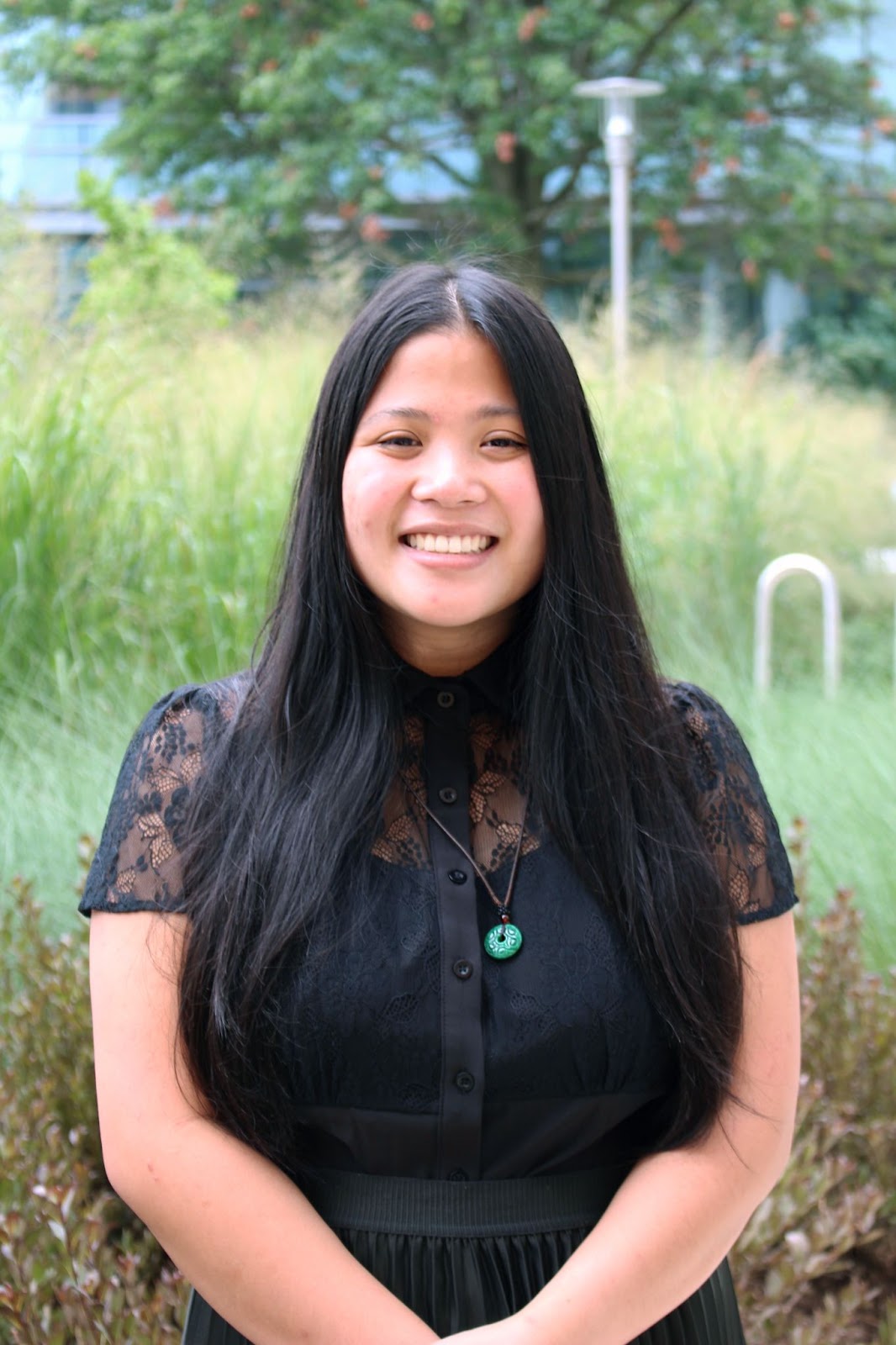
Content Note: This post is written by Rachael Joslow, a third-year student at UMBC. I am a transracial adoptee adopted from Vietnam who grew up in Georgia for most of my childhood and adolescent life. I hope to highlight my experience growing up as an adopted child discussing my personal feelings on adoption and the ambiguous loss that I experience. I would like you, as the reader, to acknowledge and learn the realities of adoption through my experiences.
In my previous blog, I discussed my personal experience with being adopted and included some other stories of adoptees (My Personal Experience with Being Adopted). Within that blog, I addressed common questions those would ask of me if I mentioned that I was adopted. These questions being: "What was it like being told that you were adopted?" or "Is it hard being adopted?" My focus from my last blog was to give awareness on the topic while being vulnerable about my own experiences and those of other adoptees who have shared their stories online.
I wanted to recap some aspects from my last blog, because many have come forward to ask me more about what it is like being adopted and how those experiences have shaped me. As it is touched on from my previous blog, many positive adoption experiences from adoptive parents overlook the negative and traumatizing experiences of many adoptees, specifically transracial adoptees. Some adoptees learn that their adoptive parents carry a savior complex over their adoptive children, especially for transracial adoptee cases where they are from foreign countries and the parents are a different nationality/ethnicity. Unfortunately, it does come up in adoption very often, especially when adoptive parents believe they are "saving us" from the situation that we're in. And to be clear, it's not that adoptees are not grateful-it is valid for us to feel uncomfortable being paraded as trophies for adoptive parents to receive a gold star on their "good deeds" list.
A quote from an article titled "What We Lost" resonated with me about the frustration adoptees feel towards society telling us that we should be grateful for everything and not express our sadness or negative feelings towards being adopted.
"Society's narrative of adoption tells adoptees, in no uncertain terms, that if we were given to a loving home, we shouldn't feel this pain, this chasm, this rip, this tear. We were saved, after all. We're so much better off. We're the lucky ones. Our parents must be such wonderful people. We must feel so grateful. How lucky. How special. We were meant to be together. Everything worked out just the way it was supposed to in the end."
This quote calls out people who don't take adoptees' feelings into consideration when we, adoptees, talk about our feelings on adoption. People tell us constantly how we should feel instead of giving us a moment to speak about our lived experiences. There is no time for us to pause or talk about it as a whole. In addition, these experiences contribute to this sense of loss that I've been bearing over the years that is specific to adoptees. It is constantly brought up in different ways how I'm adopted and I have no connection to my birth parents. Because this is an extremely vulnerable topic for me to discuss, I've had to take extensive time to write this blog in order to give myself space to take breaks until I felt ready to come back to it. However you feel about adoption, a common experience that many adoptees share would be the sense of loss from identity, as well as the relationships we have missed out on.
Ambiguous Loss Felt in the Adoptee Experience
Ambiguous loss is a type of grief that lacks closure and information regarding the loss of a loved one or the loss of a connection with a loved one. Ambiguous loss is common in cases when we have no contact with somebody even though we know where the person could be or what has happened to them. Examples include divorce, estrangement, immigration, a loved one who is incarcerated, and of course, adoption.
Thinking about my birth parents feels weird. I visited Vietnam back when I was eleven years old and struggled with finding my connections back to my culture, the country I was born in. From my perspective, I've experienced a lot of ambiguous loss ever since I was able to understand that I was adopted, as early as five or six years old. There are no names on my original birth certificate on who my biological parents are. I don't know the language nor have I experienced Vietnamese culture growing up. I considered myself white-washed for a long time because I did not have what others might consider key Asian experiences. It felt like I did not deserve to call myself Vietnamese because even though I was considered Vietnamese in appearance, I do not have those interpersonal connections to my ethnicity. I'm Asian but I'm also not Asian.
What I mean by that statement is that I lack the cultural background that a Vietnamese-American/Vietnamese person might experience normally. It was made apparent to me growing up through middle school and high school that I was different from other Asian peers. I don't know a lot of cultural foods and I did not grow up with the same household items. Even out in public, it is made apparent by strangers where people don't realize that I'm standing next to my mom. It's a weird paradox to be seen as Asian in some settings and not Asian in others. There's also an internal loss where I feel left out from being Asian.
From the same article, "What We Lost," this next quote resonates with me on what ambiguous loss feels like and expressing heavy feelings towards what it's like to not have a relationship with one's birth mother as an adoptee.
"Adoption loss is an ambiguous loss. While it changes shape over time, it is often life-long. It is without end. I have lost my entire family and yet, there are no bodies to bury, no socially acceptable ritual or process meant for me to understand this loss and how to live with it. My mother went on living, became someone else's mother, while I lived my young life with only the presence of her absence and the fracturing unknown. Maybe she's alive; maybe she's dead. Maybe she loves me; maybe she has forgotten me. Maybe anything."
It's difficult to put it into words. I have no idea where my biological parents are, if they are still in Vietnam or even alive. I'm constantly mourning over the loss of everything in those relationships that I never had with my birth parents. However, it's not like I'm sad-it feels empty. I have spent most of my life pondering whether or not I cross their minds. These feelings of mine are real and okay for me to feel. On this note, I can still be grateful to my mom and love my mom while appreciating her for everything. While she has given me so many opportunities throughout my life, she also does not hold it above my head that I should be grateful because she adopted me.
It feels nice to put these feelings into words and share them, because not many people are aware of what adoptees go through in their lives. This is my experience with adoption and ambiguous loss and I hope that I've left you as the reader with some things to think about. And as always, please make space where you can and listen to adoptees' feelings and voices when they share their experiences.
Recommended Readings
The article I attached is where I got the two quotes from. It is a heavy read as it talks about the writer's personal experience with being adopted and meeting her birth mother. It is important to be in a clear headspace before reading this story:
What We Lost: Undoing the Fairy Tale Narrative of Adoption
Articles that talk more on white saviorism:
A Savior No One Needs: Unpacking and Overcoming the White Savior Complex
What Is White Savior Complex-And Why Is It Harmful?
]]>
Content Note: This post is written by Rachael Joslow, a third-year student at UMBC. I am a transracial adoptee adopted from Vietnam who grew up in Georgia for most of my childhood and adolescent...
https://womenscenteratumbc.wordpress.com/?p=13533
https://my3.my.umbc.edu/api/v0/pixel/news/129741/guest@my.umbc.edu/184dc93b4f173989b71427d0c6fbe3fa/api/pixel
adoption
asian-and-pacific-islander-voices
bipoc-voices
diversity
diversity-and-inclusion-issues
intersectionality
transracial-adoptee
umbc
women
womens-center-staff
Women's, Gender, & Equity Center
https://my3.my.umbc.edu/groups/womenscenter
https://assets2-my.umbc.edu/system/shared/avatars/groups/000/000/125/78272a4842689b30dbf74672182b78f8/xsmall.png?1750974263
https://assets1-my.umbc.edu/system/shared/avatars/groups/000/000/125/78272a4842689b30dbf74672182b78f8/original.png?1750974263
https://assets1-my.umbc.edu/system/shared/avatars/groups/000/000/125/78272a4842689b30dbf74672182b78f8/xxlarge.png?1750974263
https://assets1-my.umbc.edu/system/shared/avatars/groups/000/000/125/78272a4842689b30dbf74672182b78f8/xlarge.png?1750974263
https://assets1-my.umbc.edu/system/shared/avatars/groups/000/000/125/78272a4842689b30dbf74672182b78f8/large.png?1750974263
https://assets2-my.umbc.edu/system/shared/avatars/groups/000/000/125/78272a4842689b30dbf74672182b78f8/medium.png?1750974263
https://assets1-my.umbc.edu/system/shared/avatars/groups/000/000/125/78272a4842689b30dbf74672182b78f8/small.png?1750974263
https://assets2-my.umbc.edu/system/shared/avatars/groups/000/000/125/78272a4842689b30dbf74672182b78f8/xsmall.png?1750974263
https://assets3-my.umbc.edu/system/shared/avatars/groups/000/000/125/78272a4842689b30dbf74672182b78f8/xxsmall.png?1750974263
Women's Center
4
0
false
Mon, 12 Dec 2022 17:01:52 -0500
A Further Reflection on Adoption and Ambiguous Loss
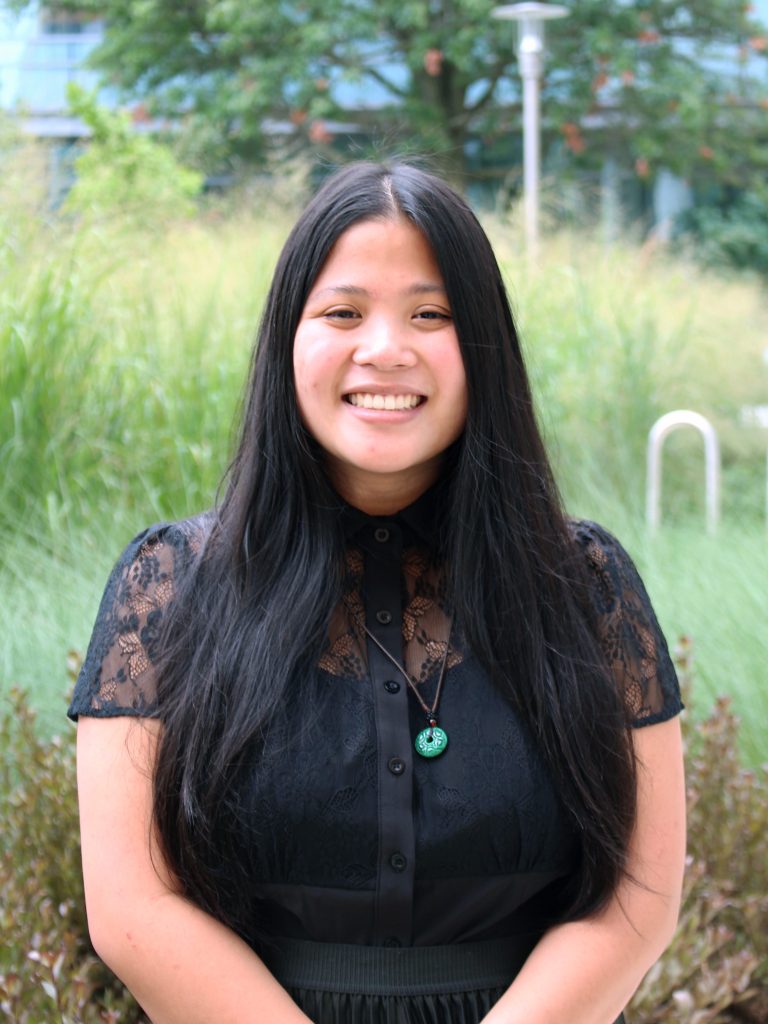 Image description:
 [Photo shows Rachael dressed in black attire, one of the Women’s Center interns, smiling in front of one of the UMBC buildings.
]
Content Note: This post is written by Rachael Joslow, a third-year student at UMBC. I am a transracial adoptee adopted from Vietnam who grew up in Georgia for most of my childhood and adolescent life. I hope to highlight my experience growing up as an adopted child discussing my personal feelings on adoption and the ambiguous loss that I experience. I would like you, as the reader, to acknowledge and learn the realities of adoption through my experiences.
In my previous blog, I discussed my personal experience with being adopted and included some other stories of adoptees (My Personal Experience with Being Adopted). Within that blog, I addressed common questions those would ask of me if I mentioned that I was adopted. These questions being: “What was it like being told that you were adopted?” or “Is it hard being adopted?” My focus from my last blog was to give awareness on the topic while being vulnerable about my own experiences and those of other adoptees who have shared their stories online.
I wanted to recap some aspects from my last blog, because many have come forward to ask me more about what it is like being adopted and how those experiences have shaped me. As it is touched on from my previous blog, many positive adoption experiences from adoptive parents overlook the negative and traumatizing experiences of many adoptees, specifically transracial adoptees. Some adoptees learn that their adoptive parents carry a savior complex over their adoptive children, especially for transracial adoptee cases where they are from foreign countries and the parents are a different nationality/ethnicity. Unfortunately, it does come up in adoption very often, especially when adoptive parents believe they are “saving us” from the situation that we’re in. And to be clear, it’s not that adoptees are not grateful—it is valid for us to feel uncomfortable being paraded as trophies for adoptive parents to receive a gold star on their “good deeds” list.
A quote from an article titled “What We Lost” resonated with me about the frustration adoptees feel towards society telling us that we should be grateful for everything and not express our sadness or negative feelings towards being adopted.
“Society’s narrative of adoption tells adoptees, in no uncertain terms, that if we were given to a loving home, we shouldn’t feel this pain, this chasm, this rip, this tear. We were saved, after all. We’re so much better off. We’re the lucky ones. Our parents must be such wonderful people. We must feel so grateful. How lucky. How special. We were meant to be together. Everything worked out just the way it was supposed to in the end.”
This quote calls out people who don’t take adoptees’ feelings into consideration when we, adoptees, talk about our feelings on adoption. People tell us constantly how we should feel instead of giving us a moment to speak about our lived experiences. There is no time for us to pause or talk about it as a whole. In addition, these experiences contribute to this sense of loss that I’ve been bearing over the years that is specific to adoptees. It is constantly brought up in different ways how I’m adopted and I have no connection to my birth parents. Because this is an extremely vulnerable topic for me to discuss, I’ve had to take extensive time to write this blog in order to give myself space to take breaks until I felt ready to come back to it. However you feel about adoption, a common experience that many adoptees share would be the sense of loss from identity, as well as the relationships we have missed out on.
Ambiguous Loss Felt in the Adoptee Experience
Ambiguous loss is a type of grief that lacks closure and information regarding the loss of a loved one or the loss of a connection with a loved one. Ambiguous loss is common in cases when we have no contact with somebody even though we know where the person could be or what has happened to them. Examples include divorce, estrangement, immigration, a loved one who is incarcerated, and of course, adoption.
Thinking about my birth parents feels weird. I visited Vietnam back when I was eleven years old and struggled with finding my connections back to my culture, the country I was born in. From my perspective, I’ve experienced a lot of ambiguous loss ever since I was able to understand that I was adopted, as early as five or six years old. There are no names on my original birth certificate on who my biological parents are. I don’t know the language nor have I experienced Vietnamese culture growing up. I considered myself white-washed for a long time because I did not have what others might consider key Asian experiences. It felt like I did not deserve to call myself Vietnamese because even though I was considered Vietnamese in appearance, I do not have those interpersonal connections to my ethnicity. I’m Asian but I’m also not Asian.
What I mean by that statement is that I lack the cultural background that a Vietnamese-American/Vietnamese person might experience normally. It was made apparent to me growing up through middle school and high school that I was different from other Asian peers. I don’t know a lot of cultural foods and I did not grow up with the same household items. Even out in public, it is made apparent by strangers where people don’t realize that I’m standing next to my mom. It’s a weird paradox to be seen as Asian in some settings and not Asian in others. There’s also an internal loss where I feel left out from being Asian.
From the same article, ”What We Lost,” this next quote resonates with me on what ambiguous loss feels like and expressing heavy feelings towards what it’s like to not have a relationship with one’s birth mother as an adoptee.
“Adoption loss is an ambiguous loss. While it changes shape over time, it is often life-long. It is without end. I have lost my entire family and yet, there are no bodies to bury, no socially acceptable ritual or process meant for me to understand this loss and how to live with it. My mother went on living, became someone else’s mother, while I lived my young life with only the presence of her absence and the fracturing unknown. Maybe she’s alive; maybe she’s dead. Maybe she loves me; maybe she has forgotten me. Maybe anything.”
It’s difficult to put it into words. I have no idea where my biological parents are, if they are still in Vietnam or even alive. I’m constantly mourning over the loss of everything in those relationships that I never had with my birth parents. However, it’s not like I’m sad–it feels empty. I have spent most of my life pondering whether or not I cross their minds. These feelings of mine are real and okay for me to feel. On this note, I can still be grateful to my mom and love my mom while appreciating her for everything. While she has given me so many opportunities throughout my life, she also does not hold it above my head that I should be grateful because she adopted me.
It feels nice to put these feelings into words and share them, because not many people are aware of what adoptees go through in their lives. This is my experience with adoption and ambiguous loss and I hope that I’ve left you as the reader with some things to think about. And as always, please make space where you can and listen to adoptees’ feelings and voices when they share their experiences.
The article I attached is where I got the two quotes from. It is a heavy read as it talks about the writer’s personal experience with being adopted and meeting her birth mother. It is important to be in a clear headspace before reading this story:
What We Lost: Undoing the Fairy Tale Narrative of Adoption
Articles that talk more on white saviorism:
A Savior No One Needs: Unpacking and Overcoming the White Savior Complex
What Is White Savior Complex–And Why Is It Harmful?
]]>
Image description: [Photo shows Rachael dressed in black attire, one of the Women’s Center interns, smiling in front of one of the UMBC buildings.] Content Note: This post is written by...
https://womenscenteratumbc.wordpress.com/2022/12/12/a-further-reflection-on-adoption-and-ambiguous-loss/
https://my3.my.umbc.edu/api/v0/pixel/news/129742/guest@my.umbc.edu/ac215e88ef0ece0c0b879061121c0637/api/pixel
adoption
ambiguous-loss
asian-american
bipoc-voices
diversity
diversity-and-inclusion-issues
intersectionality
poc
transracial-adoptee-experience
umbc
womens-center-staff
Women's, Gender, & Equity Center
https://my3.my.umbc.edu/groups/womenscenter
https://assets2-my.umbc.edu/system/shared/avatars/groups/000/000/125/78272a4842689b30dbf74672182b78f8/xsmall.png?1750974263
https://assets1-my.umbc.edu/system/shared/avatars/groups/000/000/125/78272a4842689b30dbf74672182b78f8/original.png?1750974263
https://assets1-my.umbc.edu/system/shared/avatars/groups/000/000/125/78272a4842689b30dbf74672182b78f8/xxlarge.png?1750974263
https://assets1-my.umbc.edu/system/shared/avatars/groups/000/000/125/78272a4842689b30dbf74672182b78f8/xlarge.png?1750974263
https://assets1-my.umbc.edu/system/shared/avatars/groups/000/000/125/78272a4842689b30dbf74672182b78f8/large.png?1750974263
https://assets2-my.umbc.edu/system/shared/avatars/groups/000/000/125/78272a4842689b30dbf74672182b78f8/medium.png?1750974263
https://assets1-my.umbc.edu/system/shared/avatars/groups/000/000/125/78272a4842689b30dbf74672182b78f8/small.png?1750974263
https://assets2-my.umbc.edu/system/shared/avatars/groups/000/000/125/78272a4842689b30dbf74672182b78f8/xsmall.png?1750974263
https://assets3-my.umbc.edu/system/shared/avatars/groups/000/000/125/78272a4842689b30dbf74672182b78f8/xxsmall.png?1750974263
Women's Center
0
0
false
Mon, 12 Dec 2022 16:44:21 -0500
Mon, 12 Dec 2022 16:44:21 -0500
To My Immigrant Parents

The following post was written by Ojuswani Phogat, a third-year student at UMBC.
Positionality Statement: The letter below is a message from me to my immigrant parents. It is reflective of only their experiences and mine but is being shared with you all with an understanding that the immigrant experience can be a wild, scary, intense, fulfilling, and beautiful one. And that someone, somewhere, may relate to this story on more than just the surface.
To My Immigrant Parents
Dear Mumma and Papa,
It is rare for me to think of the lives you led before I was born. To think of you as children, young adults, or parents of a singular daughter, instead of two. I cannot fathom a world where I do not exist, despite the remnants of your past lives that hide in the crevices of our home. The ones you pull out of dusted boxes underneath your bed and from the back of cabinet corners to show to me from time to time. The pictures of you both wearing school uniforms, eyes shining, and faces plastered with bright smiles showing off two missing front teeth. The sindhoor1 your mother gave to you the day of your wedding, tucked away into a patterned cloth nestled inside of our household mandir. The ceramic chai cups, lovely little things, adorned with arrangements of blue flowers your cousins gave to you on your 24th birthday. I do not consider these mementos of your life’s most cherished moments until I do. Until I see them with my eyes, smell them in all their aged glory, feel the weathered edges of the containers that store them, and sip chai from them, and it dawns on me that there is a whole part of your story that I do not know the intricacies of. And yet it defines my very existence.
I can’t imagine the courage it would take to leave behind … a culture, a language, a home.
To say farewell (or at the very least see you in a while)…
To the very khets2 of green that sustained your childhood, where you gulped down sugar cane juice and stole neighborhood fruit off of tall, lusciously beautiful trees as your grandmother called for you to return home.
To the patches of dirt where you gathered with your friends to play cricket and kabaddi3, laughing and bonding for hours.
To leave behind everything you have ever known.
To leave behind a community enriched with thousand-year-old traditions rooted in a fundamental understanding of what it means to be Brown and thrive in a place with people who look just like you.
The experience of leaving home must be undefinable. It seems, in a word: scary. In a few words: completely, utterly terrifying. An experience that I am almost certain you would never allow of me. And yet, here I am, existing in a land completely new to the both of us. One we navigate with excitement and curiosity but mostly caution for a hesitancy of the unknown.
In reflecting on my time in this place, I think of the hill just a few feet behind our old house, my own khet2 of radiant grass and luscious trees on which you took my sister and I to fly kites at the age of 4. The same one that I glared at through my bedroom window with my eyes stinging with tears as I spent my freshman year of college cooped inside a house that was wholly consuming my sanity. I think of the gravel-covered playground in our community that we went to each year on the last day of summer, spending hours swinging and playing games. The same park I watched with a feeling of despair as I sat in our green minivan packed to the brim with clothes, appliances, and toys. As we drove away from friends, family, and the community you created for us towards our new house in New Jersey, where a second such community would never be built.
In leaving your home, you have rendered me without a concrete one. I exist in this place but have not found the ability to claim it as my own. It is not mine, despite my residing within it. How can one belong to a place when their physicality, spirituality, and culture remain under speculation, only being accepted in bits and pieces when it suits the visions of the white man?
It is here in this environment that I exist within two distinct worlds. I am an American, born and raised, but what marks my presence in this place is my othered identity. It is the Desi part of me, the one defining my brownness, that I am legible through. It is here where I exist in limbo between the cultural and social markers of my two communities. It is in this middle ground is where I am accepted by neither community.
You would think then that in reconnecting with your home, I would be accepted as one of the pack. I would be revered as one of the community, a missing piece of the puzzle that renders it complete. However, the gap between you and me and, by extension, me and them is one that cannot be closed by sheer will. It is not solely a gap of distance; it is one of the mind: of experience, of speech, of perspective by which physicality is completely transcended. Such a gap, while marked physically by the Atlantic Ocean, is one that I am ridiculed for despite the role I did not play in its creation. My removal from my location and also the location of my ancestors is what renders me without a base. It leaves me without a place I can cherish and savor with my whole being.
It is understandable that your instinct is to protect those who you have created. That in lieu of favoring our exploration of this place, you have prioritized the notion of safety. A notion you then fed to us: it is not you we don’t trust; it’s others. This phrase, a manifestation of the fear you have undertaken to live within your reality. The fear that you have for your own safety and mine. And while that itself does not excuse the excessive control you have chosen to operationalize within our relationship, there can be an acknowledgment of the fact that you are more like me than I have ever thought before. That you are human, and your instinct to protect kept me alive in a way you found my instinct to build community and thrive in a place I considered my home never could.
1: vermillion-colored cosmetic powder made out of saffron and red sandalwood. Is worn in a long stroke on the top of the forehead and into the hair part by married South Asian women
2: plot of land typically with crops (a field or farm)
3: South Asian sport
]]>
The following post was written by Ojuswani Phogat, a third-year student at UMBC. Positionality Statement: The letter below is a message from me to my immigrant parents. It is reflective of...
https://womenscenteratumbc.wordpress.com/2022/12/09/to-my-immigrant-parents/
https://my3.my.umbc.edu/api/v0/pixel/news/129707/guest@my.umbc.edu/6911a94ede76376f8bb5db56510514be/api/pixel
asian-and-pacific-islander-american-voices
bipoc-voices
diversity
diversity-and-inclusion-issues
intersectionality
social-justice
umbc
uncategorized
women
womens-center-staff
Women's, Gender, & Equity Center
https://my3.my.umbc.edu/groups/womenscenter
https://assets2-my.umbc.edu/system/shared/avatars/groups/000/000/125/78272a4842689b30dbf74672182b78f8/xsmall.png?1750974263
https://assets1-my.umbc.edu/system/shared/avatars/groups/000/000/125/78272a4842689b30dbf74672182b78f8/original.png?1750974263
https://assets1-my.umbc.edu/system/shared/avatars/groups/000/000/125/78272a4842689b30dbf74672182b78f8/xxlarge.png?1750974263
https://assets1-my.umbc.edu/system/shared/avatars/groups/000/000/125/78272a4842689b30dbf74672182b78f8/xlarge.png?1750974263
https://assets1-my.umbc.edu/system/shared/avatars/groups/000/000/125/78272a4842689b30dbf74672182b78f8/large.png?1750974263
https://assets2-my.umbc.edu/system/shared/avatars/groups/000/000/125/78272a4842689b30dbf74672182b78f8/medium.png?1750974263
https://assets1-my.umbc.edu/system/shared/avatars/groups/000/000/125/78272a4842689b30dbf74672182b78f8/small.png?1750974263
https://assets2-my.umbc.edu/system/shared/avatars/groups/000/000/125/78272a4842689b30dbf74672182b78f8/xsmall.png?1750974263
https://assets3-my.umbc.edu/system/shared/avatars/groups/000/000/125/78272a4842689b30dbf74672182b78f8/xxsmall.png?1750974263
Women's Center
6
0
false
Fri, 09 Dec 2022 13:50:31 -0500
Fri, 09 Dec 2022 13:50:31 -0500
Anti-Trans Bills
Positionality Statement: This post is written by Marybeth Mareski, a Returning Women’s Scholar and social work intern at the Women’s Center in her final year at UMBC. I am a gender nonconforming lesbian in the queer and trans community, and I am in social work school with the professional goal of providing therapy to primarily queer and trans clients. I write this post as a summary of the recent anti-trans legislation, to draw attention to some of the underlying motivations, and to offer suggestions on how to support the queer and trans community.
Almost as if they had no intentions or ideas about how to solve any of America’s actual problems, lawmakers have made this the worst year in American history so far for anti-trans legislation, with more than three anti LGBTQ laws being filed each day in 2022.
These bills tend to fall into three main categories:
- The first is school policies, such as Florida’s controversial so-called “Don’t Say Gay” bill, recently signed into law by Ron DeSantis, which forbids teachers from discussing the topic of LGBTQ people with students before fourth grade, even though 1% of 9-year olds already self-identify as gay or trans.
- The second is youth healthcare bans, the most of extreme of which attempted to criminalize helping a child cross state lines to seek care (in Idaho, though passed by their State House mercifully killed by their State Senate).
- The third is youth sports bans, like the recent Utah bill banning trans students from playing on women’s school teams, which the governor vetoed but the state legislature overturned to force into law. Reader, there is one transgender girl playing on a women’s K-12 team in all of Utah. All of this legislative effort spent to prevent one girl from playing sports. Perhaps this is about something else, then?
When society is suddenly up in arms about something that presents very little if any actual harm, it is time to wonder if we have a moral panic on our hands.
 Image Description: A high school student with blue eyes dressed in football gear stares into the camera as he spins a football in his hands. From the excellent “Kris Wilka Just Wants to Play Football.”
Moral Panics
Moral panics are a phenomenon where a behavior or group of individuals is targeted for public concern that is far in excess of the actual danger presented. Moral panics are beneficial to the state, because they amplify the powers of the law, and beneficial to the news media, because coverage of these moral panics drive viewership and advertising revenue. For instance, as the the US legislative apparatus spends its time keeping trans kids out of the sports of their choice in late March and early April, Fox news aired 170 segments discussing trans people over those three weeks, including Tucker Carlson’s lie that kids are trans because of adult predators. What is the outcome of programming like this? Increased viewership and ad revenue to Fox News, and increased public attacks against LGBTQ people: a recent example includes a family with two dads who endured a man screaming at them on a train that they were pedophiles who had had stolen their own children.
Republicans hammer on moral panics like trans issues and Critical Race Theory to mobilize their base. This sort of outrage is very effective at bringing voters to the polls, but it leads to uncertain outcomes: 67% of national voters oppose legislation that prohibits trans athletes from playing on their team of choice. Fascinatingly, it is not because most Republicans support trans athletes – it seems to be because voters find the involvement of the law itself in this issue to be distasteful.
At the risk of giving too much credit to the American voter, is it not also clear that spending effort on legislating this issue is a huge waste of time? Nearly one million Americans are dead from Covid. Inflation is the highest it’s been in forty years. Housing costs have gone up more than 25% since March 2020. How is keeping trans kids out of sports improving the lives of Americans?
 Image Description: A PBS News Hour poll showing that over 66% of respondents in categories of all adults, democrats, republicans, and independents oppose legislation prohibiting transgender student athletes from joining teams that match their gender identity
Transness is Not New
The notion that children who believe themselves to be trans are being ‘groomed’ by LGBTQ adults is an age-old fearmongering tactic. It stems from the right-wing ideology that being LGBTQ is unnatural, and therefore queer kids must have been indoctrinated into being queer, which is absurd on its face: one of the biggest mental health threats that LGBTQ people face is rejection from their own families. It is not seeing representations of the sinful urban lifestyle that converts innocent children into being queer – young people discover their own LGBTQ tendencies, do not feel safe in their own communities, and move to the diverse urban centers where they are free to be fully themselves.
What about concerns that such an increasing number of young people are transitioning that it must be a trend?
Obstacles to transgender care have been immense. The psychiatric community has controlled access to gender-affirming services, and the terms of that access has been giving the answers that caregivers demanded to hear. Once barriers are lowered and the stigma is decreased, the natural incidence can be allowed to emerge. Take the history of left-handedness, for instance. In the early 20th century, left-handedness was seen as unnatural and punished, and rates of left-handedness were artificially suppressed. Once that stigma faded, rates rose more than ten percent in the population to their natural level, and remained there. Has being trans been vanishingly rare, or has being able to be trans been vanishingly rare?
 Lukas Avendano, a Zapotec muxe performance artist. Image description: a bare-chested individual in skirts and jewelry and makeup stares off into the distance with a slight smile
Being trans is not new. People with a gender expression beyond biological male and female have always existed:
“… cultures worldwide have often recognized genders other than “male” and “female.” India’s hijra, which has existed for millennia, has an essential place in Hinduism and a socio-cultural role as performers. Judaism recognizes no fewer than six distinct sex¹ categories in its classical texts and tradition. In Oaxaca, Mexico, the third gender muxe dates back to the pre-Columbian era. The South Sulawesi Bugis people recognize five genders which have been crucial to their society for at least 600 years. – The Gender Binary Is a Tool of White Supremacy
And just as people throughout millenia have expressed their identity beyond the gender binary, researcher Jules Gill-Peterson found evidence that young people have been socially transitioning throughout the twentieth century, and attempting to transition medically for as long as medical transition as existed:
“I found handwritten letters from trans kids to a famous endocrinologist, Harry Benjamin, who was known for providing trans healthcare. In the 60s and 70s, they would say, “I’m X years old. I’m a transsexual. I read about that in the news” or “I looked up your work at a library, and it describes who I am”. They were from all over the country and they would ask if Dr Benjamin could see them, send them hormones, give them a permit to wear the clothes they wanted, talk to their family or teacher. It was young kids knowing really clearly that they were trans and going toe-to-toe with medical professionals. Suddenly, I had not only proof that kids were trans, but that they contacted doctors and tried to transition the best they could. It speaks to the remarkable ingenuity and resilience that trans young people have had for a really long time. And it’s pretty unimpeachable evidence that this is not a new social phenomenon. It’s not some trendy thing that kids are picking up now.” – ‘Trans kids are not new’: a historian on the long record of youth transitioning in America
What Can You Do?
ACLU lawyer Chase Strangio and writer and activist Raquel Willis used the occasion of the Trans Day of Visibility to devote an entire week to activism against these bills. They created a website called Trans Week of Visibility and Action which outlines many of the bills in question, some of which are still in session, with links to scripts to write to lawmakers, as well as links to local, trans-led grassroots organizations that are helping trans kids in each state. In Maryland, Trans Maryland is a “multi-racial, multi-gender, trans-led community power building organization dedicated to Maryland’s trans community” which works to pass trans-affirming bills in Annapolis and promote trans-inclusive health care in Maryland, as well as offering legal and financial support for name changes for trans people and a weekly digital support group – follow them online for action alerts for Maryland-based trans-related legislation, or donate to help support their cause.
Baltimore Safe Haven is a trans-led organization that provides services to the trans community members in survival mode. They offer a drop-in center, transitional housing, youth housing, meal services, and more. They are seeking volunteers, donations, and wish list purchases.
 Image Description: An overhead shot of Charles St, painted in trans colors to read: Black Trans Lives Matter
Trans people have always been on the forefront of LGBTQ+ rights, because society is so hostile to trans people that they so often have to fight to simply survive. We can call this bravery or resilience, and it is, but it is also the result of trans people being forced to constantly advocate for themselves, with little help from other, less marginalized groups. If you are cis, what about helping the trans people in your life, or clearly identifying yourself as an ally to them?
Modeling trans-inclusive behavior increases the safety, comfort, and well-being of trans people around you. The National Center of Transgender Equality has a list of actions you can take that include challenging anti-transgender remarks, supporting trans people who experience discrimination, ensuring non-gendered bathrooms in your spaces, crafting anti-discrimination policies for trans people in your workplace, writing your representatives about laws related to trans people, and working to make sure that systems you are involved in are trans-inclusive.
Does none of this sound direct or effective enough? Are you a financially stable person with privilege? The most immediate way to make an impact for young trans people fighting for their survival is to give money to them directly. Here are some twitter accounts that crowdsource black trans people who need help paying their bills:
Black Trans Futures
Trans hoodoo funds
Pay Black Trans Women
Keep an eye out for trans people in your social media network who are crowdsourcing for their survival, and make a point to donate to them. More than signing a petition, you can be sure that you had a part in taking care of a trans member in your community.
Survival in America is difficult enough these days. Making the existence of trans children into a moral panic is a cynical and cowardly move by transphobic lawmakers who are attempting to draw focus away from failures of governance. But at the end of the day, we are all suffering from these failures of governance, and the best way to continue to move forward is to dedicate ourselves to the notion that every life has value by supporting each other.
Resources:
Moral Panic: Who Benefits From Public Fear?
The Gender Binary Is a Tool of White Supremacy
‘Trans kids are not new’: a historian on the long record of youth transitioning in America
Trans Week of Visibility and Action
Supporting the Transgender People in Your Life: A Guide to Being a Good Ally
]]>
Positionality Statement: This post is written by Marybeth Mareski, a Returning Women’s Scholar and social work intern at the Women’s Center in her final year at UMBC. I am a gender nonconforming...
https://womenscenteratumbc.wordpress.com/2022/05/10/anti-trans-bills/
https://my3.my.umbc.edu/api/v0/pixel/news/119335/guest@my.umbc.edu/e8afc9dd1b09eadb19527ab28352d72e/api/pixel
current-events
intersectionality
issues
lgbtq
lgbtq-readings
lgbtqia
trans
transgender
uncategorized
Women's, Gender, & Equity Center
https://my3.my.umbc.edu/groups/womenscenter
https://assets2-my.umbc.edu/system/shared/avatars/groups/000/000/125/78272a4842689b30dbf74672182b78f8/xsmall.png?1750974263
https://assets1-my.umbc.edu/system/shared/avatars/groups/000/000/125/78272a4842689b30dbf74672182b78f8/original.png?1750974263
https://assets1-my.umbc.edu/system/shared/avatars/groups/000/000/125/78272a4842689b30dbf74672182b78f8/xxlarge.png?1750974263
https://assets1-my.umbc.edu/system/shared/avatars/groups/000/000/125/78272a4842689b30dbf74672182b78f8/xlarge.png?1750974263
https://assets1-my.umbc.edu/system/shared/avatars/groups/000/000/125/78272a4842689b30dbf74672182b78f8/large.png?1750974263
https://assets2-my.umbc.edu/system/shared/avatars/groups/000/000/125/78272a4842689b30dbf74672182b78f8/medium.png?1750974263
https://assets1-my.umbc.edu/system/shared/avatars/groups/000/000/125/78272a4842689b30dbf74672182b78f8/small.png?1750974263
https://assets2-my.umbc.edu/system/shared/avatars/groups/000/000/125/78272a4842689b30dbf74672182b78f8/xsmall.png?1750974263
https://assets3-my.umbc.edu/system/shared/avatars/groups/000/000/125/78272a4842689b30dbf74672182b78f8/xxsmall.png?1750974263
Women's Center
19
0
false
Tue, 10 May 2022 13:11:51 -0400
Tue, 10 May 2022 13:11:51 -0400