<?xml version="1.0"?>
<News hasArchived="true" page="7781" pageCount="10774" pageSize="10" timestamp="Thu, 27 Aug 2026 23:37:48 -0400" url="https://my3.my.umbc.edu/posts.xml?mode=activity&amp;page=7781">
<NewsItem contentIssues="false" id="41709" important="false" status="posted" url="https://my3.my.umbc.edu/posts/41709">
<Title>Mobile World Congress: "Windroid" From Nokia; a Full-Touch E-Ink Russian Phone</Title>
<Body>
<![CDATA[
    <div class="html-content">
    <p>At Mobile World Congress, Nokia marries an Android OS with Microsoft services; while Yotaphone adds full-touch E-Ink displays to dual-screen phone.</p>
    <p>As Microsoft’s deal to buy Nokia nears completion, the once-dominant Finnish phone maker announced this morning at Mobile World Congress that it’s hedging its bets on products based on the Windows Phone operating system (see “<a href="http://www.technologyreview.com/news/427403/a-comeback-phone-hampered-by-a-lack-of-apps/" rel="nofollow external" class="bo">A Comeback Phone Hampered by a Lack of Apps</a>”) by offering three new low-end Android phones.</p>
    </div>
]]>
</Body>
<Summary>At Mobile World Congress, Nokia marries an Android OS with Microsoft services; while Yotaphone adds full-touch E-Ink displays to dual-screen phone.  As Microsoft’s deal to buy Nokia nears...</Summary>
<Website>http://www.technologyreview.com/view/525011/mobile-world-congress-windroid-from-nokia-a-full-touch-e-ink-russian-phone/</Website>
<TrackingUrl>https://my3.my.umbc.edu/api/v0/pixel/news/41709/guest@my.umbc.edu/5c5d0af8cae931659b7f5e4bd9a51e08/api/pixel</TrackingUrl>
<Tag>development</Tag>
<Tag>internet</Tag>
<Tag>mit</Tag>
<Tag>technology</Tag>
<Tag>web</Tag>
<Group token="retired-583">Web Developer - Build Group</Group>
<GroupUrl>https://my3.my.umbc.edu/groups/retired-583</GroupUrl>
<AvatarUrl>https://assets3-my.umbc.edu/system/shared/avatars/groups/000/000/583/fc60f5d7abc2e080599bb6dc465db54d/xsmall.png?1363101197</AvatarUrl>
<AvatarUrl size="original">https://assets4-my.umbc.edu/system/shared/avatars/groups/000/000/583/fc60f5d7abc2e080599bb6dc465db54d/original.jpg?1363101197</AvatarUrl>
<AvatarUrl size="xxlarge">https://assets4-my.umbc.edu/system/shared/avatars/groups/000/000/583/fc60f5d7abc2e080599bb6dc465db54d/xxlarge.png?1363101197</AvatarUrl>
<AvatarUrl size="xlarge">https://assets4-my.umbc.edu/system/shared/avatars/groups/000/000/583/fc60f5d7abc2e080599bb6dc465db54d/xlarge.png?1363101197</AvatarUrl>
<AvatarUrl size="large">https://assets3-my.umbc.edu/system/shared/avatars/groups/000/000/583/fc60f5d7abc2e080599bb6dc465db54d/large.png?1363101197</AvatarUrl>
<AvatarUrl size="medium">https://assets3-my.umbc.edu/system/shared/avatars/groups/000/000/583/fc60f5d7abc2e080599bb6dc465db54d/medium.png?1363101197</AvatarUrl>
<AvatarUrl size="small">https://assets4-my.umbc.edu/system/shared/avatars/groups/000/000/583/fc60f5d7abc2e080599bb6dc465db54d/small.png?1363101197</AvatarUrl>
<AvatarUrl size="xsmall">https://assets3-my.umbc.edu/system/shared/avatars/groups/000/000/583/fc60f5d7abc2e080599bb6dc465db54d/xsmall.png?1363101197</AvatarUrl>
<AvatarUrl size="xxsmall">https://assets4-my.umbc.edu/system/shared/avatars/groups/000/000/583/fc60f5d7abc2e080599bb6dc465db54d/xxsmall.png?1363101197</AvatarUrl>
<Sponsor>Web Developer - Build Group</Sponsor>
<PawCount>0</PawCount>
<CommentCount>0</CommentCount>
<CommentsAllowed>true</CommentsAllowed>
<PostedAt>Mon, 24 Feb 2014 07:57:05 -0500</PostedAt>
<EditAt>Mon, 24 Feb 2014 07:57:05 -0500</EditAt>
</NewsItem>

<NewsItem contentIssues="true" id="41697" important="false" status="posted" url="https://my3.my.umbc.edu/posts/41697">
<Title>Off The Beaten Canvas: Exploring The Potential Of The Off-Canvas Pattern</Title>
<Body>
<![CDATA[
    <div class="html-content">
    <table width="650">
    <tbody>
    <tr>
    <td>
    <div>
    <img src="http://statisches.auslieferung.commindo-media-ressourcen.de/advertisement.gif" alt="" style="max-width: 100%; height: auto;"><br><a href="http://auslieferung.commindo-media-ressourcen.de/random.php?mode=target&amp;collection=smashing-rss&amp;position=1" rel="nofollow external" class="bo"><img src="http://auslieferung.commindo-media-ressourcen.de/random.php?mode=image&amp;collection=smashing-rss&amp;position=1" alt="" style="max-width: 100%; height: auto;"></a> <a href="http://auslieferung.commindo-media-ressourcen.de/random.php?mode=target&amp;collection=smashing-rss&amp;position=2" rel="nofollow external" class="bo"><img src="http://auslieferung.commindo-media-ressourcen.de/random.php?mode=image&amp;collection=smashing-rss&amp;position=2" alt="" style="max-width: 100%; height: auto;"></a> <a href="http://auslieferung.commindo-media-ressourcen.de/random.php?mode=target&amp;collection=smashing-rss&amp;position=3" rel="nofollow external" class="bo"><img src="http://auslieferung.commindo-media-ressourcen.de/random.php?mode=image&amp;collection=smashing-rss&amp;position=3" alt="" style="max-width: 100%; height: auto;"></a>
    </div>
    </td>
    </tr>
    </tbody>
    </table>
    <p>The off-canvas flyout menu has taken over as the primary navigation pattern for mobile layouts — even some desktop layouts have jumped on board. And for good reason: An off-canvas menu is a great way to maintain context while giving the user a lot of additional information.</p>
    <p>In this article, we’ll talk about <strong>why off-canvas has become so successful as a navigation pattern</strong> and show its potential to be so much more. From filters on product list pages to shopping carts to lists of recently viewed articles, the potential of this pattern is bound only by our drive to pioneer. It’s time that we explore just how far off canvas we can go.</p>
    <h3>Here Be Dragons</h3>
    <p>You’ve seen off-canvas flyouts before — you know, those sidebars that slide in from the edge of the screen? By now, they could even be considered commonplace. There’s a reason their popularity has exploded recently: In mobile, the notion of a window has all but disappeared. The majority of devices on the market today give us little control over the window.</p>
    <p><a href="http://media.smashingmagazine.com/wp-content/uploads/2014/02/dragon-map-final-1000px.png" rel="nofollow external" class="bo"><img alt="dragon-map-final" src="http://media.smashingmagazine.com/wp-content/uploads/2014/02/dragon-map-final.png" width="500" height="300" style="max-width: 100%; height: auto;"></a></p>
    <p>Instead, we have only two major layers to work with: the viewport and the canvas. While these offer plenty of potential, designers have started to chafe against the limitations of the constrained viewport. The off-canvas flyout — used sparingly on the desktop — becomes extremely important in this landscape.</p>
    <p>With the limited real estate on mobile devices, designers saw the need to open up space and present relevant information without forcing the user to lose context or leave their position on the screen. Going off-canvas enables us to do that. On the desktop, we rarely go off canvas — there just isn’t the need. In mobile, off-canvas is a groundbreaking concept. It creates a new frontier of design possibilities. And, as with mapping any unexplored territory, it offers treasure to those willing to take the risks. For designers, it’s a rare opportunity to create something new.</p>
    <h3>The Early Explorers</h3>
    <p>Certainly, the first people to go beyond the canvas and brave the unknown are lost to us. Like the Americas, we remember only those who made landfall most famously. Thus, Facebook is our Columbus.</p>
    <p>Facebook set out to solve a very specific problem that it found on mobile screens. Its navigation menu is long, with a lot of content that is relevant to the user. The user needs to be able to explore that navigation without losing their place in the timeline. If they decide not to navigate away, they should be able to jump right back to where they were.</p>
    <p><img alt="Facebook's Mobile Navigation Flyout" src="http://media.smashingmagazine.com/wp-content/uploads/2014/02/1-facebook-flyout.png" width="500" height="600" style="max-width: 100%; height: auto;"><br><em>Facebook’s original off-canvas flyout was a lot like what Facebook currently has as its mobile Web navigation. Today, it still uses off-canvas for its messaging system, as well as its Android apps.</em></p>
    <p>Common navigation patterns wouldn’t work. The menu is too long to pop over the entire screen, and if it appeared elsewhere on the canvas, it would pull the users out of context. The solution to the problem was to lock the canvas and pull it to the right — revealing the navigation underneath. Using off-canvas like this was an entirely novel concept.</p>
    <h3>Charting New Territory</h3>
    <p>The reason it works — and why it feels so natural — is because the action is very natural. Moving something to the side temporarily and redirecting focus, while keeping a glimpse of what the user was doing before, is an extremely common action in the physical realm. We’ll hold our place in a newspaper as we flip to a referenced section. We’ll keep our thumb on a page and flip to an endnote in a book. We’ll jut out a sheet as we try to find the receipt for a line item in our tax return.</p>
    <p>These are all physical examples of what the off-canvas flyout emulates: saving your spot so that you can get right back to what you were doing. The off-canvas flyout is a perfect way to interact with content in mobile because it solves a very distinct problem: focus.</p>
    <p>In mobile, all we have is focus. This makes maintaining context extremely hard. We force users to scroll up and down, and we hide and reveal content to do all of the things we want users to do. Scroll bars, which would indicate where the user is on the page, are usually absent, and getting back to one’s exact place is often hard. Context is important to the user’s mental map of the content. Without it, they’d get lost and fall off of the website.</p>
    <p>With off-canvas flyouts, <strong>we maintain context on the page</strong> while presenting a huge array of new information. Flyouts can hold entire pages worth of new interactions and content, without the user getting lost at all. It’s an extremely powerful pattern, with potential that we haven’t even begun to uncover.</p>
    <h3>Flat-Earth Syndrome</h3>
    <p>Despite all of this potential, we aren’t really willing to push the boundaries of off-canvas. We designers have developed an unfortunate tendency to avoid experimentation. We’re more than willing to implement proven patterns, but we’re less likely to <strong>think critically about why a pattern is successful</strong>. Sure, we know that the off-canvas flyout is great for navigation, but that’s not all it’s good for.</p>
    <p>Facebook wasn’t solving a navigation problem when it created the pattern. It was solving an interaction problem. It needed a way to present a large quantity of interactions and information without distracting the user from their original intention — the timeline. Instead of thinking of the off-canvas flyout as a navigation pattern, we need to think of it as a content strategy. How do we present more information to the user without distracting them from what’s at hand?</p>
    <p>Facebook didn’t limit the flyout to navigation either. It used it for the list of messaging contacts as well. This is probably an even better use of the flyout because users are highly inclined to quickly pop open the sidebar, see who’s online, and send them a quick message before returning to browse the timeline. Patterns like this are not immutable. In fact, the only way they’ll get better is if we continually experiment with them. Facebook revolutionized the way we lay out content for mobile, and very few people are carrying that torch forward.</p>
    <h3>Beware The Siren Song</h3>
    <p>There’s a risk here. We shouldn’t use the off-canvas pattern merely because it’s novel or popular. As with most things in Web development, every method has its pros and cons. The off-canvas flyout isn’t perfect for every situation. It’s best when you need to provide a lot of information or complicated interactions without pulling the user away from the main content.</p>
    <p>If you have only a few navigation items or if the supplementary information that you’re providing is short, then the pattern would probably be more disruptive than convenient. Remember that it provides a new view while maintaining the context of the original view — people will lose some flow whenever they open that flyout. If the supplementary information is minimal, then use a popover or a pushdown interaction instead and leave the user on the screen.</p>
    <p>Another thing to keep in mind is that the off-canvas flyout requires a bit more processing power and browser capabilities than other methods. While this is mostly mitigated by a good framework (see my recommendation at the end of this article), these issues still stand. Old devices and devices without JavaScript support might get left behind if you don’t provide a good fallback for this pattern. I recommend <a title="Progressive Enhancement is Faster by Jake Archibald" href="http://coding.smashingmagazine.com/2013/09/03/progressive-enhancement-is-faster/" rel="nofollow external" class="bo">progressively enhancing</a> — i.e. provide a simple solution for old browsers, while detecting support for new features and providing a more optimal solution for browsers that can handle it.</p>
    <h3>Filling In The Details</h3>
    <p>So, what is the flyout really good for? Below are a few examples that highlight the pattern’s value.</p>
    <h4>Shopping Carts</h4>
    <p>When I was working on the design for Garmin’s e-commerce website earlier this year, I had a chat with my standard “test user” (i.e. my girlfriend). We talked a bit about what she liked and didn’t like about e-commerce on mobile websites. The biggest problem she brought up was that she often wants to check what she’s placed in her cart, but to do that, she has to visit the cart page, which takes her away from the content she’s currently browsing.</p>
    <p>This triggered a little “A-ha!” moment for me. Why not use off-canvas flyouts to hold all of the cart’s information? The user can quickly pop open their cart whenever they want and glance at what’s inside. They can also immediately begin to check out — effectively removing a whole step from the checkout process. If you work in e-commerce, then you’ll know that the fewer steps in the checkout process, the less likely the user will abandon their cart.</p>
    <p><img alt="Garmin's mobile cart flyout" src="http://media.smashingmagazine.com/wp-content/uploads/2014/02/2-garmin-flyout.png" width="500" height="600" style="max-width: 100%; height: auto;"><br><em>Garmin uses a flyout in mobile instead of a separate cart page. Users can go directly to the checkout area from this flyout wherever they are on the website.</em></p>
    <p>To teach users about this functionality, I designed the cart flyout to pop open whenever users added something to their cart. This kind of just-in-time instruction is very helpful, and the timing is perfect because users wouldn’t need to know about the cart until they add something to it. If you’re building an e-commerce website, then you probably already have everything you need to make this happen.</p>
    <p>Many websites show a preview of the cart when the user hovers over the cart icon or adds a product to it. You can easily repurpose this information into a flyout on small screens. For an example of a responsive website that has a flyout cart, check out <a href="http://www.zazzle.com" rel="nofollow external" class="bo">Zazzle</a>.</p>
    <p><img alt="Zazzle's desktop cart popover" src="http://media.smashingmagazine.com/wp-content/uploads/2014/02/3-zazzle-popover-cart.png" width="500" height="600" style="max-width: 100%; height: auto;"><br><em>Zazzle has a popover cart for large screens and an off-canvas flyout for small screens.</em></p>
    <p>We didn’t have access to existing cart information on the page from Garmin’s desktop website, so we used progressive enhancement to “AJAX” the cart information across pages. Our engineering team stored the cart information in local storage so that we wouldn’t need to check it every time the page loads. We update it whenever the user performs an action that would cause it to change.</p>
    <p>This results in a fast and extremely functional cart flyout. The user can do everything they can do with a regular cart — update quantities, add coupon codes — from any page they are on. The flyout adds functionality in an intuitive way, without taking anything away from the user.</p>
    <h4>Product Filters</h4>
    <p>Another excellent use for a flyout on an e-commerce website is to house filters for category pages and product list pages. Many desktop layouts have a huge number of filters for the user to parse and select for lists of products. Traditionally, dealing with these on mobile has been very difficult: You would either present the user with the long list of filters or show the products — never both.</p>
    <p>With off-canvas flyout, the user can pop out the filters, toggle the ones they want and then easily return to the updated list of products. They won’t lose their place, and they’ll get all of the functionality of the desktop layout. Best of all, if a sliver of the content is showing, the user will get immediate feedback on their actions. The list of products will update in real time as the user toggles the filters.</p>
    <h4>Page History</h4>
    <p>Off-canvas flyout isn’t limited to e-commerce, of course. One of our goals when designing <a href="http://www.style.com/" rel="nofollow external" class="bo">Style.com</a>’s new mobile website was to enable users to easily switch between fashion collections and to dive deep into showcase galleries. Switching context is so common on this website that the user needs a way to easily keep track of everything they’ve been looking at.</p>
    <p>The developer implemented an off-canvas flyout that could slide out and show every single thing that the user has done on the website, in chronological order with thumbnails. Finding a previously viewed collection is as easy as scrolling through the list.</p>
    <p><img alt="Style.com's history flyout" src="http://media.smashingmagazine.com/wp-content/uploads/2014/02/4-style-flyout.png" width="500" height="600" style="max-width: 100%; height: auto;"><br><em>Style.com uses a flyout to make the user’s viewing history persistent and easy to access. Every article and image viewed is recorded so that the user can quickly return to it.</em></p>
    <h4>Commenting</h4>
    <p>Another highly effective use of the pattern on publishing websites is to display comments. More and more websites are following <a href="https://medium.com/" rel="nofollow external" class="bo">Medium</a>’s example of allowing users to comment directly on individual lines and paragraphs in an article. This functionality is usually missing from the mobile version, and Medium is guilty of this. <strong>An off-canvas flyout is a perfect solution to this problem.</strong> Clicking a comment flag would pop open a pane that contains the comments for the lines that are visible, and the user could scroll through each comment for that line. When the user collapses the sidebar, they’d be exactly where they left off.</p>
    <p>While I was writing this article, the New York Times announced a new version of its website, which pretty much does this with comments. A contextual off-canvas comment bar flies out in position with the article — but only in desktop layouts. Users can focus on reading the article itself and, when they’re interested in the comments, quickly check what other people are saying about the paragraph they’re reading.</p>
    <p><img alt="New York Times Comments Flyout" src="http://media.smashingmagazine.com/wp-content/uploads/2014/02/5-nytimes.png" width="500" height="600" style="max-width: 100%; height: auto;"><br><em>The New York Times’ new website has off-canvas flyout for comments. Interestingly, this pattern is not used at all in the mobile view, where it might be even more effective.</em></p>
    <p>This idea could be applied beyond blogs and news websites. Imagine reading a scientific article or any text with footnotes. Each link could open a flyout that contains the relevant footnote. The user would be able to quickly get the information they need without ever losing the context of the page. This would actually improve the reading experience — the sort of thing digital designers dream of.</p>
    <h3>The Final Frontier</h3>
    <p>All of the examples listed above have a commonality. The user is aided by the flyouts, but their success doesn’t depend on using them. They could access their shopping cart or their viewing history or the comments without a flyout. Off-canvas is by no means necessary, but it makes life a lot easier. The user is more likely to stick around and buy stuff, read more articles and view more ads.</p>
    <p><strong>We need to stop being complacent.</strong> Just because a flyout works really well for Facebook’s navigation doesn’t make it a “navigation pattern.” Let’s think critically about what each pattern does and why it’s effective. If we do that, then we’ll be in the perfect position to build on the foundation laid under us. This is especially important in mobile, whose patterns are less mature than the desktop’s — and for good reason: Mobile designers simply haven’t been around as long.</p>
    <p><a href="http://media.smashingmagazine.com/wp-content/uploads/2014/02/spacegirl-1000px.png" rel="nofollow external" class="bo"><img alt="A girl in a spacesuit investigates a suspicious portal." src="http://media.smashingmagazine.com/wp-content/uploads/2014/02/spacegirl.png" width="500" height="300" style="max-width: 100%; height: auto;"></a></p>
    <p>You’ll notice that I’ve been talking solely about off-canvas flyouts. This is a little lazy, too. When considering off-canvas, we automatically think of flyouts. But <strong>even more is possible with off-canvas layouts</strong>. Countless methods and patterns are waiting to be discovered by intrepid designers. Our canvases aren’t all the same — sure, they share many parts, but each does something slightly different. Our off-canvas solutions should be different, too.</p>
    <p>As Web designers, we’re constantly treading the same path — perhaps discovering a shortcut if we’re lucky. But the map usually stays the same. We get complacent, retracing the steps of those who have gone before us, wearing down the path deeper and deeper. We need to be pathfinders. Just as Facebook led us off canvas with its flyouts, we need to explore new territory. Maybe for now, we just need to find novel uses for flyouts. Perhaps later, we’ll find entirely new off-canvas concepts. And perhaps the truly adventurous will discover an entirely new interaction layer.</p>
    <p>Here’s to frontier designers and the maps they make.</p>
    <h4>Some Homework</h4>
    <p>If you’re still curious about off-canvas or would like to learn ways to implement the pattern as covered here, check out some of the resources below.</p>
    <ul>
    <li>“<a href="http://www.lukew.com/ff/entry.asp?1569=" rel="nofollow external" class="bo">Off Canvas Multi-Device Layouts</a>,” Luke Wroblewski<br>
    Wroblewski offers insight into how we can use different off-canvas layouts to match desktop layout patterns. This is good for thinking about layouts but should also give you some ideas on how to do things differently.</li>
    <li>“<a href="https://medium.com/design-ux/914c7d3795fb" rel="nofollow external" class="bo">‘View Mode’ Approach to Responsive Design</a>,” Daniel Wiklund<br>
    Wiklund’s fantastic article covers a lot of the same concepts that I’ve covered here but from a slightly different perspective.</li>
    <li>“<a href="http://zurb.com/playground/off-canvas-layouts" rel="nofollow external" class="bo">Off Canvas Layouts</a>,” Zurb<br>
    Zurb outlines the different types of off-canvas layouts possible with Foundation. Even if you don’t use Foundation, this great resource will kickstart ideas on various possible layouts.</li>
    <li>
    <a href="http://mobify.github.io/pikabu" rel="nofollow external" class="bo">Pikabu</a><br>
    Implementing an off-canvas flyout that works well on a variety of mobile devices isn’t easy. I know this because we’ve had to deal with it at Mobify. We weren’t happy with a lot of the implementations out there, so we wrote one that works on a majority of devices — including Android 2.3 — and we open-sourced it for anyone to use.</li>
    <li>“<a href="http://coding.smashingmagazine.com/2013/01/15/off-canvas-navigation-for-responsive-website/" rel="nofollow external" class="bo">Implementing Off-Canvas Navigation for a Responsive Website</a>,” David Bushell, Smashing Magazine<br>
    Bushell deals with a problem <a href="http://www.mobify.com/blog/beginners-guide-to-perceived-performance/" rel="nofollow external" class="bo">people often ignore</a>. Performance is a huge consideration because a flyout has to feel perfect in order for the user to want to use it. Bushell shows some great ways to make sure your animations are performant and smooth.</li>
    </ul>
    <p><em>(Big thanks to <a title="Jacky Gilbertson" href="https://twitter.com/jackygilbertson" rel="nofollow external" class="bo">Jacky Gilbertson</a> for his amazing illustrations!)</em></p>
    <p><em>(al)</em></p>
    <hr>
    <p><small>© Kyle Peatt for <a href="http://www.smashingmagazine.com" rel="nofollow external" class="bo">Smashing Magazine</a>, 2014.</small></p>
    </div>
]]>
</Body>
<Summary>        The off-canvas flyout menu has taken over as the primary navigation pattern for mobile layouts — even some desktop layouts have jumped on board. And for good reason: An off-canvas menu is...</Summary>
<Website>http://www.smashingmagazine.com/2014/02/24/off-the-beaten-canvas-exploring-the-potential-of-the-off-canvas-pattern/</Website>
<TrackingUrl>https://my3.my.umbc.edu/api/v0/pixel/news/41697/guest@my.umbc.edu/af8fad8da80d4cf7f9e076d9fae6d57a/api/pixel</TrackingUrl>
<Tag>css</Tag>
<Tag>design</Tag>
<Tag>development</Tag>
<Tag>html</Tag>
<Tag>javascript</Tag>
<Tag>mobile</Tag>
<Tag>mysql</Tag>
<Tag>php</Tag>
<Tag>sql</Tag>
<Tag>web</Tag>
<Group token="retired-583">Web Developer - Build Group</Group>
<GroupUrl>https://my3.my.umbc.edu/groups/retired-583</GroupUrl>
<AvatarUrl>https://assets3-my.umbc.edu/system/shared/avatars/groups/000/000/583/fc60f5d7abc2e080599bb6dc465db54d/xsmall.png?1363101197</AvatarUrl>
<AvatarUrl size="original">https://assets4-my.umbc.edu/system/shared/avatars/groups/000/000/583/fc60f5d7abc2e080599bb6dc465db54d/original.jpg?1363101197</AvatarUrl>
<AvatarUrl size="xxlarge">https://assets4-my.umbc.edu/system/shared/avatars/groups/000/000/583/fc60f5d7abc2e080599bb6dc465db54d/xxlarge.png?1363101197</AvatarUrl>
<AvatarUrl size="xlarge">https://assets4-my.umbc.edu/system/shared/avatars/groups/000/000/583/fc60f5d7abc2e080599bb6dc465db54d/xlarge.png?1363101197</AvatarUrl>
<AvatarUrl size="large">https://assets3-my.umbc.edu/system/shared/avatars/groups/000/000/583/fc60f5d7abc2e080599bb6dc465db54d/large.png?1363101197</AvatarUrl>
<AvatarUrl size="medium">https://assets3-my.umbc.edu/system/shared/avatars/groups/000/000/583/fc60f5d7abc2e080599bb6dc465db54d/medium.png?1363101197</AvatarUrl>
<AvatarUrl size="small">https://assets4-my.umbc.edu/system/shared/avatars/groups/000/000/583/fc60f5d7abc2e080599bb6dc465db54d/small.png?1363101197</AvatarUrl>
<AvatarUrl size="xsmall">https://assets3-my.umbc.edu/system/shared/avatars/groups/000/000/583/fc60f5d7abc2e080599bb6dc465db54d/xsmall.png?1363101197</AvatarUrl>
<AvatarUrl size="xxsmall">https://assets4-my.umbc.edu/system/shared/avatars/groups/000/000/583/fc60f5d7abc2e080599bb6dc465db54d/xxsmall.png?1363101197</AvatarUrl>
<Sponsor>Web Developer - Build Group</Sponsor>
<PawCount>0</PawCount>
<CommentCount>0</CommentCount>
<CommentsAllowed>true</CommentsAllowed>
<PostedAt>Mon, 24 Feb 2014 07:38:51 -0500</PostedAt>
</NewsItem>

<NewsItem contentIssues="true" id="41690" important="false" status="posted" url="https://my3.my.umbc.edu/posts/41690">
<Title>Bits Blog: IBM: More Cloud, Less People</Title>
<Body>
<![CDATA[
    <div class="html-content">Big Blue is moving large amounts of its software into the cloud, and launching a program to draw more outside software developers to use its products.<br><div><table border="0"><tbody><tr><td>
    <a href="http://share.feedsportal.com/share/twitter/?u=http%3A%2F%2Fbits.blogs.nytimes.com%2F2014%2F02%2F24%2Fibm-more-cloud-less-people%2F%3Fpartner%3Drss%26emc%3Drss&amp;t=Bits+Blog%3A+IBM%3A+More+Cloud%2C+Less+People" rel="nofollow external" class="bo"><img src="http://res3.feedsportal.com/social/twitter.png" style="max-width: 100%; height: auto;"></a> <a href="http://share.feedsportal.com/share/facebook/?u=http%3A%2F%2Fbits.blogs.nytimes.com%2F2014%2F02%2F24%2Fibm-more-cloud-less-people%2F%3Fpartner%3Drss%26emc%3Drss&amp;t=Bits+Blog%3A+IBM%3A+More+Cloud%2C+Less+People" rel="nofollow external" class="bo"><img src="http://res3.feedsportal.com/social/facebook.png" style="max-width: 100%; height: auto;"></a> <a href="http://share.feedsportal.com/share/linkedin/?u=http%3A%2F%2Fbits.blogs.nytimes.com%2F2014%2F02%2F24%2Fibm-more-cloud-less-people%2F%3Fpartner%3Drss%26emc%3Drss&amp;t=Bits+Blog%3A+IBM%3A+More+Cloud%2C+Less+People" rel="nofollow external" class="bo"><img src="http://res3.feedsportal.com/social/linkedin.png" style="max-width: 100%; height: auto;"></a> <a href="http://share.feedsportal.com/share/gplus/?u=http%3A%2F%2Fbits.blogs.nytimes.com%2F2014%2F02%2F24%2Fibm-more-cloud-less-people%2F%3Fpartner%3Drss%26emc%3Drss&amp;t=Bits+Blog%3A+IBM%3A+More+Cloud%2C+Less+People" rel="nofollow external" class="bo"><img src="http://res3.feedsportal.com/social/googleplus.png" style="max-width: 100%; height: auto;"></a> <a href="http://share.feedsportal.com/share/email/?u=http%3A%2F%2Fbits.blogs.nytimes.com%2F2014%2F02%2F24%2Fibm-more-cloud-less-people%2F%3Fpartner%3Drss%26emc%3Drss&amp;t=Bits+Blog%3A+IBM%3A+More+Cloud%2C+Less+People" rel="nofollow external" class="bo"><img src="http://res3.feedsportal.com/social/email.png" style="max-width: 100%; height: auto;"></a>
    </td></tr></tbody></table></div>
    <br><br><a href="http://da.feedsportal.com/r/187558152393/u/0/f/640387/c/34625/s/3777a776/sc/4/rc/1/rc.htm" rel="nofollow external" class="bo"><img src="http://da.feedsportal.com/r/187558152393/u/0/f/640387/c/34625/s/3777a776/sc/4/rc/1/rc.img" style="max-width: 100%; height: auto;"></a><br><a href="http://da.feedsportal.com/r/187558152393/u/0/f/640387/c/34625/s/3777a776/sc/4/rc/2/rc.htm" rel="nofollow external" class="bo"><img src="http://da.feedsportal.com/r/187558152393/u/0/f/640387/c/34625/s/3777a776/sc/4/rc/2/rc.img" style="max-width: 100%; height: auto;"></a><br><a href="http://da.feedsportal.com/r/187558152393/u/0/f/640387/c/34625/s/3777a776/sc/4/rc/3/rc.htm" rel="nofollow external" class="bo"><img src="http://da.feedsportal.com/r/187558152393/u/0/f/640387/c/34625/s/3777a776/sc/4/rc/3/rc.img" style="max-width: 100%; height: auto;"></a><br><br><a href="http://da.feedsportal.com/r/187558152393/u/0/f/640387/c/34625/s/3777a776/a2.htm" rel="nofollow external" class="bo"><img src="http://da.feedsportal.com/r/187558152393/u/0/f/640387/c/34625/s/3777a776/a2.img" style="max-width: 100%; height: auto;"></a>
    </div>
]]>
</Body>
<Summary>Big Blue is moving large amounts of its software into the cloud, and launching a program to draw more outside software developers to use its products.      </Summary>
<Website>http://bits.blogs.nytimes.com/2014/02/24/ibm-more-cloud-less-people/?partner=rss&amp;emc=rss</Website>
<TrackingUrl>https://my3.my.umbc.edu/api/v0/pixel/news/41690/guest@my.umbc.edu/150eaf34f0b68ff9e6bbe7df8388e6a3/api/pixel</TrackingUrl>
<Tag>cloud-computing</Tag>
<Tag>computers-and-the-internet</Tag>
<Tag>enterprise-computing</Tag>
<Tag>international-business-machines-corporation</Tag>
<Tag>international-business-machines-corporation-ibm-nyse</Tag>
<Tag>new</Tag>
<Tag>pivotal-information-technology-inc</Tag>
<Tag>rometty-virginia-m</Tag>
<Tag>technology</Tag>
<Tag>york</Tag>
<Group token="retired-583">Web Developer - Build Group</Group>
<GroupUrl>https://my3.my.umbc.edu/groups/retired-583</GroupUrl>
<AvatarUrl>https://assets3-my.umbc.edu/system/shared/avatars/groups/000/000/583/fc60f5d7abc2e080599bb6dc465db54d/xsmall.png?1363101197</AvatarUrl>
<AvatarUrl size="original">https://assets4-my.umbc.edu/system/shared/avatars/groups/000/000/583/fc60f5d7abc2e080599bb6dc465db54d/original.jpg?1363101197</AvatarUrl>
<AvatarUrl size="xxlarge">https://assets4-my.umbc.edu/system/shared/avatars/groups/000/000/583/fc60f5d7abc2e080599bb6dc465db54d/xxlarge.png?1363101197</AvatarUrl>
<AvatarUrl size="xlarge">https://assets4-my.umbc.edu/system/shared/avatars/groups/000/000/583/fc60f5d7abc2e080599bb6dc465db54d/xlarge.png?1363101197</AvatarUrl>
<AvatarUrl size="large">https://assets3-my.umbc.edu/system/shared/avatars/groups/000/000/583/fc60f5d7abc2e080599bb6dc465db54d/large.png?1363101197</AvatarUrl>
<AvatarUrl size="medium">https://assets3-my.umbc.edu/system/shared/avatars/groups/000/000/583/fc60f5d7abc2e080599bb6dc465db54d/medium.png?1363101197</AvatarUrl>
<AvatarUrl size="small">https://assets4-my.umbc.edu/system/shared/avatars/groups/000/000/583/fc60f5d7abc2e080599bb6dc465db54d/small.png?1363101197</AvatarUrl>
<AvatarUrl size="xsmall">https://assets3-my.umbc.edu/system/shared/avatars/groups/000/000/583/fc60f5d7abc2e080599bb6dc465db54d/xsmall.png?1363101197</AvatarUrl>
<AvatarUrl size="xxsmall">https://assets4-my.umbc.edu/system/shared/avatars/groups/000/000/583/fc60f5d7abc2e080599bb6dc465db54d/xxsmall.png?1363101197</AvatarUrl>
<Sponsor>Web Developer - Build Group</Sponsor>
<PawCount>0</PawCount>
<CommentCount>0</CommentCount>
<CommentsAllowed>true</CommentsAllowed>
<PostedAt>Mon, 24 Feb 2014 07:22:51 -0500</PostedAt>
<EditAt>Mon, 24 Feb 2014 07:22:51 -0500</EditAt>
</NewsItem>

<NewsItem contentIssues="true" id="41691" important="false" status="posted" url="https://my3.my.umbc.edu/posts/41691">
<Title>Bits Blog: Google, Riding Off Into the Sunset</Title>
<Body>
<![CDATA[
    <div class="html-content">There is so much hype around new technologies, it is difficult to distinguish between what might exist real soon and what will only be real eventually or never. Case in point: the driverless car.<br><div><table border="0"><tbody><tr><td>
    <a href="http://share.feedsportal.com/share/twitter/?u=http%3A%2F%2Fbits.blogs.nytimes.com%2F2014%2F02%2F24%2Fgoogle-riding-off-into-the-sunset%2F%3Fpartner%3Drss%26emc%3Drss&amp;t=Bits+Blog%3A+Google%2C+Riding+Off+Into+the+Sunset" rel="nofollow external" class="bo"><img src="http://res3.feedsportal.com/social/twitter.png" style="max-width: 100%; height: auto;"></a> <a href="http://share.feedsportal.com/share/facebook/?u=http%3A%2F%2Fbits.blogs.nytimes.com%2F2014%2F02%2F24%2Fgoogle-riding-off-into-the-sunset%2F%3Fpartner%3Drss%26emc%3Drss&amp;t=Bits+Blog%3A+Google%2C+Riding+Off+Into+the+Sunset" rel="nofollow external" class="bo"><img src="http://res3.feedsportal.com/social/facebook.png" style="max-width: 100%; height: auto;"></a> <a href="http://share.feedsportal.com/share/linkedin/?u=http%3A%2F%2Fbits.blogs.nytimes.com%2F2014%2F02%2F24%2Fgoogle-riding-off-into-the-sunset%2F%3Fpartner%3Drss%26emc%3Drss&amp;t=Bits+Blog%3A+Google%2C+Riding+Off+Into+the+Sunset" rel="nofollow external" class="bo"><img src="http://res3.feedsportal.com/social/linkedin.png" style="max-width: 100%; height: auto;"></a> <a href="http://share.feedsportal.com/share/gplus/?u=http%3A%2F%2Fbits.blogs.nytimes.com%2F2014%2F02%2F24%2Fgoogle-riding-off-into-the-sunset%2F%3Fpartner%3Drss%26emc%3Drss&amp;t=Bits+Blog%3A+Google%2C+Riding+Off+Into+the+Sunset" rel="nofollow external" class="bo"><img src="http://res3.feedsportal.com/social/googleplus.png" style="max-width: 100%; height: auto;"></a> <a href="http://share.feedsportal.com/share/email/?u=http%3A%2F%2Fbits.blogs.nytimes.com%2F2014%2F02%2F24%2Fgoogle-riding-off-into-the-sunset%2F%3Fpartner%3Drss%26emc%3Drss&amp;t=Bits+Blog%3A+Google%2C+Riding+Off+Into+the+Sunset" rel="nofollow external" class="bo"><img src="http://res3.feedsportal.com/social/email.png" style="max-width: 100%; height: auto;"></a>
    </td></tr></tbody></table></div>
    <br><br><a href="http://da.feedsportal.com/r/187558152392/u/0/f/640387/c/34625/s/3777a775/sc/4/rc/1/rc.htm" rel="nofollow external" class="bo"><img src="http://da.feedsportal.com/r/187558152392/u/0/f/640387/c/34625/s/3777a775/sc/4/rc/1/rc.img" style="max-width: 100%; height: auto;"></a><br><a href="http://da.feedsportal.com/r/187558152392/u/0/f/640387/c/34625/s/3777a775/sc/4/rc/2/rc.htm" rel="nofollow external" class="bo"><img src="http://da.feedsportal.com/r/187558152392/u/0/f/640387/c/34625/s/3777a775/sc/4/rc/2/rc.img" style="max-width: 100%; height: auto;"></a><br><a href="http://da.feedsportal.com/r/187558152392/u/0/f/640387/c/34625/s/3777a775/sc/4/rc/3/rc.htm" rel="nofollow external" class="bo"><img src="http://da.feedsportal.com/r/187558152392/u/0/f/640387/c/34625/s/3777a775/sc/4/rc/3/rc.img" style="max-width: 100%; height: auto;"></a><br><br><a href="http://da.feedsportal.com/r/187558152392/u/0/f/640387/c/34625/s/3777a775/a2.htm" rel="nofollow external" class="bo"><img src="http://da.feedsportal.com/r/187558152392/u/0/f/640387/c/34625/s/3777a775/a2.img" style="max-width: 100%; height: auto;"></a>
    </div>
]]>
</Body>
<Summary>There is so much hype around new technologies, it is difficult to distinguish between what might exist real soon and what will only be real eventually or never. Case in point: the driverless car....</Summary>
<Website>http://bits.blogs.nytimes.com/2014/02/24/google-riding-off-into-the-sunset/?partner=rss&amp;emc=rss</Website>
<TrackingUrl>https://my3.my.umbc.edu/api/v0/pixel/news/41691/guest@my.umbc.edu/2f5ac8b3976bc8fcec978529fdb311ca/api/pixel</TrackingUrl>
<Tag>automobiles</Tag>
<Tag>google-inc</Tag>
<Tag>google-inc-goog-nasdaq</Tag>
<Tag>google-ventures</Tag>
<Tag>krane-david</Tag>
<Tag>new</Tag>
<Tag>policy</Tag>
<Tag>technology</Tag>
<Tag>uber-technologies-inc</Tag>
<Tag>york</Tag>
<Group token="retired-583">Web Developer - Build Group</Group>
<GroupUrl>https://my3.my.umbc.edu/groups/retired-583</GroupUrl>
<AvatarUrl>https://assets3-my.umbc.edu/system/shared/avatars/groups/000/000/583/fc60f5d7abc2e080599bb6dc465db54d/xsmall.png?1363101197</AvatarUrl>
<AvatarUrl size="original">https://assets4-my.umbc.edu/system/shared/avatars/groups/000/000/583/fc60f5d7abc2e080599bb6dc465db54d/original.jpg?1363101197</AvatarUrl>
<AvatarUrl size="xxlarge">https://assets4-my.umbc.edu/system/shared/avatars/groups/000/000/583/fc60f5d7abc2e080599bb6dc465db54d/xxlarge.png?1363101197</AvatarUrl>
<AvatarUrl size="xlarge">https://assets4-my.umbc.edu/system/shared/avatars/groups/000/000/583/fc60f5d7abc2e080599bb6dc465db54d/xlarge.png?1363101197</AvatarUrl>
<AvatarUrl size="large">https://assets3-my.umbc.edu/system/shared/avatars/groups/000/000/583/fc60f5d7abc2e080599bb6dc465db54d/large.png?1363101197</AvatarUrl>
<AvatarUrl size="medium">https://assets3-my.umbc.edu/system/shared/avatars/groups/000/000/583/fc60f5d7abc2e080599bb6dc465db54d/medium.png?1363101197</AvatarUrl>
<AvatarUrl size="small">https://assets4-my.umbc.edu/system/shared/avatars/groups/000/000/583/fc60f5d7abc2e080599bb6dc465db54d/small.png?1363101197</AvatarUrl>
<AvatarUrl size="xsmall">https://assets3-my.umbc.edu/system/shared/avatars/groups/000/000/583/fc60f5d7abc2e080599bb6dc465db54d/xsmall.png?1363101197</AvatarUrl>
<AvatarUrl size="xxsmall">https://assets4-my.umbc.edu/system/shared/avatars/groups/000/000/583/fc60f5d7abc2e080599bb6dc465db54d/xxsmall.png?1363101197</AvatarUrl>
<Sponsor>Web Developer - Build Group</Sponsor>
<PawCount>0</PawCount>
<CommentCount>0</CommentCount>
<CommentsAllowed>true</CommentsAllowed>
<PostedAt>Mon, 24 Feb 2014 07:20:13 -0500</PostedAt>
<EditAt>Mon, 24 Feb 2014 07:48:44 -0500</EditAt>
</NewsItem>

<NewsItem contentIssues="true" id="41692" important="false" status="posted" url="https://my3.my.umbc.edu/posts/41692">
<Title>Bits Blog: Philips and Ericsson to Use Streetlights to Expand Cellphone Coverage</Title>
<Body>
<![CDATA[
    <div class="html-content">The two companies will incorporate cellphone antennas into energy-efficient LED streetlights that can be placed in parts of cities where carriers want to increase their network coverage.<br><div><table border="0"><tbody><tr><td>
    <a href="http://share.feedsportal.com/share/twitter/?u=http%3A%2F%2Fbits.blogs.nytimes.com%2F2014%2F02%2F24%2Fphilips-and-ericsson-to-use-streetlights-to-expand-cellphone-coverage%2F%3Fpartner%3Drss%26emc%3Drss&amp;t=Bits+Blog%3A+Philips+and+Ericsson+to+Use+Streetlights+to+Expand+Cellphone+Coverage" rel="nofollow external" class="bo"><img src="http://res3.feedsportal.com/social/twitter.png" style="max-width: 100%; height: auto;"></a> <a href="http://share.feedsportal.com/share/facebook/?u=http%3A%2F%2Fbits.blogs.nytimes.com%2F2014%2F02%2F24%2Fphilips-and-ericsson-to-use-streetlights-to-expand-cellphone-coverage%2F%3Fpartner%3Drss%26emc%3Drss&amp;t=Bits+Blog%3A+Philips+and+Ericsson+to+Use+Streetlights+to+Expand+Cellphone+Coverage" rel="nofollow external" class="bo"><img src="http://res3.feedsportal.com/social/facebook.png" style="max-width: 100%; height: auto;"></a> <a href="http://share.feedsportal.com/share/linkedin/?u=http%3A%2F%2Fbits.blogs.nytimes.com%2F2014%2F02%2F24%2Fphilips-and-ericsson-to-use-streetlights-to-expand-cellphone-coverage%2F%3Fpartner%3Drss%26emc%3Drss&amp;t=Bits+Blog%3A+Philips+and+Ericsson+to+Use+Streetlights+to+Expand+Cellphone+Coverage" rel="nofollow external" class="bo"><img src="http://res3.feedsportal.com/social/linkedin.png" style="max-width: 100%; height: auto;"></a> <a href="http://share.feedsportal.com/share/gplus/?u=http%3A%2F%2Fbits.blogs.nytimes.com%2F2014%2F02%2F24%2Fphilips-and-ericsson-to-use-streetlights-to-expand-cellphone-coverage%2F%3Fpartner%3Drss%26emc%3Drss&amp;t=Bits+Blog%3A+Philips+and+Ericsson+to+Use+Streetlights+to+Expand+Cellphone+Coverage" rel="nofollow external" class="bo"><img src="http://res3.feedsportal.com/social/googleplus.png" style="max-width: 100%; height: auto;"></a> <a href="http://share.feedsportal.com/share/email/?u=http%3A%2F%2Fbits.blogs.nytimes.com%2F2014%2F02%2F24%2Fphilips-and-ericsson-to-use-streetlights-to-expand-cellphone-coverage%2F%3Fpartner%3Drss%26emc%3Drss&amp;t=Bits+Blog%3A+Philips+and+Ericsson+to+Use+Streetlights+to+Expand+Cellphone+Coverage" rel="nofollow external" class="bo"><img src="http://res3.feedsportal.com/social/email.png" style="max-width: 100%; height: auto;"></a>
    </td></tr></tbody></table></div>
    <br><br><a href="http://da.feedsportal.com/r/186531029302/u/0/f/640387/c/34625/s/3777a777/sc/15/kg/368/rc/1/rc.htm" rel="nofollow external" class="bo"><img src="http://da.feedsportal.com/r/186531029302/u/0/f/640387/c/34625/s/3777a777/sc/15/kg/368/rc/1/rc.img" style="max-width: 100%; height: auto;"></a><br><a href="http://da.feedsportal.com/r/186531029302/u/0/f/640387/c/34625/s/3777a777/sc/15/kg/368/rc/2/rc.htm" rel="nofollow external" class="bo"><img src="http://da.feedsportal.com/r/186531029302/u/0/f/640387/c/34625/s/3777a777/sc/15/kg/368/rc/2/rc.img" style="max-width: 100%; height: auto;"></a><br><a href="http://da.feedsportal.com/r/186531029302/u/0/f/640387/c/34625/s/3777a777/sc/15/kg/368/rc/3/rc.htm" rel="nofollow external" class="bo"><img src="http://da.feedsportal.com/r/186531029302/u/0/f/640387/c/34625/s/3777a777/sc/15/kg/368/rc/3/rc.img" style="max-width: 100%; height: auto;"></a><br><br><a href="http://da.feedsportal.com/r/186531029302/u/0/f/640387/c/34625/s/3777a777/kg/368/a2.htm" rel="nofollow external" class="bo"><img src="http://da.feedsportal.com/r/186531029302/u/0/f/640387/c/34625/s/3777a777/kg/368/a2.img" style="max-width: 100%; height: auto;"></a>
    </div>
]]>
</Body>
<Summary>The two companies will incorporate cellphone antennas into energy-efficient LED streetlights that can be placed in parts of cities where carriers want to increase their network coverage.      </Summary>
<Website>http://bits.blogs.nytimes.com/2014/02/24/philips-and-ericsson-to-use-streetlights-to-expand-cellphone-coverage/?partner=rss&amp;emc=rss</Website>
<TrackingUrl>https://my3.my.umbc.edu/api/v0/pixel/news/41692/guest@my.umbc.edu/a06c5aeb5a5e6d58d5c9b186bd098cbd/api/pixel</TrackingUrl>
<Tag>cellular-telephones</Tag>
<Tag>koninklijke-philips-electronics-nv</Tag>
<Tag>light-emitting-diodes</Tag>
<Tag>mobile</Tag>
<Tag>mobile-world-congress</Tag>
<Tag>new</Tag>
<Tag>technology</Tag>
<Tag>telefonaktiebolaget-l-m-ericsson</Tag>
<Tag>telefonaktiebolaget-l-m-ericsson-eric-nasdaq</Tag>
<Tag>telephones-and-telecommunications</Tag>
<Tag>urban-areas</Tag>
<Tag>wireless-communications</Tag>
<Tag>york</Tag>
<Group token="retired-583">Web Developer - Build Group</Group>
<GroupUrl>https://my3.my.umbc.edu/groups/retired-583</GroupUrl>
<AvatarUrl>https://assets3-my.umbc.edu/system/shared/avatars/groups/000/000/583/fc60f5d7abc2e080599bb6dc465db54d/xsmall.png?1363101197</AvatarUrl>
<AvatarUrl size="original">https://assets4-my.umbc.edu/system/shared/avatars/groups/000/000/583/fc60f5d7abc2e080599bb6dc465db54d/original.jpg?1363101197</AvatarUrl>
<AvatarUrl size="xxlarge">https://assets4-my.umbc.edu/system/shared/avatars/groups/000/000/583/fc60f5d7abc2e080599bb6dc465db54d/xxlarge.png?1363101197</AvatarUrl>
<AvatarUrl size="xlarge">https://assets4-my.umbc.edu/system/shared/avatars/groups/000/000/583/fc60f5d7abc2e080599bb6dc465db54d/xlarge.png?1363101197</AvatarUrl>
<AvatarUrl size="large">https://assets3-my.umbc.edu/system/shared/avatars/groups/000/000/583/fc60f5d7abc2e080599bb6dc465db54d/large.png?1363101197</AvatarUrl>
<AvatarUrl size="medium">https://assets3-my.umbc.edu/system/shared/avatars/groups/000/000/583/fc60f5d7abc2e080599bb6dc465db54d/medium.png?1363101197</AvatarUrl>
<AvatarUrl size="small">https://assets4-my.umbc.edu/system/shared/avatars/groups/000/000/583/fc60f5d7abc2e080599bb6dc465db54d/small.png?1363101197</AvatarUrl>
<AvatarUrl size="xsmall">https://assets3-my.umbc.edu/system/shared/avatars/groups/000/000/583/fc60f5d7abc2e080599bb6dc465db54d/xsmall.png?1363101197</AvatarUrl>
<AvatarUrl size="xxsmall">https://assets4-my.umbc.edu/system/shared/avatars/groups/000/000/583/fc60f5d7abc2e080599bb6dc465db54d/xxsmall.png?1363101197</AvatarUrl>
<Sponsor>Web Developer - Build Group</Sponsor>
<PawCount>0</PawCount>
<CommentCount>0</CommentCount>
<CommentsAllowed>true</CommentsAllowed>
<PostedAt>Mon, 24 Feb 2014 06:56:34 -0500</PostedAt>
<EditAt>Mon, 24 Feb 2014 08:05:41 -0500</EditAt>
</NewsItem>

<NewsItem contentIssues="true" id="41693" important="false" status="posted" url="https://my3.my.umbc.edu/posts/41693">
<Title>Bits Blog: Nokia Taps Android for New Low-Cost Phone</Title>
<Body>
<![CDATA[
    <div class="html-content">The move to the Android operating system of Google will offer users far more applications than they can access with phones running on Microsoft’s Windows Phone operating system.<br><div><table border="0"><tbody><tr><td>
    <a href="http://share.feedsportal.com/share/twitter/?u=http%3A%2F%2Fbits.blogs.nytimes.com%2F2014%2F02%2F24%2Fnokia-taps-android-for-new-low-cost-phone%2F%3Fpartner%3Drss%26emc%3Drss&amp;t=Bits+Blog%3A+Nokia+Taps+Android+for+New+Low-Cost+Phone" rel="nofollow external" class="bo"><img src="http://res3.feedsportal.com/social/twitter.png" style="max-width: 100%; height: auto;"></a> <a href="http://share.feedsportal.com/share/facebook/?u=http%3A%2F%2Fbits.blogs.nytimes.com%2F2014%2F02%2F24%2Fnokia-taps-android-for-new-low-cost-phone%2F%3Fpartner%3Drss%26emc%3Drss&amp;t=Bits+Blog%3A+Nokia+Taps+Android+for+New+Low-Cost+Phone" rel="nofollow external" class="bo"><img src="http://res3.feedsportal.com/social/facebook.png" style="max-width: 100%; height: auto;"></a> <a href="http://share.feedsportal.com/share/linkedin/?u=http%3A%2F%2Fbits.blogs.nytimes.com%2F2014%2F02%2F24%2Fnokia-taps-android-for-new-low-cost-phone%2F%3Fpartner%3Drss%26emc%3Drss&amp;t=Bits+Blog%3A+Nokia+Taps+Android+for+New+Low-Cost+Phone" rel="nofollow external" class="bo"><img src="http://res3.feedsportal.com/social/linkedin.png" style="max-width: 100%; height: auto;"></a> <a href="http://share.feedsportal.com/share/gplus/?u=http%3A%2F%2Fbits.blogs.nytimes.com%2F2014%2F02%2F24%2Fnokia-taps-android-for-new-low-cost-phone%2F%3Fpartner%3Drss%26emc%3Drss&amp;t=Bits+Blog%3A+Nokia+Taps+Android+for+New+Low-Cost+Phone" rel="nofollow external" class="bo"><img src="http://res3.feedsportal.com/social/googleplus.png" style="max-width: 100%; height: auto;"></a> <a href="http://share.feedsportal.com/share/email/?u=http%3A%2F%2Fbits.blogs.nytimes.com%2F2014%2F02%2F24%2Fnokia-taps-android-for-new-low-cost-phone%2F%3Fpartner%3Drss%26emc%3Drss&amp;t=Bits+Blog%3A+Nokia+Taps+Android+for+New+Low-Cost+Phone" rel="nofollow external" class="bo"><img src="http://res3.feedsportal.com/social/email.png" style="max-width: 100%; height: auto;"></a>
    </td></tr></tbody></table></div>
    <br><br><a href="http://da.feedsportal.com/r/186531029303/u/0/f/640387/c/34625/s/3777a770/sc/15/rc/1/rc.htm" rel="nofollow external" class="bo"><img src="http://da.feedsportal.com/r/186531029303/u/0/f/640387/c/34625/s/3777a770/sc/15/rc/1/rc.img" style="max-width: 100%; height: auto;"></a><br><a href="http://da.feedsportal.com/r/186531029303/u/0/f/640387/c/34625/s/3777a770/sc/15/rc/2/rc.htm" rel="nofollow external" class="bo"><img src="http://da.feedsportal.com/r/186531029303/u/0/f/640387/c/34625/s/3777a770/sc/15/rc/2/rc.img" style="max-width: 100%; height: auto;"></a><br><a href="http://da.feedsportal.com/r/186531029303/u/0/f/640387/c/34625/s/3777a770/sc/15/rc/3/rc.htm" rel="nofollow external" class="bo"><img src="http://da.feedsportal.com/r/186531029303/u/0/f/640387/c/34625/s/3777a770/sc/15/rc/3/rc.img" style="max-width: 100%; height: auto;"></a><br><br><a href="http://da.feedsportal.com/r/186531029303/u/0/f/640387/c/34625/s/3777a770/a2.htm" rel="nofollow external" class="bo"><img src="http://da.feedsportal.com/r/186531029303/u/0/f/640387/c/34625/s/3777a770/a2.img" style="max-width: 100%; height: auto;"></a>
    </div>
]]>
</Body>
<Summary>The move to the Android operating system of Google will offer users far more applications than they can access with phones running on Microsoft’s Windows Phone operating system.      </Summary>
<Website>http://bits.blogs.nytimes.com/2014/02/24/nokia-taps-android-for-new-low-cost-phone/?partner=rss&amp;emc=rss</Website>
<TrackingUrl>https://my3.my.umbc.edu/api/v0/pixel/news/41693/guest@my.umbc.edu/430eaaf055f76d5f457c2d13d02dca1a/api/pixel</TrackingUrl>
<Tag>android-operating-system</Tag>
<Tag>apple-inc</Tag>
<Tag>apple-inc-aapl-nasdaq</Tag>
<Tag>barcelona-spain</Tag>
<Tag>cellular-telephones</Tag>
<Tag>elop-stephen</Tag>
<Tag>google-inc</Tag>
<Tag>google-inc-goog-nasdaq</Tag>
<Tag>microsoft-corporation</Tag>
<Tag>microsoft-corporation-msft-nasdaq</Tag>
<Tag>new</Tag>
<Tag>nokia-oyj</Tag>
<Tag>nokia-oyj-nok-nyse</Tag>
<Tag>software</Tag>
<Tag>technology</Tag>
<Tag>york</Tag>
<Group token="retired-583">Web Developer - Build Group</Group>
<GroupUrl>https://my3.my.umbc.edu/groups/retired-583</GroupUrl>
<AvatarUrl>https://assets3-my.umbc.edu/system/shared/avatars/groups/000/000/583/fc60f5d7abc2e080599bb6dc465db54d/xsmall.png?1363101197</AvatarUrl>
<AvatarUrl size="original">https://assets4-my.umbc.edu/system/shared/avatars/groups/000/000/583/fc60f5d7abc2e080599bb6dc465db54d/original.jpg?1363101197</AvatarUrl>
<AvatarUrl size="xxlarge">https://assets4-my.umbc.edu/system/shared/avatars/groups/000/000/583/fc60f5d7abc2e080599bb6dc465db54d/xxlarge.png?1363101197</AvatarUrl>
<AvatarUrl size="xlarge">https://assets4-my.umbc.edu/system/shared/avatars/groups/000/000/583/fc60f5d7abc2e080599bb6dc465db54d/xlarge.png?1363101197</AvatarUrl>
<AvatarUrl size="large">https://assets3-my.umbc.edu/system/shared/avatars/groups/000/000/583/fc60f5d7abc2e080599bb6dc465db54d/large.png?1363101197</AvatarUrl>
<AvatarUrl size="medium">https://assets3-my.umbc.edu/system/shared/avatars/groups/000/000/583/fc60f5d7abc2e080599bb6dc465db54d/medium.png?1363101197</AvatarUrl>
<AvatarUrl size="small">https://assets4-my.umbc.edu/system/shared/avatars/groups/000/000/583/fc60f5d7abc2e080599bb6dc465db54d/small.png?1363101197</AvatarUrl>
<AvatarUrl size="xsmall">https://assets3-my.umbc.edu/system/shared/avatars/groups/000/000/583/fc60f5d7abc2e080599bb6dc465db54d/xsmall.png?1363101197</AvatarUrl>
<AvatarUrl size="xxsmall">https://assets4-my.umbc.edu/system/shared/avatars/groups/000/000/583/fc60f5d7abc2e080599bb6dc465db54d/xxsmall.png?1363101197</AvatarUrl>
<Sponsor>Web Developer - Build Group</Sponsor>
<PawCount>0</PawCount>
<CommentCount>0</CommentCount>
<CommentsAllowed>true</CommentsAllowed>
<PostedAt>Mon, 24 Feb 2014 05:54:37 -0500</PostedAt>
<EditAt>Mon, 24 Feb 2014 08:30:26 -0500</EditAt>
</NewsItem>

<NewsItem contentIssues="true" id="41689" important="false" status="posted" url="https://my3.my.umbc.edu/posts/41689">
<Title>iPad Air Template (PSD)</Title>
<Body>
<![CDATA[
    <div class="html-content">
    <p><img src="http://cdn.sixrevisions.com/0405-01_ipad_air_psd_thumbnail.jpg" width="550" height="350" style="max-width: 100%; height: auto;"></p>
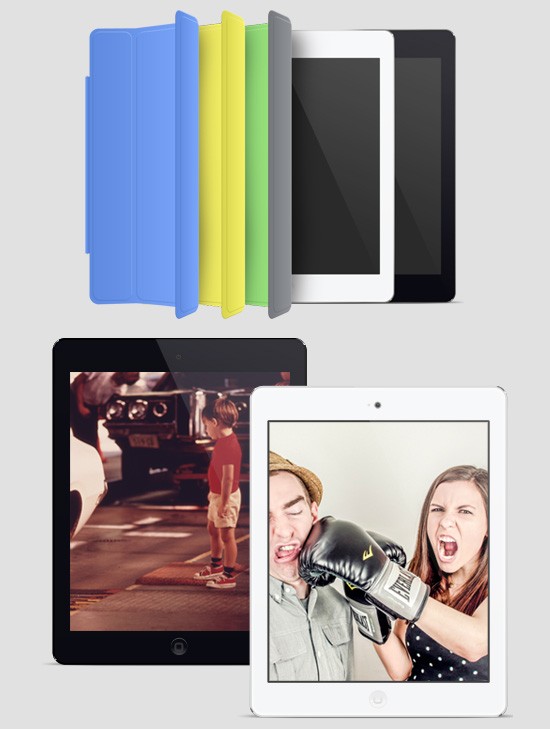
    <p>This is a <strong>free PSD</strong> of the new <strong>iPad Air</strong> that includes 3 different color options for the Smart Cover.</p>
    <p></p>
    <p>This PSD freebie is neatly organized and allows for near-endless customization  since the mockup was designed using vector shapes, which allows you to scale the design to any size you need without sacrificing image quality.</p>
    <p>You can use this PSD in your designs, presentations, app mockups, and much more.</p>
    <p>This freebie was created by <a href="http://www.bestpsdfreebies.com/" rel="nofollow external" class="bo">Best PSD Freebies</a>. It’s available exclusively here on Six Revisions.</p>
    <h3>Preview</h3>
    <p><img src="http://cdn.sixrevisions.com/0405-02_ipad_air_psd_preview_full.jpg" width="550" height="729" style="max-width: 100%; height: auto;"></p>
    <h3>License</h3>
    <p>This freebie can be used in any projects, commercial or otherwise. Attribution is appreciated, but not required.</p>
    <p>You aren’t permitted to make this freebie available for sale or distribution elsewhere, as is, without prior consent.</p>
    <h3>Download</h3>
    <ul>
    <li>
    <a href="http://cdn.sixrevisions.com/0405-03_ipad_air_psd.zip" rel="nofollow external" class="bo">iPad Air Template (PSD)</a> [4.67 MB]</li>
    </ul>
    <h3>Related Content</h3>
    <ul>
    <li><a href="http://sixrevisions.com/web-applications/designing-web-apps-for-the-ipad/" rel="nofollow external" class="bo">Designing Web Apps for the iPad</a></li>
    <li><a href="http://sixrevisions.com/tools/how-to-use-ipad-design/" rel="nofollow external" class="bo">How to Use Your iPad for Real Design Work</a></li>
    <li><a href="http://sixrevisions.com/mobile/native-app-vs-mobile-web-app-comparison/" rel="nofollow external" class="bo">Native App vs. Mobile Web App: A Quick Comparison</a></li>
    <li>
    <em>Related categories:</em> <a href="http://sixrevisions.com/category/freebies/" rel="nofollow external" class="bo">Freebies</a> and <a href="http://sixrevisions.com/category/tools/" rel="nofollow external" class="bo">Tools</a>
    </li>
    </ul>
    <h3>About the Author</h3>
    <p><img src="http://cdn.sixrevisions.com/authors/michael_reimer_small.jpg" alt="" width="80" height="80" style="max-width: 100%; height: auto;"><strong>Michael Reimer</strong> is a professional web designer from Canada. You can view more of his work at his site <a href="http://www.bestpsdfreebies.com/" rel="nofollow external" class="bo">Best PSD Freebies</a> where he offers a huge collection of free and premium web design resources. You can follow him on <a href="https://twitter.com/bestpsdfreebies" rel="nofollow external" class="bo">Twitter</a> to get his latest freebie updates.</p>
    <p>The post <a href="http://sixrevisions.com/freebies/ipad-air-psd/" rel="nofollow external" class="bo">iPad Air Template (PSD)</a> appeared first on <a href="http://sixrevisions.com" rel="nofollow external" class="bo">Six Revisions</a>.</p>
    </div>
]]>
</Body>
<Summary>This is a free PSD of the new iPad Air that includes 3 different color options for the Smart Cover.     This PSD freebie is neatly organized and allows for near-endless customization  since the...</Summary>
<Website>http://feedproxy.google.com/~r/SixRevisions/~3/BoC5P2QeeXw/</Website>
<TrackingUrl>https://my3.my.umbc.edu/api/v0/pixel/news/41689/guest@my.umbc.edu/a4c1367a1266bab0746f6abf3baf5e76/api/pixel</TrackingUrl>
<Tag>css</Tag>
<Tag>database</Tag>
<Tag>design</Tag>
<Tag>development</Tag>
<Tag>freebies</Tag>
<Tag>html</Tag>
<Tag>javascript</Tag>
<Tag>mysql</Tag>
<Tag>sql</Tag>
<Tag>web</Tag>
<Group token="retired-583">Web Developer - Build Group</Group>
<GroupUrl>https://my3.my.umbc.edu/groups/retired-583</GroupUrl>
<AvatarUrl>https://assets3-my.umbc.edu/system/shared/avatars/groups/000/000/583/fc60f5d7abc2e080599bb6dc465db54d/xsmall.png?1363101197</AvatarUrl>
<AvatarUrl size="original">https://assets4-my.umbc.edu/system/shared/avatars/groups/000/000/583/fc60f5d7abc2e080599bb6dc465db54d/original.jpg?1363101197</AvatarUrl>
<AvatarUrl size="xxlarge">https://assets4-my.umbc.edu/system/shared/avatars/groups/000/000/583/fc60f5d7abc2e080599bb6dc465db54d/xxlarge.png?1363101197</AvatarUrl>
<AvatarUrl size="xlarge">https://assets4-my.umbc.edu/system/shared/avatars/groups/000/000/583/fc60f5d7abc2e080599bb6dc465db54d/xlarge.png?1363101197</AvatarUrl>
<AvatarUrl size="large">https://assets3-my.umbc.edu/system/shared/avatars/groups/000/000/583/fc60f5d7abc2e080599bb6dc465db54d/large.png?1363101197</AvatarUrl>
<AvatarUrl size="medium">https://assets3-my.umbc.edu/system/shared/avatars/groups/000/000/583/fc60f5d7abc2e080599bb6dc465db54d/medium.png?1363101197</AvatarUrl>
<AvatarUrl size="small">https://assets4-my.umbc.edu/system/shared/avatars/groups/000/000/583/fc60f5d7abc2e080599bb6dc465db54d/small.png?1363101197</AvatarUrl>
<AvatarUrl size="xsmall">https://assets3-my.umbc.edu/system/shared/avatars/groups/000/000/583/fc60f5d7abc2e080599bb6dc465db54d/xsmall.png?1363101197</AvatarUrl>
<AvatarUrl size="xxsmall">https://assets4-my.umbc.edu/system/shared/avatars/groups/000/000/583/fc60f5d7abc2e080599bb6dc465db54d/xxsmall.png?1363101197</AvatarUrl>
<Sponsor>Web Developer - Build Group</Sponsor>
<PawCount>0</PawCount>
<CommentCount>0</CommentCount>
<CommentsAllowed>true</CommentsAllowed>
<PostedAt>Mon, 24 Feb 2014 05:00:44 -0500</PostedAt>
</NewsItem>

<NewsItem contentIssues="true" id="41688" important="false" status="posted" url="https://my3.my.umbc.edu/posts/41688">
<Title>The ultimate guide to logo design</Title>
<Body>
<![CDATA[
    <div class="html-content">
    <p><img alt="ultimate guide to logo design" src="http://netdna.webdesignerdepot.com/uploads/2014/01/thumbnail17.jpg" width="200" height="160" style="max-width: 100%; height: auto;">There are some companies out there that would have you believe that designing a logo is as simple as slapping together some type and a shape or two. But there is so much more to designing a good logo than just that, regardless of what some may say.</p> <p>A lot goes into a great logo design. While a logo seems like just a little thing to create, it represents an entire company or brand, and must convey identity, values, and more. You can’t think of it as just a “little” design job. It can be the most important design a company has, and one that guides future design and branding decisions. With this guide you’ll learn all the steps necessary for creating a fantastic logo for your own project or a potential client’s.</p> <h1>What makes a good logo?</h1> <p>A good logo is powerful. Whether it includes imagery or only type, a good logo has a certain power to it that makes it stand out.</p> <p><a href="http://creattica.com/logos/von-speed-shop/100546" rel="nofollow external" class="bo"><img src="http://netdna.webdesignerdepot.com/uploads/2014/01/powerful.jpg" width="650" alt="The ultimate guide to logo design" style="max-width: 100%; height: auto;"></a></p> <p>On that note, a good logo is unique. It won’t be confused with logos for other companies, particularly a business’s competitors.</p> <p><a href="http://creattica.com/logos/todays-news-post/99498" rel="nofollow external" class="bo"><img src="http://netdna.webdesignerdepot.com/uploads/2014/01/unique.jpg" width="650" alt="The ultimate guide to logo design" style="max-width: 100%; height: auto;"></a></p> <p>Along the same lines, a good logo is recognizable. It can become associated with a specific business quickly and easily.</p> <p><a href="http://creattica.com/logos/smartbook/98508" rel="nofollow external" class="bo"><img src="http://netdna.webdesignerdepot.com/uploads/2014/01/recognizable.jpg" width="650" alt="The ultimate guide to logo design" style="max-width: 100%; height: auto;"></a></p> <p>A good logo is timeless, too. It should stand up and still look current 10, 20, or even 50 years down the road. That’s a lot easier said than done.</p> <p><a href="http://creattica.com/logos/skibox/97369" rel="nofollow external" class="bo"><img alt="timeless" src="http://netdna.webdesignerdepot.com/uploads/2014/01/timeless.jpg" width="640" height="520" style="max-width: 100%; height: auto;"></a></p> <p>A good logo also re-inforces your brand. It should convey the appropriate mood, tone, and feeling for your business. Whether you choose to make your logo literally represent your business type is up to you, as there are advantages and disadvantages to each approach. But in either case, it needs to support your brand.</p> <p><a href="http://creattica.com/logos/baptists-bootleggers-vintage-logo/96314" rel="nofollow external" class="bo"><img src="http://netdna.webdesignerdepot.com/uploads/2014/01/reinforce.jpg" width="650" alt="The ultimate guide to logo design" style="max-width: 100%; height: auto;"></a></p> <p>A really good logo also conveys the core message of your company. It relays the qualities, skills, and values that your company believes in.</p> <p> </p> <h1>Types of logos</h1> <p>There are three main types of logos: there are logotypes, which are typography-based logos; there are literal logos, where the imagery used directly ties to the type of business (such as a dress for a clothing store); and abstract logos, where the logo imagery isn’t obviously linked to the type of business and may be based more on a feeling or mood.</p> <h2>Logotypes</h2> <p>Logotypes are very common, and often include a distinctive twist or adaptation on an existing typeface or font. Logotypes can be particularly useful for diversified companies who are involved in more than one business (such as GE or DuPont).</p> <p><a href="http://www.behance.net/gallery/Sky-Production/13525865" rel="nofollow external" class="bo"><img alt="logotype" src="http://netdna.webdesignerdepot.com/uploads/2014/01/logotypesky.jpg" style="max-width: 100%; height: auto;"></a></p> <p>The Sky Production logo is a great example of a logotype that ties imagery into the lettering. The “S” is made from cloud shapes, while the side borders look like the edges of film. It’s a great example of pushing the boundaries of what a logotype can be.</p> <p><a href="http://www.behance.net/gallery/ATHLETICA/13803461" rel="nofollow external" class="bo"><img src="http://netdna.webdesignerdepot.com/uploads/2014/01/athletica.jpg" width="650" alt="The ultimate guide to logo design" style="max-width: 100%; height: auto;"></a></p> <p>The simple triangle shapes that stand in for the A’s in the SiO Athletica logo are bold and modern, and can be repeated throughout signage and other branding materials whenever an A appears, reinforcing the brand. Consider similar treatments when creating your own logos.</p> <p><a href="http://www.behance.net/gallery/born/11613309" rel="nofollow external" class="bo"><img alt="born" src="http://netdna.webdesignerdepot.com/uploads/2014/01/born.jpg" width="546" height="409" style="max-width: 100%; height: auto;"></a></p> <p>While this doesn’t instantly strike one as a logotype, the shape of the logo is actually created by four B characters. It’s creative and memorable, without being complicated.</p> <p><a href="http://creattica.com/logos/cube/101462" rel="nofollow external" class="bo"><img src="http://netdna.webdesignerdepot.com/uploads/2014/01/cube.jpg" width="650" alt="The ultimate guide to logo design" style="max-width: 100%; height: auto;"></a></p> <p>The Cube logo is simple and straightforward, with a single line turning a square into a stylized letter C.</p> <p><a href="http://creattica.com/logos/folkdeer/101343" rel="nofollow external" class="bo"><img src="http://netdna.webdesignerdepot.com/uploads/2014/01/folkdeer.jpg" width="650" alt="The ultimate guide to logo design" style="max-width: 100%; height: auto;"></a></p> <p>The Folkdeer logo incorporates antlers into the typography, blurring the line between a logotype and a logo with literal imagery.</p> <h2>Literal imagery</h2> <p>Literal logos are also very common, and can instantly lend meaning to a company’s name, if it’s not abundantly clear. Local and small businesses, in particular, seem to be particularly fond of this type of logo. This may be in part because these logos are easily recognizable and leave little open to interpretation (though some do make clever use of double meanings and hidden imagery).</p> <p><a href="http://www.behance.net/gallery/MARKS-BADGES/11341561" rel="nofollow external" class="bo"><img alt="literal logo" src="http://netdna.webdesignerdepot.com/uploads/2014/01/literallogo.jpg" style="max-width: 100%; height: auto;"></a></p> <p>A bike chain is a very literal image for a bike shop or other bike-related business, as shown in this logo for The Ride.</p> <p><a href="http://www.behance.net/gallery/Herschel-Supply-Co-Winter-Club-Branding/13402707" rel="nofollow external" class="bo"><img alt="herschel supply co" src="http://netdna.webdesignerdepot.com/uploads/2014/01/herschel.jpg" width="600" height="450" style="max-width: 100%; height: auto;"></a></p> <p>The Herschel Supply Co Winter Club Collection logo is another great example of literal imagery, this time in the form of mountains and trees.</p> <p><a href="http://creattica.com/logos/meatlovers/102099" rel="nofollow external" class="bo"><img alt="meatlovers" src="http://netdna.webdesignerdepot.com/uploads/2014/01/meatlovers.jpg" width="640" height="640" style="max-width: 100%; height: auto;"></a></p> <p>This Meatlovers Gourmet Burger &amp; Cie logo with a sandwich in the shape of a heart is literal while remaining minimalist and modern. It shows that even logos with literal imagery can be fun and unexpected.</p> <p><a href="http://www.behance.net/gallery/Greenly-Branding/11946801" rel="nofollow external" class="bo"><img alt="greenly" src="http://netdna.webdesignerdepot.com/uploads/2014/01/greenly.jpg" width="600" height="285" style="max-width: 100%; height: auto;"></a></p> <p>The Greenly logo uses leaves in their logo, which makes perfect sense for an eco-friendly company.</p> <p><a href="http://creattica.com/logos/brooklyn-co/100447" rel="nofollow external" class="bo"><img src="http://netdna.webdesignerdepot.com/uploads/2014/01/brooklyn.jpg" width="650" alt="The ultimate guide to logo design" style="max-width: 100%; height: auto;"></a></p> <p>The rocking chair in the Brooklyn &amp; Co logo makes perfect sense for a furniture company.</p> <p><a href="http://creattica.com/logos/plumbline-media-identity/100353" rel="nofollow external" class="bo"><img src="http://netdna.webdesignerdepot.com/uploads/2014/01/plumbline.jpg" width="650" alt="The ultimate guide to logo design" style="max-width: 100%; height: auto;"></a></p> <p>The Plumbline Media logo almost looks abstract, until you see that it’s simply a book (representing media) with a simple plumbline in the spine.</p> <h2>Abstract imagery</h2> <p>Abstract logos are also very useful for diversified businesses, as they convey mood and tone much more than specific business type. A logo doesn’t have to directly convey what a business does. Consider the Nike Swoosh, McDonald’s Golden Arches, or the Apple logo.</p> <p><a href="http://www.behance.net/gallery/A-colorful-logo-year-2012/6347321" rel="nofollow external" class="bo"><img alt="abstract logo" src="http://netdna.webdesignerdepot.com/uploads/2014/01/abstractlogo.jpg" style="max-width: 100%; height: auto;"></a></p> <p>This Ease logo is a good example of an abstract image that conveys the appropriate mood.</p> <p><a href="http://www.behance.net/gallery/Austariff/13870805" rel="nofollow external" class="bo"><img alt="austariff" src="http://netdna.webdesignerdepot.com/uploads/2014/01/austariff.jpg" width="600" height="364" style="max-width: 100%; height: auto;"></a></p> <p>The logo for Austariff, which is an Australian solar feed-in incentive, is reminiscent of the sun, while also incorporating a leaf shape (which makes sense for the renewable energy industry). The shape is used in interesting ways throughout their branding materials.</p> <p><a href="http://www.behance.net/gallery/Stylish-Eve/6424221" rel="nofollow external" class="bo"><img alt="Stylish Eve" src="http://netdna.webdesignerdepot.com/uploads/2014/01/stylisheve.jpg" width="600" height="369" style="max-width: 100%; height: auto;"></a></p> <p>The Stylish Eve logo is based on the form of an apple, but taken to an abstract end. It’s a good example of taking something associated with a name (the name Eve has strong associations with apples) and stylizing it to create an evocative logo.</p> <p><a href="http://creattica.com/logos/warped-vision/99009" rel="nofollow external" class="bo"><img src="http://netdna.webdesignerdepot.com/uploads/2014/01/warpedvision.jpg" width="650" alt="The ultimate guide to logo design" style="max-width: 100%; height: auto;"></a></p> <p>The Warped Vision logo uses abstract shapes that are reminiscent of a few things, and doesn’t give any real indication of what the company does.</p> <p><a href="http://creattica.com/logos/futural/100132" rel="nofollow external" class="bo"><img src="http://netdna.webdesignerdepot.com/uploads/2014/01/futural.jpg" width="650" alt="The ultimate guide to logo design" style="max-width: 100%; height: auto;"></a></p> <p>The Futural logo is completely abstract, and yet gives a sense of modernity and the future, making it an excellent choice based on the company’s name.</p> <p> </p> <h1>Research, research, research</h1> <p>The first step in designing a great logo for your client is to get a good design brief. Your client should give you background information on their business, including any previous logos they’ve used. It’s important for you to gather information beyond what your client provides though, both directly from them and on your own.</p> <p>Ask your client specific questions to get clarification on anything you’re not 100% sure of in the brief. It’s better to ask questions and be clear on what your client expects and needs in the beginning, rather than spend countless hours on revisions down the road, or risk losing the client because they feel you didn’t listen to them (even if they were the ones who were unclear).</p> <p>You’ll need to research your audience. Who is the logo going to be seen by? In other words, who are your client’s customers? You’ll also want to know where the logo is going to be used, and in what formats. This is important, as it can determine limitations on your designs, such as the necessity of the logo to work well in black and white (in case your client still uses newspaper advertising or the like).</p> <h2>How much is too much?</h2> <p>A lot of designers who have never designed logos before are probably wondering how much research they really need to do. At what point do you know too much about your client’s business? How much research is really necessary just to design a logo?</p> <p>The answer to that is that you really can’t be too well-informed about your client when it comes to creating a logo. This is a major component to their brand, and their face to the world. Think about how recognizable some logos have become. No one needs to see the word “Nike” associated with their swoosh logo; they immediately recognize the swoosh and associate it with the brand. When you see the Starbucks mermaid, you know what company it represents. When you see an apple with a bite taken out of it, you know it’s Apple.</p> <p>Do you think the designers behind those logos thought they could just wing it based on nothing more than what’s contained in the company’s brochure or about page? Granted, sometimes a great logo can be created without a ton of back story from the company. But additional information in those cases almost certainly would not have hurt the process.</p> <p>Spend the time to get to know the company you’re designing for. Understand their values. Understand their position in the market. Understand how their customers view them. If it’s a new business, then understand how they want their customers to view them, and where they want to be positioned in the market.</p> <p>While it’s certainly possible to design a logo based on nothing more than a two or three paragraph design brief, you’ll produce better work if you take the time to delve deeper than that. Set aside an appropriate amount of time to research and plan your logo design process, and you’ll see better results and have happier clients.</p> <p> </p> <h1>Inspiration</h1> <p>Once you’ve done all the research you can manage and know your client’s business inside and out, it’s time to look for some inspiration. Sure, in some rare cases you might come up with the <strong>perfect</strong> idea for the logo while still in the research stage, but in all likelihood, you won’t. You’ll need to go looking for some inspiration and ideas elsewhere.</p> <p>When looking for logos to pull ideas from, look for logos from both similar companies and entirely different ones. Spend some time looking through inspiration galleries, logo roundups on blogs, and even just searching for logos in Google Images.</p> <p>While you’re looking at all these logos, resist the urge to imitate any of the ones you see. Imitation may be the sincerest form of flattery, but you’re not doing yourself or your clients any kind of favor by imitating another company’s logo.</p> <p>Remember what I said about a good logo being <em>unique</em>? It’s an important quality to remember as you’re looking at the work of others. The idea here is to find <em>ideas</em> that you can use to inspire your own original design. Not <em>ideas</em> you can tweak but effectively copy.</p> <p>When looking at these logos for inspiration, consider the different types of logos and which seem to be most prevalent in your client’s industry. Are most of the logos abstract? Literal? Typographic?</p> <p>Just because 80% of the companies in an industry have literal logos doesn’t mean that your client has to. But it’s important to think about whether breaking with the established standard fits with the client’s values. If they’re a very traditional company, then sticking with what’s already been established might be wise. Then again, if they’re trying to break in as a different option, or if they’re trailblazers, then consider deviating from the established path.</p> <h2>Logo inspiration resources</h2> <p>There are tons of great galleries online for finding inspiration for your logo designs. Here are ten of our favorites:</p> <p><a href="http://creattica.com/logos/" rel="nofollow external" class="bo">Logos on Creattica</a></p> <p><a href="http://creattica.com/logos/" rel="nofollow external" class="bo"><img src="http://netdna.webdesignerdepot.com/uploads/2014/01/creattica.jpg" width="650" alt="The ultimate guide to logo design" style="max-width: 100%; height: auto;"></a></p> <p> </p> <p><a href="http://logopond.com/" rel="nofollow external" class="bo">Logopond</a></p> <p><a href="http://logopond.com/" rel="nofollow external" class="bo"><img src="http://netdna.webdesignerdepot.com/uploads/2014/01/logopond.jpg" width="650" alt="The ultimate guide to logo design" style="max-width: 100%; height: auto;"></a></p> <p> </p> <p><a href="http://logofaves.com/" rel="nofollow external" class="bo">Logofaves.com</a></p> <p><a href="http://logofaves.com/" rel="nofollow external" class="bo"><img src="http://netdna.webdesignerdepot.com/uploads/2014/01/logofaves.jpg" width="650" alt="The ultimate guide to logo design" style="max-width: 100%; height: auto;"></a></p> <p> </p> <p><a href="http://www.logosauce.com/" rel="nofollow external" class="bo">Logosauce</a></p> <p><a href="http://www.logosauce.com/" rel="nofollow external" class="bo"><img src="http://netdna.webdesignerdepot.com/uploads/2014/01/logosauce.jpg" width="650" alt="The ultimate guide to logo design" style="max-width: 100%; height: auto;"></a></p> <p> </p> <p><a href="http://www.logomoose.com/" rel="nofollow external" class="bo">LogoMoose</a></p> <p><a href="http://www.logomoose.com/" rel="nofollow external" class="bo"><img src="http://netdna.webdesignerdepot.com/uploads/2014/01/logomoose.jpg" width="650" alt="The ultimate guide to logo design" style="max-width: 100%; height: auto;"></a></p> <p> </p> <p><a href="http://www.logogala.com/" rel="nofollow external" class="bo">LogoGala</a></p> <p><a href="http://www.logogala.com/" rel="nofollow external" class="bo"><img src="http://netdna.webdesignerdepot.com/uploads/2014/01/logogala.jpg" width="650" alt="The ultimate guide to logo design" style="max-width: 100%; height: auto;"></a></p> <p> </p> <p><a href="http://www.logospire.com/" rel="nofollow external" class="bo">Logospire</a></p> <p><a href="http://www.logospire.com/" rel="nofollow external" class="bo"><img src="http://netdna.webdesignerdepot.com/uploads/2014/01/logospire.jpg" width="650" alt="The ultimate guide to logo design" style="max-width: 100%; height: auto;"></a></p> <p> </p> <p><a href="http://www.logolounge.com/" rel="nofollow external" class="bo">LogoLounge</a></p> <p><a href="http://www.logolounge.com/" rel="nofollow external" class="bo"><img src="http://netdna.webdesignerdepot.com/uploads/2014/01/logolounge.jpg" width="650" alt="The ultimate guide to logo design" style="max-width: 100%; height: auto;"></a></p> <p> </p> <p><a href="http://logooftheday.com/" rel="nofollow external" class="bo">Logo of the Day</a></p> <p><a href="http://logooftheday.com/" rel="nofollow external" class="bo"><img src="http://netdna.webdesignerdepot.com/uploads/2014/01/logooftheday.jpg" width="650" alt="The ultimate guide to logo design" style="max-width: 100%; height: auto;"></a></p> <p> </p> <p><a href="http://www.logoed.co.uk/" rel="nofollow external" class="bo">Logoed</a></p> <p><a href="http://www.logoed.co.uk/" rel="nofollow external" class="bo"><img src="http://netdna.webdesignerdepot.com/uploads/2014/01/logoed.jpg" width="650" alt="The ultimate guide to logo design" style="max-width: 100%; height: auto;"></a></p> <p> </p> <p>In addition to galleries, there are plenty of logo roundups out there to provide additional inspiration. And of course we’re surrounded by logos in our everyday lives, on products, in advertising, online, and more.</p> <p> </p> <h1>Sketching initial designs</h1> <p>By now, you should be fully immersed in the brand. You should know them as well as you know your own business. This allows you to more easily create appropriate sketches for the initial designs.</p> <p>Consider creating a matrix of possible design options, based on the different kinds of logos and the different symbology that might be appropriate for your client. For example, you may create a series of logotype ideas, a series of ideas based on pictograms tied to the company name, and a series of ideas tied to the industry in which they work. Creating quick sketches of these in a matrix format allows you to see them all at a glance, and may let you see ways to combine different ideas in interesting new ways.</p> <p>One thing to keep in mind, right from the start, is that you should keep all of your sketches. What may seem like a bad idea on your first round of initial sketches might be the start of something brilliant later on. If you’ve tossed out your early sketches, thinking they were garbage, you might not be able to recapture the ideas later.</p> <p>This is also the part of the process where you may be tasked with choosing a typeface for the logo and any accompanying slogans. Consider creating an entirely original type treatment for the logo, rather than using an existing font if you want to create something absolutely unique.</p> <p>If designing completely original type isn’t within the scope of the project, then consider making changes and customizations to an existing typeface. This can be a great way to get a custom look without investing the time and resources necessary for a completely original type design.</p> <p><a href="http://www.behance.net/gallery/GLAM/13962345" rel="nofollow external" class="bo"><img src="http://netdna.webdesignerdepot.com/uploads/2014/01/logotype.jpg" width="650" alt="The ultimate guide to logo design" style="max-width: 100%; height: auto;"></a></p> <p>In some cases your client may already have an established typeface, and whether you can deviate from that or not will depend on the particular project. If you do opt to deviate from it, be wary of what the reaction from the company or their clients might be.</p> <p>In these cases, making adjustments to the existing typeface being used can be an excellent solution. It can keep any established attachment to the existing logo or company identity, while still presenting something new and updated.</p> <p>It’s important to think about any double meanings or hidden meanings or imagery that might appear within a logo. These can be a clever way to make your logo very memorable and recognizable. Consider logos with dual meanings or hidden imagery. Here’s an example of a great “hidden” second image in a logo:</p> <p><a href="http://www.behance.net/gallery/Lebre-Moving-Co/12324621" rel="nofollow external" class="bo"><img src="http://netdna.webdesignerdepot.com/uploads/2014/01/hiddenimage.jpg" width="650" alt="The ultimate guide to logo design" style="max-width: 100%; height: auto;"></a></p> <p>While you may choose to purposely include (or not include) secondary imagery and meanings in your logo designs, you need to be aware of potential hidden meanings, words, or images. It’s completely possible for words to escape our notice during the design process, only to be discovered by the client or the client’s customers after the logo has been made public. These negative aspects can be amusing at best, or a real PR nightmare for your client at worst.</p> <p>The negative space created by your logo design can be used to create secondary imagery, too, or to further simplify the main imagery in your design. Consider how the negative space can be used to better define your logo or to further reinforce your client’s image and values in the design. Look at how negative space is used in the logo below to spell out the word “one” while also using the numeric character:</p> <p><a href="http://www.behance.net/gallery/Logo-One-Design-Gestalt-Theory/10963073" rel="nofollow external" class="bo"><img src="http://netdna.webdesignerdepot.com/uploads/2014/01/negativespace.jpg" width="650" alt="The ultimate guide to logo design" style="max-width: 100%; height: auto;"></a></p> <p>One common pitfall for designers is the use of passive imagery over active imagery. For example, a designer may choose to use an image of a bear in their logo. The designer’s first instinct may be to just use a silhouette of a bear’s head. This is passive imagery; it’s just sitting there. By contrast, a silhouette of a bear <em>doing</em> something (such as catching a fish from a stream or standing on its hind legs) is active, and is more striking and memorable. It gives the sense that the company the logo represents is doing things, rather than just sitting there. Look at how dynamic and interesting the running fox is in the logo below:</p> <p><a href="http://www.behance.net/gallery/In-Motus-Veritas-Storytelling/13788849" rel="nofollow external" class="bo"><img alt="active imagery" src="http://netdna.webdesignerdepot.com/uploads/2014/01/activeimagery.jpg" width="600" height="340" style="max-width: 100%; height: auto;"></a></p> <p>Don’t be afraid to experiment in your sketches. Try the unexpected. Try the crazy idea that you’re sure won’t work but can’t stop thinking about. This is the time in the design process to humor every idea you have. Sure, you might set aside most of them, but you may stumble upon a great idea during the process. And one bad idea might lead you into a good idea, or even a great idea. So take the time during this initial sketching phase to play around and experiment.</p> <h2>Paper vs. screen</h2> <p>When you’re sketching your designs, you may be wondering if it’s better to sketch on paper or with your computer or tablet.</p> <p>While it’s really up to you as a designer which one you’re more comfortable working with, you may find that sketching on paper is more efficient to start with. You’re also less likely to erase and change things when working on paper.</p> <p>The other benefit to paper is that it creates a disconnect that tells your brain that this is not the final work, and that it’s okay to be messy and work quickly. Since most of us are used to polishing our designs on a computer and creating finished projects, we can have perfectionist tendencies when working on a screen versus working on paper.</p> <p>Of course, if you feel you work more efficiently sketching on screen with a graphics tablet, then by all means do so. A nice in-between can be working in a drawing app on your tablet. The benefit here is that it’s more streamlined to import your sketches into your graphics program of choice when you start on the refinement process.</p> <p> </p> <h1>Reflection and refinement</h1> <p>Once you have a bunch of sketches, you may want to immediately dive into perfecting one or more of them to show your client. Or, alternatively, you may find that you’re completely overwhelmed by how many ideas you’ve come up with, and have no idea which one(s) to move forward with.</p> <p>This is why it’s so important to take some time away from your designs and reflect on them. If you can take a couple of days to think and step back, that’s great. If not, try to at least sleep on your designs so you can approach them with fresh eyes. And if even that’s not possible (and it might not be if it’s a rush job or there are other time constraints), then at least go get a cup of coffee, have lunch, or take a walk.</p> <p>Time allows you to distance yourself from your designs. You’ll be less likely to choose your “favorite”, or the one that took the most time, or the one that “just came to you” if you have this space. Instead, you’ll be able to more easily look objectively at the logo sketches and see which one makes the most sense for your client, regardless of your own personal attachments.</p> <p>Once you’re back at your computer and looking at your sketches, you’ll need to consider a few things before deciding which logo concepts are most appropriate to move forward with and present to your client or other decision makers.</p> <p>First of all, make sure that you’re aware of pertinent cultural differences. So many businesses are now global in scope that it’s vital that they understand the potential symbology and meaning their logo might carry in other countries and cultures they do business with. Even purely local businesses need to be aware of these things, especially if there is a large immigrant population or ethnic group in their community.</p> <p>For example, in many countries a “thumbs up” is considered a positive symbol, and that everything is okay. But in Sardinia, Greece, and some Islamic countries, it’s a rude sexual sign. In other words, don’t try to present a thumbs-up symbol in a logo for a Greek restaurant.</p> <p>Once you’ve narrowed down which logo sketches you want to move forward with, it’s time to make some refinements. The point of the sketching process was just to get your ideas in their roughest form onto paper (or pixels).</p> <p>Make sure the logo concepts you choose work on dark and light backgrounds equally well. You never know where your logo design will end up, and changes down the road to the company’s website or other branding materials shouldn’t make the logo obsolete. Logos should transcend other brand design changes for the most part, unless an entire re-branding effort is undertaken (and even then sometimes the logo will persist). That means your logo needs to be as flexible as you can make it.</p> <p>Your logo should be as simple as possible. Keep simplifying and removing elements until you’re left with the minimum to get your message across. In fact, one useful strategy here is to keep removing things until the message is lost, then add back until it becomes clear again. In many cases, simplicity equals a certain timeless quality that will survive trends and fluctuations in what’s popular from one year to the next.</p> <p><a href="http://www.behance.net/gallery/Real-Estate-Branding-and-UIUX/9853399" rel="nofollow external" class="bo"><img alt="simple" src="http://netdna.webdesignerdepot.com/uploads/2014/01/simple.jpg" width="600" height="360" style="max-width: 100%; height: auto;"></a></p> <p>When creating your initial sketches, you may not have taken into account the company’s slogan or other phrases that might commonly be used adjacent to the logo. But it’s important that your logo and slogan work well both together and separately. Try out different ways of combining the two, and different ways of styling each so that they work well in either situation.</p> <p>The colors you use in the design can have a huge bearing on how the final logo design is perceived. You may be working with a strict established color palette that the client furnishes, or you may be free to use whatever colors you like. In all likelihood, the client will at least provide input on the color families they would like the logo to use (or that it must use).</p> <p>In either of the last two cases, you need to carefully consider how using different tones of a color can impact the final perception. For example, using bright saturated colors is going to give a very different impression than using muted tones or pastels. When a logo design isn’t quite working for you and you can’t put your finger on why, consider tweaking the color palette first to see if that fixes the problem.</p> <p>Color palettes should be among the last steps in the logo design process. Make sure that your designs can function in monochrome as well as color for the most versatility.</p> <p>You should also make refinements to the typeface you’ve either chosen or designed specifically for this logo. Small adjustments to typography, like changing line weights, eliminating certain aspects of individual characters or elements, or similar changes can have a profound effect on the overall design, and turn it from good to great.</p> <p> </p> <h1>Choosing a logo</h1> <p>At this point, you probably have two or three logos in something close to a final state. In all likelihood, you’ll want to present these to your client or other decision makers for a final decision on which logo will be used.</p> <p>But, just because you have three designs doesn’t mean you have to immediately present all three. Instead, you may choose to present just one logo at first, and see how your client reacts. This can be a particularly useful tactic if your client has been unfocused throughout the design process, and you worry they may be unhappy with whatever you present. Getting feedback on one design so that you can then either make adjustments to that design or know which of your other designs is most likely to please the client can be a good strategy.</p> <p>Plus, giving your client too many choices may make it harder for them to make a decision. Or worse, they may ask you to scrap all three and do a fourth (and a fifth, and a sixth). After all, if you were able to design three logos so <em>easily</em>, then surely it’s not a big deal for you to design a few more.</p> <p>Make sure you have a well formed opinion about each logo, and why it’s a good fit for your client. The best clients will ask for your guidance on which logo is truly the best fit for them, and being able to give them thoughtful insight into why each one works reinforces your expertise as a designer.</p> <p>You may also want to consider presenting the logo in context so your client can better visualize how it will look in practice. Mock up the client’s website, business cards, or other materials with the new logo. It’s a big help to clients, who may not be able to easily visualize an end result like you can as a designer.</p> <p>In the end, it’s up to your client to choose which logo they think will best fit their company. And to request any changes or adjustments, per your design contract.</p> <p> </p> <h1>What to do with the final design</h1> <p>Once the final design has been chosen, you need to create the deliverables for your client. Make sure your design is responsive and looks good at both large and small sizes. Your logo design is likely to be used on screen in a variety of sizes, as well as possibly used in print (which means assets at a minimum of 300dpi will be required). Of course, you’ve designed the logo in a vector graphics program and have the vector files, but you should also provide your client other, more user-friendly file types that they can use. Be sure you take the time for proper hinting in your non-vector files, so that they appear cleaner and more polished. When you pull a vector file into Photoshop or another raster graphics program, you’ll end up with all sorts of pixelation around the edges of your design, which should be removed for the cleanest end result.</p> <p>You should also create a style guide for the final logo design and associated branding to show what adaptations are and are not acceptable. Create a list of dos and don’ts for how to use the logo, including whether it’s okay to do things like outline it or place it in a box. For some great inspiration on how to compose a design style guide, check out <a href="http://www.creativebloq.com/branding/great-examples-design-style-guides-3132070" rel="nofollow external" class="bo">10 Magically Meticulous Design Style Guides</a> from Creative Bloq.</p> <p> </p> <h1>Some words on typography</h1> <p>Here are some great tips for better using typography in your logo designs.</p> <ol> <li>Don’t use a typeface that’s already used in an iconic logo. Of course, there are exceptions to this rule, such as typefaces that are used in a lot of iconic logos (like <a href="http://www.sitepoint.com/logo-design-typography-helvetica/" rel="nofollow external" class="bo">Helvetica</a>).</li> <li>Make sure your typeface matches the tone of the brand. Serious brand = serious typeface. Traditional brand = traditional typeface. Modern brand = modern typeface. You get the picture.</li> <li>Be wary of “trendy” fonts. What’s trendy today is dated tomorrow.</li> <li>Likewise, avoid gimmicky fonts. There are tons of free decorative fonts out there, and it can be tempting to use them. In a word: don’t. For one, they’re probably already being used in crappy logos the world over. Second, most of them aren’t designed all that well (there’s a reason they’re free).</li> <li>Make adaptations to existing typefaces in your designs. Add a curve, change the aspect ratio, remove some elements, or whatever else you need to do to make it your own and make it better fit your client’s brand.</li> <li>Look at how other logos are using typography. While you shouldn’t steal ideas from other designers, looking at how another designer approaches a specific design challenge is smart. Take the strategies that make sense in the context of your project and adapt them to suit your specific needs.</li> <li>Avoid using multiple fonts. It’s best to stick to one, two if you absolutely have to. Anything more than that and you’re taking a huge risk that is unlikely to pay off except in the most exceptional circumstances.</li> <li>Experiment with things like kerning, letter spacing, and line height in your logo design, and see how merging letterforms can add interest and make your logo stand out. Here’s a great example of how positioning characters along two different planes can add interest and a sense of whimsy to your logo:</li> </ol> <p><a href="http://www.behance.net/gallery/Carousel/11958907" rel="nofollow external" class="bo"><img alt="typography" src="http://netdna.webdesignerdepot.com/uploads/2014/01/typography.jpg" width="600" height="460" style="max-width: 100%; height: auto;"></a></p> <p> </p> <h1>What clients (should) look for</h1> <p>Now that you know what goes into a good logo, you might wonder what a potential client, who needs a new logo, will be looking for in a designer (or at least what they should be looking for).</p> <p>Do you have proven experience? And happy past clients? Those are both key. Testimonials can go a long way toward giving your potential client peace-of-mind in choosing to work with you. It’s all about social approval and validation. Other things that give clients some reassurance are things like design awards you may have won or work you’ve had published. Don’t be shy about including these things in your portfolio.</p> <p>Your timeframe and price are also going to be big factors in whether a potential client chooses to work with you over your competition. While being the lowest-priced designer isn’t doing you or your client any favors, being the highest-priced means you better have the skills and credentials to back it up. Because honestly, if it comes down to you and another designer, and your potential client is fine with the quality of your work and the other designer’s work, it’s almost certainly going to come down to price and turnaround. Make sure you’re providing appropriate value for the cost.</p> <p>How you communicate and your level of professionalism is also key. Make sure that you respond promptly to any communication from your client, and that you present yourself in a professional way at all times. It doesn’t matter if this is your first paid logo project or your ten thousandth, as far as your client is concerned, how you interact with them is the only thing that matters.</p> <p> </p> <h1>Logo design case studies</h1> <p>Looking at case studies that spell out exactly how a logo was designed can be a great help to new logo designers. It gives you clearer insight into how these steps apply in the real world. Here are a few to check out:</p> <p><a href="http://justcreative.com/2008/04/24/logo-design-process-of-just-creative-design/" rel="nofollow external" class="bo">Logo Design Process for Just Creative Design’s Award Winning Logo</a> covers how the logo for this iconic company was created, with handy images along the way.</p> <p><a href="http://webdesignerwall.com/tutorials/dache-logo-design-process" rel="nofollow external" class="bo">Dache: Logo Design Process</a> covers how famous Swiss logo designer David Pache, of Dache, goes about creating a logo.</p> <p>This <a href="http://blog.spoongraphics.co.uk/tutorials/logo-design-process-and-walkthrough-for-vivid-ways" rel="nofollow external" class="bo">Logo Design Process and Walkthrough for Vivid Ways</a> from Spoon Graphics shows how they created this colorful logo, including client feedback.</p> <p>This post on the Duoh! blog, <a href="http://www.duoh.com/news/article/logo-design-for-social-signal/" rel="nofollow external" class="bo">Logo Design for Social Signal</a>, details the process for creating this logo, from the design brief on.</p> <p>Check out Just Creative’s process for the <a href="http://justcreative.com/2009/09/09/blog-logo-design/" rel="nofollow external" class="bo">A-List Blogging Bootcamps Identity Design</a>, including how they got the job in the first place.</p> <p><a href="http://blog.centresource.com/2010/02/03/the-bounty-bev-logo-design-process/" rel="nofollow external" class="bo">The Bounty Bev Logo Design Process</a> gives a quick rundown of how Centresource created a fantastic logo in just a week.</p> <p><a href="http://imjustcreative.com/apple-eve-logo-process/2010/06/12" rel="nofollow external" class="bo">Logo Process – Apple &amp; Eve [nude] Identity Development</a> is a fascinating look at what was a very challening and potentially disastrous logo design.</p> <p><a href="http://justcreative.com/2008/11/27/logo-design-process-fitucci/" rel="nofollow external" class="bo">Logo Design Process for FITUCCI</a> is another great case study from JUST Creative.</p> <p><a href="http://vector.tutsplus.com/articles/creating-a-rockstar-brand-logo-styleguide-in-illustrator/" rel="nofollow external" class="bo">Creating a Rockstar Brand, Logo &amp; Styleguide in Illustrator</a> is a more tutorialized look at the creation of a logo and associated branding materials for Rockable Press, from VectorTuts+.</p> <p>This <a href="http://abduzeedo.com/mentaway-logo-design-case-study" rel="nofollow external" class="bo">Mentaway Logo Design Case Study</a> from Abduzeedo shows how the Mentaway logo was designed, from initial inspiration and conception to the final design.</p> <p> </p> <h1>Resources and tools</h1> <p>While many designers are likely going to want to break out Adobe Illustrator or another vector graphics program to create their logos, you might be wondering whether there are any free apps or other tools out there for creating logos. The good news is that there are plenty; the bad news is that not all of them create great (or even good) results. But on that note, here are some of the better logo apps online.</p> <p><a href="http://www.graphicsprings.com/" rel="nofollow external" class="bo">Graphic Springs</a> makes it simple to create a logo in just five steps. They offer a fairly extensive collection of stock images to choose from.</p> <p><a href="http://www.graphicsprings.com/" rel="nofollow external" class="bo"><img src="http://netdna.webdesignerdepot.com/uploads/2014/01/graphicsprings.jpg" width="650" alt="The ultimate guide to logo design" style="max-width: 100%; height: auto;"></a></p> <p> </p> <p><a href="http://www.squarespace.com/logo/" rel="nofollow external" class="bo">Squarespace Logo</a> is a new tool from the popular website provider. It’s a decidedly more modern and streamlined design tool than most of the others here.</p> <p><a href="http://www.squarespace.com/logo/" rel="nofollow external" class="bo"><img src="http://netdna.webdesignerdepot.com/uploads/2014/01/squarespace.jpg" width="650" alt="The ultimate guide to logo design" style="max-width: 100%; height: auto;"></a></p> <p> </p> <p><a href="https://www.designmantic.com/" rel="nofollow external" class="bo">DesignMantic</a> offers a large selection if images you can incorporate into your logo design. Just enter your company name and they’ll generate a number of mockups you can customize, or sort the designs by industry.</p> <p><a href="https://www.designmantic.com/" rel="nofollow external" class="bo"><img src="http://netdna.webdesignerdepot.com/uploads/2014/01/designmantic.jpg" width="650" alt="The ultimate guide to logo design" style="max-width: 100%; height: auto;"></a></p> <p> </p> <p><a href="http://www.logogenie.net/logo-design" rel="nofollow external" class="bo">LogoGenie</a> lets you create a logo in just three steps: pick your industry and icon, choose your font, add effects, and you’re done.</p> <p><a href="http://www.logogenie.net/logo-design" rel="nofollow external" class="bo"><img src="http://netdna.webdesignerdepot.com/uploads/2014/01/logogenie.jpg" width="650" alt="The ultimate guide to logo design" style="max-width: 100%; height: auto;"></a></p> <p> </p> <p><a href="https://www.logaster.com/" rel="nofollow external" class="bo">Logaster</a> is an easy to use logo design app. Just enter your business name and type, choose your logo concept, edit it, and download your final design.</p> <p><a href="https://www.logaster.com/" rel="nofollow external" class="bo"><img src="http://netdna.webdesignerdepot.com/uploads/2014/01/logaster.jpg" width="650" alt="The ultimate guide to logo design" style="max-width: 100%; height: auto;"></a></p> <p> </p> <p><a href="http://logoyes.com/" rel="nofollow external" class="bo">LogoYes</a> makes it fast and easy to create logos, with a ton of stock images to choose from.</p> <p><a href="http://logoyes.com/" rel="nofollow external" class="bo"><img src="http://netdna.webdesignerdepot.com/uploads/2014/01/logoyes.jpg" width="650" alt="The ultimate guide to logo design" style="max-width: 100%; height: auto;"></a></p> <p> </p> <p><a href="http://www.logomaker.com/" rel="nofollow external" class="bo">LogoMaker</a> is a simple and fast logo creator. You can get up to 6 gif files for free, or pay for high resultion files.</p> <p><a href="http://www.logomaker.com/" rel="nofollow external" class="bo"><img src="http://netdna.webdesignerdepot.com/uploads/2014/01/logomaker.jpg" width="650" alt="The ultimate guide to logo design" style="max-width: 100%; height: auto;"></a></p> <p> </p> <h1>Conclusion</h1> <p>The creation of a logo may seem like a very straightforward proposition to the novice designer, but creating a truly exceptional logo, one that can stand the test of time, is a much more involved process. It’s key to take the time necessary to properly create a logo, whether it’s for yourself or a client.</p> <p>Not doing so can result in creating a poorly-designed logo that doesn’t properly represent the brand and doesn’t present a positive image to the public. It’s damaging to your reputation, and will quickly lead to a loss of clients.</p> <p>Following the advice above will help you avoid that, and help you create excellent logos that will bolster your reputation and improve your clients’ businesses.</p> <p> </p> <p><em><strong>Do you design logos professionally? What advice would you offer prospective logo designers? Let us know in the comments.</strong></em></p> <p><br><br> </p>
    <table width="100%"> <tbody>
    <tr> <td> <a href="http://www.mightydeals.com/deal/on-building-community-products.html?ref=inwidget" rel="nofollow external" class="bo"><strong>eBook: Kyle Bragger’s On Building Community Products – only $5!</strong></a> </td> <td> <a href="http://www.mightydeals.com/?ref=inwidget" rel="nofollow external" class="bo"><br> <img src="http://mightydeals.com/web/images/widget-logo.png" height="40" width="90" alt="The ultimate guide to logo design" style="max-width: 100%; height: auto;"><br> </a> </td> </tr> </tbody>
    </table> <p><br> </p> <a href="http://www.webdesignerdepot.com/2014/02/the-ultimate-guide-to-logo-design/" rel="nofollow external" class="bo">Source</a> <br><div><table border="0"><tbody><tr><td>
    <a href="http://share.feedsportal.com/share/twitter/?u=http%3A%2F%2Fwww.webdesignerdepot.com%2F2014%2F02%2Fthe-ultimate-guide-to-logo-design%2F&amp;t=The+ultimate+guide+to+logo+design" rel="nofollow external" class="bo"><img src="http://res3.feedsportal.com/social/twitter.png" style="max-width: 100%; height: auto;"></a> <a href="http://share.feedsportal.com/share/facebook/?u=http%3A%2F%2Fwww.webdesignerdepot.com%2F2014%2F02%2Fthe-ultimate-guide-to-logo-design%2F&amp;t=The+ultimate+guide+to+logo+design" rel="nofollow external" class="bo"><img src="http://res3.feedsportal.com/social/facebook.png" style="max-width: 100%; height: auto;"></a> <a href="http://share.feedsportal.com/share/linkedin/?u=http%3A%2F%2Fwww.webdesignerdepot.com%2F2014%2F02%2Fthe-ultimate-guide-to-logo-design%2F&amp;t=The+ultimate+guide+to+logo+design" rel="nofollow external" class="bo"><img src="http://res3.feedsportal.com/social/linkedin.png" style="max-width: 100%; height: auto;"></a> <a href="http://share.feedsportal.com/share/gplus/?u=http%3A%2F%2Fwww.webdesignerdepot.com%2F2014%2F02%2Fthe-ultimate-guide-to-logo-design%2F&amp;t=The+ultimate+guide+to+logo+design" rel="nofollow external" class="bo"><img src="http://res3.feedsportal.com/social/googleplus.png" style="max-width: 100%; height: auto;"></a> <a href="http://share.feedsportal.com/share/email/?u=http%3A%2F%2Fwww.webdesignerdepot.com%2F2014%2F02%2Fthe-ultimate-guide-to-logo-design%2F&amp;t=The+ultimate+guide+to+logo+design" rel="nofollow external" class="bo"><img src="http://res3.feedsportal.com/social/email.png" style="max-width: 100%; height: auto;"></a>
    </td></tr></tbody></table></div>
    <br><br><a href="http://da.feedsportal.com/r/186531016683/u/49/f/661066/c/35285/s/37753420/sc/4/rc/1/rc.htm" rel="nofollow external" class="bo"><img src="http://da.feedsportal.com/r/186531016683/u/49/f/661066/c/35285/s/37753420/sc/4/rc/1/rc.img" style="max-width: 100%; height: auto;"></a><br><a href="http://da.feedsportal.com/r/186531016683/u/49/f/661066/c/35285/s/37753420/sc/4/rc/2/rc.htm" rel="nofollow external" class="bo"><img src="http://da.feedsportal.com/r/186531016683/u/49/f/661066/c/35285/s/37753420/sc/4/rc/2/rc.img" style="max-width: 100%; height: auto;"></a><br><a href="http://da.feedsportal.com/r/186531016683/u/49/f/661066/c/35285/s/37753420/sc/4/rc/3/rc.htm" rel="nofollow external" class="bo"><img src="http://da.feedsportal.com/r/186531016683/u/49/f/661066/c/35285/s/37753420/sc/4/rc/3/rc.img" style="max-width: 100%; height: auto;"></a><br><br><a href="http://da.feedsportal.com/r/186531016683/u/49/f/661066/c/35285/s/37753420/a2.htm" rel="nofollow external" class="bo"><img src="http://da.feedsportal.com/r/186531016683/u/49/f/661066/c/35285/s/37753420/a2.img" style="max-width: 100%; height: auto;"></a>
    </div>
]]>
</Body>
<Summary>There are some companies out there that would have you believe that designing a logo is as simple as slapping together some type and a shape or two. But there is so much more to designing a good...</Summary>
<Website>http://rss.feedsportal.com/c/35285/f/661066/s/37753420/sc/4/l/0L0Swebdesignerdepot0N0C20A140C0A20Cthe0Eultimate0Eguide0Eto0Elogo0Edesign0C/story01.htm</Website>
<TrackingUrl>https://my3.my.umbc.edu/api/v0/pixel/news/41688/guest@my.umbc.edu/5e268ce8ea86e9b1934a628d32ac4704/api/pixel</TrackingUrl>
<Tag>art</Tag>
<Tag>branding</Tag>
<Tag>business</Tag>
<Tag>css</Tag>
<Tag>design</Tag>
<Tag>development</Tag>
<Tag>freelancing</Tag>
<Tag>graphic-design</Tag>
<Tag>html</Tag>
<Tag>html5</Tag>
<Tag>illustration</Tag>
<Tag>illustrator</Tag>
<Tag>inspiration</Tag>
<Tag>javascript</Tag>
<Tag>logo-design</Tag>
<Tag>logos</Tag>
<Tag>mysql</Tag>
<Tag>oracle</Tag>
<Tag>photoshop</Tag>
<Tag>php</Tag>
<Tag>sql</Tag>
<Tag>typography</Tag>
<Group token="retired-583">Web Developer - Build Group</Group>
<GroupUrl>https://my3.my.umbc.edu/groups/retired-583</GroupUrl>
<AvatarUrl>https://assets3-my.umbc.edu/system/shared/avatars/groups/000/000/583/fc60f5d7abc2e080599bb6dc465db54d/xsmall.png?1363101197</AvatarUrl>
<AvatarUrl size="original">https://assets4-my.umbc.edu/system/shared/avatars/groups/000/000/583/fc60f5d7abc2e080599bb6dc465db54d/original.jpg?1363101197</AvatarUrl>
<AvatarUrl size="xxlarge">https://assets4-my.umbc.edu/system/shared/avatars/groups/000/000/583/fc60f5d7abc2e080599bb6dc465db54d/xxlarge.png?1363101197</AvatarUrl>
<AvatarUrl size="xlarge">https://assets4-my.umbc.edu/system/shared/avatars/groups/000/000/583/fc60f5d7abc2e080599bb6dc465db54d/xlarge.png?1363101197</AvatarUrl>
<AvatarUrl size="large">https://assets3-my.umbc.edu/system/shared/avatars/groups/000/000/583/fc60f5d7abc2e080599bb6dc465db54d/large.png?1363101197</AvatarUrl>
<AvatarUrl size="medium">https://assets3-my.umbc.edu/system/shared/avatars/groups/000/000/583/fc60f5d7abc2e080599bb6dc465db54d/medium.png?1363101197</AvatarUrl>
<AvatarUrl size="small">https://assets4-my.umbc.edu/system/shared/avatars/groups/000/000/583/fc60f5d7abc2e080599bb6dc465db54d/small.png?1363101197</AvatarUrl>
<AvatarUrl size="xsmall">https://assets3-my.umbc.edu/system/shared/avatars/groups/000/000/583/fc60f5d7abc2e080599bb6dc465db54d/xsmall.png?1363101197</AvatarUrl>
<AvatarUrl size="xxsmall">https://assets4-my.umbc.edu/system/shared/avatars/groups/000/000/583/fc60f5d7abc2e080599bb6dc465db54d/xxsmall.png?1363101197</AvatarUrl>
<Sponsor>Web Developer - Build Group</Sponsor>
<PawCount>0</PawCount>
<CommentCount>0</CommentCount>
<CommentsAllowed>true</CommentsAllowed>
<PostedAt>Mon, 24 Feb 2014 03:15:30 -0500</PostedAt>
<EditAt>Mon, 24 Feb 2014 03:15:30 -0500</EditAt>
</NewsItem>

<NewsItem contentIssues="false" id="41687" important="false" status="posted" url="https://my3.my.umbc.edu/posts/41687">
<Title>Augmented Reality Gets to Work</Title>
<Body>
<![CDATA[
    <div class="html-content">
    <p>Augmented reality hasn’t yet lived up to its promise, but it could catch on in situations where it makes employees more efficient.</p>
    <p>For Thomas Caudell, it started with a desire to make it easier to build airplanes. It was 1990, and Caudell, then a scientist at Boeing, was trying to figure out how to help workers assembling long bundles of wires for the new 777 jetliner.</p>
    </div>
]]>
</Body>
<Summary>Augmented reality hasn’t yet lived up to its promise, but it could catch on in situations where it makes employees more efficient.  For Thomas Caudell, it started with a desire to make it easier...</Summary>
<Website>http://www.technologyreview.com/news/524626/augmented-reality-gets-to-work/</Website>
<TrackingUrl>https://my3.my.umbc.edu/api/v0/pixel/news/41687/guest@my.umbc.edu/5dd34665fd96495890bf9eee022c0b9a/api/pixel</TrackingUrl>
<Tag>development</Tag>
<Tag>internet</Tag>
<Tag>mit</Tag>
<Tag>technology</Tag>
<Tag>web</Tag>
<Group token="retired-583">Web Developer - Build Group</Group>
<GroupUrl>https://my3.my.umbc.edu/groups/retired-583</GroupUrl>
<AvatarUrl>https://assets3-my.umbc.edu/system/shared/avatars/groups/000/000/583/fc60f5d7abc2e080599bb6dc465db54d/xsmall.png?1363101197</AvatarUrl>
<AvatarUrl size="original">https://assets4-my.umbc.edu/system/shared/avatars/groups/000/000/583/fc60f5d7abc2e080599bb6dc465db54d/original.jpg?1363101197</AvatarUrl>
<AvatarUrl size="xxlarge">https://assets4-my.umbc.edu/system/shared/avatars/groups/000/000/583/fc60f5d7abc2e080599bb6dc465db54d/xxlarge.png?1363101197</AvatarUrl>
<AvatarUrl size="xlarge">https://assets4-my.umbc.edu/system/shared/avatars/groups/000/000/583/fc60f5d7abc2e080599bb6dc465db54d/xlarge.png?1363101197</AvatarUrl>
<AvatarUrl size="large">https://assets3-my.umbc.edu/system/shared/avatars/groups/000/000/583/fc60f5d7abc2e080599bb6dc465db54d/large.png?1363101197</AvatarUrl>
<AvatarUrl size="medium">https://assets3-my.umbc.edu/system/shared/avatars/groups/000/000/583/fc60f5d7abc2e080599bb6dc465db54d/medium.png?1363101197</AvatarUrl>
<AvatarUrl size="small">https://assets4-my.umbc.edu/system/shared/avatars/groups/000/000/583/fc60f5d7abc2e080599bb6dc465db54d/small.png?1363101197</AvatarUrl>
<AvatarUrl size="xsmall">https://assets3-my.umbc.edu/system/shared/avatars/groups/000/000/583/fc60f5d7abc2e080599bb6dc465db54d/xsmall.png?1363101197</AvatarUrl>
<AvatarUrl size="xxsmall">https://assets4-my.umbc.edu/system/shared/avatars/groups/000/000/583/fc60f5d7abc2e080599bb6dc465db54d/xxsmall.png?1363101197</AvatarUrl>
<Sponsor>Web Developer - Build Group</Sponsor>
<PawCount>0</PawCount>
<CommentCount>0</CommentCount>
<CommentsAllowed>true</CommentsAllowed>
<PostedAt>Mon, 24 Feb 2014 00:00:00 -0500</PostedAt>
<EditAt>Mon, 24 Feb 2014 00:00:00 -0500</EditAt>
</NewsItem>

<NewsItem contentIssues="false" id="41686" important="false" status="posted" url="https://my3.my.umbc.edu/posts/41686">
<Title>Intel Touts New Ultra-High-Speed Wireless Data Technology</Title>
<Body>
<![CDATA[
    <div class="html-content">
    <p>Small base stations could achieve huge data capacity increases using Intel’s modular antenna arrays.</p>
    <p>Intel says it has prototyped a chip-based antenna array that can sit in a milk-carton-sized cellular base station. The technology could turbocharge future wireless networks by using ultrahigh frequencies.</p>
    </div>
]]>
</Body>
<Summary>Small base stations could achieve huge data capacity increases using Intel’s modular antenna arrays.  Intel says it has prototyped a chip-based antenna array that can sit in a milk-carton-sized...</Summary>
<Website>http://www.technologyreview.com/news/524961/intel-touts-new-ultra-high-speed-wireless-data-technology/</Website>
<TrackingUrl>https://my3.my.umbc.edu/api/v0/pixel/news/41686/guest@my.umbc.edu/01c1d8a68f6e0bf269afffc70d8c280c/api/pixel</TrackingUrl>
<Tag>development</Tag>
<Tag>internet</Tag>
<Tag>mit</Tag>
<Tag>technology</Tag>
<Tag>web</Tag>
<Group token="retired-583">Web Developer - Build Group</Group>
<GroupUrl>https://my3.my.umbc.edu/groups/retired-583</GroupUrl>
<AvatarUrl>https://assets3-my.umbc.edu/system/shared/avatars/groups/000/000/583/fc60f5d7abc2e080599bb6dc465db54d/xsmall.png?1363101197</AvatarUrl>
<AvatarUrl size="original">https://assets4-my.umbc.edu/system/shared/avatars/groups/000/000/583/fc60f5d7abc2e080599bb6dc465db54d/original.jpg?1363101197</AvatarUrl>
<AvatarUrl size="xxlarge">https://assets4-my.umbc.edu/system/shared/avatars/groups/000/000/583/fc60f5d7abc2e080599bb6dc465db54d/xxlarge.png?1363101197</AvatarUrl>
<AvatarUrl size="xlarge">https://assets4-my.umbc.edu/system/shared/avatars/groups/000/000/583/fc60f5d7abc2e080599bb6dc465db54d/xlarge.png?1363101197</AvatarUrl>
<AvatarUrl size="large">https://assets3-my.umbc.edu/system/shared/avatars/groups/000/000/583/fc60f5d7abc2e080599bb6dc465db54d/large.png?1363101197</AvatarUrl>
<AvatarUrl size="medium">https://assets3-my.umbc.edu/system/shared/avatars/groups/000/000/583/fc60f5d7abc2e080599bb6dc465db54d/medium.png?1363101197</AvatarUrl>
<AvatarUrl size="small">https://assets4-my.umbc.edu/system/shared/avatars/groups/000/000/583/fc60f5d7abc2e080599bb6dc465db54d/small.png?1363101197</AvatarUrl>
<AvatarUrl size="xsmall">https://assets3-my.umbc.edu/system/shared/avatars/groups/000/000/583/fc60f5d7abc2e080599bb6dc465db54d/xsmall.png?1363101197</AvatarUrl>
<AvatarUrl size="xxsmall">https://assets4-my.umbc.edu/system/shared/avatars/groups/000/000/583/fc60f5d7abc2e080599bb6dc465db54d/xxsmall.png?1363101197</AvatarUrl>
<Sponsor>Web Developer - Build Group</Sponsor>
<PawCount>0</PawCount>
<CommentCount>0</CommentCount>
<CommentsAllowed>true</CommentsAllowed>
<PostedAt>Mon, 24 Feb 2014 00:00:00 -0500</PostedAt>
</NewsItem>

</News>