<?xml version="1.0"?>
<News hasArchived="true" page="7911" pageCount="10750" pageSize="10" timestamp="Fri, 14 Aug 2026 09:23:50 -0400" url="https://my3.my.umbc.edu/posts.xml?mode=activity&amp;page=7911">
<NewsItem contentIssues="true" id="40085" important="false" status="posted" url="https://my3.my.umbc.edu/posts/40085">
<Title>Bits Blog: For PC Makers, the Good News on 2013 Is That It Is Over</Title>
<Body>
<![CDATA[
    <div class="html-content">Last year was the first in which personal computer shipments fell at a double-digit percentage rate, according to two leading market-research companies.<br><div><table border="0"><tbody><tr><td>
    <a href="http://share.feedsportal.com/share/twitter/?u=http%3A%2F%2Fbits.blogs.nytimes.com%2F2014%2F01%2F09%2Ffor-pc-makers-the-good-news-on-2013-is-that-it-is-over%2F%3Fpartner%3Drss%26emc%3Drss&amp;t=Bits+Blog%3A+For+PC+Makers%2C+the+Good+News+on+2013+Is+That+It+Is+Over" rel="nofollow external" class="bo"><img src="http://res3.feedsportal.com/social/twitter.png" style="max-width: 100%; height: auto;"></a> <a href="http://share.feedsportal.com/share/facebook/?u=http%3A%2F%2Fbits.blogs.nytimes.com%2F2014%2F01%2F09%2Ffor-pc-makers-the-good-news-on-2013-is-that-it-is-over%2F%3Fpartner%3Drss%26emc%3Drss&amp;t=Bits+Blog%3A+For+PC+Makers%2C+the+Good+News+on+2013+Is+That+It+Is+Over" rel="nofollow external" class="bo"><img src="http://res3.feedsportal.com/social/facebook.png" style="max-width: 100%; height: auto;"></a> <a href="http://share.feedsportal.com/share/linkedin/?u=http%3A%2F%2Fbits.blogs.nytimes.com%2F2014%2F01%2F09%2Ffor-pc-makers-the-good-news-on-2013-is-that-it-is-over%2F%3Fpartner%3Drss%26emc%3Drss&amp;t=Bits+Blog%3A+For+PC+Makers%2C+the+Good+News+on+2013+Is+That+It+Is+Over" rel="nofollow external" class="bo"><img src="http://res3.feedsportal.com/social/linkedin.png" style="max-width: 100%; height: auto;"></a> <a href="http://share.feedsportal.com/share/gplus/?u=http%3A%2F%2Fbits.blogs.nytimes.com%2F2014%2F01%2F09%2Ffor-pc-makers-the-good-news-on-2013-is-that-it-is-over%2F%3Fpartner%3Drss%26emc%3Drss&amp;t=Bits+Blog%3A+For+PC+Makers%2C+the+Good+News+on+2013+Is+That+It+Is+Over" rel="nofollow external" class="bo"><img src="http://res3.feedsportal.com/social/googleplus.png" style="max-width: 100%; height: auto;"></a> <a href="http://share.feedsportal.com/share/email/?u=http%3A%2F%2Fbits.blogs.nytimes.com%2F2014%2F01%2F09%2Ffor-pc-makers-the-good-news-on-2013-is-that-it-is-over%2F%3Fpartner%3Drss%26emc%3Drss&amp;t=Bits+Blog%3A+For+PC+Makers%2C+the+Good+News+on+2013+Is+That+It+Is+Over" rel="nofollow external" class="bo"><img src="http://res3.feedsportal.com/social/email.png" style="max-width: 100%; height: auto;"></a>
    </td></tr></tbody></table></div>
    <br><br><a href="http://da.feedsportal.com/r/186528516370/u/0/f/640387/c/34625/s/35b7f681/sc/21/rc/1/rc.htm" rel="nofollow external" class="bo"><img src="http://da.feedsportal.com/r/186528516370/u/0/f/640387/c/34625/s/35b7f681/sc/21/rc/1/rc.img" style="max-width: 100%; height: auto;"></a><br><a href="http://da.feedsportal.com/r/186528516370/u/0/f/640387/c/34625/s/35b7f681/sc/21/rc/2/rc.htm" rel="nofollow external" class="bo"><img src="http://da.feedsportal.com/r/186528516370/u/0/f/640387/c/34625/s/35b7f681/sc/21/rc/2/rc.img" style="max-width: 100%; height: auto;"></a><br><a href="http://da.feedsportal.com/r/186528516370/u/0/f/640387/c/34625/s/35b7f681/sc/21/rc/3/rc.htm" rel="nofollow external" class="bo"><img src="http://da.feedsportal.com/r/186528516370/u/0/f/640387/c/34625/s/35b7f681/sc/21/rc/3/rc.img" style="max-width: 100%; height: auto;"></a><br><br><a href="http://da.feedsportal.com/r/186528516370/u/0/f/640387/c/34625/s/35b7f681/a2.htm" rel="nofollow external" class="bo"><img src="http://da.feedsportal.com/r/186528516370/u/0/f/640387/c/34625/s/35b7f681/a2.img" style="max-width: 100%; height: auto;"></a>
    </div>
]]>
</Body>
<Summary>Last year was the first in which personal computer shipments fell at a double-digit percentage rate, according to two leading market-research companies.      </Summary>
<Website>http://bits.blogs.nytimes.com/2014/01/09/for-pc-makers-the-good-news-on-2013-is-that-it-is-over/?partner=rss&amp;emc=rss</Website>
<TrackingUrl>https://my3.my.umbc.edu/api/v0/pixel/news/40085/guest@my.umbc.edu/6dfa3dea237e39356b89d07b5f4a594b/api/pixel</TrackingUrl>
<Tag>apple-inc</Tag>
<Tag>apple-inc-aapl-nasdaq</Tag>
<Tag>computers-and-the-internet</Tag>
<Tag>dell-inc</Tag>
<Tag>dell-inc-dell-nasdaq</Tag>
<Tag>devices</Tag>
<Tag>gartner-inc</Tag>
<Tag>gartner-inc-it-nyse</Tag>
<Tag>hewlett-packard-company</Tag>
<Tag>hewlett-packard-company-hpq-nyse</Tag>
<Tag>lenovo-group</Tag>
<Tag>new</Tag>
<Tag>technology</Tag>
<Tag>york</Tag>
<Group token="retired-583">Web Developer - Build Group</Group>
<GroupUrl>https://my3.my.umbc.edu/groups/retired-583</GroupUrl>
<AvatarUrl>https://assets3-my.umbc.edu/system/shared/avatars/groups/000/000/583/fc60f5d7abc2e080599bb6dc465db54d/xsmall.png?1363101197</AvatarUrl>
<AvatarUrl size="original">https://assets4-my.umbc.edu/system/shared/avatars/groups/000/000/583/fc60f5d7abc2e080599bb6dc465db54d/original.jpg?1363101197</AvatarUrl>
<AvatarUrl size="xxlarge">https://assets4-my.umbc.edu/system/shared/avatars/groups/000/000/583/fc60f5d7abc2e080599bb6dc465db54d/xxlarge.png?1363101197</AvatarUrl>
<AvatarUrl size="xlarge">https://assets4-my.umbc.edu/system/shared/avatars/groups/000/000/583/fc60f5d7abc2e080599bb6dc465db54d/xlarge.png?1363101197</AvatarUrl>
<AvatarUrl size="large">https://assets3-my.umbc.edu/system/shared/avatars/groups/000/000/583/fc60f5d7abc2e080599bb6dc465db54d/large.png?1363101197</AvatarUrl>
<AvatarUrl size="medium">https://assets3-my.umbc.edu/system/shared/avatars/groups/000/000/583/fc60f5d7abc2e080599bb6dc465db54d/medium.png?1363101197</AvatarUrl>
<AvatarUrl size="small">https://assets4-my.umbc.edu/system/shared/avatars/groups/000/000/583/fc60f5d7abc2e080599bb6dc465db54d/small.png?1363101197</AvatarUrl>
<AvatarUrl size="xsmall">https://assets3-my.umbc.edu/system/shared/avatars/groups/000/000/583/fc60f5d7abc2e080599bb6dc465db54d/xsmall.png?1363101197</AvatarUrl>
<AvatarUrl size="xxsmall">https://assets4-my.umbc.edu/system/shared/avatars/groups/000/000/583/fc60f5d7abc2e080599bb6dc465db54d/xxsmall.png?1363101197</AvatarUrl>
<Sponsor>Web Developer - Build Group</Sponsor>
<PawCount>0</PawCount>
<CommentCount>0</CommentCount>
<CommentsAllowed>true</CommentsAllowed>
<PostedAt>Thu, 09 Jan 2014 19:48:09 -0500</PostedAt>
<EditAt>Fri, 10 Jan 2014 12:53:00 -0500</EditAt>
</NewsItem>

<NewsItem contentIssues="false" id="122884" important="false" status="posted" url="https://my3.my.umbc.edu/posts/122884">
<Title>Jason Hughes &#8217;15, Gary Kachadourian &#8217;12, IMDA, Present Work in &#8220;Love&#8221;</Title>
<Body>
<![CDATA[
    <div class="html-content">
    <p>This Saturday, January 11, Jason Hughes ’15 and Gary Kachadourian ’12, imaging and digital arts, will present work in <a href="http://wpadc.org/baltimore-artists-wpa-mera-rubell-love/" rel="nofollow external" class="bo"><em>Baltimore Artists + WPA + Mera Rubell = Love</em></a>, an exclusive preview that displays the artwork of those chosen for <a href="http://auction.wpadc.org" rel="nofollow external" class="bo">SELECT 2014</a> — an art auction curated by Mera Rubell, co-founder of the Rubell Family Collection.</p>
    <p><em>Baltimore Artists + WPA + Mera Rubell = Love </em>is presented by the Washington Project for the arts, and will be on display January 11 through 8, at the <a title="Marianne Boesky Gallery" href="http://www.marianneboeskygallery.com/" rel="nofollow external" class="bo">Marianne Boesky Gallery</a>‘s uptown space:<br>
    118 E 64th Street<br>
    New York, NY 10065</p>
    <p>The gallery is open Tuesday – Saturday: 10am – 6pm. Admission is free.</p>
    </div>
]]>
</Body>
<Summary>This Saturday, January 11, Jason Hughes ’15 and Gary Kachadourian ’12, imaging and digital arts, will present work in Baltimore Artists + WPA + Mera Rubell = Love, an exclusive preview that...</Summary>
<Website>https://umbc.edu/stories/jason-hughes-15-gary-kachadourian-12-imda-present-work-in-love/</Website>
<TrackingUrl>https://my3.my.umbc.edu/api/v0/pixel/news/122884/guest@my.umbc.edu/d3daf319425824e940f5205e209097ad/api/pixel</TrackingUrl>
<Tag>arts-and-culture</Tag>
<Tag>cahss</Tag>
<Tag>engage</Tag>
<Tag>visualarts</Tag>
<Group token="umbc-news-magazine">UMBC News &amp;amp; Magazine</Group>
<GroupUrl>https://my3.my.umbc.edu/groups/umbc-news-magazine</GroupUrl>
<AvatarUrl>https://assets1-my.umbc.edu/system/shared/avatars/groups/000/001/943/24435aa6207c452e7bc15cc74b42c7bb/xsmall.png?1748556657</AvatarUrl>
<AvatarUrl size="original">https://assets1-my.umbc.edu/system/shared/avatars/groups/000/001/943/24435aa6207c452e7bc15cc74b42c7bb/original.png?1748556657</AvatarUrl>
<AvatarUrl size="xxlarge">https://assets2-my.umbc.edu/system/shared/avatars/groups/000/001/943/24435aa6207c452e7bc15cc74b42c7bb/xxlarge.png?1748556657</AvatarUrl>
<AvatarUrl size="xlarge">https://assets2-my.umbc.edu/system/shared/avatars/groups/000/001/943/24435aa6207c452e7bc15cc74b42c7bb/xlarge.png?1748556657</AvatarUrl>
<AvatarUrl size="large">https://assets3-my.umbc.edu/system/shared/avatars/groups/000/001/943/24435aa6207c452e7bc15cc74b42c7bb/large.png?1748556657</AvatarUrl>
<AvatarUrl size="medium">https://assets1-my.umbc.edu/system/shared/avatars/groups/000/001/943/24435aa6207c452e7bc15cc74b42c7bb/medium.png?1748556657</AvatarUrl>
<AvatarUrl size="small">https://assets2-my.umbc.edu/system/shared/avatars/groups/000/001/943/24435aa6207c452e7bc15cc74b42c7bb/small.png?1748556657</AvatarUrl>
<AvatarUrl size="xsmall">https://assets1-my.umbc.edu/system/shared/avatars/groups/000/001/943/24435aa6207c452e7bc15cc74b42c7bb/xsmall.png?1748556657</AvatarUrl>
<AvatarUrl size="xxsmall">https://assets2-my.umbc.edu/system/shared/avatars/groups/000/001/943/24435aa6207c452e7bc15cc74b42c7bb/xxsmall.png?1748556657</AvatarUrl>
<Sponsor>UMBC News &amp; Magazine</Sponsor>
<PawCount>0</PawCount>
<CommentCount>0</CommentCount>
<CommentsAllowed>false</CommentsAllowed>
<PostedAt>Thu, 09 Jan 2014 19:32:05 -0500</PostedAt>
</NewsItem>

<NewsItem contentIssues="false" id="40082" important="false" status="posted" url="https://my3.my.umbc.edu/posts/40082">
<Title>Getting Started with the WebP Image Format</Title>
<Body>
<![CDATA[
    <div class="html-content">
    <p>When it comes to optimizing websites for performance one of the biggest goals is to reduce the amount of data that needs to be sent to the browser (the payload). As images commonly make up the <a href="https://docs.google.com/presentation/d/1NidHQ-HAWpgQiYJ44gOfgcp_FQ2u59WE4eHuSvwddXY/present#slide=id.gaf22bf02_4_0" rel="nofollow external" class="bo">largest chunk</a> of the overall page size, it’s a good idea to find ways to reduce the size of your images. There are plenty of tools available that can compress images in order to decrease the file size but you’re still limited to a certain extent by the file type. The way in which images are encoded has a big impact on the size of the resulting files.</p>
    <p>In this blog post you’re going to learn about a new image format called WebP that aims to reduce the size of images without compromising their quality.</p>
    <h2>What is WebP?</h2>
    <p>WebP is an image format developed by Google which can reduce the file size of your images by up to 34% when compared with JPEG images. This can have a significant impact on both page load times and bandwidth usage.</p>
    <div>
    <a href="http://blog.teamtreehouse.com/wp-content/uploads/2014/01/file-size-comparison.png" rel="nofollow external" class="bo"><img alt="Comparing JPEG and WebP Image Compression" src="http://blog.teamtreehouse.com/wp-content/uploads/2014/01/file-size-comparison.png" width="703" height="90" style="max-width: 100%; height: auto;"></a><p>Comparing JPEG and WebP Image Compression at 80% Quality. (Files: <a href="http://demos.mattwest.io/webp-demo-images/original.png" rel="nofollow external" class="bo">original.png</a>, <a href="http://demos.mattwest.io/webp-demo-images/result.jpg" rel="nofollow external" class="bo">result.jpg</a>, <a href="http://demos.mattwest.io/webp-demo-images/result.webp" rel="nofollow external" class="bo">result.webp</a>) Image by <a href="http://commons.wikimedia.org/wiki/File:Fire_breathing_2_Luc_Viatour.jpg" rel="nofollow external" class="bo">Luc Viator</a>, licensed under Creative Commons Attribution-Share Alike 3.0 Unported.</p>
    </div>
    <p>After the <a href="https://chrome.google.com/webstore" rel="nofollow external" class="bo">Chrome Web Store</a> switched to using WebP last year, the team at Google reported an average reduction of 30% in the size of images across the site. This amounts to a saving of several terabytes a day in bandwidth! Google is also currently using WebP for images on the <a href="https://play.google.com/store" rel="nofollow external" class="bo">Play Store</a>.</p>
    <p>The WebP format supports both <a href="http://en.wikipedia.org/wiki/Lossless_compression" rel="nofollow external" class="bo">lossless</a> and <a href="http://en.wikipedia.org/wiki/Lossy_data_compression" rel="nofollow external" class="bo">lossy</a> image compression, as well as alpha channel transparency, color profiles, metadata, and animation. This feature set starts to make WebP look like a one-stop solution for images on the web.</p>
    <p>The importance of developing a better image format is reinforced when you think about how browsing trends have changed over the past few years. Mobile browsing now accounts for 15% of all global internet traffic and that figure is still rising. However, the networks that these mobile devices rely on for data hasn’t improved at the same rate. For much of the population mobile browsing is still restricted by low bandwidth connections that can make downloading web pages frustratingly slow. Using technologies like WebP to reduce the overall payload size of your web pages helps to alleviate some of this frustration.</p>
    <h2>Pros and Cons of Using WebP</h2>
    <p>Using WebP has many benefits over more traditional image formats like JPEG, PNG or GIF.</p>
    <ul>
    <li><strong>Small File Size</strong></li>
    <li>
    <strong>Increased Quality</strong> – When compared to compressing images to the same file size using other formats.</li>
    <li>
    <strong>Royalty Free</strong> – WebP was open-sourced under a BSD-style license by Google in 2010.</li>
    <li>
    <strong>One Format to Rule Them All</strong> – WebP has the ability to replace JPEG, PNG and GIF to become a single format for all images on the web.</li>
    </ul>
    <p>Although WebP has been around since 2010, support is still limited. This is the main drawback of using WebP today (we’ll look at a way around this in the next section).</p>
    <ul>
    <li>
    <strong>Browser Support</strong> – WebP is currently supported in Chrome and Opera on the desktop. Mobile support is limited to the native Android browser and Chrome for Android. You’ll learn more about how to handle this limitation later in this post.</li>
    <li>
    <strong>Native OS Support</strong> – WebP is not currently supported natively in any operating systems. Google has primarily developed the format for the web, but there is a <a href="https://developers.google.com/speed/webp/docs/webp_codec" rel="nofollow external" class="bo">codec available</a> that adds support to the Windows Imaging Component.</li>
    </ul>
    <hr>
    <p><strong>Note</strong>: It’s possible to use WebP images within Android and <a href="https://github.com/carsonmcdonald/WebP-iOS-example" rel="nofollow external" class="bo">iOS apps</a>, however in this post we’re just going to focus on web applications.</p>
    <hr>
    <h2>Converting Images to WebP</h2>
    <p>By now you should have some of idea of what makes WebP different and why it is a good idea to consider using it in your web applications. In this section you’re going to learn how to convert your existing images to the WebP format.</p>
    <p>Google has developed a number of command line utilities for converting images to WebP. You can download these from the Google Developers website <a href="https://developers.google.com/speed/webp/download" rel="nofollow external" class="bo">here</a>. Once you have a copy of the utilities you may want to add the utilities <code>bin</code> folder to your local PATH. This can be done by adding the following lines to the <code>.bash_profile</code> file in your home directory (Mac/Linux).</p>
    <pre><code>PATH=$PATH:"/path/to/libwebp-utilities/bin"&#x000A;    export PATH&#x000A;    </code></pre>
    <p>You will need to update the path within the quotes to represent the location of the WebP utilities folder on your system. Once you restart your terminal you should be able to access the utilities on the command line.</p>
    <p>Alternatively, on a Mac you can install the utilities using <a href="http://brew.sh/" rel="nofollow external" class="bo">homebrew</a>.</p>
    <pre><code>brew install webp&#x000A;    </code></pre>
    <hr>
    <p><strong>Note:</strong> Be aware that the version of the utilities available via homebrew may not always match the latest release available through the project website.</p>
    <hr>
    <p>Once you have the utilities installed you can convert a JPEG or PNG image to WebP using the <code>cwebp</code> utility.</p>
    <pre><code>cwebp [options] -q quality input.jpg -o output.webp&#x000A;    </code></pre>
    <p>The <code>quality</code> option should be a number between 0 (poor) and 100 (very good). A typical quality value is about 80, but you may want to play around with this until you reach a balance between file size and quality that you’re happy with.</p>
    <p>For a full list of options that can be used with this utility run the <code>cwebp</code> command with the <code>-longhelp</code> flag, or check out the <a href="https://developers.google.com/speed/webp/docs/cwebp" rel="nofollow external" class="bo">documentation</a>.</p>
    <hr>
    <p><strong>Note</strong>: You can use the <a href="https://developers.google.com/speed/webp/docs/dwebp" rel="nofollow external" class="bo"><code>dwebp</code></a> utility to convert your WebP images back to PNG, PAM, PPM or PGM images.</p>
    <pre><code>dwebp input_file.webp [options] [-o output_file]&#x000A;    </code></pre>
    <hr>
    <h2>Automatic Conversion with the PageSpeed Module</h2>
    <p>It’s great to have these utilities available to manually convert images to WebP but as we saw earlier, not all browsers support this image format yet. We need a way of serving WebP images to those that can view them, and a fallback to JPEGs or PNGs for those that can’t. You could write some elaborate server-side code that figures out whether a user’s browser supports WebP and then serves the appropriate file to them, but luckily you don’t have to.</p>
    <p>The <a href="https://developers.google.com/speed/pagespeed/module" rel="nofollow external" class="bo">PageSpeed module</a> developed by Google includes a feature that will automatically convert your images to WebP and serve them up to browsers that support the format. This works like magic and it’s pretty simple to set up. All you have to do is add a single line to your host configuration that enables this feature.</p>
    <pre><code>ModPagespeedEnableFilters convert_jpeg_to_webp&#x000A;    </code></pre>
    <hr>
    <p><strong>Note</strong>: If you’re not familiar with the PageSpeed module check out my previous post on <a href="http://blog.teamtreehouse.com/automating-web-performance-best-practices-mod_pagespeed" rel="nofollow external" class="bo">how to set up mod_pagespeed on an Apache web server</a>.</p>
    <hr>
    <p>Enabling the <a href="https://developers.google.com/speed/pagespeed/module/filter-image-optimize#convert_jpeg_to_webp" rel="nofollow external" class="bo"><code>convert_jpeg_to_webp</code></a> filter will cause the PageSpeed module’s image optimizer to automatically convert and serve WebP images where appropriate. Initially this just works for JPEG images but you can add support for PNGs too by enabling the <a href="https://developers.google.com/speed/pagespeed/module/filter-image-optimize#convert_png_to_jpeg" rel="nofollow external" class="bo"><code>convert_png_to_jpeg</code></a> filter.</p>
    <pre><code>ModPagespeedEnableFilters convert_png_to_jpeg&#x000A;    </code></pre>
    <p>Google reports that <a href="https://docs.google.com/presentation/d/1NidHQ-HAWpgQiYJ44gOfgcp_FQ2u59WE4eHuSvwddXY/present#slide=id.gaf22bf02_2_111" rel="nofollow external" class="bo">over 300,000 websites</a> are currently using the PageSpeed module (or service) to serve WebP images to users.</p>
    <p>If you have the ability to use the PageSpeed module on your server this is a really easy way to make sure that you’re taking advantage of the benefits of WebP.</p>
    <h2>Final Thoughts</h2>
    <p>In this post you’ve learned how using the WebP image format can help to reduce the overall size of your web pages, and therefore decrease page load times. It’s evident that WebP has a number of advantages over JPEG or PNG, both in the balance between size and quality, and in the features supported by this emerging format.</p>
    <p>Although browser support for WebP still has a lot of room for improvement, using Google’s PageSpeed module allows you to easily get the benefits of WebP without alienating user’s with browsers that don’t support the format.</p>
    <p>For me, taking advantage of WebP through the PageSpeed module seems like a no-brainer, but what are your thoughts? Let us know in the comments below.</p>
    <h2>Useful Links</h2>
    <ul>
    <li><a href="https://developers.google.com/speed/webp/" rel="nofollow external" class="bo">Google Developers: WebP</a></li>
    <li><a href="https://docs.google.com/presentation/d/1NidHQ-HAWpgQiYJ44gOfgcp_FQ2u59WE4eHuSvwddXY/present" rel="nofollow external" class="bo">WebP: enabling faster, smarter and more beautiful web</a></li>
    <li><a href="https://developers.google.com/speed/pagespeed/module/filter-image-optimize#convert_jpeg_to_webp" rel="nofollow external" class="bo">PageSpeed Module: Convert JPEG to WebP</a></li>
    <li><a href="http://caniuse.com/webp" rel="nofollow external" class="bo">Can I Use… WebP</a></li>
    </ul>
    <p>The post <a href="http://blog.teamtreehouse.com/getting-started-webp-image-format" rel="nofollow external" class="bo">Getting Started with the WebP Image Format</a> appeared first on <a href="http://blog.teamtreehouse.com" rel="nofollow external" class="bo">Treehouse Blog</a>.</p>
    </div>
]]>
</Body>
<Summary>When it comes to optimizing websites for performance one of the biggest goals is to reduce the amount of data that needs to be sent to the browser (the payload). As images commonly make up the...</Summary>
<Website>http://blog.teamtreehouse.com/getting-started-webp-image-format?utm_source=rss&amp;utm_medium=rss&amp;utm_campaign=getting-started-webp-image-format</Website>
<TrackingUrl>https://my3.my.umbc.edu/api/v0/pixel/news/40082/guest@my.umbc.edu/50ef13609967893d0e2c5ad507912429/api/pixel</TrackingUrl>
<Tag>android</Tag>
<Tag>css</Tag>
<Tag>design</Tag>
<Tag>development</Tag>
<Tag>html</Tag>
<Tag>image-formats</Tag>
<Tag>ios</Tag>
<Tag>javascript</Tag>
<Tag>jpeg</Tag>
<Tag>make-a-website</Tag>
<Tag>png</Tag>
<Tag>responsive</Tag>
<Tag>web</Tag>
<Tag>web-apps</Tag>
<Tag>webp</Tag>
<Group token="retired-583">Web Developer - Build Group</Group>
<GroupUrl>https://my3.my.umbc.edu/groups/retired-583</GroupUrl>
<AvatarUrl>https://assets3-my.umbc.edu/system/shared/avatars/groups/000/000/583/fc60f5d7abc2e080599bb6dc465db54d/xsmall.png?1363101197</AvatarUrl>
<AvatarUrl size="original">https://assets4-my.umbc.edu/system/shared/avatars/groups/000/000/583/fc60f5d7abc2e080599bb6dc465db54d/original.jpg?1363101197</AvatarUrl>
<AvatarUrl size="xxlarge">https://assets4-my.umbc.edu/system/shared/avatars/groups/000/000/583/fc60f5d7abc2e080599bb6dc465db54d/xxlarge.png?1363101197</AvatarUrl>
<AvatarUrl size="xlarge">https://assets4-my.umbc.edu/system/shared/avatars/groups/000/000/583/fc60f5d7abc2e080599bb6dc465db54d/xlarge.png?1363101197</AvatarUrl>
<AvatarUrl size="large">https://assets3-my.umbc.edu/system/shared/avatars/groups/000/000/583/fc60f5d7abc2e080599bb6dc465db54d/large.png?1363101197</AvatarUrl>
<AvatarUrl size="medium">https://assets3-my.umbc.edu/system/shared/avatars/groups/000/000/583/fc60f5d7abc2e080599bb6dc465db54d/medium.png?1363101197</AvatarUrl>
<AvatarUrl size="small">https://assets4-my.umbc.edu/system/shared/avatars/groups/000/000/583/fc60f5d7abc2e080599bb6dc465db54d/small.png?1363101197</AvatarUrl>
<AvatarUrl size="xsmall">https://assets3-my.umbc.edu/system/shared/avatars/groups/000/000/583/fc60f5d7abc2e080599bb6dc465db54d/xsmall.png?1363101197</AvatarUrl>
<AvatarUrl size="xxsmall">https://assets4-my.umbc.edu/system/shared/avatars/groups/000/000/583/fc60f5d7abc2e080599bb6dc465db54d/xxsmall.png?1363101197</AvatarUrl>
<Sponsor>Web Developer - Build Group</Sponsor>
<PawCount>0</PawCount>
<CommentCount>0</CommentCount>
<CommentsAllowed>true</CommentsAllowed>
<PostedAt>Thu, 09 Jan 2014 18:34:13 -0500</PostedAt>
<EditAt>Thu, 09 Jan 2014 18:34:13 -0500</EditAt>
</NewsItem>

<NewsItem contentIssues="true" id="40314" important="false" status="posted" url="https://my3.my.umbc.edu/posts/40314">
<Title>Getting Started with the WebP Image Format</Title>
<Body>
<![CDATA[
    <div class="html-content">
    <p>When it comes to optimizing websites for performance one of the biggest goals is to reduce the amount of data that needs to be sent to the browser (the payload). As images commonly make up the <a href="https://docs.google.com/presentation/d/1NidHQ-HAWpgQiYJ44gOfgcp_FQ2u59WE4eHuSvwddXY/present#slide=id.gaf22bf02_4_0" rel="nofollow external" class="bo">largest chunk</a> of the overall page size, it’s a good idea to find ways to reduce the size of your images. There are plenty of tools available that can compress images in order to decrease the file size but you’re still limited to a certain extent by the file type. The way in which images are encoded has a big impact on the size of the resulting files.</p>
    <p>In this blog post you’re going to learn about a new image format called WebP that aims to reduce the size of images without compromising their quality.</p>
    <h2>What is WebP?</h2>
    <p>WebP is an image format developed by Google which can reduce the file size of your images by up to 34% when compared with JPEG images. This can have a significant impact on both page load times and bandwidth usage.</p>
    <div>
    <a href="http://blog.teamtreehouse.com/wp-content/uploads/2014/01/file-size-comparison.png" rel="nofollow external" class="bo"><img alt="Comparing JPEG and WebP Image Compression" src="http://blog.teamtreehouse.com/wp-content/uploads/2014/01/file-size-comparison.png" width="703" height="90" style="max-width: 100%; height: auto;"></a><p>Comparing JPEG and WebP Image Compression at 80% Quality. (Files: <a href="http://demos.mattwest.io/webp-demo-images/original.png" rel="nofollow external" class="bo">original.png</a>, <a href="http://demos.mattwest.io/webp-demo-images/result.jpg" rel="nofollow external" class="bo">result.jpg</a>, <a href="http://demos.mattwest.io/webp-demo-images/result.webp" rel="nofollow external" class="bo">result.webp</a>) Image by <a href="http://commons.wikimedia.org/wiki/File:Fire_breathing_2_Luc_Viatour.jpg" rel="nofollow external" class="bo">Luc Viator</a>, licensed under Creative Commons Attribution-Share Alike 3.0 Unported.</p>
    </div>
    <p>After the <a href="https://chrome.google.com/webstore" rel="nofollow external" class="bo">Chrome Web Store</a> switched to using WebP last year, the team at Google reported an average reduction of 30% in the size of images across the site. This amounts to a saving of several terabytes a day in bandwidth! Google is also currently using WebP for images on the <a href="https://play.google.com/store" rel="nofollow external" class="bo">Play Store</a>.</p>
    <p>The WebP format supports both <a href="http://en.wikipedia.org/wiki/Lossless_compression" rel="nofollow external" class="bo">lossless</a> and <a href="http://en.wikipedia.org/wiki/Lossy_data_compression" rel="nofollow external" class="bo">lossy</a> image compression, as well as alpha channel transparency, color profiles, metadata, and animation. This feature set starts to make WebP look like a one-stop solution for images on the web.</p>
    <p>The importance of developing a better image format is reinforced when you think about how browsing trends have changed over the past few years. Mobile browsing now accounts for 15% of all global internet traffic and that figure is still rising. However, the networks that these mobile devices rely on for data hasn’t improved at the same rate. For much of the population mobile browsing is still restricted by low bandwidth connections that can make downloading web pages frustratingly slow. Using technologies like WebP to reduce the overall payload size of your web pages helps to alleviate some of this frustration.</p>
    <h2>Pros and Cons of Using WebP</h2>
    <p>Using WebP has many benefits over more traditional image formats like JPEG, PNG or GIF.</p>
    <ul>
    <li><strong>Small File Size</strong></li>
    <li>
    <strong>Increased Quality</strong> – When compared to compressing images to the same file size using other formats.</li>
    <li>
    <strong>Royalty Free</strong> – WebP was open-sourced under a BSD-style license by Google in 2010.</li>
    <li>
    <strong>One Format to Rule Them All</strong> – WebP has the ability to replace JPEG, PNG and GIF to become a single format for all images on the web.</li>
    </ul>
    <p>Although WebP has been around since 2010, support is still limited. This is the main drawback of using WebP today (we’ll look at a way around this in the next section).</p>
    <ul>
    <li>
    <strong>Browser Support</strong> – WebP is currently supported in Chrome and Opera on the desktop. Mobile support is limited to the native Android browser and Chrome for Android. You’ll learn more about how to handle this limitation later in this post.</li>
    <li>
    <strong>Native OS Support</strong> – WebP is not currently supported natively in any operating systems. Google has primarily developed the format for the web, but there is a <a href="https://developers.google.com/speed/webp/docs/webp_codec" rel="nofollow external" class="bo">codec available</a> that adds support to the Windows Imaging Component.</li>
    </ul>
    <hr>
    <p><strong>Note</strong>: It’s possible to use WebP images within Android and <a href="https://github.com/carsonmcdonald/WebP-iOS-example" rel="nofollow external" class="bo">iOS apps</a>, however in this post we’re just going to focus on web applications.</p>
    <hr>
    <h2>Converting Images to WebP</h2>
    <p>By now you should have some of idea of what makes WebP different and why it is a good idea to consider using it in your web applications. In this section you’re going to learn how to convert your existing images to the WebP format.</p>
    <p>Google has developed a number of command line utilities for converting images to WebP. You can download these from the Google Developers website <a href="https://developers.google.com/speed/webp/download" rel="nofollow external" class="bo">here</a>. Once you have a copy of the utilities you may want to add the utilities <code>bin</code> folder to your local PATH. This can be done by adding the following lines to the <code>.bash_profile</code> file in your home directory (Mac/Linux).</p>
    <pre><code>PATH=$PATH:"/path/to/libwebp-utilities/bin"&#x000A;    export PATH&#x000A;    </code></pre>
    <p>You will need to update the path within the quotes to represent the location of the WebP utilities folder on your system. Once you restart your terminal you should be able to access the utilities on the command line.</p>
    <p>Alternatively, on a Mac you can install the utilities using <a href="http://brew.sh/" rel="nofollow external" class="bo">homebrew</a>.</p>
    <pre><code>brew install webp&#x000A;    </code></pre>
    <hr>
    <p><strong>Note:</strong> Be aware that the version of the utilities available via homebrew may not always match the latest release available through the project website.</p>
    <hr>
    <p>Once you have the utilities installed you can convert a JPEG or PNG image to WebP using the <code>cwebp</code> utility.</p>
    <pre><code>cwebp [options] -q quality input.jpg -o output.webp&#x000A;    </code></pre>
    <p>The <code>quality</code> option should be a number between 0 (poor) and 100 (very good). A typical quality value is about 80, but you may want to play around with this until you reach a balance between file size and quality that you’re happy with.</p>
    <p>For a full list of options that can be used with this utility run the <code>cwebp</code> command with the <code>-longhelp</code> flag, or check out the <a href="https://developers.google.com/speed/webp/docs/cwebp" rel="nofollow external" class="bo">documentation</a>.</p>
    <hr>
    <p><strong>Note</strong>: You can use the <a href="https://developers.google.com/speed/webp/docs/dwebp" rel="nofollow external" class="bo"><code>dwebp</code></a> utility to convert your WebP images back to PNG, PAM, PPM or PGM images.</p>
    <pre><code>dwebp input_file.webp [options] [-o output_file]&#x000A;    </code></pre>
    <hr>
    <h2>Automatic Conversion with the PageSpeed Module</h2>
    <p>It’s great to have these utilities available to manually convert images to WebP but as we saw earlier, not all browsers support this image format yet. We need a way of serving WebP images to those that can view them, and a fallback to JPEGs or PNGs for those that can’t. You could write some elaborate server-side code that figures out whether a user’s browser supports WebP and then serves the appropriate file to them, but luckily you don’t have to.</p>
    <p>The <a href="https://developers.google.com/speed/pagespeed/module" rel="nofollow external" class="bo">PageSpeed module</a> developed by Google includes a feature that will automatically convert your images to WebP and serve them up to browsers that support the format. This works like magic and it’s pretty simple to set up. All you have to do is add a single line to your host configuration that enables this feature.</p>
    <pre><code>ModPagespeedEnableFilters convert_jpeg_to_webp&#x000A;    </code></pre>
    <hr>
    <p><strong>Note</strong>: If you’re not familiar with the PageSpeed module check out my previous post on <a href="http://blog.teamtreehouse.com/automating-web-performance-best-practices-mod_pagespeed" rel="nofollow external" class="bo">how to set up mod_pagespeed on an Apache web server</a>.</p>
    <hr>
    <p>Enabling the <a href="https://developers.google.com/speed/pagespeed/module/filter-image-optimize#convert_jpeg_to_webp" rel="nofollow external" class="bo"><code>convert_jpeg_to_webp</code></a> filter will cause the PageSpeed module’s image optimizer to automatically convert and serve WebP images where appropriate. Initially this just works for JPEG images but you can add support for PNGs too by enabling the <a href="https://developers.google.com/speed/pagespeed/module/filter-image-optimize#convert_png_to_jpeg" rel="nofollow external" class="bo"><code>convert_png_to_jpeg</code></a> filter.</p>
    <pre><code>ModPagespeedEnableFilters convert_png_to_jpeg&#x000A;    </code></pre>
    <p>Google reports that <a href="https://docs.google.com/presentation/d/1NidHQ-HAWpgQiYJ44gOfgcp_FQ2u59WE4eHuSvwddXY/present#slide=id.gaf22bf02_2_111" rel="nofollow external" class="bo">over 300,000 websites</a> are currently using the PageSpeed module (or service) to serve WebP images to users.</p>
    <p>If you have the ability to use the PageSpeed module on your server this is a really easy way to make sure that you’re taking advantage of the benefits of WebP.</p>
    <h2>Final Thoughts</h2>
    <p>In this post you’ve learned how using the WebP image format can help to reduce the overall size of your web pages, and therefore decrease page load times. It’s evident that WebP has a number of advantages over JPEG or PNG, both in the balance between size and quality, and in the features supported by this emerging format.</p>
    <p>Although browser support for WebP still has a lot of room for improvement, using Google’s PageSpeed module allows you to easily get the benefits of WebP without alienating user’s with browsers that don’t support the format.</p>
    <p>For me, taking advantage of WebP through the PageSpeed module seems like a no-brainer, but what are your thoughts? Let us know in the comments below.</p>
    <h2>Useful Links</h2>
    <ul>
    <li><a href="https://developers.google.com/speed/webp/" rel="nofollow external" class="bo">Google Developers: WebP</a></li>
    <li><a href="https://docs.google.com/presentation/d/1NidHQ-HAWpgQiYJ44gOfgcp_FQ2u59WE4eHuSvwddXY/present" rel="nofollow external" class="bo">WebP: enabling faster, smarter and more beautiful web</a></li>
    <li><a href="https://developers.google.com/speed/pagespeed/module/filter-image-optimize#convert_jpeg_to_webp" rel="nofollow external" class="bo">PageSpeed Module: Convert JPEG to WebP</a></li>
    <li><a href="http://caniuse.com/webp" rel="nofollow external" class="bo">Can I Use… WebP</a></li>
    </ul>
    <p>The post <a href="http://blog.teamtreehouse.com/getting-started-webp-image-format" rel="nofollow external" class="bo">Getting Started with the WebP Image Format</a> appeared first on <a href="http://blog.teamtreehouse.com" rel="nofollow external" class="bo">Treehouse Blog</a>.</p>
    </div>
]]>
</Body>
<Summary>When it comes to optimizing websites for performance one of the biggest goals is to reduce the amount of data that needs to be sent to the browser (the payload). As images commonly make up the...</Summary>
<Website>http://feedproxy.google.com/~r/teamtreehouse/~3/3qJB86ftA9E/getting-started-webp-image-format</Website>
<TrackingUrl>https://my3.my.umbc.edu/api/v0/pixel/news/40314/guest@my.umbc.edu/63f756da251aaf75917cb5e32dc96fcd/api/pixel</TrackingUrl>
<Tag>android</Tag>
<Tag>css</Tag>
<Tag>design</Tag>
<Tag>development</Tag>
<Tag>html</Tag>
<Tag>image-formats</Tag>
<Tag>ios</Tag>
<Tag>javascript</Tag>
<Tag>jpeg</Tag>
<Tag>make-a-website</Tag>
<Tag>png</Tag>
<Tag>responsive</Tag>
<Tag>web</Tag>
<Tag>web-apps</Tag>
<Tag>webp</Tag>
<Group token="retired-583">Web Developer - Build Group</Group>
<GroupUrl>https://my3.my.umbc.edu/groups/retired-583</GroupUrl>
<AvatarUrl>https://assets3-my.umbc.edu/system/shared/avatars/groups/000/000/583/fc60f5d7abc2e080599bb6dc465db54d/xsmall.png?1363101197</AvatarUrl>
<AvatarUrl size="original">https://assets4-my.umbc.edu/system/shared/avatars/groups/000/000/583/fc60f5d7abc2e080599bb6dc465db54d/original.jpg?1363101197</AvatarUrl>
<AvatarUrl size="xxlarge">https://assets4-my.umbc.edu/system/shared/avatars/groups/000/000/583/fc60f5d7abc2e080599bb6dc465db54d/xxlarge.png?1363101197</AvatarUrl>
<AvatarUrl size="xlarge">https://assets4-my.umbc.edu/system/shared/avatars/groups/000/000/583/fc60f5d7abc2e080599bb6dc465db54d/xlarge.png?1363101197</AvatarUrl>
<AvatarUrl size="large">https://assets3-my.umbc.edu/system/shared/avatars/groups/000/000/583/fc60f5d7abc2e080599bb6dc465db54d/large.png?1363101197</AvatarUrl>
<AvatarUrl size="medium">https://assets3-my.umbc.edu/system/shared/avatars/groups/000/000/583/fc60f5d7abc2e080599bb6dc465db54d/medium.png?1363101197</AvatarUrl>
<AvatarUrl size="small">https://assets4-my.umbc.edu/system/shared/avatars/groups/000/000/583/fc60f5d7abc2e080599bb6dc465db54d/small.png?1363101197</AvatarUrl>
<AvatarUrl size="xsmall">https://assets3-my.umbc.edu/system/shared/avatars/groups/000/000/583/fc60f5d7abc2e080599bb6dc465db54d/xsmall.png?1363101197</AvatarUrl>
<AvatarUrl size="xxsmall">https://assets4-my.umbc.edu/system/shared/avatars/groups/000/000/583/fc60f5d7abc2e080599bb6dc465db54d/xxsmall.png?1363101197</AvatarUrl>
<Sponsor>Web Developer - Build Group</Sponsor>
<PawCount>0</PawCount>
<CommentCount>0</CommentCount>
<CommentsAllowed>true</CommentsAllowed>
<PostedAt>Thu, 09 Jan 2014 18:34:13 -0500</PostedAt>
</NewsItem>

<NewsItem contentIssues="true" id="40095" important="false" status="posted" url="https://my3.my.umbc.edu/posts/40095">
<Title>Gabriel Snyder, Former Editor of The Wire, Joins Mobile News Start-Up</Title>
<Body>
<![CDATA[
    <div class="html-content">Mr. Snyder has joined Inside.com, a start-up founded by the web entrepreneur Jason Calacanis.<br><div><table border="0"><tbody><tr><td>
    <a href="http://share.feedsportal.com/share/twitter/?u=http%3A%2F%2Fwww.nytimes.com%2F2014%2F01%2F10%2Fbusiness%2Fmedia%2Fgabriel-snyder-former-editor-of-the-wire-joins-mobile-news-start-up.html%3Fpartner%3Drss%26emc%3Drss&amp;t=Gabriel+Snyder%2C+Former+Editor+of+The+Wire%2C+Joins+Mobile+News+Start-Up" rel="nofollow external" class="bo"><img src="http://res3.feedsportal.com/social/twitter.png" style="max-width: 100%; height: auto;"></a> <a href="http://share.feedsportal.com/share/facebook/?u=http%3A%2F%2Fwww.nytimes.com%2F2014%2F01%2F10%2Fbusiness%2Fmedia%2Fgabriel-snyder-former-editor-of-the-wire-joins-mobile-news-start-up.html%3Fpartner%3Drss%26emc%3Drss&amp;t=Gabriel+Snyder%2C+Former+Editor+of+The+Wire%2C+Joins+Mobile+News+Start-Up" rel="nofollow external" class="bo"><img src="http://res3.feedsportal.com/social/facebook.png" style="max-width: 100%; height: auto;"></a> <a href="http://share.feedsportal.com/share/linkedin/?u=http%3A%2F%2Fwww.nytimes.com%2F2014%2F01%2F10%2Fbusiness%2Fmedia%2Fgabriel-snyder-former-editor-of-the-wire-joins-mobile-news-start-up.html%3Fpartner%3Drss%26emc%3Drss&amp;t=Gabriel+Snyder%2C+Former+Editor+of+The+Wire%2C+Joins+Mobile+News+Start-Up" rel="nofollow external" class="bo"><img src="http://res3.feedsportal.com/social/linkedin.png" style="max-width: 100%; height: auto;"></a> <a href="http://share.feedsportal.com/share/gplus/?u=http%3A%2F%2Fwww.nytimes.com%2F2014%2F01%2F10%2Fbusiness%2Fmedia%2Fgabriel-snyder-former-editor-of-the-wire-joins-mobile-news-start-up.html%3Fpartner%3Drss%26emc%3Drss&amp;t=Gabriel+Snyder%2C+Former+Editor+of+The+Wire%2C+Joins+Mobile+News+Start-Up" rel="nofollow external" class="bo"><img src="http://res3.feedsportal.com/social/googleplus.png" style="max-width: 100%; height: auto;"></a> <a href="http://share.feedsportal.com/share/email/?u=http%3A%2F%2Fwww.nytimes.com%2F2014%2F01%2F10%2Fbusiness%2Fmedia%2Fgabriel-snyder-former-editor-of-the-wire-joins-mobile-news-start-up.html%3Fpartner%3Drss%26emc%3Drss&amp;t=Gabriel+Snyder%2C+Former+Editor+of+The+Wire%2C+Joins+Mobile+News+Start-Up" rel="nofollow external" class="bo"><img src="http://res3.feedsportal.com/social/email.png" style="max-width: 100%; height: auto;"></a>
    </td></tr></tbody></table></div>
    </div>
]]>
</Body>
<Summary>Mr. Snyder has joined Inside.com, a start-up founded by the web entrepreneur Jason Calacanis.      </Summary>
<Website>http://www.nytimes.com/2014/01/10/business/media/gabriel-snyder-former-editor-of-the-wire-joins-mobile-news-start-up.html?partner=rss&amp;emc=rss</Website>
<TrackingUrl>https://my3.my.umbc.edu/api/v0/pixel/news/40095/guest@my.umbc.edu/72870ce28fc6492ee11d462f5c79c571/api/pixel</TrackingUrl>
<Tag>calacanis-jason</Tag>
<Tag>ebay-inc-ebay-nasdaq</Tag>
<Tag>inside-com</Tag>
<Tag>new</Tag>
<Tag>news-and-news-media</Tag>
<Tag>snyder-gabriel</Tag>
<Tag>start-ups</Tag>
<Tag>technology</Tag>
<Tag>york</Tag>
<Group token="retired-583">Web Developer - Build Group</Group>
<GroupUrl>https://my3.my.umbc.edu/groups/retired-583</GroupUrl>
<AvatarUrl>https://assets3-my.umbc.edu/system/shared/avatars/groups/000/000/583/fc60f5d7abc2e080599bb6dc465db54d/xsmall.png?1363101197</AvatarUrl>
<AvatarUrl size="original">https://assets4-my.umbc.edu/system/shared/avatars/groups/000/000/583/fc60f5d7abc2e080599bb6dc465db54d/original.jpg?1363101197</AvatarUrl>
<AvatarUrl size="xxlarge">https://assets4-my.umbc.edu/system/shared/avatars/groups/000/000/583/fc60f5d7abc2e080599bb6dc465db54d/xxlarge.png?1363101197</AvatarUrl>
<AvatarUrl size="xlarge">https://assets4-my.umbc.edu/system/shared/avatars/groups/000/000/583/fc60f5d7abc2e080599bb6dc465db54d/xlarge.png?1363101197</AvatarUrl>
<AvatarUrl size="large">https://assets3-my.umbc.edu/system/shared/avatars/groups/000/000/583/fc60f5d7abc2e080599bb6dc465db54d/large.png?1363101197</AvatarUrl>
<AvatarUrl size="medium">https://assets3-my.umbc.edu/system/shared/avatars/groups/000/000/583/fc60f5d7abc2e080599bb6dc465db54d/medium.png?1363101197</AvatarUrl>
<AvatarUrl size="small">https://assets4-my.umbc.edu/system/shared/avatars/groups/000/000/583/fc60f5d7abc2e080599bb6dc465db54d/small.png?1363101197</AvatarUrl>
<AvatarUrl size="xsmall">https://assets3-my.umbc.edu/system/shared/avatars/groups/000/000/583/fc60f5d7abc2e080599bb6dc465db54d/xsmall.png?1363101197</AvatarUrl>
<AvatarUrl size="xxsmall">https://assets4-my.umbc.edu/system/shared/avatars/groups/000/000/583/fc60f5d7abc2e080599bb6dc465db54d/xxsmall.png?1363101197</AvatarUrl>
<Sponsor>Web Developer - Build Group</Sponsor>
<PawCount>0</PawCount>
<CommentCount>0</CommentCount>
<CommentsAllowed>true</CommentsAllowed>
<PostedAt>Thu, 09 Jan 2014 18:24:09 -0500</PostedAt>
</NewsItem>

<NewsItem contentIssues="false" id="122885" important="false" status="posted" url="https://my3.my.umbc.edu/posts/122885">
<Title>UMBC Study on Maryland Dream Act in the Gazette</Title>
<Body>
<![CDATA[
    <div class="html-content">
    <p>An article published January 8th in <em>The Gazette </em>examines the impact of the Maryland Dream Act after its first year. The law allows undocumented immigrants who graduate from Maryland high schools and meet certain conditions to pay in-state and in-county tuition at Maryland public community colleges and public universities.</p>
    <p>The article, titled “<a href="http://www.gazette.net/article/20140108/NEWS/131229377/1022/the-first-year-of-x2018-dreamers-x2019&amp;template=gazette" rel="nofollow external" class="bo">The First Year of ‘Dreamers</a>,'” references UMBC’s Maryland Institute for Policy Analysis and Research study on the economic impact of the Dream Act. The report concluded the Dream Act would benefit state and local governments with $6.2 million in economic activity.</p>
    <p>The article mentions opponents’ claims that the Dream Act would reduce the number of openings available at public institutions, but UMBC’s study refutes that claim, stating that “additional undocumented immigrant students admitted to Maryland public community colleges — which have open enrollment — will have no impact on the probability that other students will or will not be admitted. It also stated that the Dream Act will not hurt the number of citizens admitted as freshmen to a four-year public university.”</p>
    <p>The study is also mentioned when analyzing costs of the program for additional schooling on a per-student basis, “but such costs will be more than offset by increased tax dollars, as well as a drop in spending on incarceration and other social programs that is expected to accompany a more educated population, according to the study.”</p>
    <p>You can read the full article in <em>The Gazette </em><a href="http://www.gazette.net/article/20140108/NEWS/131229377/1022/the-first-year-of-x2018-dreamers-x2019&amp;template=gazette" rel="nofollow external" class="bo">here</a>.</p>
    </div>
]]>
</Body>
<Summary>An article published January 8th in The Gazette examines the impact of the Maryland Dream Act after its first year. The law allows undocumented immigrants who graduate from Maryland high schools...</Summary>
<Website>https://umbc.edu/stories/umbc-study-on-maryland-dream-act-in-the-gazette/</Website>
<TrackingUrl>https://my3.my.umbc.edu/api/v0/pixel/news/122885/guest@my.umbc.edu/94c44aa9ff60227409388336f2e113cc/api/pixel</TrackingUrl>
<Tag>cahss</Tag>
<Tag>community</Tag>
<Tag>mipar</Tag>
<Tag>policy-and-society</Tag>
<Tag>publicpolicy</Tag>
<Tag>research</Tag>
<Group token="umbc-news-magazine">UMBC News &amp;amp; Magazine</Group>
<GroupUrl>https://my3.my.umbc.edu/groups/umbc-news-magazine</GroupUrl>
<AvatarUrl>https://assets1-my.umbc.edu/system/shared/avatars/groups/000/001/943/24435aa6207c452e7bc15cc74b42c7bb/xsmall.png?1748556657</AvatarUrl>
<AvatarUrl size="original">https://assets1-my.umbc.edu/system/shared/avatars/groups/000/001/943/24435aa6207c452e7bc15cc74b42c7bb/original.png?1748556657</AvatarUrl>
<AvatarUrl size="xxlarge">https://assets2-my.umbc.edu/system/shared/avatars/groups/000/001/943/24435aa6207c452e7bc15cc74b42c7bb/xxlarge.png?1748556657</AvatarUrl>
<AvatarUrl size="xlarge">https://assets2-my.umbc.edu/system/shared/avatars/groups/000/001/943/24435aa6207c452e7bc15cc74b42c7bb/xlarge.png?1748556657</AvatarUrl>
<AvatarUrl size="large">https://assets3-my.umbc.edu/system/shared/avatars/groups/000/001/943/24435aa6207c452e7bc15cc74b42c7bb/large.png?1748556657</AvatarUrl>
<AvatarUrl size="medium">https://assets1-my.umbc.edu/system/shared/avatars/groups/000/001/943/24435aa6207c452e7bc15cc74b42c7bb/medium.png?1748556657</AvatarUrl>
<AvatarUrl size="small">https://assets2-my.umbc.edu/system/shared/avatars/groups/000/001/943/24435aa6207c452e7bc15cc74b42c7bb/small.png?1748556657</AvatarUrl>
<AvatarUrl size="xsmall">https://assets1-my.umbc.edu/system/shared/avatars/groups/000/001/943/24435aa6207c452e7bc15cc74b42c7bb/xsmall.png?1748556657</AvatarUrl>
<AvatarUrl size="xxsmall">https://assets2-my.umbc.edu/system/shared/avatars/groups/000/001/943/24435aa6207c452e7bc15cc74b42c7bb/xxsmall.png?1748556657</AvatarUrl>
<Sponsor>UMBC News &amp; Magazine</Sponsor>
<PawCount>0</PawCount>
<CommentCount>0</CommentCount>
<CommentsAllowed>false</CommentsAllowed>
<PostedAt>Thu, 09 Jan 2014 18:05:27 -0500</PostedAt>
</NewsItem>

<NewsItem contentIssues="true" id="40083" important="false" status="posted" url="https://my3.my.umbc.edu/posts/40083">
<Title>Coordinates: Designing the Next Wave of Computer Chips</Title>
<Body>
<![CDATA[
    <div class="html-content">Scientists are looking for new ways to make computer chips and investigating materials that can self-assemble.<br><div><table border="0"><tbody><tr><td>
    <a href="http://share.feedsportal.com/share/twitter/?u=http%3A%2F%2Fwww.nytimes.com%2F2014%2F01%2F10%2Fscience%2Fdesigning-the-next-wave-of-computer-chips.html%3Fpartner%3Drss%26emc%3Drss&amp;t=Coordinates%3A+Designing+the+Next+Wave+of+Computer+Chips" rel="nofollow external" class="bo"><img src="http://res3.feedsportal.com/social/twitter.png" style="max-width: 100%; height: auto;"></a> <a href="http://share.feedsportal.com/share/facebook/?u=http%3A%2F%2Fwww.nytimes.com%2F2014%2F01%2F10%2Fscience%2Fdesigning-the-next-wave-of-computer-chips.html%3Fpartner%3Drss%26emc%3Drss&amp;t=Coordinates%3A+Designing+the+Next+Wave+of+Computer+Chips" rel="nofollow external" class="bo"><img src="http://res3.feedsportal.com/social/facebook.png" style="max-width: 100%; height: auto;"></a> <a href="http://share.feedsportal.com/share/linkedin/?u=http%3A%2F%2Fwww.nytimes.com%2F2014%2F01%2F10%2Fscience%2Fdesigning-the-next-wave-of-computer-chips.html%3Fpartner%3Drss%26emc%3Drss&amp;t=Coordinates%3A+Designing+the+Next+Wave+of+Computer+Chips" rel="nofollow external" class="bo"><img src="http://res3.feedsportal.com/social/linkedin.png" style="max-width: 100%; height: auto;"></a> <a href="http://share.feedsportal.com/share/gplus/?u=http%3A%2F%2Fwww.nytimes.com%2F2014%2F01%2F10%2Fscience%2Fdesigning-the-next-wave-of-computer-chips.html%3Fpartner%3Drss%26emc%3Drss&amp;t=Coordinates%3A+Designing+the+Next+Wave+of+Computer+Chips" rel="nofollow external" class="bo"><img src="http://res3.feedsportal.com/social/googleplus.png" style="max-width: 100%; height: auto;"></a> <a href="http://share.feedsportal.com/share/email/?u=http%3A%2F%2Fwww.nytimes.com%2F2014%2F01%2F10%2Fscience%2Fdesigning-the-next-wave-of-computer-chips.html%3Fpartner%3Drss%26emc%3Drss&amp;t=Coordinates%3A+Designing+the+Next+Wave+of+Computer+Chips" rel="nofollow external" class="bo"><img src="http://res3.feedsportal.com/social/email.png" style="max-width: 100%; height: auto;"></a>
    </td></tr></tbody></table></div>
    <br><br><a href="http://da.feedsportal.com/r/186528491789/u/0/f/640387/c/34625/s/35b73b95/sc/21/rc/1/rc.htm" rel="nofollow external" class="bo"><img src="http://da.feedsportal.com/r/186528491789/u/0/f/640387/c/34625/s/35b73b95/sc/21/rc/1/rc.img" style="max-width: 100%; height: auto;"></a><br><a href="http://da.feedsportal.com/r/186528491789/u/0/f/640387/c/34625/s/35b73b95/sc/21/rc/2/rc.htm" rel="nofollow external" class="bo"><img src="http://da.feedsportal.com/r/186528491789/u/0/f/640387/c/34625/s/35b73b95/sc/21/rc/2/rc.img" style="max-width: 100%; height: auto;"></a><br><a href="http://da.feedsportal.com/r/186528491789/u/0/f/640387/c/34625/s/35b73b95/sc/21/rc/3/rc.htm" rel="nofollow external" class="bo"><img src="http://da.feedsportal.com/r/186528491789/u/0/f/640387/c/34625/s/35b73b95/sc/21/rc/3/rc.img" style="max-width: 100%; height: auto;"></a><br><br><a href="http://da.feedsportal.com/r/186528491789/u/0/f/640387/c/34625/s/35b73b95/a2.htm" rel="nofollow external" class="bo"><img src="http://da.feedsportal.com/r/186528491789/u/0/f/640387/c/34625/s/35b73b95/a2.img" style="max-width: 100%; height: auto;"></a>
    </div>
]]>
</Body>
<Summary>Scientists are looking for new ways to make computer chips and investigating materials that can self-assemble.      </Summary>
<Website>http://www.nytimes.com/2014/01/10/science/designing-the-next-wave-of-computer-chips.html?partner=rss&amp;emc=rss</Website>
<TrackingUrl>https://my3.my.umbc.edu/api/v0/pixel/news/40083/guest@my.umbc.edu/136357473ff9becabed22e1ad74813cf/api/pixel</TrackingUrl>
<Tag>computer-chips</Tag>
<Tag>computers-and-the-internet</Tag>
<Tag>gartner-inc-it-nyse</Tag>
<Tag>intel-corporation-intc-nasdaq</Tag>
<Tag>international-business-machines-corporation-ibm-nyse</Tag>
<Tag>nanotechnology</Tag>
<Tag>new</Tag>
<Tag>science-and-technology</Tag>
<Tag>technology</Tag>
<Tag>york</Tag>
<Group token="retired-583">Web Developer - Build Group</Group>
<GroupUrl>https://my3.my.umbc.edu/groups/retired-583</GroupUrl>
<AvatarUrl>https://assets3-my.umbc.edu/system/shared/avatars/groups/000/000/583/fc60f5d7abc2e080599bb6dc465db54d/xsmall.png?1363101197</AvatarUrl>
<AvatarUrl size="original">https://assets4-my.umbc.edu/system/shared/avatars/groups/000/000/583/fc60f5d7abc2e080599bb6dc465db54d/original.jpg?1363101197</AvatarUrl>
<AvatarUrl size="xxlarge">https://assets4-my.umbc.edu/system/shared/avatars/groups/000/000/583/fc60f5d7abc2e080599bb6dc465db54d/xxlarge.png?1363101197</AvatarUrl>
<AvatarUrl size="xlarge">https://assets4-my.umbc.edu/system/shared/avatars/groups/000/000/583/fc60f5d7abc2e080599bb6dc465db54d/xlarge.png?1363101197</AvatarUrl>
<AvatarUrl size="large">https://assets3-my.umbc.edu/system/shared/avatars/groups/000/000/583/fc60f5d7abc2e080599bb6dc465db54d/large.png?1363101197</AvatarUrl>
<AvatarUrl size="medium">https://assets3-my.umbc.edu/system/shared/avatars/groups/000/000/583/fc60f5d7abc2e080599bb6dc465db54d/medium.png?1363101197</AvatarUrl>
<AvatarUrl size="small">https://assets4-my.umbc.edu/system/shared/avatars/groups/000/000/583/fc60f5d7abc2e080599bb6dc465db54d/small.png?1363101197</AvatarUrl>
<AvatarUrl size="xsmall">https://assets3-my.umbc.edu/system/shared/avatars/groups/000/000/583/fc60f5d7abc2e080599bb6dc465db54d/xsmall.png?1363101197</AvatarUrl>
<AvatarUrl size="xxsmall">https://assets4-my.umbc.edu/system/shared/avatars/groups/000/000/583/fc60f5d7abc2e080599bb6dc465db54d/xxsmall.png?1363101197</AvatarUrl>
<Sponsor>Web Developer - Build Group</Sponsor>
<PawCount>0</PawCount>
<CommentCount>0</CommentCount>
<CommentsAllowed>true</CommentsAllowed>
<PostedAt>Thu, 09 Jan 2014 17:41:11 -0500</PostedAt>
</NewsItem>

<NewsItem contentIssues="true" id="40079" important="false" status="posted" url="https://my3.my.umbc.edu/posts/40079">
<Title>Yunsu Lee PhD proposal: Functional Reference Ontology Development</Title>
<Body>
<![CDATA[
    <div class="html-content">
    <div><a href="http://twitter.com/share?url=http%3A%2F%2Febiquity.umbc.edu%2Fblogger%2F2014%2F01%2F09%2Fyunsu-lee-phd-proposal-functional-reference-ontology-development%2F&amp;text=Yunsu%20Lee%20PhD%20proposal%3A%20Functional%20Reference%20Ontology%20Development&amp;related=ebiquity&amp;lang=en&amp;count=vertical&amp;counturl=http%3A%2F%2Febiquity.umbc.edu%2Fblogger%2F2014%2F01%2F09%2Fyunsu-lee-phd-proposal-functional-reference-ontology-development%2F" rel="nofollow external" class="bo">Tweet</a></div>
    <p><img alt="" src="http://www.csee.umbc.edu/wp-content/uploads/2014/01/yunsu21.png" width="500" height="216" style="max-width: 100%; height: auto;"></p>
    <h3>Computer Science and Electrical Engineering<br>
    University of Maryland, Baltimore County</h3>
    <h3>Ph.D. Dissertation Proposal</h3>
    <h2>Functional Reference Ontology Development:<br>a Design Pattern Approach</h2>
    <h2>Yunsu Lee</h2>
    <h3>1:00pm Friday, January 10, 2014, ITE325b, UMBC</h3>
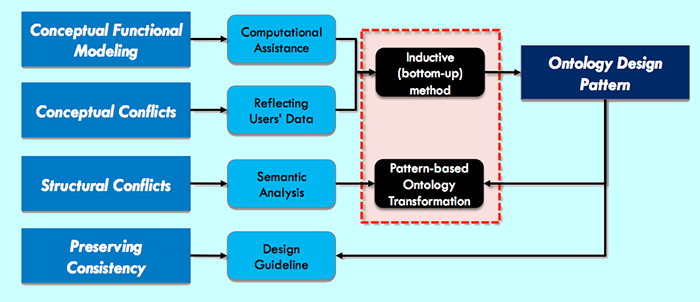
    <p>The next generation of smart manufacturing systems will be developed by composing advanced manufacturing components and IT services introducing new technologies. These new technologies can lead to dramatic improvements in the ability to monitor, control, and optimize all aspects of manufacturing. The ability to compose advanced manufacturing components and IT services enhances agility, resiliency, and productivity of a manufacturing system. In order to make the composition possible, functional knowledge of manufacturing components and IT services should be captured and shared explicitly. Recent researches have shown that a semantically precise and rich reference functional ontology enables effective composition. However, since domains of factories and production networks are large, evolving, and heterogeneous, developing a reference functional ontology is a challenging task. Specifically, conceptual functionality modeling that characterizes various features of manufacturing components and IT services at different levels of abstraction is a difficult task. Even if the reference functional ontology is developed successfully, there will certainly be interoperability issues between the reference functional ontology and local proprietary information models. Firstly, the conceptual conflict issues may arise primarily from the fact that the reference functional ontology does not reflect actual users’ or providers’ conceptualizations. Secondly, structural conflict issues may arise from diverse modeling choices in local, proprietary information models.</p>
    <p>The objective of our research is to assess utility of design patterns in addressing the issues in the reference functional ontology development, specifically OWL ontology design patterns (ODPs). To achieve the objective, we will assess inductive approaches to identifying the ODPs, and explore development of a methodology for resolving structural differences between the reference functional ontology and local proprietary information models. The key potential contributions of this work include 1) new method to identify information patterns of functionalities in manufacturing components and IT services, 2) new inductive ODP development process which starts with the pattern definition of the specific functionality concepts, with subsequent grouping of these patterns into more general patterns, and 3) ODP-based ontology transformation to resolve structural conflicts between the reference functional ontology and local proprietary information models.</p>
    <p>Committee: Drs. Yun Peng (chair), Tim Finin, Yelena Yesha, Milton Halem, Nenad Ivezic (NIST) and Boonserm Kulvatunyou (NIST)</p>
    </div>
]]>
</Body>
<Summary>Tweet     Computer Science and Electrical Engineering  University of Maryland, Baltimore County   Ph.D. Dissertation Proposal   Functional Reference Ontology Development: a Design Pattern Approach...</Summary>
<Website>http://ebiquity.umbc.edu/blogger/2014/01/09/yunsu-lee-phd-proposal-functional-reference-ontology-development/</Website>
<TrackingUrl>https://my3.my.umbc.edu/api/v0/pixel/news/40079/guest@my.umbc.edu/244f8406223eb63400b0d6156123eae5/api/pixel</TrackingUrl>
<Tag>ontologies</Tag>
<Tag>semantic-web</Tag>
<Group token="ebiquity">Ebiquity Research Group</Group>
<GroupUrl>https://my3.my.umbc.edu/groups/ebiquity</GroupUrl>
<AvatarUrl>https://assets2-my.umbc.edu/system/shared/avatars/groups/000/000/003/36ac8e558ac7690b6f44e2cb5ef93322/xsmall.png?1282159680</AvatarUrl>
<AvatarUrl size="original">https://assets2-my.umbc.edu/system/shared/avatars/groups/000/000/003/36ac8e558ac7690b6f44e2cb5ef93322/original.gif?1282159680</AvatarUrl>
<AvatarUrl size="xxlarge">https://assets1-my.umbc.edu/system/shared/avatars/groups/000/000/003/36ac8e558ac7690b6f44e2cb5ef93322/xxlarge.png?1282159680</AvatarUrl>
<AvatarUrl size="xlarge">https://assets1-my.umbc.edu/system/shared/avatars/groups/000/000/003/36ac8e558ac7690b6f44e2cb5ef93322/xlarge.png?1282159680</AvatarUrl>
<AvatarUrl size="large">https://assets2-my.umbc.edu/system/shared/avatars/groups/000/000/003/36ac8e558ac7690b6f44e2cb5ef93322/large.png?1282159680</AvatarUrl>
<AvatarUrl size="medium">https://assets4-my.umbc.edu/system/shared/avatars/groups/000/000/003/36ac8e558ac7690b6f44e2cb5ef93322/medium.png?1282159680</AvatarUrl>
<AvatarUrl size="small">https://assets4-my.umbc.edu/system/shared/avatars/groups/000/000/003/36ac8e558ac7690b6f44e2cb5ef93322/small.png?1282159680</AvatarUrl>
<AvatarUrl size="xsmall">https://assets2-my.umbc.edu/system/shared/avatars/groups/000/000/003/36ac8e558ac7690b6f44e2cb5ef93322/xsmall.png?1282159680</AvatarUrl>
<AvatarUrl size="xxsmall">https://assets3-my.umbc.edu/system/shared/avatars/groups/000/000/003/36ac8e558ac7690b6f44e2cb5ef93322/xxsmall.png?1282159680</AvatarUrl>
<Sponsor>ebiquity research group</Sponsor>
<PawCount>0</PawCount>
<CommentCount>0</CommentCount>
<CommentsAllowed>true</CommentsAllowed>
<PostedAt>Thu, 09 Jan 2014 17:24:25 -0500</PostedAt>
</NewsItem>

<NewsItem contentIssues="true" id="40080" important="false" status="posted" url="https://my3.my.umbc.edu/posts/40080">
<Title>PhD proposal: Yunsu Lee, Functional Reference Ontology Development</Title>
<Body>
<![CDATA[
    <div class="html-content">
    <p><img alt="" src="http://www.csee.umbc.edu/wp-content/uploads/2014/01/yunsu21.png" width="700" height="302" style="max-width: 100%; height: auto;"></p>
    <h3>Computer Science and Electrical Engineering<br>
    University of Maryland, Baltimore County</h3>
    <h3>Ph.D. Dissertation Proposal</h3>
    <h2>Functional Reference Ontology Development: a Design Pattern Approach</h2>
    <h2>Yunsu Lee</h2>
    <h3>1:00pm Friday, January 10, 2014, ITE325b, UMBC</h3>
    <p>The next generation of smart manufacturing systems will be developed by composing advanced manufacturing components and IT services introducing new technologies. These new technologies can lead to dramatic improvements in the ability to monitor, control, and optimize all aspects of manufacturing. The ability to compose advanced manufacturing components and IT services enhances agility, resiliency, and productivity of a manufacturing system. In order to make the composition possible, functional knowledge of manufacturing components and IT services should be captured and shared explicitly. Recent researches have shown that a semantically precise and rich reference functional ontology enables effective composition. However, since domains of factories and production networks are large, evolving, and heterogeneous, developing a reference functional ontology is a challenging task. Specifically, conceptual functionality modeling that characterizes various features of manufacturing components and IT services at different levels of abstraction is a difficult task. Even if the reference functional ontology is developed successfully, there will certainly be interoperability issues between the reference functional ontology and local proprietary information models. Firstly, the conceptual conflict issues may arise primarily from the fact that the reference functional ontology does not reflect actual users’ or providers’ conceptualizations. Secondly, structural conflict issues may arise from diverse modeling choices in local, proprietary information models.</p>
    <p>The objective of our research is to assess utility of design patterns in addressing the issues in the reference functional ontology development, specifically OWL ontology design patterns (ODPs). To achieve the objective, we will assess inductive approaches to identifying the ODPs, and explore development of a methodology for resolving structural differences between the reference functional ontology and local proprietary information models. The key potential contributions of this work include 1) new method to identify information patterns of functionalities in manufacturing components and IT services, 2) new inductive ODP development process which starts with the pattern definition of the specific functionality concepts, with subsequent grouping of these patterns into more general patterns, and 3) ODP-based ontology transformation to resolve structural conflicts between the reference functional ontology and local proprietary information models.</p>
    <p>Committee: Drs. Yun Peng (chair), Tim Finin, Yelena Yesha, Milton Halem, Nenad Ivezic (NIST) and Boonserm Kulvatunyou (NIST)</p>
    </div>
]]>
</Body>
<Summary>Computer Science and Electrical Engineering  University of Maryland, Baltimore County   Ph.D. Dissertation Proposal   Functional Reference Ontology Development: a Design Pattern Approach   Yunsu...</Summary>
<Website>http://www.csee.umbc.edu/2014/01/phd-proposal-yunsu-lee-functional-reference-ontology-development-a-design-pattern-approach/</Website>
<TrackingUrl>https://my3.my.umbc.edu/api/v0/pixel/news/40080/guest@my.umbc.edu/035a57fc175ae42a5d2e2a7392c4efc1/api/pixel</TrackingUrl>
<Tag>computer-science</Tag>
<Tag>defense</Tag>
<Tag>graduate</Tag>
<Tag>news</Tag>
<Tag>research</Tag>
<Group token="csee">Computer Science and Electrical Engineering</Group>
<GroupUrl>https://my3.my.umbc.edu/groups/csee</GroupUrl>
<AvatarUrl>https://assets3-my.umbc.edu/system/shared/avatars/groups/000/000/099/d117dca133c64bf78a4b7696dd007189/xsmall.png?1314043393</AvatarUrl>
<AvatarUrl size="original">https://assets1-my.umbc.edu/system/shared/avatars/groups/000/000/099/d117dca133c64bf78a4b7696dd007189/original.png?1314043393</AvatarUrl>
<AvatarUrl size="xxlarge">https://assets1-my.umbc.edu/system/shared/avatars/groups/000/000/099/d117dca133c64bf78a4b7696dd007189/xxlarge.png?1314043393</AvatarUrl>
<AvatarUrl size="xlarge">https://assets4-my.umbc.edu/system/shared/avatars/groups/000/000/099/d117dca133c64bf78a4b7696dd007189/xlarge.png?1314043393</AvatarUrl>
<AvatarUrl size="large">https://assets3-my.umbc.edu/system/shared/avatars/groups/000/000/099/d117dca133c64bf78a4b7696dd007189/large.png?1314043393</AvatarUrl>
<AvatarUrl size="medium">https://assets1-my.umbc.edu/system/shared/avatars/groups/000/000/099/d117dca133c64bf78a4b7696dd007189/medium.png?1314043393</AvatarUrl>
<AvatarUrl size="small">https://assets2-my.umbc.edu/system/shared/avatars/groups/000/000/099/d117dca133c64bf78a4b7696dd007189/small.png?1314043393</AvatarUrl>
<AvatarUrl size="xsmall">https://assets3-my.umbc.edu/system/shared/avatars/groups/000/000/099/d117dca133c64bf78a4b7696dd007189/xsmall.png?1314043393</AvatarUrl>
<AvatarUrl size="xxsmall">https://assets3-my.umbc.edu/system/shared/avatars/groups/000/000/099/d117dca133c64bf78a4b7696dd007189/xxsmall.png?1314043393</AvatarUrl>
<Sponsor>Computer Science and Electrical Engineering</Sponsor>
<PawCount>1</PawCount>
<CommentCount>0</CommentCount>
<CommentsAllowed>true</CommentsAllowed>
<PostedAt>Thu, 09 Jan 2014 17:12:00 -0500</PostedAt>
</NewsItem>

<NewsItem contentIssues="true" id="40077" important="false" status="posted" url="https://my3.my.umbc.edu/posts/40077">
<Title>February Fun for Alums</Title>
<Body>
<![CDATA[
    <div class="html-content">Don’t miss out on the fun this February! There will be birthday celebrating, dance performances and lots of alumni spirit. For more details, see below. True Grit’s Birthday Bash &amp; Basketball Game Wednesday, February 5, 6 p.m. – 9 p.m. … <a href="http://umbcalumni.wordpress.com/2014/01/09/february-fun-for-alums/" rel="nofollow external" class="bo">Continue reading <span>→</span></a>
    </div>
]]>
</Body>
<Summary>Don’t miss out on the fun this February! There will be birthday celebrating, dance performances and lots of alumni spirit. For more details, see below. True Grit’s Birthday Bash &amp; Basketball...</Summary>
<Website>http://umbcalumni.wordpress.com/2014/01/09/february-fun-for-alums/</Website>
<TrackingUrl>https://my3.my.umbc.edu/api/v0/pixel/news/40077/guest@my.umbc.edu/afdf195ebbb0673d48b765f61a6ae7dd/api/pixel</TrackingUrl>
<Tag>alumni-events</Tag>
<Tag>alvin-ailey</Tag>
<Tag>alvin-ailey-dance-theater</Tag>
<Tag>aszure-barton</Tag>
<Tag>kennedy-center</Tag>
<Tag>news-and-updates</Tag>
<Tag>umbc</Tag>
<Tag>university-of-maryland-baltimore-county</Tag>
<Group token="retired-20">UMBC Alumni</Group>
<GroupUrl>https://my3.my.umbc.edu/groups/retired-20</GroupUrl>
<AvatarUrl>https://assets4-my.umbc.edu/system/shared/avatars/groups/000/000/020/08fe2621d8e716b02ec0da35256a998d/xsmall.png?1280681147</AvatarUrl>
<AvatarUrl size="original">https://assets4-my.umbc.edu/system/shared/avatars/groups/000/000/020/08fe2621d8e716b02ec0da35256a998d/original.png?1280681147</AvatarUrl>
<AvatarUrl size="xxlarge">https://assets4-my.umbc.edu/system/shared/avatars/groups/000/000/020/08fe2621d8e716b02ec0da35256a998d/xxlarge.png?1280681147</AvatarUrl>
<AvatarUrl size="xlarge">https://assets4-my.umbc.edu/system/shared/avatars/groups/000/000/020/08fe2621d8e716b02ec0da35256a998d/xlarge.png?1280681147</AvatarUrl>
<AvatarUrl size="large">https://assets1-my.umbc.edu/system/shared/avatars/groups/000/000/020/08fe2621d8e716b02ec0da35256a998d/large.png?1280681147</AvatarUrl>
<AvatarUrl size="medium">https://assets4-my.umbc.edu/system/shared/avatars/groups/000/000/020/08fe2621d8e716b02ec0da35256a998d/medium.png?1280681147</AvatarUrl>
<AvatarUrl size="small">https://assets4-my.umbc.edu/system/shared/avatars/groups/000/000/020/08fe2621d8e716b02ec0da35256a998d/small.png?1280681147</AvatarUrl>
<AvatarUrl size="xsmall">https://assets4-my.umbc.edu/system/shared/avatars/groups/000/000/020/08fe2621d8e716b02ec0da35256a998d/xsmall.png?1280681147</AvatarUrl>
<AvatarUrl size="xxsmall">https://assets4-my.umbc.edu/system/shared/avatars/groups/000/000/020/08fe2621d8e716b02ec0da35256a998d/xxsmall.png?1280681147</AvatarUrl>
<Sponsor>UMBC Alumni</Sponsor>
<PawCount>0</PawCount>
<CommentCount>0</CommentCount>
<CommentsAllowed>false</CommentsAllowed>
<PostedAt>Thu, 09 Jan 2014 16:24:17 -0500</PostedAt>
</NewsItem>

</News>