Why It’s So Hard to Make Usability Sexy
Every time I’m in an electronics store to buy something or whenever I’m assisting one of my friends identify the right new gadget for them, I notice the feature-counting we’re all swept into as soon as we start comparing our options; "Well, this coffeemaker has 15 buttons, it has to be better than that one with only 6 buttons."
As a usability professional, my decision is frequently biased towards the usability and design of a product rather than its number of features or its price.
But, I must admit, even as a person who regards usability very highly, it’s extremely difficult to keep my mind straight and focused on design and usability when I’m shopping.
Here’s why.
Usability is Very Subjective
For products like electronics and the food you get at a supermarket, a lot of efforts have been made to make comparisons among them extremely simple.
For example, in the European Union, the EU Energy Label makes it crystal clear whether or not your new fridge or washing machine will be energy-efficient.
 Source: en.wikipedia.org
The labeling scheme quickly tells us which of our options will save us more money in our electricity bill and which one will have less of a negative environmental impact.
In addition, the EU Energy Label is a simple yet clever way to make us all aware and worry about energy savings in our buying decisions. Every time we’re about to buy an electronic product, the labeling scheme reminds us that energy efficiency is an important factor to keep in mind.
For food, we have standardized nutrition labels to help us decide which breakfast cereal or brand of potato chips is better for us:
 Source: fda.gov
The creation of a rating system for usability would appear to be a good solution because, just like with any rating system, it will achieve these two things for buyers:
- It will allow us to compare usability between products
- It will make us aware (or remind us) that usability is important
However, a usability rating system clashes with one of the cardinal points of usability itself: Different users have different needs. In other words, usability isn’t as cut and dry as the number of calories in our potato chips.
Perhaps we could create a usability rating system based on objective qualities related to usability, such as page load time, average clicks it takes to perform a user-action, background/foreground color contrast to measure readability, and so forth. But that type of rating system will only be able to tell a small portion of the entire usability story of a product.
Feature Count and Price is Easier to Use
I’ve found myself comparing the features and prices of two or more products on e-commerce sites simply by opening each option in their own browser tab and then just tabbing back and forth between them.
When we are comparison shopping, we can easily count and evaluate features and prices, and then come to a quick conclusion.
The same applies to brick-and-mortar stores, where we can actually see and touch the products we are considering. In stores, feature sheets and salespeople will never miss the opportunity to remind you that if your TV isn’t able to record five TV shows at the same time, you will never achieve happiness in life. And — surprise — the "slightly more expensive" TV right over there has it all. See? It says so right here in the feature sheet.
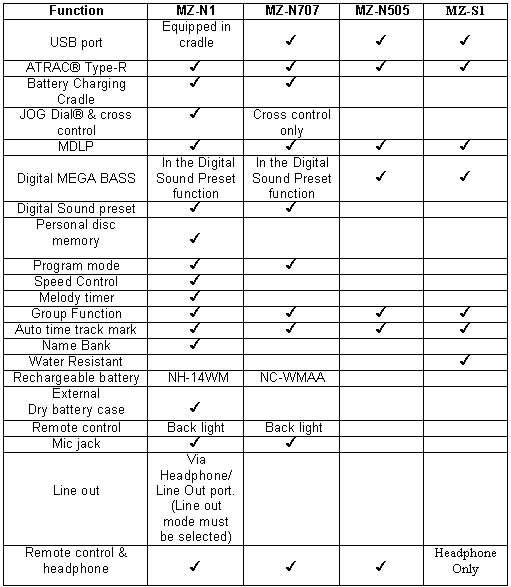
We do this as well when choosing which web app to sign up for. We can go to each "features" page and "pricing" page and readily decide which app suits us best.
But usability is completely absent from feature sheets because you can’t easily measure it.
Usability is difficult to convey to another person; how can we objectively show that our product is more usable than another? How can a person evaluate usability without first using the product for a significant amount of time?
A product’s list of features and price are easier to use and more readily available to us, so we often default to them for our buying decisions.
Can We Make Usability Sexy?
I think usability has an opportunity to become a factor in purchasing decisions in the next few years as our design techniques and understanding of user-centered design improves.
As web professionals, we are now much more aware of the importance of usability in the success of our products.
Now we need to figure out how to make usability a significant component in the buying decisions of people.
Related Content
About the Author
 Daniele Grassi is a UX Designer and CTO of Timeneye Time Tracking, a time tracking web app designed with usability in mind. Follow him on Twitter or on his personal blog.
The post Why It’s So Hard to Make Usability Sexy appeared first on Six Revisions.
]]>
Every time I’m in an electronics store to buy something or whenever I’m assisting one of my friends identify the right new gadget for them, I notice the feature-counting we’re all swept into as...
http://feedproxy.google.com/~r/SixRevisions/~3/-8Y43DG_zHA/
https://my3.my.umbc.edu/api/v0/pixel/news/39338/guest@my.umbc.edu/08a49146dfbc678b49f41810fc852f27/api/pixel
css
database
design
development
html
javascript
mysql
sql
usability
web
Web Developer - Build Group
https://my3.my.umbc.edu/groups/retired-583
https://assets3-my.umbc.edu/system/shared/avatars/groups/000/000/583/fc60f5d7abc2e080599bb6dc465db54d/xsmall.png?1363101197
https://assets4-my.umbc.edu/system/shared/avatars/groups/000/000/583/fc60f5d7abc2e080599bb6dc465db54d/original.jpg?1363101197
https://assets4-my.umbc.edu/system/shared/avatars/groups/000/000/583/fc60f5d7abc2e080599bb6dc465db54d/xxlarge.png?1363101197
https://assets4-my.umbc.edu/system/shared/avatars/groups/000/000/583/fc60f5d7abc2e080599bb6dc465db54d/xlarge.png?1363101197
https://assets3-my.umbc.edu/system/shared/avatars/groups/000/000/583/fc60f5d7abc2e080599bb6dc465db54d/large.png?1363101197
https://assets3-my.umbc.edu/system/shared/avatars/groups/000/000/583/fc60f5d7abc2e080599bb6dc465db54d/medium.png?1363101197
https://assets4-my.umbc.edu/system/shared/avatars/groups/000/000/583/fc60f5d7abc2e080599bb6dc465db54d/small.png?1363101197
https://assets3-my.umbc.edu/system/shared/avatars/groups/000/000/583/fc60f5d7abc2e080599bb6dc465db54d/xsmall.png?1363101197
https://assets4-my.umbc.edu/system/shared/avatars/groups/000/000/583/fc60f5d7abc2e080599bb6dc465db54d/xxsmall.png?1363101197
Web Developer - Build Group
0
0
true
Wed, 11 Dec 2013 10:00:06 -0500
Asian Pacific American Institute for Congressional Studies
Summer Internship Opportunity!
APAICS is a non-partisan, non-profit educational organization dedicated to promoting Asian Pacific American participation and representation at all levels of the political process, from community service to elected office. The APAICS Internship Program provides select undergraduate students with the opportunity to work in Washington, DC and gain first-hand experience in American politics and public policy. The program aims to build leadership skills, encourage political and civic engagement, and foster a strong interest in public service careers.
APAICS places interns in the U.S. Congress, federal agencies and partner Asian American and Pacific Islander (AAPI) nonprofit organizations. APAICS offers interns support for travel, including roundtrip tickets sponsored by Southwest Airlines on the continental U.S. Limited additional support is made available on a case by case basis. APAICS also offers a stipend of $2000 for the term of the internship. All interns will be required to participate in APAICS orientation and training programs, complete weekly journals, and submit a program evaluation at the end of the internship. A schedule of internship activities will be provided upon arrival to Washington, DC.
Internship Period: Eight week summer internship
Location: Washington, DC
Benefits: Stipend and complimentary round trip flight (Sponsored by Southwest Airlines)
All application materials must be submitted by January 10, 2014.
Search Job # 9262334 in UMBCworks.
]]>
APAICS is a non-partisan, non-profit educational organization dedicated to promoting Asian Pacific American participation and representation at all levels of the political process, from community...
https://my3.my.umbc.edu/api/v0/pixel/news/39335/guest@my.umbc.edu/cfc746638286d4bc61b5745085e49f44/api/pixel
Career Center
https://my3.my.umbc.edu/groups/careers
https://assets2-my.umbc.edu/system/shared/avatars/groups/000/000/018/729f2c7eeeab66f50f4ab3677539a585/xsmall.png?1411655278
https://assets4-my.umbc.edu/system/shared/avatars/groups/000/000/018/729f2c7eeeab66f50f4ab3677539a585/original.jpg?1411655278
https://assets2-my.umbc.edu/system/shared/avatars/groups/000/000/018/729f2c7eeeab66f50f4ab3677539a585/xxlarge.png?1411655278
https://assets1-my.umbc.edu/system/shared/avatars/groups/000/000/018/729f2c7eeeab66f50f4ab3677539a585/xlarge.png?1411655278
https://assets2-my.umbc.edu/system/shared/avatars/groups/000/000/018/729f2c7eeeab66f50f4ab3677539a585/large.png?1411655278
https://assets3-my.umbc.edu/system/shared/avatars/groups/000/000/018/729f2c7eeeab66f50f4ab3677539a585/medium.png?1411655278
https://assets3-my.umbc.edu/system/shared/avatars/groups/000/000/018/729f2c7eeeab66f50f4ab3677539a585/small.png?1411655278
https://assets2-my.umbc.edu/system/shared/avatars/groups/000/000/018/729f2c7eeeab66f50f4ab3677539a585/xsmall.png?1411655278
https://assets2-my.umbc.edu/system/shared/avatars/groups/000/000/018/729f2c7eeeab66f50f4ab3677539a585/xxsmall.png?1411655278
Career Services Center
https://assets4-my.umbc.edu/system/shared/thumbnails/news/000/039/335/4cb435512ac9b9de9c196acf4818e96e/xxlarge.jpg?1386773556
https://assets3-my.umbc.edu/system/shared/thumbnails/news/000/039/335/4cb435512ac9b9de9c196acf4818e96e/xlarge.jpg?1386773556
https://assets4-my.umbc.edu/system/shared/thumbnails/news/000/039/335/4cb435512ac9b9de9c196acf4818e96e/large.jpg?1386773556
https://assets2-my.umbc.edu/system/shared/thumbnails/news/000/039/335/4cb435512ac9b9de9c196acf4818e96e/medium.jpg?1386773556
https://assets2-my.umbc.edu/system/shared/thumbnails/news/000/039/335/4cb435512ac9b9de9c196acf4818e96e/small.jpg?1386773556
https://assets2-my.umbc.edu/system/shared/thumbnails/news/000/039/335/4cb435512ac9b9de9c196acf4818e96e/xsmall.jpg?1386773556
https://assets2-my.umbc.edu/system/shared/thumbnails/news/000/039/335/4cb435512ac9b9de9c196acf4818e96e/xxsmall.jpg?1386773556
1
0
true
Wed, 11 Dec 2013 09:53:35 -0500
Researcher of the Week: Emily Hinz
Undergraduate researchers explore their interests!
Meet Emily. She is a Music major and current Undergraduate Research Award (URA) Scholar. Her current research focuses on the influential American flutist William Kincaid.
How did you find your mentor for your research project?
My flute teacher, Dr. Lisa Cella, suggested that I apply for the URA. We discussed possible projects and decided on one together. It only seemed natural for her to be my mentor after this collaboration.
How did you know that this was the project you wanted to do?
As a flute player, I have always been interested in the history and development of the various styles of playing the flute in different countries. When I learned about William Kincaid, the father of American flute playing, I was fascinated by what I read and desired to learn more.
Is this your first independent research project?
This is not my first independent research project. In my high school, we were expected to successfully complete two twenty-page theses on topics of our own choosing in our junior and senior year. We were assigned faculty mentors to help us hone our topics. This experience greatly prepared me to apply for the Undergraduate Research Award.
Do you get course credit for this work? How much time do you put into it?
I do not receive course credit for this work. I plan to complete much of my research this summer. Part of my research entails attending master classes to interview various flutists who have been influenced by Kincaid’s teaching. Both of these one-week master classes occur in the summer.
How did you hear about the URA Program?
My faculty mentor suggested I apply for the program; I also heard about it from various professors who recommended that I apply.
What academic background did you have before you applied for the URA?
I have played the flute for eight years and I am a music major with a double emphasis in education and performance.
Was the application difficult to do?
For me, the most difficult part of the application was the editing process. I worked closely with my mentor and sent several drafts of my proposal to a few of my professors to get their thoughts. Hearing their insights really helped to hone my proposal.
What has been the hardest part about your research?
For me, the hardest part I think will be pacing myself. I am trying to do most of my research this summer as I have a heavy academic load during the fall and spring semesters.
What was the most unexpected thing?
I did not realize how intensely I had to revise my proposal. Every word had to be purposeful and communicate exactly what I meant. Writing the proposal was a wonderful writing exercise.
How does your research relate to your work in other classes?
My research will greatly aid in my Performance Studies class. My research entails attending several master classes over the summer, which have proven to be both enlightening and challenging.
What else are you involved in on campus?
In addition to my academic classes, I am involved in CRU, Campus Crusade for Christ.
What is your advice to other students about getting involved in research?
I would highly recommend that all students pursue some type of research during their undergraduate years. It is a wonderful opportunity to develop close relationships with professors and it is a great academic experience. It also is a superb addition to any resume.
What are your career goals?
After obtaining my Bachelor’s degree, I would love to pursue a Master’s degree in both Music Education and Music Performance. I also would enjoy teaching music both privately and in an elementary school.
Read Emily's abstract here...
]]>
Meet Emily. She is a Music major and current Undergraduate Research Award (URA) Scholar. Her current research focuses on the influential American flutist William Kincaid. How did you find your...
http://www.umbc.edu/undergrad_ed/research/ResearcherProfiles/emilyHinz.htm
https://my3.my.umbc.edu/api/v0/pixel/news/39334/guest@my.umbc.edu/d7a00f7a87725c31618cb5d5c5cf8537/api/pixel
ura
Undergraduate Research
https://my3.my.umbc.edu/groups/undergradresearch
https://assets2-my.umbc.edu/system/shared/avatars/groups/000/000/006/875606ced2b629148af4caa1a4e8dd3c/xsmall.png?1600355057
https://assets3-my.umbc.edu/system/shared/avatars/groups/000/000/006/875606ced2b629148af4caa1a4e8dd3c/original.jpg?1600355057
https://assets4-my.umbc.edu/system/shared/avatars/groups/000/000/006/875606ced2b629148af4caa1a4e8dd3c/xxlarge.png?1600355057
https://assets1-my.umbc.edu/system/shared/avatars/groups/000/000/006/875606ced2b629148af4caa1a4e8dd3c/xlarge.png?1600355057
https://assets2-my.umbc.edu/system/shared/avatars/groups/000/000/006/875606ced2b629148af4caa1a4e8dd3c/large.png?1600355057
https://assets2-my.umbc.edu/system/shared/avatars/groups/000/000/006/875606ced2b629148af4caa1a4e8dd3c/medium.png?1600355057
https://assets4-my.umbc.edu/system/shared/avatars/groups/000/000/006/875606ced2b629148af4caa1a4e8dd3c/small.png?1600355057
https://assets2-my.umbc.edu/system/shared/avatars/groups/000/000/006/875606ced2b629148af4caa1a4e8dd3c/xsmall.png?1600355057
https://assets4-my.umbc.edu/system/shared/avatars/groups/000/000/006/875606ced2b629148af4caa1a4e8dd3c/xxsmall.png?1600355057
Undergraduate Research
https://assets2-my.umbc.edu/system/shared/thumbnails/news/000/039/334/7b2a79b48eb09ce94cd6cb554e785506/xxlarge.jpg?1386772290
https://assets3-my.umbc.edu/system/shared/thumbnails/news/000/039/334/7b2a79b48eb09ce94cd6cb554e785506/xlarge.jpg?1386772290
https://assets2-my.umbc.edu/system/shared/thumbnails/news/000/039/334/7b2a79b48eb09ce94cd6cb554e785506/large.jpg?1386772290
https://assets4-my.umbc.edu/system/shared/thumbnails/news/000/039/334/7b2a79b48eb09ce94cd6cb554e785506/medium.jpg?1386772290
https://assets2-my.umbc.edu/system/shared/thumbnails/news/000/039/334/7b2a79b48eb09ce94cd6cb554e785506/small.jpg?1386772290
https://assets4-my.umbc.edu/system/shared/thumbnails/news/000/039/334/7b2a79b48eb09ce94cd6cb554e785506/xsmall.jpg?1386772290
https://assets1-my.umbc.edu/system/shared/thumbnails/news/000/039/334/7b2a79b48eb09ce94cd6cb554e785506/xxsmall.jpg?1386772290
5
1
true
Wed, 11 Dec 2013 09:32:44 -0500
Wed, 11 Dec 2013 09:33:22 -0500
Bits Blog: Amazon’s Prophet and Losses
A cliché about Wall Street is that the market can stay irrational longer than you can stay solvent. That is one way to sum up Paulo Santos’s experience with shorting Amazon’s stock.


 ]]>
A cliché about Wall Street is that the market can stay irrational longer than you can stay solvent. That is one way to sum up Paulo Santos’s experience with shorting Amazon’s stock.
http://bits.blogs.nytimes.com/2013/12/11/amazons-prophet-and-losses/?partner=rss&emc=rss
https://my3.my.umbc.edu/api/v0/pixel/news/39333/guest@my.umbc.edu/82aed69baedf095a832856a516c58690/api/pixel
amazon-com-inc
amazon-com-inc-amzn-nasdaq
amazon-kindle
company-reports
new
retailing
technology
york
Web Developer - Build Group
https://my3.my.umbc.edu/groups/retired-583
https://assets3-my.umbc.edu/system/shared/avatars/groups/000/000/583/fc60f5d7abc2e080599bb6dc465db54d/xsmall.png?1363101197
https://assets4-my.umbc.edu/system/shared/avatars/groups/000/000/583/fc60f5d7abc2e080599bb6dc465db54d/original.jpg?1363101197
https://assets4-my.umbc.edu/system/shared/avatars/groups/000/000/583/fc60f5d7abc2e080599bb6dc465db54d/xxlarge.png?1363101197
https://assets4-my.umbc.edu/system/shared/avatars/groups/000/000/583/fc60f5d7abc2e080599bb6dc465db54d/xlarge.png?1363101197
https://assets3-my.umbc.edu/system/shared/avatars/groups/000/000/583/fc60f5d7abc2e080599bb6dc465db54d/large.png?1363101197
https://assets3-my.umbc.edu/system/shared/avatars/groups/000/000/583/fc60f5d7abc2e080599bb6dc465db54d/medium.png?1363101197
https://assets4-my.umbc.edu/system/shared/avatars/groups/000/000/583/fc60f5d7abc2e080599bb6dc465db54d/small.png?1363101197
https://assets3-my.umbc.edu/system/shared/avatars/groups/000/000/583/fc60f5d7abc2e080599bb6dc465db54d/xsmall.png?1363101197
https://assets4-my.umbc.edu/system/shared/avatars/groups/000/000/583/fc60f5d7abc2e080599bb6dc465db54d/xxsmall.png?1363101197
Web Developer - Build Group
0
0
true
Wed, 11 Dec 2013 09:00:19 -0500
Thu, 12 Dec 2013 12:52:37 -0500
Tip of the Week: Questions That Don't Have a Right Answer
By Arnie Fertig, head coach of JOBHUNTERCOACH.COM
]]>
A cliché about Wall Street is that the market can stay irrational longer than you can stay solvent. That is one way to sum up Paulo Santos’s experience with shorting Amazon’s stock.
http://bits.blogs.nytimes.com/2013/12/11/amazons-prophet-and-losses/?partner=rss&emc=rss
https://my3.my.umbc.edu/api/v0/pixel/news/39333/guest@my.umbc.edu/82aed69baedf095a832856a516c58690/api/pixel
amazon-com-inc
amazon-com-inc-amzn-nasdaq
amazon-kindle
company-reports
new
retailing
technology
york
Web Developer - Build Group
https://my3.my.umbc.edu/groups/retired-583
https://assets3-my.umbc.edu/system/shared/avatars/groups/000/000/583/fc60f5d7abc2e080599bb6dc465db54d/xsmall.png?1363101197
https://assets4-my.umbc.edu/system/shared/avatars/groups/000/000/583/fc60f5d7abc2e080599bb6dc465db54d/original.jpg?1363101197
https://assets4-my.umbc.edu/system/shared/avatars/groups/000/000/583/fc60f5d7abc2e080599bb6dc465db54d/xxlarge.png?1363101197
https://assets4-my.umbc.edu/system/shared/avatars/groups/000/000/583/fc60f5d7abc2e080599bb6dc465db54d/xlarge.png?1363101197
https://assets3-my.umbc.edu/system/shared/avatars/groups/000/000/583/fc60f5d7abc2e080599bb6dc465db54d/large.png?1363101197
https://assets3-my.umbc.edu/system/shared/avatars/groups/000/000/583/fc60f5d7abc2e080599bb6dc465db54d/medium.png?1363101197
https://assets4-my.umbc.edu/system/shared/avatars/groups/000/000/583/fc60f5d7abc2e080599bb6dc465db54d/small.png?1363101197
https://assets3-my.umbc.edu/system/shared/avatars/groups/000/000/583/fc60f5d7abc2e080599bb6dc465db54d/xsmall.png?1363101197
https://assets4-my.umbc.edu/system/shared/avatars/groups/000/000/583/fc60f5d7abc2e080599bb6dc465db54d/xxsmall.png?1363101197
Web Developer - Build Group
0
0
true
Wed, 11 Dec 2013 09:00:19 -0500
Thu, 12 Dec 2013 12:52:37 -0500
Tip of the Week: Questions That Don't Have a Right Answer
By Arnie Fertig, head coach of JOBHUNTERCOACH.COM
Story from: http://money.usnews.com/money/blogs/outside-voices-careers/2013/12/03/preparing-for-interview-questions-that-dont-have-a-right-answer
Imagine that you are in a job interview , the first thing you encounter is a purposefully unpredictable off-the-wall question like: "A penguin walks through that door right now wearing a sombrero. What does he say and why is he here?" or "How many windows are in New York City?" According to Glassdoor's Top 25 Oddball Interview Questions survey, these questions were actually asked during interviews at Clark Construction and Bain & Company.
Other times, you'll encounter the same old, same old questions you've come to expect: "Tell me about yourself," "What are your greatest strengths and weaknesses?" and "Why did you leave your last job?" Still other times you will be asked behavior-based questions that classically begin with "Tell me about a time when…" or "How would you do…?"
Regardless of which kind of approach is taken, the whole idea behind these questions for which there is no one right answer is less about the actual content but rather to discern aspects about your personality, work style, values, perspective and how your mind works. These are all things one can't reliably ask directly.
Nonetheless, you can anticipate legitimate issues of any employer's concern, prepare by crafting stories in response to these questions and display yourself in the best possible light.
1. Do you show up for work? On one very basic level, an employer wants to know that you live within a reasonable commuting distance so that you are able to arrive on time and not be mentally fatigued. But on a deeper level, be prepared to demonstrate with your answer that you actually care about your work, take it seriously and are psychologically engaged as opposed to just physically present.
Do you immediately accept the challenge of figuring out how many windows are in New York? Do you relish the opportunity and show how you would dig in to go about finding a reasonable approximation? Can you talk about how in the past you jumped into a job or project with both feet first?
2. Are you flexible? Prepare stories that demonstrate you can adapt to changing circumstances and needs. Can you speak about how you have adjusted your schedule, come in early and left late or adapted to the work style of a new boss or different team members? Are you willing to shift your priorities and work style to meet the needs of others?
What stories can you tell to demonstrate that you can go with the flow to help get done whatever needs to happen?
3. Are you ambitious? Few people can actually predict what they will be doing five years from now. But can you talk about the overall arc of your career up to this point? Do the transitions from one position to the next over the course of your professional life make sense, or are they happenstance? Can you articulate the general direction in which you want to move?
What have you done to propel your career forward up to this point? And, are you relying on what you did in 1985 and how you did it to get hired today? Do you think that the skills and knowledge you have will get you by for the long haul, or what are your plans to keep up with the latest and greatest information, innovations, trends and technology?
Put simply: can you articulate a vision of what you want to accomplish in the job for which you are applying, and beyond? And can you weave this vision into the narrative you tell?
4. How well do you communicate? It is rare to find a job description that doesn't include strong communications skills among the requirements, and few are the résumés that don't claim that those skills. Most interviewers will judge your level of intelligence and your attitude by the way you speak and convey your own personal story.
Often, interview questions are purposefully open-ended to see how you will respond when challenged. Do you summon relevant facts and stories from your past, or do you meander through an answer without dealing with the concern of your interviewer? Do you engage through dialogue, open body language and clarity of thought? Do you understand when enough has been said and it is time to stop speaking?
When you take the time to step back from the interview process to think about the underlying concerns of any employer, you can gain valuable perspective. Then you can go about effectively crafting your own stories with these concerns, and thereby increase your odds of hearing the words that every job hunter craves: "You're hired."
Happy hunting!
]]>
Story from: http://money.usnews.com/money/blogs/outside-voices-careers/2013/12/03/preparing-for-interview-questions-that-dont-have-a-right-answer Imagine that you are in a job interview , the...
http://money.usnews.com/money/blogs/outside-voices-careers/2013/12/03/preparing-for-interview-questions-that-dont-have-a-right-answer
https://my3.my.umbc.edu/api/v0/pixel/news/39331/guest@my.umbc.edu/1eecda78fdc674a793470f5f1dc450cb/api/pixel
The Shriver Center
https://my3.my.umbc.edu/groups/shriver
https://assets2-my.umbc.edu/system/shared/avatars/groups/000/000/008/0bfad113286cf6b1bc6dedbdbfc7e5ef/xsmall.png?1441293069
https://assets1-my.umbc.edu/system/shared/avatars/groups/000/000/008/0bfad113286cf6b1bc6dedbdbfc7e5ef/original.jpg?1441293069
https://assets3-my.umbc.edu/system/shared/avatars/groups/000/000/008/0bfad113286cf6b1bc6dedbdbfc7e5ef/xxlarge.png?1441293069
https://assets2-my.umbc.edu/system/shared/avatars/groups/000/000/008/0bfad113286cf6b1bc6dedbdbfc7e5ef/xlarge.png?1441293069
https://assets1-my.umbc.edu/system/shared/avatars/groups/000/000/008/0bfad113286cf6b1bc6dedbdbfc7e5ef/large.png?1441293069
https://assets1-my.umbc.edu/system/shared/avatars/groups/000/000/008/0bfad113286cf6b1bc6dedbdbfc7e5ef/medium.png?1441293069
https://assets4-my.umbc.edu/system/shared/avatars/groups/000/000/008/0bfad113286cf6b1bc6dedbdbfc7e5ef/small.png?1441293069
https://assets2-my.umbc.edu/system/shared/avatars/groups/000/000/008/0bfad113286cf6b1bc6dedbdbfc7e5ef/xsmall.png?1441293069
https://assets3-my.umbc.edu/system/shared/avatars/groups/000/000/008/0bfad113286cf6b1bc6dedbdbfc7e5ef/xxsmall.png?1441293069
Intern, Co-op, Research & Service-Learning
1
0
true
Wed, 11 Dec 2013 06:55:08 -0500
Tip of the Week: Questions That Don't Have a Right Answer
By Arnie Fertig, head coach of JOBHUNTERCOACH.COM
Story from: http://money.usnews.com/money/blogs/outside-voices-careers/2013/12/03/preparing-for-interview-questions-that-dont-have-a-right-answer
Imagine that you are in a job interview , the first thing you encounter is a purposefully unpredictable off-the-wall question like: "A penguin walks through that door right now wearing a sombrero. What does he say and why is he here?" or "How many windows are in New York City?" According to Glassdoor's Top 25 Oddball Interview Questions survey, these questions were actually asked during interviews at Clark Construction and Bain & Company.
Other times, you'll encounter the same old, same old questions you've come to expect: "Tell me about yourself," "What are your greatest strengths and weaknesses?" and "Why did you leave your last job?" Still other times you will be asked behavior-based questions that classically begin with "Tell me about a time when…" or "How would you do…?"
Regardless of which kind of approach is taken, the whole idea behind these questions for which there is no one right answer is less about the actual content but rather to discern aspects about your personality, work style, values, perspective and how your mind works. These are all things one can't reliably ask directly.
Nonetheless, you can anticipate legitimate issues of any employer's concern, prepare by crafting stories in response to these questions and display yourself in the best possible light.
1. Do you show up for work? On one very basic level, an employer wants to know that you live within a reasonable commuting distance so that you are able to arrive on time and not be mentally fatigued. But on a deeper level, be prepared to demonstrate with your answer that you actually care about your work, take it seriously and are psychologically engaged as opposed to just physically present.
Do you immediately accept the challenge of figuring out how many windows are in New York? Do you relish the opportunity and show how you would dig in to go about finding a reasonable approximation? Can you talk about how in the past you jumped into a job or project with both feet first?
2. Are you flexible? Prepare stories that demonstrate you can adapt to changing circumstances and needs. Can you speak about how you have adjusted your schedule, come in early and left late or adapted to the work style of a new boss or different team members? Are you willing to shift your priorities and work style to meet the needs of others?
What stories can you tell to demonstrate that you can go with the flow to help get done whatever needs to happen?
3. Are you ambitious? Few people can actually predict what they will be doing five years from now. But can you talk about the overall arc of your career up to this point? Do the transitions from one position to the next over the course of your professional life make sense, or are they happenstance? Can you articulate the general direction in which you want to move?
What have you done to propel your career forward up to this point? And, are you relying on what you did in 1985 and how you did it to get hired today? Do you think that the skills and knowledge you have will get you by for the long haul, or what are your plans to keep up with the latest and greatest information, innovations, trends and technology?
Put simply: can you articulate a vision of what you want to accomplish in the job for which you are applying, and beyond? And can you weave this vision into the narrative you tell?
4. How well do you communicate? It is rare to find a job description that doesn't include strong communications skills among the requirements, and few are the résumés that don't claim that those skills. Most interviewers will judge your level of intelligence and your attitude by the way you speak and convey your own personal story.
Often, interview questions are purposefully open-ended to see how you will respond when challenged. Do you summon relevant facts and stories from your past, or do you meander through an answer without dealing with the concern of your interviewer? Do you engage through dialogue, open body language and clarity of thought? Do you understand when enough has been said and it is time to stop speaking?
When you take the time to step back from the interview process to think about the underlying concerns of any employer, you can gain valuable perspective. Then you can go about effectively crafting your own stories with these concerns, and thereby increase your odds of hearing the words that every job hunter craves: "You're hired."
Happy hunting!
]]>
Story from: http://money.usnews.com/money/blogs/outside-voices-careers/2013/12/03/preparing-for-interview-questions-that-dont-have-a-right-answer Imagine that you are in a job interview , the...
http://money.usnews.com/money/blogs/outside-voices-careers/2013/12/03/preparing-for-interview-questions-that-dont-have-a-right-answer
https://my3.my.umbc.edu/api/v0/pixel/news/39330/guest@my.umbc.edu/233a35827641f2ebbd800f79919e1431/api/pixel
Career Center
https://my3.my.umbc.edu/groups/careers
https://assets2-my.umbc.edu/system/shared/avatars/groups/000/000/018/729f2c7eeeab66f50f4ab3677539a585/xsmall.png?1411655278
https://assets4-my.umbc.edu/system/shared/avatars/groups/000/000/018/729f2c7eeeab66f50f4ab3677539a585/original.jpg?1411655278
https://assets2-my.umbc.edu/system/shared/avatars/groups/000/000/018/729f2c7eeeab66f50f4ab3677539a585/xxlarge.png?1411655278
https://assets1-my.umbc.edu/system/shared/avatars/groups/000/000/018/729f2c7eeeab66f50f4ab3677539a585/xlarge.png?1411655278
https://assets2-my.umbc.edu/system/shared/avatars/groups/000/000/018/729f2c7eeeab66f50f4ab3677539a585/large.png?1411655278
https://assets3-my.umbc.edu/system/shared/avatars/groups/000/000/018/729f2c7eeeab66f50f4ab3677539a585/medium.png?1411655278
https://assets3-my.umbc.edu/system/shared/avatars/groups/000/000/018/729f2c7eeeab66f50f4ab3677539a585/small.png?1411655278
https://assets2-my.umbc.edu/system/shared/avatars/groups/000/000/018/729f2c7eeeab66f50f4ab3677539a585/xsmall.png?1411655278
https://assets2-my.umbc.edu/system/shared/avatars/groups/000/000/018/729f2c7eeeab66f50f4ab3677539a585/xxsmall.png?1411655278
Career Services Center
2
0
true
Wed, 11 Dec 2013 06:54:17 -0500
The Line Of Least Resistance
In chess, the psychological dimension that springs from a dialogue between two brains, two ideas, two strategic conceptions that depend on the personality of each chess player has long been somewhat of a romantic mystery. How do Grandmasters think? What strategies do they use?
More often than not, the most successful strategies are rooted in our very own nature. And common to most Grandmasters is that they almost never take the easy way out. A different, better alternative is always available, and they go looking for it. That creativity, that compulsion, that drive to look beyond what comes instinctively is what fuels successful strategies and explains why so few Grandmasters are out there.

(Image credits: Mukumbura)
For most of us, however, things are simpler. We tend to favor the shortest path, the easy way out, the shortcut. We cut through the middle of the park if we have to.
We’re naturally lazy. When we think, we search for the nearest pattern, and when we find the pattern, we don’t need to think anymore — we just follow the pattern. Our brains have evolved to be — borrowing Edward de Bono’s expression — “brilliantly uncreative.”
This preference for shortcuts is what Grandmasters naturally exploit. Playing on well-known weaknesses, automatisms or unconscious actions has long been a common strategy in chess.
When it comes to using and interacting with technology, that underlying behavior seems to hold. Users unconsciously look for the line of least resistance — la loi du moindre effort, as psycholinguist François Richaudeau called it. Richaudeau’s work revolved around words, but considering how vital communication, language and words are to the design of interactions, the core principles still apply: The shortest words will be those emitted, understood and read with the minimum of effort, and also those most frequently employed due to their more profound presence — or incrustation — in our memory.
We remember shorter words better. That’s because, according to Kenneth S. Goodman, we process graphic, syntactic and semantic information simultaneously. In doing so, users carry out cycles of sampling, predicting, testing and confirming as strategies to bring in “the most reliable prediction with the minimum use of the information available.”
The process isn’t specific to words and reading, though. It underlies our behavior and interaction with the world around us.
Framing it in this way seems to suggest the generalized idea that behavioral patterns are linked to common causes — a concept expanded by behaviorism to the extent that it proposes a predictable and reliable link between a stimulus and the response it produces. That generalization is largely refuted by the cognitive revolution on the grounds that prior knowledge and mental processes intervene between a stimulus and response to reduce the predictability of human behavior — or the response — given a stimulus. Essentially, we can’t predict behavior.
While that may hold true at a micro level, there are still plenty of common paths of action in the way we work — stimulus, sensory organs, interneuron, brain, processing, motor neuron, response. It’s still safe to assume that if we design an environment in which even the subtlest of details is sympathetic to how we, as humans, work and think, and with the singular purpose of easing the experience, then users will always favor that line of least resistance.

Is the environment we design sympathetic to the way we work? (Image credits: opensourceway)
Designing an experience from a perspective that is more closely related to how we naturally strategize, designing guidance through pattern prediction, as opposed to limit enforcement, might prove to be a more viable approach.
Let’s put that in perspective. Take decision fatigue.
We all make decisions every day. Some of them big, some of them small, some conscious and some so insignificant that they slip by us without our even realizing. And in a world in which we are constantly bombarded with information and media options, such as blogs, social networks, magazines and TV, the effects of so many decisions that we have to take day by day become increasingly obvious.
Our decisions, even those that are mere preferences between option A and B, gradually take their toll on our cognitive load. The mental processes of decision-making are strenuous; we have only a finite store of mental energy available to exert self-control.
Basically, we get tired if we make too many decisions. As a result, according to Barry Schwartz, one of three things is likely to happen: we end up making poor decisions, we become more dissatisfied with our choices, or we get paralyzed and don’t choose at all.
Interaction processes — regardless of the medium — are a prime example of decision fatigue in action. At a micro level, hundreds of small, subtle and, most of the time, unconscious decisions that we take every time we use an application, browse a website or even follow an ad can affect the way we experience the artefact that we’re interacting with.
At a macro level, thanks to what we know about decision fatigue, we can predict that users can be overwhelmed to the point of making a default choice or no choice at all, depending on the option they face. One example of this is Dan Ariely’s opt-in versus opt-out example for forms of the US Department of Motor Vehicles. It shows that we can basically predict how people will react in a very specific situation by controlling the design of the application form, paying close attention to the defaults.
This is a very specific prediction of behavior. We’re not normally used to thinking of behavior as being that predictable. But in a lot of situations, it is. Ariely calls it being predictably irrational.
Contextual cues — through signs or linguistic cues, because they have the potential to refer to a specific value system — can sometimes direct cognition in particular ways, either encouraging or discouraging certain patterns of behavior. Thus, it’s vital that user experience practitioners maintain complete control over and responsibly use all elements in an interface that could be used as contextual cues and predictors.
And one of the biggest cues at the disposal of designers is language.
We, as a species, have refined language through countless iterations over the span of millennia to such an extent that words are tied to complex experiences, rather than to singular instances, by way of symbolic representation.
The Power Of Words
In 1967, Paul Watzlawick described what later became a cornerstone of communication theory: meta communication. He postulated that every communication includes, apart from the plain meaning of words, more information: information on how the talker wants to be understood and how they see themselves in relation to the receiver of the information.
Language, as a clear manifestation of the cognitive capacity of the human mind, is only a medium to carry out acts of communication. That’s one of the reasons why H.F. Bradley once said that experience is basically incommunicable.
Still, there is always something to communicate — moods, annoyances, happiness, feelings, ideas. There is always something that we need to understand — a noise, a color, a sign, a danger, an emotion. There is always some medium that is familiar to us — a grammar, an artistic language, a chess board, an interface.
While context provides a window into how people behave, words have the power to steer people towards a particular pattern of behavior through frame manipulation.
Frame manipulation invariably affects users — admittedly, to different degrees. One prime example of how the context of options and the wording of a question affects behavior is Tversky and Kahneman’s famous experiment in 1981, which demonstrated systematic reversals of preference when the same problem was presented in different ways.
The experiment required participants to make a hypothetical decision, and the researchers tried to determine whether they could steer the participants towards an answer simply by wording the questions carefully.
The experiment proposed a hypothetical outbreak of disease with 60,000 predicted deaths, and participants had to choose between two programs:
- Program A
20,000 people would be saved.
- Program B
There is a 33% chance that all 60,000 would be saved, and a 66% chance that none of them would be saved.

With these options, program A was a favorite among participants. But what happened when the same question was asked again, but this time, instead of counting the number of lives saved, counting the number of deaths? Here’s how the second option would have sounded:
- Program A
40,000 people would die.
- Program B
There is a 33% chance that none of them would die, and a 66% chance that all of them would die.

This time around, the clear favorite was program B.
The interesting part is that the math is exactly the same for both: 40,000 out of 60,000 would die anyway. But with the first option, participants were given the choice of a gain: they were given the choice to save 20,000 people. So, the gamble was perceived as negative against the word “save.”
In the second option, participants were given the choice of a loss: 40,000 people would die, or they could gamble that none of them would die with a 30% chance.
Users were influenced simply by the wording. This later became known as the framing effect. The effect helps to explain why people are much more likely to buy meat when it’s labeled as 85% lean, instead of 15% fat. And it’s why twice as many patients opt for surgery when told they have an 80% chance of surviving, instead of a 20% chance of dying.
As the experiment demonstrates, words have the power to selectively influence a user’s perception of meaning. And, for most applications, words can also be used to elicit interactions.
Summing Up
Context is the barrier that makes or breaks a user’s experience. Those unconscious moments, every bit of information we discard on our way up an emotional peak, all of those fine details — they all could potentially lead to a sensible, sympathetic experience. A enjoyable experience is shaped only by context.
Some people use context and design great experiences, some don’t. Oliver Reichenstein calls it a continuum. That’s perfectly natural. We need to constantly make an effort to glance at the future once in a while — to permit ourselves educated dreams.
We need to permit ourselves to keep the vision going — from the ones whom we got it from, to the ones coming to get it. We all have the tools to do it. We just need to be responsible with them.
(al, ea, il)
© Sorin Pintilie for Smashing Magazine, 2013.
]]>
In chess, the psychological dimension that springs from a dialogue between two brains, two ideas, two strategic conceptions that depend on the personality of each chess player has long...
http://www.smashingmagazine.com/2013/12/11/the-line-of-least-resistance/
https://my3.my.umbc.edu/api/v0/pixel/news/39329/guest@my.umbc.edu/0dc92a07e615fb933516d3aae90baef7/api/pixel
css
design
development
html
javascript
mysql
php
sql
ux-design
web
Web Developer - Build Group
https://my3.my.umbc.edu/groups/retired-583
https://assets3-my.umbc.edu/system/shared/avatars/groups/000/000/583/fc60f5d7abc2e080599bb6dc465db54d/xsmall.png?1363101197
https://assets4-my.umbc.edu/system/shared/avatars/groups/000/000/583/fc60f5d7abc2e080599bb6dc465db54d/original.jpg?1363101197
https://assets4-my.umbc.edu/system/shared/avatars/groups/000/000/583/fc60f5d7abc2e080599bb6dc465db54d/xxlarge.png?1363101197
https://assets4-my.umbc.edu/system/shared/avatars/groups/000/000/583/fc60f5d7abc2e080599bb6dc465db54d/xlarge.png?1363101197
https://assets3-my.umbc.edu/system/shared/avatars/groups/000/000/583/fc60f5d7abc2e080599bb6dc465db54d/large.png?1363101197
https://assets3-my.umbc.edu/system/shared/avatars/groups/000/000/583/fc60f5d7abc2e080599bb6dc465db54d/medium.png?1363101197
https://assets4-my.umbc.edu/system/shared/avatars/groups/000/000/583/fc60f5d7abc2e080599bb6dc465db54d/small.png?1363101197
https://assets3-my.umbc.edu/system/shared/avatars/groups/000/000/583/fc60f5d7abc2e080599bb6dc465db54d/xsmall.png?1363101197
https://assets4-my.umbc.edu/system/shared/avatars/groups/000/000/583/fc60f5d7abc2e080599bb6dc465db54d/xxsmall.png?1363101197
Web Developer - Build Group
0
0
true
Wed, 11 Dec 2013 06:36:00 -0500
Wed, 11 Dec 2013 06:36:00 -0500
What You Need to Know About Study Drugs

Finals are approaching. The pressure is on for students like us.
We’re overwhelmed with work and responsibilities and we’re beginning to think that an A is no longer possible (though our story here suggests A’s are getting easier to come by…).
Still we’re in desperate need of some help to Ace that final ...
Where do we turn?
Well, for more than 1/3 of college students, the answer is prescription stimulants.
What are prescription stimulants? Adderral, Ritalin, any drug prescribed by doctors to treat ADHD or narcolepsy.
These drugs increase alertness and concentration and decrease fatigue. Its no wonder that they are abused for power-study sessions and all-nighters.
However, many students fail to realize that:
- They are DEA Schedule II substances, meaning they are highly addictive and dangerous. Chemically, they differ very little from methamphetamine and cocaine.
- 74% of users obtain the drug from a friend with a prescription.
- Penalties for illegal sale include: imprisonment for up to 20 years and fines up to $25,000.
- Abuse of these drugs causes increased anxiety, lack of sleep, and susceptibility to depression.
These “study drugs” can be compared to steroids used by athletes. They may produce great results in the short-term but are by no means sustainable.
In a society that is fixated on maximum achievement and productivity, how are students expected to keep up?
Medical Director Brian Quigley puts it best:
“By avoiding these drugs you’re going to be the winner in the long run. If all you care about in life is getting a certain grade on a test and doing it at any cost, you might temporarily win, but over the long haul it’s not going to benefit you.”
]]>
Finals are approaching. The pressure is on for students like us. We’re overwhelmed with work and responsibilities and we’re beginning to think that an A is no longer possible (though our story...
http://usdemocrazy.net/what-you-need-to-know-about-study-drugs/
https://my3.my.umbc.edu/api/v0/pixel/news/39327/guest@my.umbc.edu/4fa1c5c9a2c2d011a259654211a3d6a0/api/pixel
adderall
current
democracy
drugs
news
politics
productivity
studying
us
usdemocrazy
USDemocrazy
https://my3.my.umbc.edu/groups/retired-12
https://assets1-my.umbc.edu/system/shared/avatars/groups/000/000/012/f0935e4cd5920aa6c7c996a5ee53a70f/xsmall.png?1279120129
https://assets4-my.umbc.edu/system/shared/avatars/groups/000/000/012/f0935e4cd5920aa6c7c996a5ee53a70f/original.jpg?1279120129
https://assets3-my.umbc.edu/system/shared/avatars/groups/000/000/012/f0935e4cd5920aa6c7c996a5ee53a70f/xxlarge.png?1279120129
https://assets4-my.umbc.edu/system/shared/avatars/groups/000/000/012/f0935e4cd5920aa6c7c996a5ee53a70f/xlarge.png?1279120129
https://assets4-my.umbc.edu/system/shared/avatars/groups/000/000/012/f0935e4cd5920aa6c7c996a5ee53a70f/large.png?1279120129
https://assets1-my.umbc.edu/system/shared/avatars/groups/000/000/012/f0935e4cd5920aa6c7c996a5ee53a70f/medium.png?1279120129
https://assets2-my.umbc.edu/system/shared/avatars/groups/000/000/012/f0935e4cd5920aa6c7c996a5ee53a70f/small.png?1279120129
https://assets1-my.umbc.edu/system/shared/avatars/groups/000/000/012/f0935e4cd5920aa6c7c996a5ee53a70f/xsmall.png?1279120129
https://assets1-my.umbc.edu/system/shared/avatars/groups/000/000/012/f0935e4cd5920aa6c7c996a5ee53a70f/xxsmall.png?1279120129
USDemocrazy
21
8
true
Wed, 11 Dec 2013 05:05:57 -0500
Grade Inflation: A is for Average?

‘Tis the season of final exams…
And the season of those ever-anticipated final grades.
With students’ rising anxieties over their GPAs, a welcome gift has appeared in this year’s Christmas stockings: grade inflation.
Now we here at USDemocrazy are students, and we too enjoy getting the gift of good grades.
But should we be happy if our top grades are being awarded for substandard work?
Recently, a Harvard professor spoke out against his institution’s tendency to hand out As. Harvard College, one of two schools within Harvard University, hands out more As than any other grade. At Yale, 62% of their grades in the spring of 2012 were A’s.
Some may argue that Harvard and Yale, being Ivy League schools, are blessed with an abundance of over achieving students? But there is a disturbing trend here…
From 1991 to 2007, American colleges and universities, public and private alike, saw average GPAs jump from 2.93 to 3.11.
Some Ivy Leagues have adopted new grading systems to respond to the rising inflation. Princeton, for example, instructs professors not to award more than 35% of their students with As.
As you study for finals and anxiously await the fate of your final grades, you can guarantee this Harvard grade calculator will be a nice self-esteem boost.
Students argue that they need high grades to remain competitive for graduate schools. But is this worth it when students have to put in less work for a high grade? What do you think?
]]>
‘Tis the season of final exams… And the season of those ever-anticipated final grades. With students’ rising anxieties over their GPAs, a welcome gift has appeared in this year’s Christmas...
http://usdemocrazy.net/grade-inflation-a-is-for-average/
https://my3.my.umbc.edu/api/v0/pixel/news/39328/guest@my.umbc.edu/67f3a4591efd7889948e7184bc21956a/api/pixel
college
current
democracy
education
grade-inflation
harvard
news
politics
princeton
uncategorized
university
us
usdemocrazy
yale
USDemocrazy
https://my3.my.umbc.edu/groups/retired-12
https://assets1-my.umbc.edu/system/shared/avatars/groups/000/000/012/f0935e4cd5920aa6c7c996a5ee53a70f/xsmall.png?1279120129
https://assets4-my.umbc.edu/system/shared/avatars/groups/000/000/012/f0935e4cd5920aa6c7c996a5ee53a70f/original.jpg?1279120129
https://assets3-my.umbc.edu/system/shared/avatars/groups/000/000/012/f0935e4cd5920aa6c7c996a5ee53a70f/xxlarge.png?1279120129
https://assets4-my.umbc.edu/system/shared/avatars/groups/000/000/012/f0935e4cd5920aa6c7c996a5ee53a70f/xlarge.png?1279120129
https://assets4-my.umbc.edu/system/shared/avatars/groups/000/000/012/f0935e4cd5920aa6c7c996a5ee53a70f/large.png?1279120129
https://assets1-my.umbc.edu/system/shared/avatars/groups/000/000/012/f0935e4cd5920aa6c7c996a5ee53a70f/medium.png?1279120129
https://assets2-my.umbc.edu/system/shared/avatars/groups/000/000/012/f0935e4cd5920aa6c7c996a5ee53a70f/small.png?1279120129
https://assets1-my.umbc.edu/system/shared/avatars/groups/000/000/012/f0935e4cd5920aa6c7c996a5ee53a70f/xsmall.png?1279120129
https://assets1-my.umbc.edu/system/shared/avatars/groups/000/000/012/f0935e4cd5920aa6c7c996a5ee53a70f/xxsmall.png?1279120129
USDemocrazy
25
26
true
Wed, 11 Dec 2013 04:52:10 -0500
How to use HTML5 geolocation
 The new geolocation function in HTML5 adds the functionality to the browser necessary to detect the user’s location, generate co-ordinates, and return them as values back to the user.
Not only will it work across desktops, but across mobile and tablet devices too — which opens up huge possibilities for web developers looking to create location-based online apps!
In today’s tutorial, you’ll learn how to fetch the latitude and longitude co-ordinates using nothing more than a few lines of HTML and JavaScript. You’ll then learn how to take those co-ordinates and feed them into the Google Maps API to reverse-geocode those values and produce a live in-browser map of your current location, complete with a place marker.
Once you’ve finished the tutorial, I recommend checking out the full Google Maps API documentation to learn about some of the more extensive and exciting features it’s capable of.
Have you used a location service for a project? How reliable do you think geolocation is? Let us know in the comments.
Featured image/thumbnail, location image via Shutterstock.
Source
 ]]>
The new geolocation function in HTML5 adds the functionality to the browser necessary to detect the user’s location, generate co-ordinates, and return them as values back to the user. Not only...
http://rss.feedsportal.com/c/35285/f/661066/s/34adf749/sc/4/l/0L0Swebdesignerdepot0N0C20A130C120Chow0Eto0Euse0Ehtml50Egeolocation0C/story01.htm
https://my3.my.umbc.edu/api/v0/pixel/news/39326/guest@my.umbc.edu/bf5d8fb6e0b5f8bc4cc779aaa69cac88/api/pixel
art
cool-html5
css
design
development
find-user-location
find-visitor-location
geolocation
html
html5
illustrator
javascript
mysql
new-html5
oracle
photoshop
php
sql
video-tutorial
Web Developer - Build Group
https://my3.my.umbc.edu/groups/retired-583
https://assets3-my.umbc.edu/system/shared/avatars/groups/000/000/583/fc60f5d7abc2e080599bb6dc465db54d/xsmall.png?1363101197
https://assets4-my.umbc.edu/system/shared/avatars/groups/000/000/583/fc60f5d7abc2e080599bb6dc465db54d/original.jpg?1363101197
https://assets4-my.umbc.edu/system/shared/avatars/groups/000/000/583/fc60f5d7abc2e080599bb6dc465db54d/xxlarge.png?1363101197
https://assets4-my.umbc.edu/system/shared/avatars/groups/000/000/583/fc60f5d7abc2e080599bb6dc465db54d/xlarge.png?1363101197
https://assets3-my.umbc.edu/system/shared/avatars/groups/000/000/583/fc60f5d7abc2e080599bb6dc465db54d/large.png?1363101197
https://assets3-my.umbc.edu/system/shared/avatars/groups/000/000/583/fc60f5d7abc2e080599bb6dc465db54d/medium.png?1363101197
https://assets4-my.umbc.edu/system/shared/avatars/groups/000/000/583/fc60f5d7abc2e080599bb6dc465db54d/small.png?1363101197
https://assets3-my.umbc.edu/system/shared/avatars/groups/000/000/583/fc60f5d7abc2e080599bb6dc465db54d/xsmall.png?1363101197
https://assets4-my.umbc.edu/system/shared/avatars/groups/000/000/583/fc60f5d7abc2e080599bb6dc465db54d/xxsmall.png?1363101197
Web Developer - Build Group
0
0
true
Wed, 11 Dec 2013 03:15:04 -0500
Wed, 11 Dec 2013 03:15:04 -0500
]]>
The new geolocation function in HTML5 adds the functionality to the browser necessary to detect the user’s location, generate co-ordinates, and return them as values back to the user. Not only...
http://rss.feedsportal.com/c/35285/f/661066/s/34adf749/sc/4/l/0L0Swebdesignerdepot0N0C20A130C120Chow0Eto0Euse0Ehtml50Egeolocation0C/story01.htm
https://my3.my.umbc.edu/api/v0/pixel/news/39326/guest@my.umbc.edu/bf5d8fb6e0b5f8bc4cc779aaa69cac88/api/pixel
art
cool-html5
css
design
development
find-user-location
find-visitor-location
geolocation
html
html5
illustrator
javascript
mysql
new-html5
oracle
photoshop
php
sql
video-tutorial
Web Developer - Build Group
https://my3.my.umbc.edu/groups/retired-583
https://assets3-my.umbc.edu/system/shared/avatars/groups/000/000/583/fc60f5d7abc2e080599bb6dc465db54d/xsmall.png?1363101197
https://assets4-my.umbc.edu/system/shared/avatars/groups/000/000/583/fc60f5d7abc2e080599bb6dc465db54d/original.jpg?1363101197
https://assets4-my.umbc.edu/system/shared/avatars/groups/000/000/583/fc60f5d7abc2e080599bb6dc465db54d/xxlarge.png?1363101197
https://assets4-my.umbc.edu/system/shared/avatars/groups/000/000/583/fc60f5d7abc2e080599bb6dc465db54d/xlarge.png?1363101197
https://assets3-my.umbc.edu/system/shared/avatars/groups/000/000/583/fc60f5d7abc2e080599bb6dc465db54d/large.png?1363101197
https://assets3-my.umbc.edu/system/shared/avatars/groups/000/000/583/fc60f5d7abc2e080599bb6dc465db54d/medium.png?1363101197
https://assets4-my.umbc.edu/system/shared/avatars/groups/000/000/583/fc60f5d7abc2e080599bb6dc465db54d/small.png?1363101197
https://assets3-my.umbc.edu/system/shared/avatars/groups/000/000/583/fc60f5d7abc2e080599bb6dc465db54d/xsmall.png?1363101197
https://assets4-my.umbc.edu/system/shared/avatars/groups/000/000/583/fc60f5d7abc2e080599bb6dc465db54d/xxsmall.png?1363101197
Web Developer - Build Group
0
0
true
Wed, 11 Dec 2013 03:15:04 -0500
Wed, 11 Dec 2013 03:15:04 -0500


