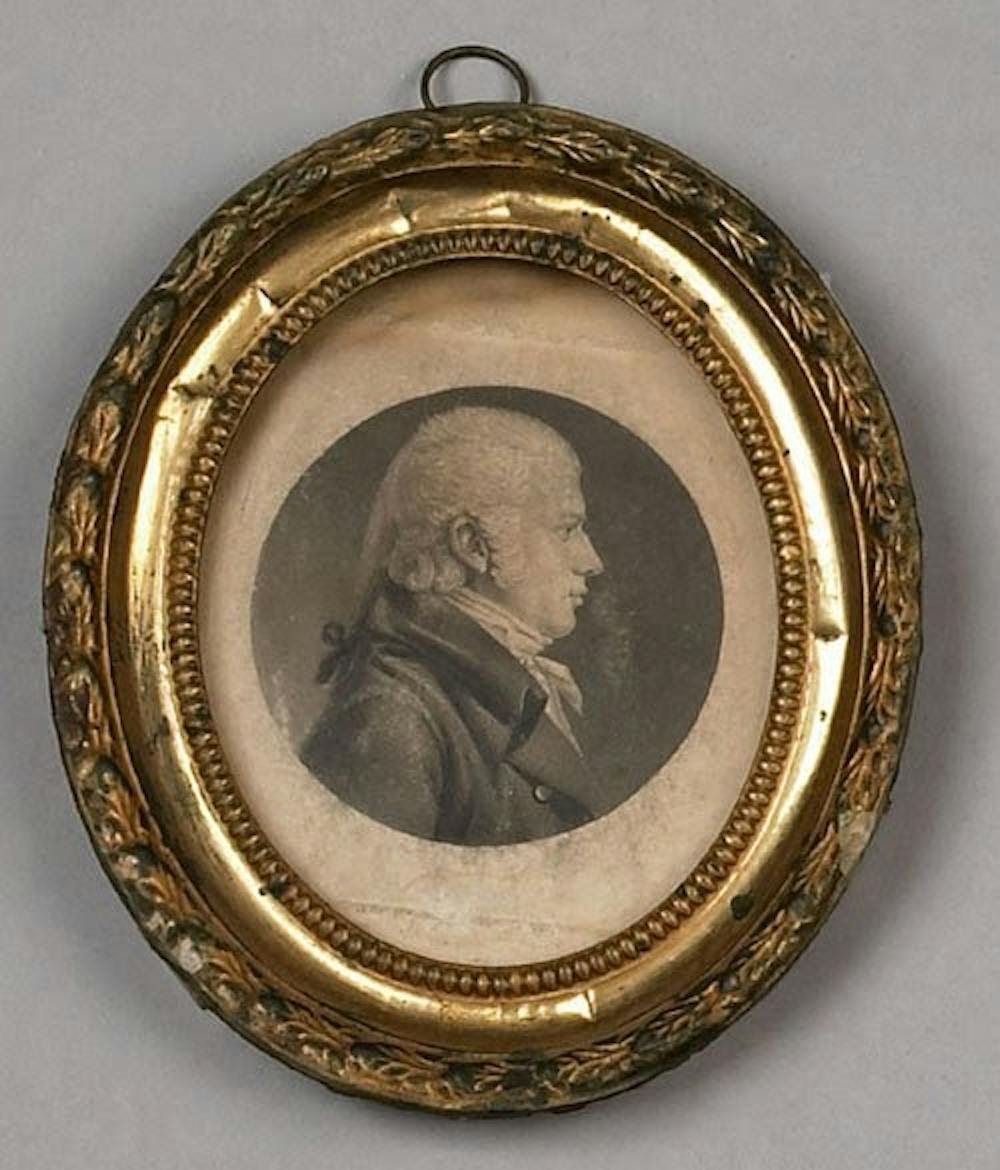
<?xml version="1.0"?>
<News hasArchived="true" page="3789" pageCount="10936" pageSize="10" timestamp="Tue, 10 Nov 2026 03:11:55 -0500" url="https://my3.my.umbc.edu/posts.xml?page=3789">
<NewsItem contentIssues="true" id="94360" important="false" status="posted" url="https://my3.my.umbc.edu/posts/94360">
<Title>UMBC Eats Community Cookbook Recipe of the Week</Title>
<Body>
<![CDATA[
    <div class="html-content">
    <h5>Salad Nicoise</h5>
    <div><br></div>
    <div>
    <div>Ingredients:</div>
    <div>
    <div>1 can tuna fish, drained</div>
    <div>1 head Lettuce</div>
    <div>Steamed asparagus</div>
    <div>Steamed baby potatoes</div>
    <div>Hard boiled eggs, sliced</div>
    <div>Lemon, cut in wedges</div>
    </div>
    </div>
    <div><br></div>
    <div><div>Refrigerate to cool all ingredients. Wash and cut the lettuce and place on a serving plate. Spoon tuna in the center and surround with alternating asparagus, baby potatoes and sliced hard boiled eggs. Cover and refrigerate until ready to serve. Garnish with lemon wedges if desired.</div></div>
    <div><br></div>
    <div>Visit our <a href="https://wellness.umbc.edu/cookbook/" rel="nofollow external" class="bo">UMBC Eats website</a> to download your copy of the cookbook. </div>
    </div>
]]>
</Body>
<Summary>Salad Nicoise      Ingredients:   1 can tuna fish, drained  1 head Lettuce  Steamed asparagus  Steamed baby potatoes  Hard boiled eggs, sliced  Lemon, cut in wedges        Refrigerate to cool all...</Summary>
<TrackingUrl>https://my3.my.umbc.edu/api/v0/pixel/news/94360/guest@my.umbc.edu/a0cea61b7d0a9638eaf3edb6a390e796/api/pixel</TrackingUrl>
<Tag>win</Tag>
<Group token="wellness">Wellness Initiative</Group>
<GroupUrl>https://my3.my.umbc.edu/groups/wellness</GroupUrl>
<AvatarUrl>https://assets2-my.umbc.edu/system/shared/avatars/groups/000/000/172/7c77f048a2d02e784926184a82686fa0/xsmall.png?1504100162</AvatarUrl>
<AvatarUrl size="original">https://assets4-my.umbc.edu/system/shared/avatars/groups/000/000/172/7c77f048a2d02e784926184a82686fa0/original.jpg?1504100162</AvatarUrl>
<AvatarUrl size="xxlarge">https://assets4-my.umbc.edu/system/shared/avatars/groups/000/000/172/7c77f048a2d02e784926184a82686fa0/xxlarge.png?1504100162</AvatarUrl>
<AvatarUrl size="xlarge">https://assets2-my.umbc.edu/system/shared/avatars/groups/000/000/172/7c77f048a2d02e784926184a82686fa0/xlarge.png?1504100162</AvatarUrl>
<AvatarUrl size="large">https://assets4-my.umbc.edu/system/shared/avatars/groups/000/000/172/7c77f048a2d02e784926184a82686fa0/large.png?1504100162</AvatarUrl>
<AvatarUrl size="medium">https://assets3-my.umbc.edu/system/shared/avatars/groups/000/000/172/7c77f048a2d02e784926184a82686fa0/medium.png?1504100162</AvatarUrl>
<AvatarUrl size="small">https://assets4-my.umbc.edu/system/shared/avatars/groups/000/000/172/7c77f048a2d02e784926184a82686fa0/small.png?1504100162</AvatarUrl>
<AvatarUrl size="xsmall">https://assets2-my.umbc.edu/system/shared/avatars/groups/000/000/172/7c77f048a2d02e784926184a82686fa0/xsmall.png?1504100162</AvatarUrl>
<AvatarUrl size="xxsmall">https://assets3-my.umbc.edu/system/shared/avatars/groups/000/000/172/7c77f048a2d02e784926184a82686fa0/xxsmall.png?1504100162</AvatarUrl>
<Sponsor>Wellness Initiative</Sponsor>
<ThumbnailUrl size="xxlarge">https://assets4-my.umbc.edu/system/shared/thumbnails/news/000/094/360/c60b6031ae9ebbef03aa963a21ab7ef9/xxlarge.jpg?1595248577</ThumbnailUrl>
<ThumbnailUrl size="xlarge">https://assets1-my.umbc.edu/system/shared/thumbnails/news/000/094/360/c60b6031ae9ebbef03aa963a21ab7ef9/xlarge.jpg?1595248577</ThumbnailUrl>
<ThumbnailUrl size="large">https://assets4-my.umbc.edu/system/shared/thumbnails/news/000/094/360/c60b6031ae9ebbef03aa963a21ab7ef9/large.jpg?1595248577</ThumbnailUrl>
<ThumbnailUrl size="medium">https://assets4-my.umbc.edu/system/shared/thumbnails/news/000/094/360/c60b6031ae9ebbef03aa963a21ab7ef9/medium.jpg?1595248577</ThumbnailUrl>
<ThumbnailUrl size="small">https://assets3-my.umbc.edu/system/shared/thumbnails/news/000/094/360/c60b6031ae9ebbef03aa963a21ab7ef9/small.jpg?1595248577</ThumbnailUrl>
<ThumbnailUrl size="xsmall">https://assets3-my.umbc.edu/system/shared/thumbnails/news/000/094/360/c60b6031ae9ebbef03aa963a21ab7ef9/xsmall.jpg?1595248577</ThumbnailUrl>
<ThumbnailUrl size="xxsmall">https://assets3-my.umbc.edu/system/shared/thumbnails/news/000/094/360/c60b6031ae9ebbef03aa963a21ab7ef9/xxsmall.jpg?1595248577</ThumbnailUrl>
<PawCount>0</PawCount>
<CommentCount>0</CommentCount>
<CommentsAllowed>false</CommentsAllowed>
<PostedAt>Tue, 21 Jul 2020 07:47:00 -0400</PostedAt>
</NewsItem>

<NewsItem contentIssues="false" id="94383" important="false" status="posted" url="https://my3.my.umbc.edu/posts/94383">
<Title>Repost from Kuali Research at UMBC</Title>
<Body>
<![CDATA[
    <div class="html-content">
    <table><tbody>
    <tr>
    <th>posted</th>
    <td>July 20, 2020</td>
    </tr>
    <tr>
    <th>sponsor</th>
    <td>Kuali Research at UMBC</td>
    </tr>
    </tbody></table>
    <div><span><a title="" href="https://my3.my.umbc.edu/groups/kualiresearchatumbc/posts/94382#" rel="nofollow external" class="bo">0</a></span></div>
    <div>
    <div><div>IMPORTANT</div></div>
    <h2>COI Notifications</h2>
    <hr>
    <div><div>
    <div>Hello<br>
    </div>
    <div><br></div>
    <div>While upgrading the COI module, emails requesting PIS complete past disclosures </div>
    <div>was sent out to a set of users. If you received a similar COI email around 6pm or</div>
    <div> later this evening, please disregard. While we are working quickly to remove</div>
    <div> inefficiencies in COI, please excuse this notification error.<br>
    </div>
    <div><br></div>
    <div>Thanks,</div>
    </div></div>
    </div>
    </div>
]]>
</Body>
<Summary>postedJuly 20, 2020sponsorKuali Research at UMBC 0    IMPORTANT   COI Notifications     Hello      While upgrading the COI module, emails requesting PIS complete past disclosures   was sent out to...</Summary>
<Website>https://my3.my.umbc.edu/groups/kualiresearchatumbc/posts/94382</Website>
<TrackingUrl>https://my3.my.umbc.edu/api/v0/pixel/news/94383/guest@my.umbc.edu/2652a4fba78dc16e4106f34d78b59f37/api/pixel</TrackingUrl>
<Group token="compliance">Office of Research Protections and Compliance</Group>
<GroupUrl>https://my3.my.umbc.edu/groups/compliance</GroupUrl>
<AvatarUrl>https://assets2-my.umbc.edu/system/shared/avatars/groups/000/000/163/aea9789988c08f28538422f1c3427388/xsmall.png?1406813901</AvatarUrl>
<AvatarUrl size="original">https://assets2-my.umbc.edu/system/shared/avatars/groups/000/000/163/aea9789988c08f28538422f1c3427388/original.jpg?1406813901</AvatarUrl>
<AvatarUrl size="xxlarge">https://assets1-my.umbc.edu/system/shared/avatars/groups/000/000/163/aea9789988c08f28538422f1c3427388/xxlarge.png?1406813901</AvatarUrl>
<AvatarUrl size="xlarge">https://assets1-my.umbc.edu/system/shared/avatars/groups/000/000/163/aea9789988c08f28538422f1c3427388/xlarge.png?1406813901</AvatarUrl>
<AvatarUrl size="large">https://assets1-my.umbc.edu/system/shared/avatars/groups/000/000/163/aea9789988c08f28538422f1c3427388/large.png?1406813901</AvatarUrl>
<AvatarUrl size="medium">https://assets2-my.umbc.edu/system/shared/avatars/groups/000/000/163/aea9789988c08f28538422f1c3427388/medium.png?1406813901</AvatarUrl>
<AvatarUrl size="small">https://assets4-my.umbc.edu/system/shared/avatars/groups/000/000/163/aea9789988c08f28538422f1c3427388/small.png?1406813901</AvatarUrl>
<AvatarUrl size="xsmall">https://assets2-my.umbc.edu/system/shared/avatars/groups/000/000/163/aea9789988c08f28538422f1c3427388/xsmall.png?1406813901</AvatarUrl>
<AvatarUrl size="xxsmall">https://assets1-my.umbc.edu/system/shared/avatars/groups/000/000/163/aea9789988c08f28538422f1c3427388/xxsmall.png?1406813901</AvatarUrl>
<Sponsor>Kuali Research at UMBC</Sponsor>
<PawCount>0</PawCount>
<CommentCount>0</CommentCount>
<CommentsAllowed>true</CommentsAllowed>
<PostedAt>Mon, 20 Jul 2020 22:45:36 -0400</PostedAt>
<EditAt>Tue, 27 Apr 2021 11:52:06 -0400</EditAt>
</NewsItem>

<NewsItem contentIssues="false" id="94382" important="true" status="posted" url="https://my3.my.umbc.edu/posts/94382">
<Title>COI Notifications</Title>
<Body>
<![CDATA[
    <div class="html-content">
    <div>Hello <br>
    </div>
    <div><br></div>
    <div>While upgrading the COI module, emails requesting PIS complete past disclosures was sent out to a set of users. If you received a similar COI email around 6pm or later this evening, please disregard. While we are working quickly to remove inefficiencies in COI, please excuse this notification error. <br>
    </div>
    <div><br></div>
    <div>Thanks,<br>
    </div>
    </div>
]]>
</Body>
<Summary>Hello       While upgrading the COI module, emails requesting PIS complete past disclosures was sent out to a set of users. If you received a similar COI email around 6pm or later this evening,...</Summary>
<TrackingUrl>https://my3.my.umbc.edu/api/v0/pixel/news/94382/guest@my.umbc.edu/f3463b722edb4c05f305c33a71df55be/api/pixel</TrackingUrl>
<Group token="kualiresearchatumbc">Office of Administrative Systems (ORAS)</Group>
<GroupUrl>https://my3.my.umbc.edu/groups/kualiresearchatumbc</GroupUrl>
<AvatarUrl>https://assets2-my.umbc.edu/system/shared/avatars/groups/000/001/234/a7ad2cab998ae504104b31b75758440e/xsmall.png?1510333143</AvatarUrl>
<AvatarUrl size="original">https://assets3-my.umbc.edu/system/shared/avatars/groups/000/001/234/a7ad2cab998ae504104b31b75758440e/original.png?1510333143</AvatarUrl>
<AvatarUrl size="xxlarge">https://assets3-my.umbc.edu/system/shared/avatars/groups/000/001/234/a7ad2cab998ae504104b31b75758440e/xxlarge.png?1510333143</AvatarUrl>
<AvatarUrl size="xlarge">https://assets4-my.umbc.edu/system/shared/avatars/groups/000/001/234/a7ad2cab998ae504104b31b75758440e/xlarge.png?1510333143</AvatarUrl>
<AvatarUrl size="large">https://assets2-my.umbc.edu/system/shared/avatars/groups/000/001/234/a7ad2cab998ae504104b31b75758440e/large.png?1510333143</AvatarUrl>
<AvatarUrl size="medium">https://assets2-my.umbc.edu/system/shared/avatars/groups/000/001/234/a7ad2cab998ae504104b31b75758440e/medium.png?1510333143</AvatarUrl>
<AvatarUrl size="small">https://assets1-my.umbc.edu/system/shared/avatars/groups/000/001/234/a7ad2cab998ae504104b31b75758440e/small.png?1510333143</AvatarUrl>
<AvatarUrl size="xsmall">https://assets2-my.umbc.edu/system/shared/avatars/groups/000/001/234/a7ad2cab998ae504104b31b75758440e/xsmall.png?1510333143</AvatarUrl>
<AvatarUrl size="xxsmall">https://assets3-my.umbc.edu/system/shared/avatars/groups/000/001/234/a7ad2cab998ae504104b31b75758440e/xxsmall.png?1510333143</AvatarUrl>
<Sponsor>Kuali Research at UMBC</Sponsor>
<PawCount>0</PawCount>
<CommentCount>2</CommentCount>
<CommentsAllowed>true</CommentsAllowed>
<PostedAt>Mon, 20 Jul 2020 22:33:00 -0400</PostedAt>
</NewsItem>

<NewsItem contentIssues="false" id="94381" important="false" status="posted" url="https://my3.my.umbc.edu/posts/94381">
<Title>Results of COVID-19 Testing Pilot</Title>
<Body>
<![CDATA[
    <div class="html-content">
    <span>Dear UMBC Community,</span><br><span> </span><br><span>UMBC recently offered COVID-19 testing for faculty, staff, and students who are approved to be on campus this summer. University Health Services completed 320 COVID-19 tests on July 13 and 14, 2020. Of the 310 results received so far, five employees and two students tested positive for COVID-19.</span><br><span> </span><br><span>In cases where positive results were found, affected individuals were asked to self-isolate for 10 days and consult with their primary care physician, even if asymptomatic. Employees who are self-isolating have been advised that they can access leave through the CARES Act by contacting Human Resources at </span><a href="mailto:covid19hrresponseteam@umbc.edu" rel="nofollow external" class="bo">covid19hrresponseteam@umbc.edu</a><span>. University Health Services also connected with Baltimore County public health officials to complete contact tracing for positive individuals.</span><br><span> </span><br><span>As UMBC approaches the fall, additional employees and students who are approved to work, teach, or live on campus will receive information about how to schedule a free COVID-19 test, participate in symptom tracking, and complete online health and safety training before coming to campus in order to support the health of our community. UMBC does not ask students, faculty, and staff who continue to work and study fully remotely to complete COVID-19 tests or to track symptoms. </span><br><span> </span><br><span>We invite all UMBC community members to learn more about the </span><a href="https://t.e2ma.net/click/34qjze/jdozdbc/7n0y1z" rel="nofollow external" class="bo">Retrievers Return Roadmap</a><span>, which includes information on safety priorities and resources for </span><a href="https://t.e2ma.net/click/34qjze/jdozdbc/ng1y1z" rel="nofollow external" class="bo">employees </a><span>and </span><a href="https://t.e2ma.net/click/34qjze/jdozdbc/381y1z" rel="nofollow external" class="bo">students</a><span>. Community members seeking to report a case of COVID-19 may do so through the </span><a href="https://t.e2ma.net/click/34qjze/jdozdbc/j12y1z" rel="nofollow external" class="bo">Retrievers Return website</a><span>. Please contact </span><a href="mailto:covid19@umbc.edu" rel="nofollow external" class="bo">covid19@umbc.edu</a><span> with questions.</span><br><span> </span><br><span><span><em>Philip Rous, Provost<br>Lynne Schaefer, Vice President of Administration and Finance<br>Nancy Young, Vice President of Student Affairs</em></span></span>
    </div>
]]>
</Body>
<Summary>Dear UMBC Community,   UMBC recently offered COVID-19 testing for faculty, staff, and students who are approved to be on campus this summer. University Health Services completed 320 COVID-19 tests...</Summary>
<TrackingUrl>https://my3.my.umbc.edu/api/v0/pixel/news/94381/guest@my.umbc.edu/c6c1c7baed956e707e885d97a538199e/api/pixel</TrackingUrl>
<Tag>covid19</Tag>
<Group token="retired-1090">UMBC Community News</Group>
<GroupUrl>https://my3.my.umbc.edu/groups/retired-1090</GroupUrl>
<AvatarUrl>https://assets3-my.umbc.edu/system/shared/avatars/groups/000/001/090/56c39666a7bf2e5028d5419fc903e52d/xsmall.png?1593096708</AvatarUrl>
<AvatarUrl size="original">https://assets1-my.umbc.edu/system/shared/avatars/groups/000/001/090/56c39666a7bf2e5028d5419fc903e52d/original.png?1593096708</AvatarUrl>
<AvatarUrl size="xxlarge">https://assets4-my.umbc.edu/system/shared/avatars/groups/000/001/090/56c39666a7bf2e5028d5419fc903e52d/xxlarge.png?1593096708</AvatarUrl>
<AvatarUrl size="xlarge">https://assets3-my.umbc.edu/system/shared/avatars/groups/000/001/090/56c39666a7bf2e5028d5419fc903e52d/xlarge.png?1593096708</AvatarUrl>
<AvatarUrl size="large">https://assets1-my.umbc.edu/system/shared/avatars/groups/000/001/090/56c39666a7bf2e5028d5419fc903e52d/large.png?1593096708</AvatarUrl>
<AvatarUrl size="medium">https://assets1-my.umbc.edu/system/shared/avatars/groups/000/001/090/56c39666a7bf2e5028d5419fc903e52d/medium.png?1593096708</AvatarUrl>
<AvatarUrl size="small">https://assets3-my.umbc.edu/system/shared/avatars/groups/000/001/090/56c39666a7bf2e5028d5419fc903e52d/small.png?1593096708</AvatarUrl>
<AvatarUrl size="xsmall">https://assets3-my.umbc.edu/system/shared/avatars/groups/000/001/090/56c39666a7bf2e5028d5419fc903e52d/xsmall.png?1593096708</AvatarUrl>
<AvatarUrl size="xxsmall">https://assets3-my.umbc.edu/system/shared/avatars/groups/000/001/090/56c39666a7bf2e5028d5419fc903e52d/xxsmall.png?1593096708</AvatarUrl>
<Sponsor>UMBC Community News</Sponsor>
<PawCount>2</PawCount>
<CommentCount>0</CommentCount>
<CommentsAllowed>true</CommentsAllowed>
<PostedAt>Mon, 20 Jul 2020 17:14:58 -0400</PostedAt>
</NewsItem>

<NewsItem contentIssues="true" id="94380" important="false" status="posted" url="https://my3.my.umbc.edu/posts/94380">
<Title>Gardening with native plants: Resources to get started</Title>
<Tagline>Create joy and support wildlife at the same time!</Tagline>
<Body>
<![CDATA[
    <div class="html-content"><span><p><span><em>A guest post by Sarah Hansen, UMBC Wellness Ambassador</em></span></p>
    <h4><span>Finding joy in the garden</span></h4>
    <p><span>In this extended period of challenge and uncertainty, one of the things that brings me solace is my garden. The slow, methodical weeding, the breeze on my face, being close to the ground and seeing all the tiny critters that abide there, focuses my attention and is almost like meditation. Taking a few moments each day truly to notice each stage as plants slowly grow, bud, bloom, and then fade, and all the attendant insects that visit them during each phase, keeps me grounded.</span></p>
    <p><span>The animals that visit my yard bring me joy (well, except the ravenous deer, but even they are beautiful in their own way) and remind me that even now, when everything is turned upside down, the wildlife world is carrying out its cycles. Spring migration happened. Birds are nesting (and now, fledging). Lightning bugs are flashing. Flowers are blooming. Ferns are unfurling. Milkweed beetles are mating. Caterpillars and praying mantises are growing. Tomatoes are ripening. And there are simple things I can do to make all their lives easier—to help out the small community that calls my yard home.</span></p>
    <p><span>They may seem like small things—planting a few native flowers, not removing a small brush pile, or avoiding use of harmful pesticides—but imagine if all of us just created a corner of habitat in a yard, on a patio, balcony, or windowsill, or in a local community garden plot. <a href="https://vimeo.com/163864388" rel="nofollow external" class="bo">All those pockets add up</a>. Collectively, we can make a world of difference for declining wildlife populations. We have the power to create beauty and at the same time, do good for animals—and in turn, ourselves.</span></p>
    <p><span>I was skeptical that the critters who needed them would find my small native plant oasis, but after I planted my first batch of native flowers four years ago, I was amazed at the outcome. New species of butterflies and beetles abounded. Birds ate the seeds and berries in the fall. Even hummingbirds, which my partner had never seen since moving into the house in 2006, showed up. Now my motto is, </span><span>“If you plant it, they will come.”</span></p>
    <p><span>I do not have an especially green thumb. You can do this, too! And if there are children in your household, even a container or two can provide education, entertainment, and bonding opportunities aplenty. </span></p>
    <h4><span>Resources to get started</span></h4>
    <p><span>Creating a native plant garden (or balcony, or windowsill) doesn’t have to be overwhelming. There are tons of resources available to help you select appropriate native plants and get started. Please share additional resources in the comments!</span></p>
    <ul>
    <li><p><a href="https://www.prairiemoon.com/plants/" rel="nofollow external" class="bo"><span>Prairie Moon Nursery</span></a><span> has been a huge help when considering plants for my garden. They only sell North American natives and you can search their inventory for plants based on light and soil requirements, size, bloom time, and much more. </span></p></li>
    <li><p><span>Local nurseries like </span><a href="https://bluewaterbaltimore.org/herring-run-nursery/" rel="nofollow external" class="bo"><span>Herring Run Nursery</span></a><span> (affiliated with <a href="https://bluewaterbaltimore.org/" rel="nofollow external" class="bo">Blue Water Baltimore</a>) only sell native plants that are suitable for the mid-Atlantic. This is where I bought all of the plants for my first native plant garden. They also carry plants from </span><a href="http://chesapeakenatives.org/" rel="nofollow external" class="bo"><span>Chesapeake Natives</span></a><span>.</span></p></li>
    <li><p><span>The </span><a href="https://www.missouribotanicalgarden.org/plantfinder/plantfindersearch.aspx" rel="nofollow external" class="bo"><span>Missouri Botanical Garden Plant Finder</span></a><span> is another excellent source for information about plants (native and non-native). I find this site helpful if I already have a plant in mind and want more information.</span></p></li>
    <li><p><span>Many local nature centers and parks organize native plant sales—a farmers market of sorts for plants. I’ve run across these at </span><a href="https://www.robinsonfoundation.org/local-wildlife.html" rel="nofollow external" class="bo"><span>Robinson Nature Center</span></a><span> in Columbia and at </span><a href="https://www.baltimorecountymd.gov/Agencies/recreation/countyparks/mostpopular/banneker/" rel="nofollow external" class="bo"><span>Benjamin Banneker Historical Park</span></a><span> in Oella, and there are many more. Feel free to add more in the comments!</span></p></li>
    <li><p><span>The </span><a href="https://extension.umd.edu/hgic/topics/attracting-wildlife#:~:text=Bees%20gather%20pollen%20and%20drink,%2C%20black%20gum%2C%20and%20serviceberry." rel="nofollow external" class="bo"><span>University of Maryland Extension</span></a><span> also offers resources for attracting wildlife, as does the </span><a href="https://www.nwf.org/Garden-for-Wildlife/Create/At-Home" rel="nofollow external" class="bo"><span>National Wildlife Federation (NWF) Garden for Wildlife program</span></a><span>. Did you know that the UMBC campus is a Certified Wildlife Habitat through NWF, based on our use of native plants and sustainable practices?</span></p></li>
    <li><p><span>The National Audubon Society has a robust  </span><a href="https://www.audubon.org/PLANTSFORBIRDS" rel="nofollow external" class="bo"><span>Plants for Birds</span></a><span> program with lots of additional resources.</span></p></li>
    </ul>
    <p><span>Next week, I’ll share some additional benefits of gardening with native plants, a few things to watch out for when purchasing plants, and a few of my favorite plant species that do well in my Catonsville yard. Let me know if you have any questions in the meantime, and please share your own resources. I love this topic, but am definitely still a student when it comes to native plants!</span></p>
    <p><span>Yours in gardening,</span></p>
    <p><span>Sarah</span></p>
    <div><span><br></span></div></span></div>
]]>
</Body>
<Summary>A guest post by Sarah Hansen, UMBC Wellness Ambassador  Finding joy in the garden  In this extended period of challenge and uncertainty, one of the things that brings me solace is my garden. The...</Summary>
<TrackingUrl>https://my3.my.umbc.edu/api/v0/pixel/news/94380/guest@my.umbc.edu/b604432488e2e5c2567366c8797b308e/api/pixel</TrackingUrl>
<Group token="wellness">Wellness Initiative</Group>
<GroupUrl>https://my3.my.umbc.edu/groups/wellness</GroupUrl>
<AvatarUrl>https://assets2-my.umbc.edu/system/shared/avatars/groups/000/000/172/7c77f048a2d02e784926184a82686fa0/xsmall.png?1504100162</AvatarUrl>
<AvatarUrl size="original">https://assets4-my.umbc.edu/system/shared/avatars/groups/000/000/172/7c77f048a2d02e784926184a82686fa0/original.jpg?1504100162</AvatarUrl>
<AvatarUrl size="xxlarge">https://assets4-my.umbc.edu/system/shared/avatars/groups/000/000/172/7c77f048a2d02e784926184a82686fa0/xxlarge.png?1504100162</AvatarUrl>
<AvatarUrl size="xlarge">https://assets2-my.umbc.edu/system/shared/avatars/groups/000/000/172/7c77f048a2d02e784926184a82686fa0/xlarge.png?1504100162</AvatarUrl>
<AvatarUrl size="large">https://assets4-my.umbc.edu/system/shared/avatars/groups/000/000/172/7c77f048a2d02e784926184a82686fa0/large.png?1504100162</AvatarUrl>
<AvatarUrl size="medium">https://assets3-my.umbc.edu/system/shared/avatars/groups/000/000/172/7c77f048a2d02e784926184a82686fa0/medium.png?1504100162</AvatarUrl>
<AvatarUrl size="small">https://assets4-my.umbc.edu/system/shared/avatars/groups/000/000/172/7c77f048a2d02e784926184a82686fa0/small.png?1504100162</AvatarUrl>
<AvatarUrl size="xsmall">https://assets2-my.umbc.edu/system/shared/avatars/groups/000/000/172/7c77f048a2d02e784926184a82686fa0/xsmall.png?1504100162</AvatarUrl>
<AvatarUrl size="xxsmall">https://assets3-my.umbc.edu/system/shared/avatars/groups/000/000/172/7c77f048a2d02e784926184a82686fa0/xxsmall.png?1504100162</AvatarUrl>
<Sponsor>Wellness Initiative</Sponsor>
<ThumbnailUrl size="xxlarge">https://assets1-my.umbc.edu/system/shared/thumbnails/news/000/094/380/51acf9c41788ecd09c295fd307c0269b/xxlarge.jpg?1595274192</ThumbnailUrl>
<ThumbnailUrl size="xlarge">https://assets3-my.umbc.edu/system/shared/thumbnails/news/000/094/380/51acf9c41788ecd09c295fd307c0269b/xlarge.jpg?1595274192</ThumbnailUrl>
<ThumbnailUrl size="large">https://assets1-my.umbc.edu/system/shared/thumbnails/news/000/094/380/51acf9c41788ecd09c295fd307c0269b/large.jpg?1595274192</ThumbnailUrl>
<ThumbnailUrl size="medium">https://assets4-my.umbc.edu/system/shared/thumbnails/news/000/094/380/51acf9c41788ecd09c295fd307c0269b/medium.jpg?1595274192</ThumbnailUrl>
<ThumbnailUrl size="small">https://assets3-my.umbc.edu/system/shared/thumbnails/news/000/094/380/51acf9c41788ecd09c295fd307c0269b/small.jpg?1595274192</ThumbnailUrl>
<ThumbnailUrl size="xsmall">https://assets4-my.umbc.edu/system/shared/thumbnails/news/000/094/380/51acf9c41788ecd09c295fd307c0269b/xsmall.jpg?1595274192</ThumbnailUrl>
<ThumbnailUrl size="xxsmall">https://assets1-my.umbc.edu/system/shared/thumbnails/news/000/094/380/51acf9c41788ecd09c295fd307c0269b/xxsmall.jpg?1595274192</ThumbnailUrl>
<PawCount>3</PawCount>
<CommentCount>2</CommentCount>
<CommentsAllowed>true</CommentsAllowed>
<PostedAt>Mon, 20 Jul 2020 16:01:29 -0400</PostedAt>
<EditAt>Mon, 20 Jul 2020 16:03:27 -0400</EditAt>
</NewsItem>

<NewsItem contentIssues="false" id="94378" important="false" status="posted" url="https://my3.my.umbc.edu/posts/94378">
<Title>Remote Onboarding Tips</Title>
<Tagline>Onboarding and Orienting Your New Employee</Tagline>
<Body>
<![CDATA[
    <div class="html-content">
    <h4><strong>Remote Onboarding Tips<br><br></strong></h4>
    <p> The Department of Human Resources has developed a new resource for supervisors that outlines suggested tips for virtually onboarding your new employee(s).  The document will walk supervisors through steps to take prior to the new employee's start date, as well as during the first several weeks of employment.  </p>
    <p><a href="https://umbc.box.com/s/rjninrw2ogcft58873qpjowm7oc4vh17" rel="nofollow external" class="bo">Remote Onboarding Tips</a></p>
    <p>Please share this document with other colleagues in your area.</p>
    </div>
]]>
</Body>
<Summary>Remote Onboarding Tips     The Department of Human Resources has developed a new resource for supervisors that outlines suggested tips for virtually onboarding your new employee(s).  The document...</Summary>
<Website>https://umbc.box.com/s/rjninrw2ogcft58873qpjowm7oc4vh17</Website>
<TrackingUrl>https://my3.my.umbc.edu/api/v0/pixel/news/94378/guest@my.umbc.edu/2ec970227dae15e6395568aa8652790d/api/pixel</TrackingUrl>
<Tag>onboarding</Tag>
<Group token="hr">Department of Human Resources &amp;amp; Strategic Talent Management</Group>
<GroupUrl>https://my3.my.umbc.edu/groups/hr</GroupUrl>
<AvatarUrl>https://assets3-my.umbc.edu/system/shared/avatars/groups/000/000/534/093fcb36a960fb0375d1705c87cdb84f/xsmall.png?1744142011</AvatarUrl>
<AvatarUrl size="original">https://assets2-my.umbc.edu/system/shared/avatars/groups/000/000/534/093fcb36a960fb0375d1705c87cdb84f/original.png?1744142011</AvatarUrl>
<AvatarUrl size="xxlarge">https://assets3-my.umbc.edu/system/shared/avatars/groups/000/000/534/093fcb36a960fb0375d1705c87cdb84f/xxlarge.png?1744142011</AvatarUrl>
<AvatarUrl size="xlarge">https://assets4-my.umbc.edu/system/shared/avatars/groups/000/000/534/093fcb36a960fb0375d1705c87cdb84f/xlarge.png?1744142011</AvatarUrl>
<AvatarUrl size="large">https://assets4-my.umbc.edu/system/shared/avatars/groups/000/000/534/093fcb36a960fb0375d1705c87cdb84f/large.png?1744142011</AvatarUrl>
<AvatarUrl size="medium">https://assets4-my.umbc.edu/system/shared/avatars/groups/000/000/534/093fcb36a960fb0375d1705c87cdb84f/medium.png?1744142011</AvatarUrl>
<AvatarUrl size="small">https://assets1-my.umbc.edu/system/shared/avatars/groups/000/000/534/093fcb36a960fb0375d1705c87cdb84f/small.png?1744142011</AvatarUrl>
<AvatarUrl size="xsmall">https://assets3-my.umbc.edu/system/shared/avatars/groups/000/000/534/093fcb36a960fb0375d1705c87cdb84f/xsmall.png?1744142011</AvatarUrl>
<AvatarUrl size="xxsmall">https://assets3-my.umbc.edu/system/shared/avatars/groups/000/000/534/093fcb36a960fb0375d1705c87cdb84f/xxsmall.png?1744142011</AvatarUrl>
<Sponsor>Department of Human Resources</Sponsor>
<PawCount>0</PawCount>
<CommentCount>0</CommentCount>
<CommentsAllowed>false</CommentsAllowed>
<PostedAt>Mon, 20 Jul 2020 14:47:11 -0400</PostedAt>
</NewsItem>

<NewsItem contentIssues="false" id="94377" important="false" status="posted" url="https://my3.my.umbc.edu/posts/94377">
<Title>Remote Onboarding Tips</Title>
<Tagline>Onboarding and Orienting Your New Employee</Tagline>
<Body>
<![CDATA[
    <div class="html-content"><div>
    <h4><strong>Remote Onboarding Tips</strong></h4>
    <p> <span>The Department of Human Resources has developed a new resource for supervisors that outlines suggested tips for virtually onboarding your new employee(s).  The document will walk supervisors through steps to take prior to the new employee's start date, as well as during the first several weeks of employment.  </span></p>
    <p><a href="https://umbc.box.com/s/rjninrw2ogcft58873qpjowm7oc4vh17" rel="nofollow external" class="bo">Remote Onboarding Tips</a></p>
    <p>Please share this document with other colleagues in your area.</p>
    <div><br></div>
    </div></div>
]]>
</Body>
<Summary>Remote Onboarding Tips   The Department of Human Resources has developed a new resource for supervisors that outlines suggested tips for virtually onboarding your new employee(s).  The document...</Summary>
<Website>https://umbc.box.com/s/rjninrw2ogcft58873qpjowm7oc4vh17</Website>
<TrackingUrl>https://my3.my.umbc.edu/api/v0/pixel/news/94377/guest@my.umbc.edu/88b65cfa8cdfff171f521aa741a59f07/api/pixel</TrackingUrl>
<Tag>onboarding</Tag>
<Group token="hrhiring">Recruitment/Hiring HR Liaisons</Group>
<GroupUrl>https://my3.my.umbc.edu/groups/hrhiring</GroupUrl>
<AvatarUrl>https://assets1-my.umbc.edu/system/shared/avatars/groups/000/000/815/0df840aed5f513a02964d0c27bc4f277/xsmall.png?1391027609</AvatarUrl>
<AvatarUrl size="original">https://assets3-my.umbc.edu/system/shared/avatars/groups/000/000/815/0df840aed5f513a02964d0c27bc4f277/original.png?1391027609</AvatarUrl>
<AvatarUrl size="xxlarge">https://assets1-my.umbc.edu/system/shared/avatars/groups/000/000/815/0df840aed5f513a02964d0c27bc4f277/xxlarge.png?1391027609</AvatarUrl>
<AvatarUrl size="xlarge">https://assets2-my.umbc.edu/system/shared/avatars/groups/000/000/815/0df840aed5f513a02964d0c27bc4f277/xlarge.png?1391027609</AvatarUrl>
<AvatarUrl size="large">https://assets4-my.umbc.edu/system/shared/avatars/groups/000/000/815/0df840aed5f513a02964d0c27bc4f277/large.png?1391027609</AvatarUrl>
<AvatarUrl size="medium">https://assets3-my.umbc.edu/system/shared/avatars/groups/000/000/815/0df840aed5f513a02964d0c27bc4f277/medium.png?1391027609</AvatarUrl>
<AvatarUrl size="small">https://assets4-my.umbc.edu/system/shared/avatars/groups/000/000/815/0df840aed5f513a02964d0c27bc4f277/small.png?1391027609</AvatarUrl>
<AvatarUrl size="xsmall">https://assets1-my.umbc.edu/system/shared/avatars/groups/000/000/815/0df840aed5f513a02964d0c27bc4f277/xsmall.png?1391027609</AvatarUrl>
<AvatarUrl size="xxsmall">https://assets4-my.umbc.edu/system/shared/avatars/groups/000/000/815/0df840aed5f513a02964d0c27bc4f277/xxsmall.png?1391027609</AvatarUrl>
<Sponsor>Recruitment/Hiring HR Liaisons</Sponsor>
<PawCount>0</PawCount>
<CommentCount>0</CommentCount>
<CommentsAllowed>false</CommentsAllowed>
<PostedAt>Mon, 20 Jul 2020 14:32:51 -0400</PostedAt>
</NewsItem>

<NewsItem contentIssues="true" id="119835" important="false" status="posted" url="https://my3.my.umbc.edu/posts/119835">
<Title>UMBC develops future STEM teachers, researchers through pilot program pairing high school and college students</Title>
<Body>
<![CDATA[
    <div class="html-content">
    <img width="150" height="150" src="https://umbc.edu/wp-content/uploads/2020/07/Lu-Summer-3-scaled-1-150x150.jpg" alt="" style="max-width: 100%; height: auto;">
    <p>This fall, <strong><strong>Kimani Reed</strong> </strong>will enter UMBC as a new student in the pre-nursing program, but she’s already a member of the UMBC community. Through a partnership between UMBC and Cristo Rey Jesuit High School in Baltimore, Reed worked on campus one day a week throughout her high school career, gaining experience in several UMBC offices.</p>


    <p>“From freshman year all the way through senior year, I met new people at UMBC who always supported me,” Reed says. When she worked in the UMBC Shriver Center, she shares, “The warm welcome I felt when I walked through the doors on the first day already made UMBC feel like home.” </p>


    <p>Reed’s connection to The Shriver Center will continue this fall. She has chosen to participate in the <a href="https://shrivercenter.umbc.edu/shriver-living-learning-center/" rel="nofollow external" class="bo">Shriver Living Learning Community</a>, a residential community for students committed to pursuing service-learning and community engagement.</p>


    <h4>Championing student success</h4>


    <p>Knowing she had her eye on a medical career, Reed’s UMBC mentors frequently pointed her toward programming that would help her reach her goal. So when her supervisor at the Shriver Center, <strong>Lori Hardesty</strong>, associate director of applied learning and engagement, found out about a special pilot program in the life sciences, she immediately recommended it to Reed.</p>


    <p><strong>Hua Lu</strong>, professor of biological sciences, led the pilot, and Reed jumped at the chance to work with her. She and <strong>Shaojie Chen </strong>’21, chemistry, made up one of four student teams, each with one UMBC student and one local high school student. </p>


    <p>Each team participated in a weeklong program in the summer of 2019 funded by the National Science Foundation and organized by Lu. The Research Training for Future Science Teachers and High School Students (RTTS) program has two goals: to create early research opportunities for high school students interested in STEM and to better prepare the next generation of STEM educators. </p>


    <img src="/wp-content/uploads/2020/07/Lu-Summer-2-768x1024.jpg" alt="" style="max-width: 100%; height: auto;">Kimani Reed (left) and Shaojie Chen work together in Hua Lu’s lab during the summer program in 2019.


    <h4><strong>Transformative experiences</strong></h4>


    <p>That’s how Reed found herself spending her 17th birthday, on a Friday in June last summer, in <strong>Hua Lu</strong>’s plant genetics lab at UMBC. She arrived by 8:30 a.m. to add the finishing touches to her presentation with Chen on CDF3, a protein found in arabidopsis plants. </p>


    <p>Chen and the other UMBC participants were Sherman STEM Teacher Scholars. The Sherman program prepares undergraduates to be culturally responsive and compassionate educators, and many scholars work in Baltimore City. Their partners were all high school students, with the other three (beyond Reed) coming from Baltimore City College High School.</p>


    <p>When Lu looks at Reed, Chen, and the other program participants, she sees the future of STEM teaching and learning. “I think we need to provide early, discipline-specific training for our future teachers,” she says. And for the high school participants, “It’s a lot of work, but when you see you can provide this many students with a hands-on experience, it’s definitely worth it.”</p>


    <p>Lu is learning from these students’ experiences as she prepares for the program’s next iteration. The pandemic prevented her from running the program in person in 2020, but she is excited for it to relaunch in 2021.</p>


    <h4><strong>Digging deeper</strong></h4>


    <p>Based on Reed’s recent study of genetics in high school biology, sometimes she mentored Chen, rather than the other way around. The pair spent the week exploring the structure and function of CDF3 through hands-on laboratory work and research in scientific online databases.</p>


    <img src="/wp-content/uploads/2020/07/Lu-Summer-1-768x1024.jpg" alt="" style="max-width: 100%; height: auto;">Ben Lockwood (right) and Youssef Maroud work together during the summer program in 2019. Photo by Hua Lu.


    <p>“I learned that molecules do so many different things. I knew they were complex, but looking at them up close through the different databases and digging deeper, I learned so much more,” Reed says. “This experience further confirmed my desire to pursue a medical-related career.” Reed has chosen nursing, after giving the biology major her full consideration thanks to her experience with “Mama Lu,” the students’ nickname for Lu based on her supportive attitude.</p>


    <p>Whether a student ends up pursuing research or not, Lu says, an experience like this summer program can be a useful eye-opener about what a research career would be like.</p>


    <h4><strong>Research for teachers</strong></h4>


    <p><strong>Ben Lockwood</strong> ’20, biological sciences, came at the experience from a different angle—he’s long known he wanted to pursue a teaching career. He was initially skeptical of a research experience, but thanks to the program’s team-based approach, he found it rewarding.</p>


    <p>“I definitely feel like I gained from this research experience. And I think it was because I got to do it alongside a high school student,” Lockwood says. “It furthered my understanding of the science content, but it also helped grow my teaching skills, and pair them together, which I hadn’t experienced before.”</p>


    <p>Working together with his partner, Youssef Maroud, got Lockwood thinking about “how I would approach labs and experimentation in the classroom,” he says. For example, he began to consider how he might partner with local labs and universities “to provide an upper-level lab environment that offers access to things the high school students wouldn’t normally do.”</p>


    <p>Both the high school and UMBC students learned quite a bit about how important it is to use equipment correctly and carefully, and to record results thoroughly and accurately. A technique like pipetting is fairly simple, but also essential, they learned, especially when working with expensive or rare chemicals.</p>


    <p>As a result, “Practicing professionalism in the lab is something that I hope to teach my students,” Lockwood says. “And I definitely know from this experience that I have to first provide students with a technical foundation. How can they come up with a procedure if they don’t know the capabilities of each piece of equipment? And how can they carry it out if they don’t know how to use the equipment?”</p>


    <p>If Lockwood is any example, “This program is developing better teachers for society,” Lu says, “which will have a positive impact on future students and STEM professionals.”</p>


    <div>
    <img src="/wp-content/uploads/2018/11/Hua_Lu_biology_6860-682x1024.jpg" alt="" width="404" height="606" style="max-width: 100%; height: auto;">Hua Lu. Photo by Marlayna Demond ’11 for UMBC.</div>


    <h4><strong>Lasting bonds</strong></h4>


    <p>The experience in Lu’s lab was a win for everyone in the pilot program. “The high school students brought so much energy to the lab,” Lu says. “They showed a passion for biology, and you’d see those lightbulb moments.”</p>


    <p>The relationships the pairs formed were also a meaningful part of the experience. “I still text with my partner from time to time,” Lockwood says. Building their relationship was “easy, natural, and fun,” he adds. One of the reasons Lockwood wants to teach is to mentor students who may be struggling to find their way, so “being able to establish that relationship with Youssef was very affirming. And I look forward to being a mentor to many more students in the future.”</p>


    <p>That’s exactly what Lu hopes students get out of the program: an understanding of not just how to do lab research, but also of how important relationships are to learning and discovery in science. </p>


    <p>As Reed begins her UMBC career, she’s excited to extend the relationships she’s already formed at UMBC and to create new ones. “It meant a lot to me to be part of this, because I still got to stay where I felt at home—because I consider UMBC a home away from home—but I also got to make new family with the people I met,” Reed says. “Now I have a really large family and support system through UMBC, and I am so excited to see what I can do with all of them helping me grow.” </p>


    <p><em>Banner image: Summer program participants and other members of  Hua Lu’s lab enjoy lunch together on campus in summer 2019. From left to right: Ben Lockwood ’20; <strong>Malaysia McGinnis</strong> ’20; <strong>Min Gao</strong>, postdocotoral fellow; Hua Lu; Cora Bainum, Baltimore City College High School; <strong>Jessica Allison</strong>, Ph.D. student; Allen Stallings, Baltimore City College High School; Shaojie Chen ’21; Kimani Reed, Cristo Rey Jesuit High School; <strong>Riki Egoshi</strong> ’20 (front); Youssef Maroud, Baltimore City College High School. Photo courtesy Hua Lu.</em></p>
    </div>
]]>
</Body>
<Summary>This fall, Kimani Reed will enter UMBC as a new student in the pre-nursing program, but she’s already a member of the UMBC community. Through a partnership between UMBC and Cristo Rey Jesuit High...</Summary>
<Website>https://umbc.edu/stories/umbc-develops-future-stem-teachers-researchers-through-pilot-program-pairing-high-school-and-college-students/</Website>
<TrackingUrl>https://my3.my.umbc.edu/api/v0/pixel/news/119835/guest@my.umbc.edu/1f341bbd5eafc9fe9d5cedbcc69f9116/api/pixel</TrackingUrl>
<Tag>biology</Tag>
<Tag>cnms</Tag>
<Tag>community</Tag>
<Tag>science-and-technology</Tag>
<Tag>shermanscholars</Tag>
<Tag>shrivercenter</Tag>
<Group token="umbc-news-magazine">UMBC News &amp;amp; Magazine</Group>
<GroupUrl>https://my3.my.umbc.edu/groups/umbc-news-magazine</GroupUrl>
<AvatarUrl>https://assets1-my.umbc.edu/system/shared/avatars/groups/000/001/943/24435aa6207c452e7bc15cc74b42c7bb/xsmall.png?1748556657</AvatarUrl>
<AvatarUrl size="original">https://assets1-my.umbc.edu/system/shared/avatars/groups/000/001/943/24435aa6207c452e7bc15cc74b42c7bb/original.png?1748556657</AvatarUrl>
<AvatarUrl size="xxlarge">https://assets2-my.umbc.edu/system/shared/avatars/groups/000/001/943/24435aa6207c452e7bc15cc74b42c7bb/xxlarge.png?1748556657</AvatarUrl>
<AvatarUrl size="xlarge">https://assets2-my.umbc.edu/system/shared/avatars/groups/000/001/943/24435aa6207c452e7bc15cc74b42c7bb/xlarge.png?1748556657</AvatarUrl>
<AvatarUrl size="large">https://assets3-my.umbc.edu/system/shared/avatars/groups/000/001/943/24435aa6207c452e7bc15cc74b42c7bb/large.png?1748556657</AvatarUrl>
<AvatarUrl size="medium">https://assets1-my.umbc.edu/system/shared/avatars/groups/000/001/943/24435aa6207c452e7bc15cc74b42c7bb/medium.png?1748556657</AvatarUrl>
<AvatarUrl size="small">https://assets2-my.umbc.edu/system/shared/avatars/groups/000/001/943/24435aa6207c452e7bc15cc74b42c7bb/small.png?1748556657</AvatarUrl>
<AvatarUrl size="xsmall">https://assets1-my.umbc.edu/system/shared/avatars/groups/000/001/943/24435aa6207c452e7bc15cc74b42c7bb/xsmall.png?1748556657</AvatarUrl>
<AvatarUrl size="xxsmall">https://assets2-my.umbc.edu/system/shared/avatars/groups/000/001/943/24435aa6207c452e7bc15cc74b42c7bb/xxsmall.png?1748556657</AvatarUrl>
<Sponsor>UMBC News &amp; Magazine</Sponsor>
<PawCount>0</PawCount>
<CommentCount>0</CommentCount>
<CommentsAllowed>false</CommentsAllowed>
<PostedAt>Mon, 20 Jul 2020 13:48:18 -0400</PostedAt>
</NewsItem>

<NewsItem contentIssues="true" id="94376" important="false" status="posted" url="https://my3.my.umbc.edu/posts/94376">
<Title>Check out Dr. Kate's latest virtual tour of Baltimore!</Title>
<Body>
<![CDATA[
    <div class="html-content">If this were a regular summer, Dr. Kate would take us on in-person tours of Baltimore. In the interest of safety, this year she's taking us on virtual tours. Enjoy her latest--a tour of Baltimore's farms and markets, with an emphasis on understanding food justice in a time when access to fresh foods is becoming more and more difficult.<div><br></div>
    <div><a href="https://www.youtube.com/watch?v=hsUwpRGMY18&amp;feature=youtu.be&amp;fbclid=IwAR2rJUET8jc6aA-PzNxcJvP8k_w-KRxlN7UgO6Z-6hD_JwpR8KD0KhHm6SM" rel="nofollow external" class="bo">https://www.youtube.com/watch?v=hsUwpRGMY18&amp;feature=youtu.be&amp;fbclid=IwAR2rJUET8jc6aA-PzNxcJvP8k_w-KRxlN7UgO6Z-6hD_JwpR8KD0KhHm6SM</a></div>
    </div>
]]>
</Body>
<Summary>If this were a regular summer, Dr. Kate would take us on in-person tours of Baltimore. In the interest of safety, this year she's taking us on virtual tours. Enjoy her latest--a tour of...</Summary>
<TrackingUrl>https://my3.my.umbc.edu/api/v0/pixel/news/94376/guest@my.umbc.edu/694fe9f2e1a2cc734771cad0cf14f04c/api/pixel</TrackingUrl>
<Group token="gwst">Department of Gender, Women's, + Sexuality Studies</Group>
<GroupUrl>https://my3.my.umbc.edu/groups/gwst</GroupUrl>
<AvatarUrl>https://assets4-my.umbc.edu/system/shared/avatars/groups/000/000/442/0951c34dc17cf35be31bb59fa96435df/xsmall.png?1551107229</AvatarUrl>
<AvatarUrl size="original">https://assets2-my.umbc.edu/system/shared/avatars/groups/000/000/442/0951c34dc17cf35be31bb59fa96435df/original.png?1551107229</AvatarUrl>
<AvatarUrl size="xxlarge">https://assets1-my.umbc.edu/system/shared/avatars/groups/000/000/442/0951c34dc17cf35be31bb59fa96435df/xxlarge.png?1551107229</AvatarUrl>
<AvatarUrl size="xlarge">https://assets3-my.umbc.edu/system/shared/avatars/groups/000/000/442/0951c34dc17cf35be31bb59fa96435df/xlarge.png?1551107229</AvatarUrl>
<AvatarUrl size="large">https://assets2-my.umbc.edu/system/shared/avatars/groups/000/000/442/0951c34dc17cf35be31bb59fa96435df/large.png?1551107229</AvatarUrl>
<AvatarUrl size="medium">https://assets4-my.umbc.edu/system/shared/avatars/groups/000/000/442/0951c34dc17cf35be31bb59fa96435df/medium.png?1551107229</AvatarUrl>
<AvatarUrl size="small">https://assets2-my.umbc.edu/system/shared/avatars/groups/000/000/442/0951c34dc17cf35be31bb59fa96435df/small.png?1551107229</AvatarUrl>
<AvatarUrl size="xsmall">https://assets4-my.umbc.edu/system/shared/avatars/groups/000/000/442/0951c34dc17cf35be31bb59fa96435df/xsmall.png?1551107229</AvatarUrl>
<AvatarUrl size="xxsmall">https://assets4-my.umbc.edu/system/shared/avatars/groups/000/000/442/0951c34dc17cf35be31bb59fa96435df/xxsmall.png?1551107229</AvatarUrl>
<Sponsor>Department of Gender, Women's, + Sexuality Studies</Sponsor>
<ThumbnailUrl size="xxlarge">https://assets2-my.umbc.edu/system/shared/thumbnails/news/000/094/376/492d6235e49a226964f8bcc766b8f7a3/xxlarge.jpg?1595267250</ThumbnailUrl>
<ThumbnailUrl size="xlarge">https://assets4-my.umbc.edu/system/shared/thumbnails/news/000/094/376/492d6235e49a226964f8bcc766b8f7a3/xlarge.jpg?1595267250</ThumbnailUrl>
<ThumbnailUrl size="large">https://assets3-my.umbc.edu/system/shared/thumbnails/news/000/094/376/492d6235e49a226964f8bcc766b8f7a3/large.jpg?1595267250</ThumbnailUrl>
<ThumbnailUrl size="medium">https://assets3-my.umbc.edu/system/shared/thumbnails/news/000/094/376/492d6235e49a226964f8bcc766b8f7a3/medium.jpg?1595267250</ThumbnailUrl>
<ThumbnailUrl size="small">https://assets2-my.umbc.edu/system/shared/thumbnails/news/000/094/376/492d6235e49a226964f8bcc766b8f7a3/small.jpg?1595267250</ThumbnailUrl>
<ThumbnailUrl size="xsmall">https://assets4-my.umbc.edu/system/shared/thumbnails/news/000/094/376/492d6235e49a226964f8bcc766b8f7a3/xsmall.jpg?1595267250</ThumbnailUrl>
<ThumbnailUrl size="xxsmall">https://assets3-my.umbc.edu/system/shared/thumbnails/news/000/094/376/492d6235e49a226964f8bcc766b8f7a3/xxsmall.jpg?1595267250</ThumbnailUrl>
<PawCount>2</PawCount>
<CommentCount>0</CommentCount>
<CommentsAllowed>false</CommentsAllowed>
<PostedAt>Mon, 20 Jul 2020 13:48:08 -0400</PostedAt>
</NewsItem>

<NewsItem contentIssues="false" id="119836" important="false" status="posted" url="https://my3.my.umbc.edu/posts/119836">
<Title>Electoral College Benefits Whiter States, Study Shows</Title>
<Body>
<![CDATA[
    <div class="html-content">
    <img width="150" height="150" src="https://umbc.edu/wp-content/uploads/2020/07/conversation-header-2-150x150.jpg" alt="A red hazy sunset over Indiana caused by wildfire smoke from the Western U.S. SOPA Images/LightRocket va Getty Images" style="max-width: 100%; height: auto;">
    <p><em>By <a href="https://theconversation.com/profiles/william-blake-548441" rel="nofollow external" class="bo">William Blake</a>, <em>assistant professor,</em></em> <em>Political Science, <a href="https://theconversation.com/institutions/university-of-maryland-baltimore-county-1667" rel="nofollow external" class="bo">UMBC</a></em></p>


    <p>States can force members of the Electoral College to vote for the winner of the popular vote in their state’s presidential primary, the <a href="https://www.nytimes.com/2020/07/06/us/electoral-college-supreme-court.html" rel="nofollow external" class="bo">Supreme Court</a> recently ruled. The July 6 decision removed one of the two reasons why the framers of the U.S. Constitution created this election system: to empower political elites who may know more about the candidates than ordinary voters. Now, the founders’ only remaining justification for the Electoral College is structural racism.</p>


    <p>Though the Electoral College has changed since it was first used to elect George Washington to the presidency in 1789, my research shows that the system continues to give more power to <a href="https://doi.org/10.1515/for-2019-0019" rel="nofollow external" class="bo">states whose populations are whiter</a> and more racially resentful.</p>


    <h4>Electoral College myths and realities</h4>


    <p>The Founding Fathers created the Electoral College in large part because they feared <a href="https://www.usnews.com/news/the-report/articles/2018-03-20/commentary-the-masses-were-never-intended-to-rule" rel="nofollow external" class="bo">voters would not know all the candidates</a> who would be running for president. In that era, most people never left their home states, so they were not likely to know candidates from other states.</p>


    <p>The founders did not <a href="https://www.theatlantic.com/politics/archive/2014/11/what-the-founders-couldnt-have-known/382867/" rel="nofollow external" class="bo">foresee</a> the development of <a href="https://press.uchicago.edu/ucp/books/book/chicago/W/bo11315021.html" rel="nofollow external" class="bo">political parties</a> and <a href="http://doi.org/10.1017/S0007123406000081" rel="nofollow external" class="bo">campaigns</a>, which help teach voters about their options. Instead, Alexander Hamilton argued that those serving in the Electoral College would be “<a href="https://avalon.law.yale.edu/18th_century/fed68.asp" rel="nofollow external" class="bo">most likely to possess the information and discernment</a>” needed to choose a president.</p>


    <p>With its recent decision, the Supreme Court has abandoned the possibility that electors might <a href="https://www.nytimes.com/2020/07/06/us/electoral-college-supreme-court.html" rel="nofollow external" class="bo">vote for people other than the candidate</a> who wins the popular vote in their state.</p>


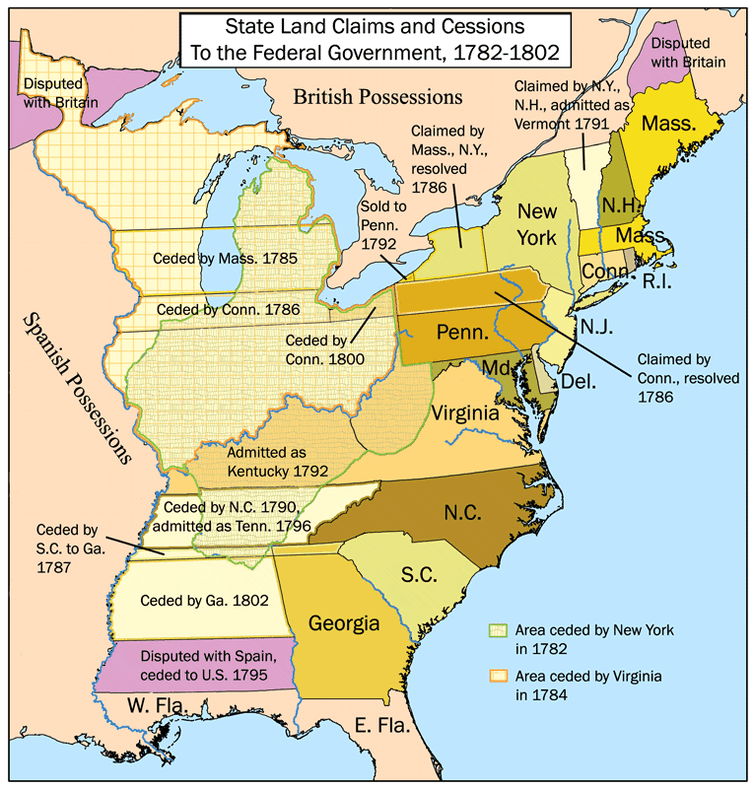
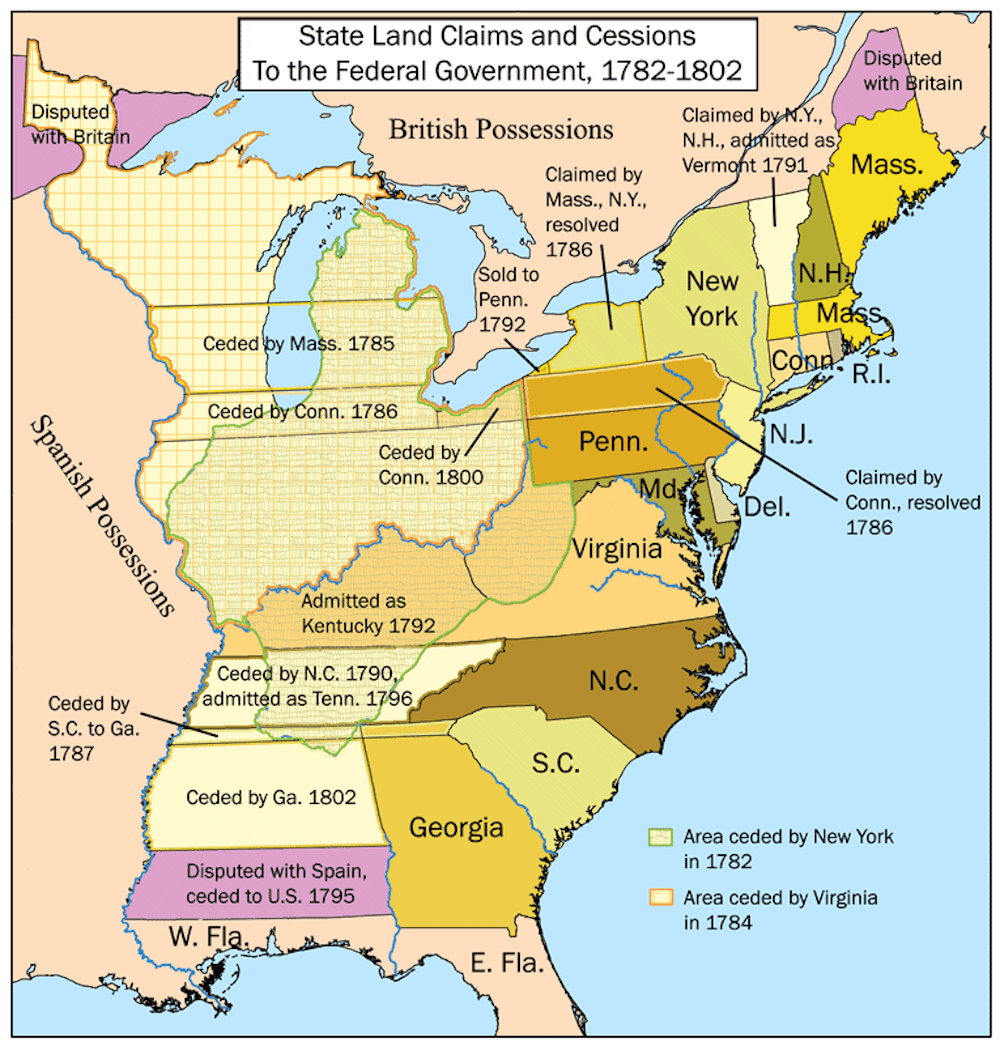
    <p>The other reason for the Electoral College was to bridge a major divide among the states: slavery. As James Madison said at the Constitutional Convention: “<a href="https://avalon.law.yale.edu/18th_century/debates_630.asp" rel="nofollow external" class="bo">[T]he great division of interests</a> in the U. States did not lie between the large &amp; small States; it lay between the Northern &amp; Southern” because of “their having or not having slaves.”</p>


    <div>
    <a href="https://images.theconversation.com/files/347733/original/file-20200715-31-1rcxks2.png?ixlib=rb-1.1.0&amp;q=45&amp;auto=format&amp;w=1000&amp;fit=clip" rel="nofollow external" class="bo"><img src="https://umbc.edu/wp-content/uploads/2020/07/file-20200715-31-1rcxks2.png" alt="The original 13 U.S. colonies and their territorial changes from 1782 to 1802." style="max-width: 100%; height: auto;"></a><em>The 13 colonies had competing land claims in the early years of the United States. <a href="http://totallyhistory.com/thirteen-original-colonies/" rel="nofollow external" class="bo">Kmusser</a>, <a href="http://creativecommons.org/licenses/by/4.0/" rel="nofollow external" class="bo">CC BY</a></em>
    </div>


    <h4>Race in early America</h4>


    <p>By the time the founders discussed how to pick a president, they had already made the so-called “<a href="https://www.thirteen.org/wnet/slavery/experience/legal/docs2.html" rel="nofollow external" class="bo">three-fifths compromise</a>,” counting enslaved people as three-fifths of a person in the census and allotting seats in the House of Representatives accordingly. That gave Southern slave states an advantage over the Northern states in the House.</p>


    <p>Slave states – with many people and with fewer – insisted on the Electoral College to <a href="https://thehill.com/opinion/campaign/498512-the-electoral-college-is-not-democratic-nor-should-it-be" rel="nofollow external" class="bo">preserve this advantage</a> to give them a similar advantage in presidential selection. Ultimately, delegates to the Constitutional Convention decided that each state would receive votes in the Electoral College equal to their representation in both houses of Congress.</p>


    <p>As a result, after the 1790 census, Virginia got 21 electoral votes and Pennsylvania got 15, though both were home to just over <a href="https://www.census.gov/library/publications/1793/dec/number-of-persons.html" rel="nofollow external" class="bo">110,000 free white male adults</a>, who were then the only Americans allowed to vote. That’s because Virginia had 292,627 enslaved residents, to Pennsylvania’s 3,737, the country’s very first census shows.</p>


    <p>Similarly, South Carolina and New Hampshire had <a href="https://www.census.gov/library/publications/1793/dec/number-of-persons.html" rel="nofollow external" class="bo">nearly identical numbers of free white men</a> – right around 36,000. But South Carolina got two more electoral votes, for a total of eight, because more than 100,000 enslaved people lived there, compared to New Hampshire’s 158 enslaved people.</p>


    <div>
    <a href="https://images.theconversation.com/files/347734/original/file-20200715-19-1umr1cs.jpg?ixlib=rb-1.1.0&amp;q=45&amp;auto=format&amp;w=1000&amp;fit=clip" rel="nofollow external" class="bo"><img src="https://umbc.edu/wp-content/uploads/2020/07/file-20200715-19-1umr1cs.jpg" alt="Congressman Samuel Thatcher of Massachusetts." style="max-width: 100%; height: auto;"></a><em>U.S. Rep. Samuel Thatcher, in 1806. <a href="https://commons.wikimedia.org/wiki/File:Portrait_of_Samuel_Thatcher.jpg" rel="nofollow external" class="bo">Fevret de Saint Memin/Wikimedia Commons</a></em>
    </div>


    <p>In 1803, the 1800 census was about to shift the balance even more toward slave states. Representative Samuel Thatcher of Massachusetts <a href="https://books.google.com/books?id=RCbXCwAAQBAJ&amp;pg=PA345&amp;lpg=PA345&amp;dq=samuel+thatcher+t%5Dhe+representation+of+slaves+adds+thirteen+members+to+this+House+in+the+present+Congress,+and+eighteen+Electors+of+President+and+Vice+President+at+the+next+election." rel="nofollow external" class="bo">complained</a> that counting enslaved people added significant numbers to the slave states’ delegations.</p>


    <p>The slavery bonus ensured that the nation’s first 18 presidential elections delivered a <a href="https://www.whitehousehistory.org/slavery-in-the-presidents-neighborhood-faq" rel="nofollow external" class="bo">slave-owner as either president</a>, <a href="https://www.senate.gov/about/officers-staff/vice-president/VP_Richard_M_Johnson.htm" rel="nofollow external" class="bo">vice</a> <a href="https://www.senate.gov/about/officers-staff/vice-president/VP_William_R_King.htm" rel="nofollow external" class="bo">president</a> <a href="https://www.senate.gov/about/officers-staff/vice-president/VP_John_Calhoun.htm" rel="nofollow external" class="bo">or</a> <a href="https://www.senate.gov/about/officers-staff/vice-president/VP_John_Breckinridge.htm" rel="nofollow external" class="bo">both</a>. Only in 1860, with the victory of Abraham Lincoln from Illinois and his running mate, Hannibal Hamlin of Maine, did a team of Northern politicians manage to beat the Electoral College’s skew toward white Southerners.</p>


    <h4>After the Civil War</h4>


    <p>Following the Civil War, the <a href="https://constitution.congress.gov/constitution/amendment-14/" rel="nofollow external" class="bo">14th Amendment</a> removed the three-fifths clause, and the <a href="https://constitution.congress.gov/constitution/amendment-15/" rel="nofollow external" class="bo">15th Amendment</a> should have protected African Americans’ legal right to vote. But that didn’t fix the Electoral College’s anti-Black bias. It actually made the problem worse, because Southern state governments were happy to get the representation from their large numbers of Black citizens – while <a href="https://americanhistory.si.edu/brown/history/1-segregated/white-only-1.html" rel="nofollow external" class="bo">keeping them from voting</a> through discriminatory practices like literacy tests and poll taxes.</p>


    <p>Judicial decisions at the time upheld Jim Crow restrictions on the right to vote, but those practices are <a href="https://www.oyez.org/cases/1958/584" rel="nofollow external" class="bo">illegal</a> <a href="https://constitution.congress.gov/constitution/amendment-24/" rel="nofollow external" class="bo">today</a>.</p>


    <p>This system benefited the Democratic Party, which was <a href="https://dx.doi.org/10.2139/ssrn.1153520" rel="nofollow external" class="bo">dominant in the South</a>. Republicans tried to counter that power by <a href="https://www.cambridge.org/core/journals/studies-in-american-political-development/article/stacking-the-senate-changing-the-nation-republican-rotten-boroughs-statehood-politics-and-american-political-development/76FCAD315F874CADCBC4BA1857D736F1" rel="nofollow external" class="bo">strategically admitting</a> new states from the Great Plains and Mountain West. In part because of <a href="https://aeon.co/ideas/land-and-the-roots-of-african-american-poverty" rel="nofollow external" class="bo">racially disparate postwar settlement policies</a>, these states – such as Nebraska, the Dakotas and Wyoming – were unusually thinly populated, heavily white and reliably Republican.</p>


    <div>
    <a href="https://images.theconversation.com/files/344573/original/file-20200629-155349-g6tthx.jpg?ixlib=rb-1.1.0&amp;rect=0%2C4%2C3000%2C1989&amp;q=45&amp;auto=format&amp;w=1000&amp;fit=clip" rel="nofollow external" class="bo"><img src="https://umbc.edu/wp-content/uploads/2020/07/file-20200629-155349-g6tthx.jpg" alt="A woman looks at papers." style="max-width: 100%; height: auto;"></a><em>Staff of the House of Representatives review Illinois’ Electoral College vote report in January 2017. <a href="https://www.gettyimages.com/detail/news-photo/house-clerk-staff-verify-the-official-electoral-college-news-photo/631100318" rel="nofollow external" class="bo">Samuel Corum/Anadolu Agency/Getty Images</a></em>
    </div>


    <h4>Race and the Electoral College now</h4>


    <p>Those statehood decisions made a century and a half ago still reverberate today. <a href="https://www.thegazette.com/subject/news/government/elections/smaller-states-get-bigger-say-in-electoral-college-20161126" rel="nofollow external" class="bo">States with smaller populations</a> have more electoral votes per resident because, no matter how few people they might have, they still get two senators and one House member.</p>


    <p>I recently performed a <a href="https://www.degruyter.com/view/journals/for/17/2/article-p315.xml" rel="nofollow external" class="bo">quantitative analysis</a> of race and the allocation of electoral votes. The data indicate that whiter states consistently wield more electoral power partly because of their population.</p>


    <p>On average, as a state’s racial composition gets whiter, its electoral power increases. For instance, in 2016, North Dakota was the seventh whitest state and 47th on the list in terms of adult population. It had more than 5.2 electoral votes per million adult residents, when an average state had just 2.2 electoral votes per million adult residents. According to my analysis, a state that is 10% whiter than the average state tends to have one extra electoral vote per million adult residents than the average state.</p>


    <p>I also found that states whose people exhibit <a href="http://doi.org/10.1037/0022-3514.40.3.414" rel="nofollow external" class="bo">more intense anti-Black attitudes</a>, <a href="https://www.vox.com/identities/2017/12/15/16781222/trump-racism-economic-anxiety-study" rel="nofollow external" class="bo">based on their answers</a> to a series of survey questions, tend to have more electoral votes per person.</p>


    <p>Statistically speaking, if two states’ population numbers indicate each would have 10 electoral votes, but one had substantially more racial resentment, the more intolerant state would likely have 11.</p>


    <p>This is not an ironclad rule, and the inherent bias isn’t always decisive. For instance, Donald Trump owes his presidency to <a href="https://fivethirtyeight.com/features/donald-trump-had-a-superior-electoral-college-strategy/" rel="nofollow external" class="bo">winning Wisconsin</a>, a state that is whiter than the average state, but that has slightly less electoral votes per capita than average.</p>


    <p>In addition, the centuries-old racial bias in the Electoral College could disappear with future population changes. Perhaps other states with relatively few people will follow the pattern of Nevada, whose population has recently become larger and more racially diverse. But the Electoral College remains a system born from white supremacy that will likely continue to operate in a racially discriminatory fashion.</p>


    <p>*****</p>


    <div><div>
    <div><div>
    <p><em><a href="https://theconversation.com/profiles/william-blake-548441" rel="nofollow external" class="bo">William Blake</a>, Assistant Professor of Political Science, <a href="https://theconversation.com/institutions/university-of-maryland-baltimore-county-1667" rel="nofollow external" class="bo">University of Maryland, Baltimore County</a></em></p>


    <p><em>This article is republished from <a href="https://theconversation.com" rel="nofollow external" class="bo">The Conversation</a> under a Creative Commons license. Read the <a href="https://theconversation.com/electoral-college-benefits-whiter-states-study-shows-142600" rel="nofollow external" class="bo">original article</a>.</em></p>


    <p><em>[Get the best of The Conversation, every weekend. <a href="https://theconversation.com/us/newsletters/weekly-highlights-61?utm_source=TCUS&amp;utm_medium=inline-link&amp;utm_campaign=newsletter-text&amp;utm_content=weeklybest" rel="nofollow external" class="bo">Sign up for our weekly newsletter</a>.]</em></p>


    <p><em>Header image: A congressional staffer opens the boxes containing the Electoral College ballots in January 2017. <a href="https://www.gettyimages.com/detail/news-photo/aide-opens-electoral-college-ballot-boxes-during-a-joint-news-photo/631096338" rel="nofollow external" class="bo">Tom Williams/CQ Roll Call</a></em></p>
    </div></div>
    </div></div>
    </div>
]]>
</Body>
<Summary>By William Blake, assistant professor, Political Science, UMBC      States can force members of the Electoral College to vote for the winner of the popular vote in their state’s presidential...</Summary>
<Website>https://umbc.edu/stories/electoral-college-benefits-whiter-states-study-shows/</Website>
<TrackingUrl>https://my3.my.umbc.edu/api/v0/pixel/news/119836/guest@my.umbc.edu/65b9020c1baf3e5b20b4341fb8c1a27e/api/pixel</TrackingUrl>
<Tag>discovery</Tag>
<Tag>electoral-college</Tag>
<Tag>political-science</Tag>
<Tag>the-conversation</Tag>
<Group token="umbc-news-magazine">UMBC News &amp;amp; Magazine</Group>
<GroupUrl>https://my3.my.umbc.edu/groups/umbc-news-magazine</GroupUrl>
<AvatarUrl>https://assets1-my.umbc.edu/system/shared/avatars/groups/000/001/943/24435aa6207c452e7bc15cc74b42c7bb/xsmall.png?1748556657</AvatarUrl>
<AvatarUrl size="original">https://assets1-my.umbc.edu/system/shared/avatars/groups/000/001/943/24435aa6207c452e7bc15cc74b42c7bb/original.png?1748556657</AvatarUrl>
<AvatarUrl size="xxlarge">https://assets2-my.umbc.edu/system/shared/avatars/groups/000/001/943/24435aa6207c452e7bc15cc74b42c7bb/xxlarge.png?1748556657</AvatarUrl>
<AvatarUrl size="xlarge">https://assets2-my.umbc.edu/system/shared/avatars/groups/000/001/943/24435aa6207c452e7bc15cc74b42c7bb/xlarge.png?1748556657</AvatarUrl>
<AvatarUrl size="large">https://assets3-my.umbc.edu/system/shared/avatars/groups/000/001/943/24435aa6207c452e7bc15cc74b42c7bb/large.png?1748556657</AvatarUrl>
<AvatarUrl size="medium">https://assets1-my.umbc.edu/system/shared/avatars/groups/000/001/943/24435aa6207c452e7bc15cc74b42c7bb/medium.png?1748556657</AvatarUrl>
<AvatarUrl size="small">https://assets2-my.umbc.edu/system/shared/avatars/groups/000/001/943/24435aa6207c452e7bc15cc74b42c7bb/small.png?1748556657</AvatarUrl>
<AvatarUrl size="xsmall">https://assets1-my.umbc.edu/system/shared/avatars/groups/000/001/943/24435aa6207c452e7bc15cc74b42c7bb/xsmall.png?1748556657</AvatarUrl>
<AvatarUrl size="xxsmall">https://assets2-my.umbc.edu/system/shared/avatars/groups/000/001/943/24435aa6207c452e7bc15cc74b42c7bb/xxsmall.png?1748556657</AvatarUrl>
<Sponsor>UMBC News &amp; Magazine</Sponsor>
<PawCount>0</PawCount>
<CommentCount>0</CommentCount>
<CommentsAllowed>false</CommentsAllowed>
<PostedAt>Mon, 20 Jul 2020 13:45:59 -0400</PostedAt>
</NewsItem>

</News>